
26 Facts About Castles: The True Stories Behind the Myths
Castles were the most expensive buildings of their age, defended by a handful of men, fitted with indoor toilets and almost no window glass, and built to send political messages as much as to repel…
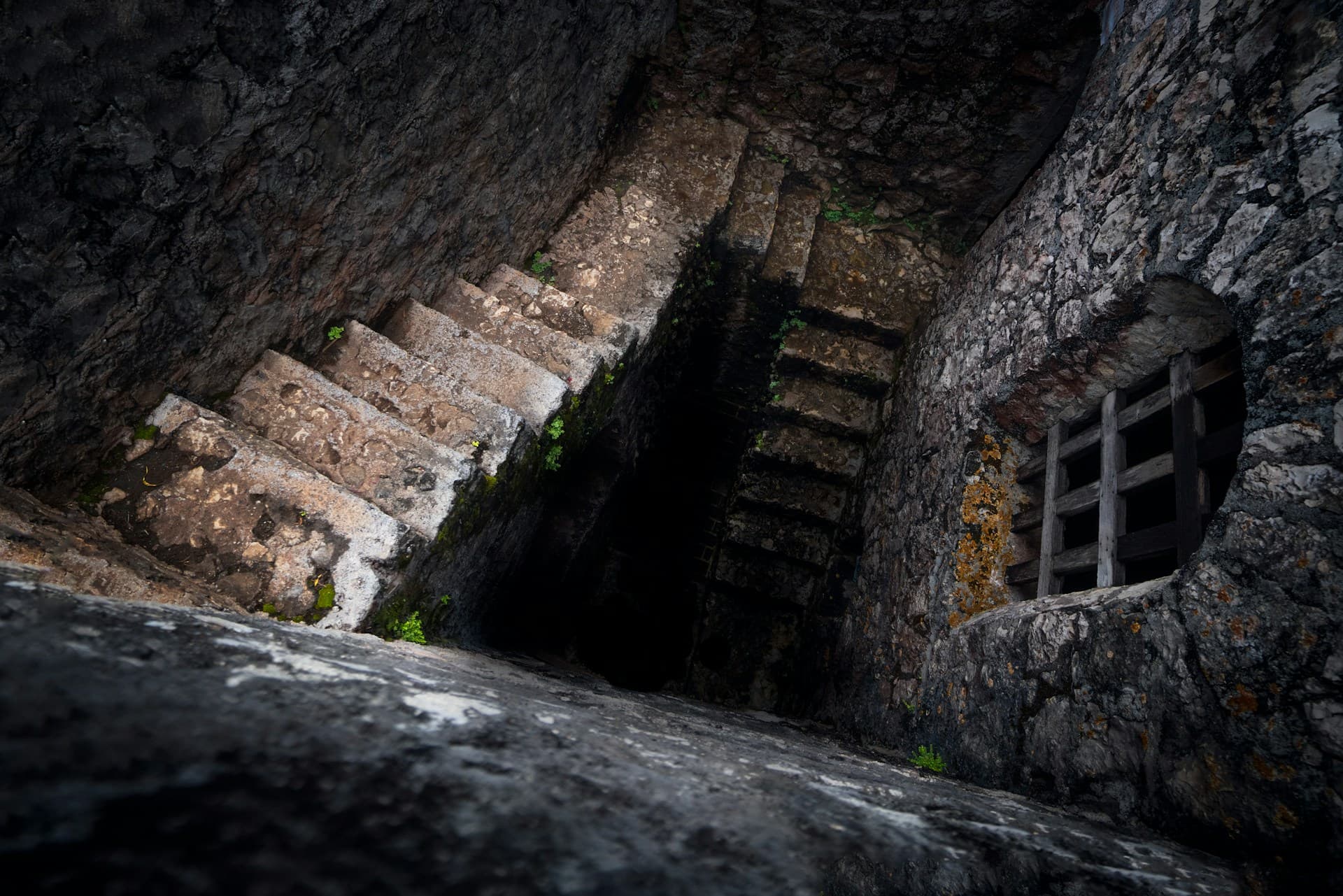
Castles were the most expensive buildings of their age, defended by a handful of men, fitted with indoor toilets and almost no window glass, and built to send political messages as much as to repel an army. Much of what everyone "knows" about them is wrong: the boiling oil, the staircases built for right-handed swordsmen, the dank pits where prisoners were forgotten. Here are 26 facts that hold up, and the famous ones that don't.
The word itself is a good place to start. "Castle" comes from the Latin castellum, the diminutive of castrum, a fort or camp. Literally, it means "a little fort."[7] Everything below sits inside that idea: a fortified home for someone powerful, built to be lived in as much as defended.
The famous "facts" that aren't true
Let's start with the myths, because they are the most fun to dismantle.
1. Boiling oil is mostly a myth
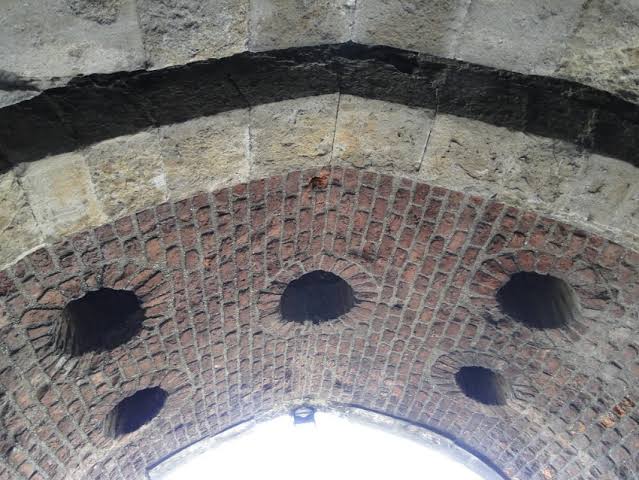
The holes set above gateways, the ones popularly called "murder-holes," are usually said to have poured boiling oil onto attackers. In reality they were far more often used to drop missiles (arrows and spears) or pour water to douse fires set against the wooden gates. Oil was scarce and valuable, and myth comes from Victorian storytelling rather than medieval history.[1][2]
2. The clockwise-staircase story is a Victorian invention
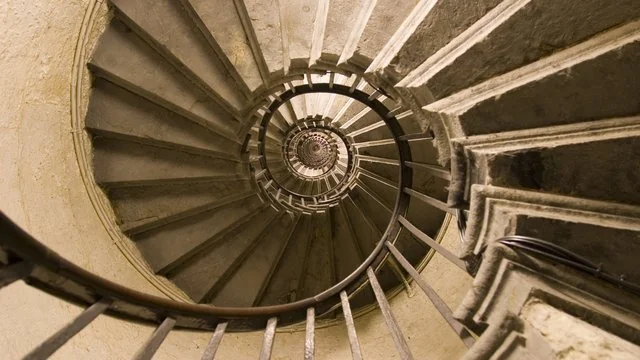
You will often read that spiral staircases were built to ascend clockwise so a right-handed defender, fighting downward, had room to swing his sword. It is true that most do turn to the right going up. But the idea that they were designed that way for defence is a "totally military view" that modern scholars reject.[3][4] It's a fun theory but there's no evidence to support it.
3. Castles rarely fell to a direct assault
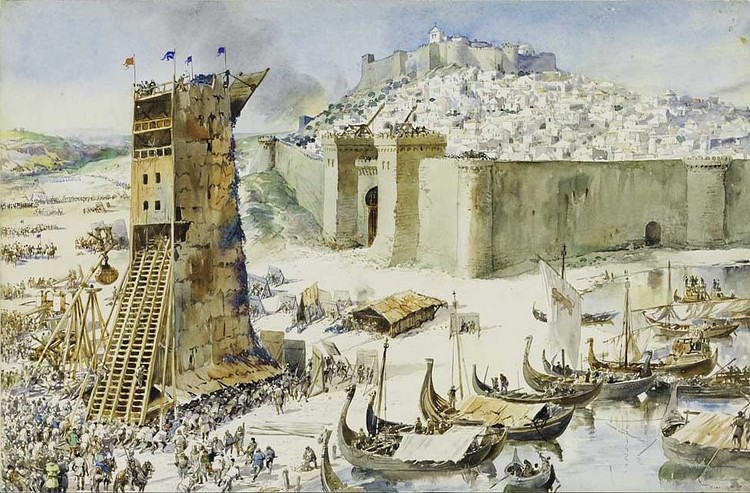
Movies, videogames, and novels have injected this idea into the collective mind that castles were constantly under assault, surrounded by huge armies with catapults and trebuchets raining boulders down on the defending army. While exciting to imagine, most sieges ended in starvation, disease, or a negotiated surrender. Castles bought the defenders time, and they were extremely effective (a small force could hold out for a long time), so the attackers were more likely to wait it out than risk a direct assault.
4. Garrisons were tiny, much smaller than you think
Even the great Welsh castles held only a skeleton force in peacetime. The garrison provided for Caernarfon Castle in the early 1400s was a hundred men: twenty men-at-arms and eighty archers. Conwy had seventy-five. Harlech made do with ten men-at-arms.[4]
5. The oubliette is mostly romance
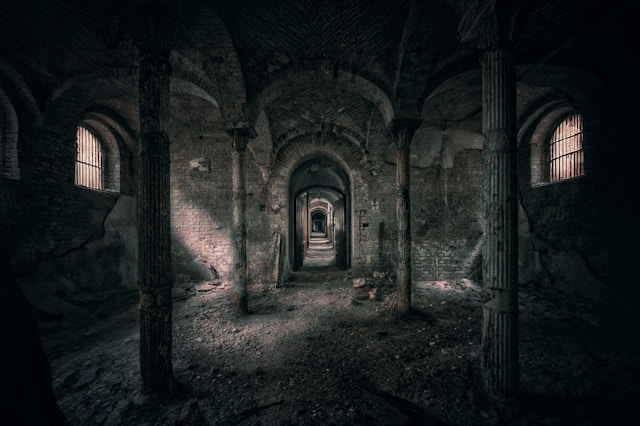
The dungeon of popular imagination, a forgotten pit where prisoners were dropped and left to die, is largely a fiction of the romantic age. Real castle prison rooms were typically barred but ventilated and lit, sometimes even fitted with a latrine, and "relatively humane" by the standards of the day.[2]
6. Arrow slits were built for crossbows, not longbows
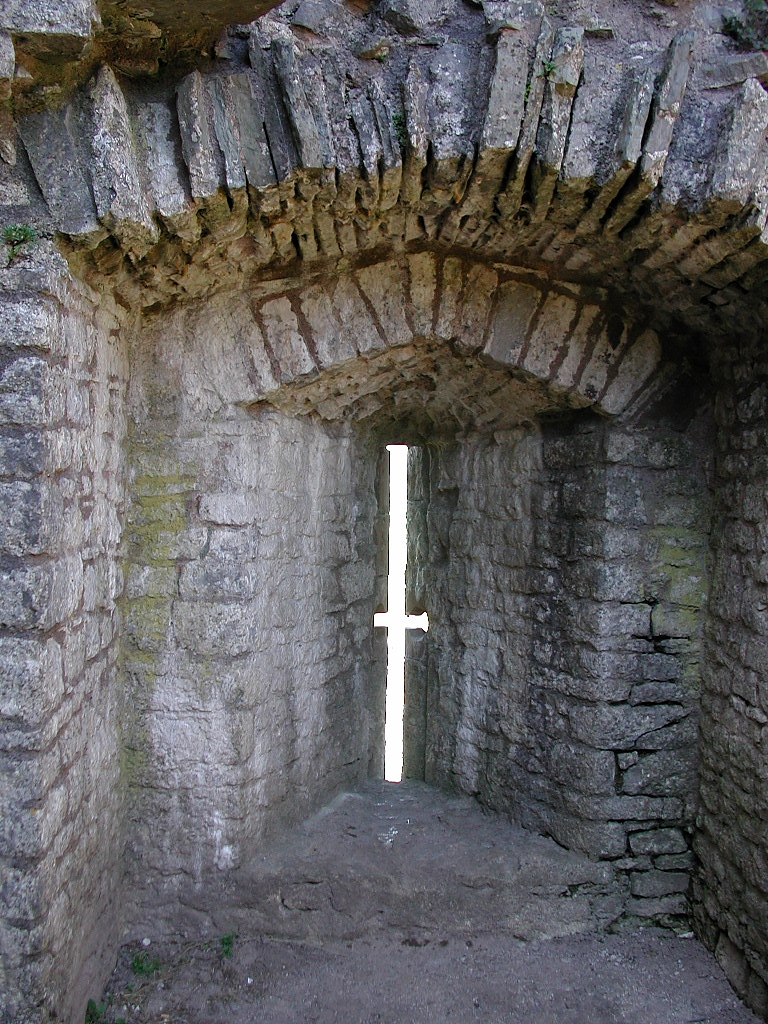
Few arrow loops were usable by anything but a crossbow; a longbow didn't fit.[2] And many features we read as purely defensive were as much about status as fighting. The moat, battlements and portcullises at Bodiam Castle in Sussex are largely for effect, a knight advertising his rank rather than preparing for war.[1]
7. The "robber baron" was rarely a robber
The romantic picture of lawless lords throwing up castles to prey on travellers gets the politics backwards. Building a castle belonged to the ordered, hierarchical business of lordship, not to banditry.[2] Castles were statements of legitimate power, which is exactly why kings tried to control who could build them (see fact 15).
How castles were really built
The building of a castle was the largest, most expensive thing most regions ever did.
8. Castles cost a fortune
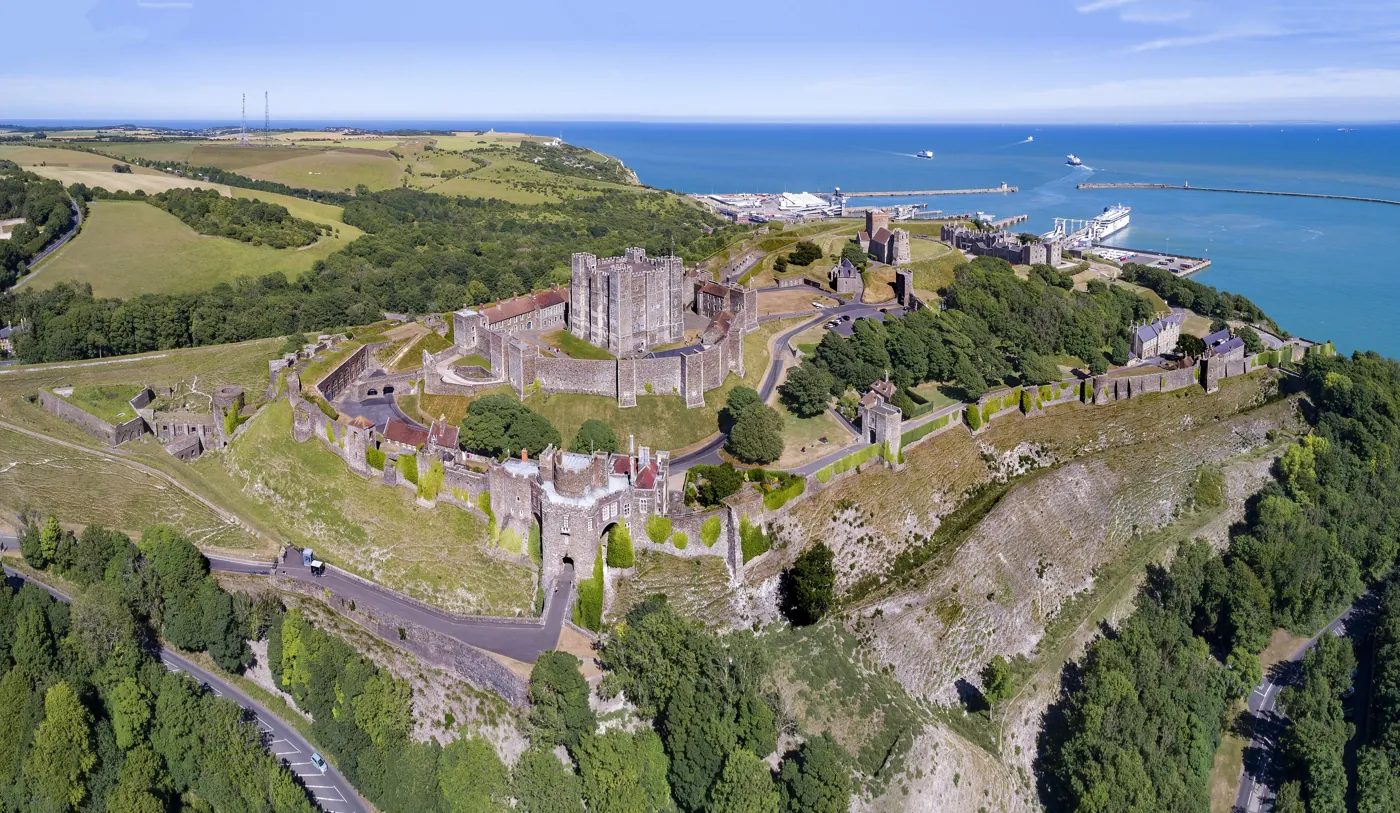
The great tower at Dover Castle cost around £4,000 (~£4 million today) and took ten years to build, from 1180 to 1190. Henry II's smaller keep at Orford in Suffolk cost about £1,500 (~£1.5 million) over six years.[1] These were the largest single outlays of their day, the medieval equivalent of a national infrastructure project.
9. One castle could cost £14,500
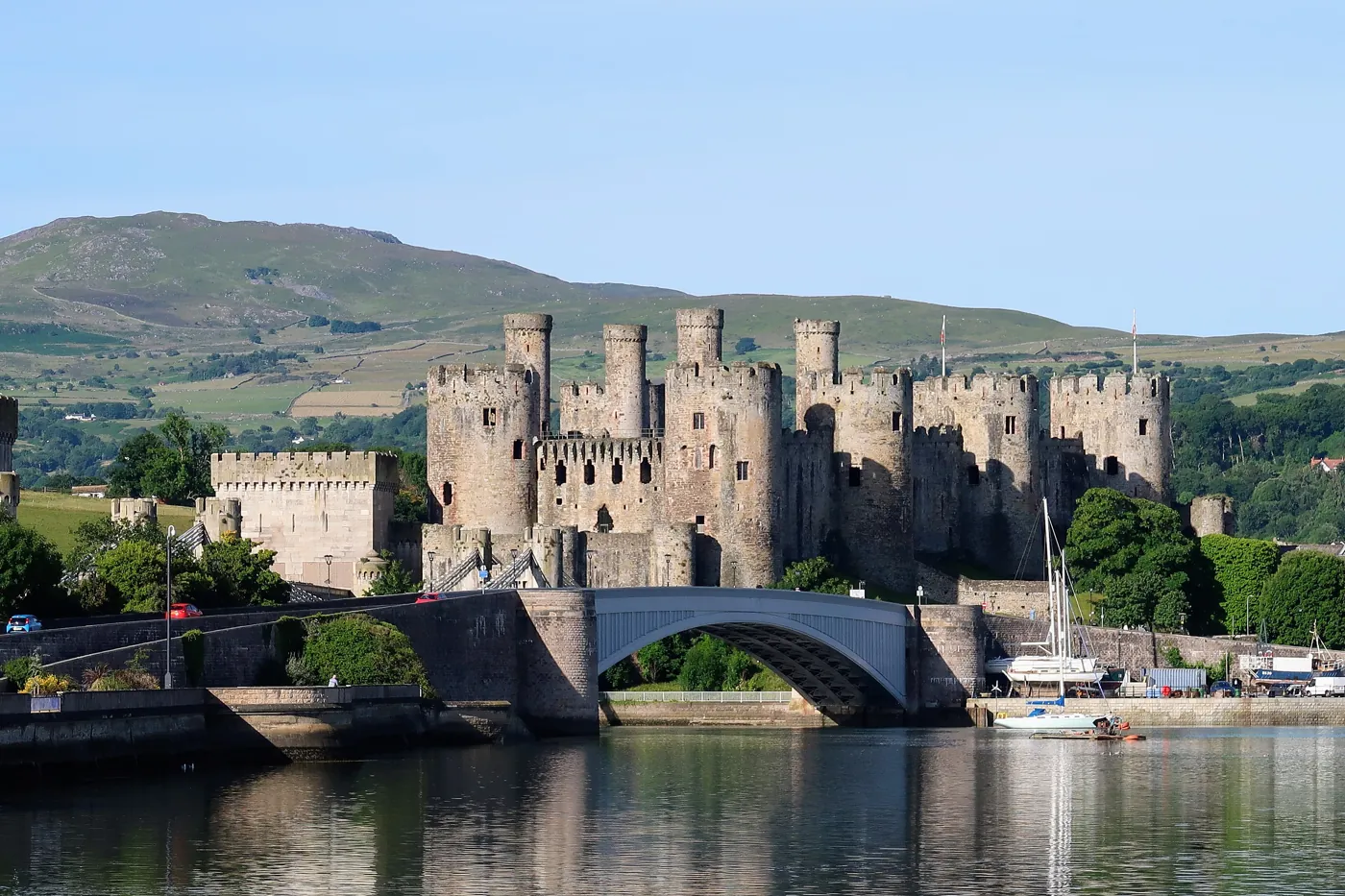
Conwy, one of Edward I's Welsh castles, ran to roughly £14,500 (about £14–15 million today) in the money of the time, with more than £6,000 of that spent in the first six months alone.[5] The Welsh campaign of castle-building nearly bankrupted the crown, which is part of why the programme was never finished (fact 17).
10. A building site employed hundreds
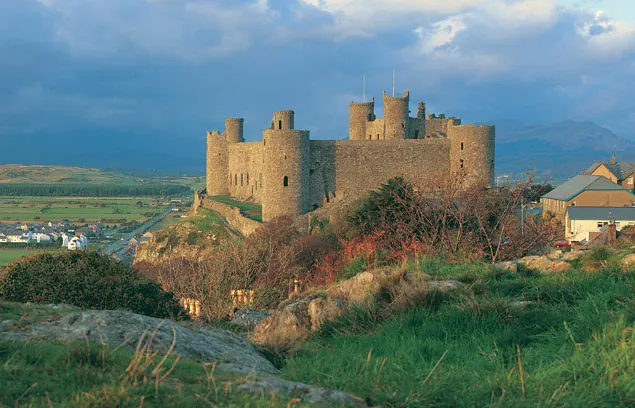
When work at Harlech was at its height in the summer of 1286, the payroll listed 227 stonemasons, 546 general labourers, 115 quarriers, 30 blacksmiths and 22 carpenters all at once.[1]
11. One castle came with its own three-mile canal
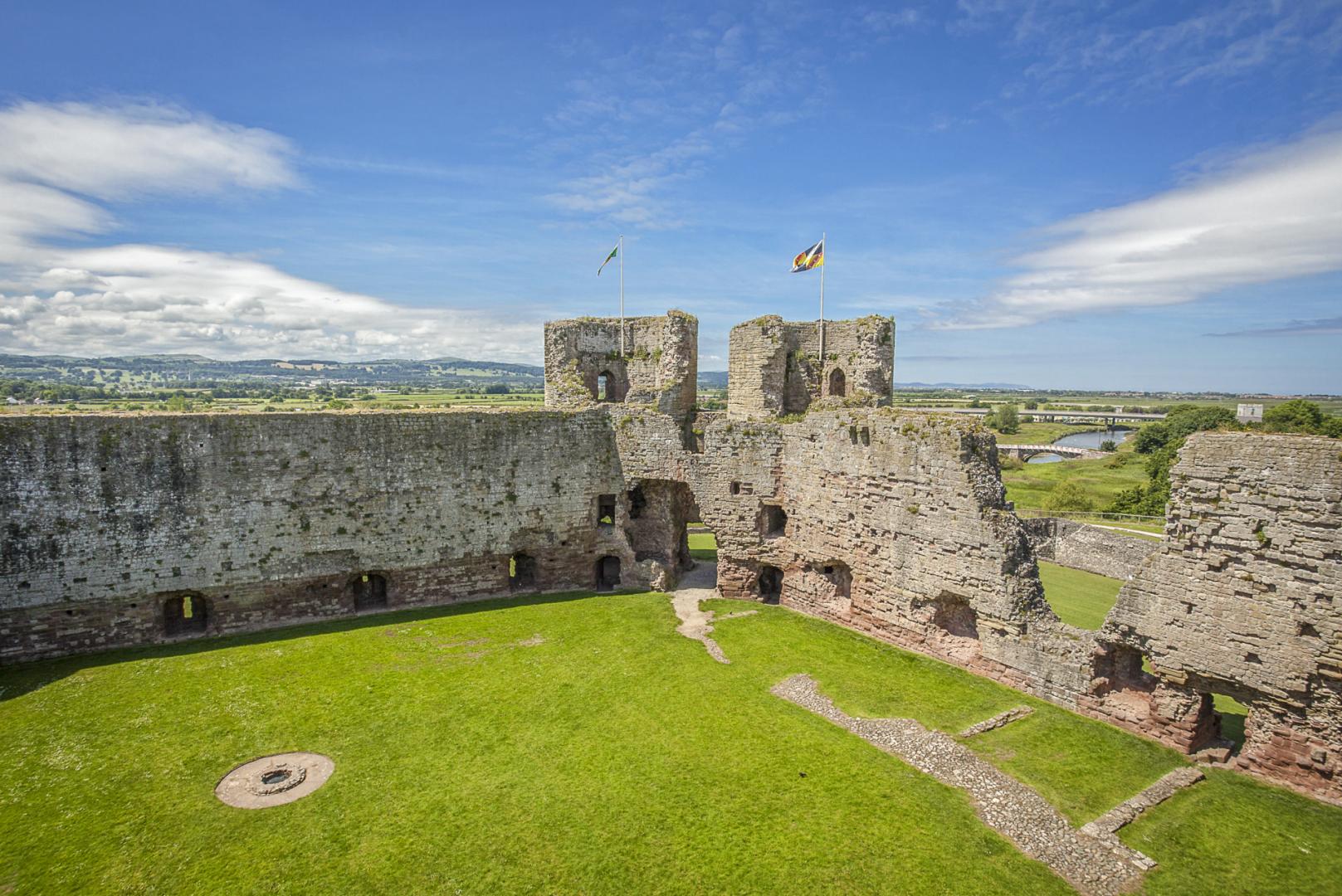
At Rhuddlan, Edward I put 968 diggers on the payroll to cut a canal more than three miles long, straightening the river so the castle could be supplied directly from the sea.[6]
12. Edward I imported his architect from the Alps
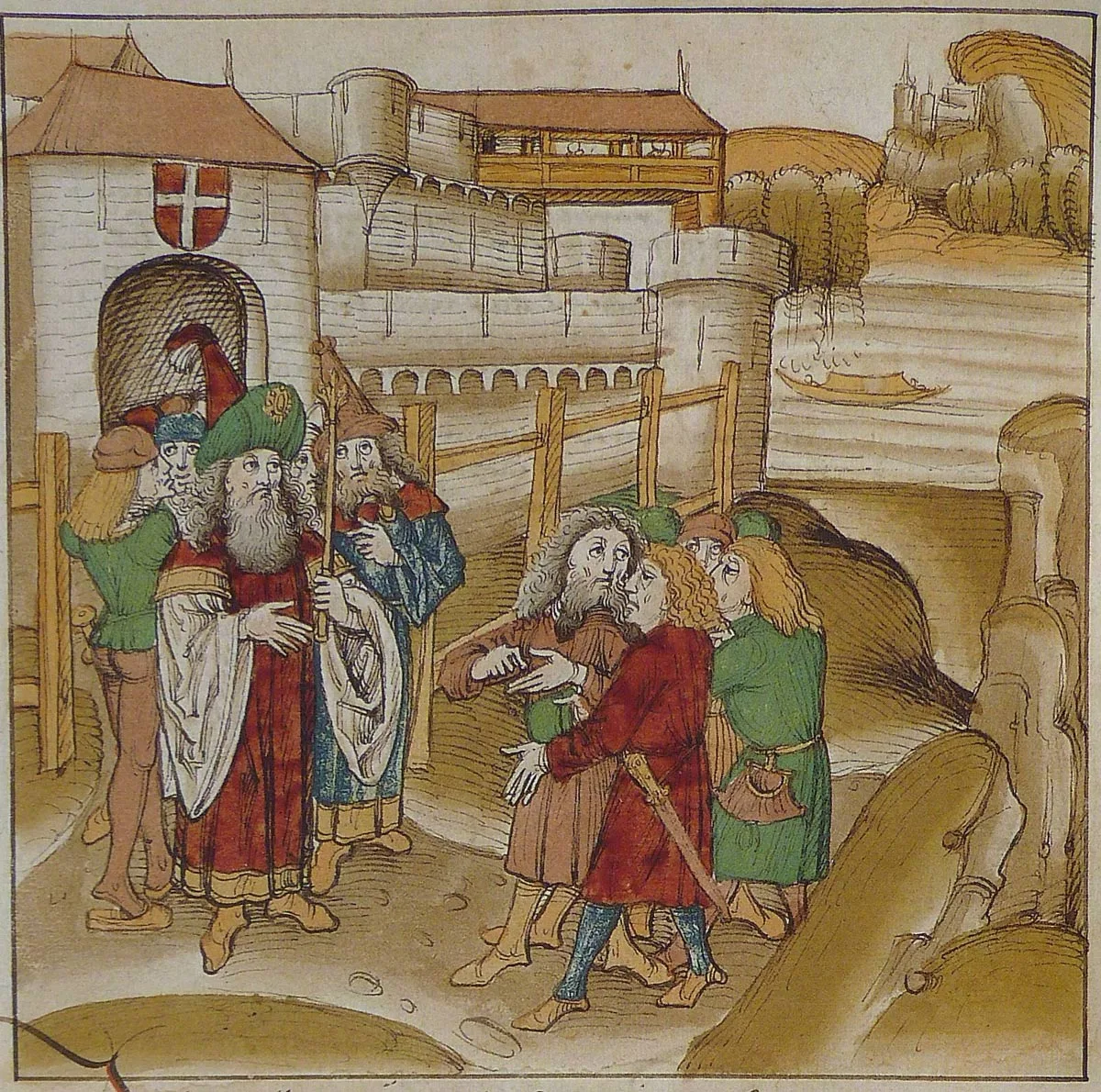
The mastermind behind the Welsh castles was Master James of St George, a mason from Savoy in what is now the French-Swiss border country. He brought continental techniques with him, including helicoidal (spiralling) scaffold sockets that ramped building materials up the walls as they rose.[10] England's most famous castles were designed by a foreigner.
13. You needed royal permission to build one
A "licence to crenellate" was the legal document that allowed a landowner to add battlements and fortify a house. The licence granted to Bodiam in 1385 still survives and is the central evidence for dating the castle.[1][2] The crown guarded the right to fortify because a castle was, by definition, a seat of power.
14. Round towers replaced square ones for a practical reason
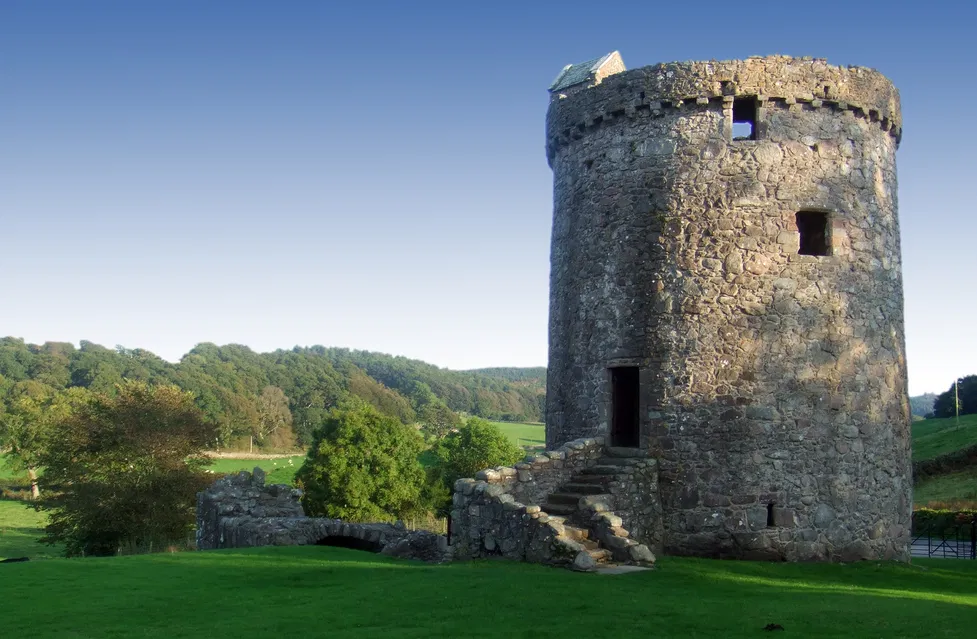
Early keeps were square, but a square tower has corners, and a corner is the weak point an attacker can undermine and collapse. By the thirteenth century everyone was building round towers, which were thought to be far stronger.[1] Caerphilly shows the new thinking at scale.
15. Concentric defence is older and cleverer than it looks
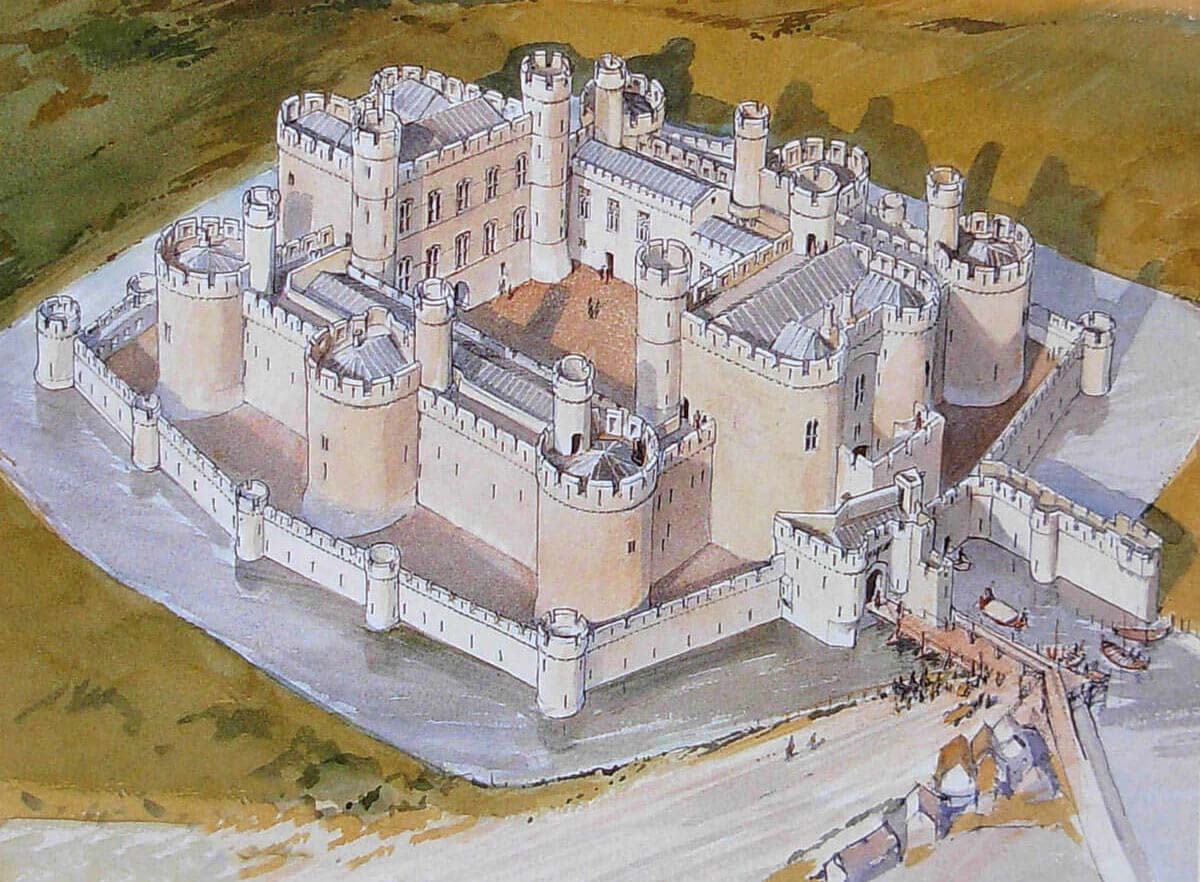
The "onion-skin" principle, rings of walls one inside the other so the inner wall always overlooks and outguns the outer, was understood in Europe by the middle of the 1100s.[7] Caerphilly in Wales and Krak des Chevaliers in Syria are textbook examples of onion-skin design. To break in, an attacker had to do everything twice, under fire the whole way.
16. Britain's most ambitious castle was never finished
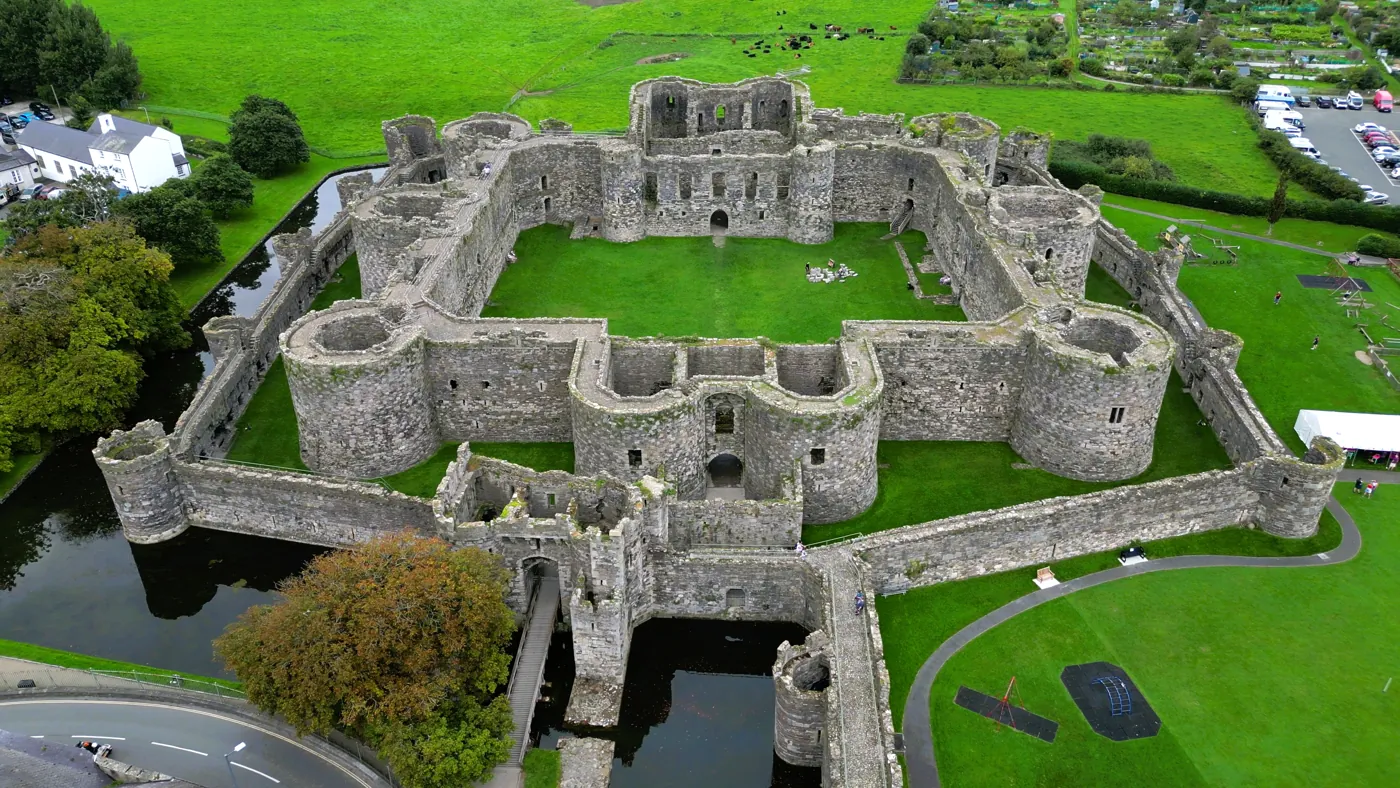
Beaumaris on Anglesey is the most perfect concentric plan Edward I's masons ever drew, a textbook of symmetry. It was left unfinished when the money ran out, and you can still see where the walls stop short of their intended height.[1][3] The high-water mark of medieval castle design is incomplete.
17. Some had wells deeper than a tower is tall
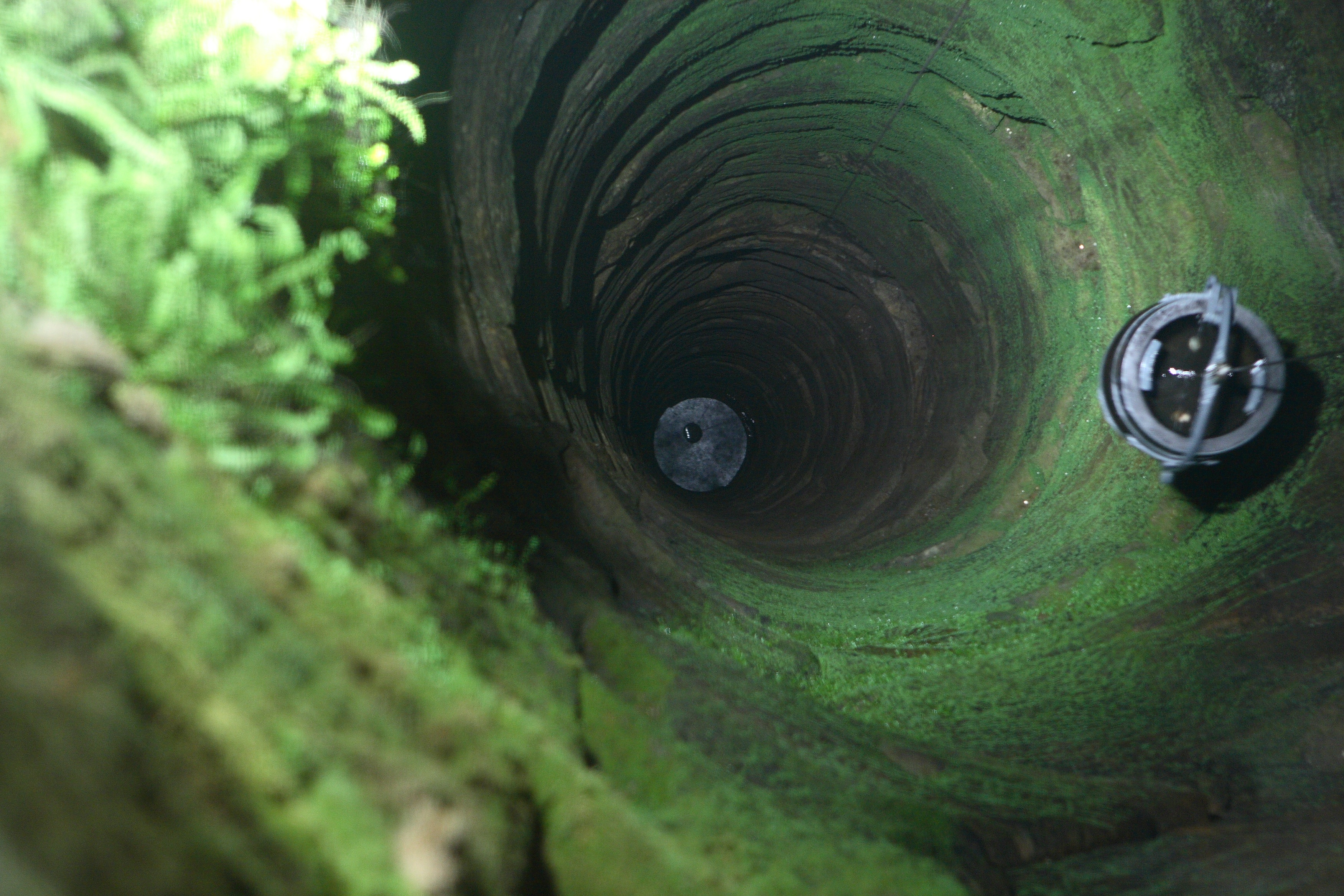
A castle under siege lived or died by its water supply, so the wells were extraordinary. The well at Windsor Castle is 165 feet deep (around 16 storeys underground), lined with dressed stone for more than sixty feet down.[6] Digging it was an engineering feat in its own right.
Life inside a castle
Strip away the warfare and a castle was a home, though not a comfortable one by modern standards.
18. Castles had indoor toilets
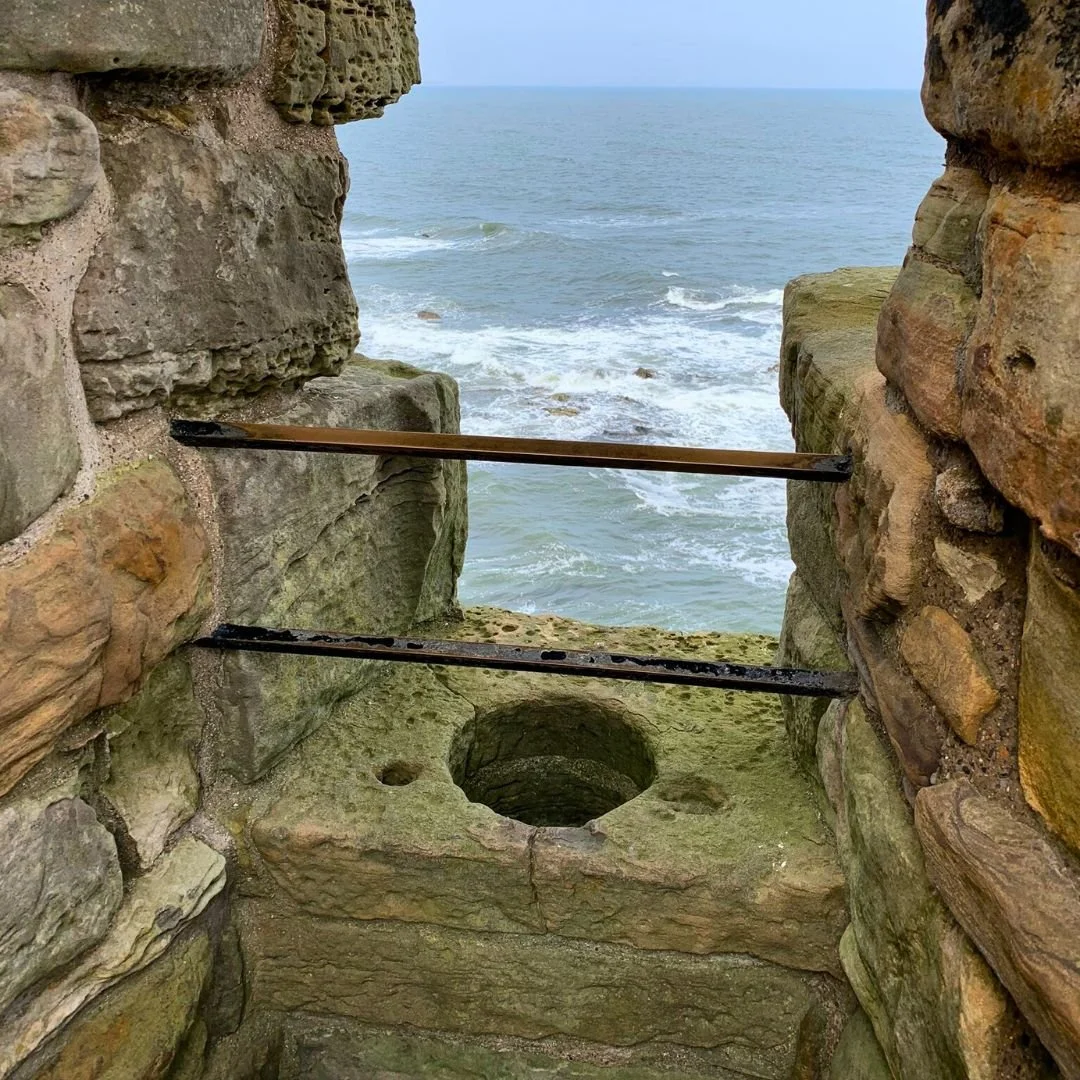
Garderobes were built into the thickness of the walls on every floor, emptying into a cesspit or straight down the outer face of the building. Middleham Castle in Yorkshire has a tower with three storeys of privies stacked above one another. The word "garderobe" also meant a small private storeroom, which is where our word "wardrobe" comes from.[1][6]
19. The windows had no glass
For most of the medieval period, glass came only in small, expensive sheets and was a luxury reserved for chapels and the grandest rooms. Most windows were closed with wooden shutters, which is why contemporaries complained of great halls where the fires smoked, the wind whistled through the gaps and nobody could keep warm.[7][1] The romantic candlelit hall was cold and draughty.
20. The larder was stocked for a siege
One surviving castle store list records 64 carcases of salted meat, 40 mutton carcases, 1,856 dried stockfish, plus wine, honey and vinegar, all laid down against a long blockade.[6] Salting and drying were what made a castle able to hold out for months.
21. Prisoners of rank were kept comfortably, for ransom
A captured noble was an asset, not a victim. High-born prisoners were generally treated honourably and held for ransom, sometimes for a very long time. Robert, Duke of Normandy, the Conqueror's eldest son, was held in captivity for nearly twenty-nine years, from 1106 to 1134.[2]
22. Richard the Lionheart brought home Greek fire
Returning from the Crusades, Richard I came back with Saracen engineers and the secret of Greek fire, the Byzantine incendiary weapon that spread in all directions and could not easily be put out.[6] It terrified those on the receiving end, which was rather the point.
Castles that break the mould
Some castles are famous for one extraordinary fact.
23. Caernarfon's walls are a political message
Most castles are built of whatever stone is local and left plain. Caernarfon's walls carry deliberate bands of coloured stone and polygonal towers, built to echo the great land walls of Constantinople and so to cast Edward I as a new Roman emperor in Wales.[1] It is propaganda in stone, and the message was aimed at the Welsh.
24. Krak des Chevaliers was never taken by storm
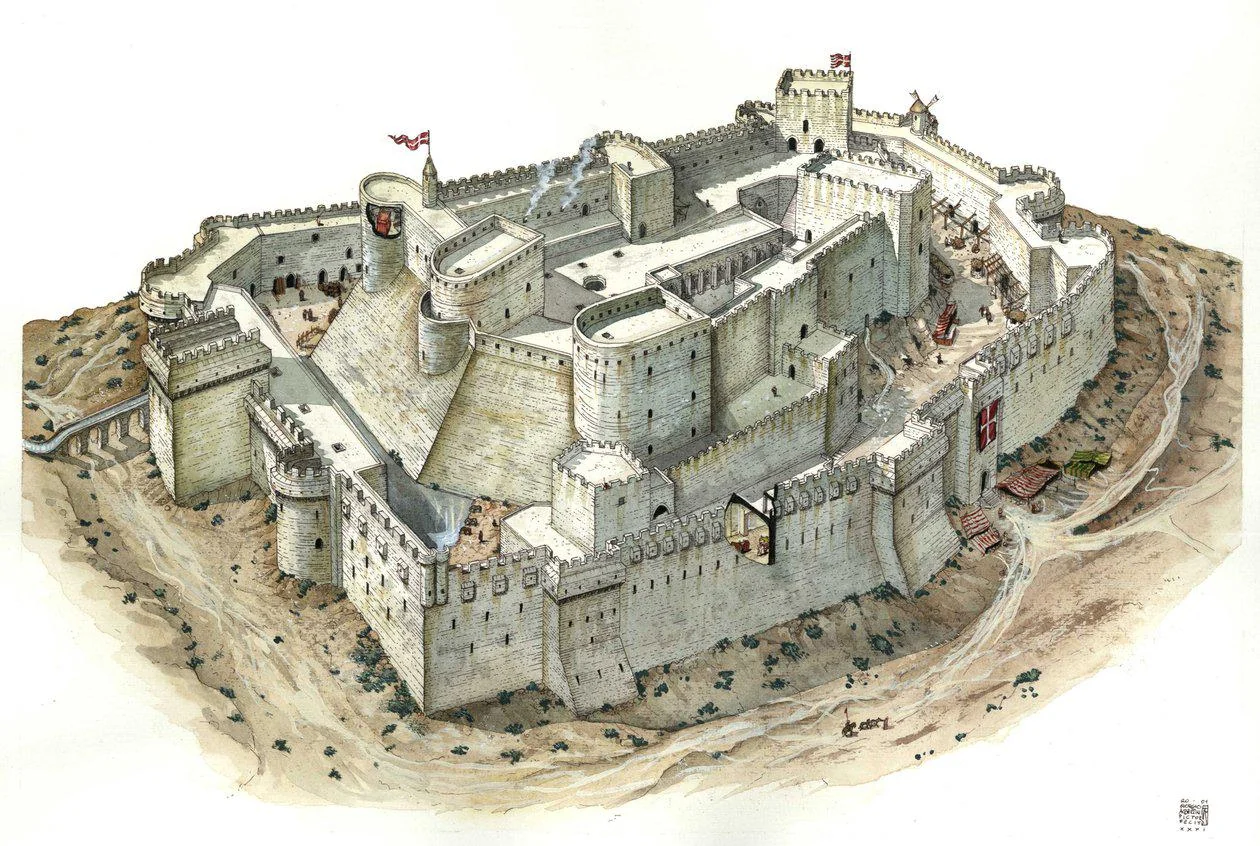
The greatest of all Crusader castles, Krak des Chevaliers in Syria, held out for well over a century. When it finally fell in 1271, it was not stormed: the attackers breached the outer ward, and the garrison then surrendered.[2][8] The story long retold is that the defenders gave up only after receiving a forged letter, supposedly from their commander, ordering them to lay down arms. Whether the letter was real or legend, the castle was never beaten by force alone.
25. There is a castle tower that out-leans Pisa
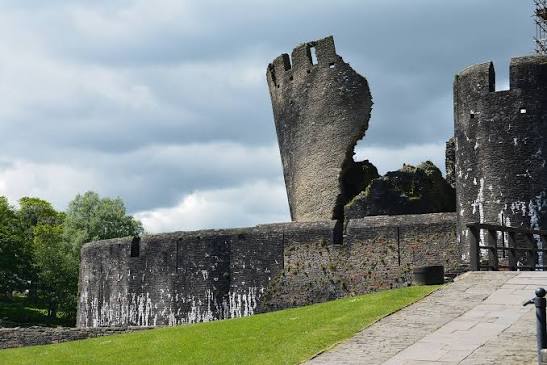
Caerphilly's south-east tower tilts dramatically out of the vertical, the result of subsidence and a Civil War attempt to slight it.[5] It leans far enough that it is popularly said to out-lean the Tower of Pisa, and it has stood at that angle for centuries.
26. The largest castle in the world is made of brick
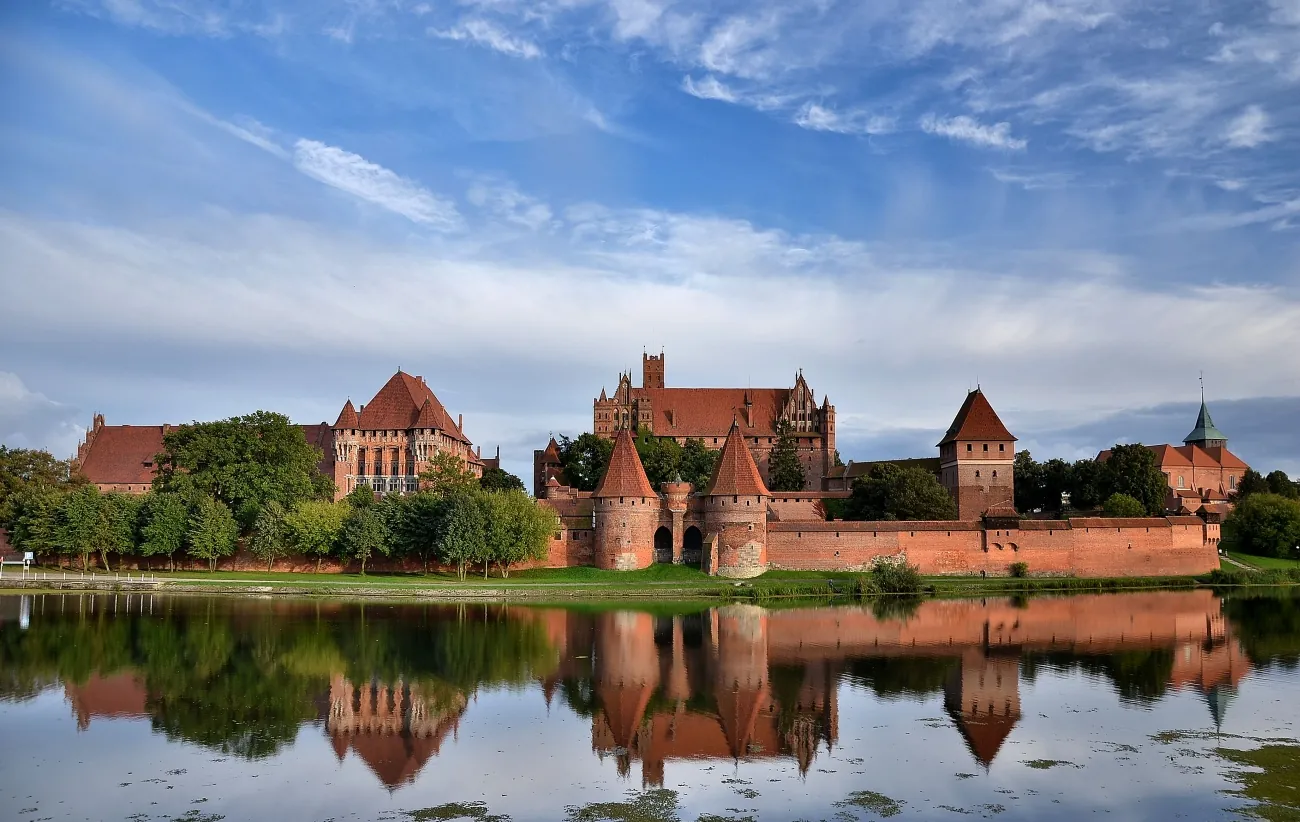
Not stone. Malbork (Marienburg) in Poland, built by the Teutonic Knights and expanded over more than a century, is the biggest castle on earth by area.[9] It is a vast complex of red brick rather than the grey stone most people picture, a reminder that the castle was a European idea built in whatever the local ground could provide.
A few of these run against the version of the Middle Ages we inherited from Victorian novels and Hollywood. The real castle is more interesting than the myth: a brilliantly engineered statement of power, half-empty and draughty, defended by ten men and a deep well.
If you want to go deeper, our guide to the different types of castles maps the full range of designs, parts of a castle walks you through the anatomy room by room, and how castles evolved traces the thousand-year arc from earth-and-timber mounds to country houses. For the record-breakers, see the largest castles in the world.
Sources
1. Morris, Marc. Castles: A History of the Buildings that Shaped Medieval Britain. Windmill Books, 2003.
2. Coulson, Charles. Castles in Medieval Society: Fortresses in England, France, and Ireland in the Central Middle Ages. Oxford University Press, 2003.
3. Pounds, N. J. G. The Castle in England and Wales: An Interpretive History. Routledge / Leicester University Press, 1990.
4. Toy, Sidney. Castles: Their Construction and History. Heinemann, 1939.
5. Kenyon, John R. Medieval Castles of Wales. University of Wales Press, 2010.
6. Johnson, Paul. Castles of England, Scotland and Wales. Weidenfeld and Nicolson, 1989.
7. Goodall, John. Castle: A History. Yale University Press, 2022.
8. Lepage, Jean-Denis G. G. Castles and Fortified Cities of Medieval Europe: An Illustrated History. McFarland, 2002.
9. Pluskowski, Aleksander. The Archaeology of the Prussian Crusade: Holy War and Colonisation. Routledge, 2013.
10. Taylor, A. J. The Welsh Castles of Edward I. Hambledon Press, 1986.