
FOR CASTLE COLLECTORS
Castle Collector InsightsExplore hill top castles on sale in Italy
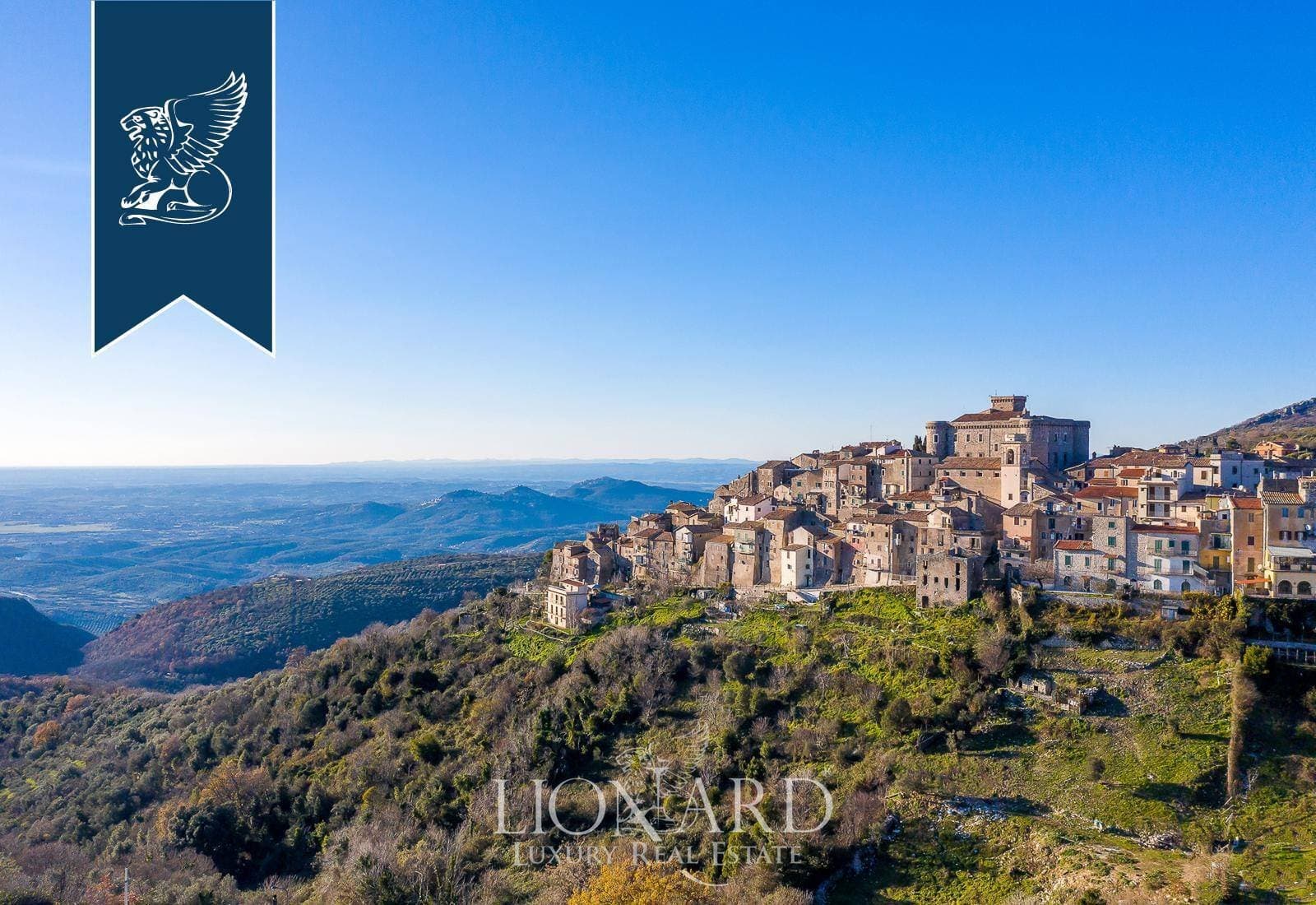
Browse hill top castles for sale in Italy. Discover elevated fortresses, hilltop château estates, and castles with panoramic views in Italy.
Average castle features in Italy
Showing avg. castle price in Italy
Key metrics for Italy
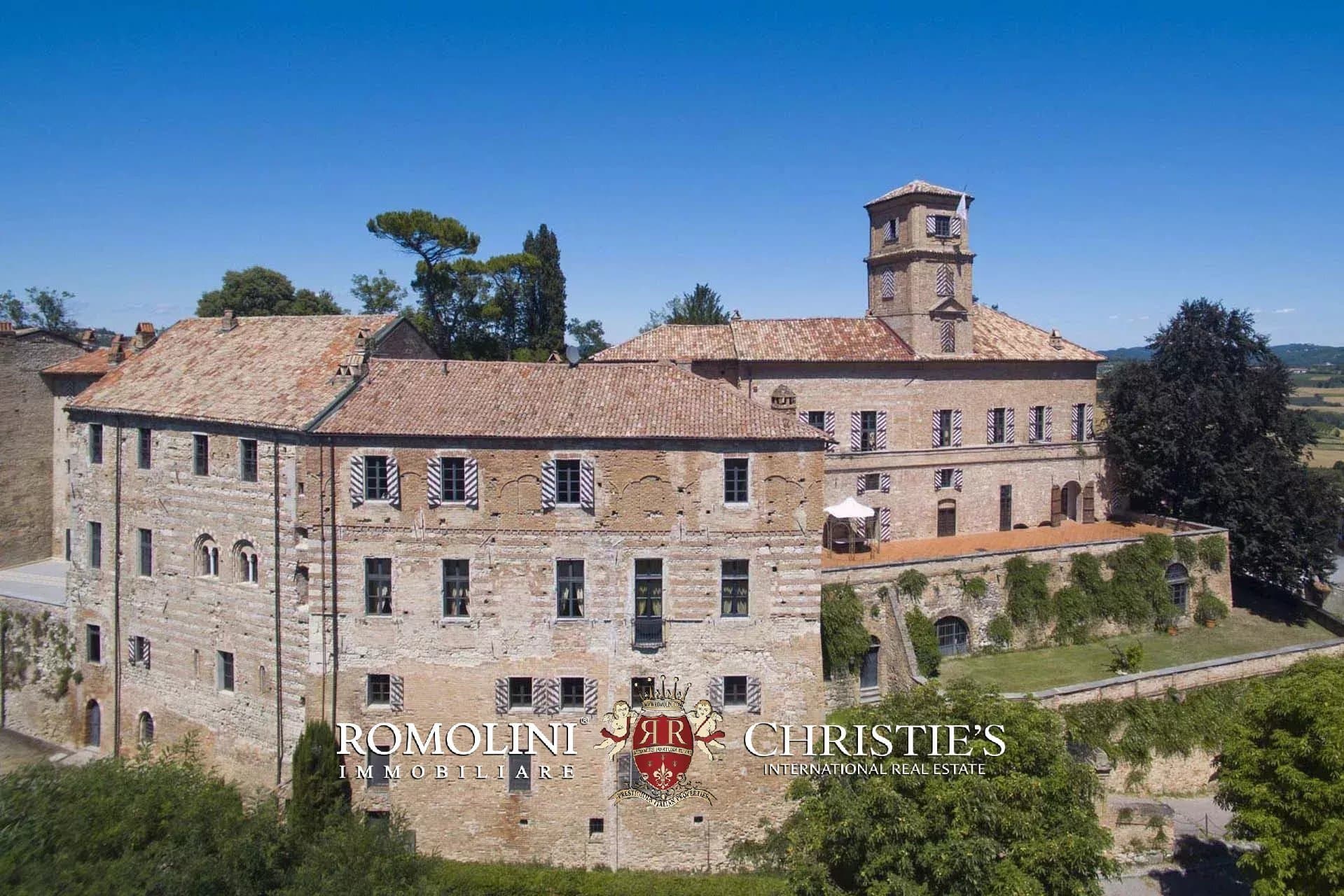
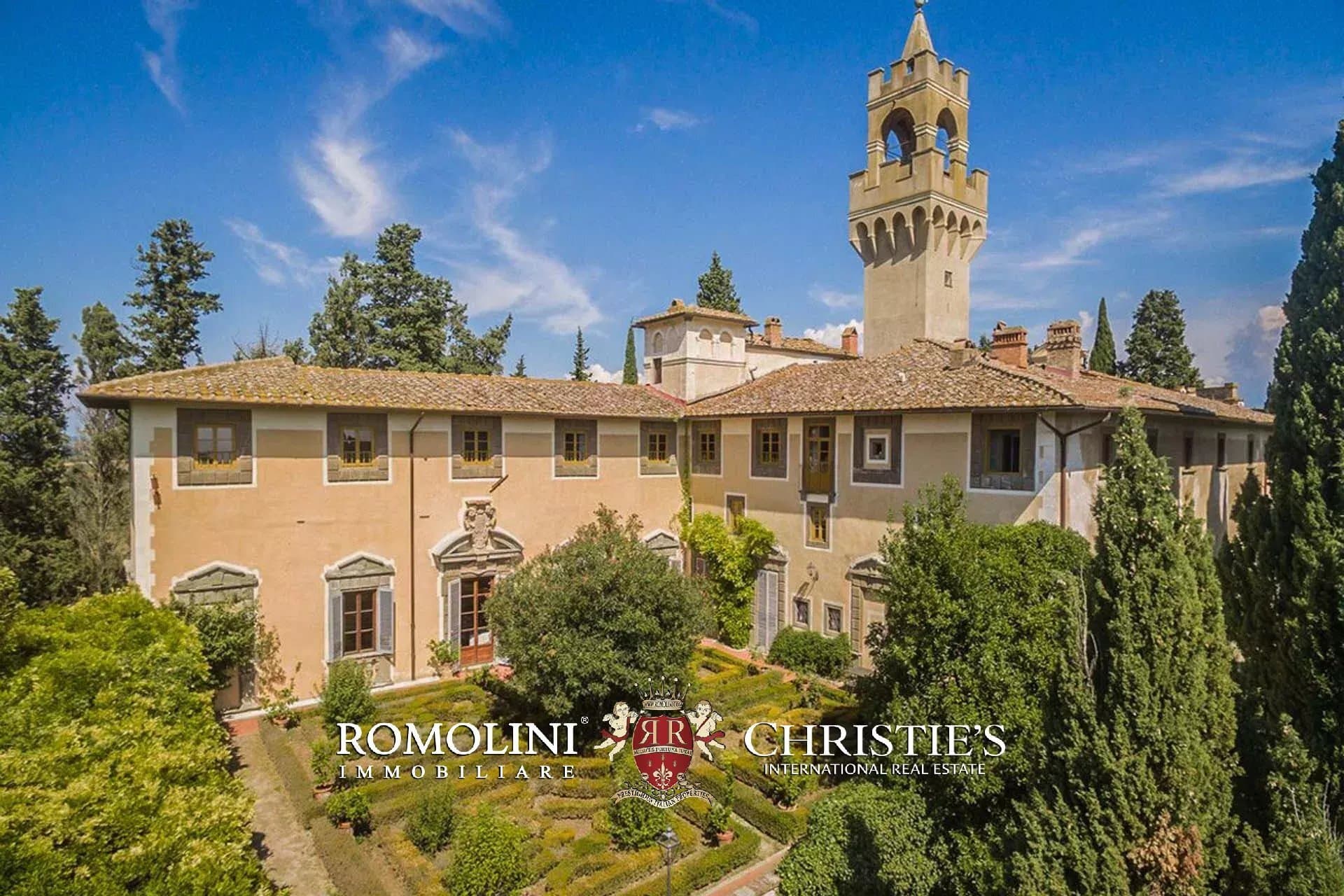
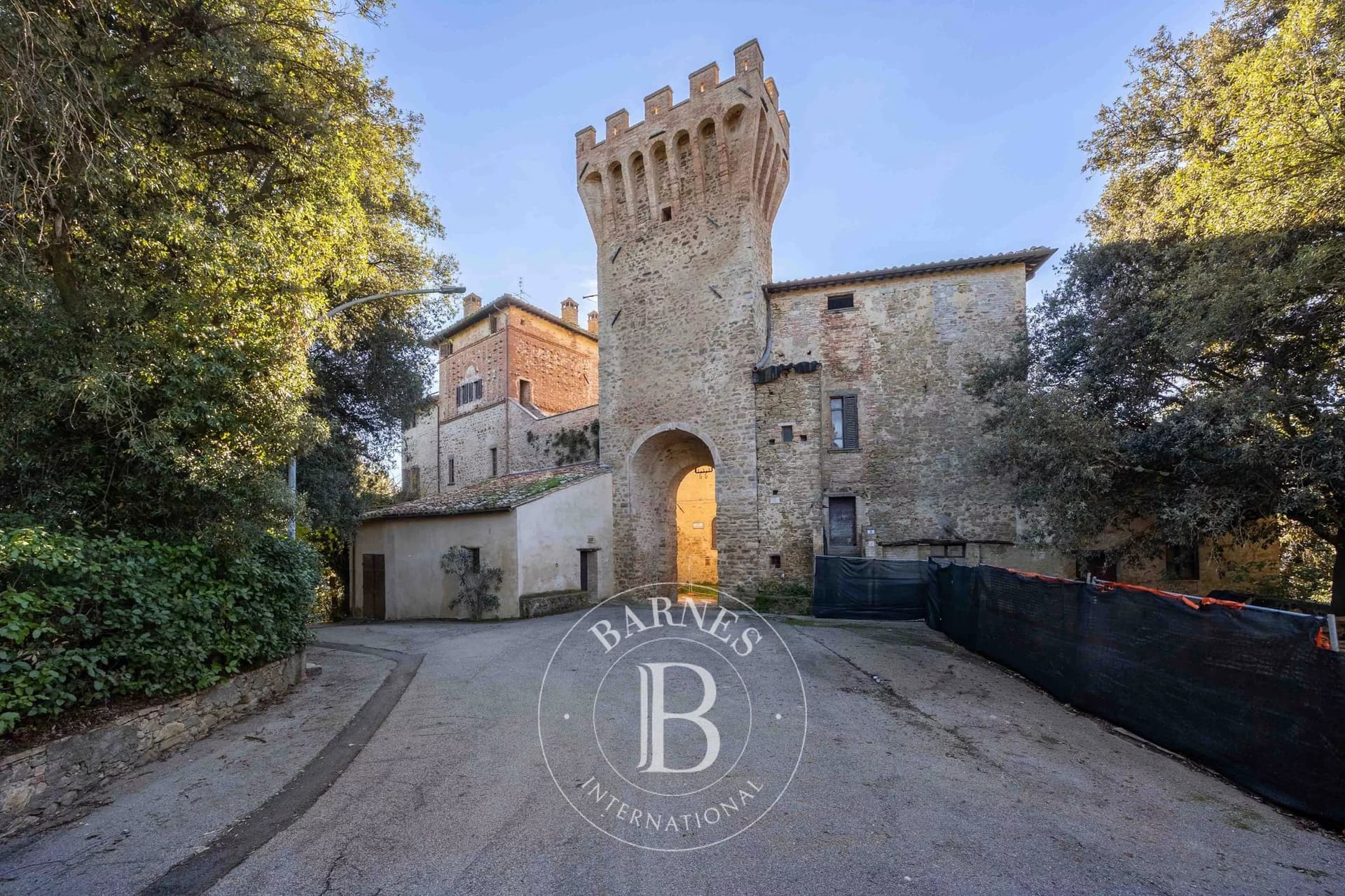
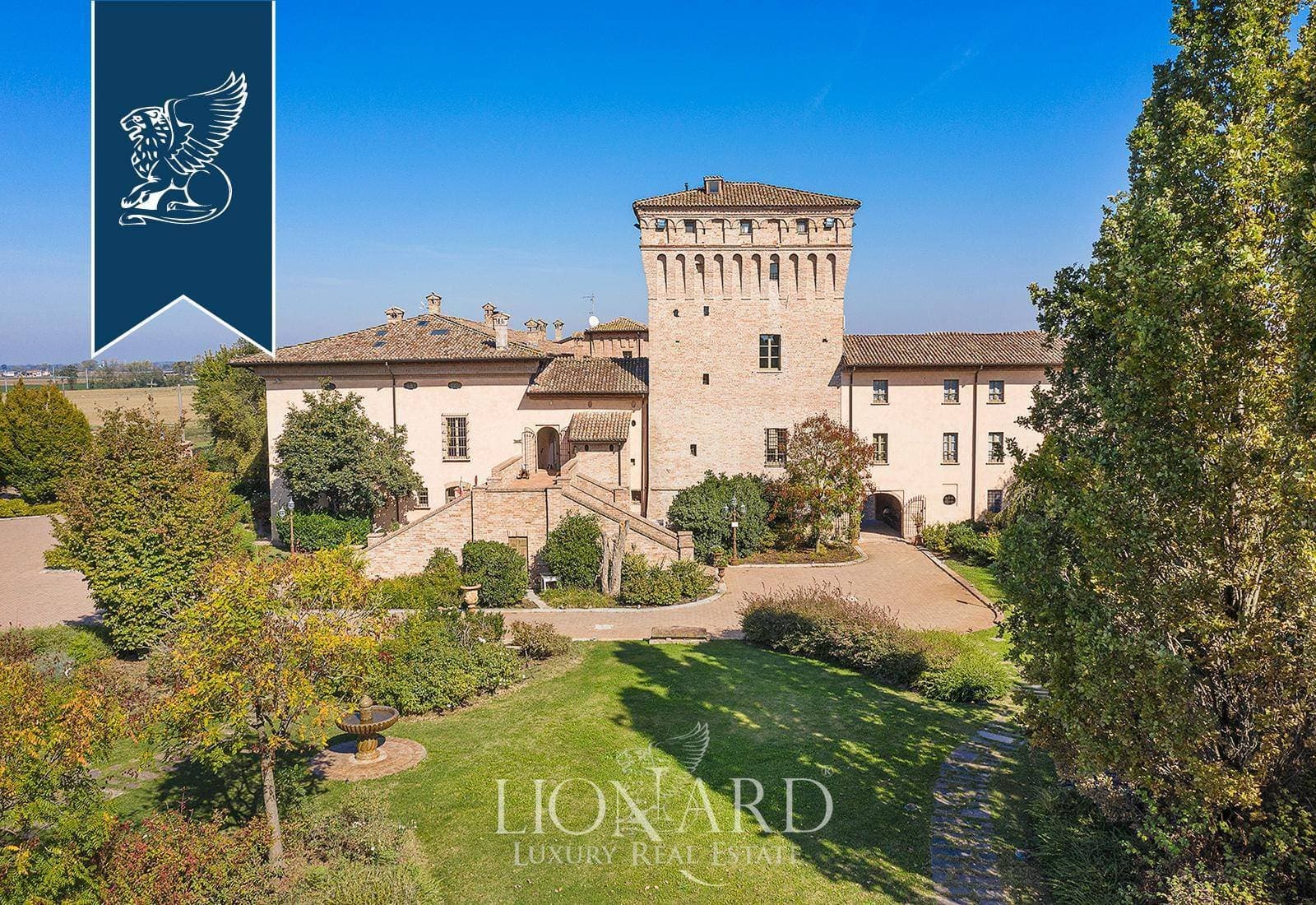
Italy is the second largest castle market in Europe after France. Italian castles are known for being big, much bigger on average than anywhere else in Europe. Castle properties often come with multiple buildings, land, and the occasional vineyard.
Italian castles are the cheapest per square metre of the well-sampled markets, but given their size, they also carry the highest median price. We analysed over 300 castle listings in Italy, and found that 60% had an asking price of €2 million or more. Only 6% were priced under €500k. The market is skewed towards large, grand estates, not entry-level projects.
One unique aspect of the Italian market is that a lot of castle listings hide their asking price with Price on Application (POA). Italy does this more than any other market: about 22% of listings were POA, compared to France's 2%. Most of these hidden prices are for the more expensive trophy estates. In fact, the highest asking price we found was Italian: Castello di Oliveto, listed at €42 million.
The Italian real estate market has always had foreign interest. It's a beautiful country, highly regarded as a travel destination and often considered for second homes or retirement. It's hard to measure buyer interest in Italian castles because they get lumped in the same category as villas, vineyards, and countryside mansions. If we group those categories together, there's a lot of interest, especially from American buyers.
The median asking price for a castle in Italy is €2.85 million. For that price tag you could get a castle of around 1,350 m². The price per square metre works out to around €1,698/m², which is the lowest of the well-sampled markets.
As we mentioned earlier, Italian castles are enormous, the kind of property with 20-plus rooms, multiple wings, and grounds, which is exactly why the price per square metre is so low. With over 60% of listings priced at €2 million or more, you're going to need a much larger budget to enter this market.
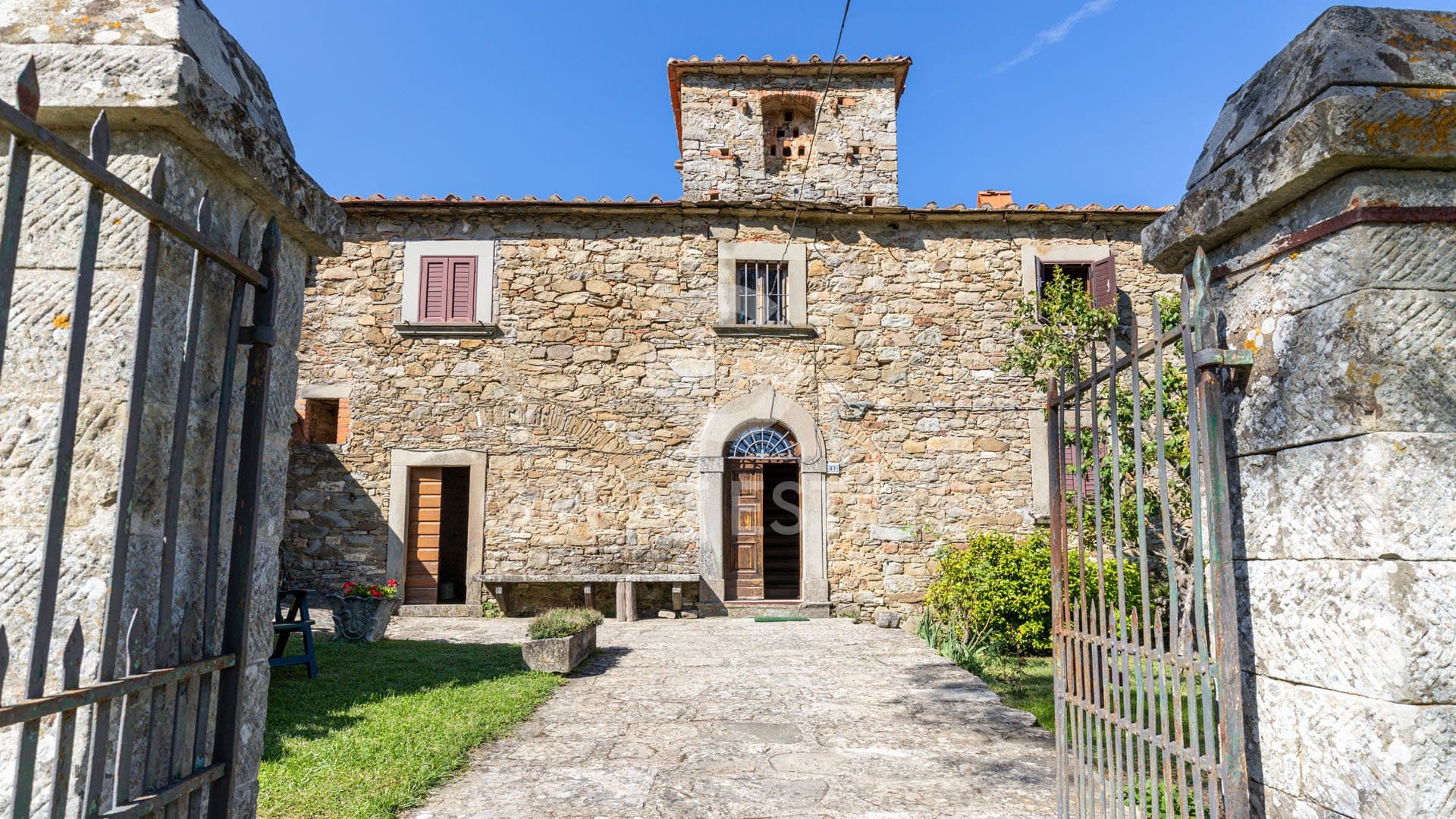
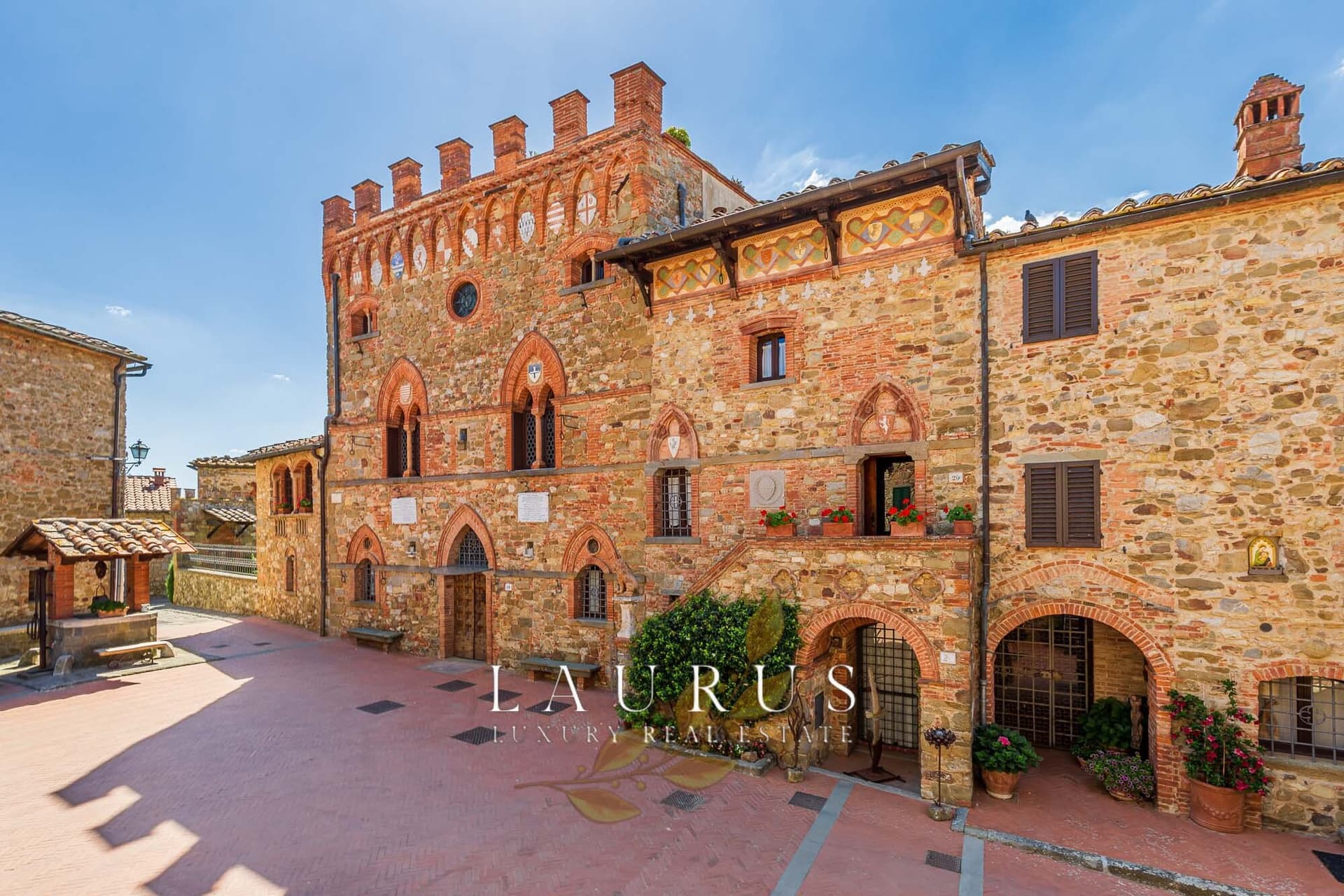
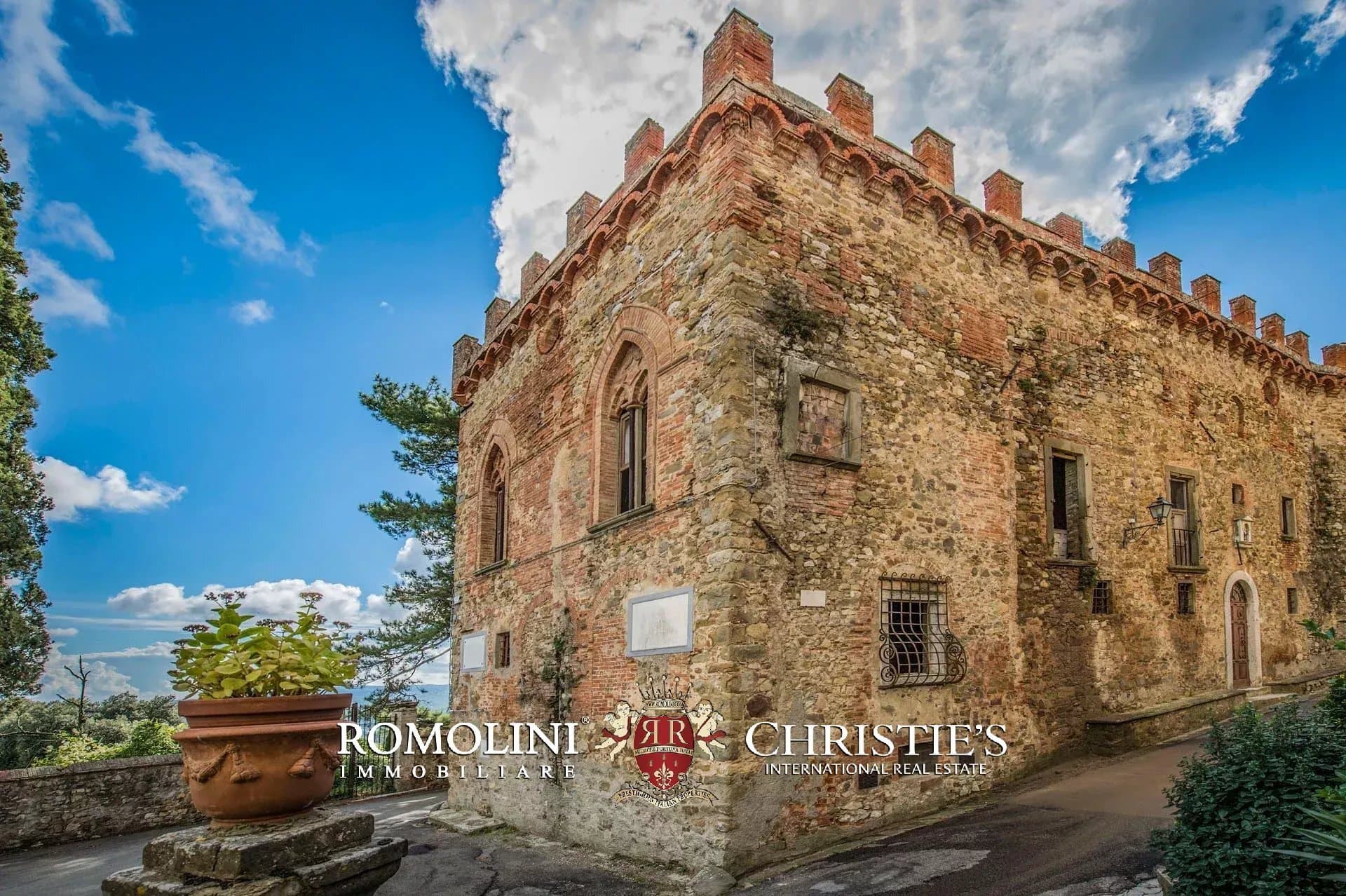
Tuscany has the most castle listings by region and is by far the most expensive. Tuscany is a popular wine region and is a popular second-home destination for wealthy Europeans. Here we find luxury estates, boutique hotels and a lot of wedding venues. This is not the region for those looking for a bargain, but for those who are not price-sensitive.
For price value, Umbria is a better option. It's more of a smart-money pick for those who love Tuscany but can't afford it. Umbria has beautiful scenery, wine recognition, and castles but doesn't carry the same fanfare as Tuscany.
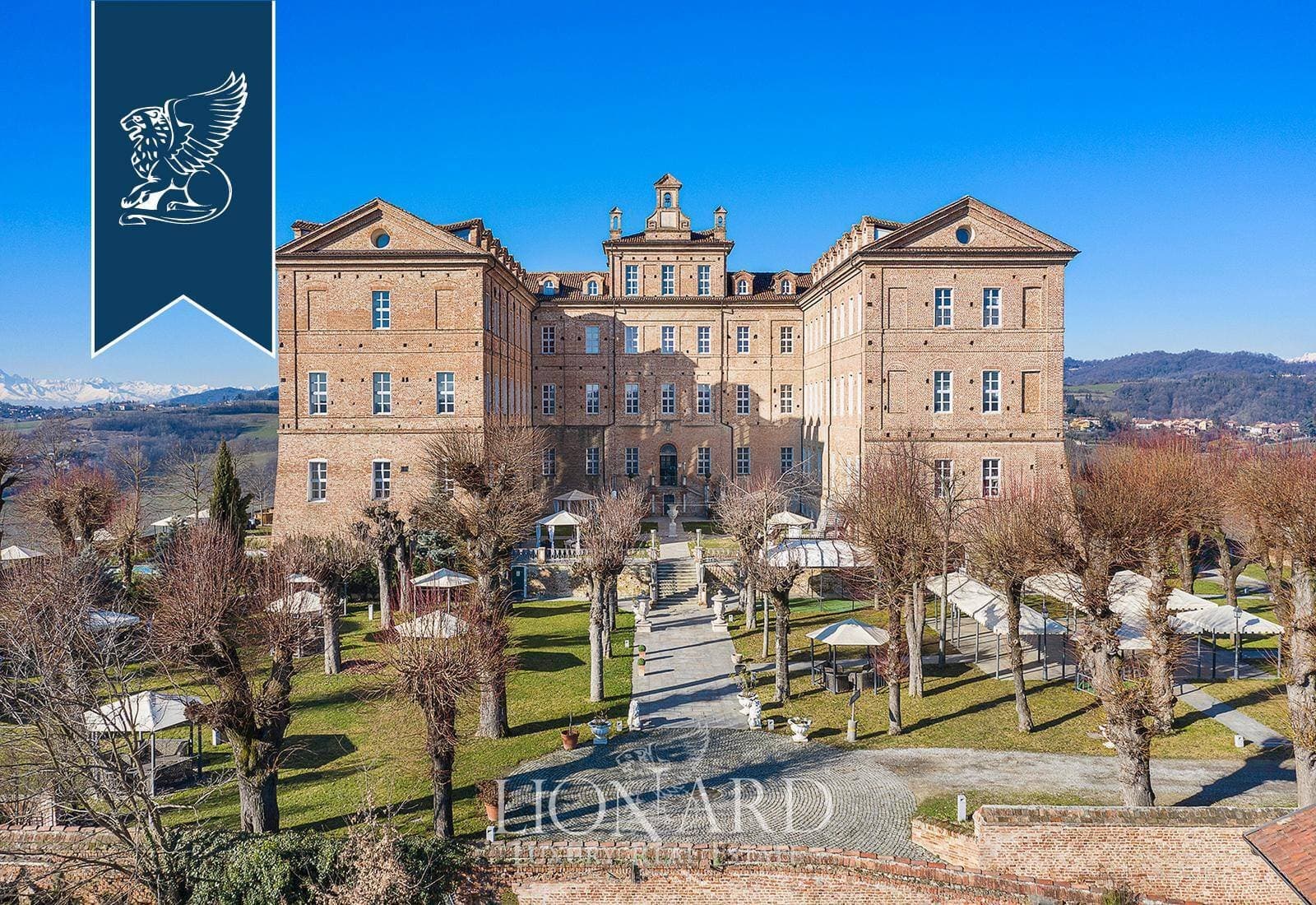
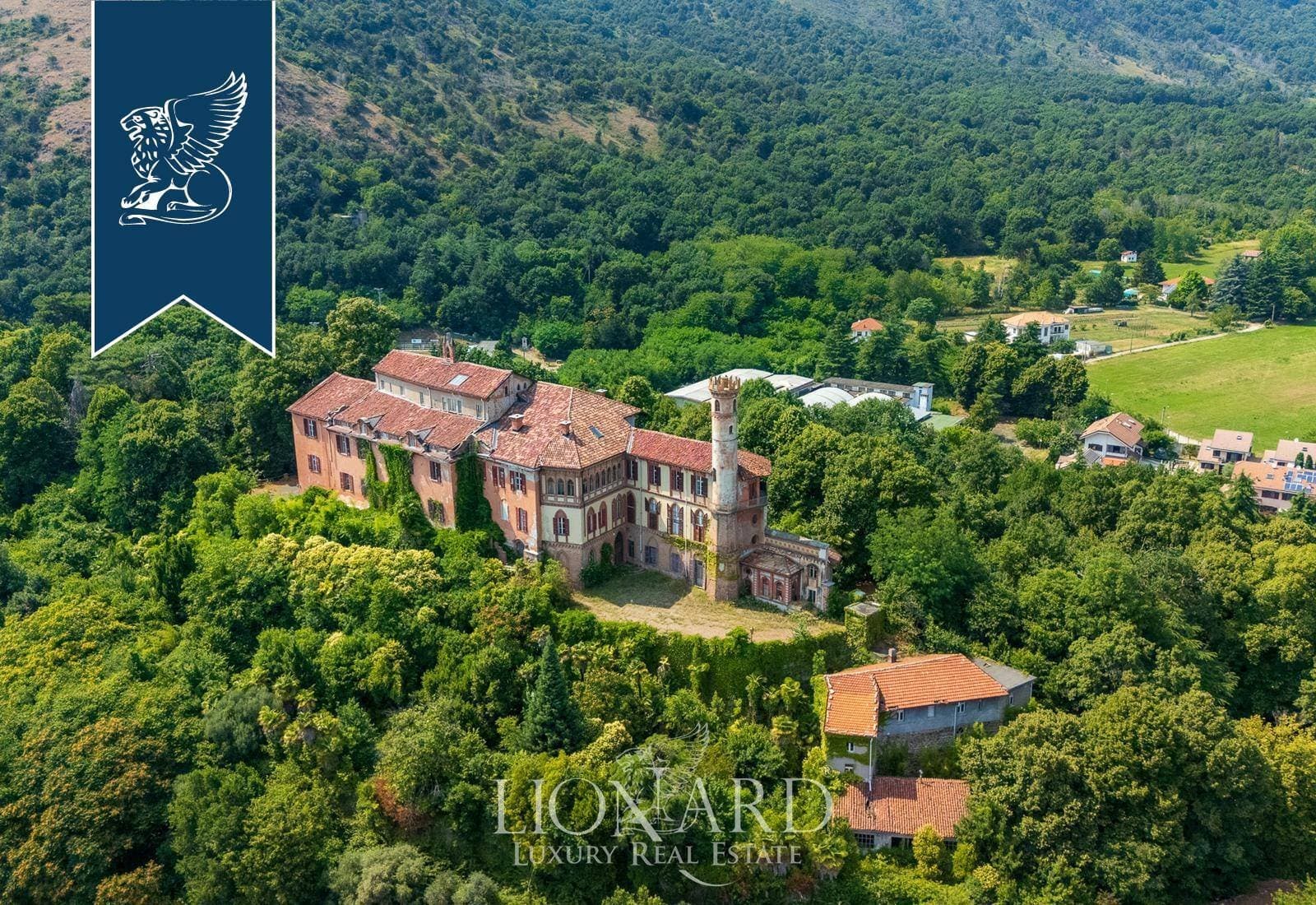
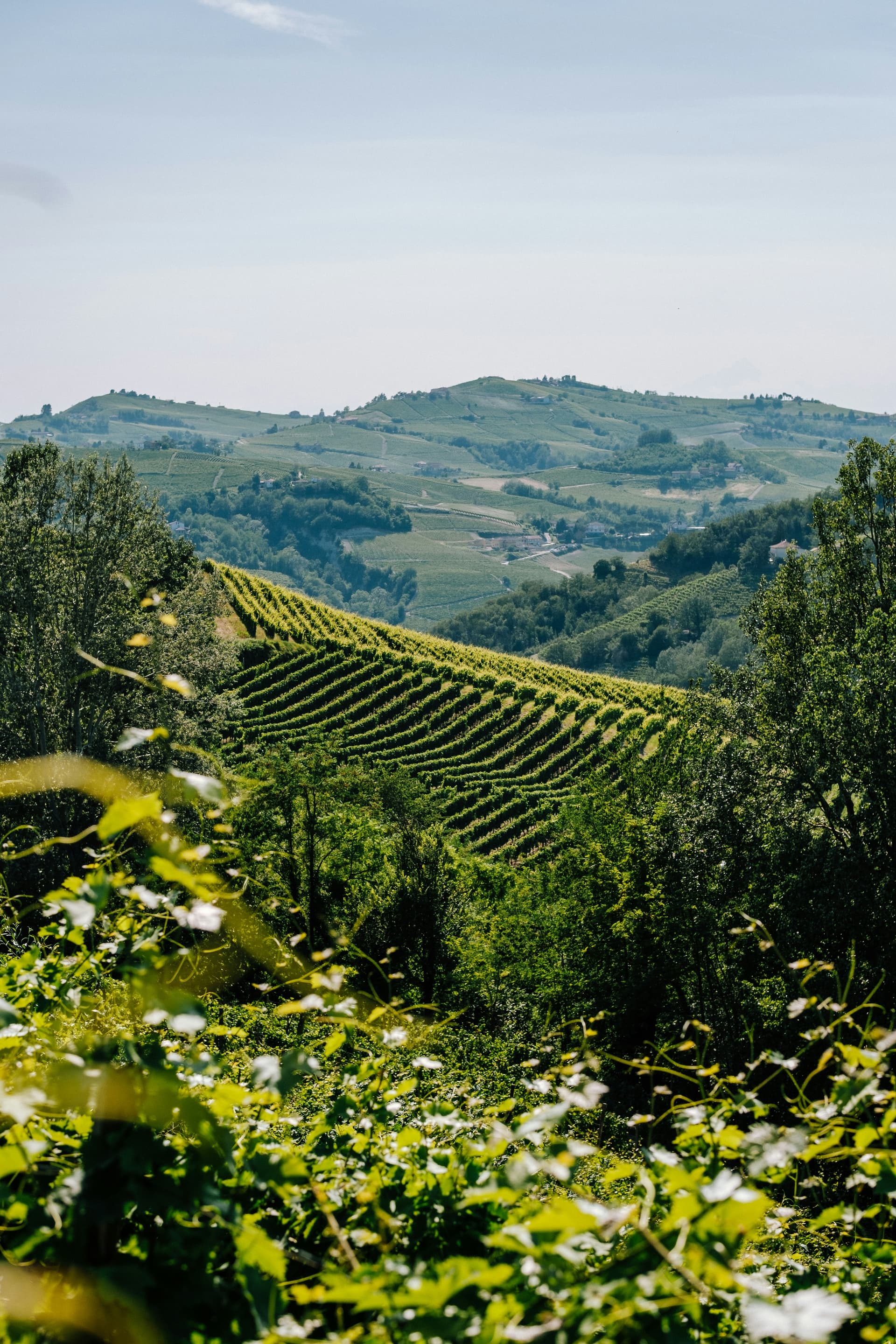
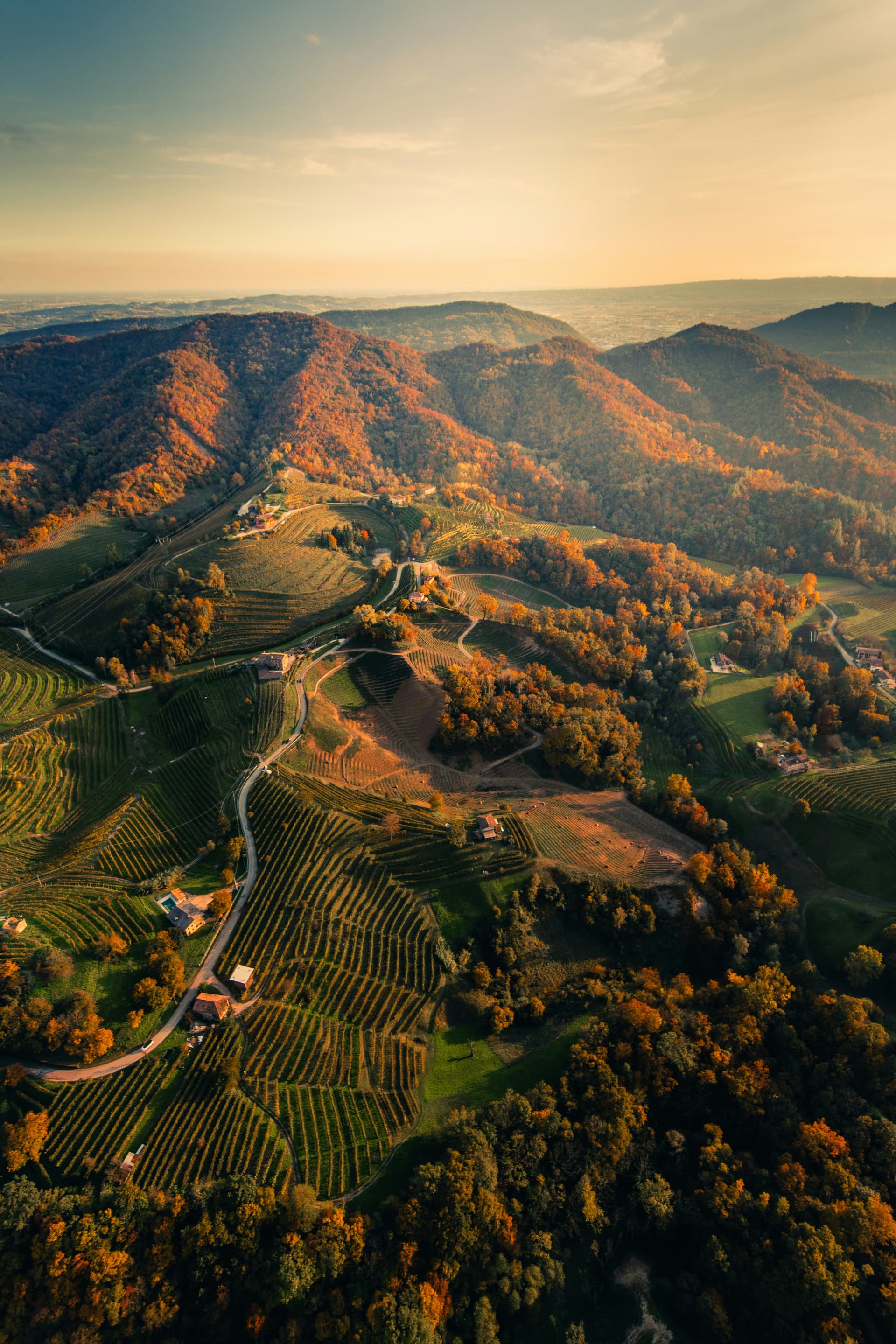
The cheapest region to buy a castle in Italy is probably Piedmont. Piedmont is in the northwest up against the Alps, and it's serious wine country, arguably more prestigious than Tuscany. The region is cheap because it's not coastal and doesn't really register for the foreign buyer who's looking for more of the Mediterranean lifestyle.
Italian villas, castles, castelli, and châteaux often get grouped together on real estate marketplaces. While these buildings have their differences, they are often grouped together because they are large historic premium properties that more-or-less suit the same buyer.
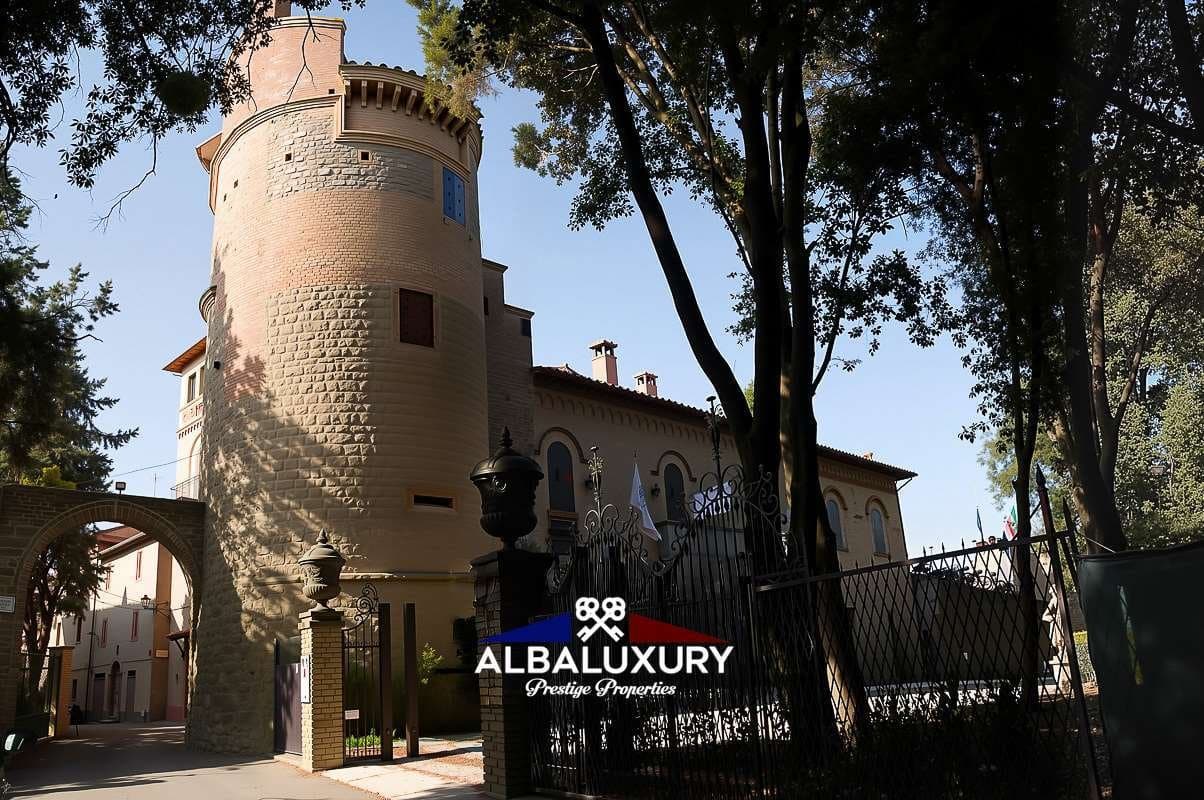
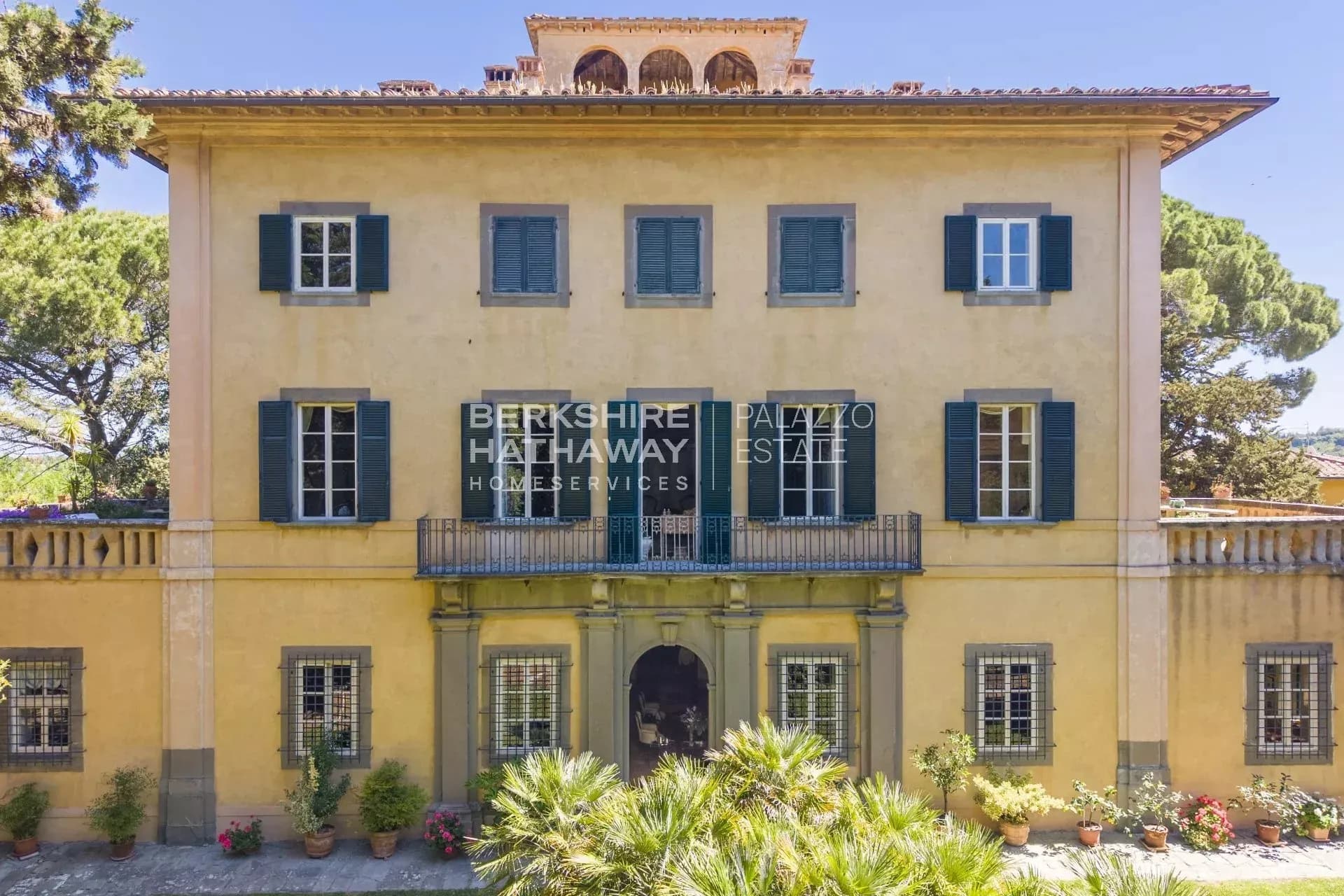
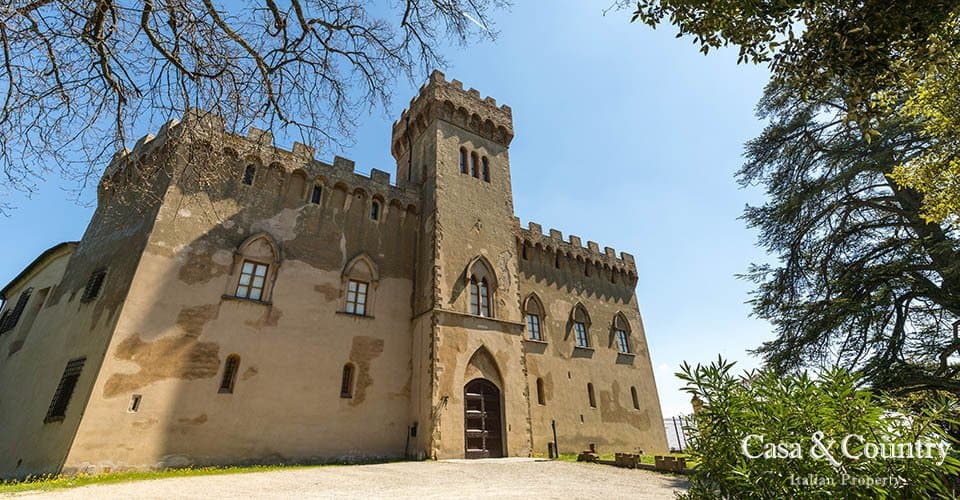
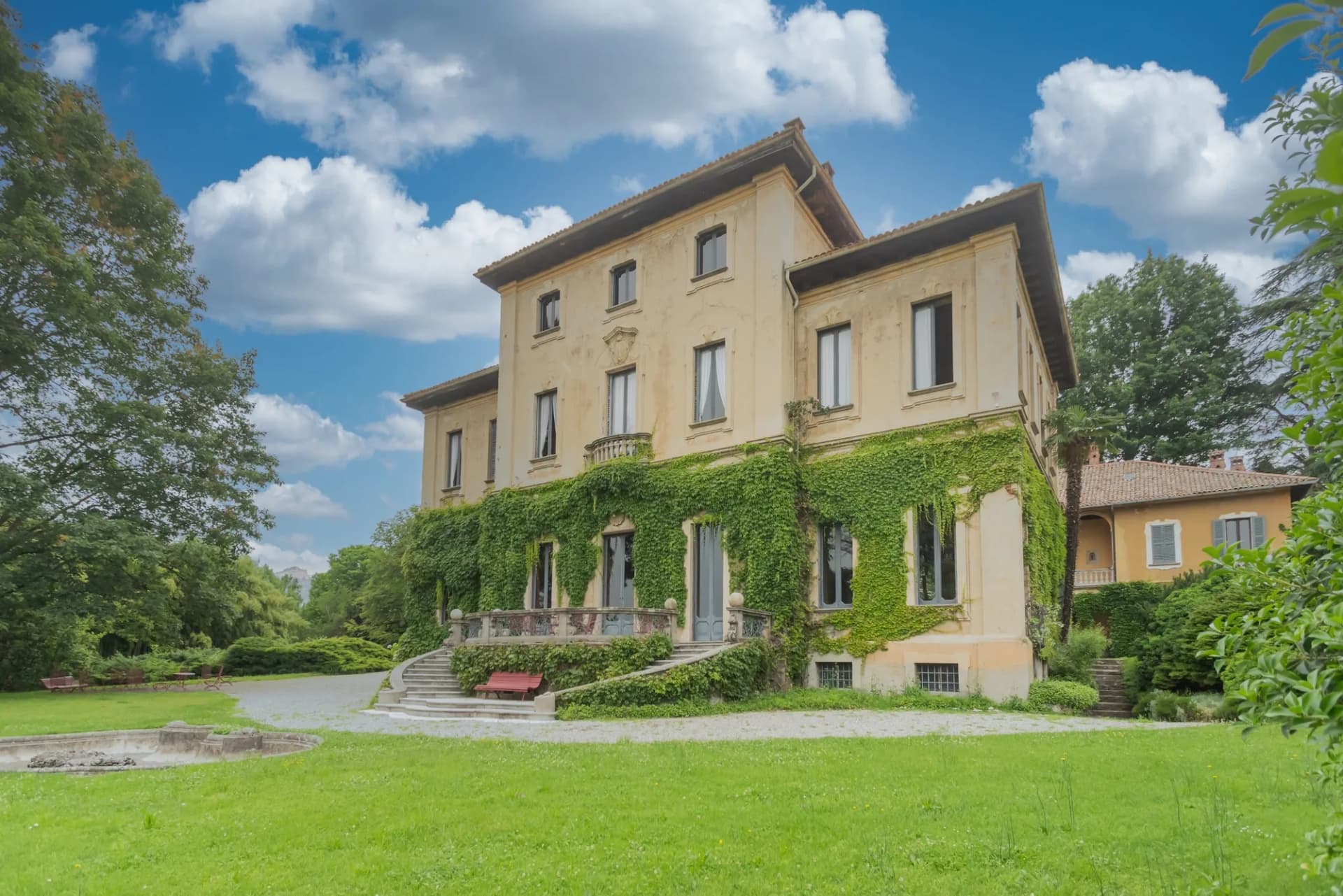
A villa is usually more livable, designed to be a home rather than for defence. A castle will have towers and thick stone walls whereas the villa is going to be more relaxed with big windows and an open setting. Italian villas are likely to be more modernised, the majority being turnkey whereas castle properties might need those extra renovations.
Unfortunately, there are no free castles in Italy. What you are probably thinking of is a state tourism program that was run from 2017-2022 that offered free multi-year leases on state-owned historic buildings, which included some castles. Whoever took the lease didn't have to pay rent but they were required to cover the renovation and maintenance costs, turning the property into a tourist business. So no free castles, although 18 years rent-free is not a bad deal at all.


Stay informed with curated insights on market trends, tax and legal developments, and new castle investment opportunities.
By subscribing you agree to receive emails from Castle Collector. We’ll send a confirmation email first (double opt-in) and you can unsubscribe anytime. Privacy Policy