
Why Europe's Historic Properties Are Attracting Global Investors
Fixed supply. Multiple income streams. Wealth migration surging. Why European castles are entering global investor portfolios.
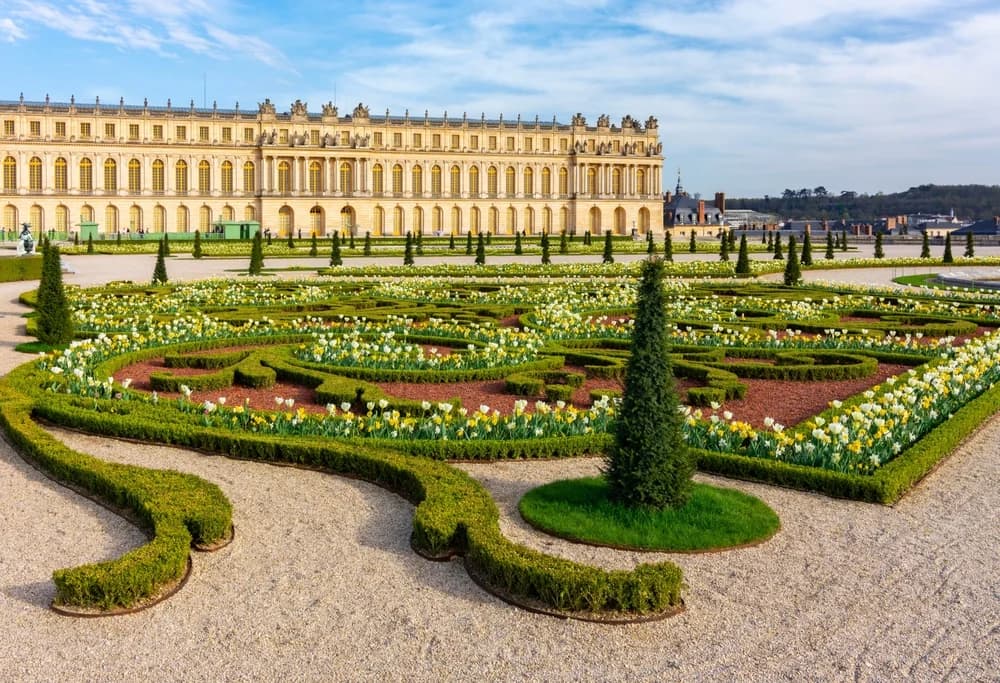
Supply was set by 1900. Demand has been rising for three decades. Real returns on record run from +124% to −44%, and how you use the building decides where you land.
Most kinds of property assume builders will put up more when demand rises. European heritage property is the exception. There are roughly 46,000 protected castle-type properties across the 14 European countries we track, and in 2050 there will still be roughly 46,000.[1] Knight Frank's Wealth Report 2024 projects Europe's very wealthy population (people with US$30m+ to invest) growing from 155,232 in 2023 to 189,882 by 2028, adding 34,650 potential buyers.[2] Henley logs 142,000 millionaire moves between countries in 2025, against 51,000 in 2013.[3]
The thesis
Fixed supply meets rising demand, in a kind of property whose value depends mostly on what you do with it, not on what similar buildings sold for last week. The return range is wide because the income model carries the variance, not the bricks. A working castle hotel in Scotland has gained 124% over 11 years on the record. A residential restoration without a way to earn money has lost 44% over 7 years. Same kind of property, completely different outcome.
What the data on real sales actually shows
Most alternative property categories quote forecasts. Heritage property quotes Land Registry deeds. The four Scottish examples below come from our Castle Price Index, cross-checked against the ScotLIS land register.
Castle | Bought | Sold | Held | Return | What it was used for |
|---|---|---|---|---|---|
Dalhousie | £2,499,994 (Apr 2012) | £5,599,998 (Oct 2023) | 11 yrs | +124% (~7.6% a year) | 29-room hotel |
Ayton | £2,400,000 (Jul 2014) | £3,250,000 (Feb 2026) | 12 yrs | +35% (~2.5% a year) | Residential estate |
Carbisdale | £900,000 (Sep 2016) | £1,000,000 (Aug 2022) | 6 yrs | +11% (~1.7% a year) | Forestry, under-maintained |
Ribbesford | £810,000 (2018) | £450,000 (2025/26) | 7–8 yrs | −44% despite ~£3m in restoration | Residential, no income |
Source: Castle Price Index Section 9.3.[1]
Dalhousie's number includes the value of the working hotel business that came with it. Ayton's modest gain followed a celebrity-buyer sale. Carbisdale's near-flat result reflects a forestry estate that had been under-maintained for years. Ribbesford is the cautionary case: roughly £3 million in restoration with no way to earn from it, sold for less than half what the previous owners paid going in.
David Cannadine's history of British country-house economics from 1880 to 1990 reaches the same conclusion: even after houses started opening to the public for income, the receipts didn't cover the costs through the post-war decades.[4] The returns here track how the building is run, not how the wider property market is moving.
Income is the second way the value comes back
Hotel conversion is the most documented income path. Dalhousie's 29 rooms at £455 a night with rooms 75% booked (conservatively, against Ireland's national average of 80.7%) brings in roughly £3.6 million a year on a £5.6 million property.[1] At larger scale, Ashford Castle's 83 rooms at €1,105 a night model at €25.1 million a year; Dromoland's 97 rooms at €1,851 a night at €49.2 million. The wider European luxury hotel market sat at $30.45 billion in 2024; the narrower castle hotel slice was $2.9 billion in 2024, projected to reach $5.6 billion by 2033.[5]
Wedding and event venues sit alongside hotels, particularly in France, Italy and the UK. Italy hosted roughly 400,000 destination weddings in 2024 and France 320,000.[6] The Strawbridge model at Château de la Motte-Husson (wedding venue plus Food Lovers weekends plus a five-suite B&B) is the most public worked example, paying for the restoration out of trading income rather than savings.[7]
Film and television is a third income line that's easier to set up. UK location fees range from £500 to over £10,000 a day, and screen time lifts tour and event bookings afterwards.[8] Highclere Castle's expansion off the back of Downton Abbey is the standard example.
Demand has been shifting since 2020
Three sets of data show the same demand shift. Henley's 2025 figures by destination:
Destination | Expected millionaire arrivals (2025) | Why heritage matches |
|---|---|---|
3,600 | Flat-tax scheme, Mediterranean stock | |
Switzerland | 3,000 | Top-end stock, foreign-buyer restrictions |
Portugal | 1,400 | Rural quintas and solares |
Greece | 1,200 | Aegean estates, Golden Visa pivot |
Source: Henley & Partners 2025 wealth-migration report.[3]
Italy's flat-tax scheme is the single biggest policy driver. The annual rate started at €100,000, rose to €200,000 in 2024, and goes to €300,000 from 2026 for new applicants. Roughly 4,000 wealthy individuals had signed up by 2023, and Italy now ranks third globally as a millionaire destination.[9]
JamesEdition's platform data confirms what the migration figures imply. American buyers make up roughly 30% of European castle inquiries in 2025. France's share of castle listings grew from 43% to 67% between 2023 and 2025. Year-on-year French inquiries grew 66%, against 27% for Spain and 7% for Italy.[10]
Knight Frank and Savills both track a parallel shift: very wealthy buyers moving away from US$30 to 50 million showpiece homes towards sub-US$15 million "two-hour home" purchases used for fewer than 90 days a year.[2][11] French rural châteaux within two hours of Paris, English castles within reach of London, and German Schlösser close to Berlin or Hamburg map directly onto that pattern.
Where the value sits across the regional markets
Country | Average per m² | Notes |
|---|---|---|
Switzerland | €19,551 | Top-end stock, foreign-buyer restrictions |
€3,358 | Highest in mainland Europe | |
Spain | €2,368 | Heritage scheme covers 40-60% of restoration |
France | €2,285 | 945 priced listings, the deepest market |
Belgium | €2,200 | Thin market, 29 listings |
Germany | €1,971 | Denkmal-AfA tax break |
Italy | €1,750 | €2,500-€3,000 once you adjust for the 35% "price on request" share |
€632 | The European bargain end |
Source: Castle Price Index per-country averages.[1]
If you're choosing between countries: France has the most stock and the deepest market (67% of European listings by volume). Italy has the strongest demand pull right now (flat-tax scheme plus a 17% Mediterranean rebound in 2025 per Savills), though the Italian heritage authority adds 6 to 18 months on major restoration. Spain offers a heritage scheme that covers 40 to 60% of restoration costs, with approval times that vary across the 17 regional governments.
Eastern Europe is the value end of the market. Poland's average castle at €632 per square metre, and Romania's Castle of Zlatna at €191, set the floor. The total cost runs 5 to 15 times the purchase price once restoration is added, and ownership questions left over from 1990 are still working through. Germany combines reasonable per-square-metre pricing with the most generous heritage tax break in Europe: 100% of certified restoration deductible from income tax over 12 years.[12]
The real risks the buyer carries
Five risks dominate the case, and a careful plan addresses all of them.
- The income model decides the outcome. The 168-point spread between Dalhousie's +124% and Ribbesford's −44% sits in how the building was used, not the building itself. A buyer who arrives without a credible plan to earn from it is starting at the bottom of the range. The cautious approach: assume zero gain in property value, and require the place to pay for itself out of trading income alone.
- The market is slow to sell. The European castle market sells at 0.4 to 0.9% turnover a year, against 2 to 4% for normal homes. The typical wait to find a buyer is 2 to 10 years. Selling within two years usually means taking a 20 to 40% discount on the asking price.
- Heritage rules. The UK's 92% first-time approval rate on Listed Building Consent is the most misread number in the category.[13] The rules limit what you can do, not whether you can do anything. The continental equivalents (Monument Historique, Soprintendenza, Denkmalschutz, BIC) work on the same principle with local timelines.
- Restoration costs run over. The German rule of thumb that an unrenovated castle costs 5 to 10 times the purchase price to restore is a working benchmark. UK heritage runs £50,000 to £150,000 a year on routine work, plus £250,000 to £1m+ every decade on bigger jobs. Smart buyers double the headline restoration estimate at the point of purchase.
- Currency risk. A US-dollar buyer holding a French château over a 7-year stretch takes euro/dollar exposure on both the running costs and the eventual sale. Standard currency hedging applies, but it's rarely factored into the original plan.
Watch out
The biggest single way owners lose money in the data is restoring without a way to earn from the property. Ribbesford's owner spent roughly £3 million restoring a castle that sold for £450,000. The structure was sound and the work was real. The sale price was set by the lack of trading income, not by the bricks. If the building can't pay for itself from year three or four, you're betting everything on its value rising. That bet is thin on residential-only castles.
Who this kind of property actually suits
Three kinds of buyer fit the case cleanly. A lot of would-be buyers don't fit any of them.
The business operator. Treats the property as a hotel, events or visitor-attraction business that happens to be set inside a historic building. This is what produces the top of the record (Dalhousie, Ashford, Dromoland, the Strawbridge case at Motte-Husson). The buyer either has hospitality experience or hires it in, and expects the business to cover the running costs from year three or four.
The multi-generation owner. The closest match to how a family office or trust would hold heritage property. The plan stretches across generations, the value rising over time is the goal, and running costs are offset by rental income (where allowed), tax breaks (Monument Historique, Denkmal-AfA, BIC), or a public-access programme that unlocks heritage tax relief. The UK's Conditional Exemption scheme and equivalent French rules support this profile.[14]
The lifestyle buyer with money in reserve. Historically the most common profile. The castle is a home first, an investment second. The buyer treats running costs as the price of the lifestyle and sells when the family no longer wants to use it. The risk is over-restoring without a way to earn from it. That's the Ribbesford trap.
If none of those three describes you, heritage property is probably the wrong kind of investment.
Where to find them and what to check
Most serious heritage deals don't go through the open market. Specialist brokers (Knight Frank International, Sotheby's, Christie's, Vingt Paris, Groupe Mercure) handle the top end. Aggregator platforms (JamesEdition, idealista, Belles Demeures, Le Figaro Properties) carry the visible mid-market and entry-level stock. Auctions (Saxony, Eastern European state auctions, occasional French notarial sales) cover the run-down end.
A working pre-purchase checklist runs four lines:
- Structural condition. A heritage-grade survey from a RICS Building Conservation or IHBC specialist, €5,000 to €15,000 against €1,000 to €2,000 for an ordinary residential survey.
- Planning history. Check that every change made to the building has approval on file. Unauthorised work passes to the next owner forever under UK Listed Building Consent, the biggest hidden risk in the category.
- Will the income idea work? Have a pre-application discussion with the local heritage authority about whatever you plan to do with the castle, ideally in writing, before you exchange contracts.
- The total cost, not the price tag. Model purchase plus restoration plus running costs across a 7 to 15 year hold, not the headline buying price.
Bottom line
This kind of property works for buyers who arrive with a plan to earn from it, who model the total cost rather than the buying price, and who treat the heritage approval process as a timeline question rather than a barrier. It doesn't work as a hands-off investment. The record of real sales is the evidence, and the wide spread inside that record is the warning.
Common questions
What return should I realistically expect?
The Scottish record runs from +124% over 11 years (Dalhousie, hotel) to −44% over 7 to 8 years (Ribbesford, residential). What you do with the building is the variable that decides where you land in that range.
How much restoration should I budget for?
Double the headline estimate at the point of purchase. The German rule of thumb on an unrenovated castle is 5 to 10 times the purchase price across the full project.
Which country has the best heritage tax break?
Germany. The Denkmal-AfA scheme lets you deduct 100% of certified restoration from income tax over 12 years. France's Monument Historique scheme and Spain's BIC framework also offer real relief.
Why is so much heritage money flowing into Italy?
The flat-tax scheme, €300,000 a year from 2026 for new applicants. Roughly 4,000 wealthy individuals had signed up by 2023, and Italy now ranks third globally as a millionaire destination.
How long does it take to sell a heritage property?
2 to 10 years on the record. Selling within two years usually means taking a 20 to 40% discount on the asking price.
Can a heritage property pay for itself?
Yes, if you set up a way to earn from it on day one. A 29-room hotel conversion at £455 a night with rooms 75% booked brings in roughly £3.6 million a year. Wedding venue, film location and tour-and-events models add more income lines on top.
Is UK Listed Building Consent as restrictive as it sounds?
No. First-time approval runs at 92%. Treat it as a timing and scope question, not a barrier.
Sources
1. Castle Collector, Castle Price Index, March 2026.
2. Knight Frank Research, The Wealth Report 2024. Knight Frank LLP, 2024.
3. Henley & Partners, Henley Private Wealth Migration Report 2025.
4. Cannadine, D. The Decline and Fall of the British Aristocracy. Yale University Press, 1990 (Vintage paperback 1999).
5. Growth Market Reports, Castle Hotel Market.
6. Future Market Insights, Europe Destination Wedding Market.
7. Strawbridge, D. & A. A Year at the Chateau. Seven Dials / Orion, 2020.
8. Locations Direct, How Much Do You Get Paid for Filming in Your House.
9. The Italian Lawyer, Italy's Flat Tax Guide for Investors.
10. JamesEdition, Europe's Castle Market Goes Digital.
11. Savills World Research, Branded Residences 2025/2026 and Spotlight: Southern Europe Investment 2026.
12. Bayerische Schlösserverwaltung, German Denkmal-AfA §7i EStG framework.
13. National Planning Policy Framework, Chapter 16: Conserving and enhancing the historic environment.
14. HM Government, Capital Taxation and Tax-Exempt Heritage Assets.