FOR CASTLE COLLECTORS
Castle Collector InsightsExplore 47 Castles on Sale in Spain
Explore historic castles for sale in Spain, from medieval fortresses and hilltop strongholds to palace-castles and large restoration estates across Andalusia, Castile, Catalonia, and beyond.
Average castle features in Spain
Showing avg. castle price in Spain
Key metrics for Spain
There are two distinct types of castles in Spain: Reconquista frontier fortresses and the Moorish palaces. The frontier fortresses resemble the classic castle design seen across Europe, while the Moorish palaces diverge into an entirely unique style, defined by their colourful walls and Islamic architectural influences.
Spain has the third-largest castle market in Europe, behind France and Italy. In terms of buyer interest, Spain is positioned at the lower end in Europe; it's not a country associated with castles, which means less foreign competition and more room to negotiate.
Foreign buyers are welcome with no restrictions, though there's some Spanish-specific admin: you'll need a foreign tax number (NIE), a Spanish bank account, and around 10% on top of the price for taxes and fees.
The one thing to understand before you buy is that Spain runs its heritage rules differently to everywhere else. Instead of one national system, they're set by 17 separate regions, so where you buy matters as much as what you buy. Every castle built before 1492 is automatically given the highest level of protection, which unlocks generous restoration grants but comes with slow approvals and mandatory archaeological oversight.
The typical Spanish castle asking price is around €2,421 per square metre, which works out to roughly €2.2 million for a 950 m² property. That's a little above the European average, putting Spain in the mid-to-upper part of the market.
At the bottom you'll find rural ruins going for as little as €146 per square metre, and at the top, coastal properties in places like Mallorca clearing €15,000 per square metre. Most of the restored, genuinely liveable Spanish castles list between €3,000 and €5,000 per square metre.
Castillo de Pedraza, a fully restored castle, sold at around €5,857 per square metre. Castillo de Maqueda, a state distress sale that had failed at auction twelve times, went for just €1,063 per square metre. Condition is the single biggest factor in what you'll pay: a restored castle can cost five times what a ruin does, metre for metre.
Spain's castle market splits along the old Reconquista line, and the region you choose dictates both the style of castle and the rules you'll have to deal with.
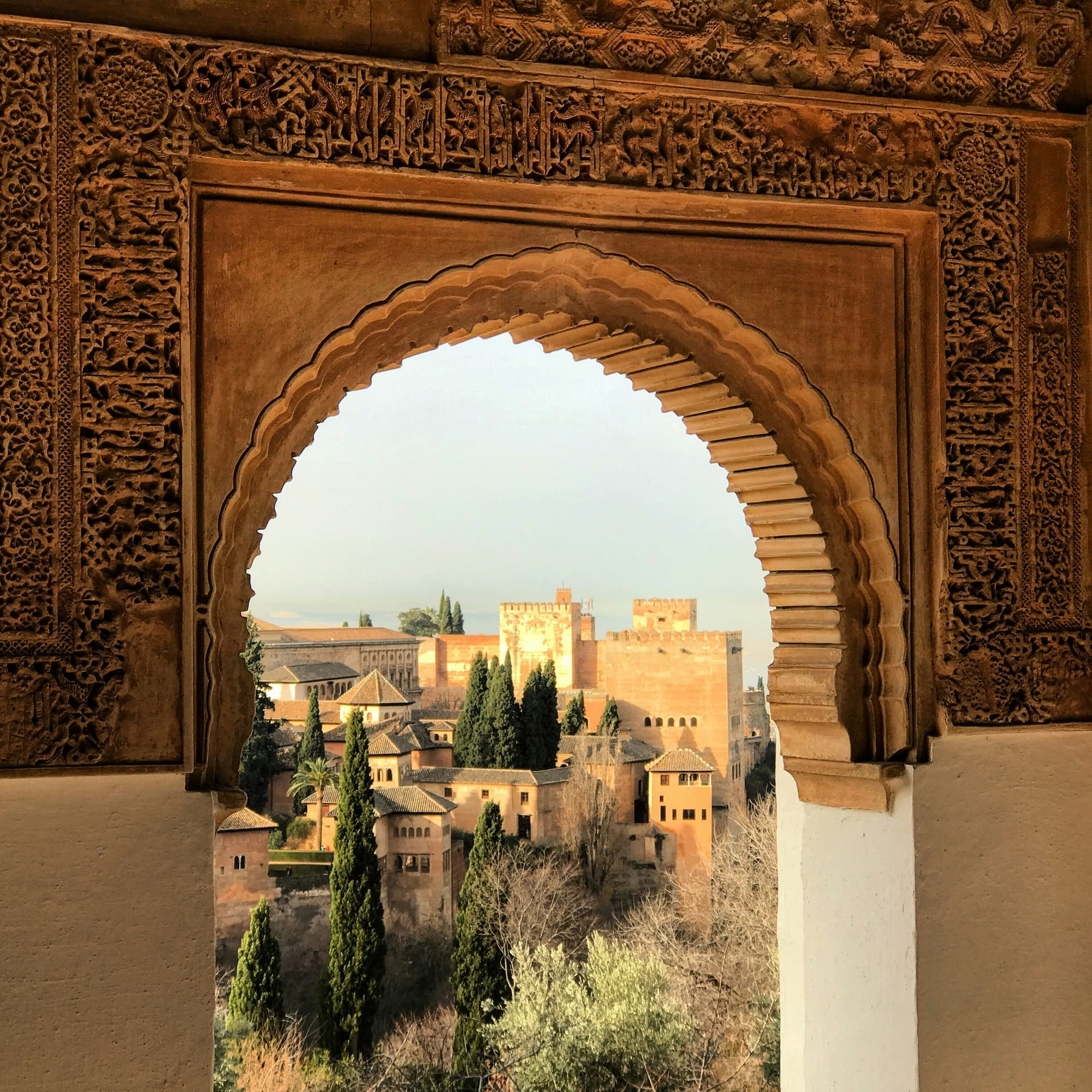
Andalusia is the crown jewel. This is where you'll find the Moorish palaces and fortresses that exist nowhere else in Europe, from the Alhambra in Granada to the Alcázar of Seville, along with chains of hilltop alcazabas above the old frontier. It has the deepest stock and the strongest tourism pull, so it's the region for buyers who want the Hispano-Islamic heritage and don't mind paying for the location.
Castile and León is the military-castle heartland. The Reconquista was fought from here, and the plateau is dense with medieval fortresses, Coca, Peñafiel, La Mota, and the Alcázar of Segovia, the castle that inspired Disney's Cinderella. If you want a proper defensive castle rather than an ornamental palace, this is the place to look, and prices tend to be lower than on the coast.
Catalonia and Aragon run coastal and Pyrenean. Castell de Cardona, founded in 986, now operates as a state-owned Parador hotel, and Loarre in Aragon is the best-preserved Romanesque castle in Spain, as well as the set for Ridley Scott's Kingdom of Heaven. This region blends genuine medieval fabric with coastal appeal, and it draws plenty of international buyers.
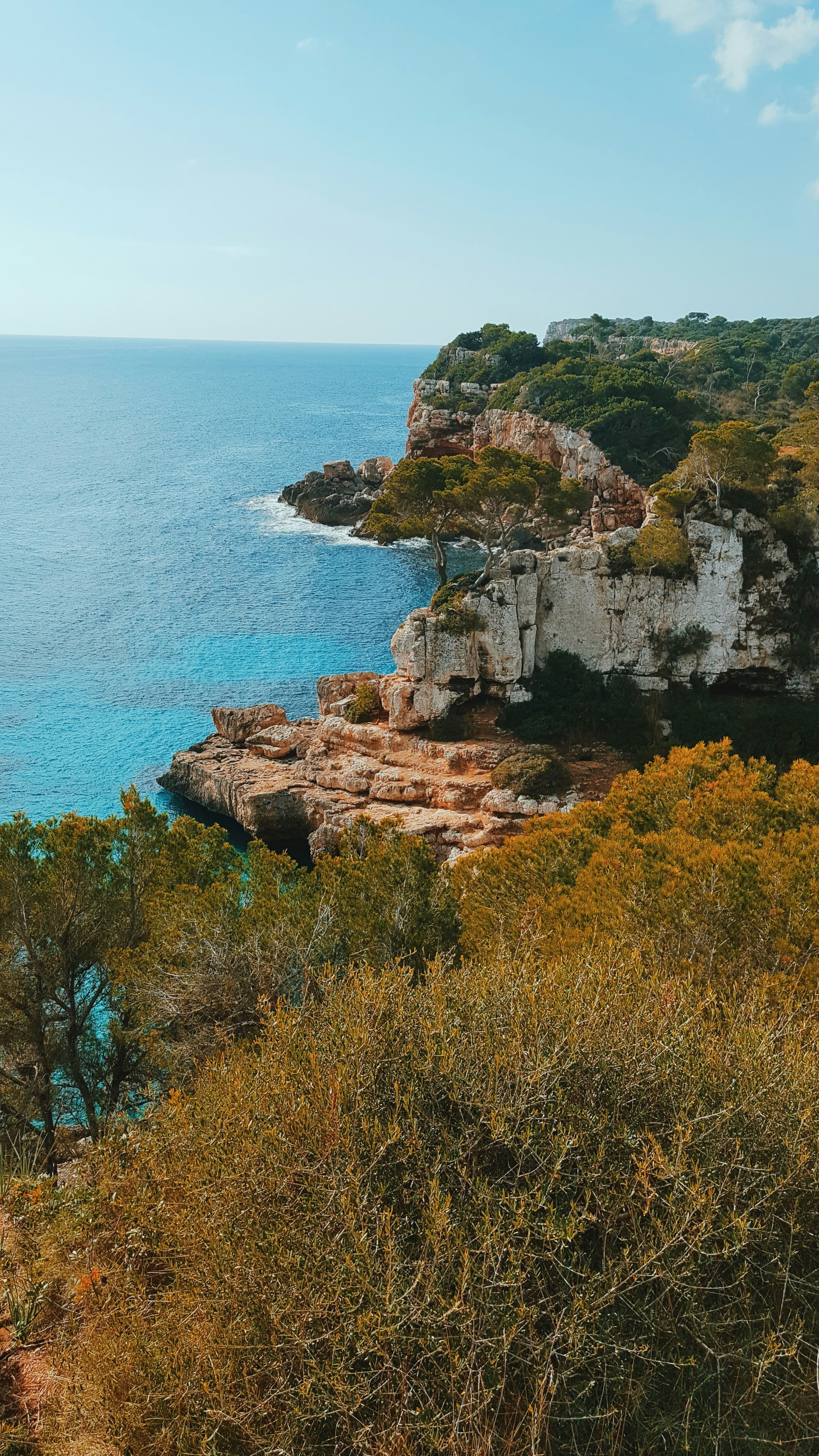
The Balearics are the outlier on price. There isn't much genuine castle stock on the islands, but what comes up, like the circular Gothic Bellver above Palma, carries a heavy premium.
A Spanish castle comes in two very different forms, and the difference goes back to who built it. A castillo is the medieval Christian fortress, all thick walls, towers and defensive design, built through the centuries of the Reconquista. An alcázar (or alcazaba) is the Moorish version, a palace-fortress built under Islamic rule, with far more emphasis on ornament, courtyards and gardens than on defence. The Alhambra is the most famous alcázar; a hilltop frontier stronghold is the classic castillo.
The split runs along history itself. From the Moorish invasion in 711 to the fall of Granada in 1492, southern Spain was ruled by Islamic dynasties who built palaces, while the Christian kingdoms to the north built fortresses to push the frontier south. That is why no other country in Europe has both traditions side by side.
It's worth knowing that "castle" stretches in the Spanish market. Alongside genuine castillos and alcázares you'll see palacios (grand palace-houses), fincas and haciendas (fortified rural estates) and masías (Catalan fortified farmhouses) all listed under the same search. Many of the finest now operate as Paradores, the state-run chain that turns historic castles and palaces into hotels.
Stay informed with curated insights on market trends, tax and legal developments, and new castle investment opportunities.
By subscribing you agree to receive emails from Castle Collector. We’ll send a confirmation email first (double opt-in) and you can unsubscribe anytime. Privacy Policy