FOR CASTLE COLLECTORS
Castle Collector InsightsExplore abandoned castles on sale in Germany
Find abandoned castles for sale in Germany. Explore historic ruins, castle restoration projects, and medieval properties waiting to be restored in Germany.
Average castle features in Germany
Showing avg. castle price in Germany
Key metrics for Germany
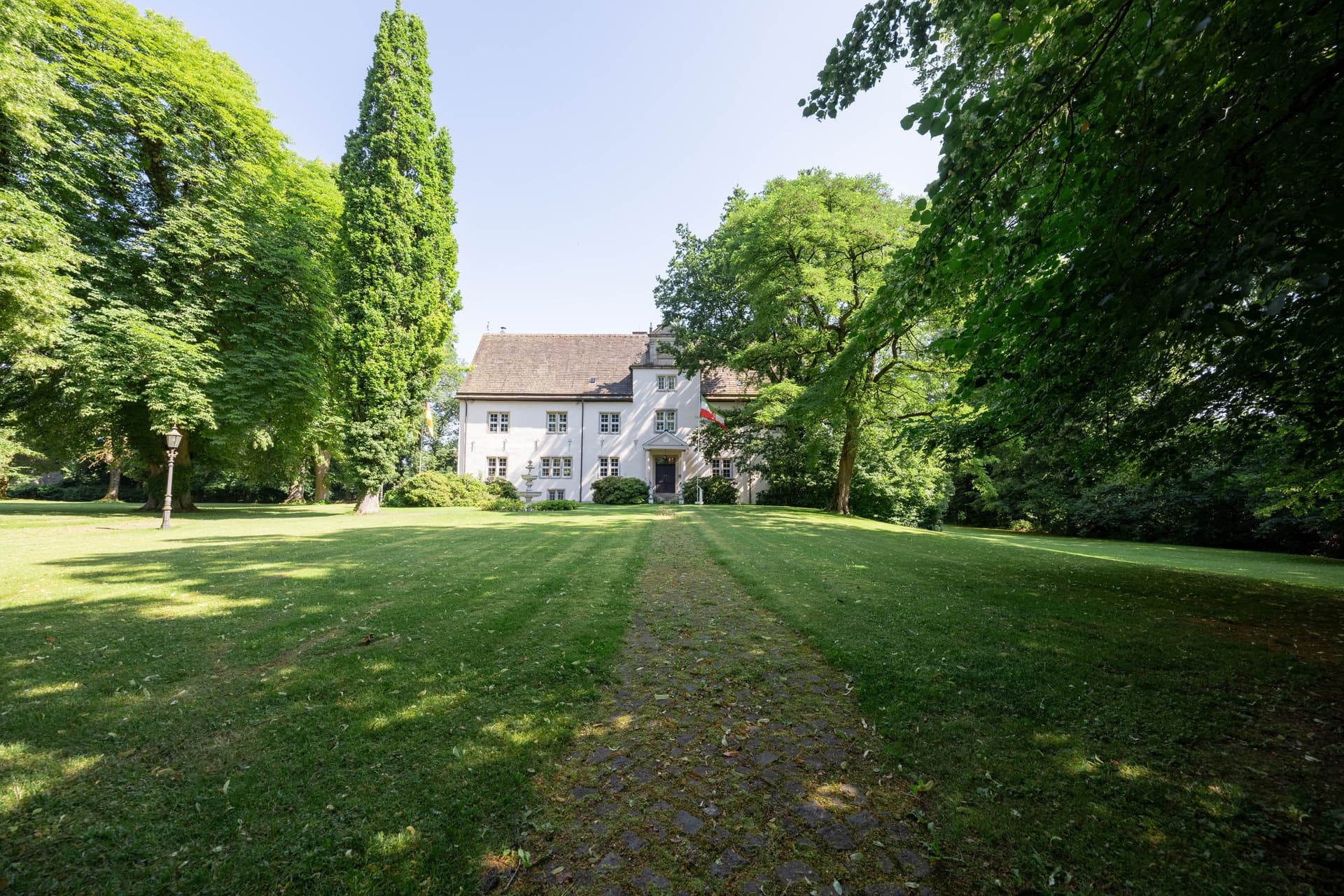
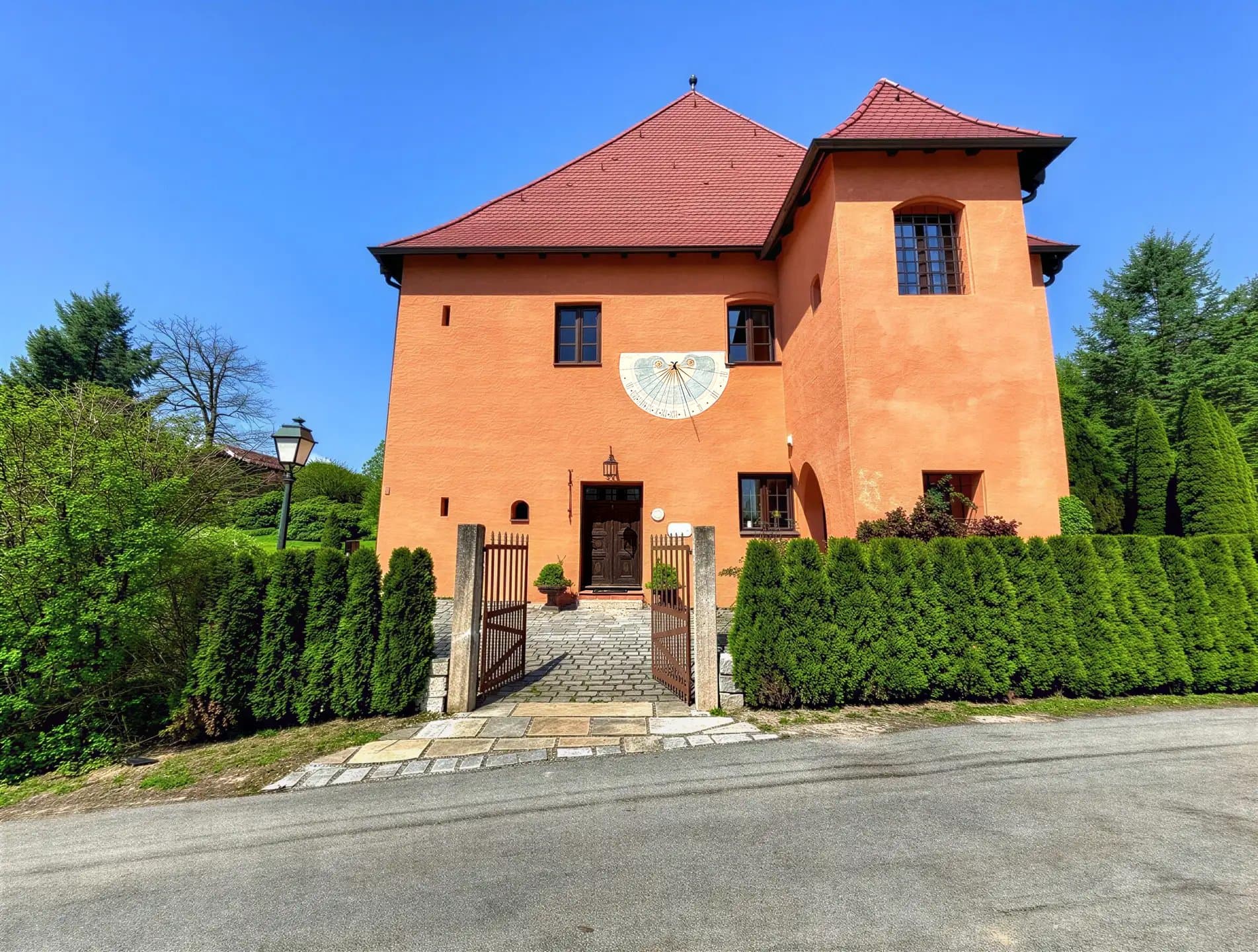
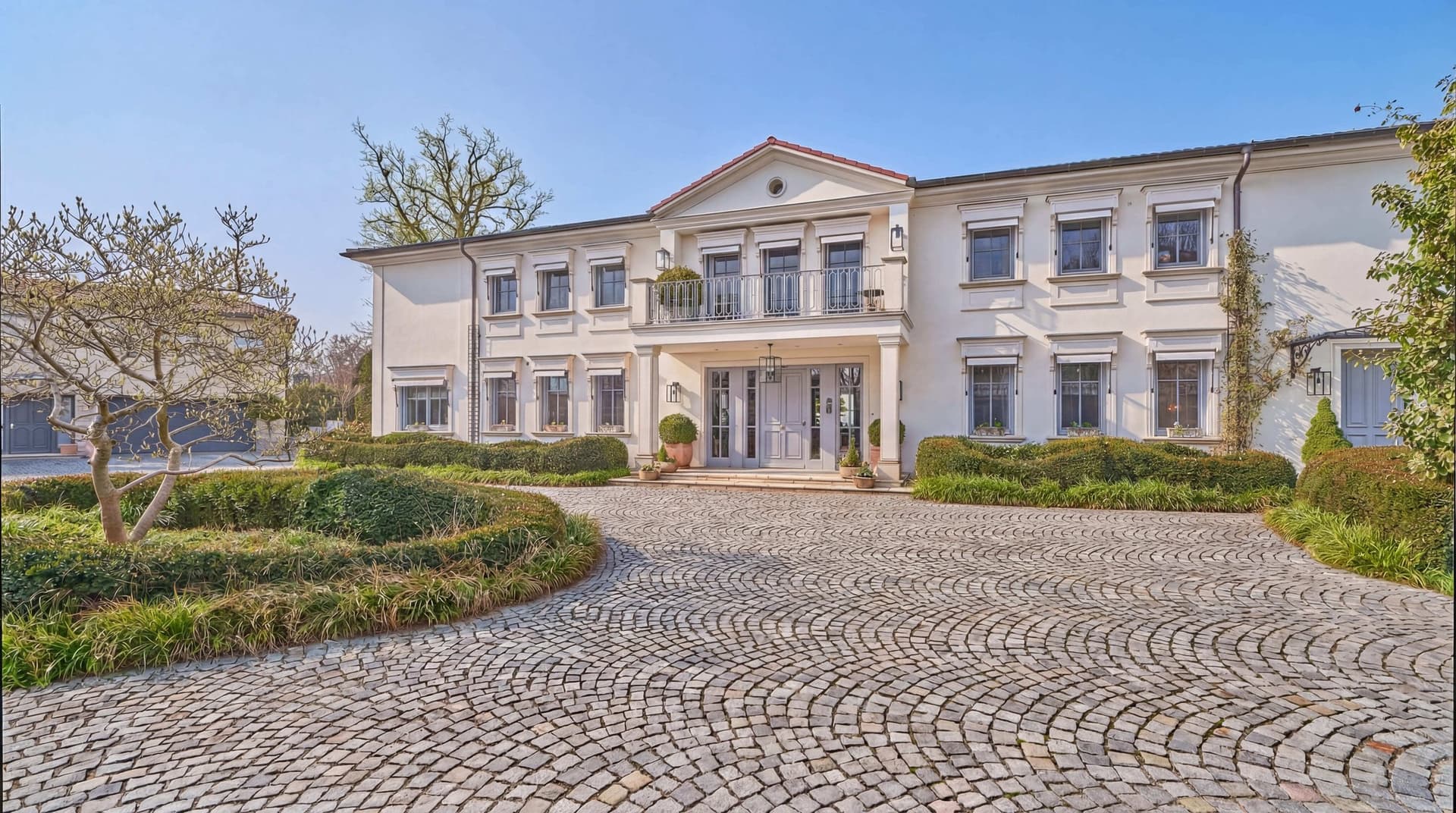
Germany is a very castle-dense country, and it's the best place on the continent to take one on as a project. There are thousands of castles across the country, from medieval hilltop fortresses to grand palaces, with around 50 on the market at any given time. And it comes with a tax break no other country offers: you can write off the full cost of restoring a listed castle against your income.
Prices are surprisingly reasonable. The median German castle costs around €2,140 per square metre, or €1,430,000 for a typical property, which sits just below the European average. Germany is a mid-priced market, not a luxury one, though the range is enormous depending on where you buy.
Germany actually has three words for what English calls a "castle." A Burg is the medieval fortress, all towers and defensive walls. A Schloss is closer to a palace, built for grand living rather than defence. And a Festung is an early-modern star fortress. Which one you're looking at tells you a lot about its age and its price.
Foreign buyers are welcome with no restrictions. The main thing to know is that heritage rules are set by each of Germany's 16 states rather than nationally, so the exact process depends on which region you buy in.
The typical German castle asks around €1,430,000, or €2,140 per square metre, just below the European average. But that median hides one of the widest ranges in Europe.
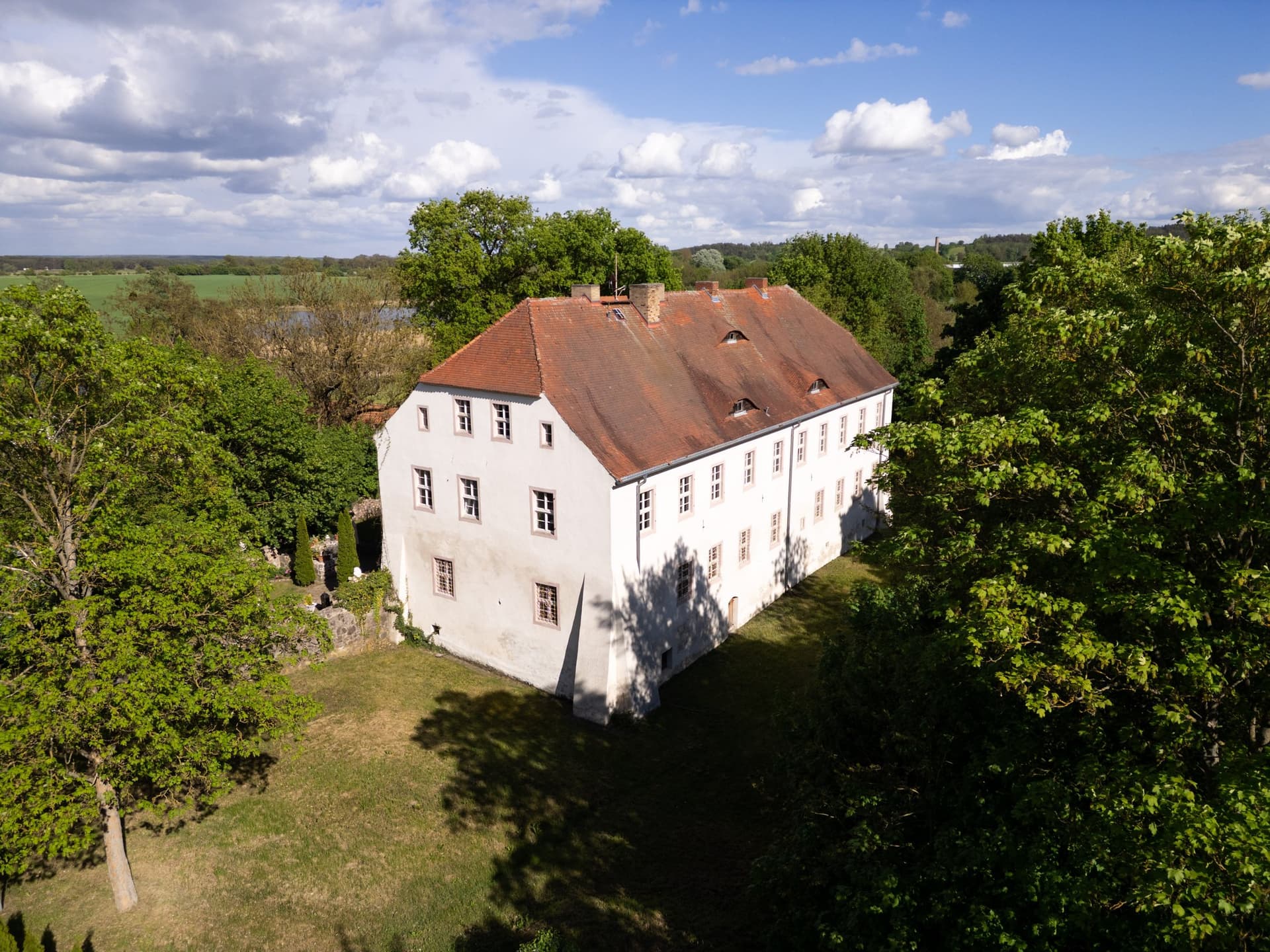
At the bottom sits the former East Germany, which has the cheapest castles on the continent. Schloss Weigsdorf in Saxony sold for just €170,000 in 2022, an unrestored GDR-era ruin working out at €75 per square metre, the lowest rate anywhere in Europe. The eastern states are full of these post-reunification Schlösser at distressed-auction prices. At the top, Schloss Salem in the south set the record at €25.8 million.
But keep in mind, a castle you buy for €170,000 is a restoration project, and the rule of thumb is that bringing an unrestored Schloss back costs five to ten times the purchase price. The saving grace, and Germany's real advantage, is that the tax system covers a large share of that cost.
Germany's castles are spread across its 16 states, and the region you choose sets both the style and the price.
Bavaria is the premium tier. This is Wittelsbach country, home to the fairytale castles like Neuschwanstein and Linderhof, and the Munich luxury market keeps prices high across the region. If you want prestige and don't mind paying for it, this is where to look.
Rhineland-Palatinate is the classic castle landscape, the Burgen you see on every postcard of Germany. The Upper Middle Rhine is a UNESCO site with more than 40 castles along a 65-kilometre stretch, including Marksburg and Burg Eltz, which has been held by the same family for 33 generations.
The eastern states, Saxony, Thuringia and Brandenburg, are where the bargains are. Reunification left a backlog of neglected Schlösser that still sell at distressed prices, and decades of state restoration have rebuilt the local heritage trades, so you also get access to the specialists you'll need.
Baden-Württemberg holds the trophy end, home to Schloss Salem and the country's highest verified sale, while Berlin and Brandenburg carry the Prussian-palace prestige around Potsdam.
Germany's biggest advantage is its tax code. Under a scheme known as Denkmal-AfA, an owner can write off the full cost of restoring a listed castle against their income tax over twelve years. On a €1 million restoration, a higher-rate taxpayer can offset €350,000 to €450,000, so the taxman effectively becomes your renovation co-financier. No other European market comes close.
There's one rule you can't skip: the work has to be approved by the local heritage authority before you start. Miss that step and you lose the deduction entirely, so the paperwork comes first.
On top of the tax break, there are grants. A federal restoration programme runs until 2030, covering up to 30% of eligible costs, and individual states add their own, with Berlin covering up to half of certain works. Denkmal-compliant renovation runs €1,200 to €3,500 per square metre, and the eastern states have the deepest pool of heritage tradespeople thanks to decades of state-funded restoration.
The upshot is simple: Germany is the best country in Europe to take on a castle restoration, because the single biggest cost of owning one becomes a write-off.
Stay informed with curated insights on market trends, tax and legal developments, and new castle investment opportunities.
By subscribing you agree to receive emails from Castle Collector. We’ll send a confirmation email first (double opt-in) and you can unsubscribe anytime. Privacy Policy