
The Reality of Buying a Castle
UK historic-house maintenance averages £160,000/yr; renovation often doubles. Yet Dalhousie Castle gained 124% in 11 years. The buyers who actually thrive.
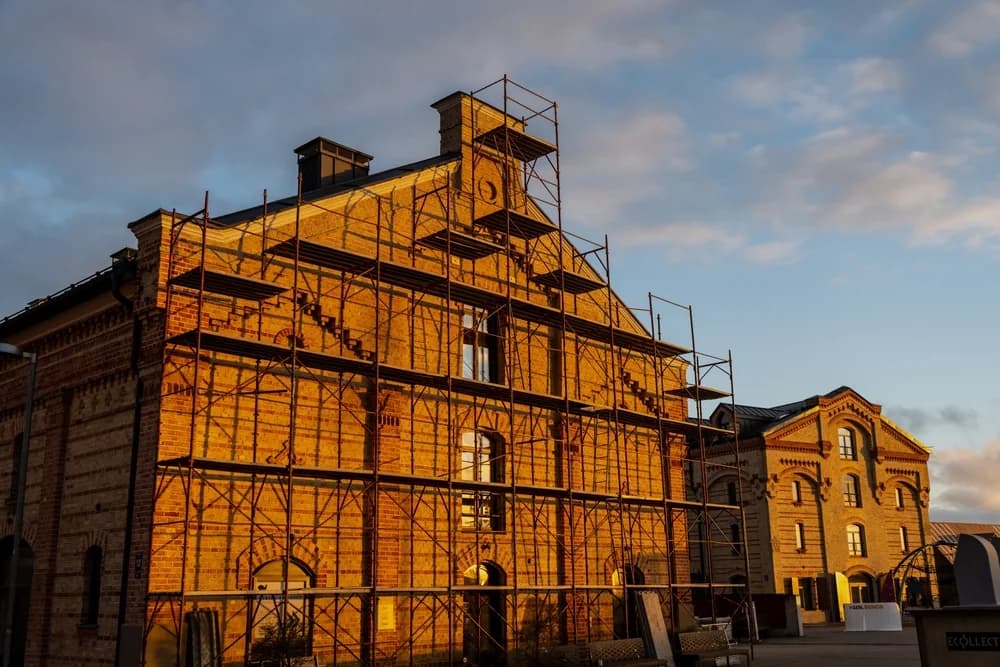
Three numbers shape every castle purchase. Which one governs your situation determines whether the building ends as a legacy or a financial catastrophe.
The first is what it costs to keep the building standing. UK historic-house owners spend £160,000 a year on average on repairs and maintenance.[1] The second is what a real restoration costs. Bringing a 1,500 m² château back to life runs to €4.5 million, almost always more than the building cost to buy.[1] The third is what a well-used castle can earn back. Dalhousie Castle in Midlothian rose from £2.5m to £5.6m between 2012 and 2023, a 124% gain while running as a hotel.[1]
How well a castle purchase ends depends almost entirely on which of those three numbers shapes your specific property.
Why serious buyers go in anyway
Three solid reasons drive serious castle buyers, none of them romantic.
- They're rare. Roughly 46,000 protected castles, palaces and manor houses exist across the 14 European countries we track, with only 200 to 400 sales a year. That's 0.4 to 0.9% turnover against 2 to 4% for normal city property. Castles change hands three to seven times more slowly, which is why a sale can take 2 to 10 years.[1]
- The value rises if you build a way to earn from it. Income protects the value; restoring without one produces the cautionary tales. Ribbesford House in Worcestershire, bought for £810,000 in 2018 with around £3 million in restoration, sold for £450,000 in 2025/26: a 44% loss. The Young family château in Pays de la Loire listed below its £900,000 purchase price after a decade and £500,000+ of renovation spend.[1]
- The earnings ceiling is high. Dick and Angel Strawbridge bought Château de la Motte-Husson for £280,000 in 2015, with no electricity, heating or sewerage and 45 rooms empty for 40 years. It now runs as a wedding venue with packages priced up to £38,000 and is worth roughly £2 million: a 6x rise over 10 years.[2] The global castle hotel market reached $2.9 billion in 2024 and is set to grow steadily through 2033. At the top end, Ashford Castle in County Mayo earns roughly €25.1 million a year with rooms 75% booked.[1]
The 6th Marquess of Bath opened Longleat to paying visitors in April 1949, the first English country house to do so as a regular commercial operation. By 1964 the site drew 135,000 visitors per year.[3] Three-quarters of a century of commercial heritage operation has accumulated since.
What it actually costs to keep the building standing
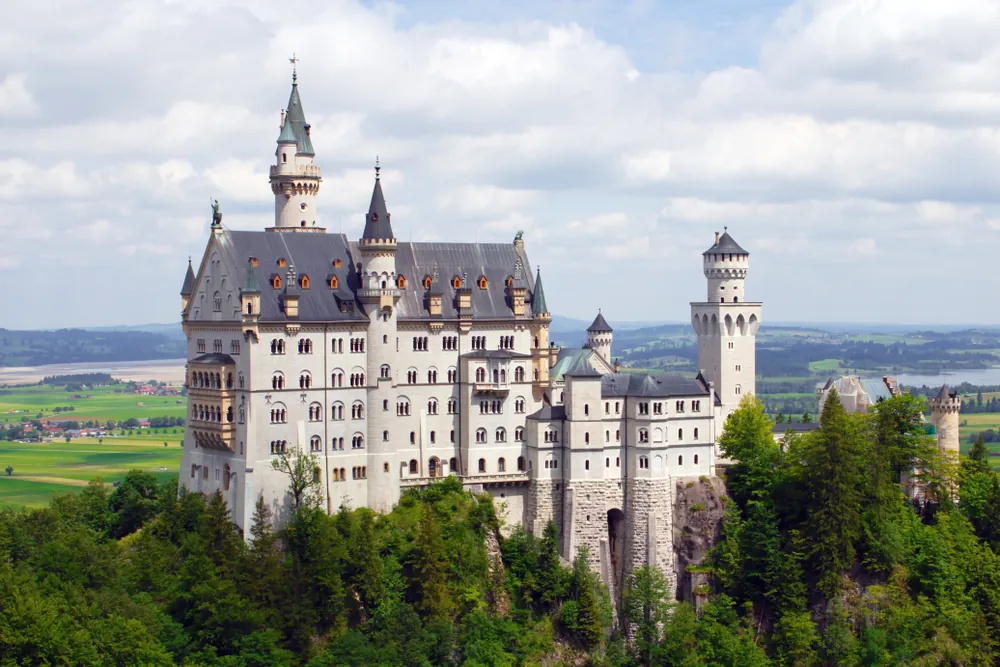
A mid-sized château in reasonable condition costs €75,000 to €150,000 a year to run, covering maintenance, energy, insurance, staff and grounds. The Historic Houses Association surveys its 1,450 UK members at an average of £160,000 a year, with a collective £2 billion of repairs still outstanding across the membership: about £1.4 million of work each property has put off.[1] Sudeley Castle's published benchmark is closer to £500,000 a year. Burghley House spends around £100,000 a year on its roof alone.
Lord Dalhousie, who put his family's 36,000 sq ft Scottish estate up for sale in 2021, disclosed running costs of roughly $344,000 a year and gave the comparison that's become well-worn among owners: a castle is like owning a yacht. There's always something that needs doing, and you can't manage it without a serious crew.
| Expense category | Annual cost range |
|---|---|
| Routine maintenance | €10,000–€50,000 |
| Energy and utilities | €10,000–€30,000 (rural French château ~800 m²); £58,000–£96,000 (UK 1,500 m² oil-heated) |
| Insurance | €5,000–€20,000 |
| Staffing | €30,000–€100,000+ |
| Grounds maintenance | €10,000–€30,000 |
| Contingency for surprise repairs | 10–30% of above |
Source: Castle Collector, Castle Price Index March 2026; Historic Houses Association owner survey.[1]
Heating is the biggest single bill on most properties. Pre-1945 stone castles in the UK use two to three times the energy of a modern home per square metre. On oil heating, a 1,500 m² castle costs £58,000 to £96,000 a year on heating alone. Switching to a community biomass scheme cuts that to roughly £11.54 per square metre per year (the Aldourie Castle benchmark).[1]
Insurance is the trap most buyers miss. Normal home insurance won't cover a heritage property. Specialist insurers (Ecclesiastical, Hiscox, Castleacre, NFU Mutual) write tailored cover for €5,000 to €20,000 a year. The most common gap they flag: cover that wouldn't actually pay to rebuild the property if it burned down. A 2007 Listed Property Owners' Club survey found 55% of listed buildings underinsured at the time.
Staff costs add up fast. A live-in caretaker runs €30,000 to €50,000 a year. The Strawbridges describe the reality at Motte-Husson: on the day they took possession the only working electrical item in the building was the electricity meter.[2] One Loire-region château owner reported that simply cutting the grass took 17 hours per pass on a roughly 5-hectare estate.
For historical context, the Countess of Carnarvon's published account of Highclere's running costs in July 1933 totalled £909 a month, covering coal, provisions and wages for 25+ staff.[4] Modern owners run the same buildings with completely different staff assumptions. The economics changed for good after the war.
Restoration: the budget number that matters
The €500 to €1,500 per square metre figure most older guides quote is out of date. The current per-country numbers, from our Castle Price Index:[1]
| Country | Renovation per m² (low to high) | What sets the range |
|---|---|---|
| France | €800 to €5,000 | Light interior refresh to full Monument Historique-grade restoration |
| Germany | €1,200 to €3,500 | Heritage rules push the floor up; brokers say budget 5 to 10x the purchase price for an unrenovated castle |
| England | £1,500 to £4,500 | Grade II\* sits at the top; Grade I adds 40 to 100% on top of that |
| Ireland | €1,500 to €4,000 | Wet climate, specialist masons, heritage-compliant work |
| Austria / Luxembourg | €2,000 to €5,000 | The highest contractor rates in Europe |
Source: Castle Collector, Castle Price Index March 2026, Section 4.1.[1]
For run-down properties, restoration usually costs 5 to 10 times the purchase price. Schloss Weigsdorf, bought at Saxony auction for €170,000, has restoration of its 2,269 m² estimated at €2.7m to €8.5m: 16 to 50 times what the building cost to buy.[1]
Real projects show what each level of work actually costs:[1]
- Light cosmetic (Château de Cadres, Cherry family): ~€100,000 so far.
- Full interior to luxury rental (Château Labarthe, Yuille/Fairie): ~€500,000 over three years.
- Full structural (Château de Razac, John Way): €1.05 to €1.15 million across a 10-year plan, with €250,000 on the roof alone in phase one.
- Derelict to habitable (Château de la Motte-Husson, Strawbridges): £1m+ doing some work themselves; £2 to £3m if you used contractors throughout.
- Hotel standard (Château de Jalesnes, Halpin brothers): £3.5 million over three years.
- Top-tier Monument Historique (Château de Gudanes, Waters family): open-ended, ongoing past 12 years.
Two long-running YouTube accounts say the same thing from inside the work. Restoration needs look worse on day one of construction than they did on the viewing day. That gap between expectation and reality is where most buyer regret comes from.[6] [7]
Who actually thrives at this
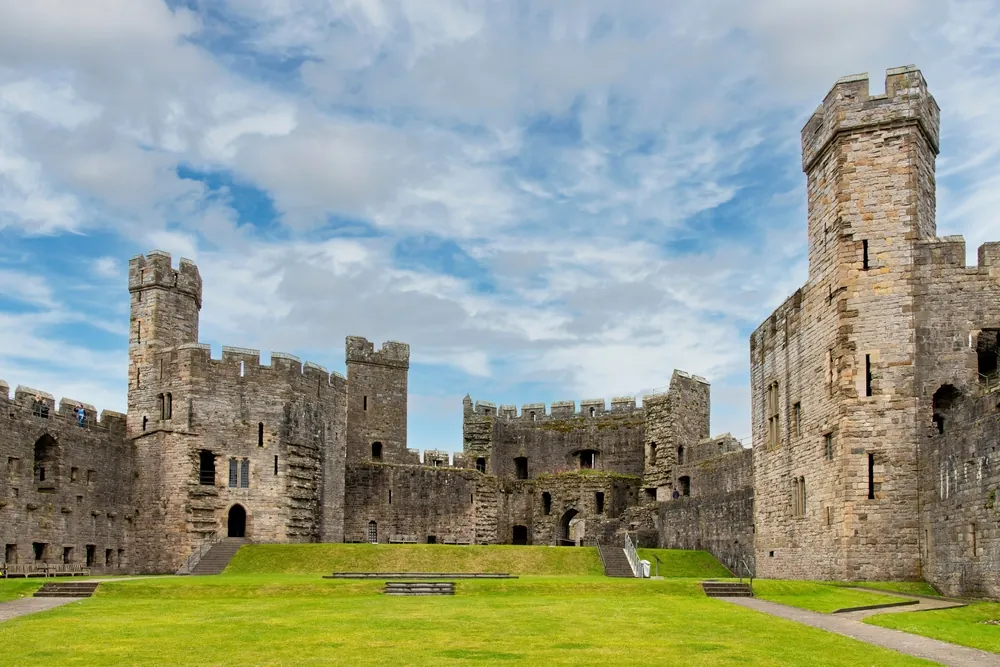
The pattern in the data points to four kinds of owner where the maths works consistently:
- Owners who set up a way to earn from it from day one. Wedding venue plus chambre d'hôte (Strawbridges), hotel conversion (Château du Theil), filming and events (Château de Lesigny), vineyard estate (Schloss Gobelsburg). Value tracks income far more than restoration quality.
- Owners with serious money outside the castle. Most successful private restorations are funded by selling a city home or by separate income: Château de Gudanes is paid for by the owner's medical practice in Australia. The castle is the project, not the source of money.
- Families with several generations of know-how. Properties held in the same family for generations come with built-in staff, contractor relationships and a track record with the planning authority that a new owner has to build from scratch. Mapperton in Dorset is a good example.
- Owners with realistic timelines and a real buffer. Projects that budgeted 25 to 30% contingency from day one and hired specialists rather than the cheapest contractor absorbed the surprises. Those that picked the headline-cheapest option did not.
For deeper buyer-profile analysis see who buys castles. For full operational cost detail see cost to own a castle. For the financing toolkit see how to finance a castle purchase.
Common questions
Is buying a castle worth it?
It depends on what you do with it. Real gains exist on properties that earn money: Dalhousie rose 124% over 11 years running as a hotel; the Strawbridges' Motte-Husson rose 6x over 10 years as a wedding venue. Restoring without an income gives you the cautionary cases (Ribbesford −44%, the Young family château below purchase price).[1]
What does owning a castle really cost each year?
£160,000 a year on average across 1,450 UK Historic Houses members. Heating alone runs £58,000 to £96,000 a year on a 1,500 m² oil-heated UK property; switching to community biomass cuts that by about 70%. Add insurance, staff, grounds and a 10 to 30% buffer. Sudeley Castle's published benchmark is roughly £500,000 a year; private mid-sized châteaux sit closer to €75,000 to €150,000.[1]
What's the biggest restoration risk?
Hidden structural problems that only show up once work begins. Foundations, timber decay and roof condition usually look better on the viewing day than once the scaffolding goes up. The pattern in the data (Château du Theil $2m → $4m, the Lalande chapel collapse, Razac's €250k roof in phase one alone) is for budgets to double or triple. Plan for 25 to 30% contingency on a run-down property.[5]
Who should buy a castle?
Owners who set up a way to earn from it from day one, hold money outside the castle, budget a 25 to 30% buffer, and plan in decades not years. The four patterns above hold across France, Germany, the UK and Ireland.
What's the best country to buy a castle in?
Cheapest to buy: Czech Republic and Poland (€500 to €1,500 per m²) and German auctions. Best balance of price and risk: France, with the deepest market (945 listings we track) and DRAC restoration grants of 40 to 50% on top-classified Monuments Historiques. Cheapest in tax: Ireland at 1% stamp duty and no foreign-buyer surcharge.[1]
How long does it take to sell a castle?
2 to 10 years. The market is slow-moving: 200 to 400 sales a year against 46,000 protected properties. Plan any sale on a multi-year horizon and price accordingly.[1]
How much buffer should I budget?
25 to 30% on a run-down castle, 15 to 20% on one in reasonable condition. The 10% figure in standard conservation handbooks is too low compared to what we see in real projects.[5]
Sources
1. Castle Collector, Castle Price Index, March 2026.
2. Strawbridge, D. & A. A Year at the Chateau. Seven Dials / Orion Publishing, 2020.
3. Cannadine, D. The Decline and Fall of the British Aristocracy. Yale University Press / Vintage Books, 1990 / 1999.
4. Carnarvon, F. (8th Countess of Carnarvon). Lady Catherine, the Earl, and the Real Downton Abbey. Crown Publishing Group, 2013.
5. Davey, K. Building Conservation Contracts and Grant Aid: A Practical Guide. E. & F.N. Spon, 2003 (orig. 1991).
6. The Beau Chateau, The Reality of Buying a French Chateau.
7. Our Chateau Life, Buying a Château in France: Dream vs Reality.