
Who Buys Castles in 2026? The 5 Buyer Archetypes Explained
From legacy holders and hospitality investors to restoration-led buyers, brand owners and institutions: 5 archetypes that explain who actually buys castles.
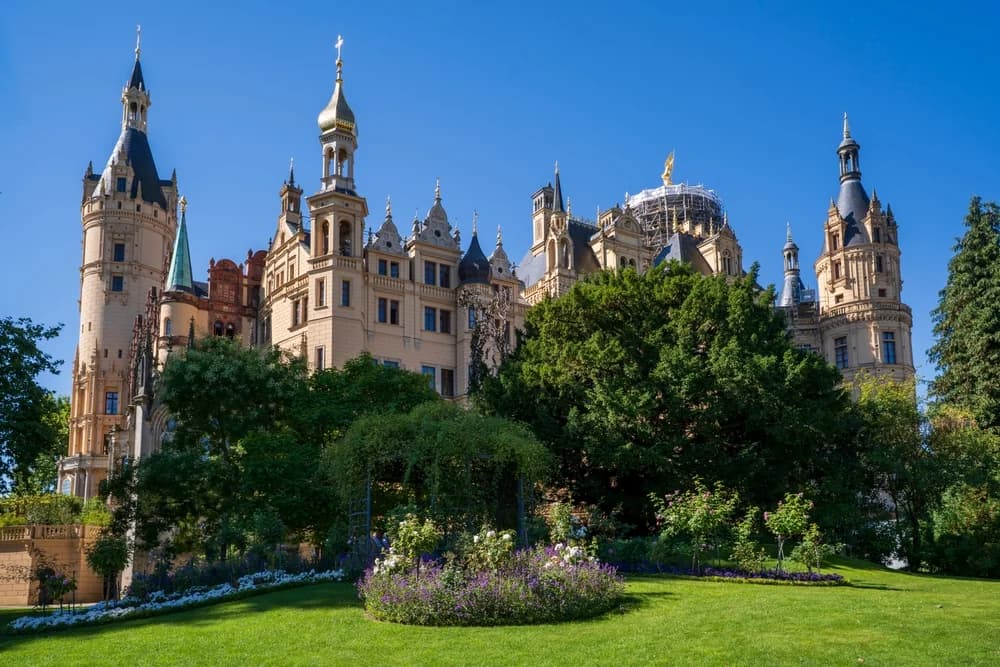
Five distinct buyer types account for almost every castle transaction in Europe. Each approaches ownership with a different budget, motivation and risk tolerance. Working out which one you are is the first useful step before browsing a single listing.
Americans now generate 30% of European castle inquiries, up from 2% of non-resident purchases pre-pandemic. That shift sits inside a buyer mix that hasn't fundamentally changed in 125 years: legacy families, hospitality operators, restoration buyers, brand custodians, and institutions.
The five types, side by side
Type | Typical budget | Why they buy | Main risk | How long they hold |
|---|---|---|---|---|
Legacy (very wealthy family) | €5m to €300m+ | A castle in the family for generations, a public mark of established wealth | Won't take on a ruin, needs to be ready to live in | Generations |
Hospitality investor | €2m to €30m | Hotel returns of 6 to 16% a year | Needs a wedding or hotel licence and 8 to 20 bedrooms | 7 to 15 years |
Restoration buyer | €170k to €2m | A long project that's also an investment | Renovation often costs 5 to 10 times the purchase price | 10+ years |
Brand / cultural | €5m to €43m+ | A property to anchor the brand's story | Has to keep marketing it to get value out | Indefinite |
Institution / trust | Varies | Preservation, with tax breaks | Accepts low returns | Permanent |
Sources: Knight Frank Wealth Report 2026 family-office and UHNW data;[2] Castle Price Index hospitality revenue model and illiquidity analysis.[1]
Rule of thumb
If you can't say which of these five you are before viewing a property, you're not ready to buy. The type sets your budget, what condition you need it in, what you'll do with it after, and when you'll sell. Most failed castle purchases trace back to a buyer in one type running someone else's playbook.
1. Private legacy buyers

Legacy buyers are very wealthy families with more than US$30 million to invest. Knight Frank counts 713,626 of them globally, and the number is growing fast.[2] For this group, owning a castle is a public mark of family wealth, centuries of history attached to the family name in a way no penthouse can deliver.
The Anglo-American pattern is older than 125 years. David Cannadine documents the founding wave: William Waldorf Astor bought Hever Castle in Kent in 1903, having already bought Cliveden a decade earlier. Andrew Carnegie went further with Skibo Castle in the Scottish Highlands, spending another £100,000 on alterations after the purchase.[3] Tinniswood adds a striking statistic: by the early 1970s, 50 peers of the realm had between them amassed 54 American wives.[4] The current 30% American inquiry share is the latest cycle of a deep pattern.
Today's legacy buyers want it ready to move into, with modern comforts (underfloor heating, wellness suites, staff quarters) but the historical character intact. Privacy, land and listed status matter; quick returns don't. The very top end shows what's possible: Daniel Kretinsky bought Château du Marais for €43 million in 2022, and Château Louis XIV holds the record at €301 million.
A quieter 2026 shift: wealthy buyers who spend less than 90 days a year in their main city are cutting their showpiece budgets by roughly half, into the US$15 million range Savills calls the "two-hour home" (within two hours of where they live).[2][5] The bolthole castle, not the showpiece castle, is what the legacy tier is increasingly buying.
2. Hospitality investors
Castle hotels are the most profitable kind of luxury hotel in Europe right now. The global market sits around $2.9 billion today and is expected to roughly double by 2033. Returns of 6 to 16% a year are realistic, depending on location and condition. The table below shows what the top earners pull in, using their public room rates with rooms 75% booked:[1]
Castle | Rooms | Rate from | Modelled annual revenue at 75% occupancy |
|---|---|---|---|
Ashford Castle (Ireland) | 83 | €1,105 | ~€25.1m |
Dromoland Castle (Ireland) | 97 | €1,851 | ~€49.2m |
Château Jeanne (France) | 119 | €221 | ~€7.2m |
Peckforton Castle (England) | 48 | £150 | ~£1.97m |
Dalhousie Castle (Scotland) | 29 | £455 | ~£3.6m |

These are top-line figures, before staff, loan repayments, maintenance reserves and management fees. The real take-home is much lower, but the ceiling is what justifies the premium hospitality investors pay for the right property.
Picking the right property matters more than anything else on this path. A small castle hotel needs at least 8 to 20 bedrooms; profits really start at 15 to 20. Three other factors decide how long the conversion takes: how close it is to a major airport (two hours is the working limit), whether the planning rules allow commercial use, and whether the existing plumbing and electrics can carry the renovation.
Wedding venues drive many of these calls. Castle weddings charge a 30 to 50% premium over a normal venue, and the multi-day castle wedding has become the standard format for European destination events. Germany is the most developed market.
3. Restoration-driven buyers
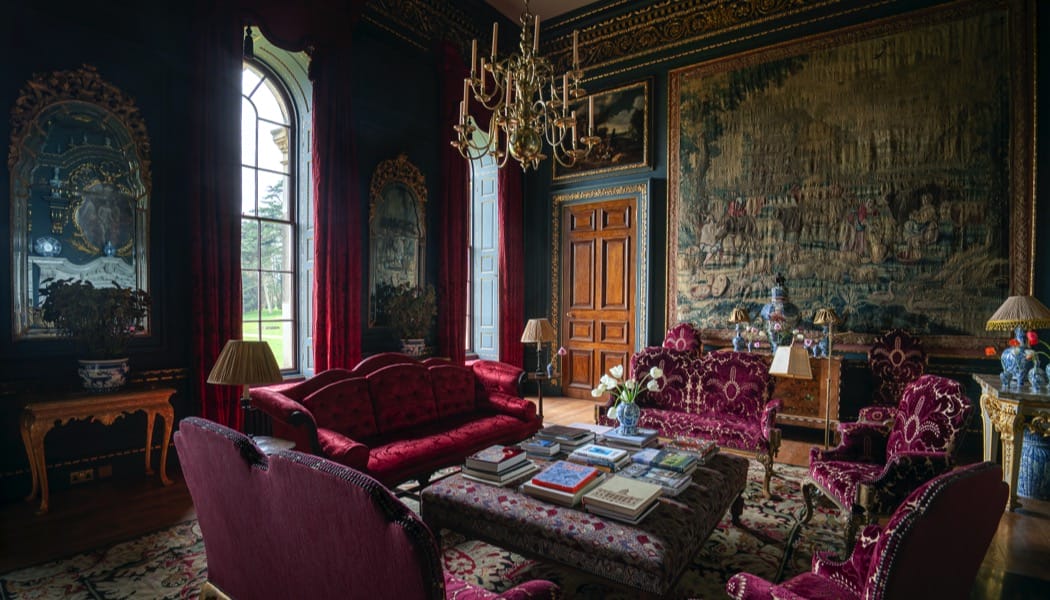
The fastest-growing group of buyers isn't billionaires. It's career-changers with smartphones and construction know-how. The "château DIY" trend has reshaped demand, particularly in France with its 19,000+ protected châteaux.[1] Starter projects begin around €300,000. The floor drops to €170,000 for run-down German Schlösser at auction.[1]
Three sub-types: people approaching retirement who want a final-chapter project; founders moving into hospitality; and, most usefully, buyers with construction backgrounds who can halve renovation costs by doing the work themselves. Australian and American buyers often fund their restoration through YouTube ads, paid subscriptions and merchandise, turning the château into a content business. The Château Diaries alone has 160m+ views.
Restoration almost always costs more than the purchase price. At typical French rates on a 1,500 m² property, plan for €4.5 million to bring it back, and expect that to double or triple along the way.[1] Château du Theil's $2 million budget ran to nearly $4 million. The pool of qualified specialists is also small: only 34 architects in France hold the Architecte en Chef des Monuments Historiques qualification required for the highest-tier classé monuments, a real bottleneck at the top end.
Watch out
The dream is real, but it demands honesty about skills, timeline and reserves. The most successful restoration buyers treat the château as a 10 to 15 year project, not a two-year flip. Harold Nicolson and Vita Sackville-West bought Sissinghurst Castle in Kent around 1930 for approximately £12,000 and budgeted a further £15,000 for restoration, about £4 million today.[6] The economics of bringing a derelict heritage property back have not fundamentally changed.
4. Brand and cultural buyers
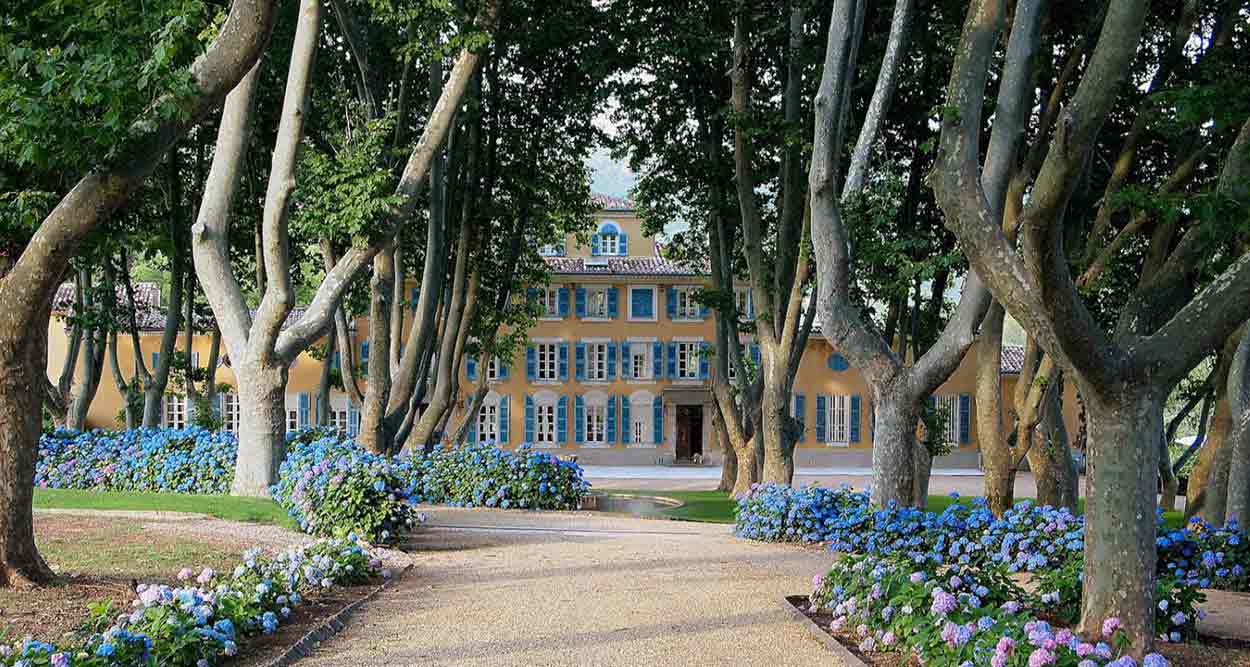
LVMH's castle holdings show how luxury groups use heritage properties to anchor a brand. The group owns Château d'Yquem (acquired 1999, dating to 1593) and Château d'Esclans, and through Christian Dior Parfums it owns Château de la Colle Noire, a 123-acre estate that hosts celebrity events. For brands, castles aren't homes. They're places to root marketing in centuries of history.
The Chinese investor wave in Bordeaux shows both the appeal of the brand play and its limits. Over 150 properties changed hands between 2011 and 2019, driven by what Chinese commentators called the new-affluent trio: a German car, a Swiss watch, French wine. Actress Zhao Wei picked up five châteaux; Jack Ma bought two 18th-century estates.
That wave has reversed. Capital controls and falling Chinese wine demand have pushed roughly 50 Bordeaux châteaux back onto the market, some at sharp discounts. Château Latour Laguens, bought for €2 million and now with its vineyards gone, recently appeared at auction for €150,000. Fifty distressed properties in a single year is a real shock in a market this thin.[1]
Tinniswood traces the pattern further back than most modern coverage suggests. Peter Sellers picked up 16th-century Chipperfield Manor in 1959 for £17,500. Heritage as personal brand asset has been stable for decades.[4]
5. Institutional and trust buyers
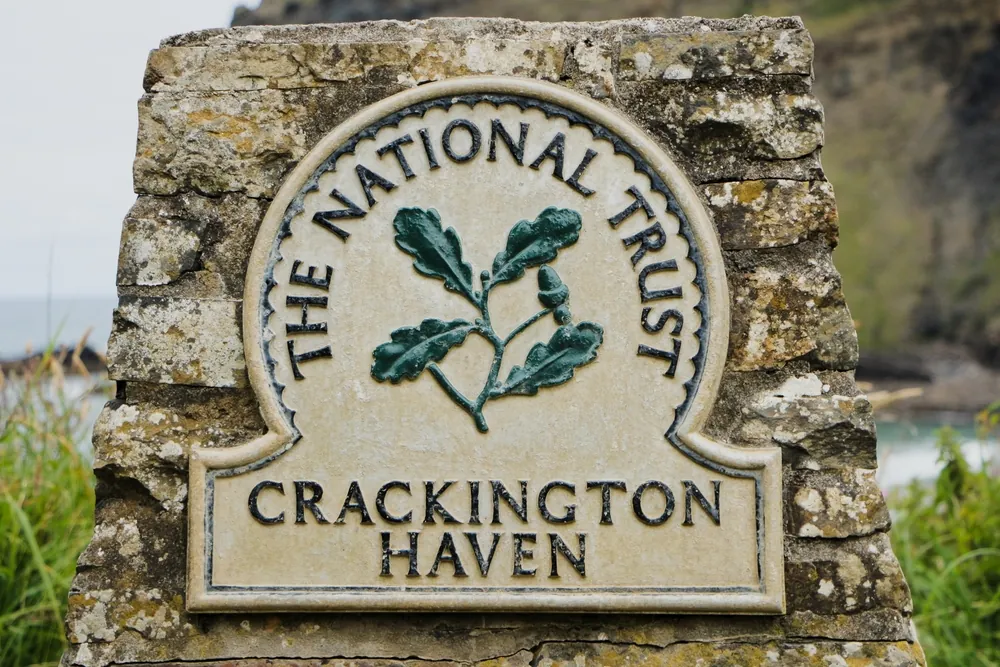
The UK National Trust looks after 41 castles within its broader heritage collection, funded by 5.38 million members and property donations. France's Fondation du Patrimoine works with private owners through Mission Patrimoine, providing heritage lottery funding and tax-deductible giving that makes long-term ownership affordable.
Family offices, the in-house investment arms of very wealthy families, increasingly treat a castle as one slot in a wider investment plan. Knight Frank counts around 10,000 family offices worldwide, and they're now the main buyers of heritage property.[2] Property has bounced back to 39% of family office portfolios in early 2025, the highest since 2019. Tax breaks sweeten the deal:
Country | Tax break | What it does |
|---|---|---|
France | Monument Historique scheme | Lets owners deduct restoration costs from tax if the castle opens to the public |
UK | Primary residence relief | No capital gains tax on the sale if it's your main home |
Germany | Denkmal-AfA §7i | Lets owners write off 81% of certified restoration spend over 9 years |
For these buyers, owning a castle is as much about preservation as it is investment. Mary Beard's National Trust lecture asks the question directly: who owns the past? The legal answer is the title-holder. The public-interest answer is more complicated.[7]
Which castles sell fastest?
The €700,000 to €2.5 million band moves fastest in France, particularly within two hours of a major airport. Savills' "two-hour home" trend lines up with this band exactly.[5] Things that speed up a sale: a pool, an approved wedding licence, modern heating, and ready-to-live-in condition. Large estates that need a lot of work can sit for up to six years, in line with the 2 to 10 year wait this slow-moving market is known for.[1]
American buyers in this cycle don't want heavy refurbishment, preferring places already fit to live in. Younger buyers will take on more work, but they still want the heavy structural jobs already done.
Bottom line
At the deal stage, condition and what you can do with the place matter more than how famous its history is. If you're selling, lead with what makes the buyer feel less likely to get burned. If you're buying, know which type you are and search accordingly.
For underlying property economics see our castle market overview; for hospitality conversion specifics see how to turn a castle into a business; for restoration cost detail see how to restore a castle.
Common questions
Can a normal person buy a castle?
Yes. Prices start around €170,000 for a run-down German Schloss at auction and around €300,000 for a French restoration project. The typical European castle sits at €1.7m for around 700 m², in reach for a buyer with serious cash on hand and realistic expectations about renovation, which often costs 5 to 10 times what the castle did to buy.[1]
Do celebrities buy castles?
Yes, and have done for decades. Peter Sellers bought Chipperfield Manor in 1959. Jack Ma acquired two 18th-century Bordeaux estates. LVMH controls Château d'Yquem and Château de la Colle Noire. Andrew Carnegie bought Skibo Castle in 1898.[4]
Are castles a good investment?
Real gains are real, but only when the property earns money. Dalhousie Castle rose 124% over 11 years while running as a hotel; the Strawbridges' Motte-Husson grew 6x over 10 years as a wedding venue. Restoring without a way to earn from it gives you the cautionary tales (Ribbesford fell 44%). The investment case rests almost entirely on whether you have a way to earn from it built in from day one.[1]
What kind of buyer does well?
Owners who set up a way to earn from it from day one, who have serious money outside the castle, who budget a 25 to 30% buffer for renovation surprises, and who plan in decades not years. The pattern holds across France, Germany, the UK and Ireland.
Why are Americans suddenly buying European castles?
They aren't really. Their share has risen sharply, from 2% before the pandemic to 30% of inquiries today, but the pattern has 125-year roots: Astor at Hever in 1903, Carnegie at Skibo in 1898, 54 American wives among UK peers by the early 1970s.[3][4]
Which kind of castle sells fastest?
The €700,000 to €2.5 million tier, within two hours of a major airport, ready to live in, with a wedding licence and modern heating. Large derelict estates can sit on the market for six years.[1][5]
Sources
1. Castle Collector, Castle Price Index, March 2026.
2. Knight Frank Research, The Wealth Report 2026.
3. Cannadine, D. The Decline and Fall of the British Aristocracy. Yale University Press / Vintage Books, 1990 / 1999.
4. Tinniswood, A. Noble Ambitions: The Fall and Rise of the English Country House After World War II. Basic Books, 2021.
5. Savills. Branded Residences 2025/2026.
6. Tinniswood, A. The Long Weekend: Life in the English Country House Between the Wars. Basic Books, 2016.
7. National Trust, Mary Beard, "Who Owns the Past?" Octavia Hill annual lecture.