
The Largest Palace in the World and 6 Others on the Shortlist
The largest palace in the world depends on the metric. Rooms: Istana Nurul Iman. Floor area: Forbidden City. The 7 contenders, ranked by what they show.
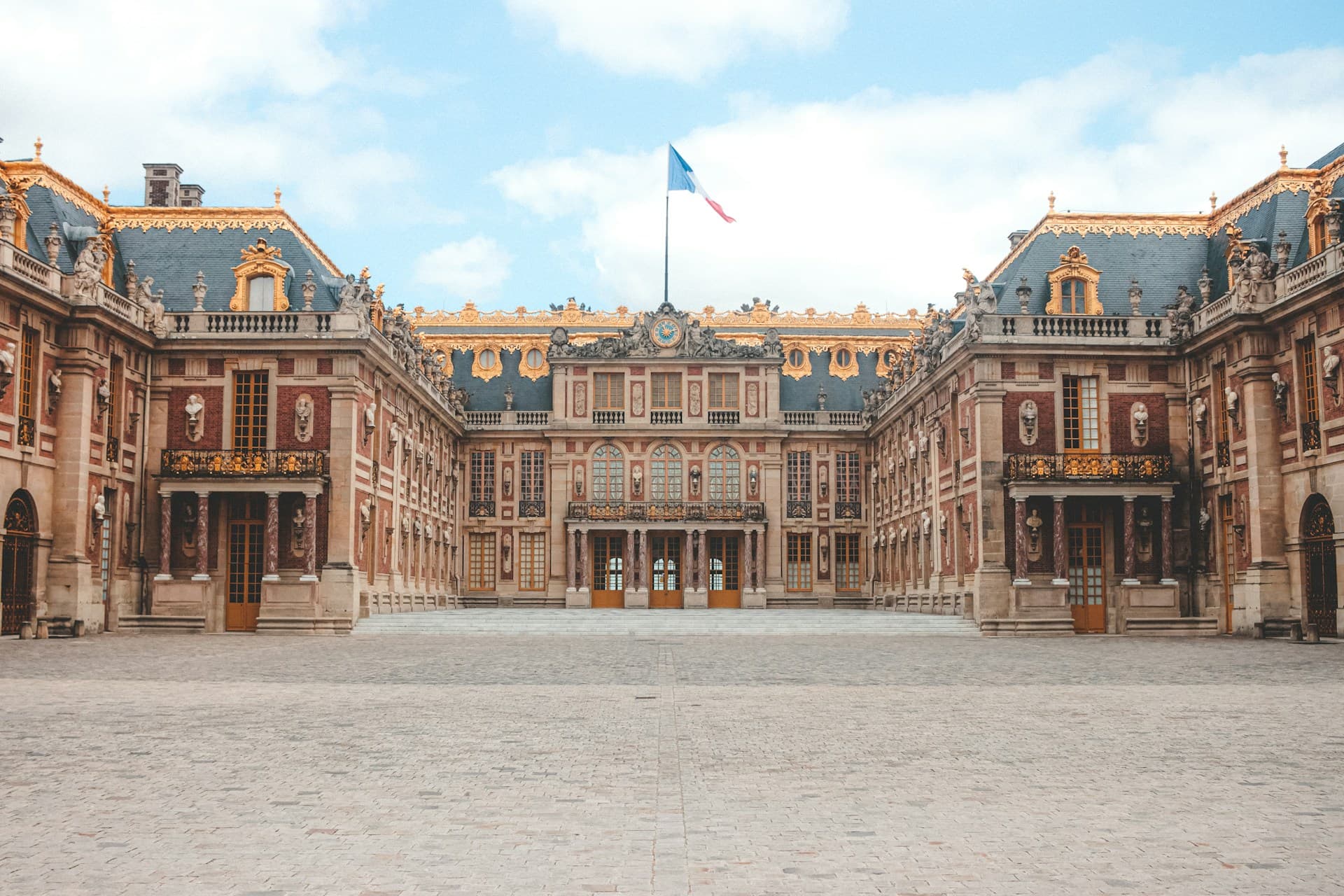
Pick a metric and the title moves. Floor area sends you to Brunei. Compound size sends you to Beijing. European canon sends you to Versailles. Each answer is correct, and each one tells you something different about the state that built it.
The largest palace in the world is in Brunei. Istana Nurul Iman, the residence of Sultan Hassanal Bolkiah, is widely cited as the largest residential palace in the world by floor area at roughly 200,000 square metres and 1,788 rooms. Almost no Western visitor has ever been inside. The Sultan keeps it closed to the public year-round except three days during Hari Raya Aidilfitri, the Islamic festival that ends Ramadan, when he opens the palace for an annual open house meal.
That answer disorients the Western imagination, and it should. The largest palace in the Western canonical sense is Versailles, the largest publicly accessible compound is the Forbidden City in Beijing, the largest continuous-monarchical residence is Buckingham, and the largest by ceremonial-architectural ambition is whichever metric you choose to weight. "Largest palace" is metric-dependent, and each metric tells you something different about the kind of state that built it. For the difference between palace and castle, see the difference between palace and castle; for the largest-castle question, which is a different one entirely, see the largest castles in the world.
The seven largest, side by side
| # | Palace | Country | Floor area | Rooms | Function today |
|---|---|---|---|---|---|
| 1 | Istana Nurul Iman | Brunei | ~200,000 m² | 1,788 | Sultan's residence (private) |
| 2 | Forbidden City | China | ~720,000 m² compound | 9,999 (traditional) | Palace Museum |
| 3 | Apostolic Palace | Vatican | ~162,000 m² (palace + museums) | 1,000+ | Pope's residence + museums |
| 4 | Quirinal Palace | Italy | ~110,500 m² | 1,200 | Italian President |
| 5 | Buckingham Palace | UK | ~77,000 m² | 775 | British monarch |
| 6 | Versailles | France | ~67,000 m² palace + 800 ha gardens | 2,300 | State museum |
| 7 | Palace of Mafra | Portugal | ~40,000 m² | 1,200 | UNESCO state museum |
Figures vary by source. Floor-area figures include or exclude different building components depending on how each palace publishes its official measurement.
Istana Nurul Iman: the petrodollar palace
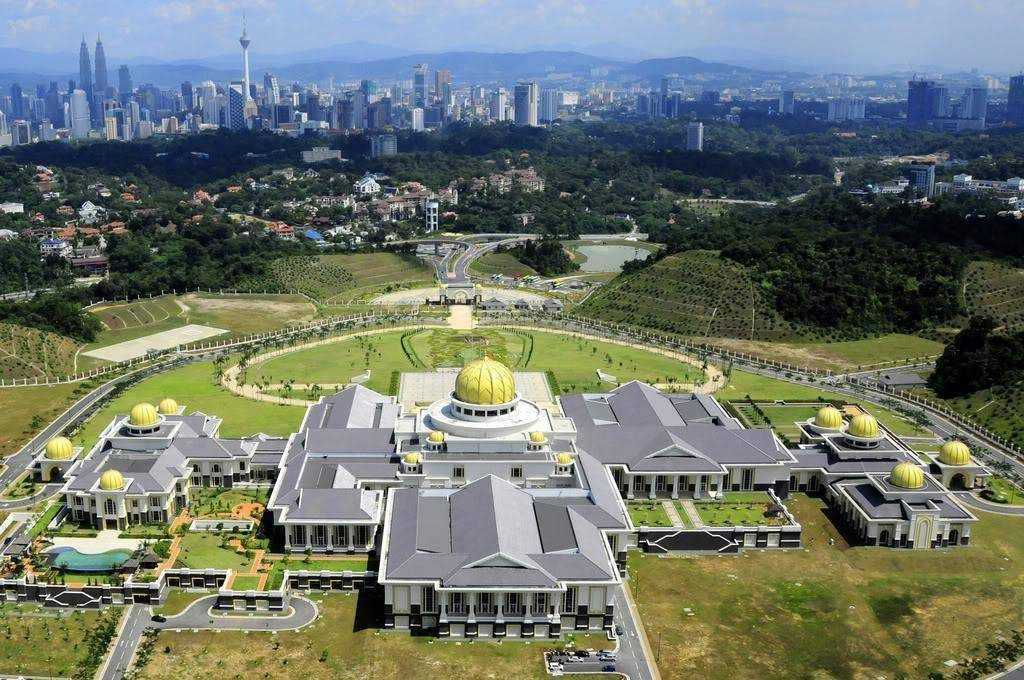
Istana Nurul Iman was completed in 1984 by Filipino architect Leandro Locsin for Sultan Hassanal Bolkiah on the bank of the Brunei River south of Bandar Seri Begawan. Construction cost is widely reported at around US$1.4 billion in 1984 dollars, paid out of the Brunei oil-and-gas revenues that have made the Sultanate one of the richest small states per capita in the world.
Widely cited specifications: roughly 200,000 square metres of floor area, 1,788 rooms, 257 bathrooms, a banquet hall seating 5,000 people, a mosque holding 1,500, and a 110-car garage. The Sultan keeps the palace closed for almost the entire year. The three-day open house at the end of Ramadan is the only window into the largest residential palace in the world.
The contrarian point is that the largest palace is private, contemporary, and almost entirely unseen by Western audiences. The European canon defaults to Versailles or Buckingham. The honest answer to "largest palace" lives somewhere else entirely.
The Forbidden City: palace and government in one
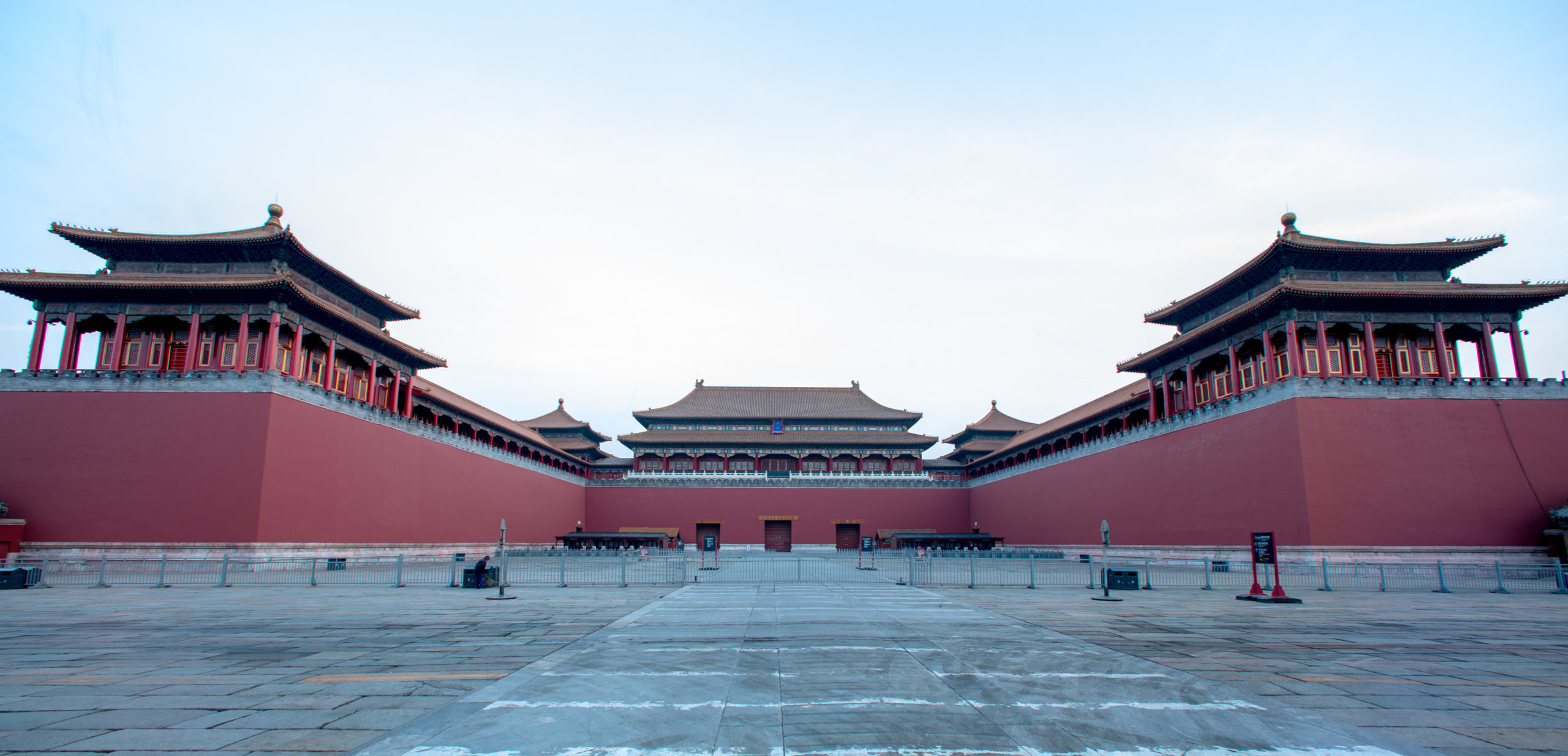
The Forbidden City in Beijing is the largest palace compound in the world by total area, at around 720,000 square metres across 980 buildings. Tradition assigns it 9,999 rooms; the symbolic figure deliberately stops one short of the 10,000 rooms believed to constitute the heavenly palace, since the emperor's earthly mirror could not exceed it. Recent surveys put the actual figure closer to 8,704 rooms, but the 9,999 number is what the Chinese imagination retained.
The Yongle Emperor Zhu Di built the complex between 1406 and 1420, drawing on an estimated million workers and timber transported from forests as far away as the Vietnamese border. The Imperial Palace of the Ming and Qing dynasties served as the residential and bureaucratic capital of China from 1420 to 1912, and continued as the residence of the last emperor, Puyi, until 1924. Bertolucci's The Last Emperor (1987) was the first Western film granted permission to shoot inside the compound. UNESCO inscribed the site in 1987, and the Palace Museum operates it today.
The Forbidden City is the largest palace in the world if "palace" includes the integrated administrative and residential capital of an entire empire. Versailles separated court from government. The Forbidden City fused them.
The Apostolic Palace and the Sistine Chapel
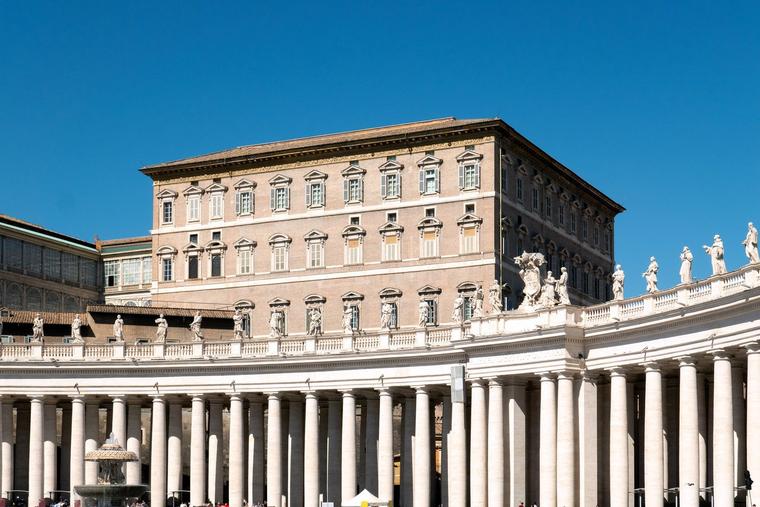
The Apostolic Palace is the official papal residence inside Vatican City, reaching roughly 162,000 square metres across the integrated Apostolic Palace and Vatican Museums complex (widely cited; precise floor-area boundaries vary by source). Original construction goes back to the fourth century CE; the canonical architectural form dates to Sixtus V's late-16th-century expansion.
The Sistine Chapel sits within the palace complex. Michelangelo's ceiling (1508 to 1512) and Last Judgement (1535 to 1541) are spatially integrated into the working papal residence. The Vatican Museums, which receive most of the world's tourist visits to the Apostolic Palace, are spatial extensions of the palace itself: the public corridors that lead to the Sistine Chapel pass through and alongside the working pontifical apartments. Vatican City as a whole is 0.49 square kilometres, the smallest sovereign state in the world, and the Apostolic Palace is most of its built area.
The Quirinal Palace and three Italian republics
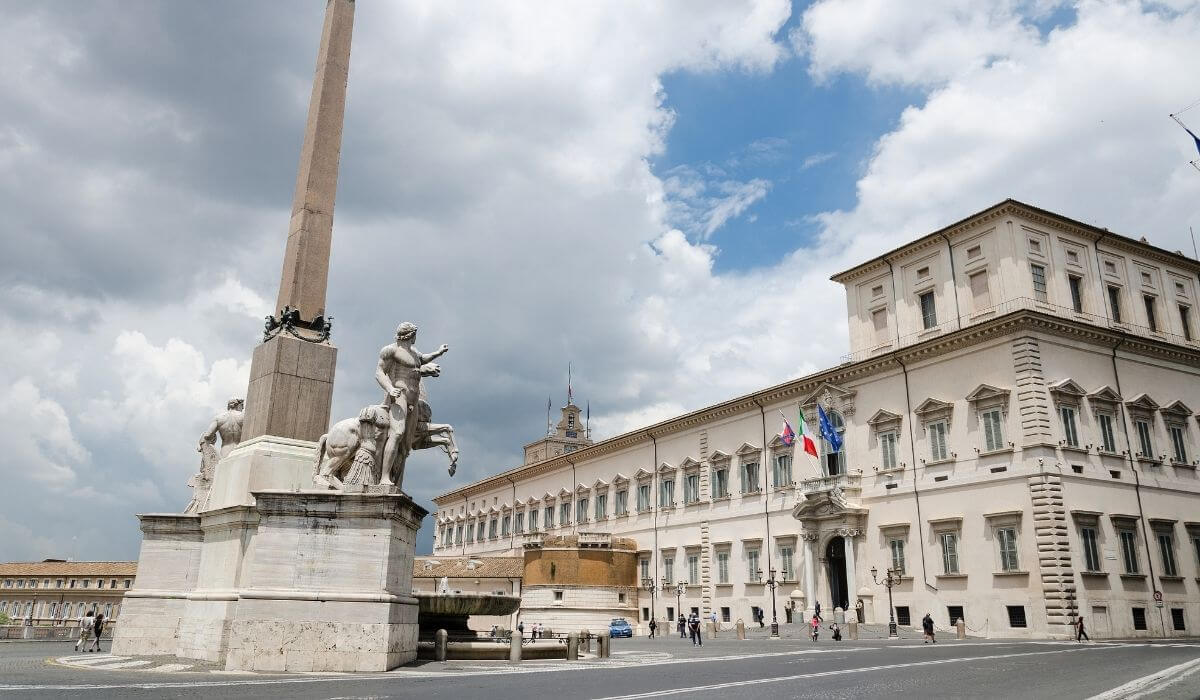
The Quirinal Palace in Rome has served as the residence under three separate Italian political systems. Pope Gregory XIII began it in 1583 as a papal summer residence, and successive 17th- and 18th-century expansion built it out to roughly 110,500 square metres and 1,200 rooms. After the 1870 unification of Italy, the palace passed to the King of Italy. After the 1946 referendum that abolished the monarchy, it became the residence of the Italian President, which it remains today.
The Quirinal is the only palace in the world to have served three different political systems (papal, royal, presidential) without changing its function as a residential seat of government. Same architecture, three constitutional regimes.
Versailles: the European canonical answer
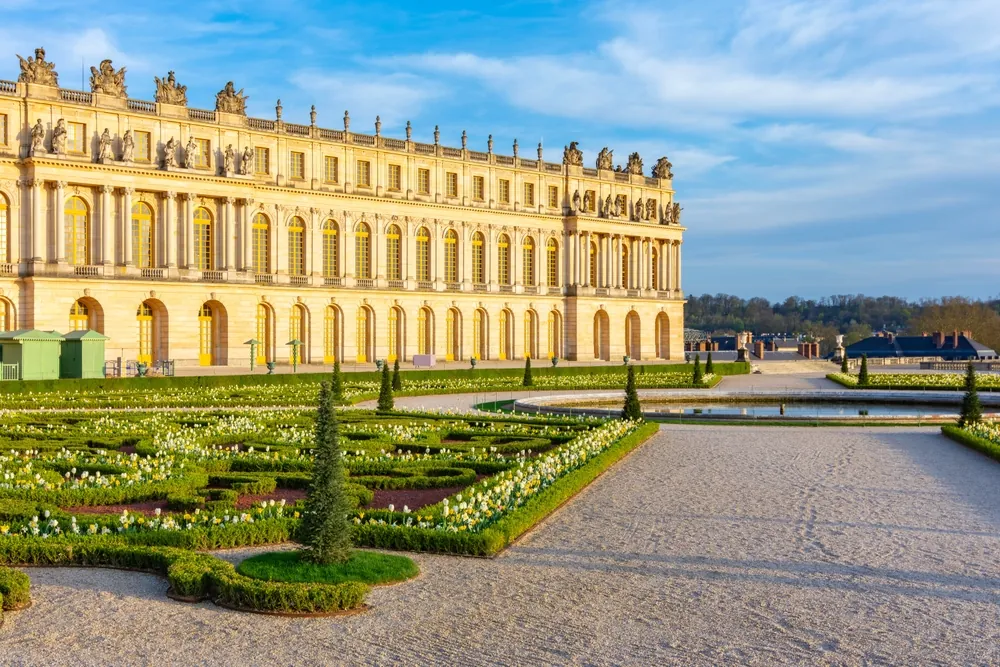
Versailles is what the Western imagination defaults to.[2] Louis XIII's 1623 hunting lodge was the original kernel; Louis XIV permanently moved the French royal court to Versailles in 1682, and Louis Le Vau, Jules Hardouin-Mansart, Robert de Cotte, and André Le Nôtre built the palace and gardens out across the next several decades. Today the complex carries 2,300 rooms across roughly 67,000 square metres of palace and 800 hectares of gardens. UNESCO inscribed the Palace and Park of Versailles in 1979.
The Hall of Mirrors (Galerie des Glaces) runs 73 metres long, with 17 mirror-arches facing 17 windows that reflect the gardens. Louis XIV's Versailles was the architectural performance of absolute monarchy, designed to overwhelm visiting courtiers and ambassadors with the king's majesty. The 1919 Treaty of Versailles was signed in the Hall of Mirrors, and the German ambassadors were deliberately required to walk the full length of the gallery to sign as a ceremonial humiliation.
Versailles draws around 8.4 million visitors a year, the highest visitor count of any French royal heritage site. The palace also features in our most famous castles ranking by international visitor draw. For the live French market, browse castles for sale in France.
The European canonical "largest palace" answer is Versailles. It fits inside the Forbidden City compound roughly eleven times over by total area.
Buckingham Palace: the working monarch's office
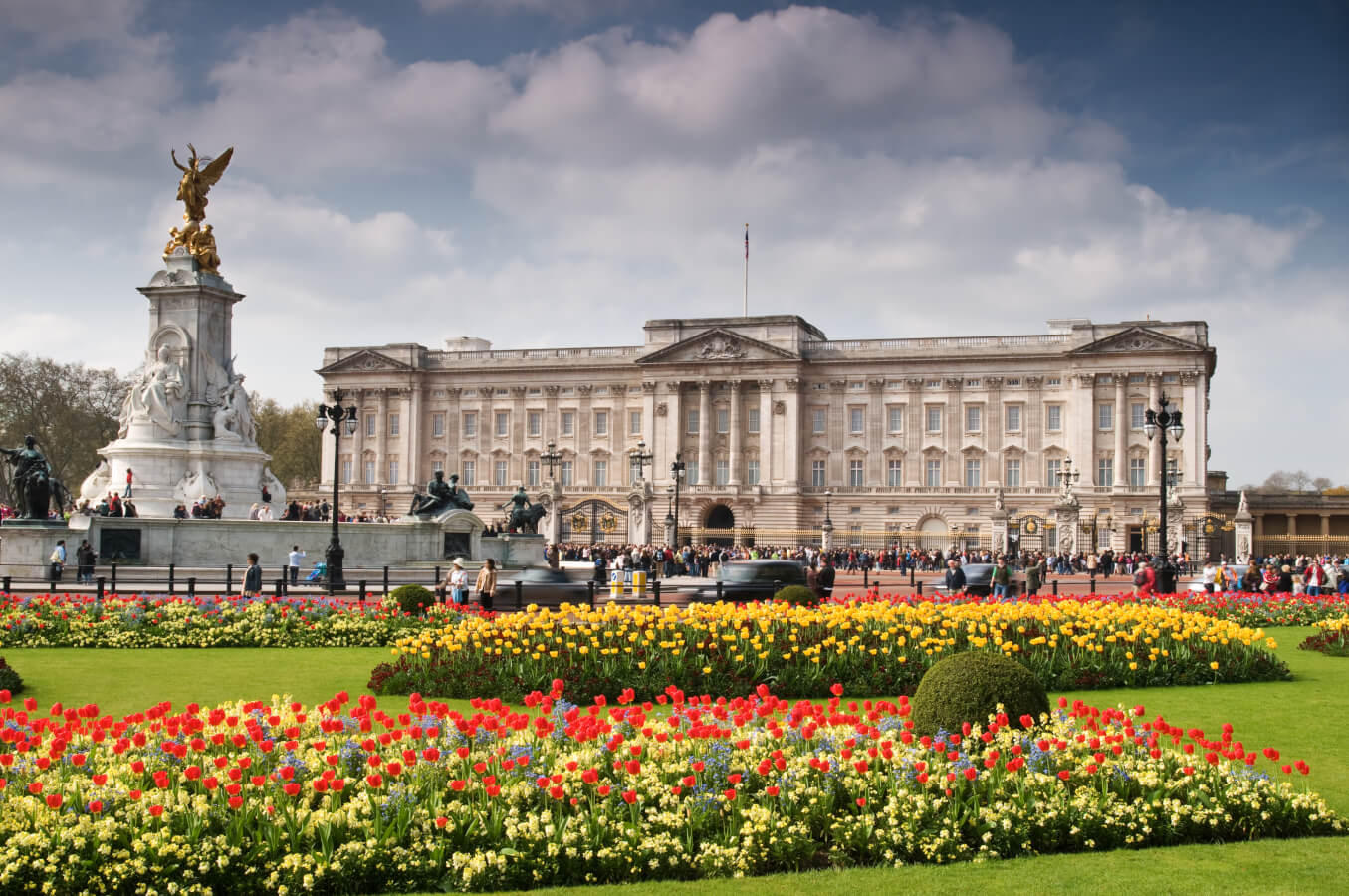
Buckingham Palace carries 775 rooms across roughly 77,000 square metres, including 19 State Rooms, 188 staff bedrooms, 92 offices, and 78 bathrooms.[1] Queen Victoria moved the British monarch's principal London residence here in 1837, replacing St James's Palace, which had served the Hanoverians since 1698.
The original Buckingham House was built in 1703 for the Duke of Buckingham. George III bought it in 1761; John Nash rebuilt it for George IV from the 1820s onwards; substantial 1853 extension followed under Queen Victoria; the East Wing front facing The Mall (the public-facing façade most visitors photograph) was added only in 1913 to a design by Aston Webb.
Buckingham is the smallest palace on the comparison table that still functions as the principal residence of a working head of state. It is not a museum. The State Rooms open to visitors during the summer opening between July and September each year; the rest of the palace is the British monarch's office and family residence year-round. For the live UK market, browse castles for sale in the UK.
The Palace of Mafra: Portuguese baroque on Brazilian gold
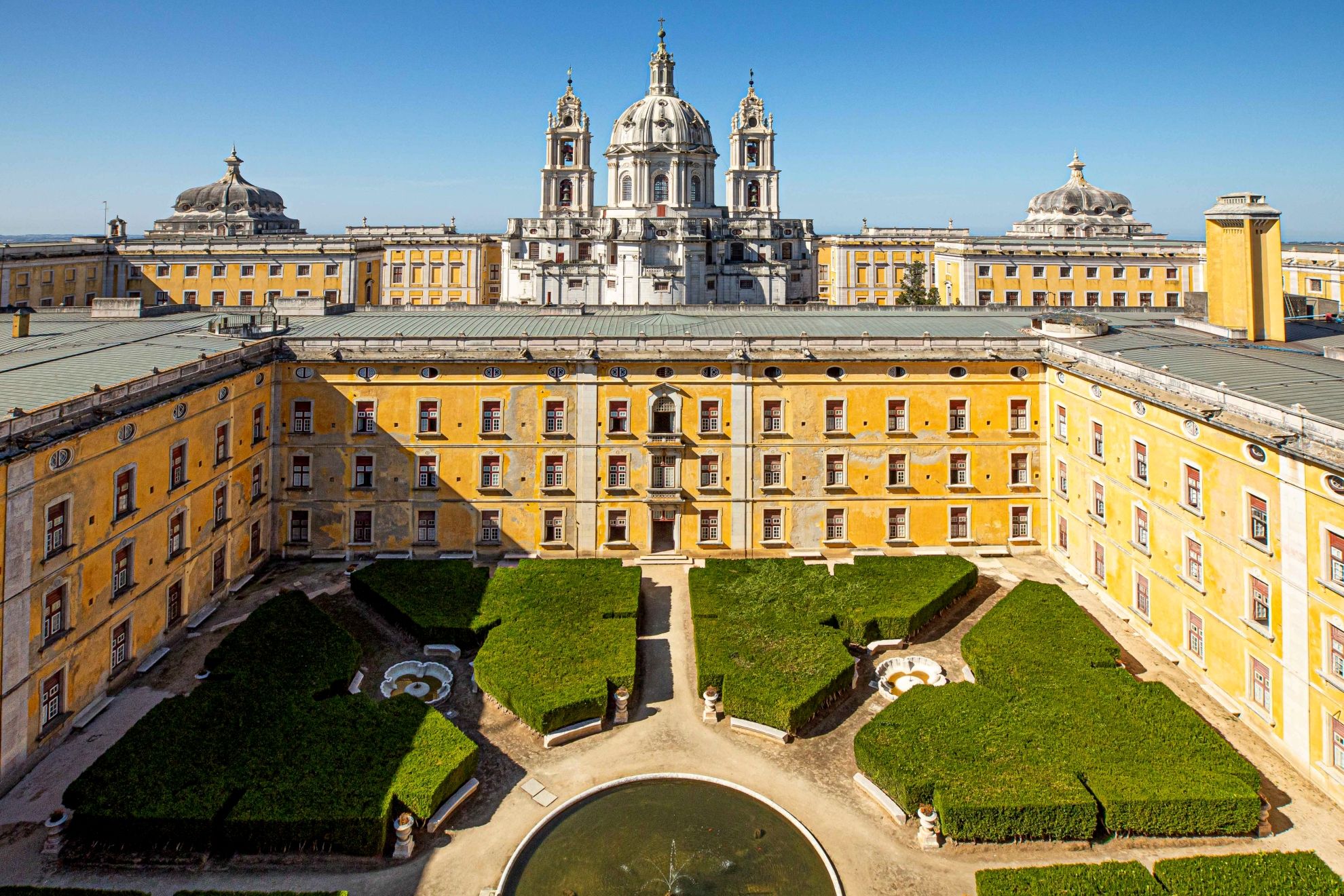
The Royal Building of Mafra, north-west of Lisbon, was built between 1717 and 1755 by King João V of Portugal, paid for from the gold revenues of the Brazilian colonial period. João V started the building as fulfilment of a vow he had made on the birth of his daughter, and the project ran on at scale across the next four decades. The complex carries roughly 40,000 square metres of built area, 1,200 rooms, and 880 halls and chambers. UNESCO inscribed the site in 2019.
The Royal Library is the architectural moment most visitors photograph. Eighty-eight metres long, it holds 36,000 volumes including incunabula and early-modern manuscripts, and it remains one of the most important rococo libraries in Europe. The library's pest-control system runs on resident bats: a small colony lives in the rafters and feeds on the bookworms that would otherwise eat the manuscripts. The system has worked for over two centuries. José Saramago's 1982 novel Memorial do Convento (translated as Baltasar and Blimunda) is the canonical literary treatment of Mafra's construction. Browse castles for sale in Portugal for the live regional listings.
What "largest" tells you about the state
Pick built floor area and Istana Nurul Iman wins at around 200,000 square metres. Pick total compound and the Forbidden City wins at around 720,000. Pick continuous monarchical occupation and Buckingham wins. Pick European-canonical ceremonial ambition and Versailles wins. Each metric is internally coherent and produces a different answer.
What's more interesting is what each answer says about the kind of state that built it. Versailles was the architectural performance of an absolute monarchy projecting hereditary authority over courtiers and ambassadors. The Forbidden City was the bureaucratic capital of an empire with a million workers at the emperor's call, palace and government fused into one compound. Buckingham is a working office for a constitutional monarchy that has shrunk to ceremonial function. The Apostolic Palace is the residence of a sovereign religious authority running the world's smallest country. Istana Nurul Iman is the contemporary residence of a hydrocarbon-funded sultanate whose entire population would fit inside Versailles' annual visitor count.
Common questions
What is the largest palace in the world by floor area?
Istana Nurul Iman in Brunei, at roughly 200,000 square metres and 1,788 rooms. The Sultan keeps it closed for almost the entire year, with a three-day public open house only at the end of Ramadan.
What is the largest palace compound in the world?
The Forbidden City in Beijing, at around 720,000 square metres across 980 buildings. Tradition assigns it 9,999 rooms; recent surveys count closer to 8,704.
Is Versailles the largest palace in the world?
No. Versailles is roughly 67,000 square metres of palace plus 800 hectares of gardens. It's the European canonical "largest palace" but not the global one. The Forbidden City compound is roughly eleven times its size.
How many rooms does Buckingham Palace have?
775 rooms across roughly 77,000 square metres, including 19 State Rooms, 188 staff bedrooms, 92 offices, and 78 bathrooms. Buckingham is the smallest palace on the global comparison list that still functions as the principal residence of a working head of state.
What is the largest royal palace still in use?
Buckingham Palace, the working London residence of the British monarch since Queen Victoria moved here in 1837. The State Rooms open to visitors between July and September; the rest is private office and family residence year-round.
Why does the Forbidden City have 9,999 rooms?
The figure is symbolic. Tradition holds that the heavenly palace contains 10,000 rooms, and the emperor's earthly mirror could not exceed the heavenly model. The actual room count, by recent survey, is closer to 8,704.
Can you visit the largest palace in the world?
Almost not at all. Istana Nurul Iman is closed year-round except for three days during Hari Raya Aidilfitri at the end of Ramadan, when the Sultan opens the palace for an annual open house meal. The Forbidden City, the largest compound, is open year-round as a museum.
Sources
1. Royal Collection Trust. Annual Review 2024–25. Royal Collection Trust, 2025.
2. Fenwick, Hubert. The Châteaux of France. Robert Hale, 1976.