
Do Castles Appreciate? What Four Verified Scottish Transactions Actually Show
Yes and no. The Castle Collector verified-transaction dataset shows a 168-percentage-point spread between the best- and worst-performing Scottish castle…
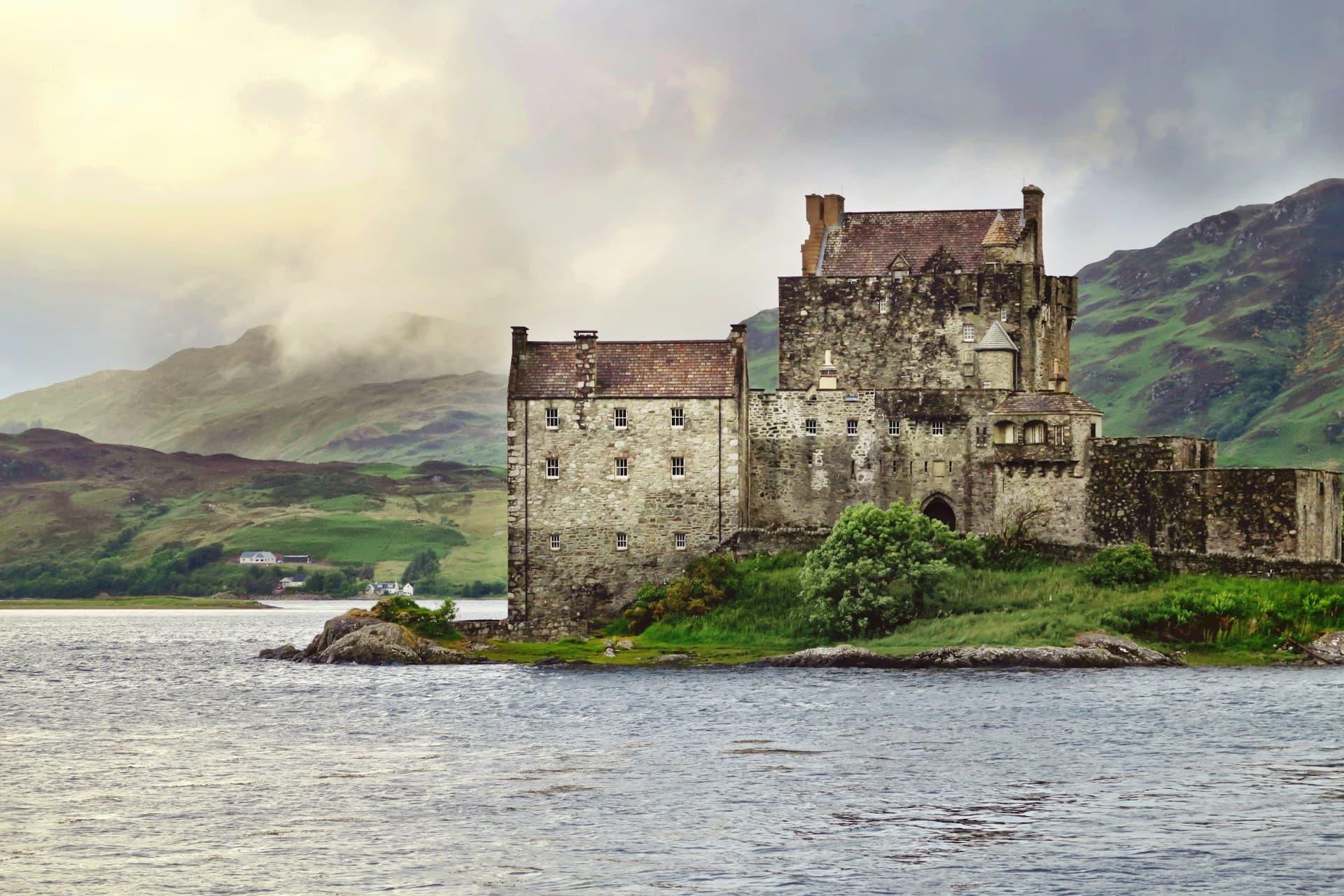
Some castles double in value. Others lose nearly everything spent on them. The data shows a 168-point gap between the best and worst Scottish castle holds of the last twelve years, and very little of that gap is about the castles themselves. So what actually decides whether a castle gains value?
Yes and no. The Castle Collector data on real Scottish sales shows a 168-point gap between the best and worst castle holds of the last twelve years. Dalhousie returned +124% over eleven years. Ribbesford lost 44% on what the owner paid for it, and roughly 88% of total money put in after a £3 million restoration. Both were similar-sized British castles in roughly comparable markets. The difference sits inside how the owner earned from the place, not the kind of property.[1]
| Castle | Bought | Sold | Hold | Gain or loss | How they earned from it |
|---|---|---|---|---|---|
| Dalhousie (Midlothian) | £2,499,994 (Apr 2012) | £5,599,998 (Oct 2023) | 11 years | +124% (~7.6% a year) | Active 29-room hotel |
| Ayton (Berwickshire) | £2,400,000 (Jul 2014) | £3,250,000 (Feb 2026) | 12 years | +35% (~2.5% a year) | Lived in, no business |
| Carbisdale (Ross & Cromarty) | £900,000 (Sep 2016) | £1,000,000 (Aug 2022) | 6 years | +11% (~1.7% a year) | Forestry, undermaintained |
| Ribbesford (Worcestershire) | £810,000 (2018) | £450,000 (2025/26) | 7 to 8 years | −44% despite ~£3m restoration | Lived in, no income |
All four Scottish sales are confirmed against the Registers of Scotland's title-deed system, ScotLIS, one of the few European jurisdictions where sale prices are publicly searchable.[1]
Dalhousie
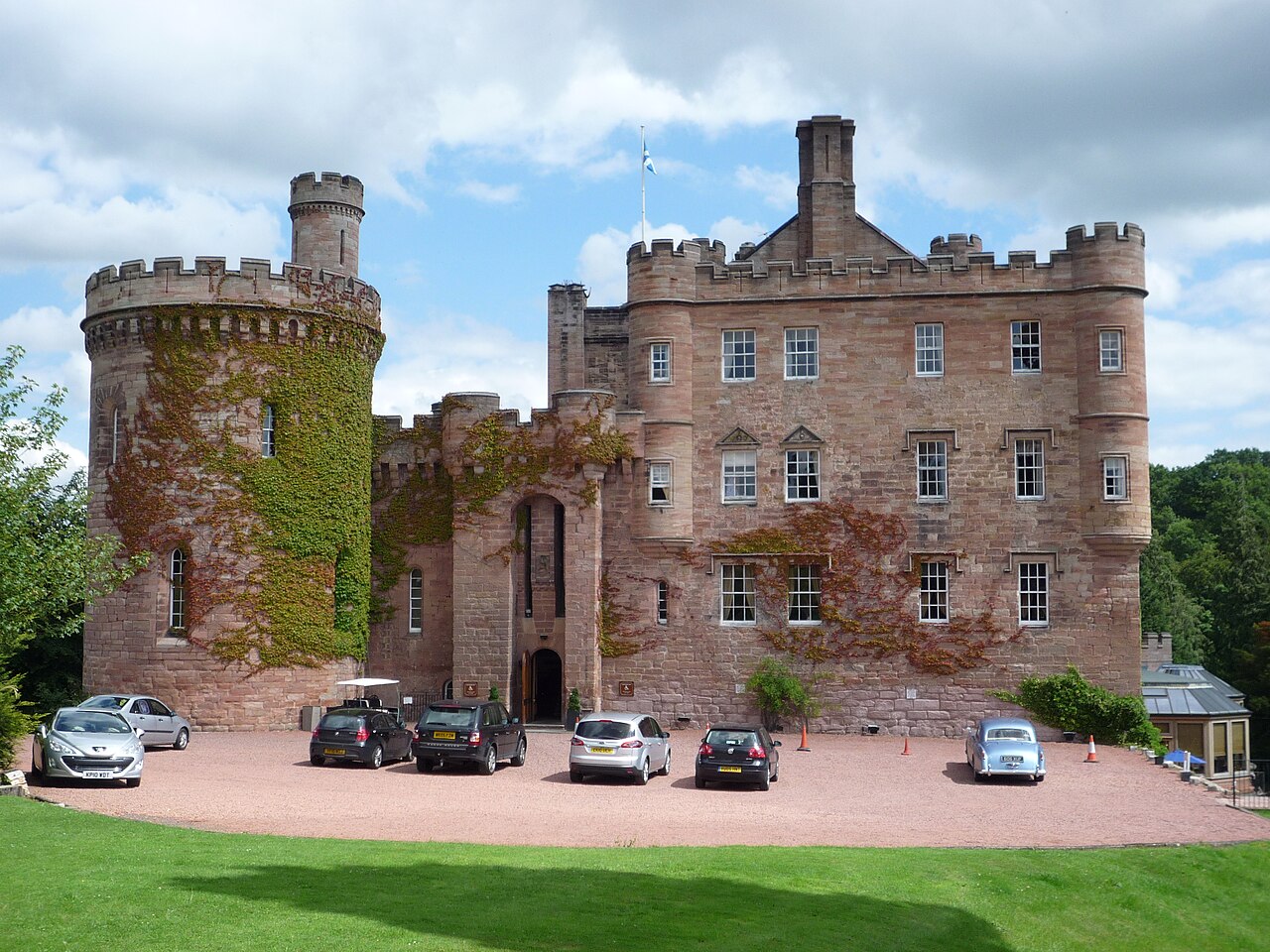
Dalhousie sold for £2,499,994 in April 2012 and £5,599,998 in October 2023 (ScotLIS title MID140387), +124% over eleven years at roughly 7.6% a year.[1] The deed transferred a working 29-room hotel. The 2023 buyer was picking up a live hospitality business with revenue, accounts and steady guest demand, not a residence.
The Dalhousie trading income (29 rooms at £455 a night, 75% booked) produces around £3.6 million in gross revenue a year.[1] Heritage running costs eat into any castle-hotel gross, but the revenue ceiling supports the price in a way no residential-only castle can match. By 2023, the castle traded on the going-concern multiple of a working business, not bricks alone.
A way to earn from it was designed in from day one. For the framework, see how to turn a castle into a business.
Ayton
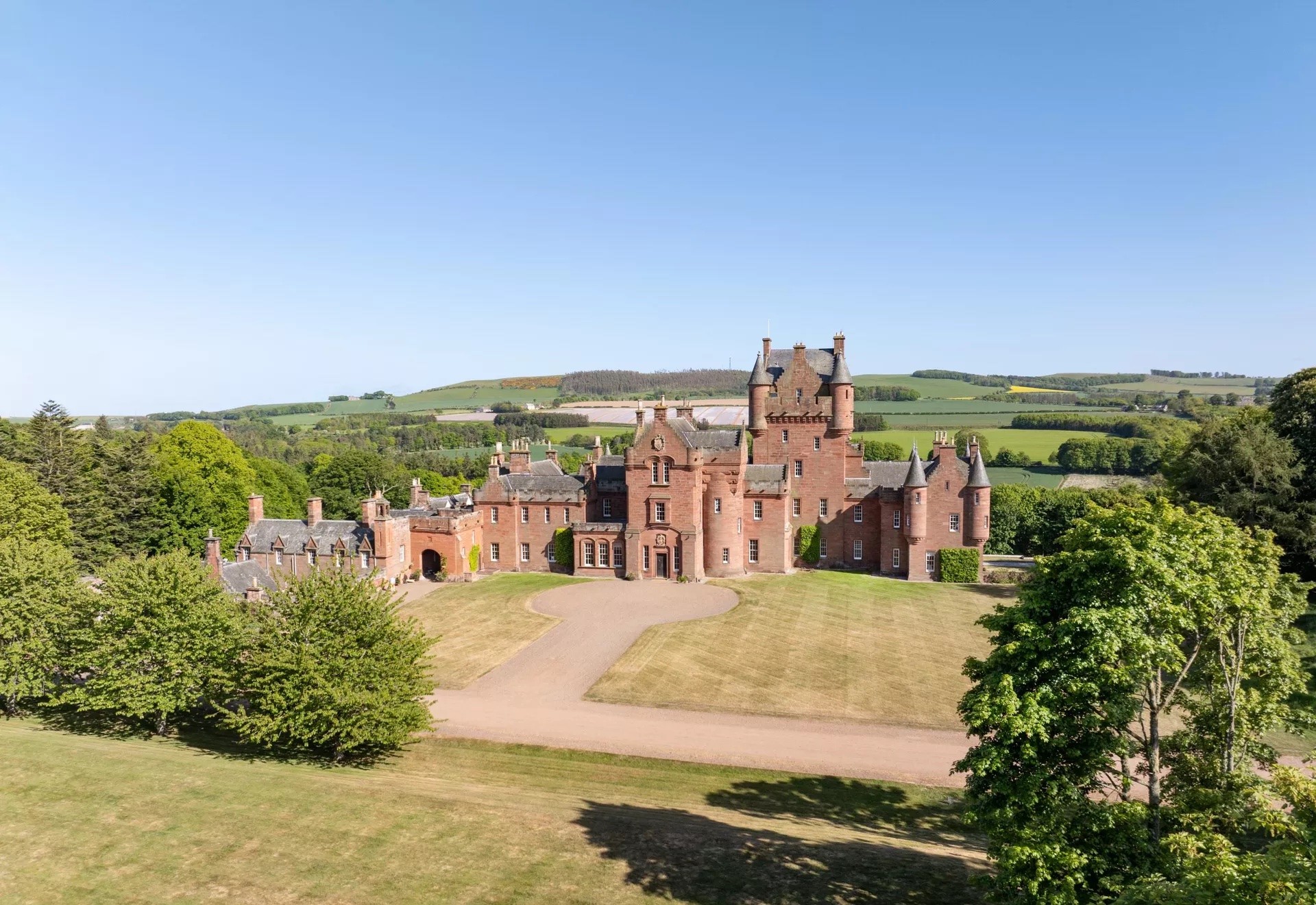
Ayton (ScotLIS title BER7290) sold for £2,400,000 in July 2014 and resold to comedian Alan Carr for £3,250,000 in February 2026, +35% over twelve years at roughly 2.5% a year.[1] The hold was residential, no business attached.
That +35% tracks broader prime-rural-property numbers, modestly above UK CPI inflation but well below Dalhousie's 7.6%. A private-home castle is a country estate that broadly behaves like a country estate. Heritage adds a small tailwind; it does not produce extra gains on its own. Solid, not exceptional.
Carbisdale
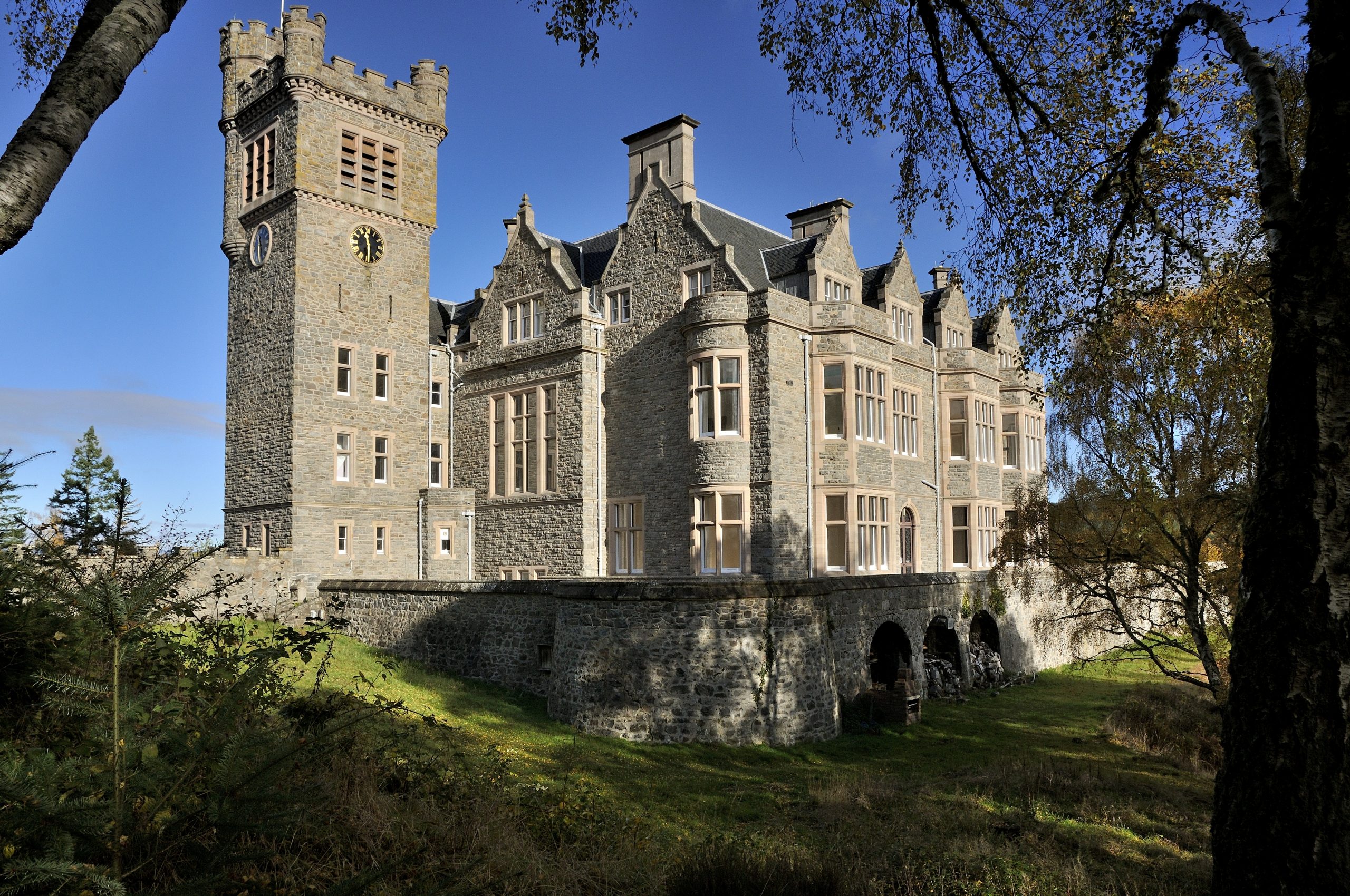
Carbisdale (ScotLIS title ROS7570) sold for £900,000 in September 2016 and resold for £1,000,000 in August 2022, +11% on paper over six years at roughly 1.7% a year.[1] Forestry, undermaintained, no active income.
The 1.7% sits below UK CPI inflation across most of the hold. After inflation, Carbisdale was a small real-terms loss. Paper gains around the rural-property baseline, real-terms erosion against the running costs. For the cost picture, see the reality of buying a castle.
Ribbesford
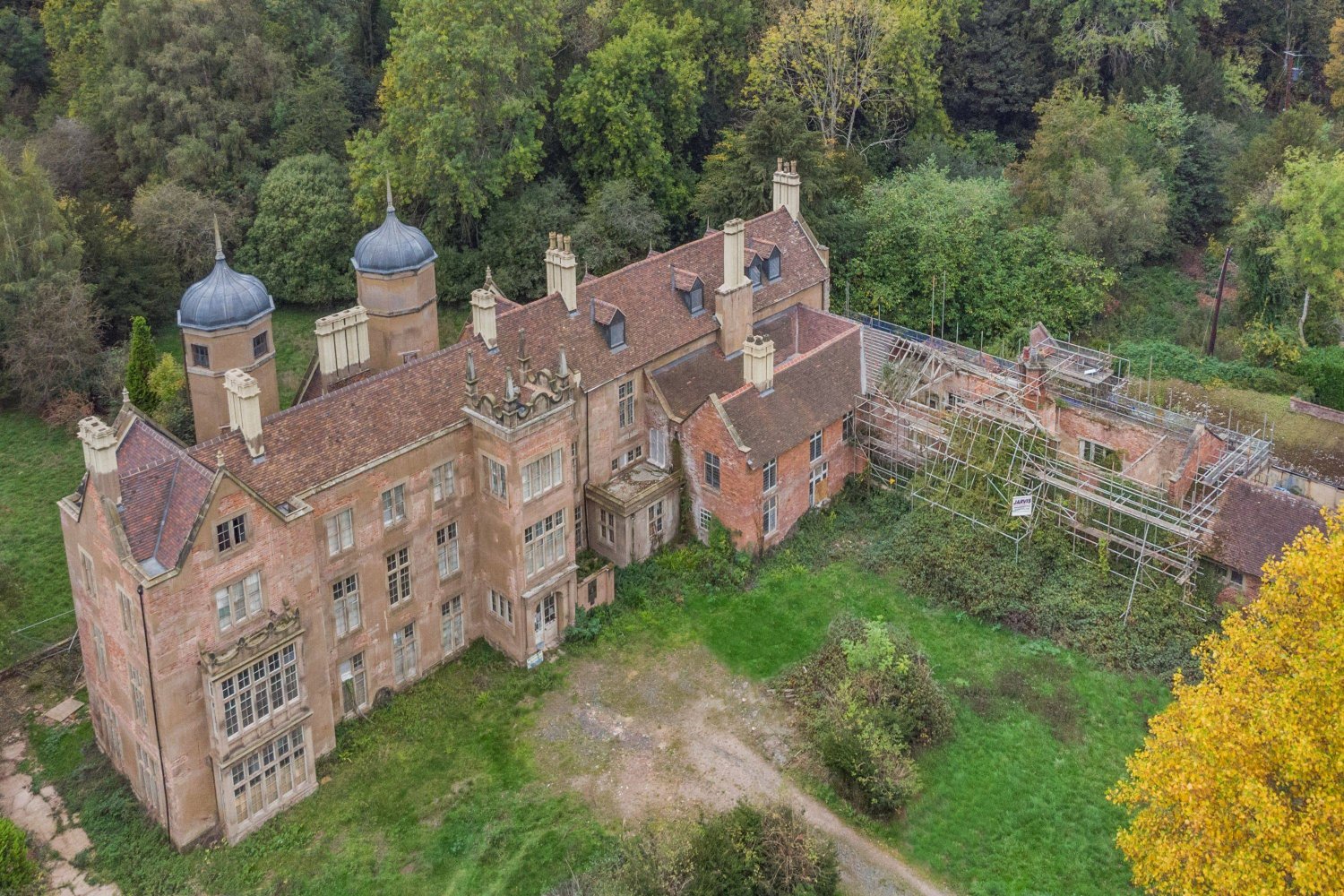
The cautionary case is Ribbesford House in Worcestershire. Bought for £810,000 in 2018, restored at a cost of around £3 million across roughly seven years, sold for £450,000 in 2025 to 2026.[1] On the entry price, the loss was 44%. On total money put in, roughly 88%. The sale was reported in Country Life.
The owner spent serious money in good faith. The market did not pay it back. Restoration spend on a heritage property is not, in most cases, money that comes back at sale. The Historic Houses Association records average member spend of around £160,000 a year on routine maintenance, against a collective UK heritage repair backlog of roughly £85 million across HHA membership.[4] Long-term ownership takes constant heritage spending, but that spending does not pile up into equity.
The mistake isn't the restoration. The mistake is restoring without a way to cover running costs. The Ribbesford owner wasn't building equity. They were spending it.
The big picture helps but doesn't decide
The case for European castles is real. Roughly 46,000 protected castles sit across the fourteen countries in the Castle Collector index, with supply effectively fixed since 1900.[1] Knight Frank's Wealth Report 2024 counted Europe's wealthiest residents (US$30M+) at 155,232 in 2023, projecting 189,882 by 2028.[2] Savills records property investment growth of 26% in Spain, 17% in Italy and 16% in Portugal across 2025.[3]
The pressure on castle prices points upward. But that's the argument for castles as a category, not for any single one. The four Scottish cases all traded inside the same favourable backdrop and returned +124%, +35%, +11% and −44%. The 168-point gap sits inside how each owner earned from the castle.
Castle markets are also slow-moving. Annual sales run at 0.4% to 0.9% of protected stock. Typical time to sell is two to ten years.[1] Hotel-converted castles draw a wider buyer pool than residential-only ones. For the top end, see castles as the luxury real-estate frontier.
What this means for a buyer
Decide how you'll earn from it first. Treat restoration as a cost, not an investment: the market pays for what the castle earns, not what the owner spent. Plan when you'll sell honestly: the price depends on whether a buyer with a similar plan turns up inside two to ten years.
For the cost picture, see the cost to own a castle; for the broader investment view, historic property in Europe; for the live Scottish market, castles for sale in Scotland.
Do castles appreciate? Yes, when there's a sound way to earn from the castle on day one. No, when there isn't. The kind of property doesn't decide. The owner does.
Common questions
Are castles a good investment?
Sometimes. The four Scottish cases ranged from +124% to −44%. The winners had a working business attached. The losers were privately held with no income.
Why did Dalhousie do so well?
It traded as a working 29-room hotel with around £3.6 million in gross revenue a year. The 2023 buyer was paying for a live business.
Why did Ribbesford lose so much?
The owner put roughly £3 million into restoring it without setting up any way for it to earn its keep. Restoration cost does not return at sale. Income does.
How long does it take to sell a castle?
Two to ten years. Hotels and licensed wedding venues sell faster because more buyers can use them.
Does location matter more than how it's run?
Less than people assume. All four Scottish cases sat inside the same backdrop and returned +124%, +35%, +11% and −44%. How the owner earned from the castle drove the result more than the postcode.
What about French and Italian castles?
Scotland publishes sale prices through ScotLIS; France and Italy don't, so verified numbers are harder to assemble. The pattern (income drives value, restoration spend doesn't return) is consistent there too.
Does the Monument Historique tax break change the maths?
In France, modestly. Owners can deduct restoration costs from tax if the castle opens to the public. That softens running costs, but it doesn't turn restoration spend into equity at sale.
Sources
1. Castle Collector. Castle Price Index. March 2026. (§1.3 verified Scottish ScotLIS-confirmed sales; §9.2 hotel revenue figures; §9.3 verified gain and loss data; §7b.2 turnover and time-to-sell.)
2. Knight Frank Research. The Wealth Report 2024. Knight Frank LLP, 2024.
3. Savills Research. Spotlight: Southern Europe Investment 2026. Savills, 2026.
4. Historic Houses Association. Key Statistics 2024. Historic Houses, 2024.