
Best Castles in England: The Top 15 by Visitors and Significance
The Tower of London's Crown Jewels, Windsor's royal halls, Warwick's medieval ramparts and Bamburgh's clifftop silhouette: 15 must-see English castles.
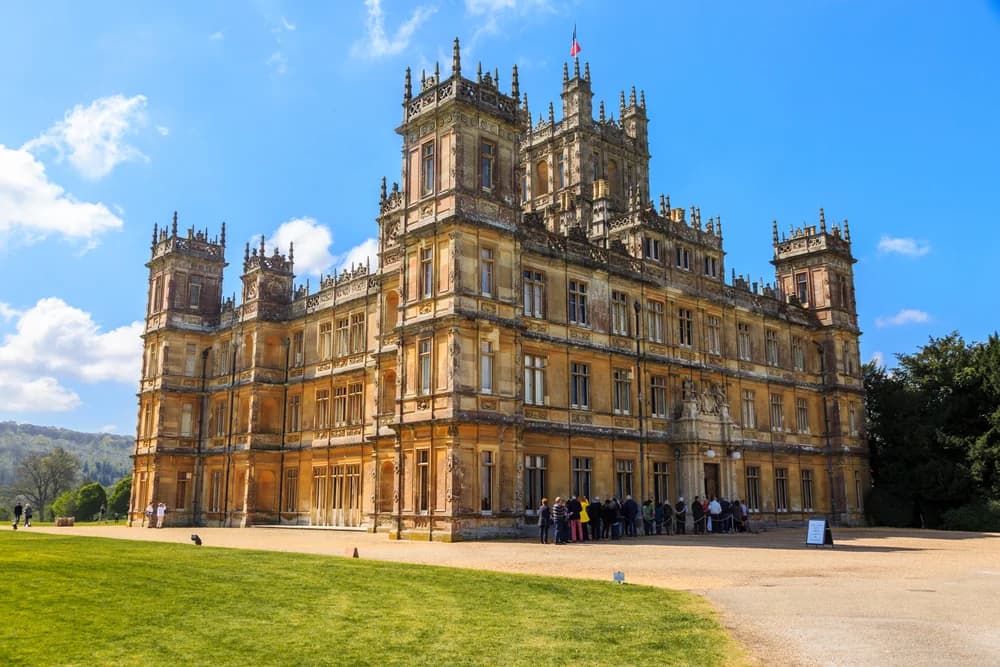
A "best castles" ranking for England could go fifteen different ways, so here is the framing that actually orders them: visitor footfall plus architectural-historical significance. The Tower of London leads at the top. Around 3 million visitors a year come through under Historic Royal Palaces, which makes it the most-visited heritage castle in the world, with UNESCO inscription back in 1988.[1] Windsor sits next to it as the largest inhabited castle in the world by floor area and the longest continuously occupied royal palace in Europe. The country has over 1,500 recorded castle sites in the Castellarium Anglicanum (1983) and 1,712 NHLE-protected properties in the broader castle, palace, manor and tower-house category. Historic England Visitor Attraction Trends 2024 puts English castle and fort visits at 9.4 million in 2024, already past the 2019 pre-pandemic 8.5M baseline.[2][3] English Heritage's 2024/25 income was £155.2 million across 400+ sites including Dover, Tintagel, Pendennis and Carisbrooke.
| Rank | Castle | County | Built | Annual visitors | Status |
|---|---|---|---|---|---|
| 1 | Tower of London | Greater London | 1078 (White Tower) | ~3 million | Historic Royal Palaces / UNESCO 1988 |
| 2 | Windsor Castle | Berkshire | 1070 onwards | ~1.5 million | Royal Collection Trust / royal residence |
| 3 | Warwick Castle | Warwickshire | 1068 (current 14th c.) | ~750,000 | Private (Merlin Entertainments) |
| 4 | Alnwick Castle | Northumberland | 1096 (current 14th c.) | ~600,000 | Private (Duke of Northumberland) |
| 5 | Leeds Castle | Kent | 1119 (current 13th c.) | ~500,000 | Leeds Castle Foundation |
| 6 | Dover Castle | Kent | 11th c. (current 1180s) | ~300,000 | English Heritage |
| 7 | Hever Castle | Kent | 1270s + Astor 1903 | ~300,000 | Hever Castle Ltd |
| 8 | Arundel Castle | West Sussex | 1067 | ~250,000 | Howard family (since 1556) |
| 9 | Bodiam Castle | East Sussex | 1385 | ~170,000 | National Trust |
| 10 | Highclere Castle | Hampshire | 1839–1878 | ~80,000 | Carnarvon family (since 1679) |
| 11 | Hampton Court Palace | Greater London | 1514 (Wolsey/Henry VIII) | ~600,000 | Historic Royal Palaces |
| 12 | Hedingham Castle | Essex | c.1140 | n/a | Lindsay family (since 12th c.) |
| 13 | Berkeley Castle | Gloucestershire | 1067 | ~50,000 | Berkeley family (since 12th c.) |
| 14 | Sudeley Castle | Gloucestershire | 1442 | ~75,000 | Dent-Brocklehurst family / private |
| 15 | Tintagel Castle | Cornwall | 13th c. (Arthurian legend) | ~250,000 | English Heritage |
Tower of London and Windsor lead the top tier, and neither has a serious peer
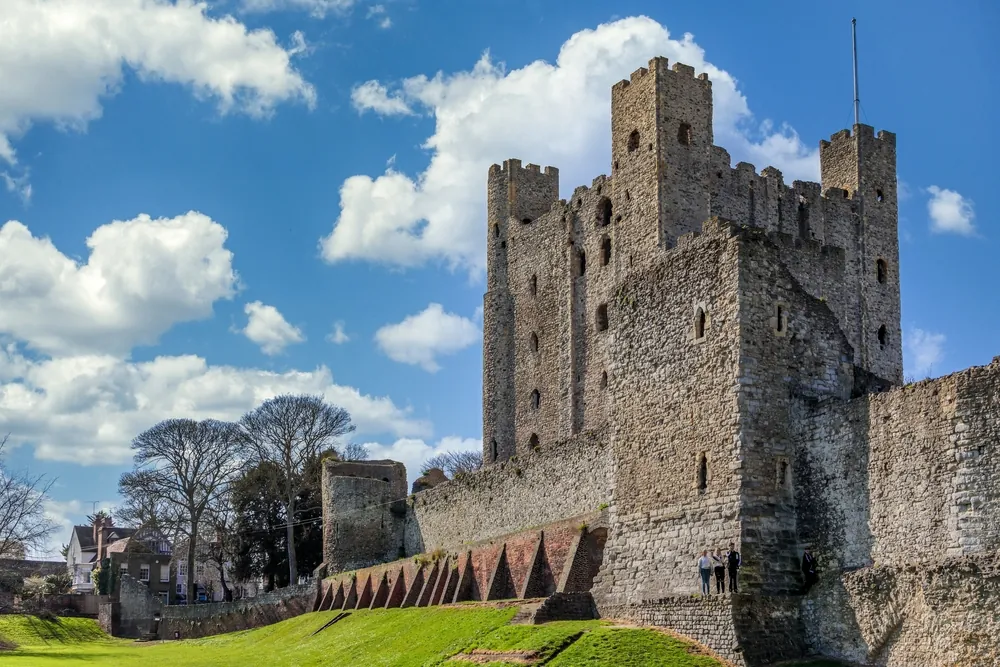
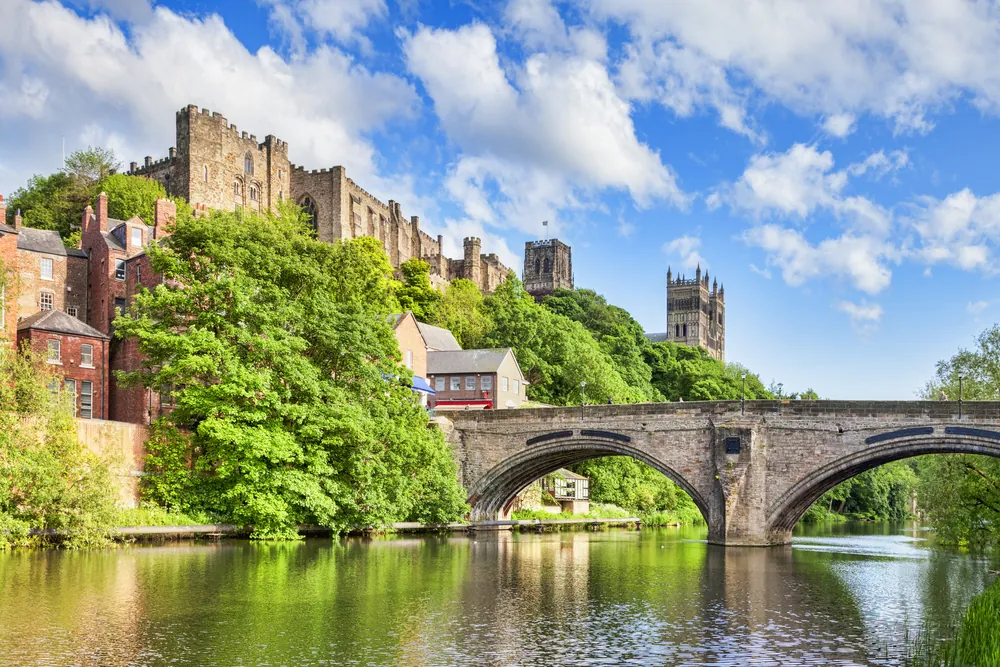
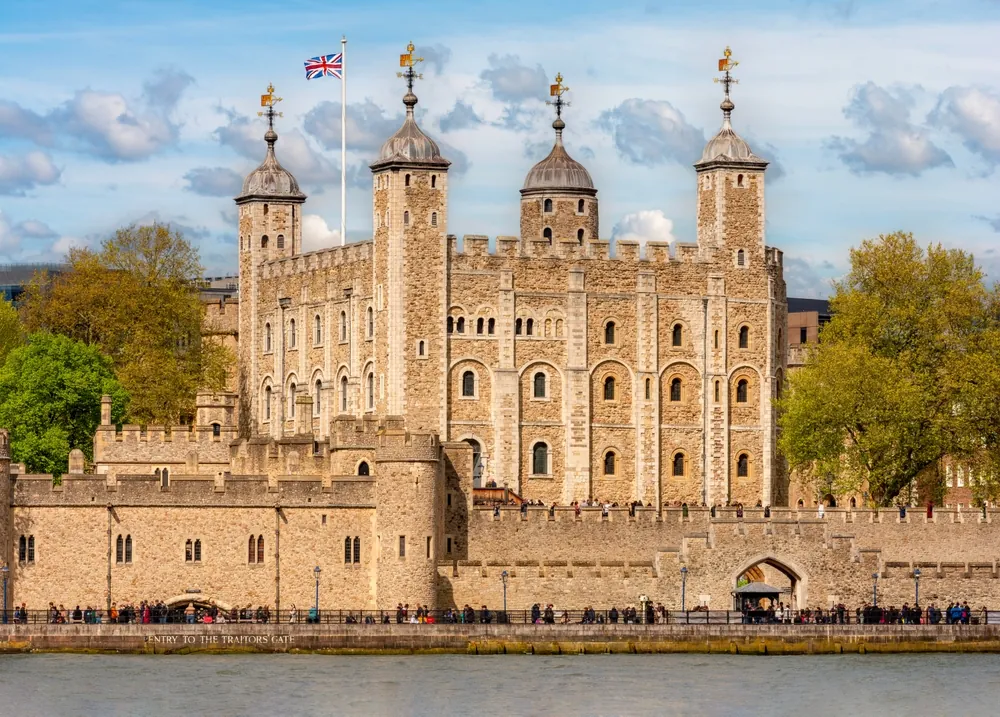
The Tower of London has been the most-visited heritage castle in the world by some margin for over half a century. Roughly 3 million visitors come through every year under Historic Royal Palaces, an independent charity with no UK government operating subsidy. HRP self-funds five royal palaces (Tower, Hampton Court, Kensington, Banqueting House Whitehall, Kew) entirely through admissions, retail, food and beverage, weddings and venue hire.[4] The 11th-century White Tower (completed around 1078 under William the Conqueror) sits at the centre of the complex. The UNESCO inscription of 1988 covers the broader Tower compound. Visitors come year-round for the Crown Jewels and the Yeomen Warders, plus the resident ravens and the Royal Mint history.
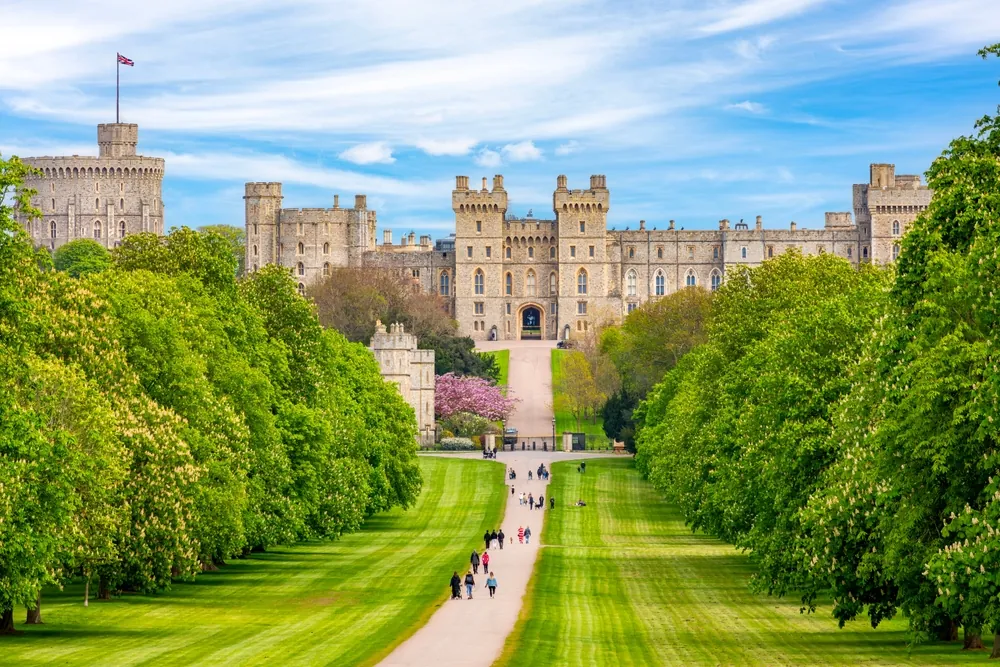
Windsor Castle is the largest inhabited castle in the world by floor area and the longest-occupied royal palace in Europe. Continuous occupation runs back to William the Conqueror's foundation around 1070. Today it is an active royal residence and the primary venue for major royal events. The 1992 fire destroyed approximately 100 rooms in the State Apartments. Restoration was complete by 1997 at a cost of £36.5 million. Around 1.5 million paying visitors a year come through under the Royal Collection Trust. The RCT 2024/25 annual review records 2,875,000 total visitors across all RCT sites with £89,934,000 total income, of which Windsor admissions contributed £29,508,000.[5]
The privately-operated trio (Warwick, Alnwick, Highclere) runs commercial heritage
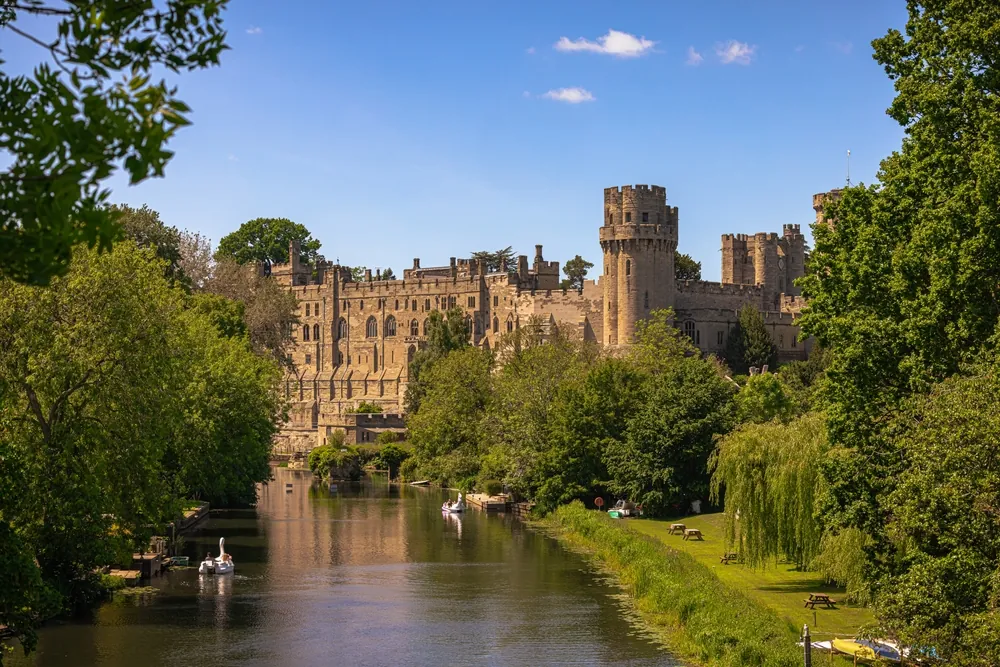
Warwick Castle takes ~750,000 visitors per year as the most-visited privately-operated heritage castle in England. Merlin Entertainments has run it since 2007. The site is marketed as a combined heritage-and-theme-park attraction with daily jousting tournaments, the Bear and Clarence towers, the State Rooms and a substantial outdoor entertainment programme.
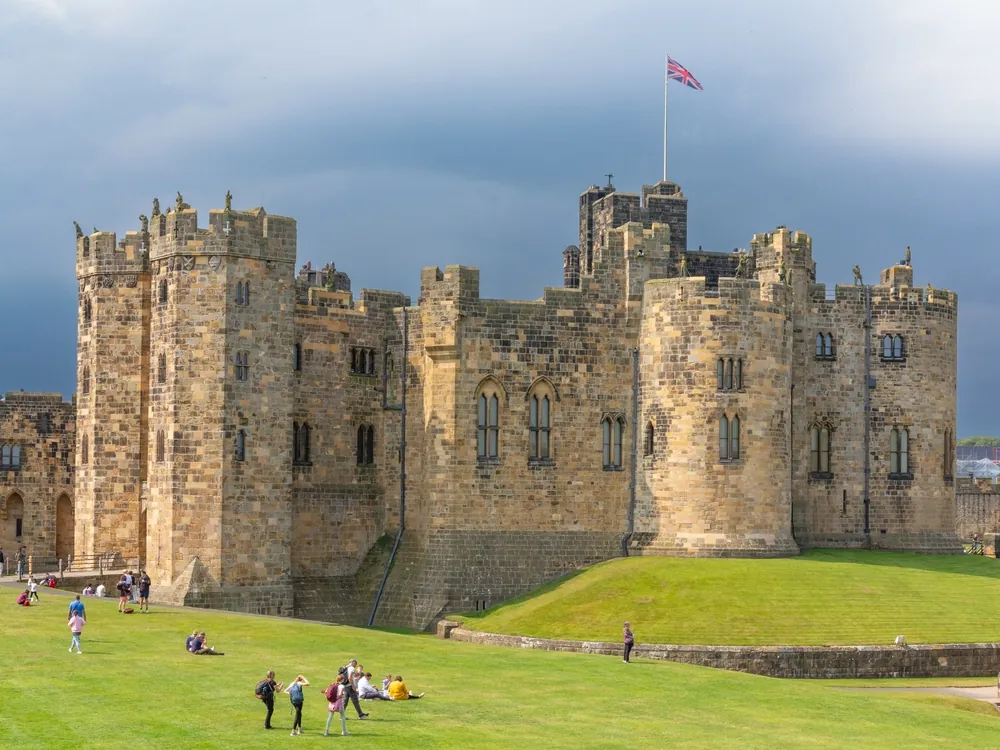
Alnwick Castle in Northumberland (~600,000 visitors/year) is the seat of the Duke of Northumberland, the second-largest inhabited castle in England after Windsor. It served as Hogwarts in the early Harry Potter films (Philosopher's Stone, Chamber of Secrets). The Castle Treehouse Restaurant in the grounds is one of the largest treehouse structures in the world.
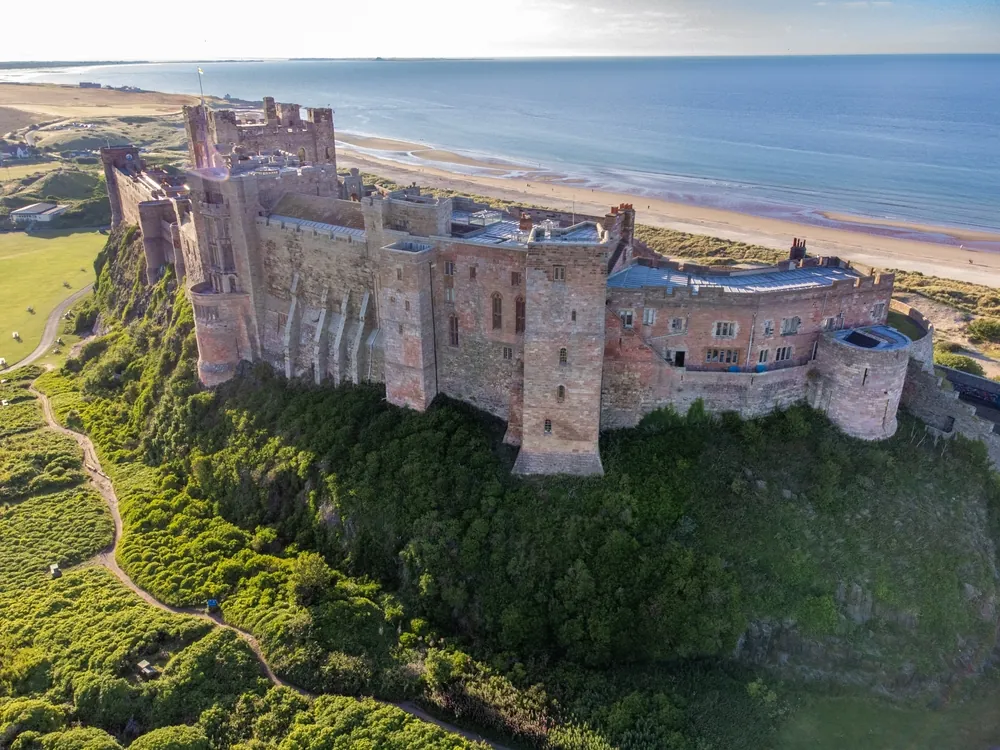
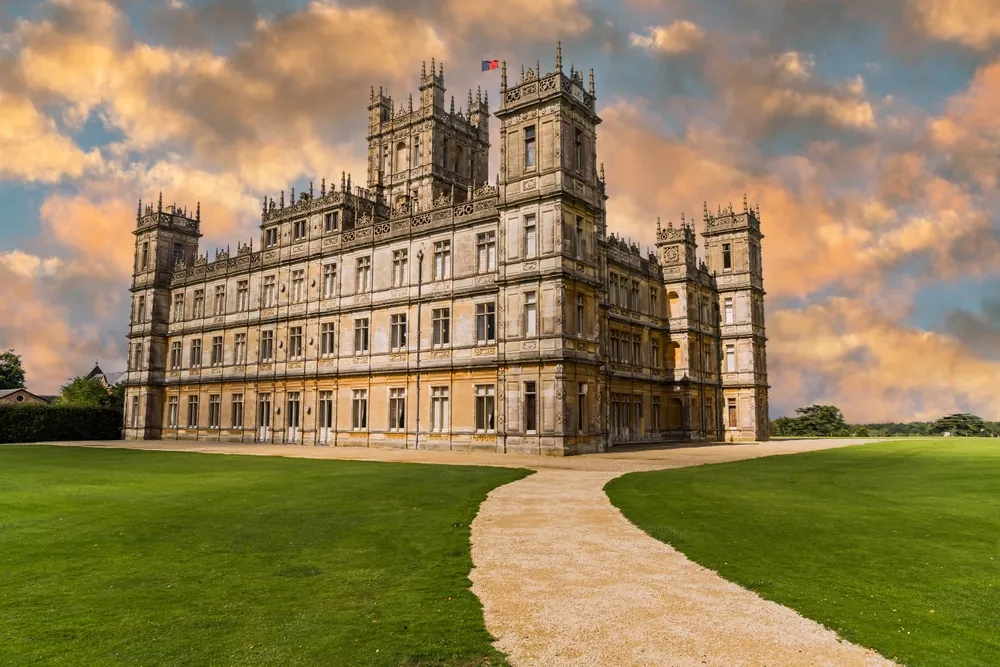
Highclere Castle in Hampshire (~80,000 visitors/year) is the Charles Barry Italianate-Jacobethan country house owned by the Carnarvon family since 1679. It has served since 2010 as the primary filming location for Downton Abbey. The 8th Countess of Carnarvon's published memoir trilogy documents the operating model: roughly 60 full-time staff plus 150 summer part-time workers across hospitality, tours, farming and gardens.[6]
The institutional-charity tier: Leeds, Bodiam, Hampton Court
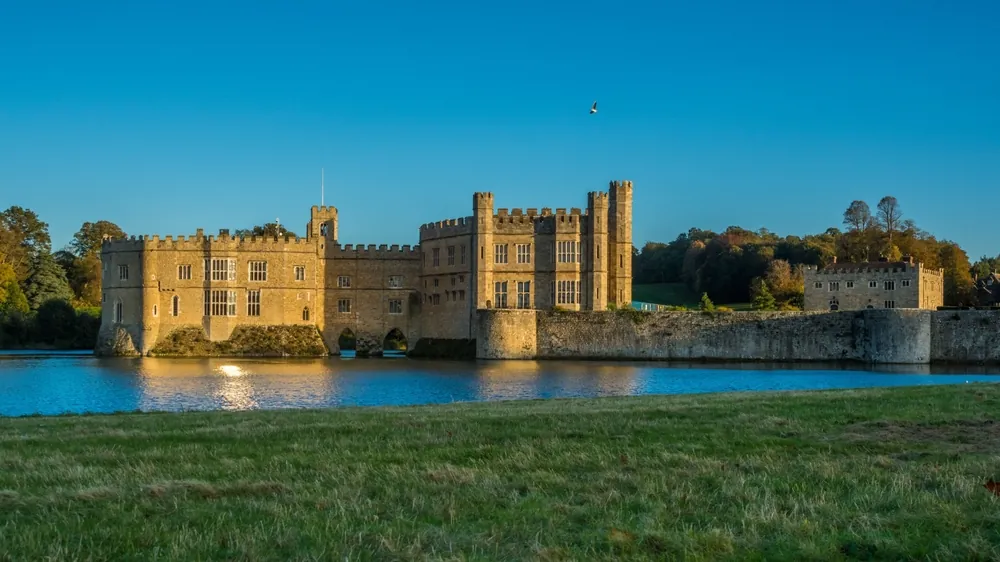
Leeds Castle in Kent is the 13th-century Edwardian palace-fortress on two islands in the River Len, often called "the loveliest castle in the world" since a 1939 Country Life article. It has been privately owned by the Leeds Castle Foundation since Lady Olive Baillie's bequest in 1974. Around 500,000 visitors a year come through the foundation operation.
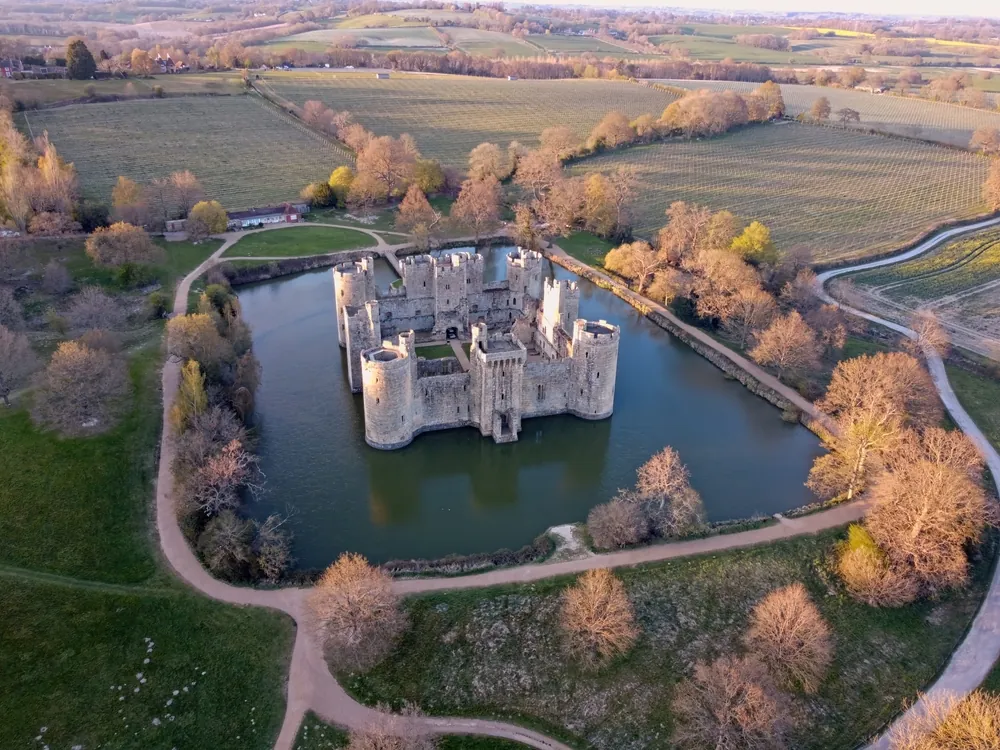
Bodiam Castle in East Sussex is the most photographically-perfect surviving moated medieval castle in England, built in 1385 by Sir Edward Dalyngrigge under Royal Licence to crenellate. It has been operated by the National Trust since 1925 at around 170,000 visitors a year. It has been used in numerous film productions. The lake reflection across the moat is the most-photographed English castle silhouette.
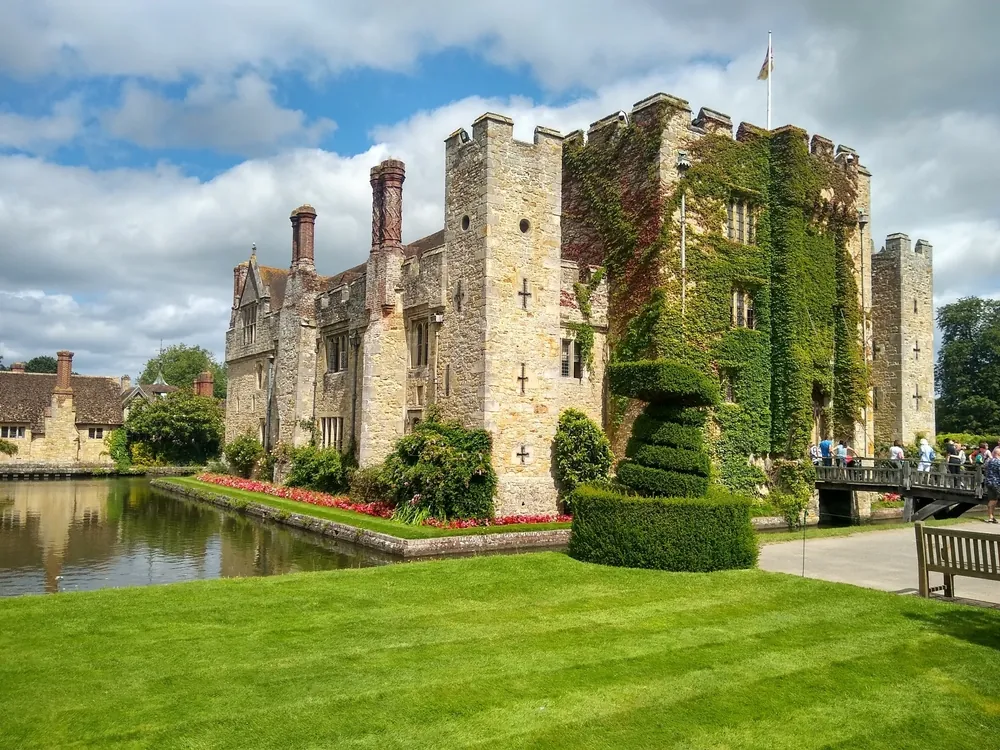
Hampton Court Palace runs ~600,000 visitors per year through Historic Royal Palaces. It was Henry VIII's primary residence, expanded by Cardinal Wolsey then progressively under successive Tudor and Stuart monarchs. The Great Hall, the Tudor kitchens, the Hampton Court maze and the Privy Garden are the famous draws.
Dover leads English Heritage; the family-residence trio carries continuous English heritage ownership
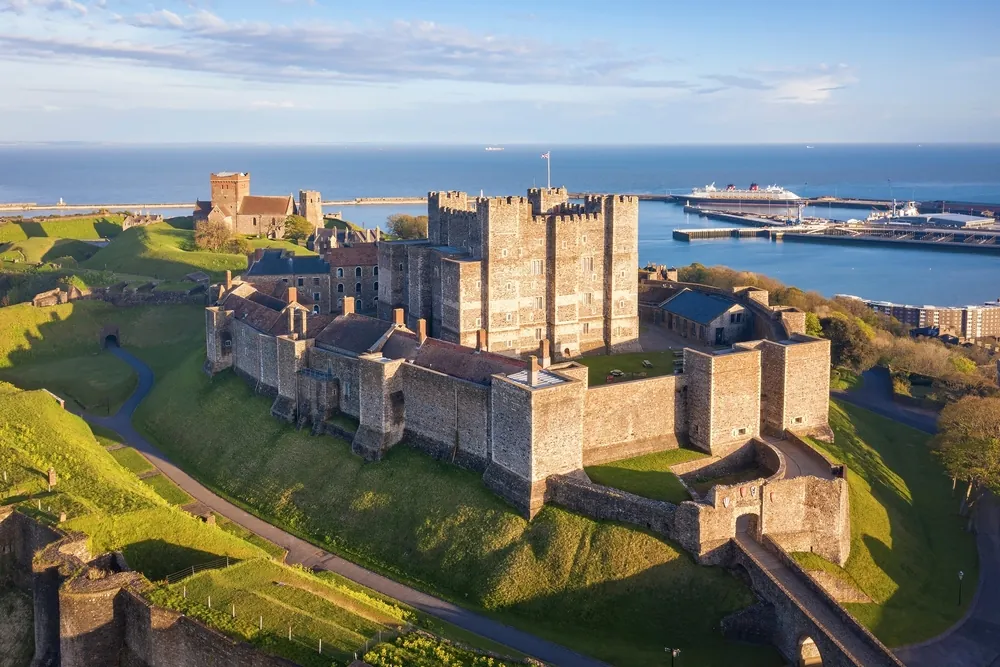
Dover Castle is the largest English castle by extent: the 12th-century Henry II keep, the Roman lighthouse remains, plus the WWII Dover Castle tunnel network used as the Operation Dynamo command centre during the 1940 Dunkirk evacuation. English Heritage operates it at ~300,000 visitors per year. The 1216 siege by Prince Louis of France was the first major test of Dover's twin-tower gatehouse defences. Pounds documents these as one of England's earliest twin-tower gatehouses.[7]
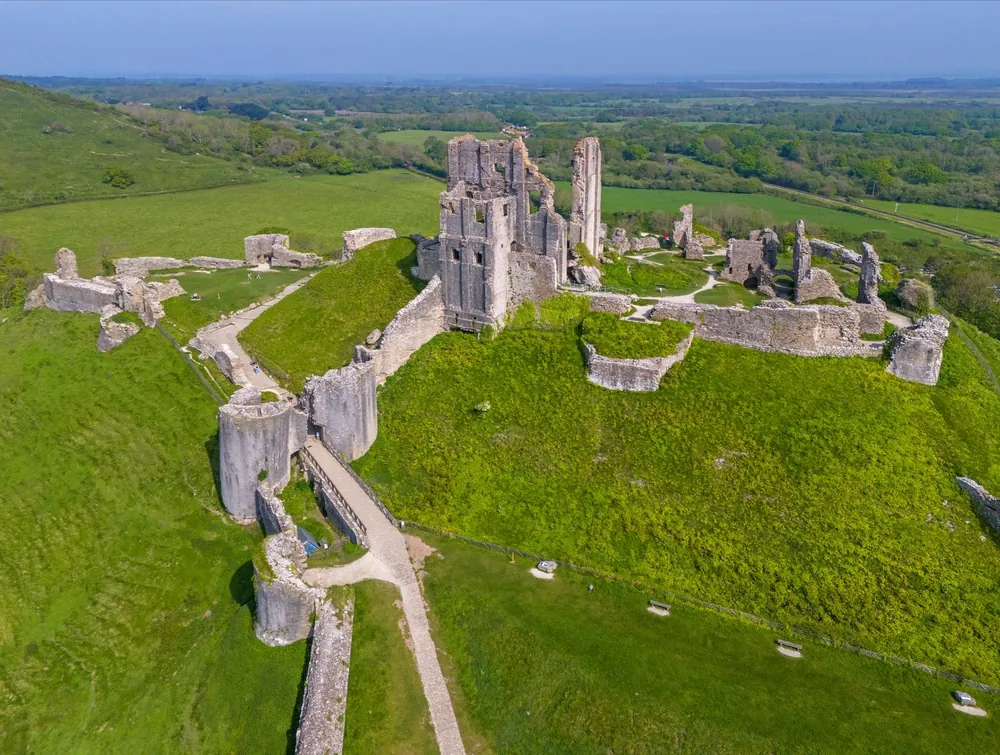
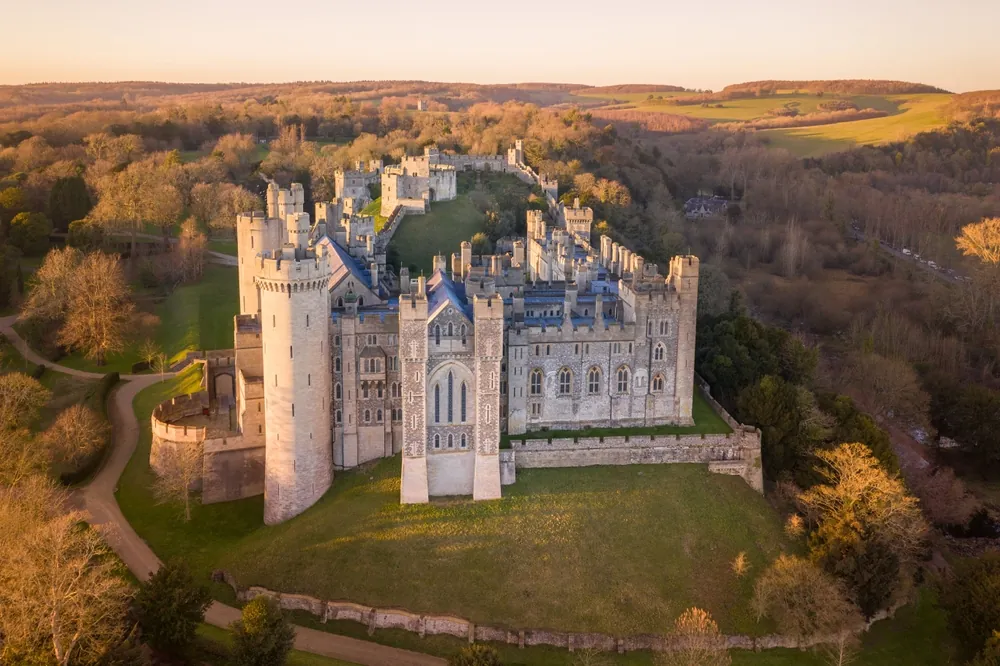
The continuous-family-ownership tier runs through Arundel Castle (Howard family since 1556, 470 years of single-family succession), Hedingham Castle (Lindsay family descended from the original de Vere family since the 12th century), Berkeley Castle (Berkeley family in continuous occupation since 1067), and Sudeley Castle (Dent-Brocklehurst family). Hever Castle belongs to a different category. The William Waldorf Astor 1903 expansion with its Italian Garden and substantial grounds added Anne Boleyn's childhood home into the Astor American-fortune heritage operation.
Tintagel Castle in Cornwall (~250,000 visitors/year through English Heritage) leads the broader Arthurian-legend heritage. It is the 13th-century Earl of Cornwall's coastal castle that local tradition associates with King Arthur's birth. The 2019 footbridge connecting the mainland to the island substantially improved visitor access. The surrounding cliff scenery is among the most dramatic in England.
The Historic Houses Association represents 1,500+ independently-owned historic houses, castles and gardens. That is the broader private-tier ecosystem within which Highclere, Arundel, Hedingham, Berkeley and Sudeley operate. HHA member properties contribute around £510 million GVA per year to the UK economy across the membership.[8]
References
[1] Cathcart King, D. J. Castellarium Anglicanum: An Index and Bibliography of the Castles of England, Wales and the Islands. Kraus International Publications, 1983.
[2] Historic England — Visitor Attraction Trends in England 2024.
[3] English Heritage Trust Annual Report 2024/25.
[4] Historic Royal Palaces Annual Review 2024/25.
[5] Royal Collection Trust Annual Review 2024/25.
[6] Carnarvon, F. (8th Countess of Carnarvon). Lady Almina and the Real Downton Abbey (Crown, 2011); Lady Catherine, the Earl, and the Real Downton Abbey (Crown, 2013); Seasons at Highclere (Hodder & Stoughton, 2021).
[7] Pounds, N. J. G. The Castle in England and Wales: An Interpretive History. Routledge / Leicester University Press, 1990.