
FOR CASTLE COLLECTORS
Castle Collector InsightsExplore abandoned castles on sale in France
Find abandoned castles for sale in France. Explore historic ruins, castle restoration projects, and medieval properties waiting to be restored in France.
Average castle features in France
Showing avg. castle price in France
Key metrics for France
Across Europe and the UK, France has the most castle properties for sale. About 72% of all the castle listings at any given time come from the French market. This also makes it one of the cheapest markets in Europe since there are a lot of châteaux for sale. Sellers are known to offer more competitive pricing, usually settling below the asking price.
Out of 1,000 French castle listings that we analysed, we found that 25% had an asking price of under €1 million. So even with an entry-level budget, a buyer will have access to a quarter of the market.
The French market is also the most popular European market for foreign buyers. The people who seem to be the most interested in purchasing castle properties are the English and Americans. We know this based on search data as well as the number of inquiries coming from these nations.
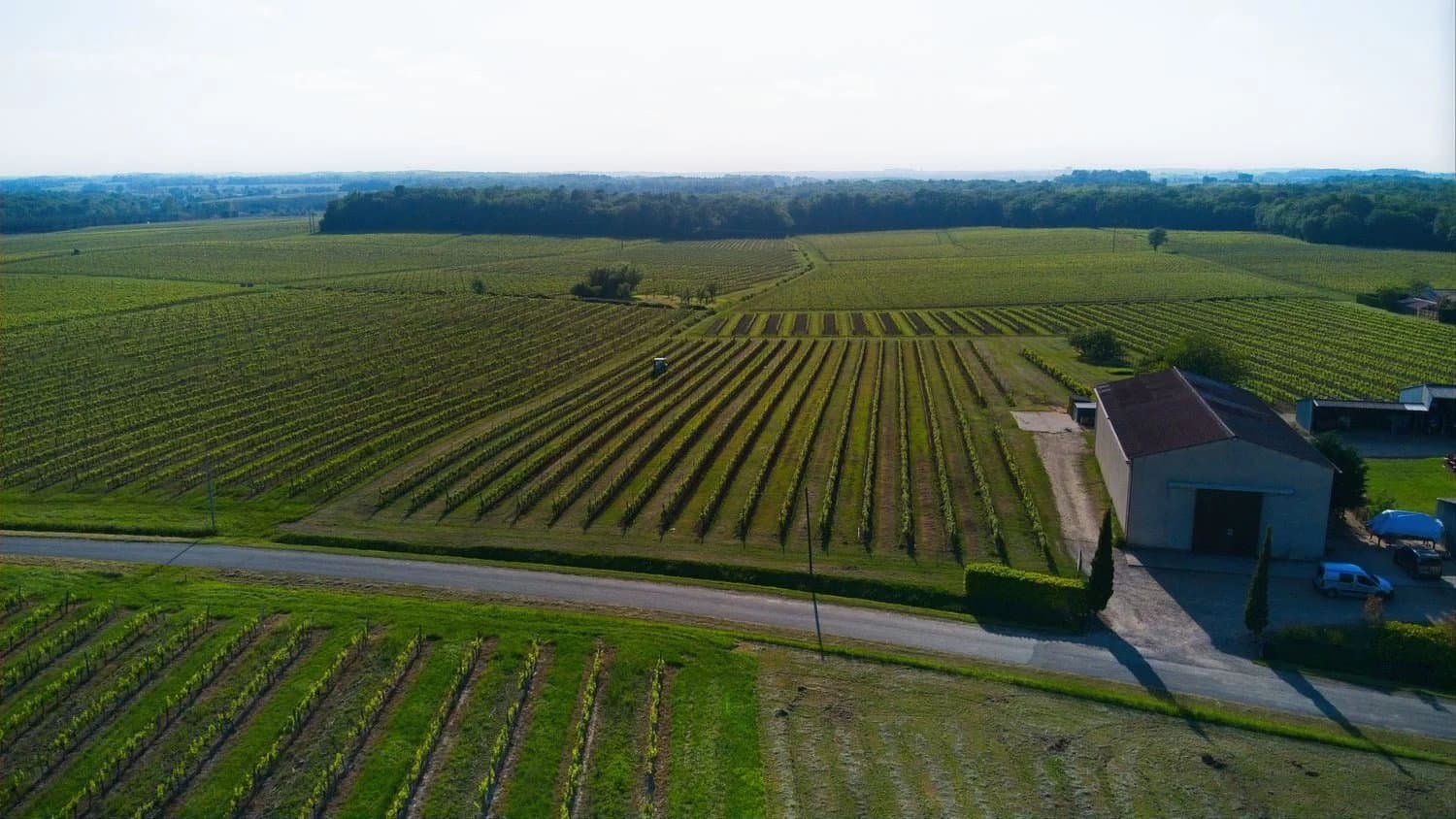
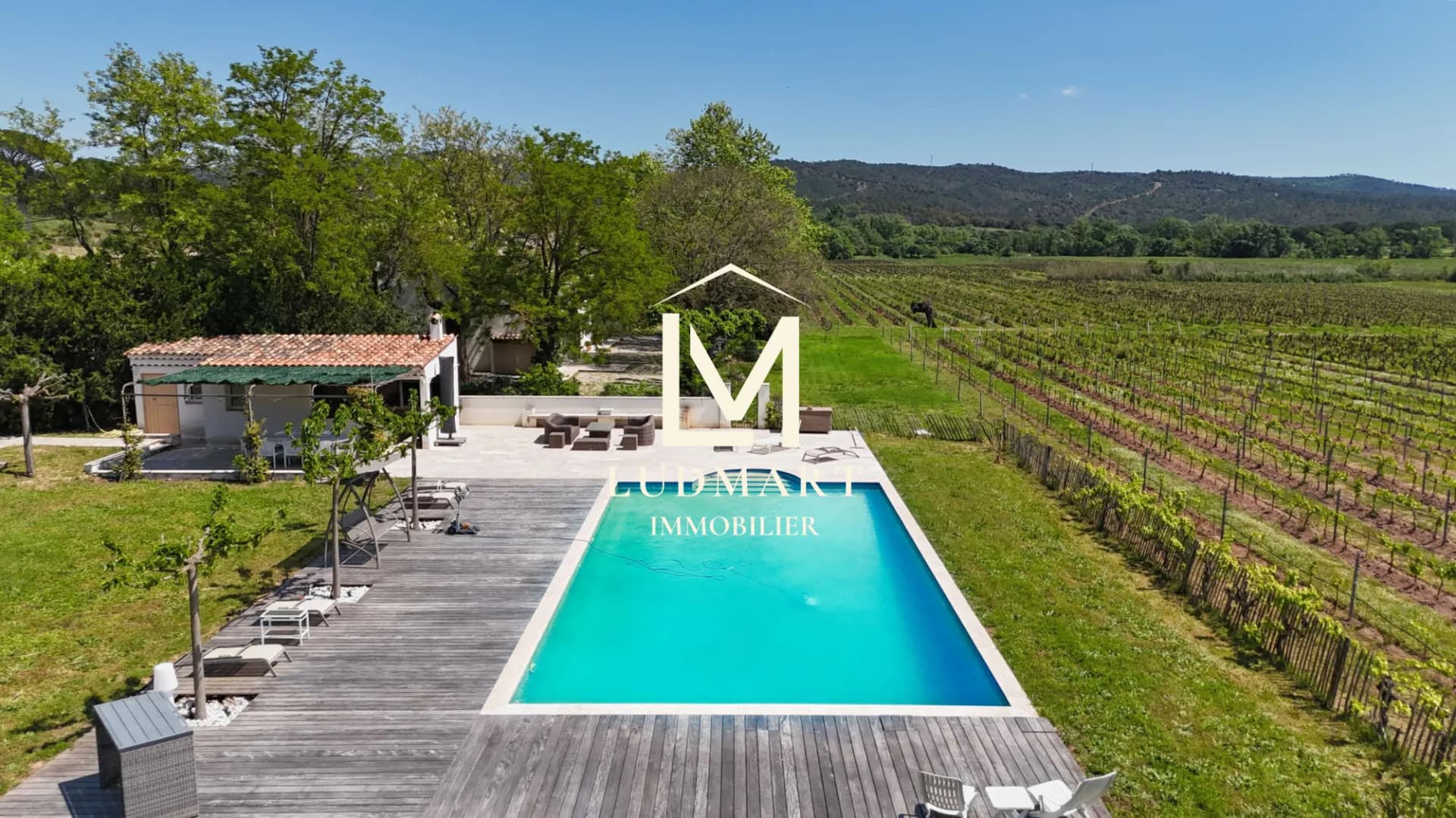
Another draw for buyers is the vineyards which come attached to some châteaux in the popular wine-growing regions. The business element can make these properties more attractive for investment, retirement or simply to those drawn to the French countryside lifestyle.
The median asking price for a château or castle in France is €1.69 million. And for that price you could typically get a château of around 710 m². The price per square metre works out to around €2,292/m², which is close to the European average (source: Castle Price Index).
Based on sold property data published by the French government, we found that there was an observable difference between the asking price and the final sale price. The overall pattern was that French châteaux were selling for less than they were listed, on average 22% less. This is not a hard fact, but simply a pattern that tells us there is room to negotiate down, especially in those less popular regions where listings stay up for months at a time.
Our data suggests those with a budget of €1–2 million are going to have access to the core of the French castle market. Around 40% of listings fall within this price range. And with a budget of €2 million, you'll have access to 63% of the market.
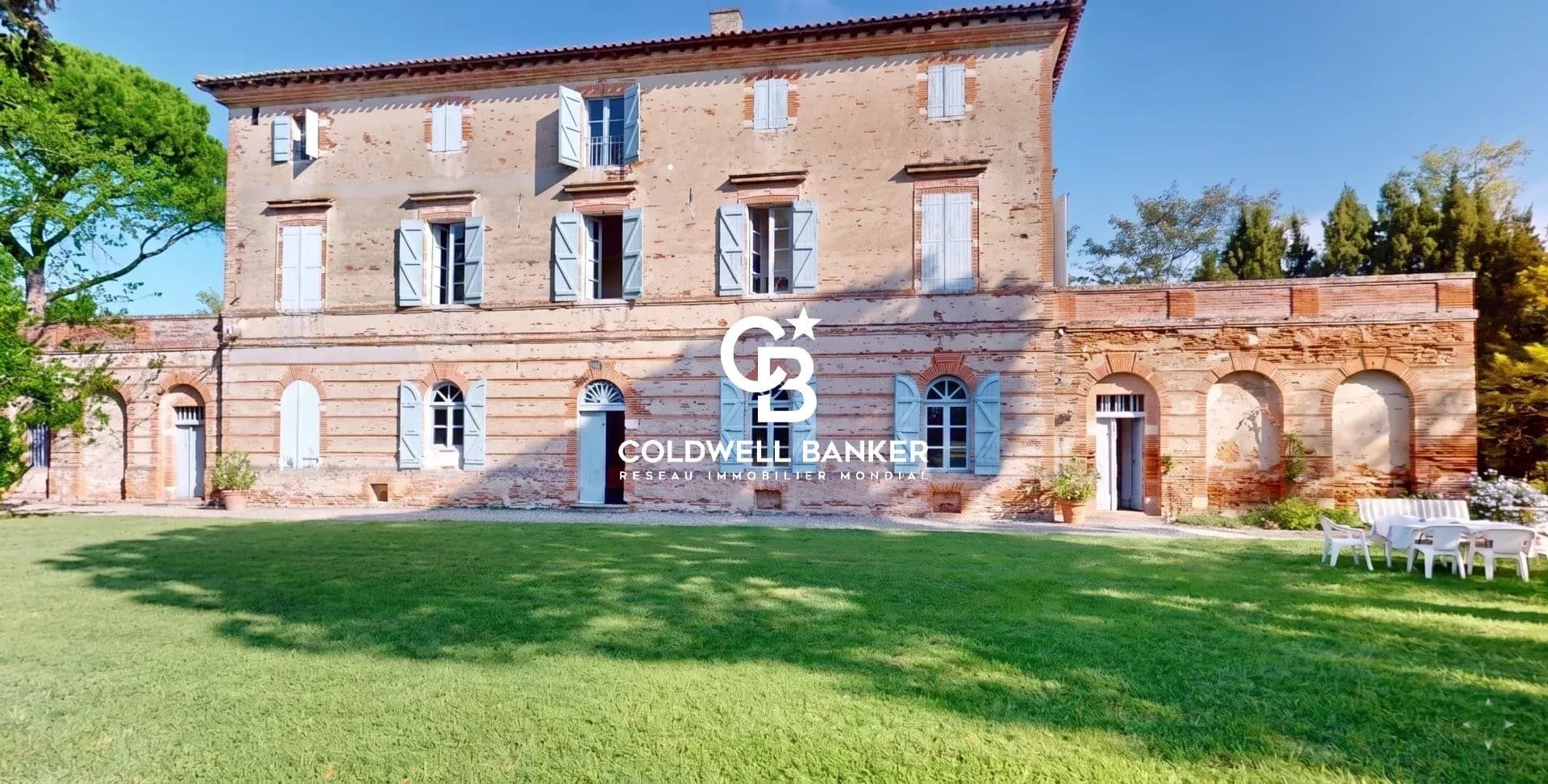
The regions which offer the best value and most choice are those in the Southwest. Nouvelle-Aquitaine and Occitanie together hold ~42% of France's castles and are among the cheapest per square metre (€2,160–2,338). These regions are where the asking price and selling price have the greatest difference. American and British buyers are the most interested in purchasing property here.
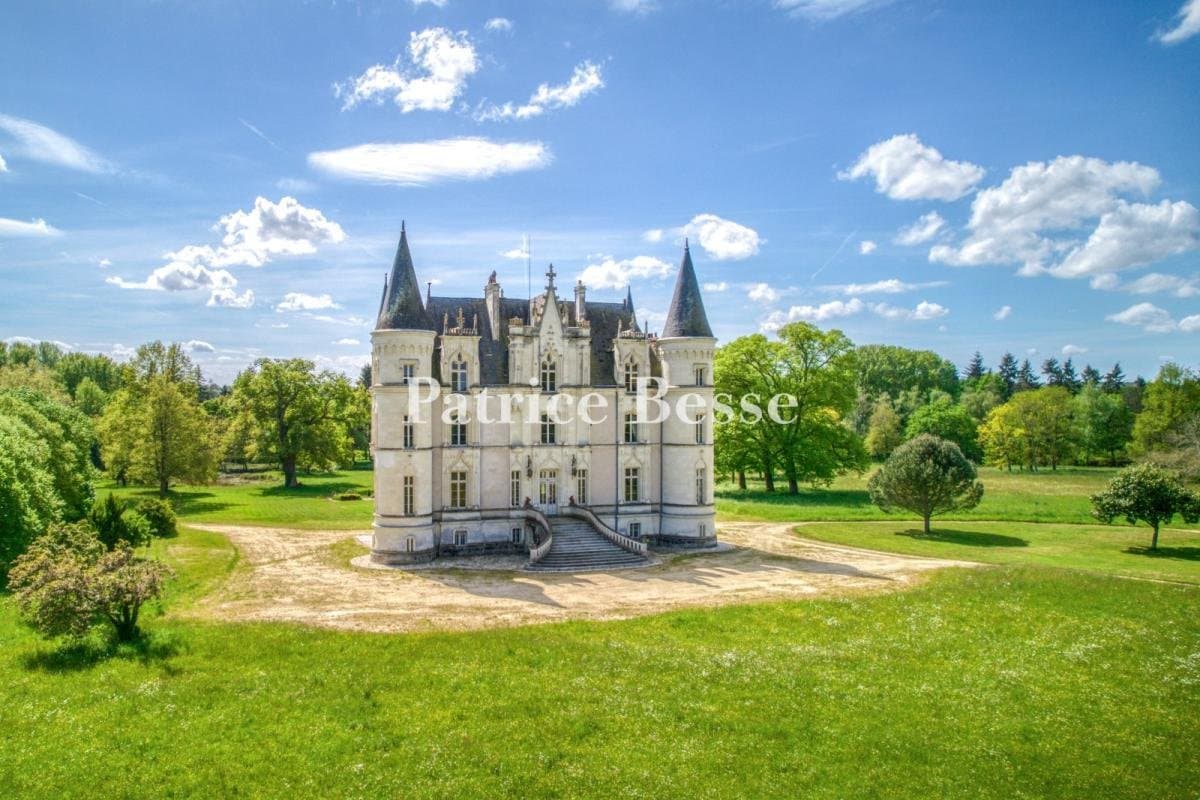
The Loire Valley is where you'll find the grandest properties, big storied châteaux with lots of space. There are also a lot of castles available, with the median asking price being €1.85 million.
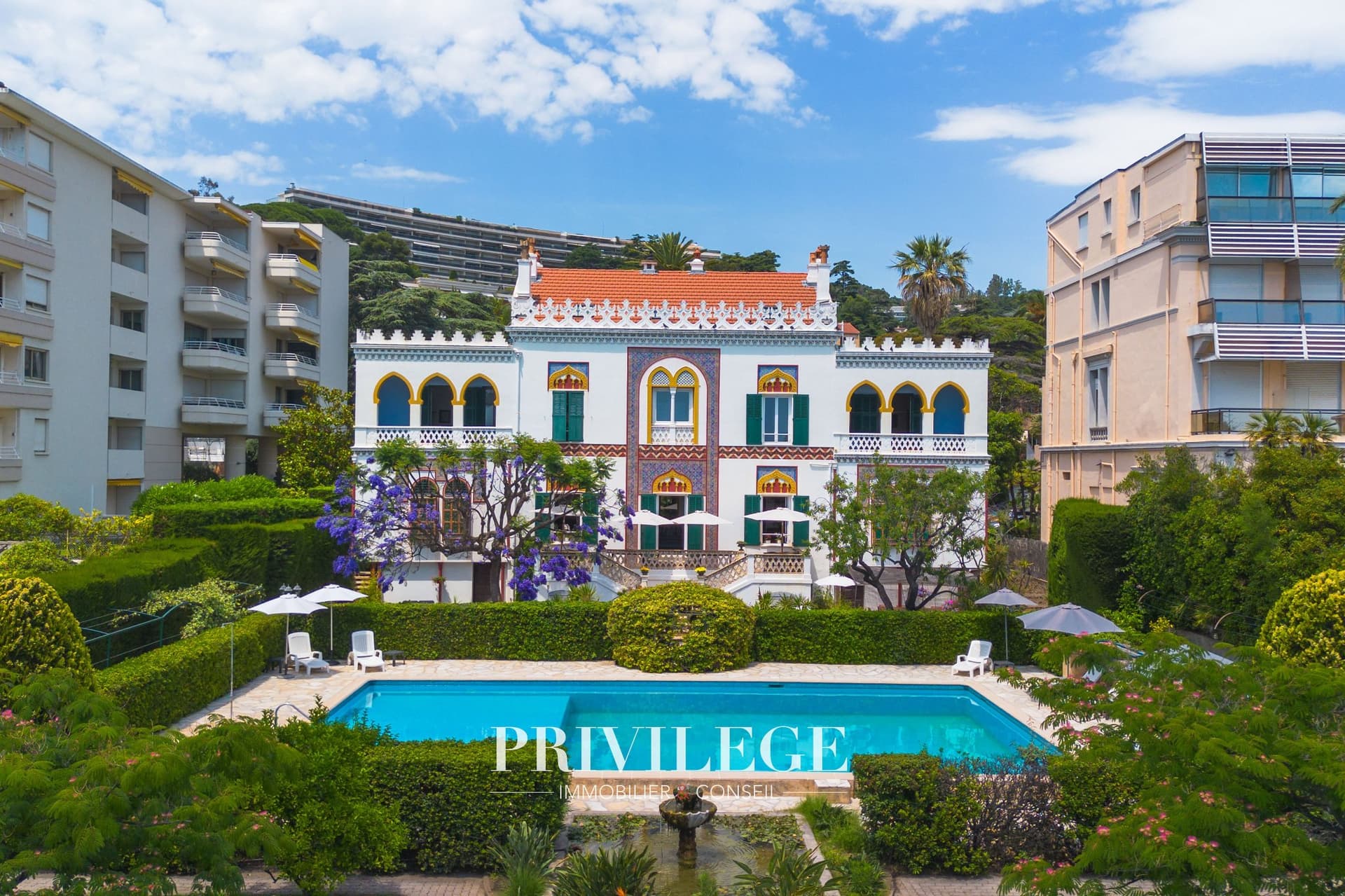
The prestige regions are in the Riviera and Paris surrounds. These regions have the highest median asking price (€3.68M), and that's not because of the château itself but the land.
The cheapest regions to buy a château in France are Bourgogne-Franche-Comté (€1,923/m²) and Hauts-de-France (€1,998/m²). These are much quieter regions and have less foreign demand.
If you are looking to browse French castles by region, use the region navigation tab below.
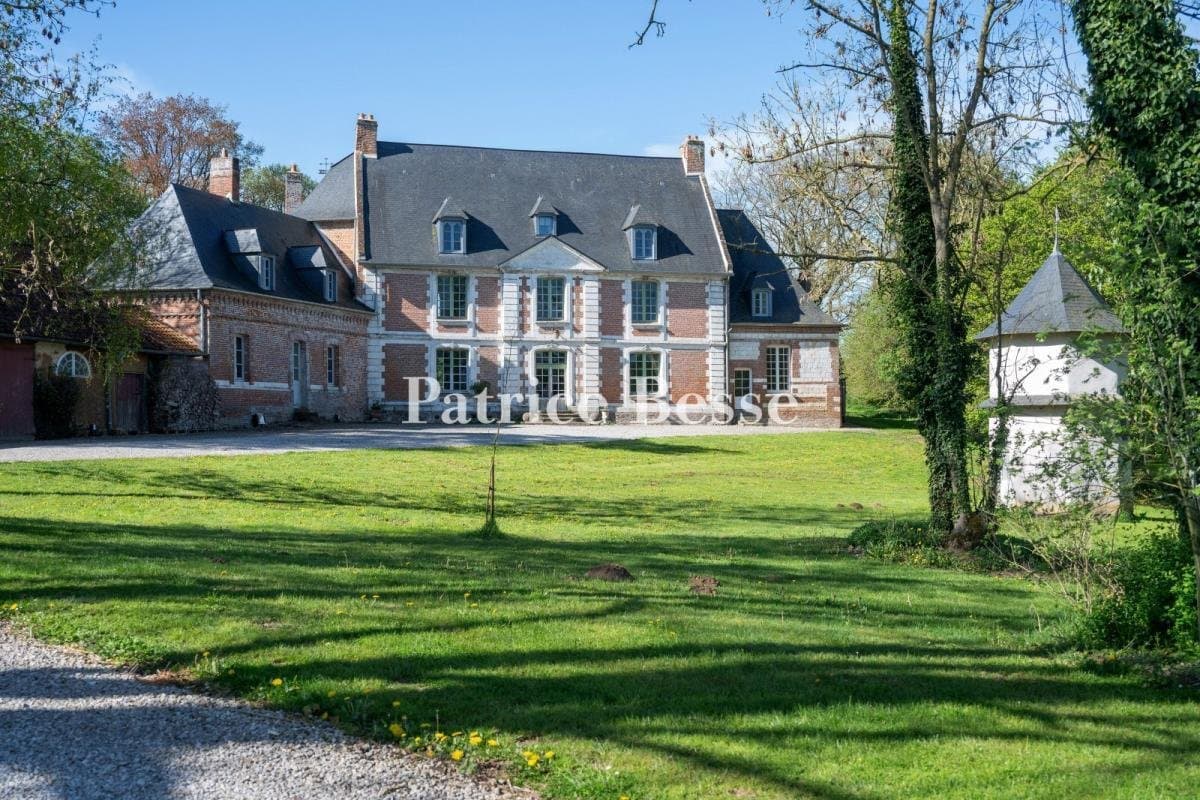
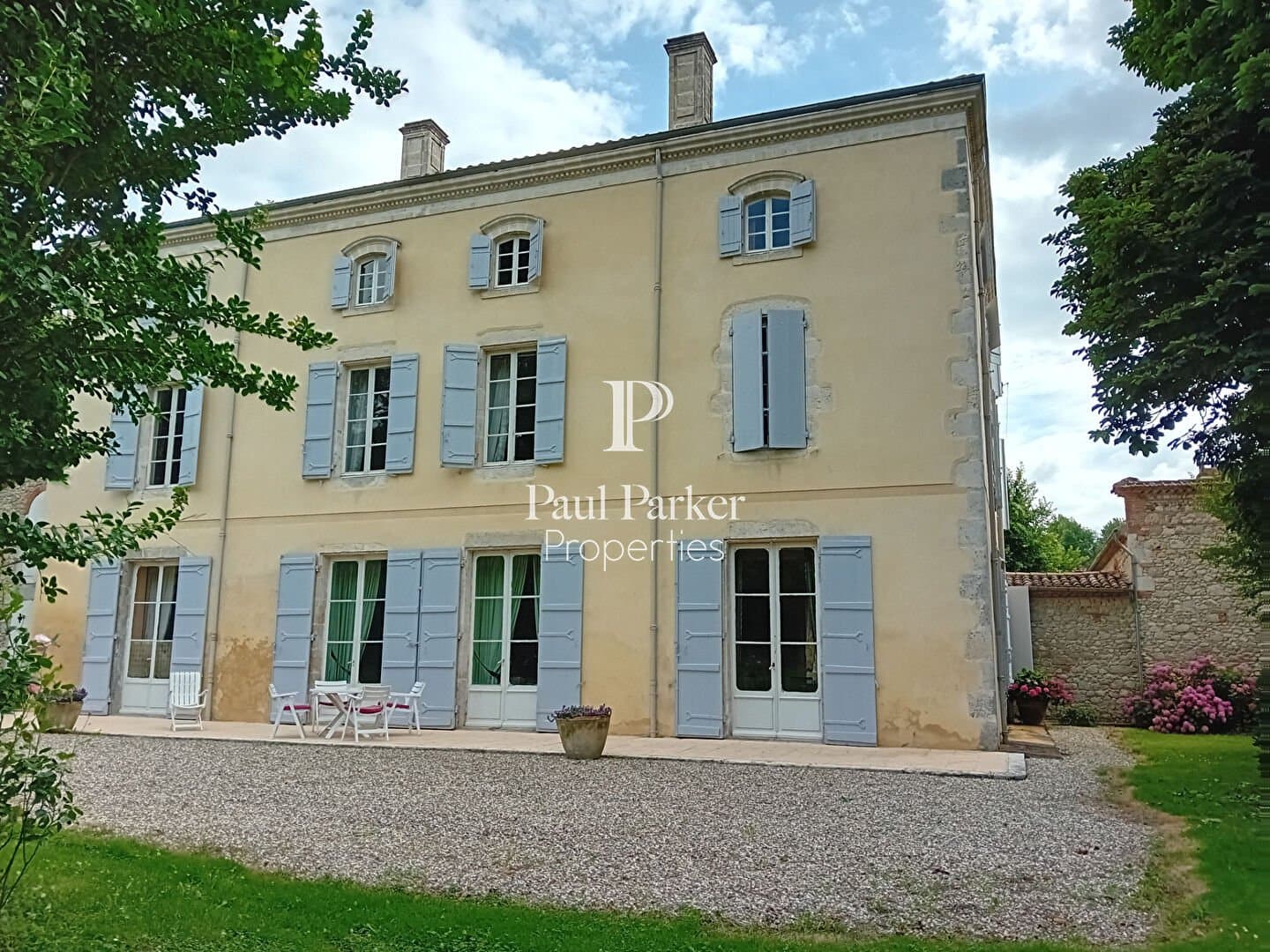
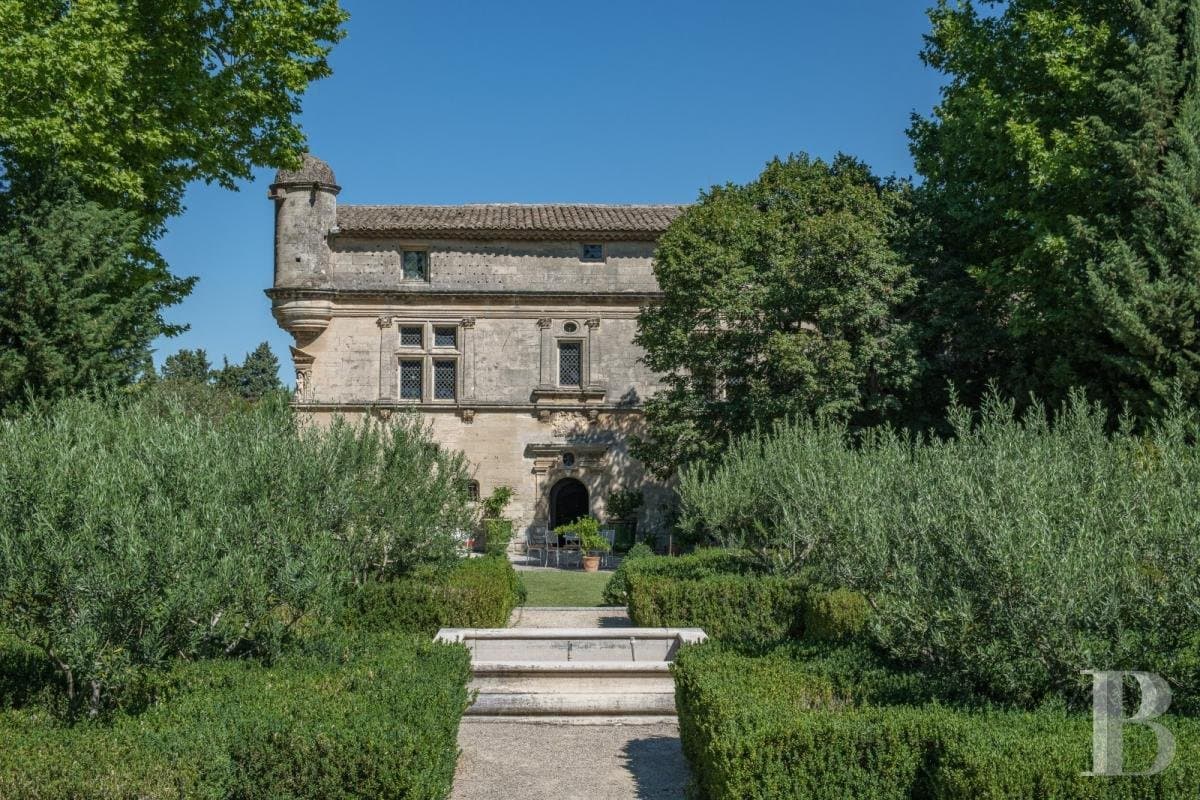
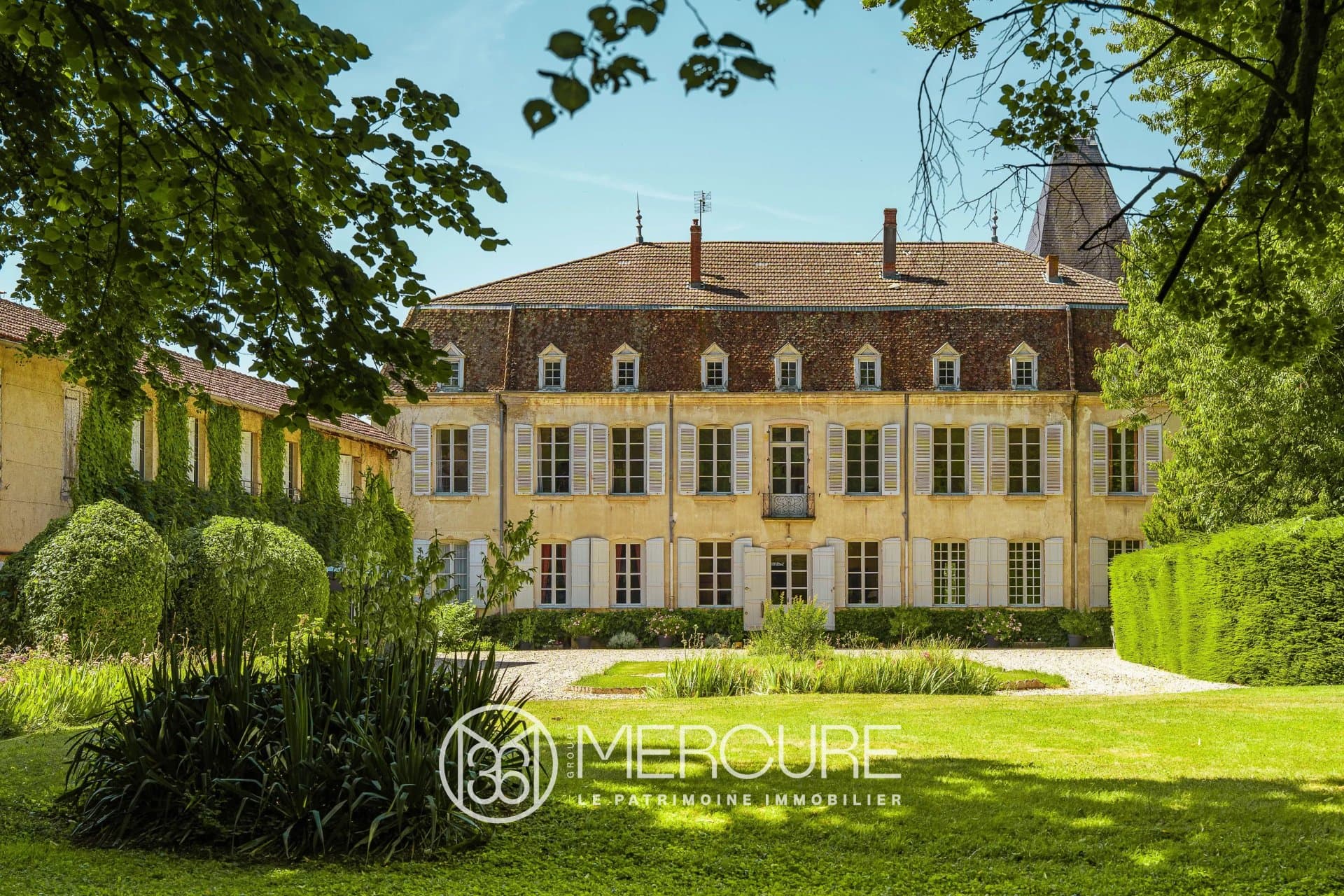
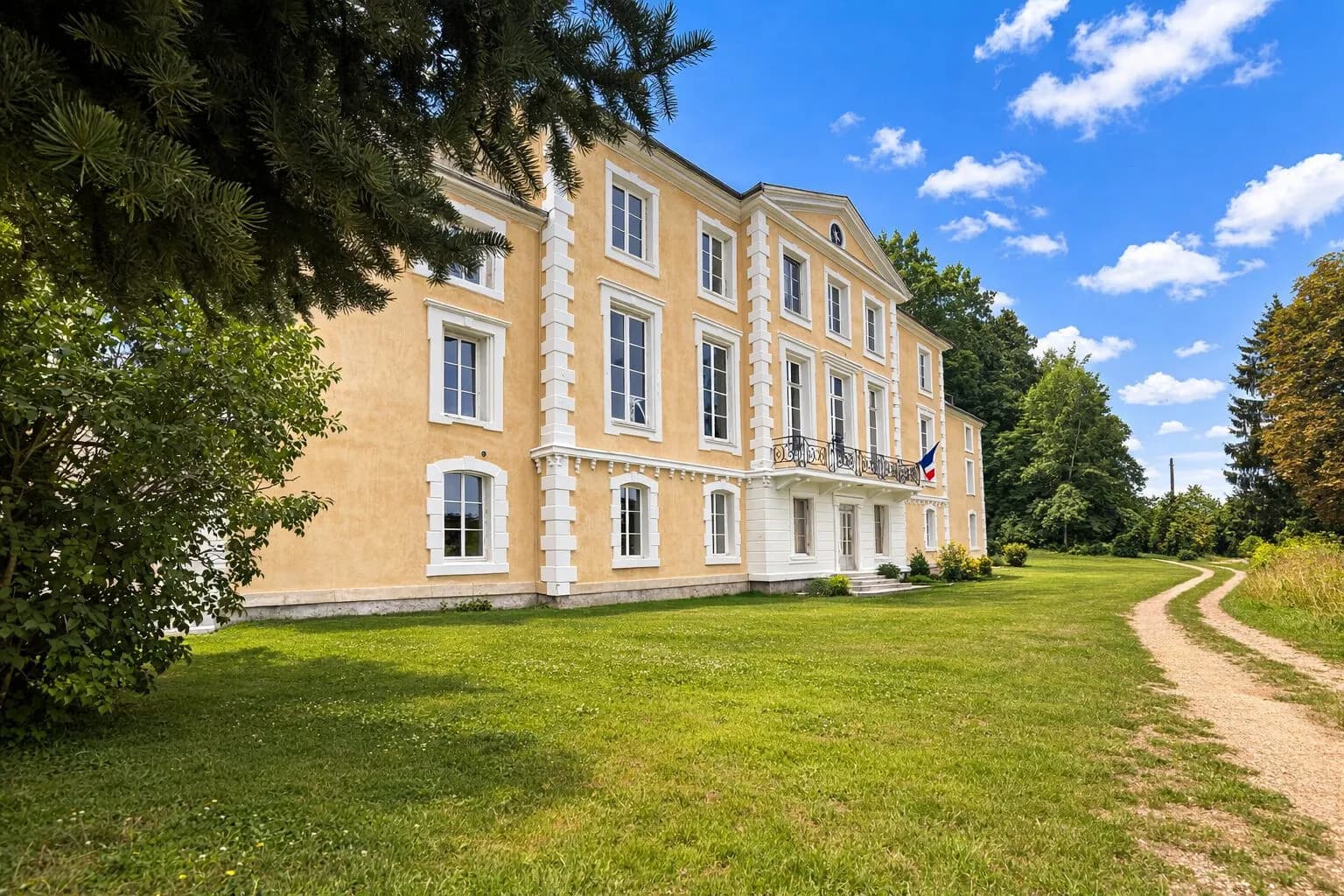
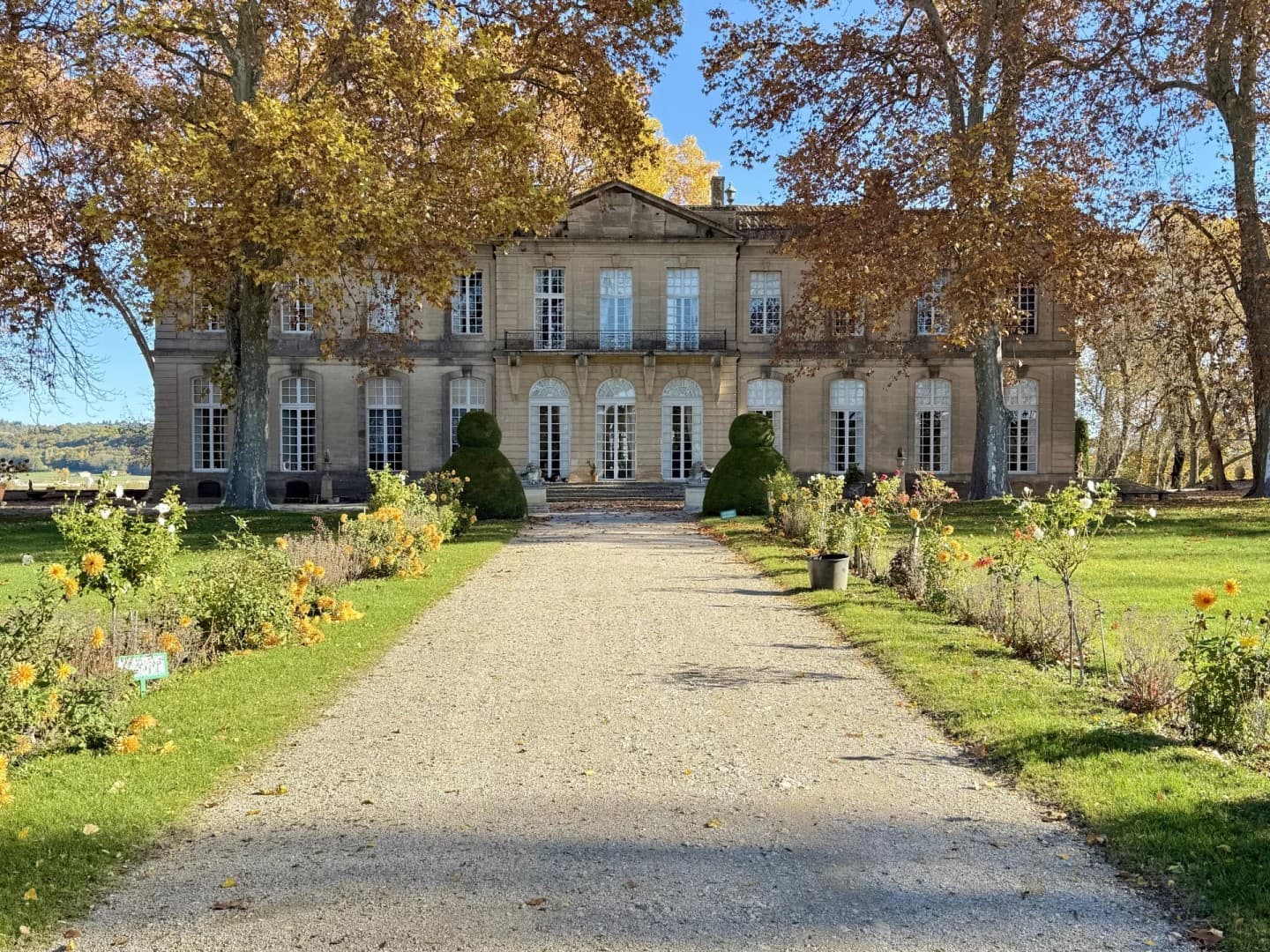
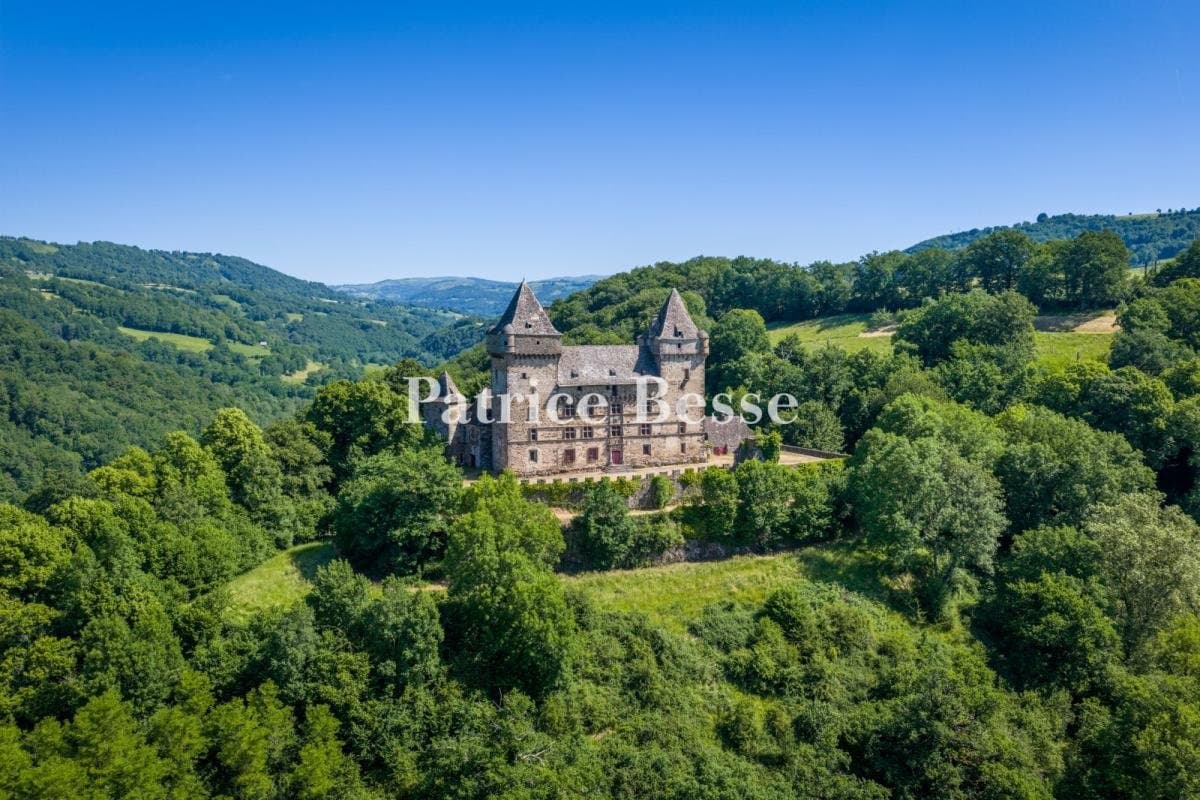
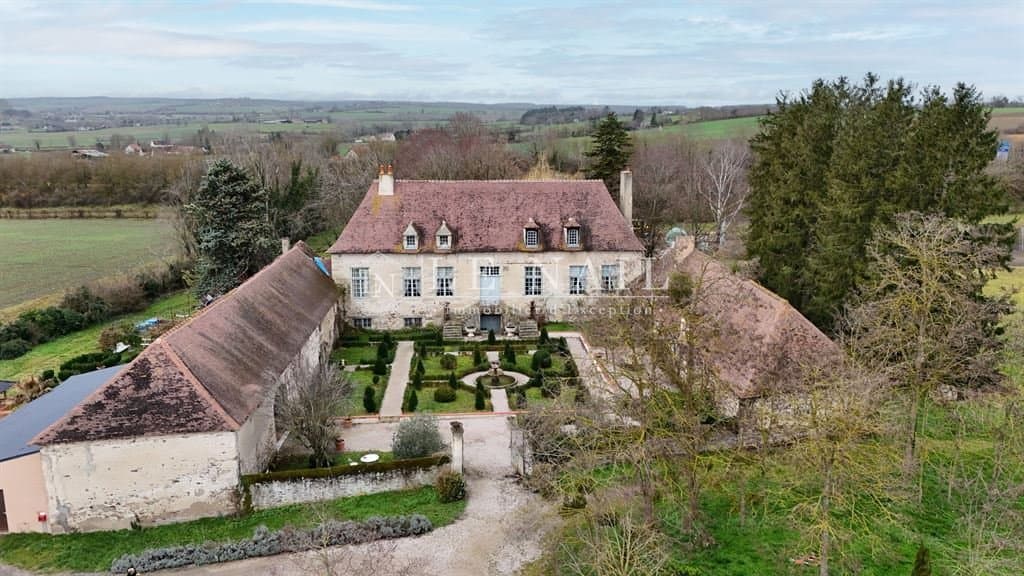
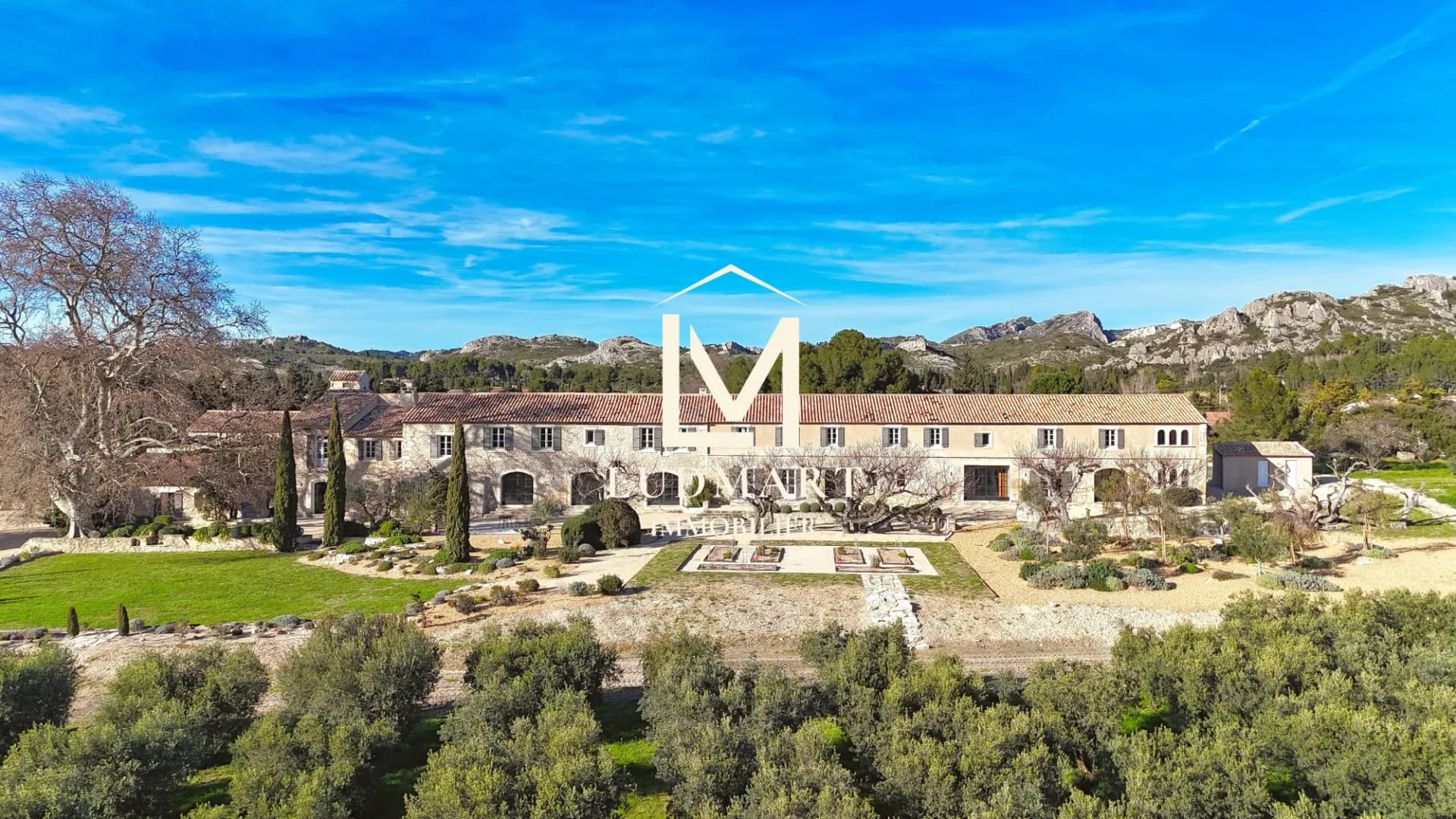
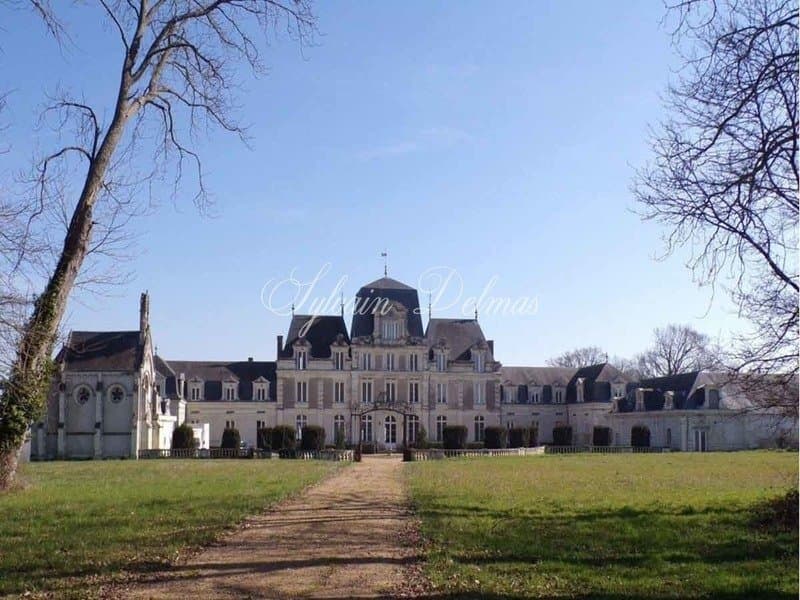
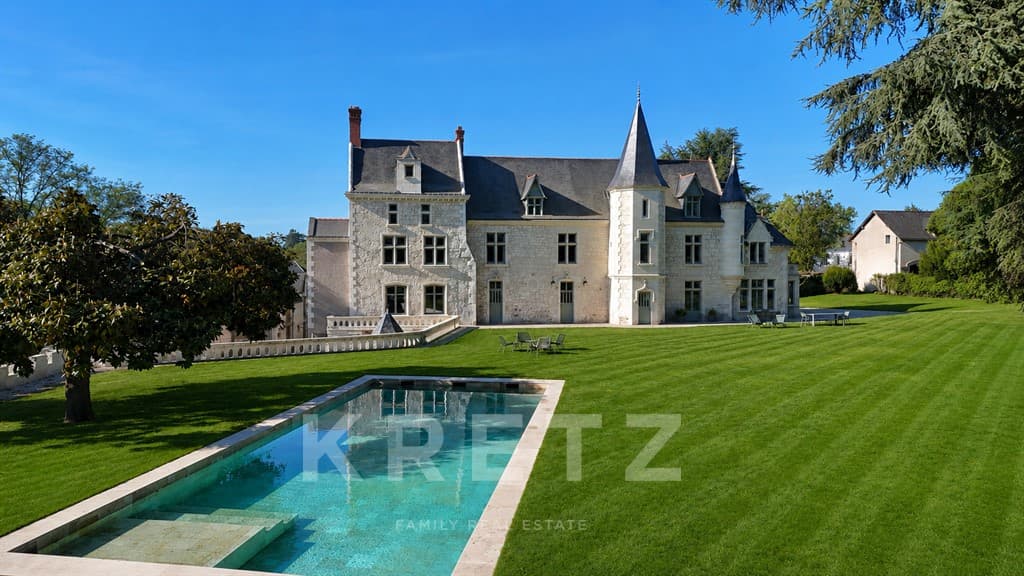
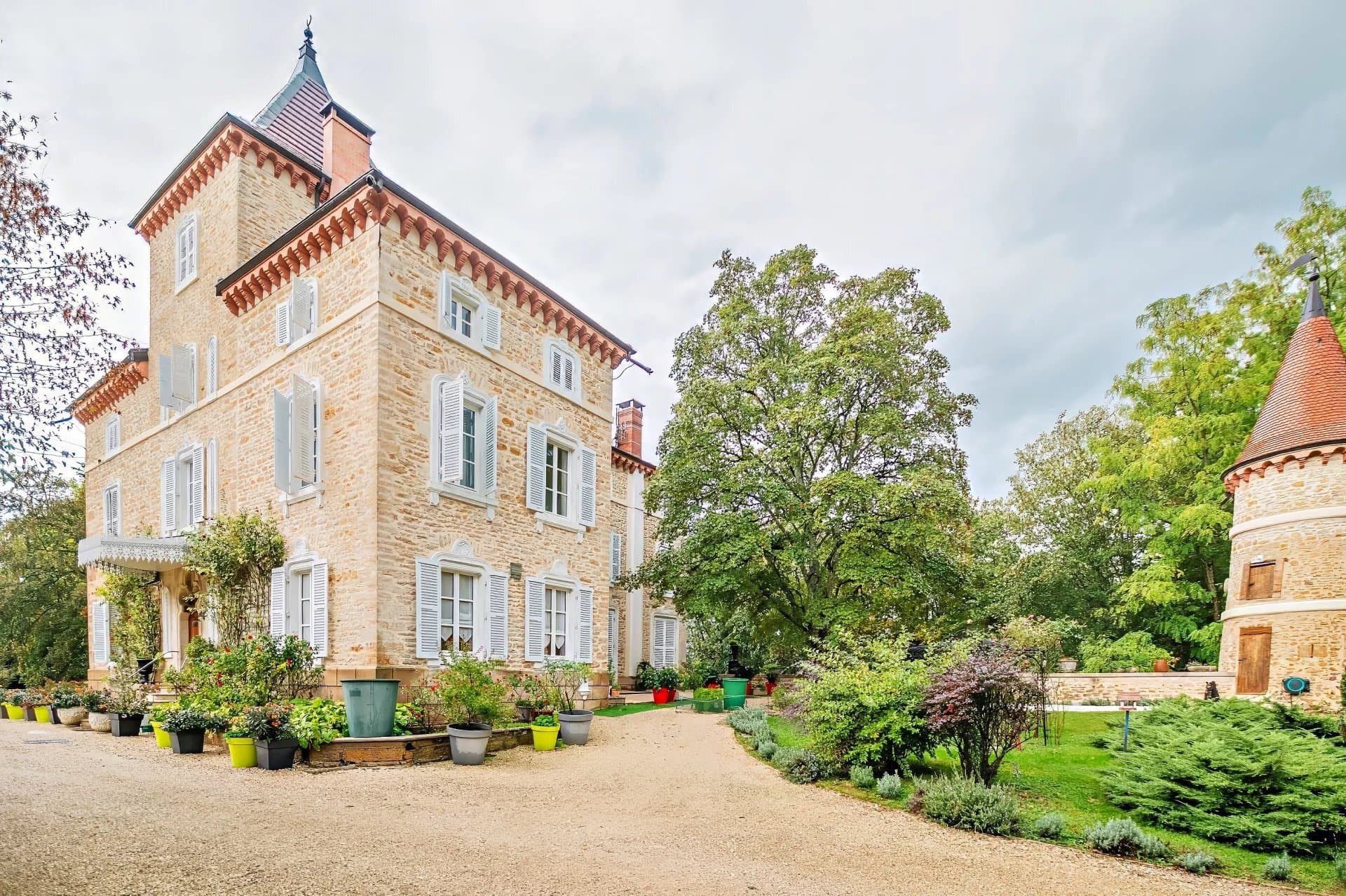
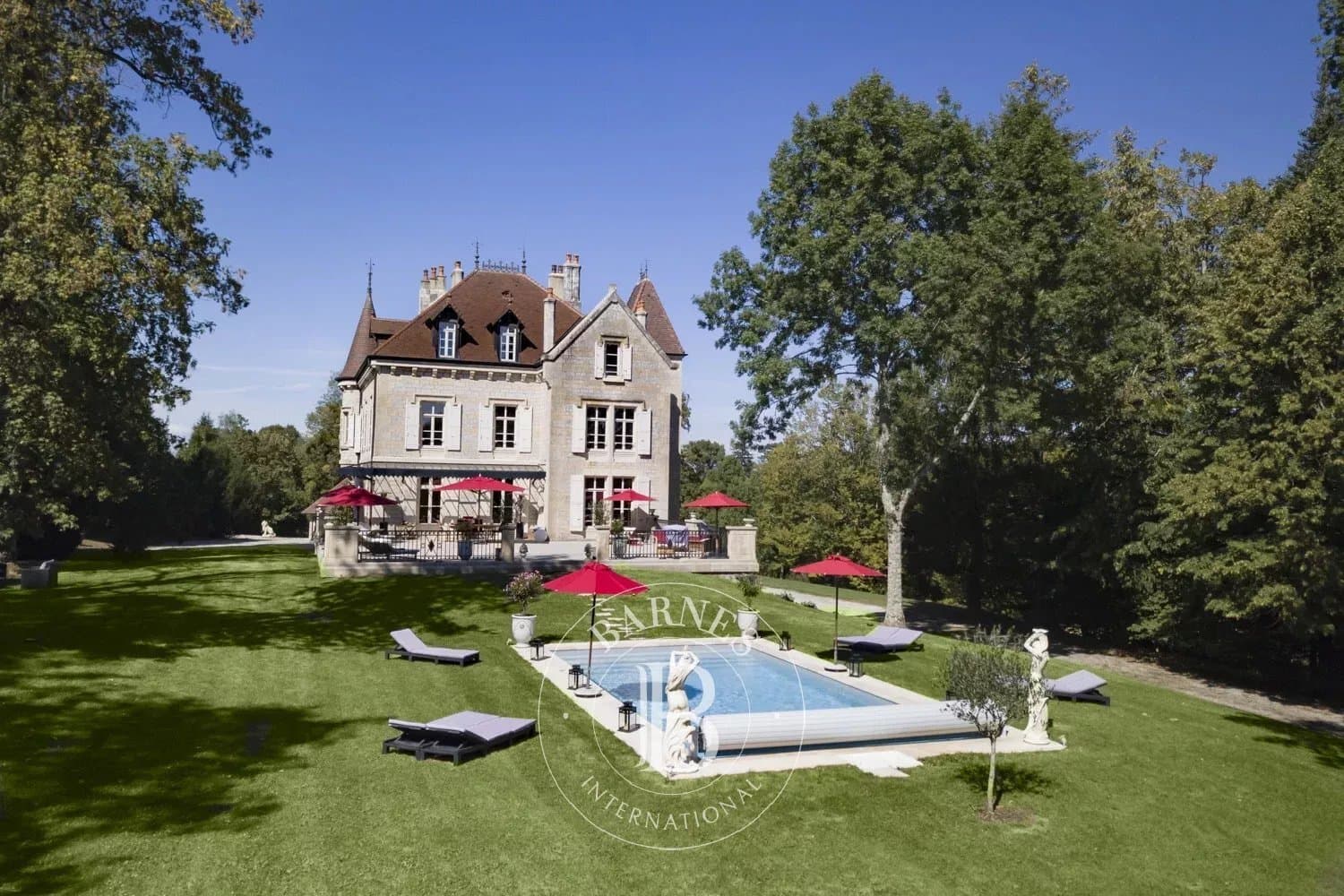
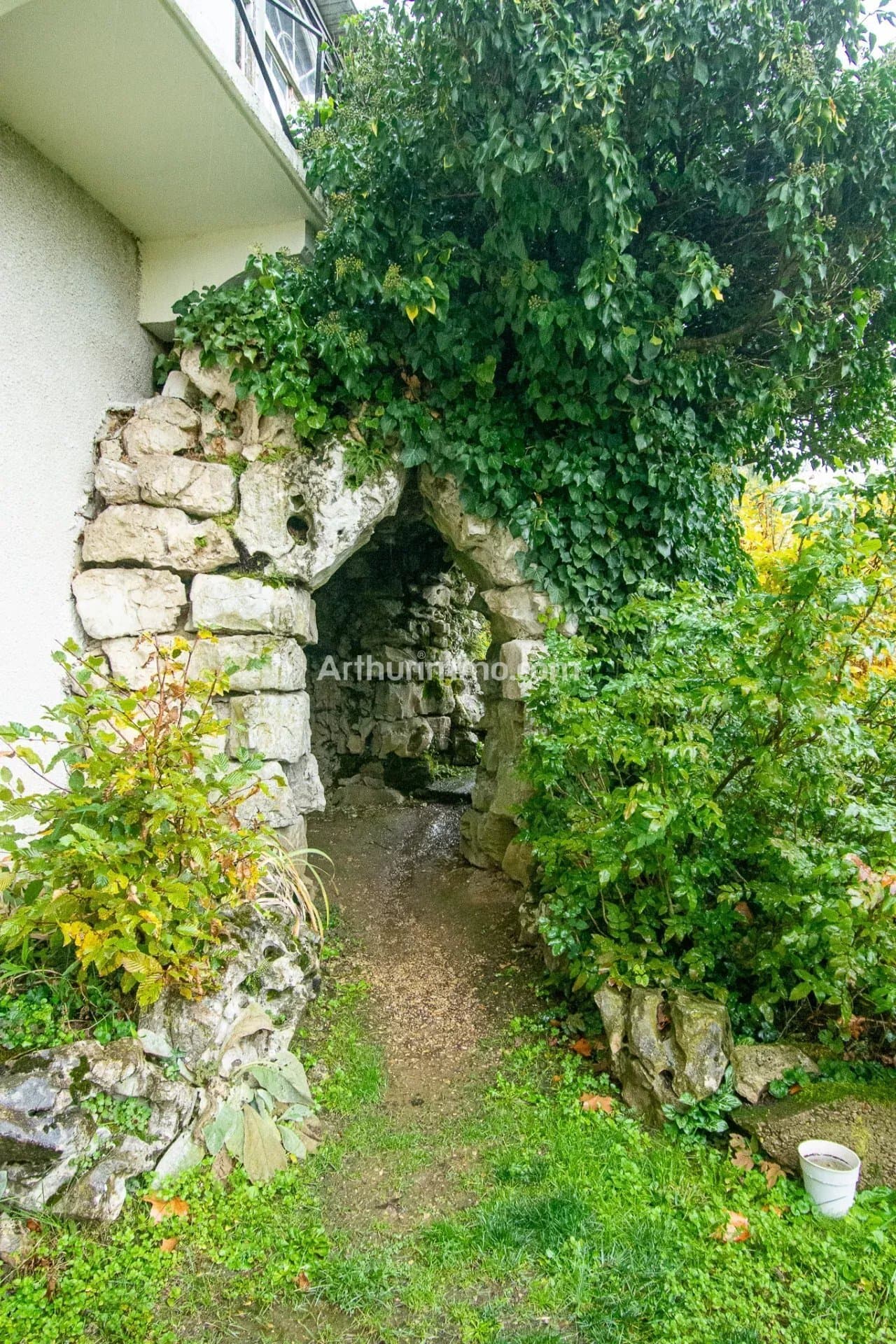
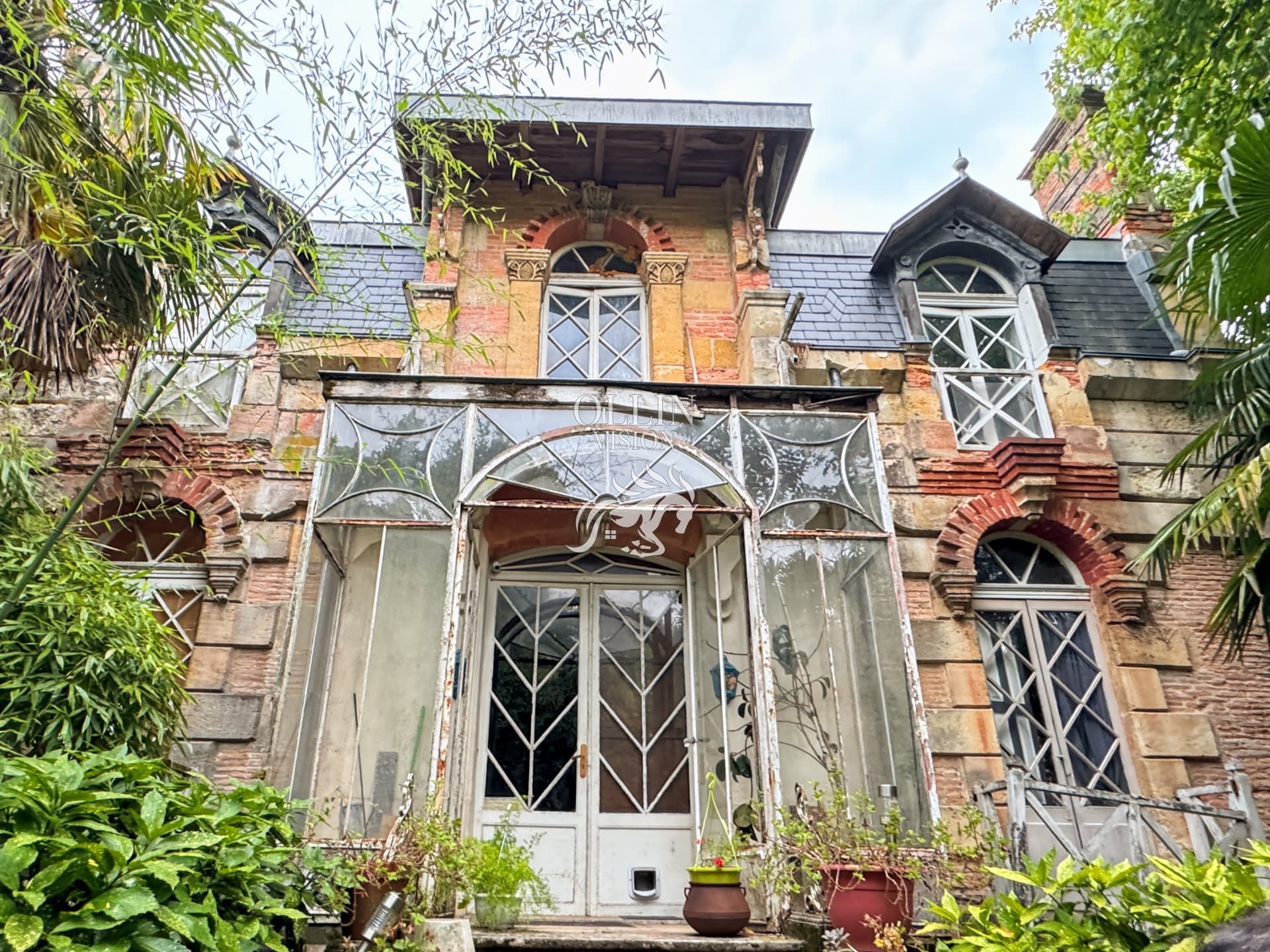
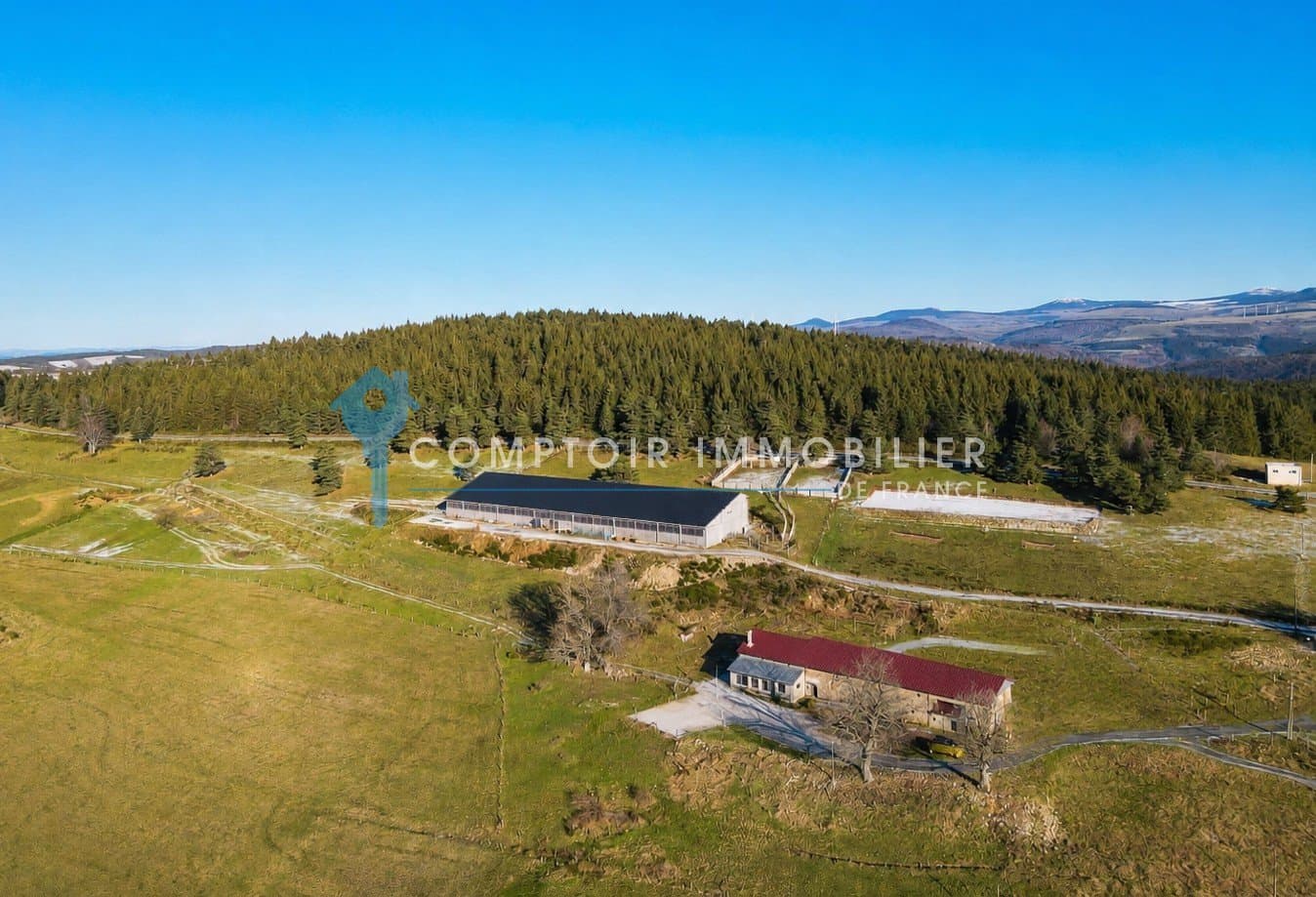
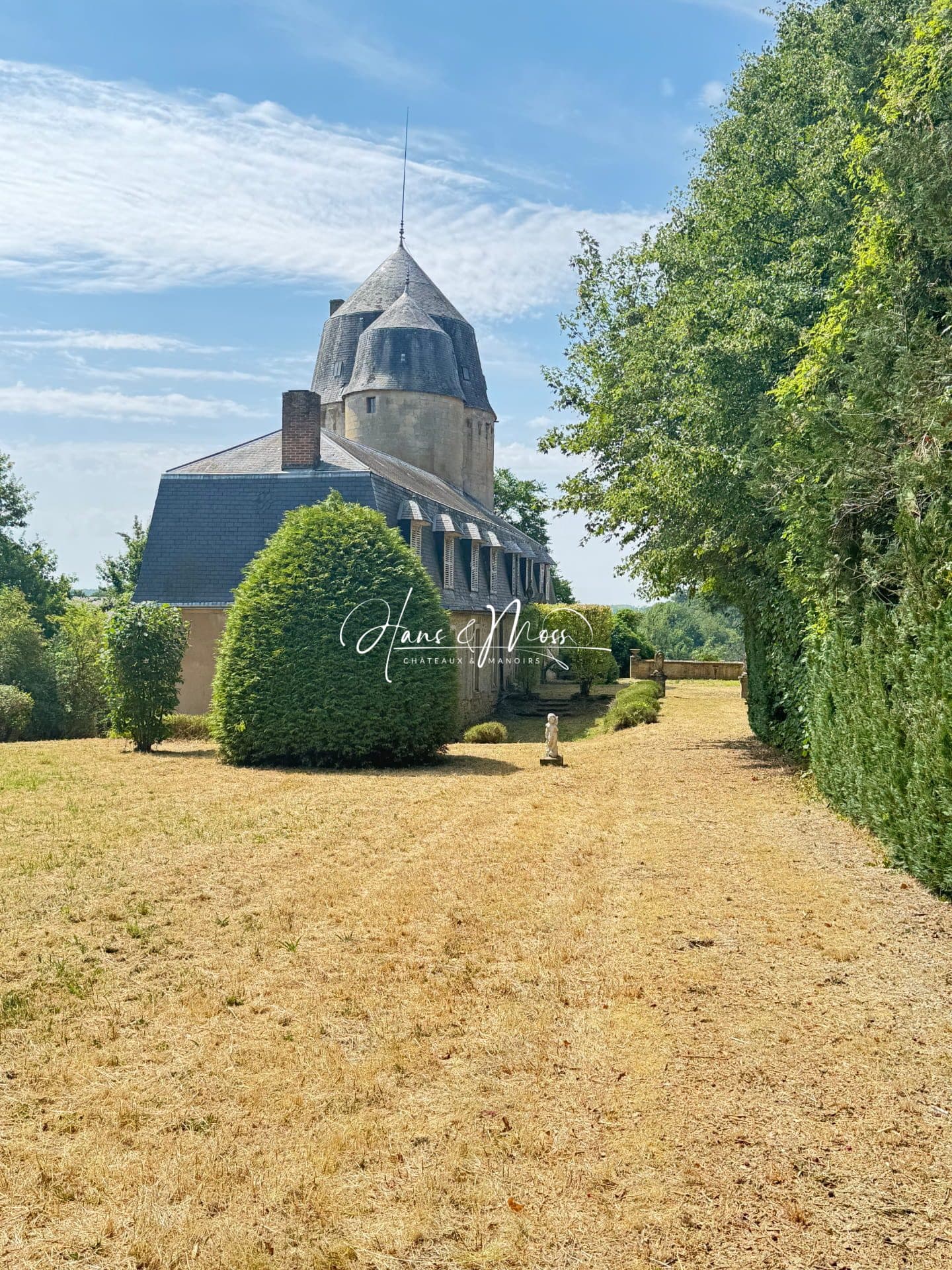
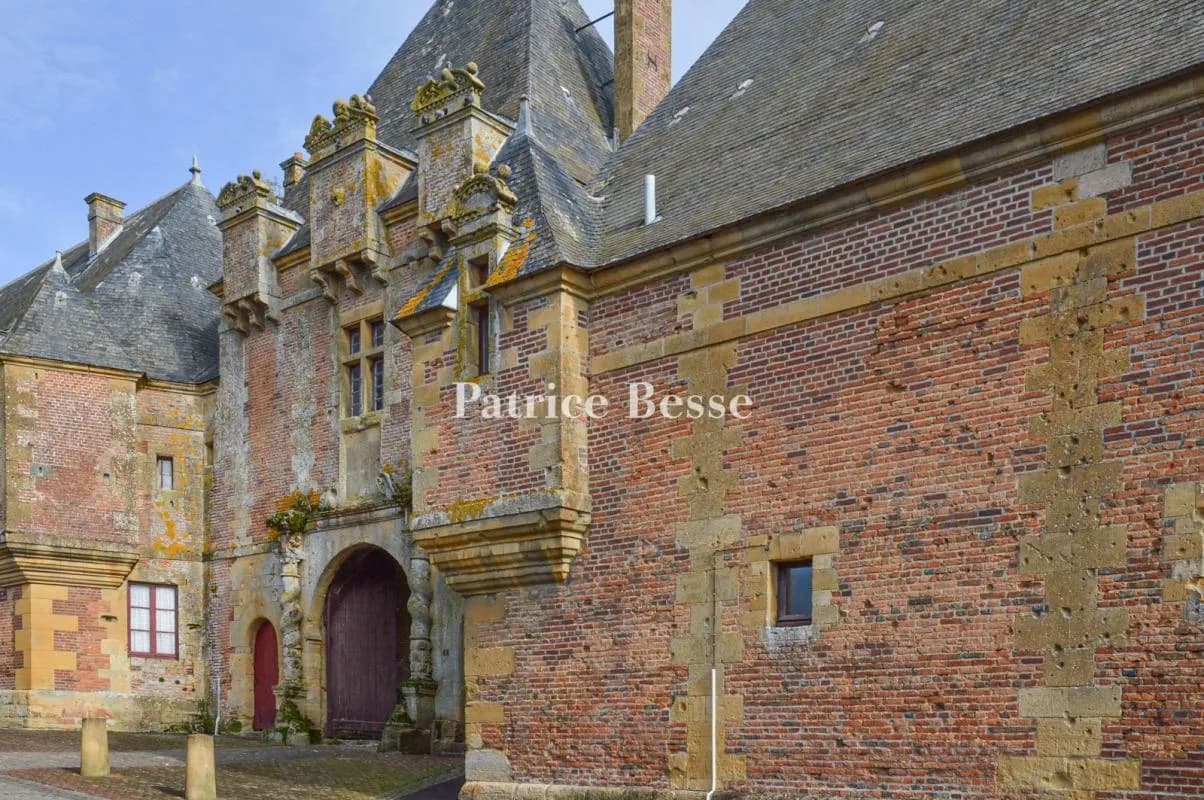
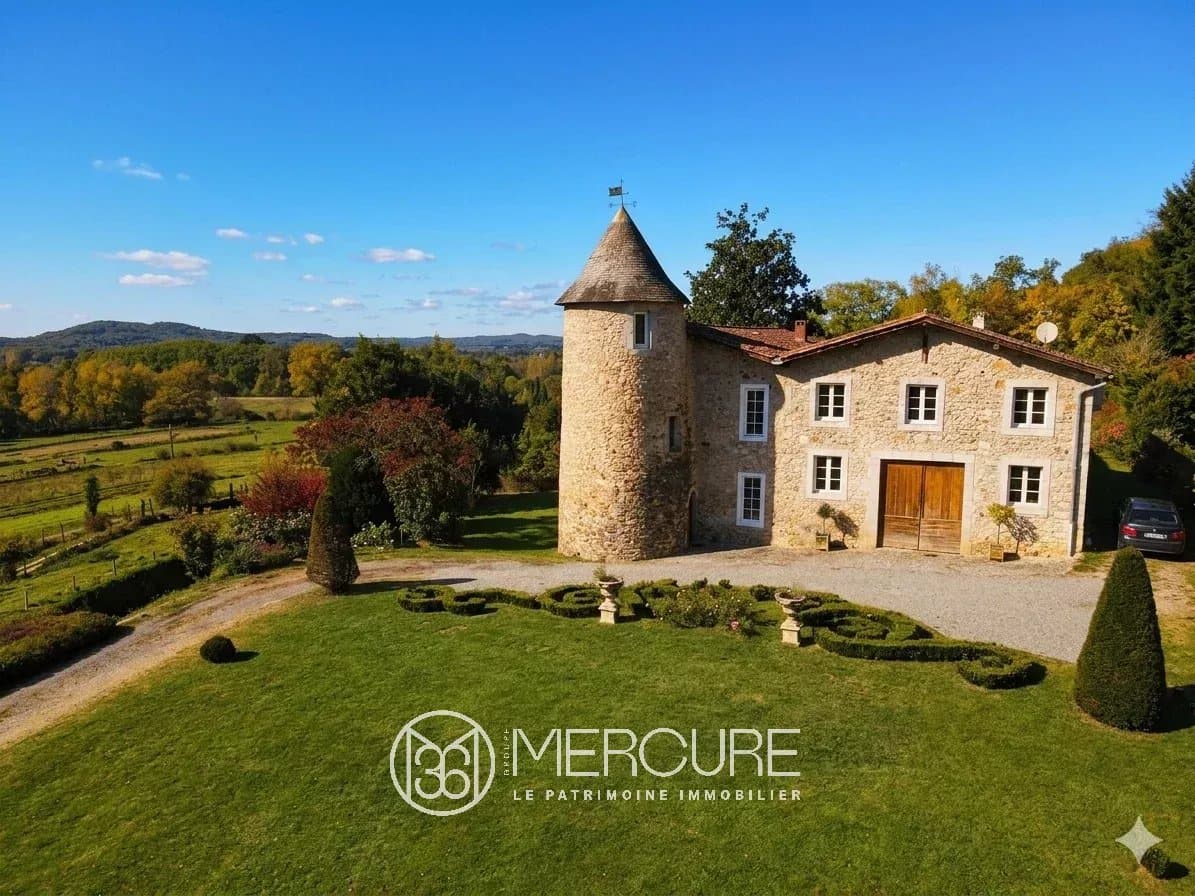
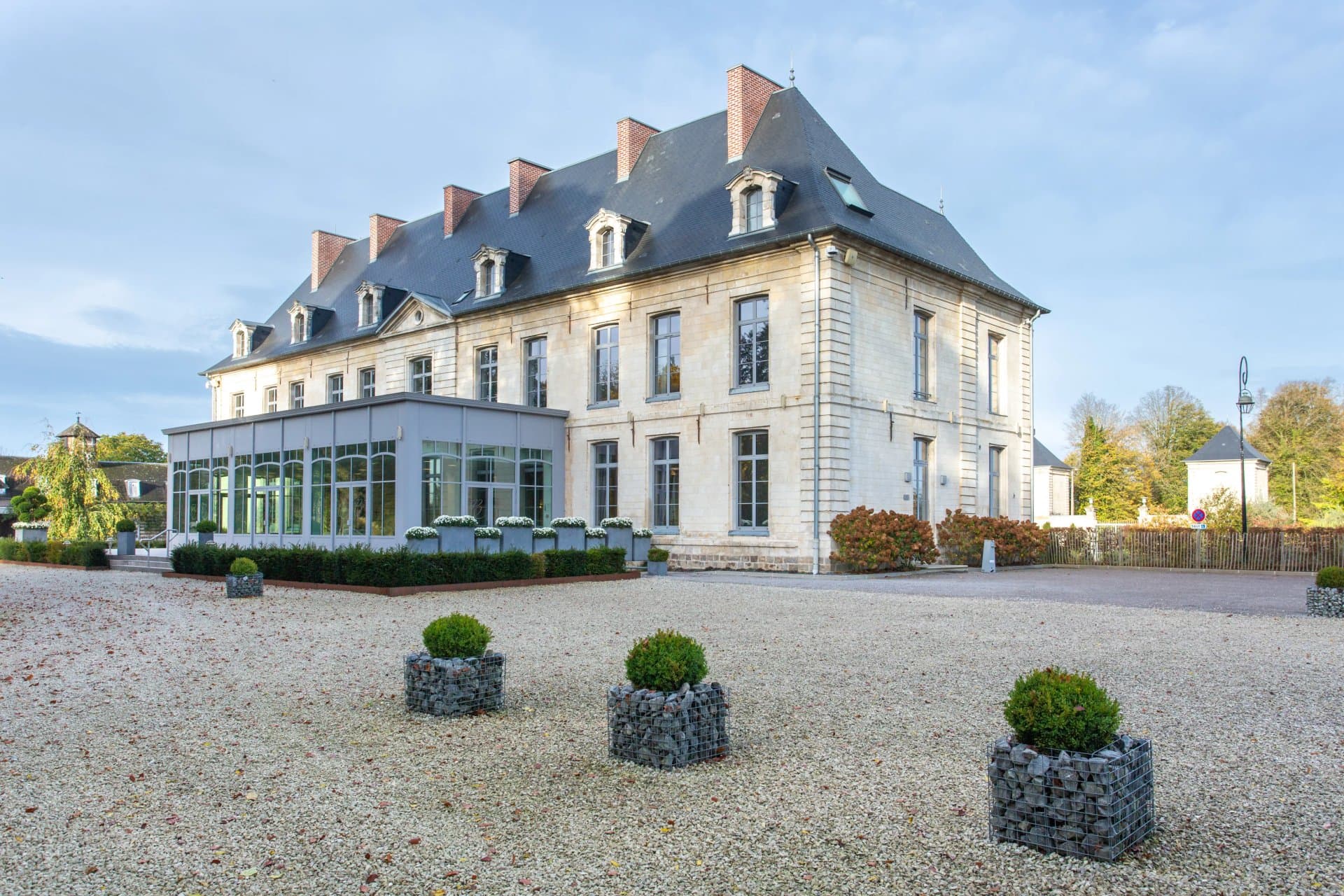
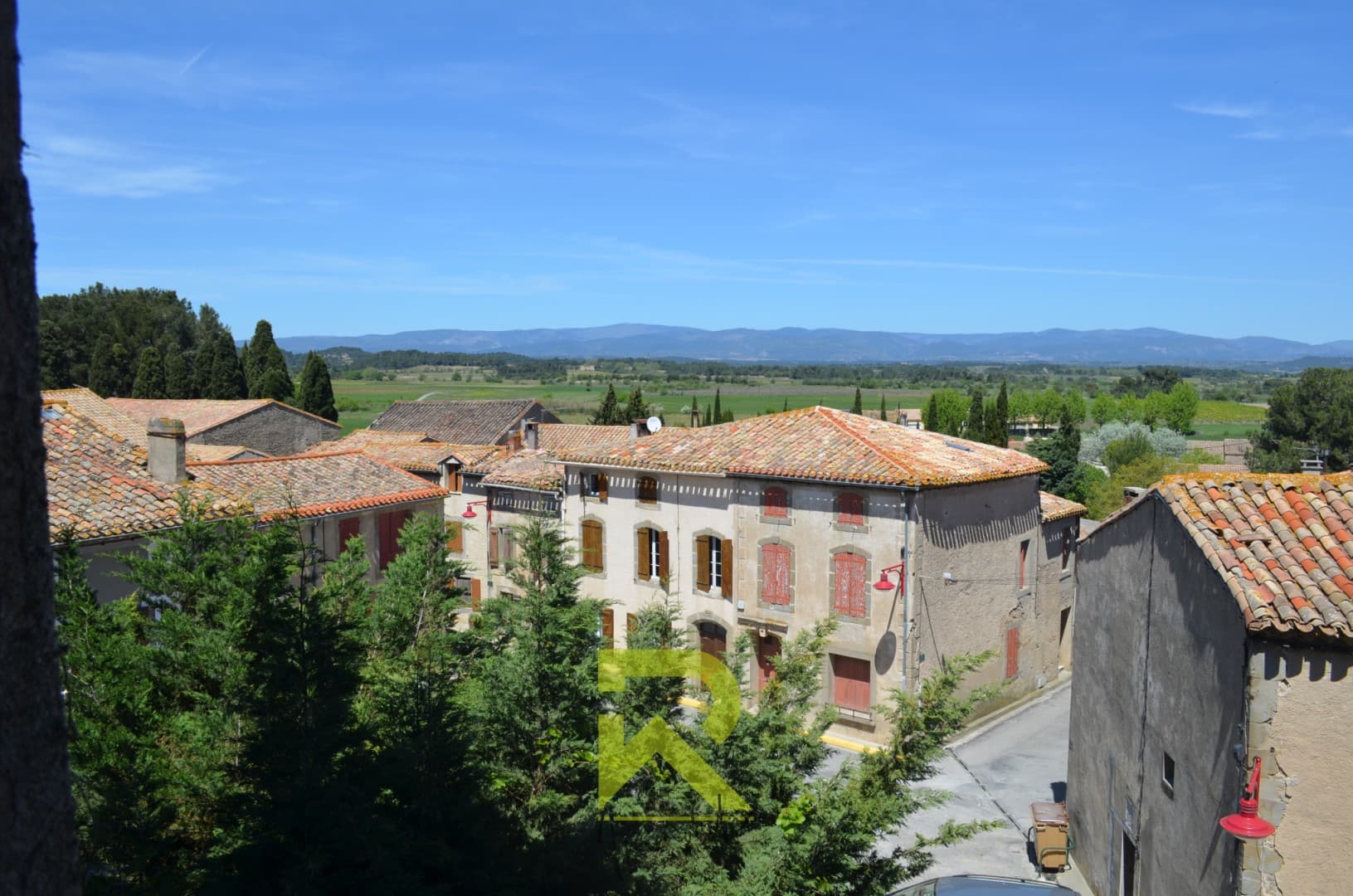
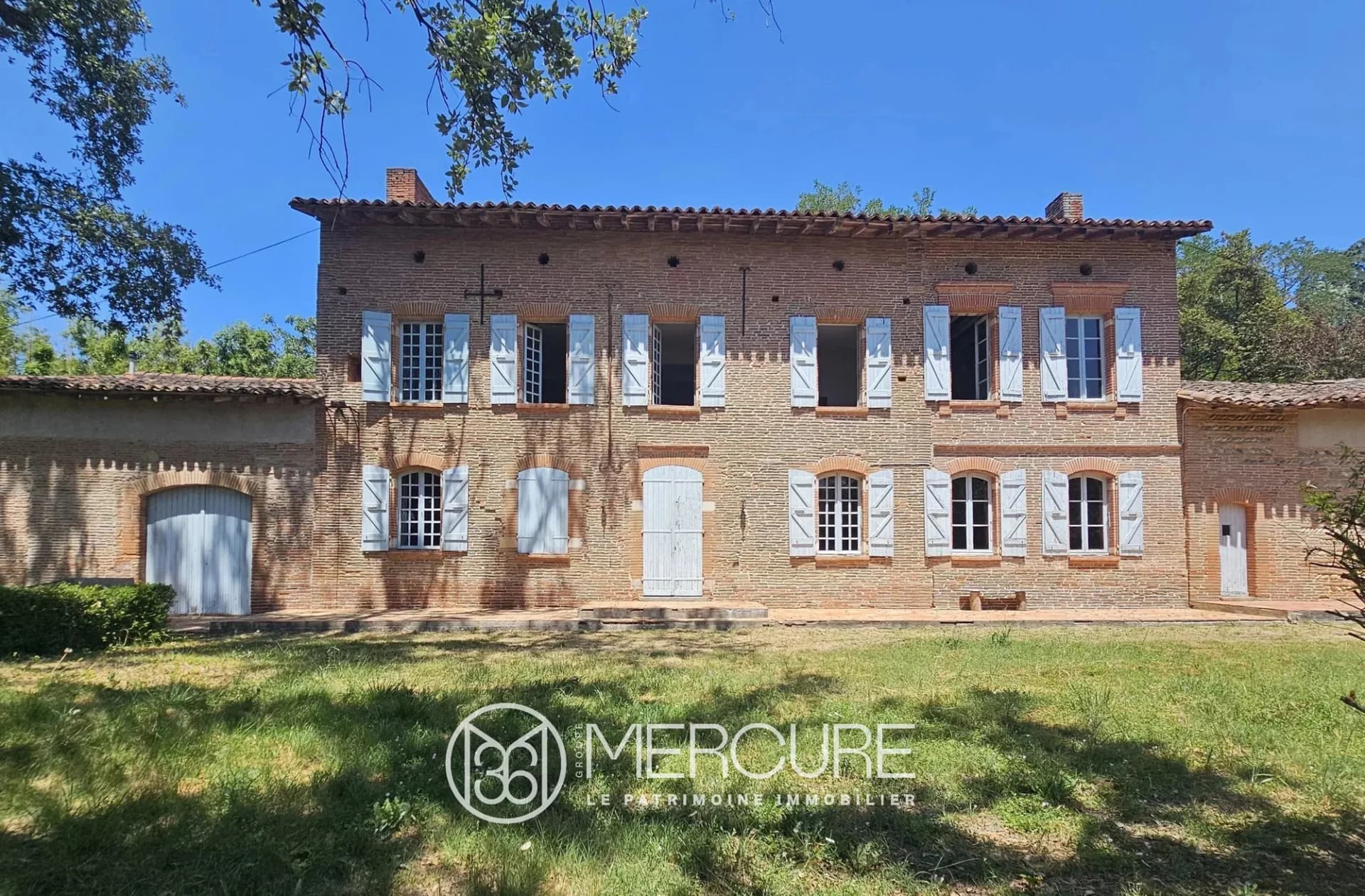
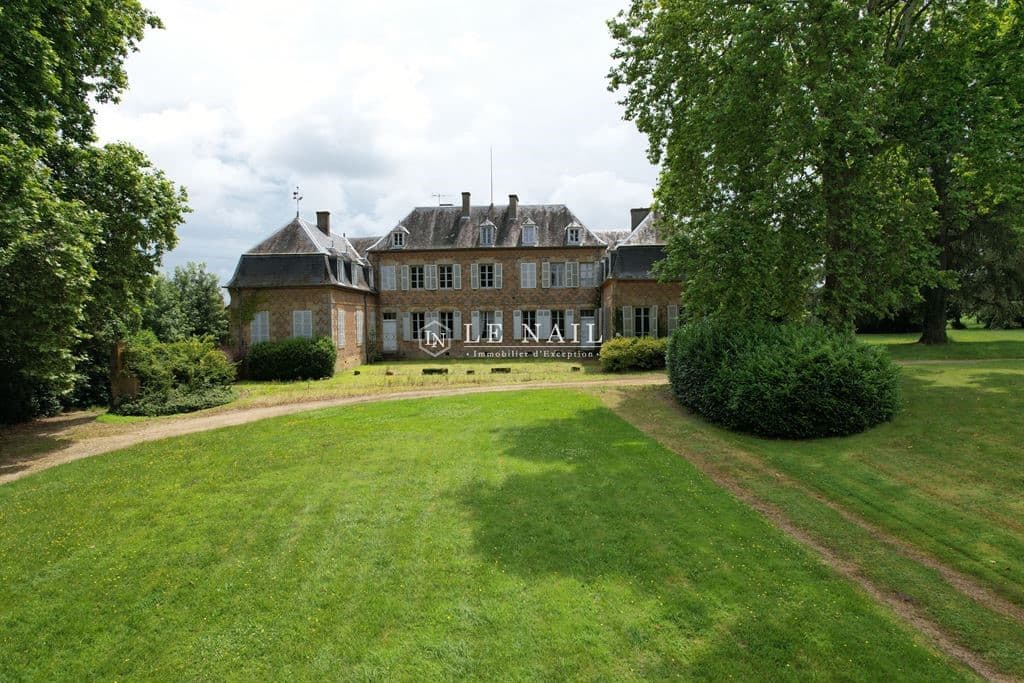
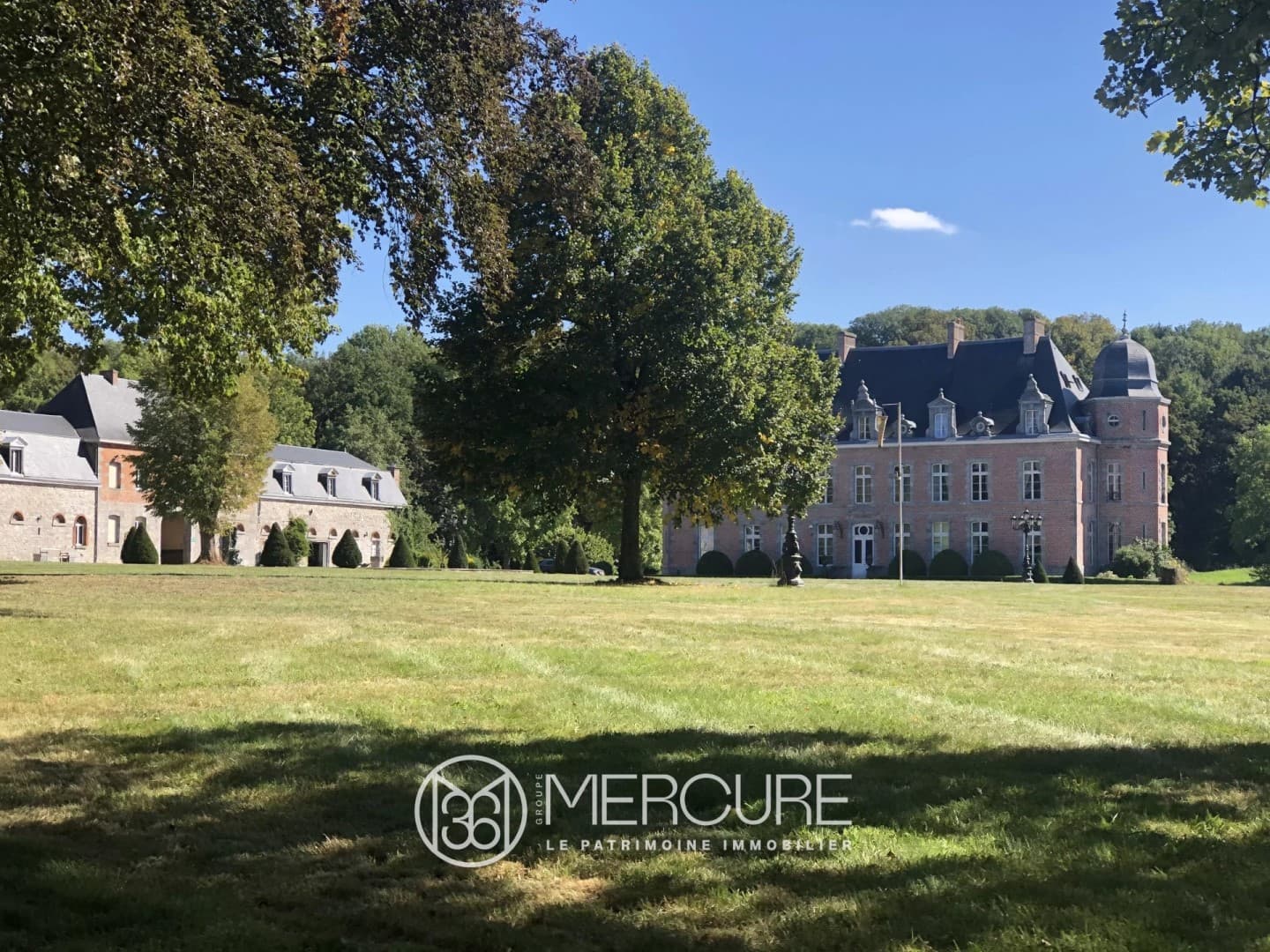
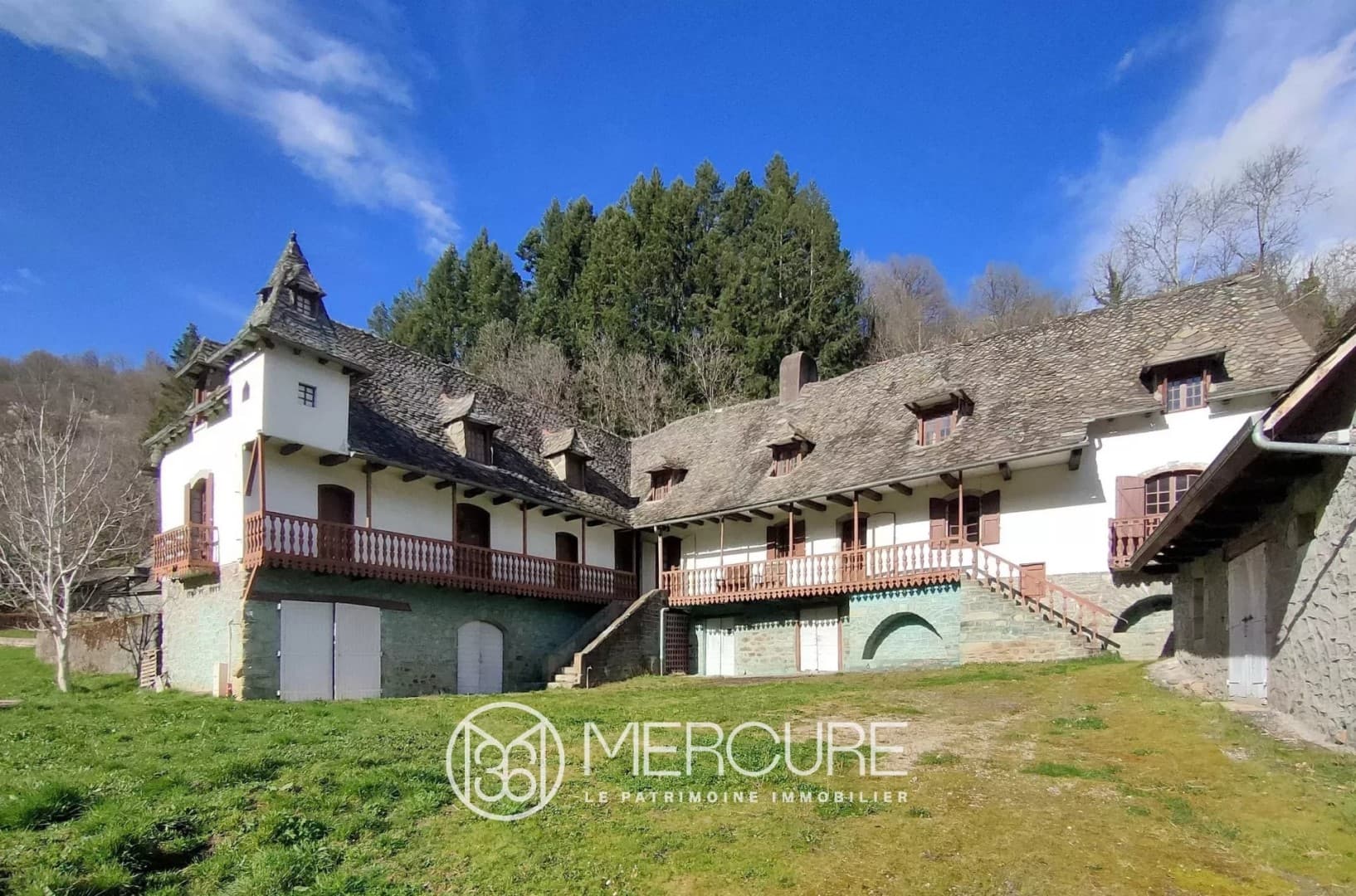
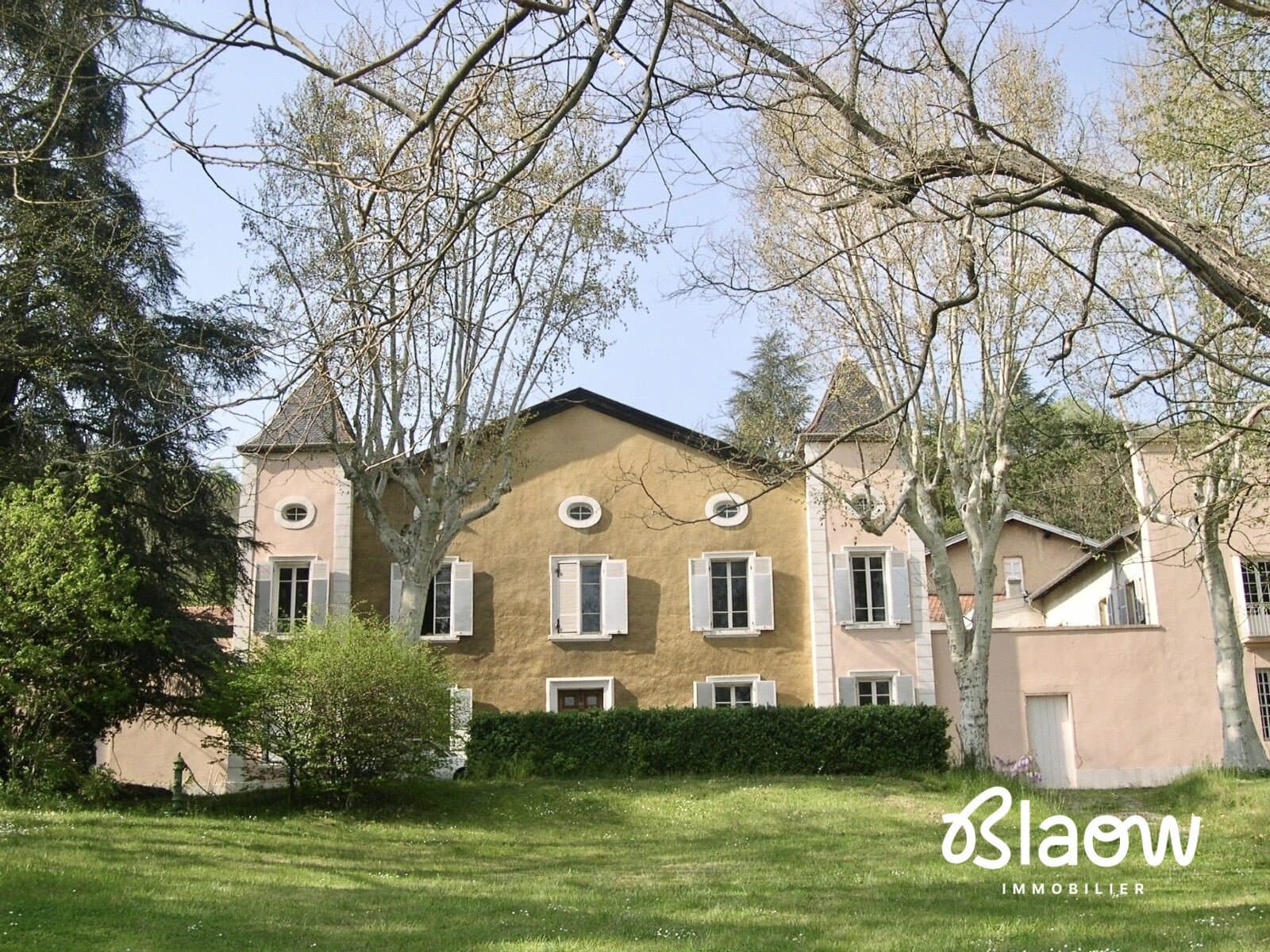
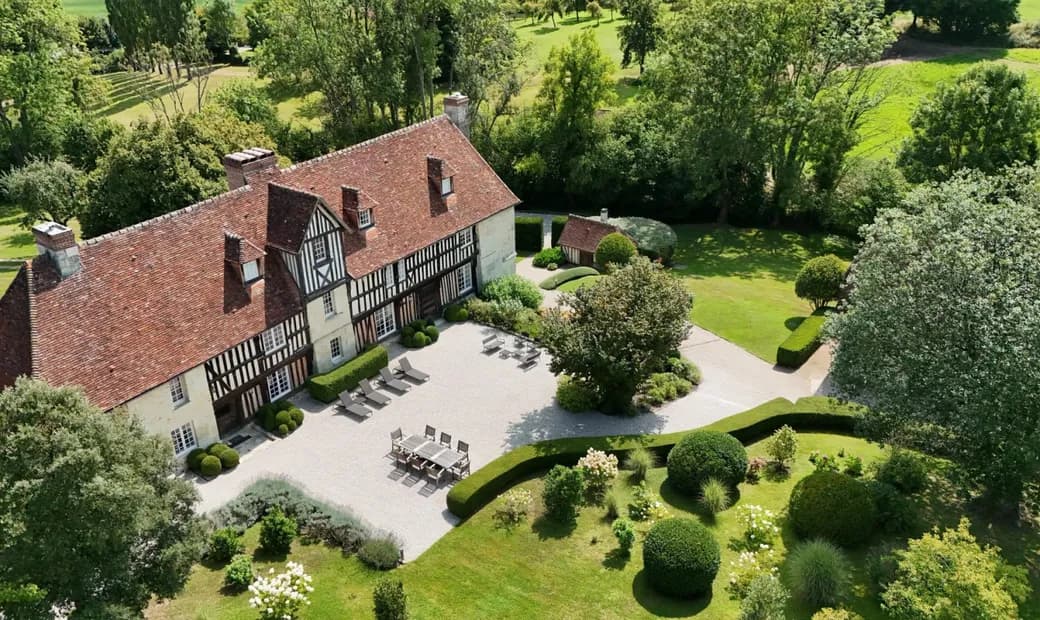
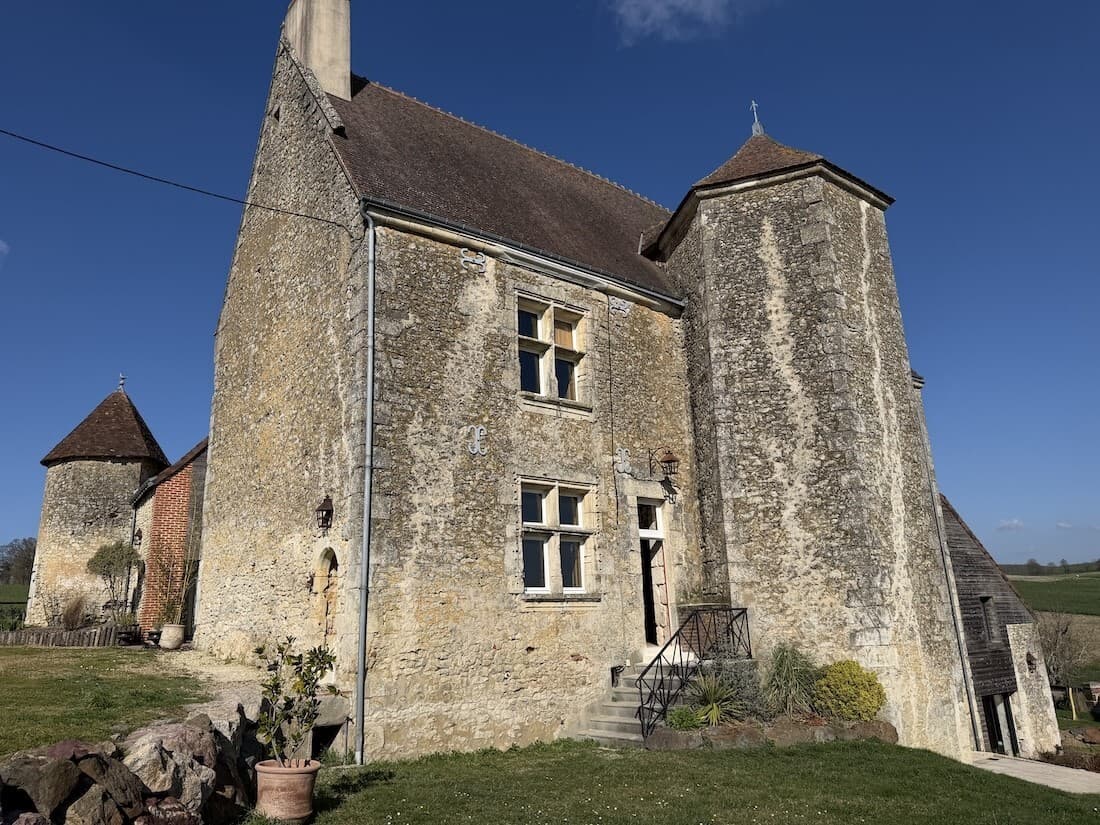
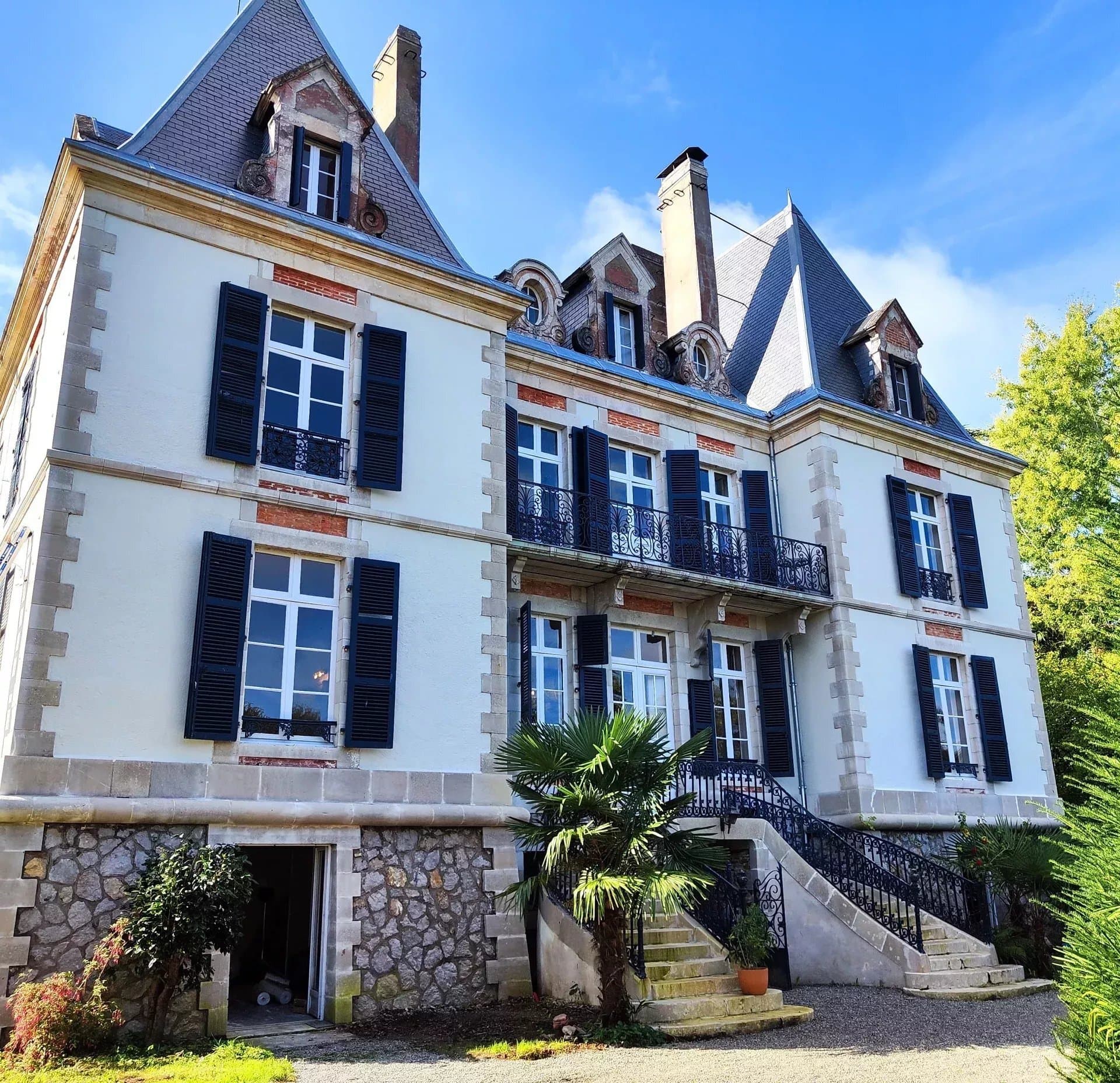
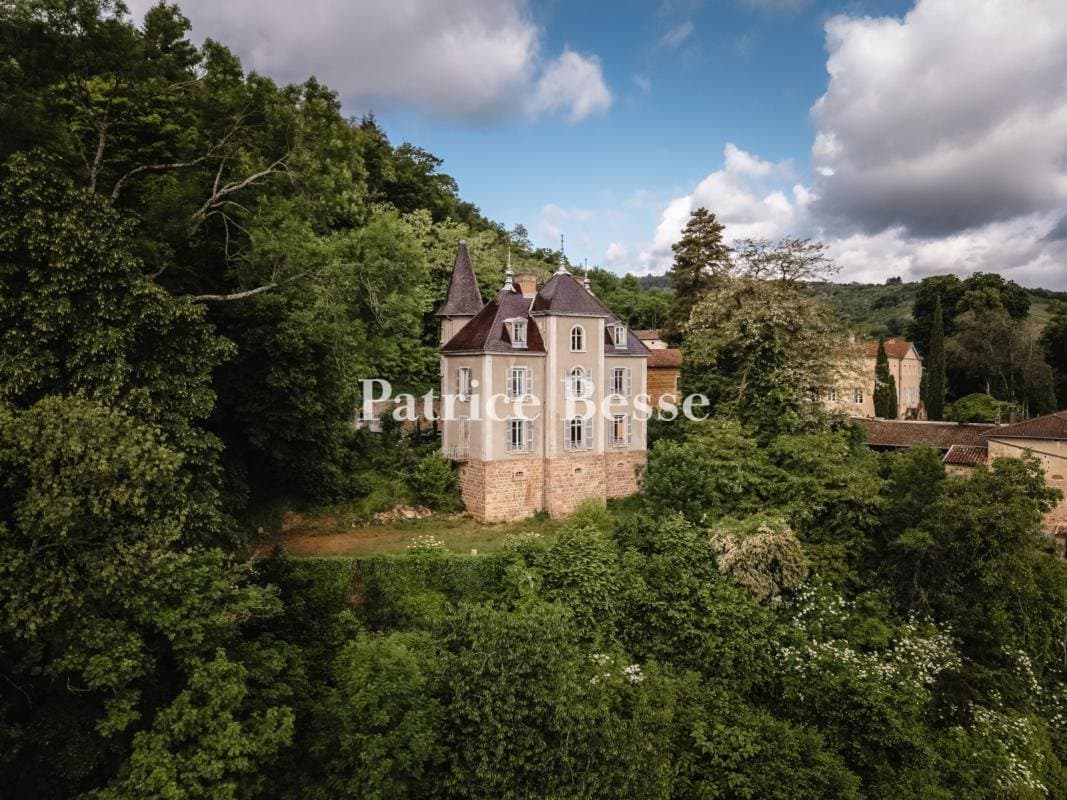
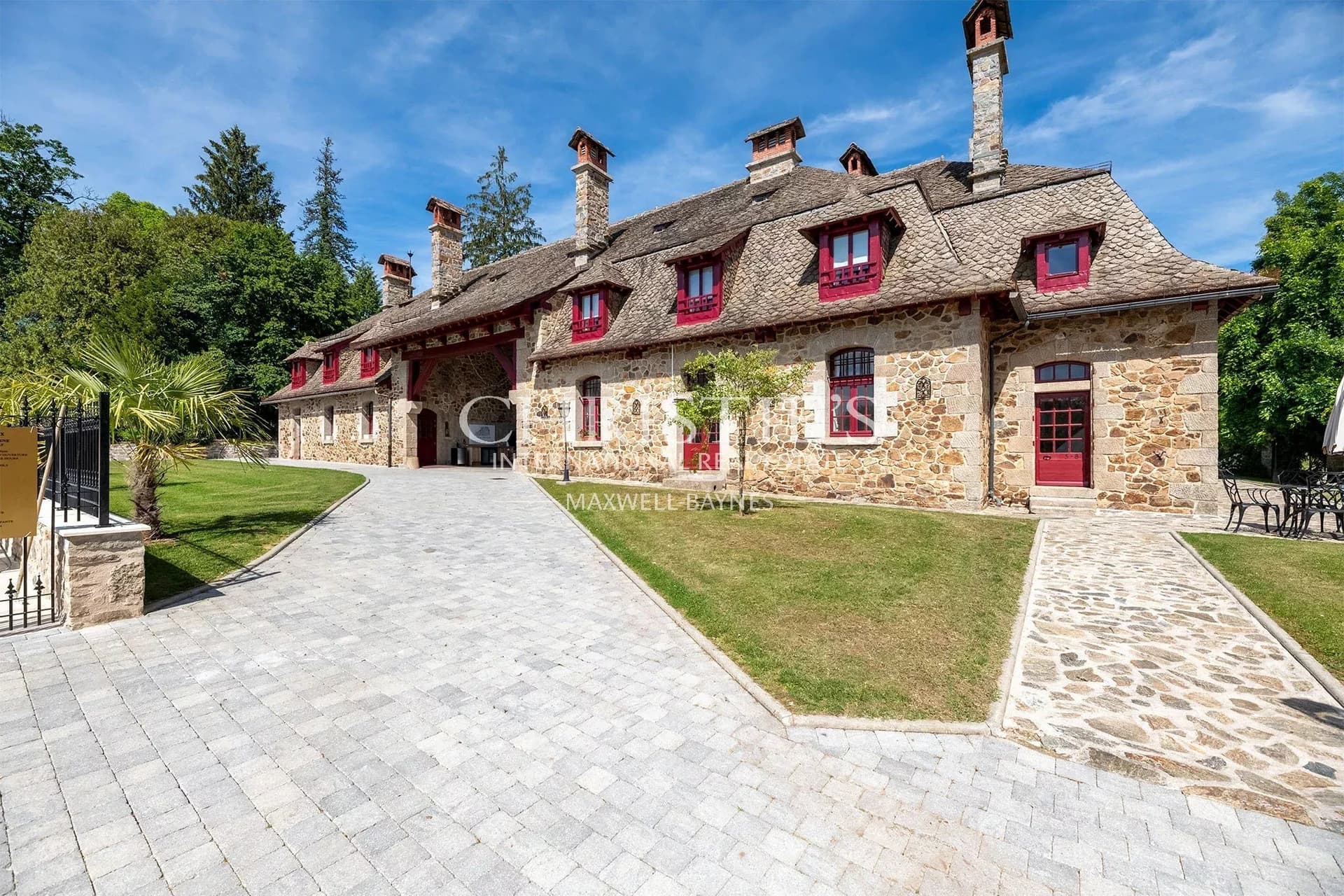
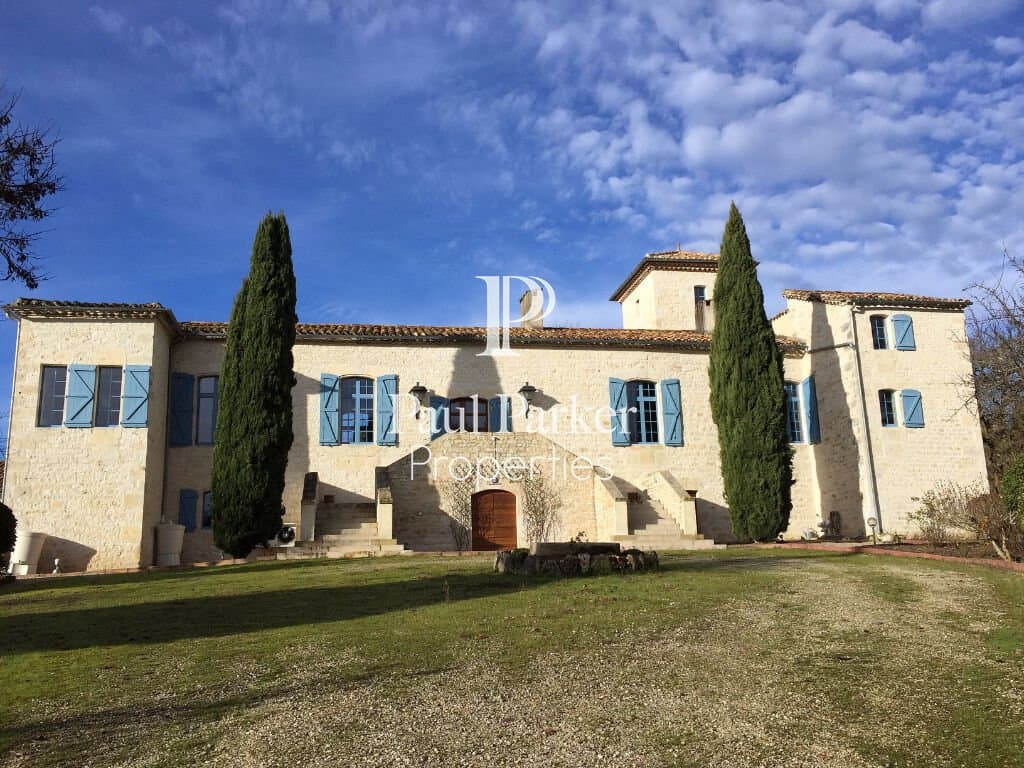
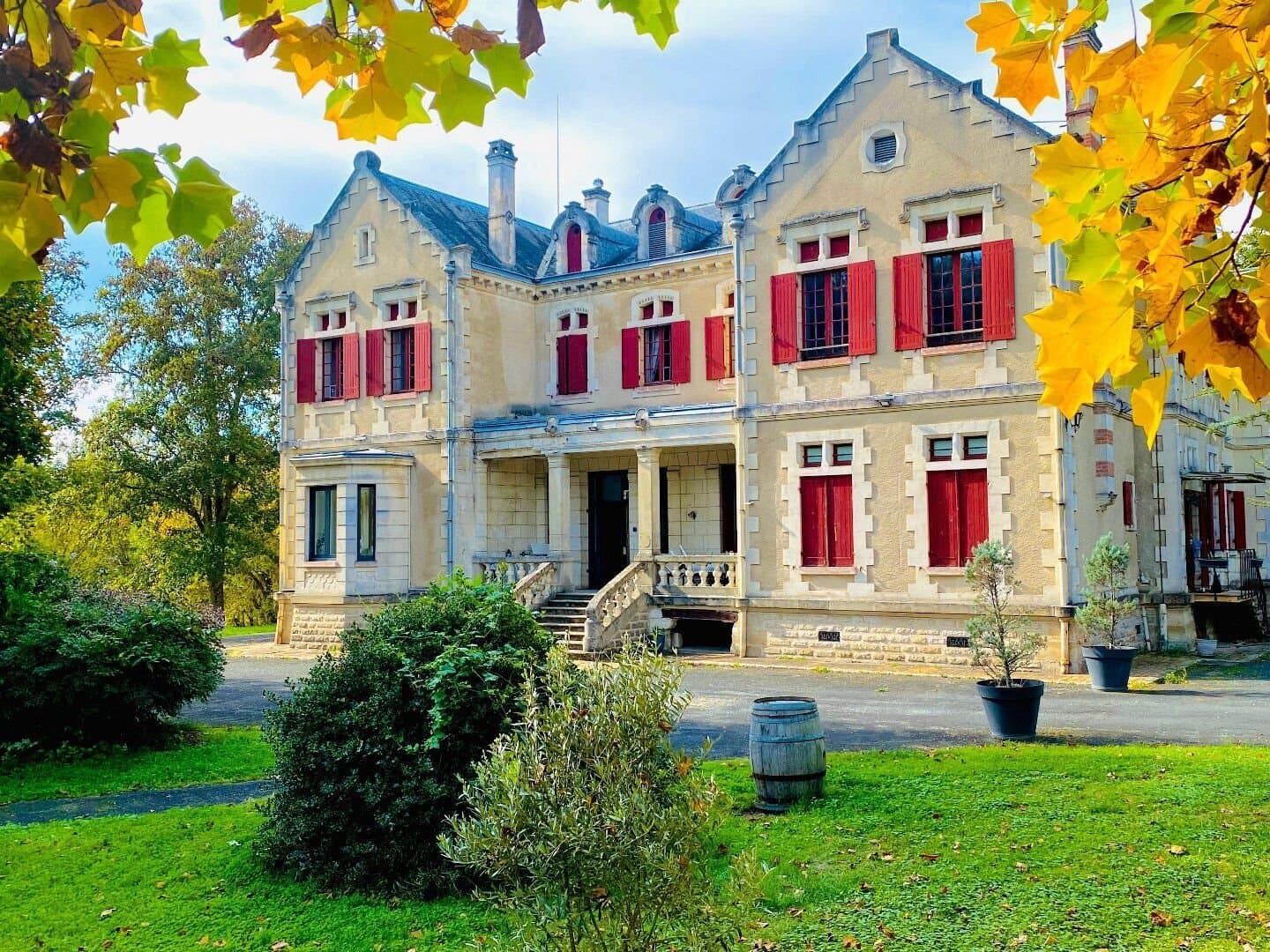
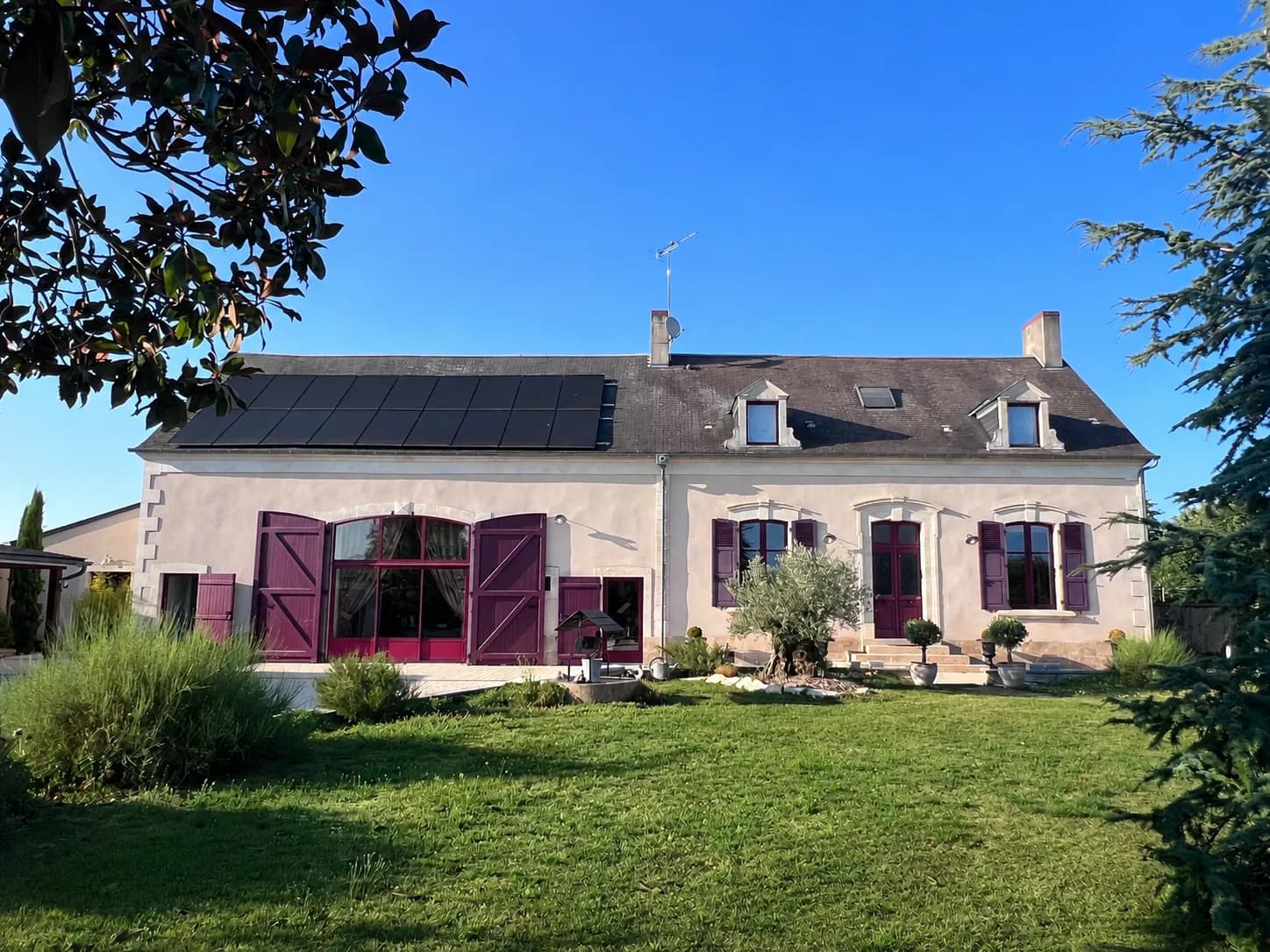
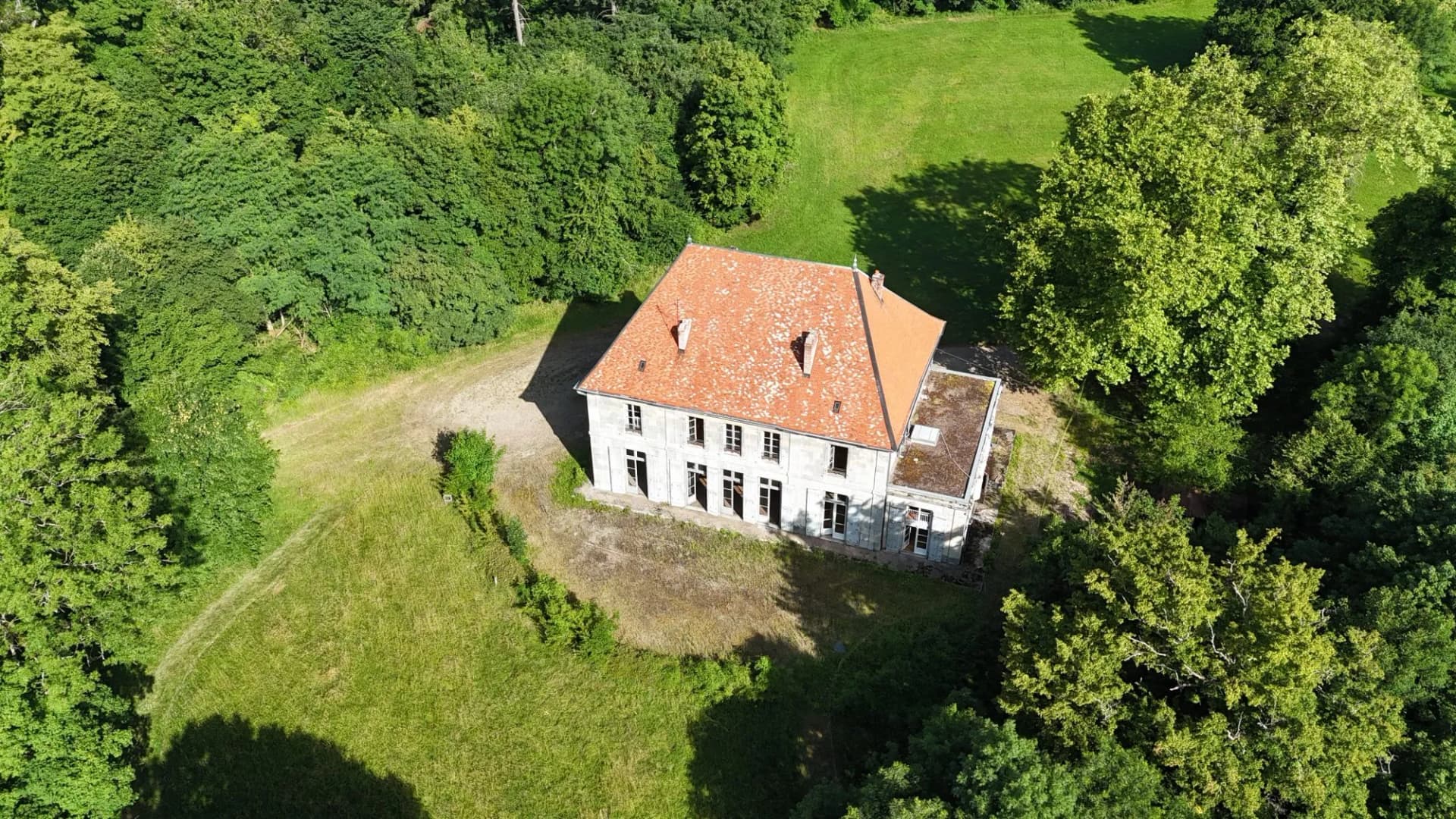
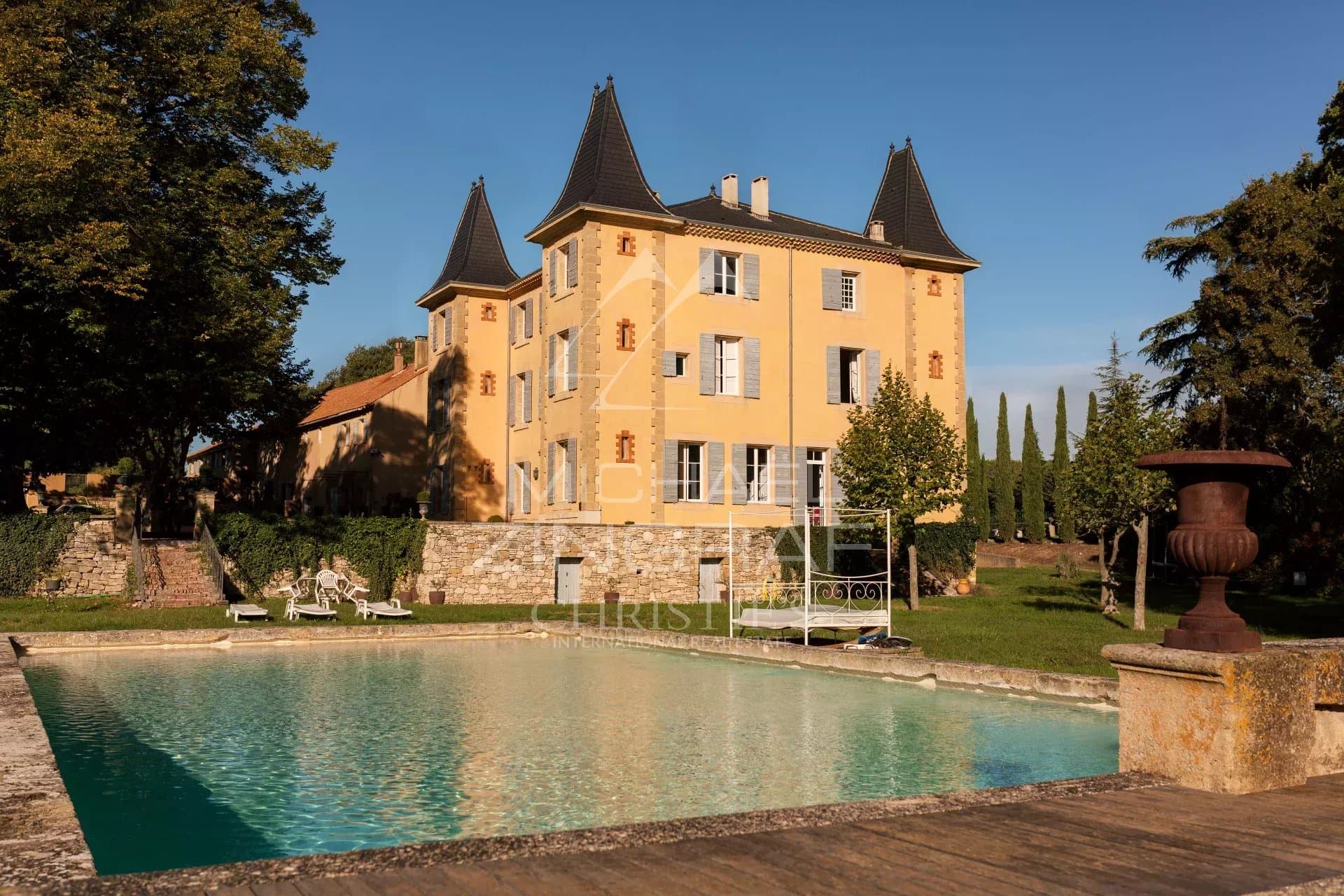
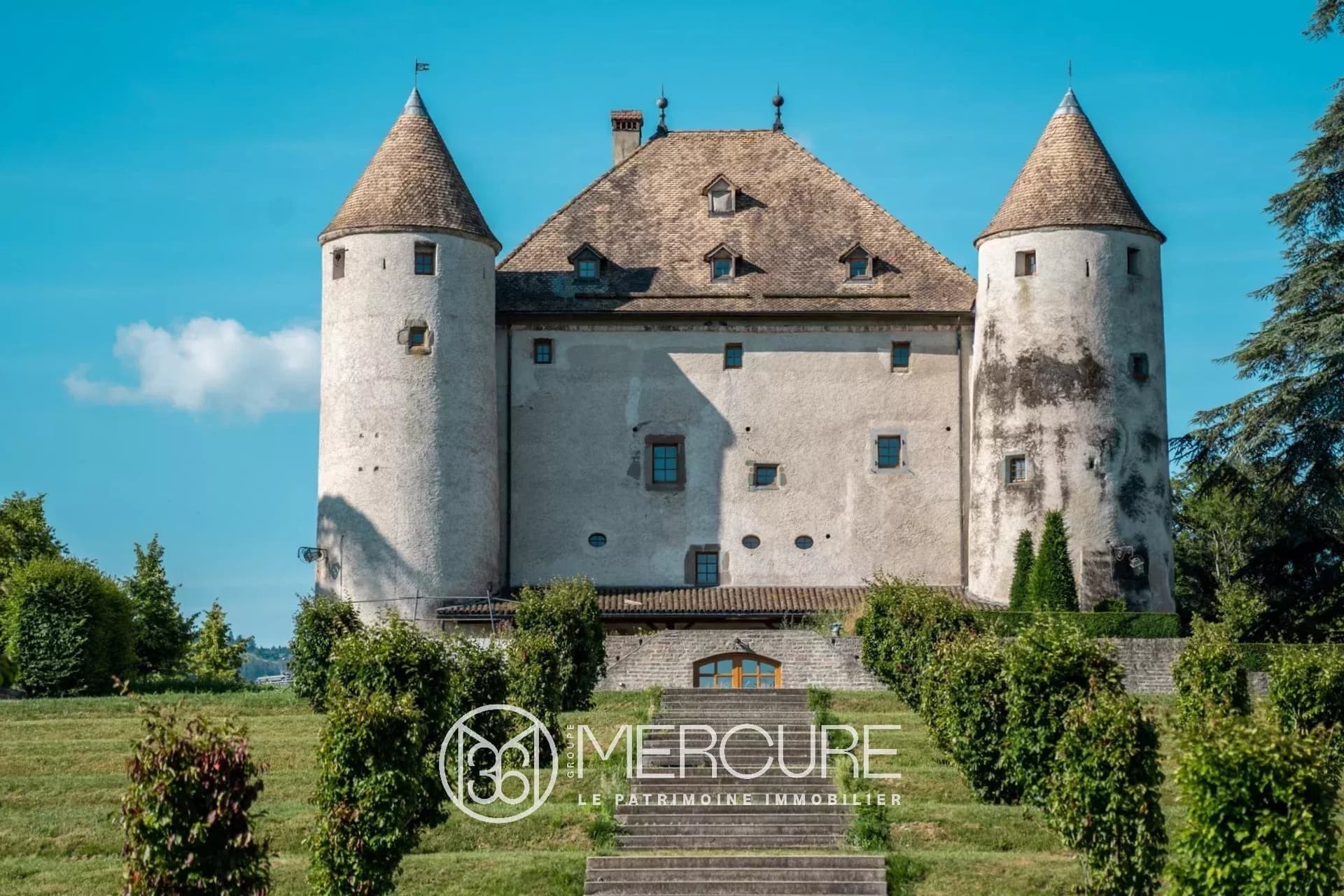
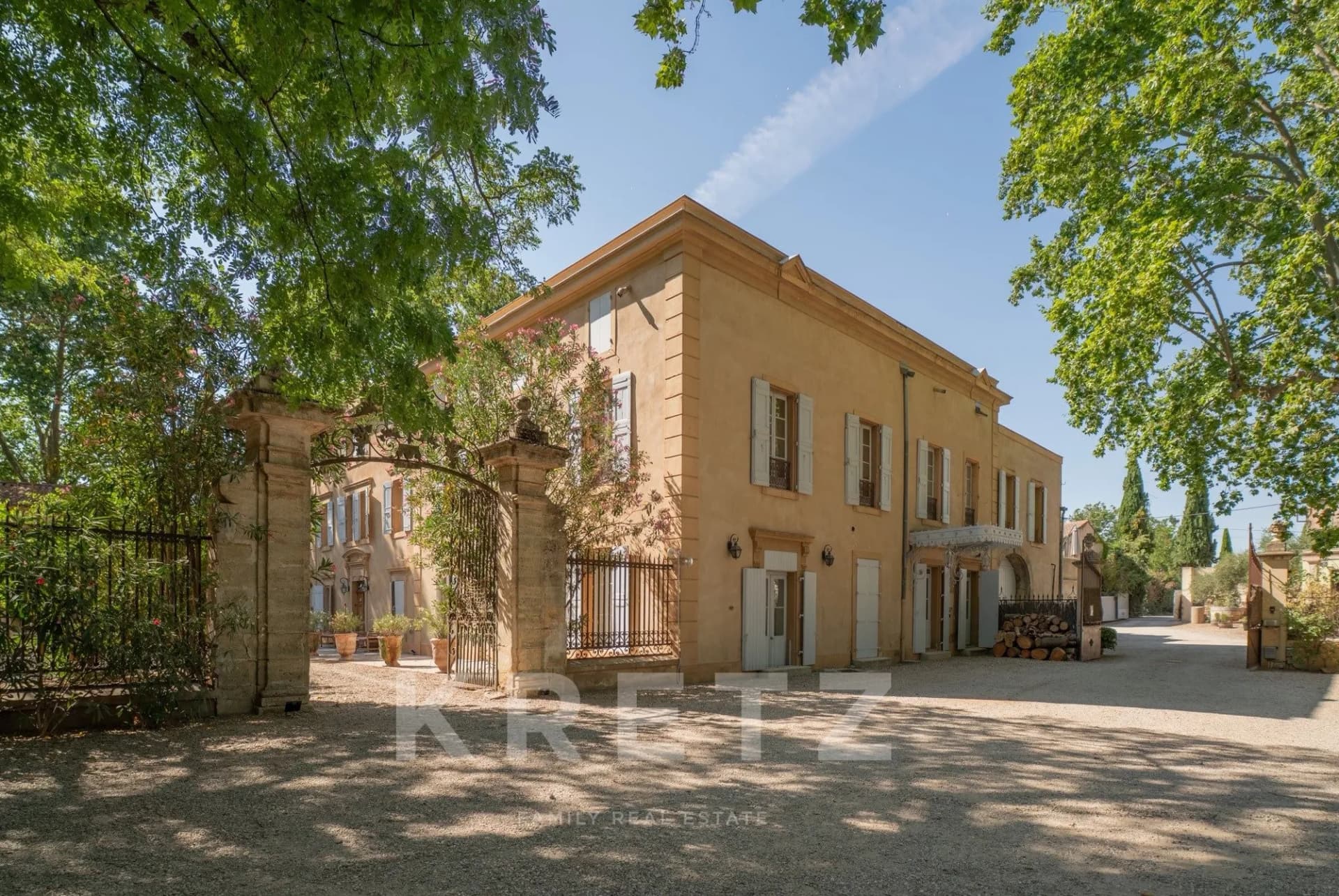
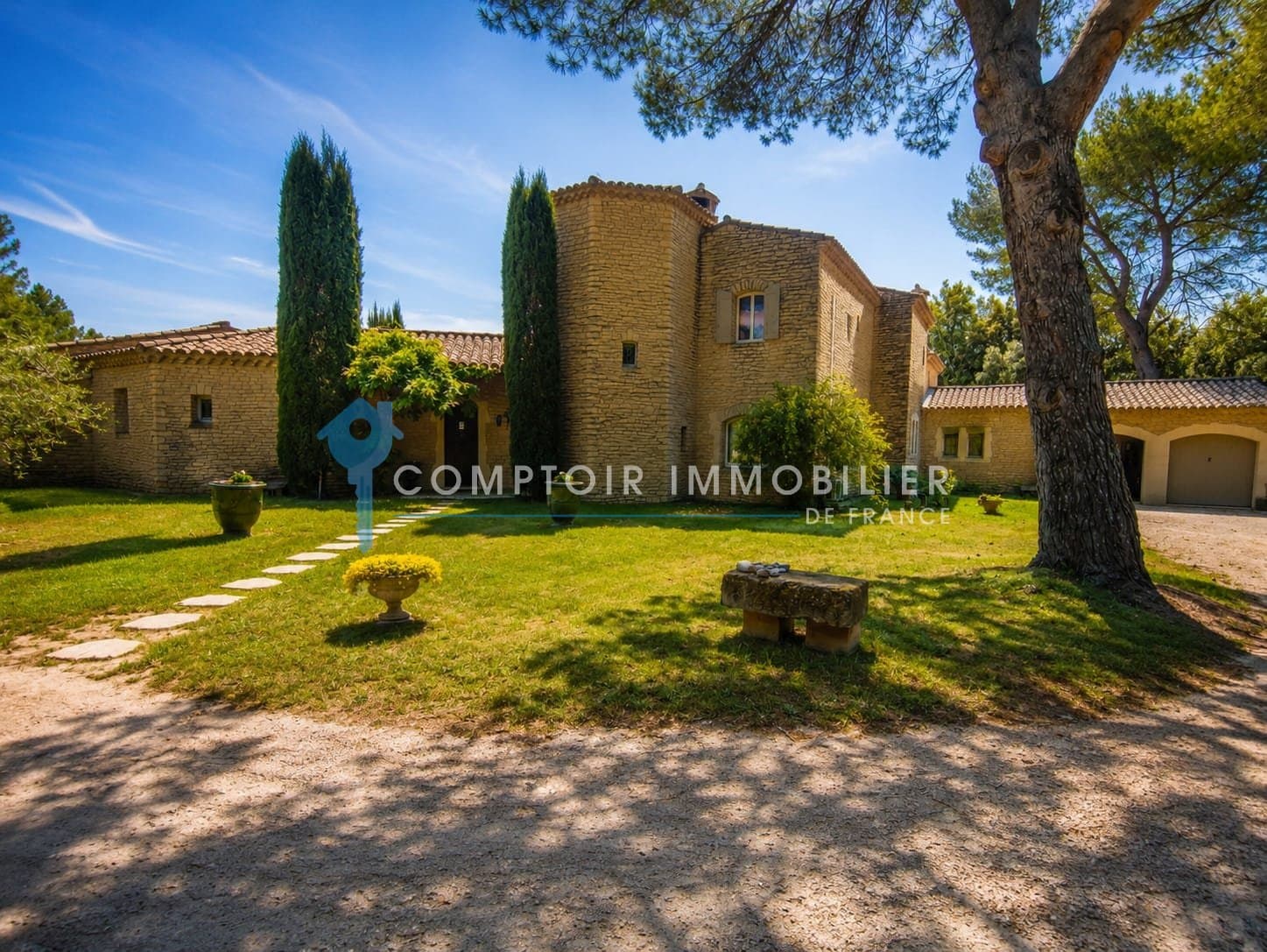
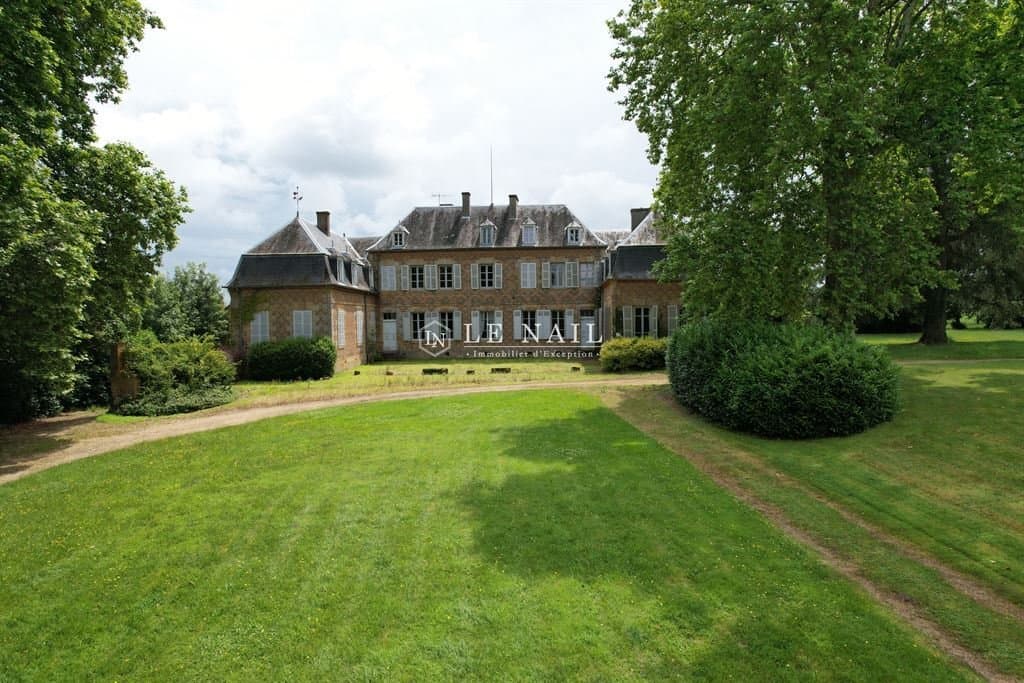
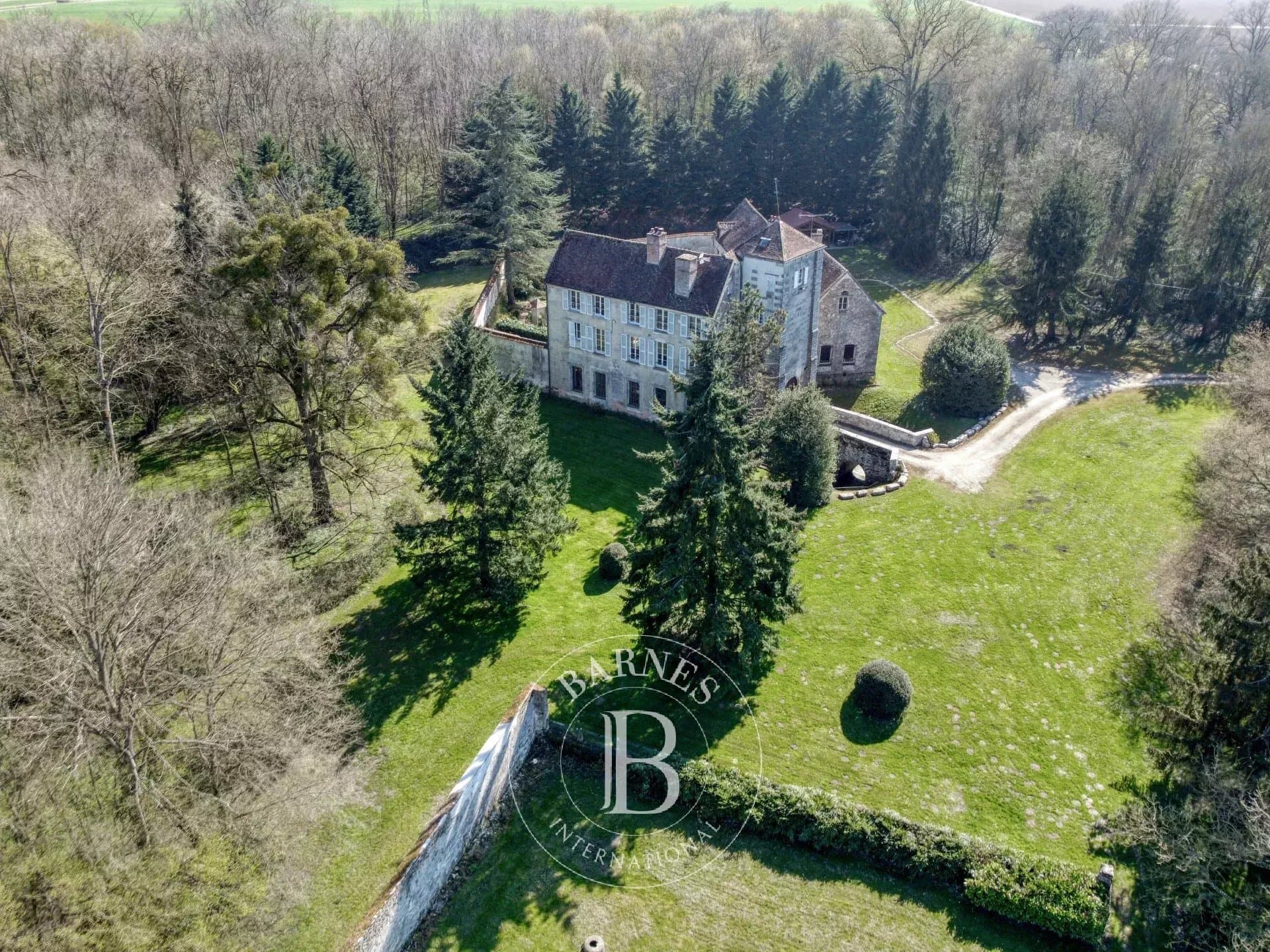
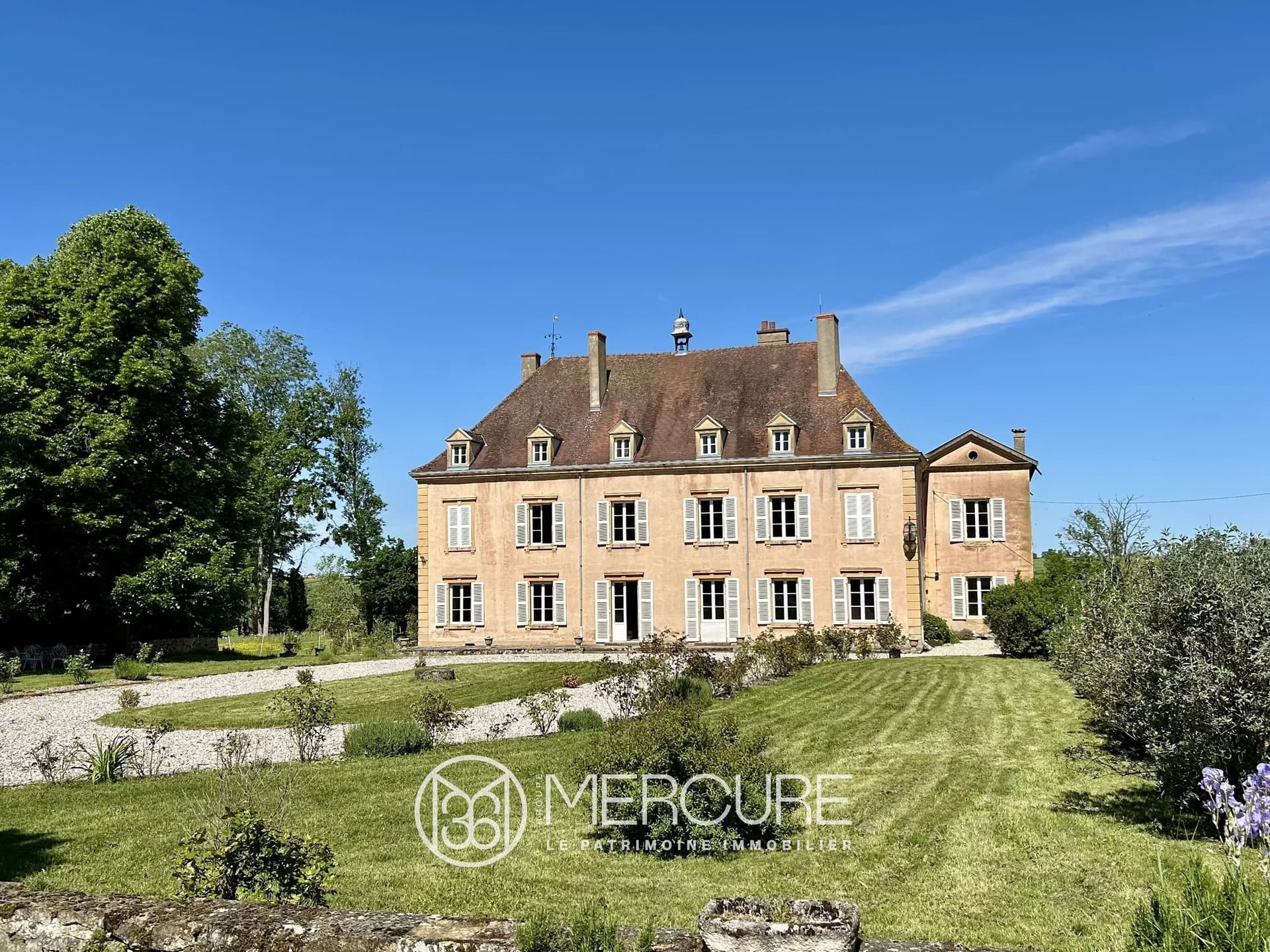
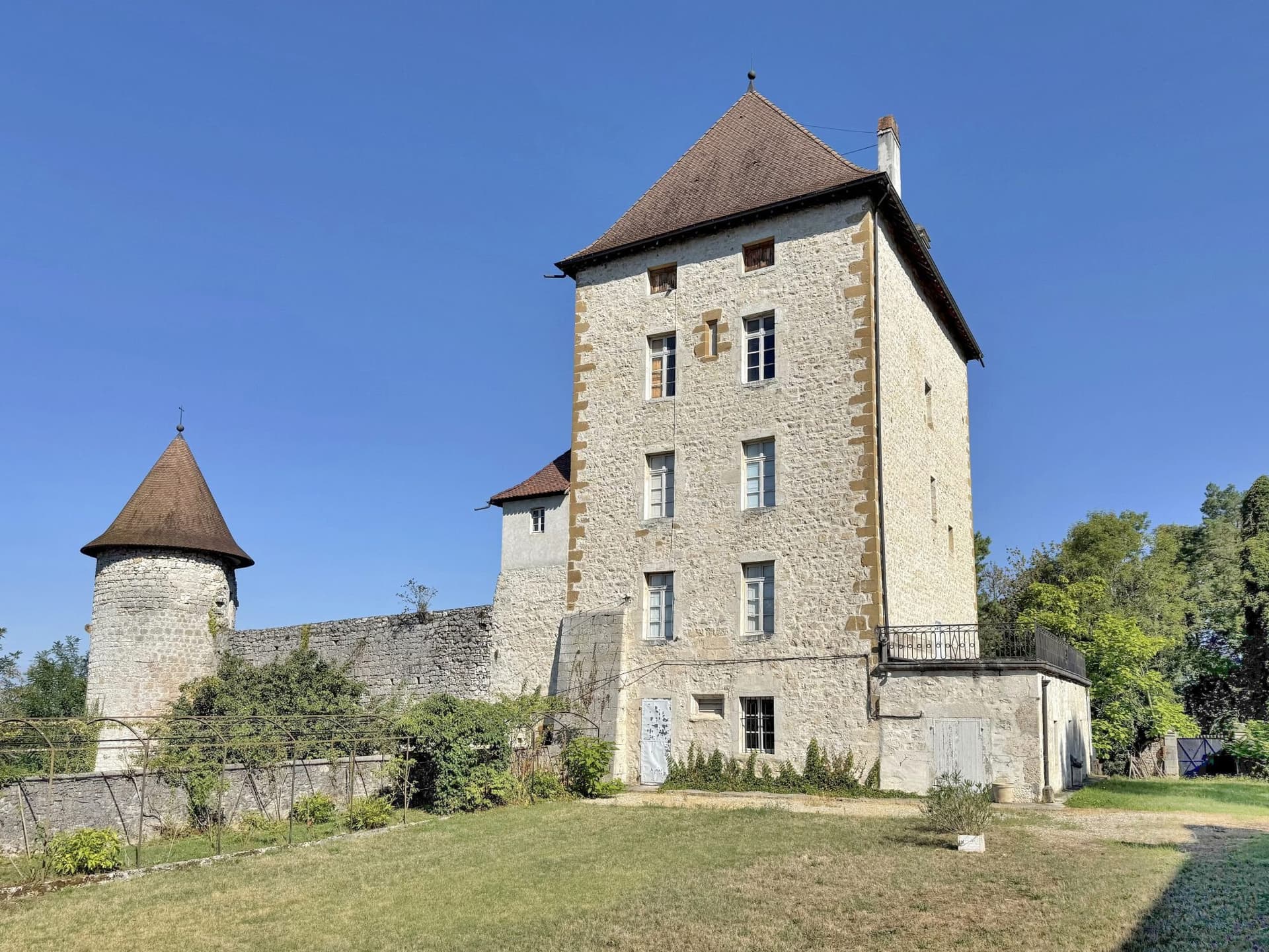
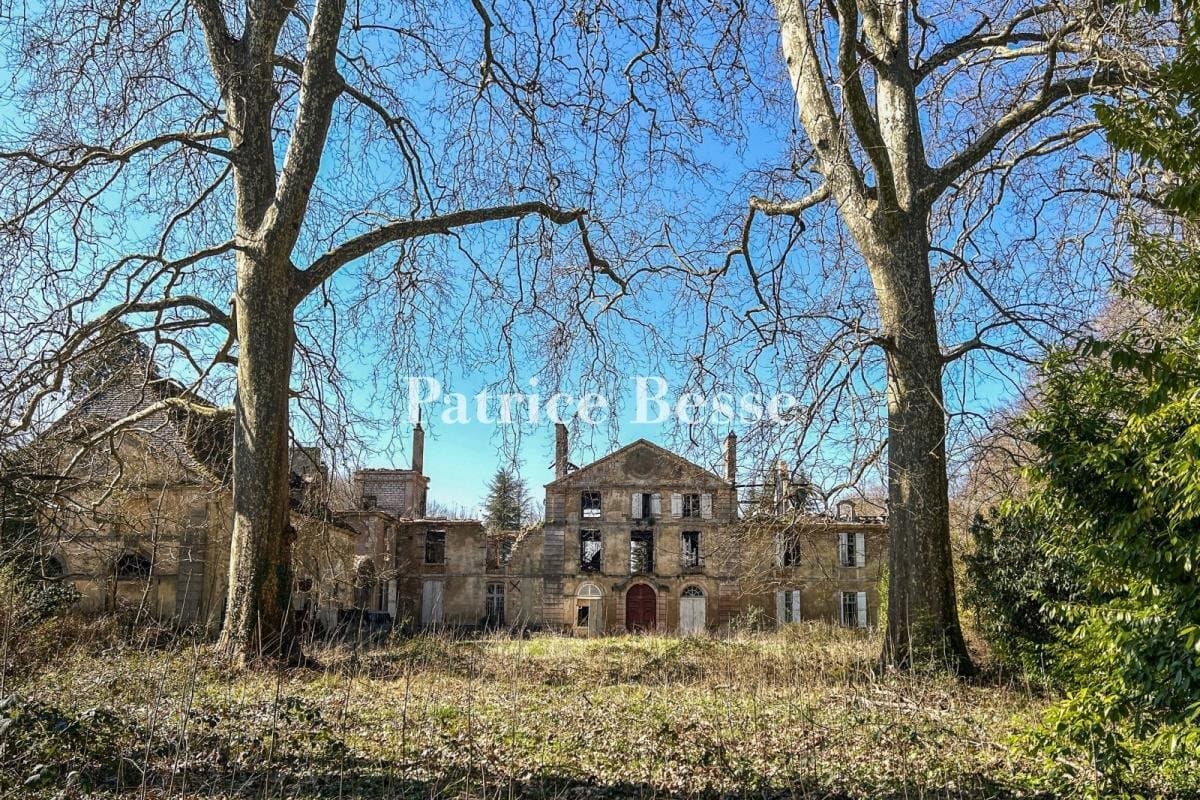
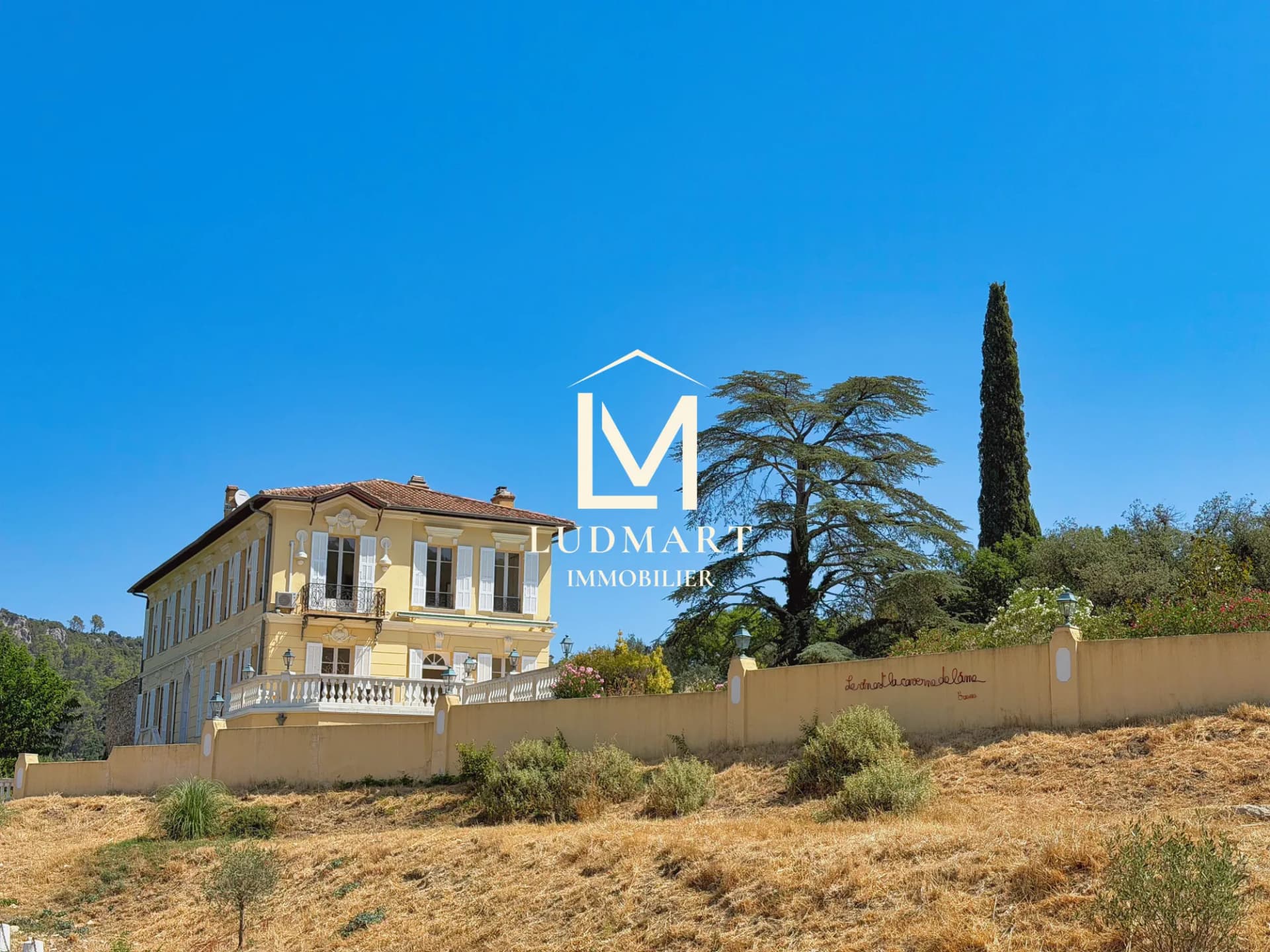
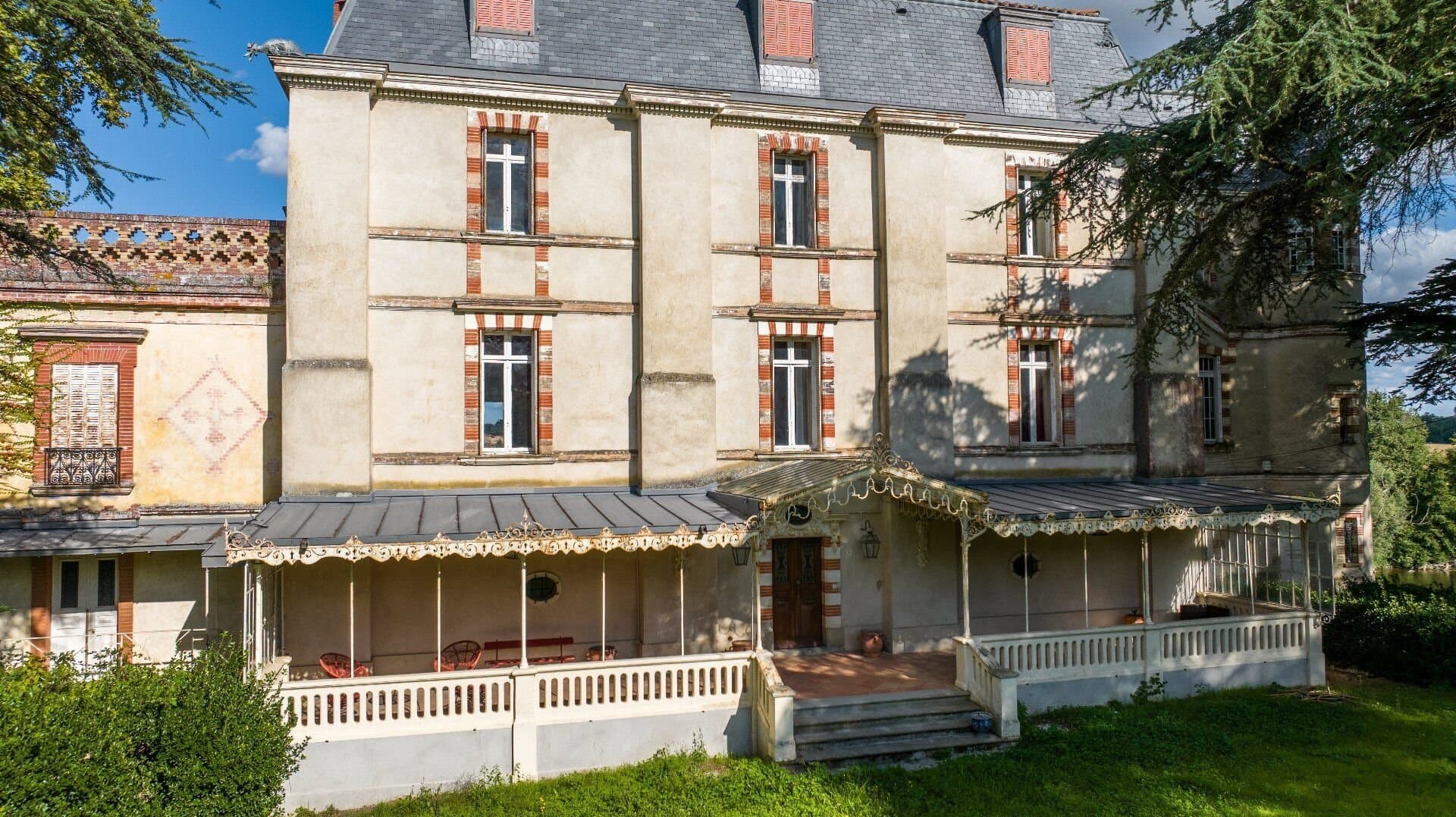
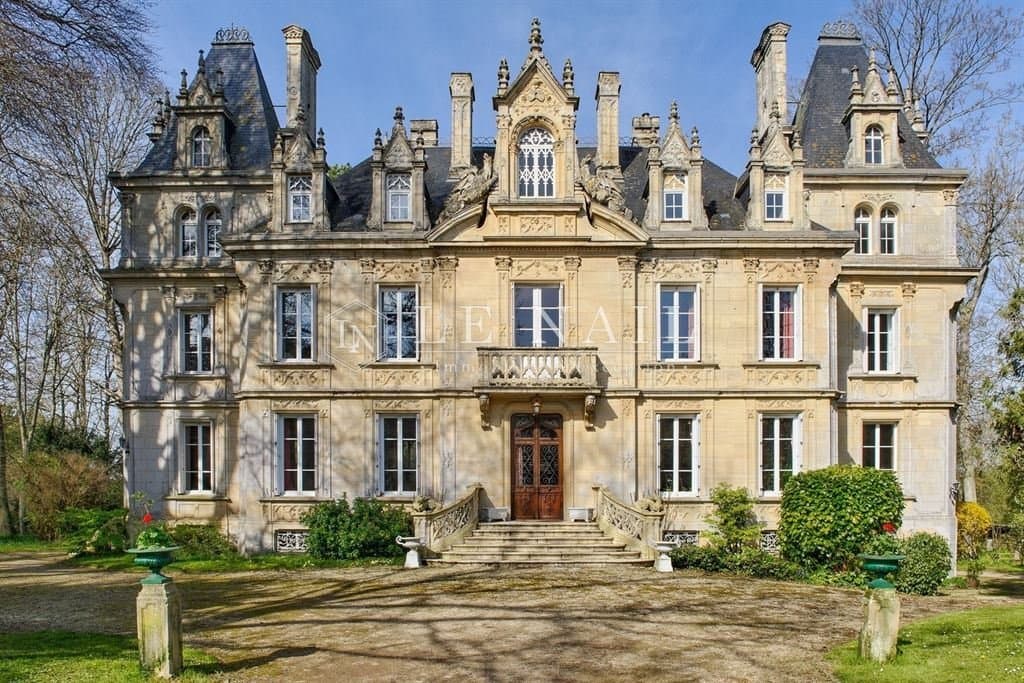
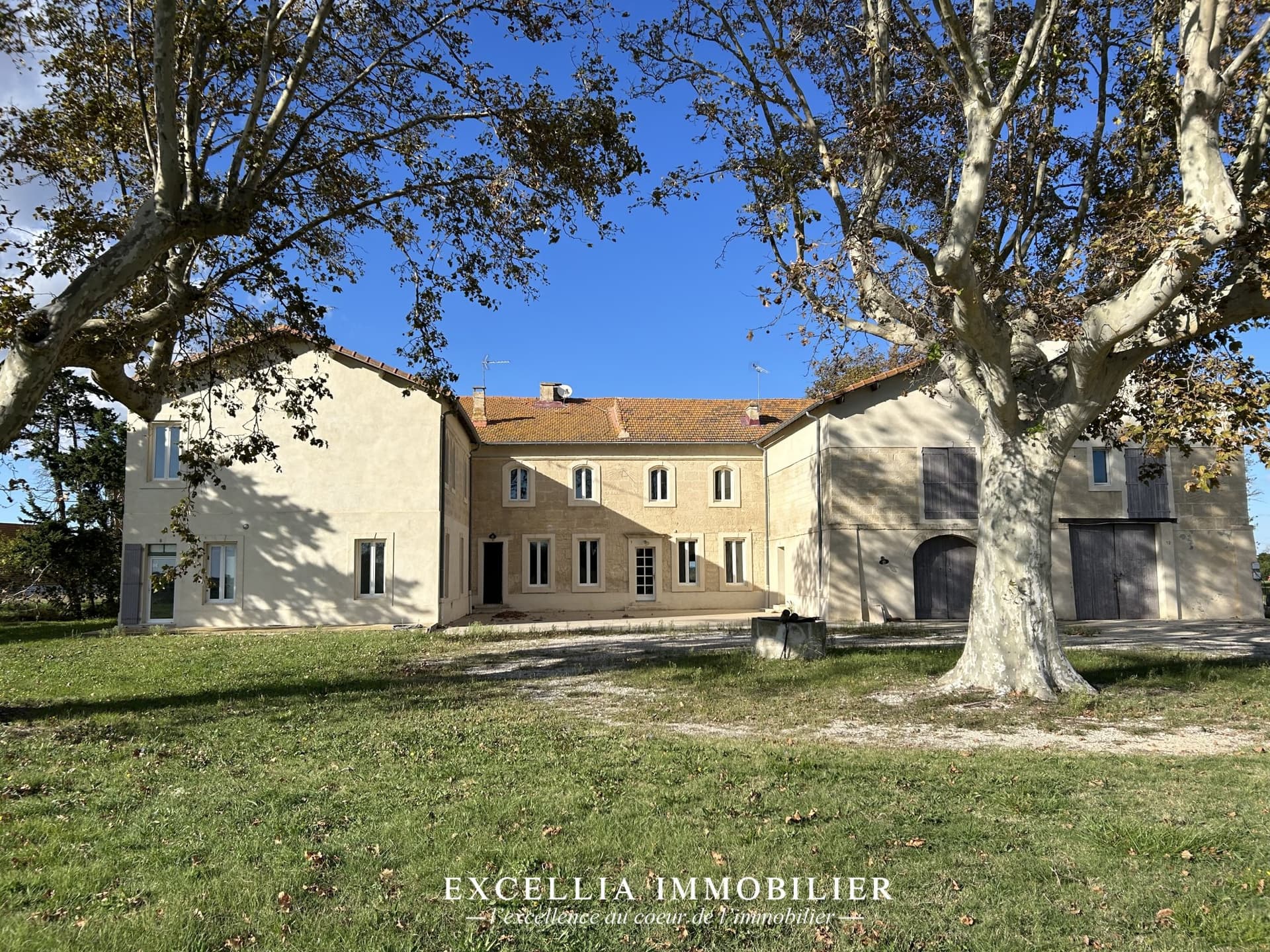
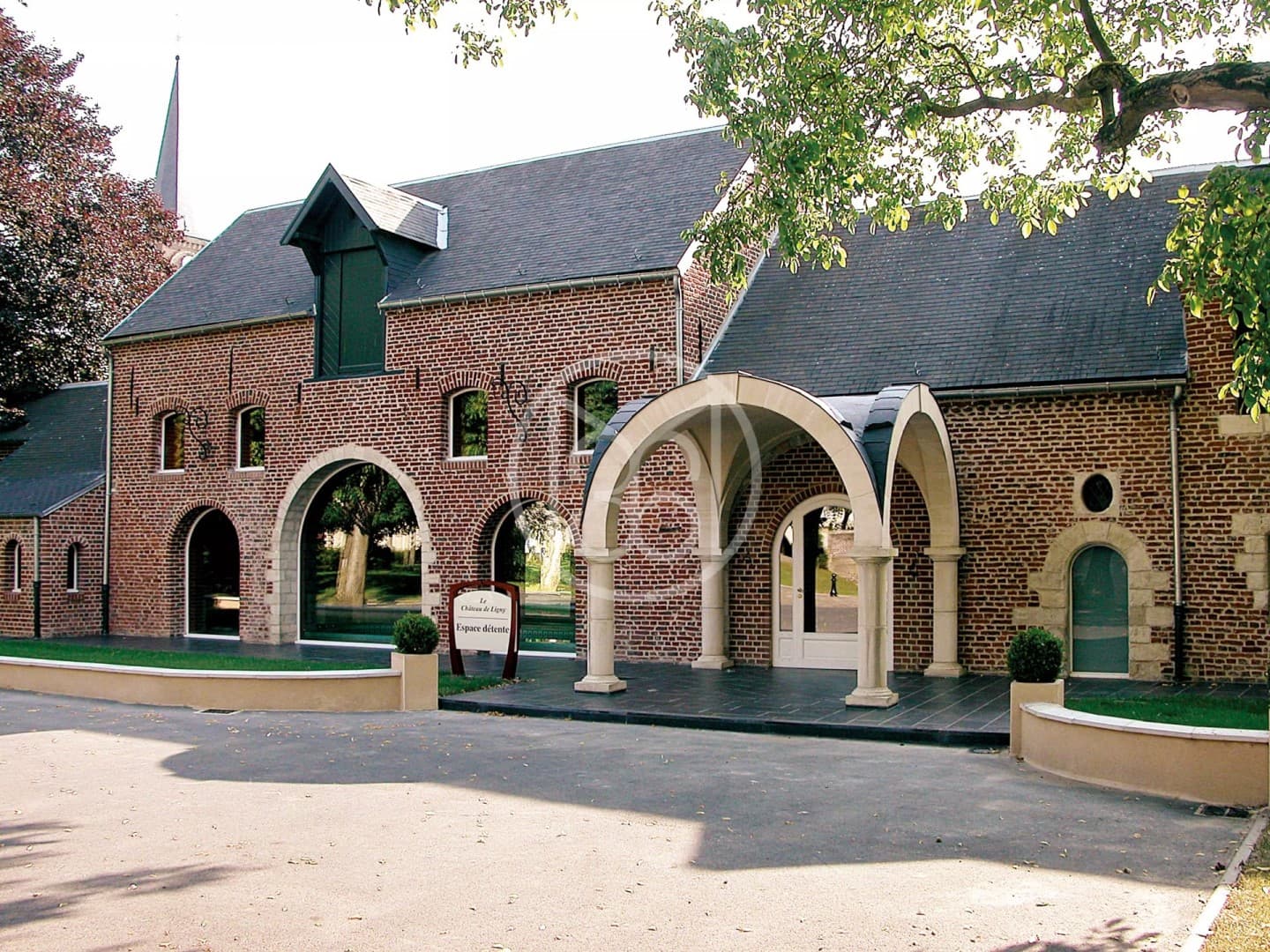
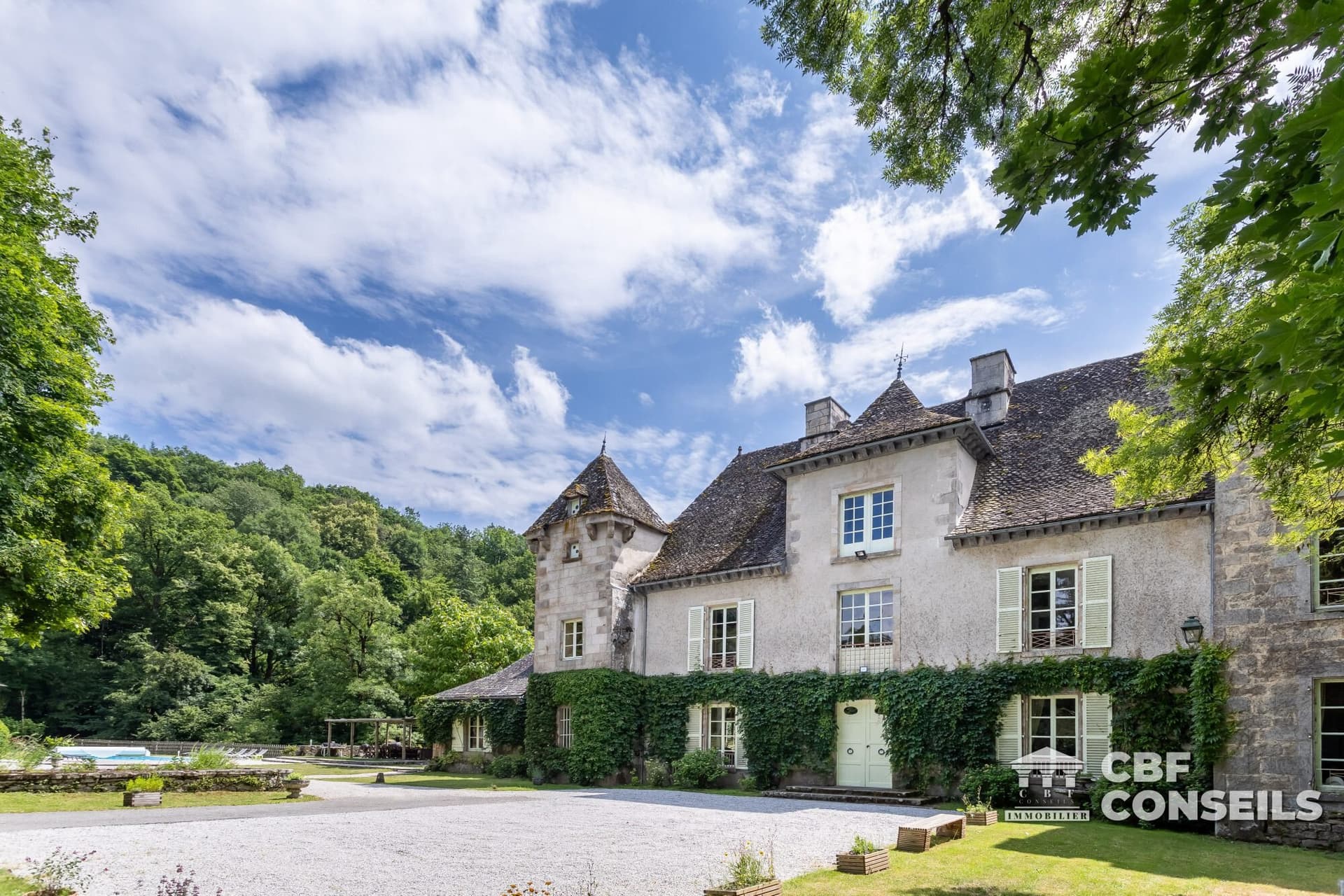
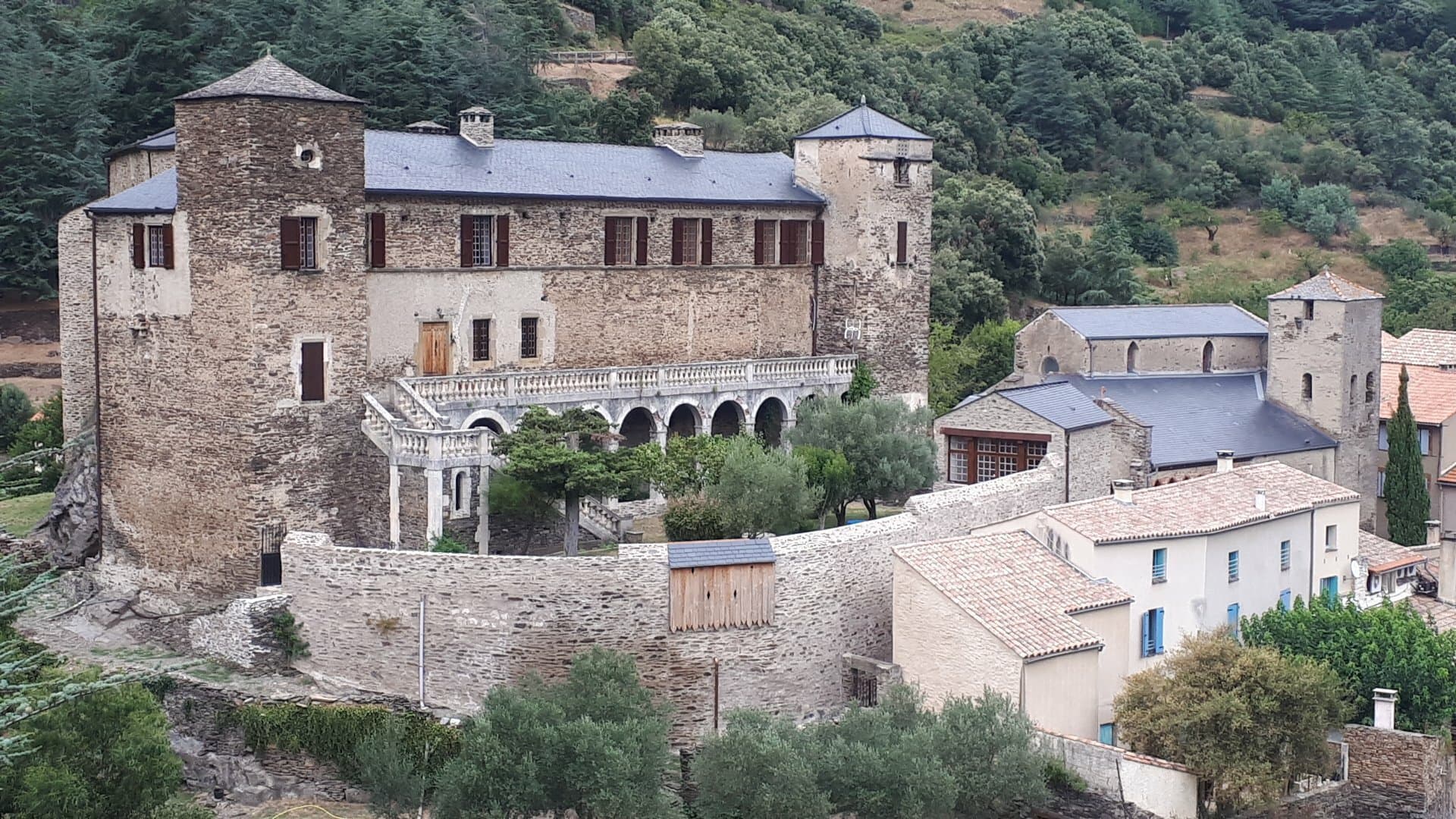
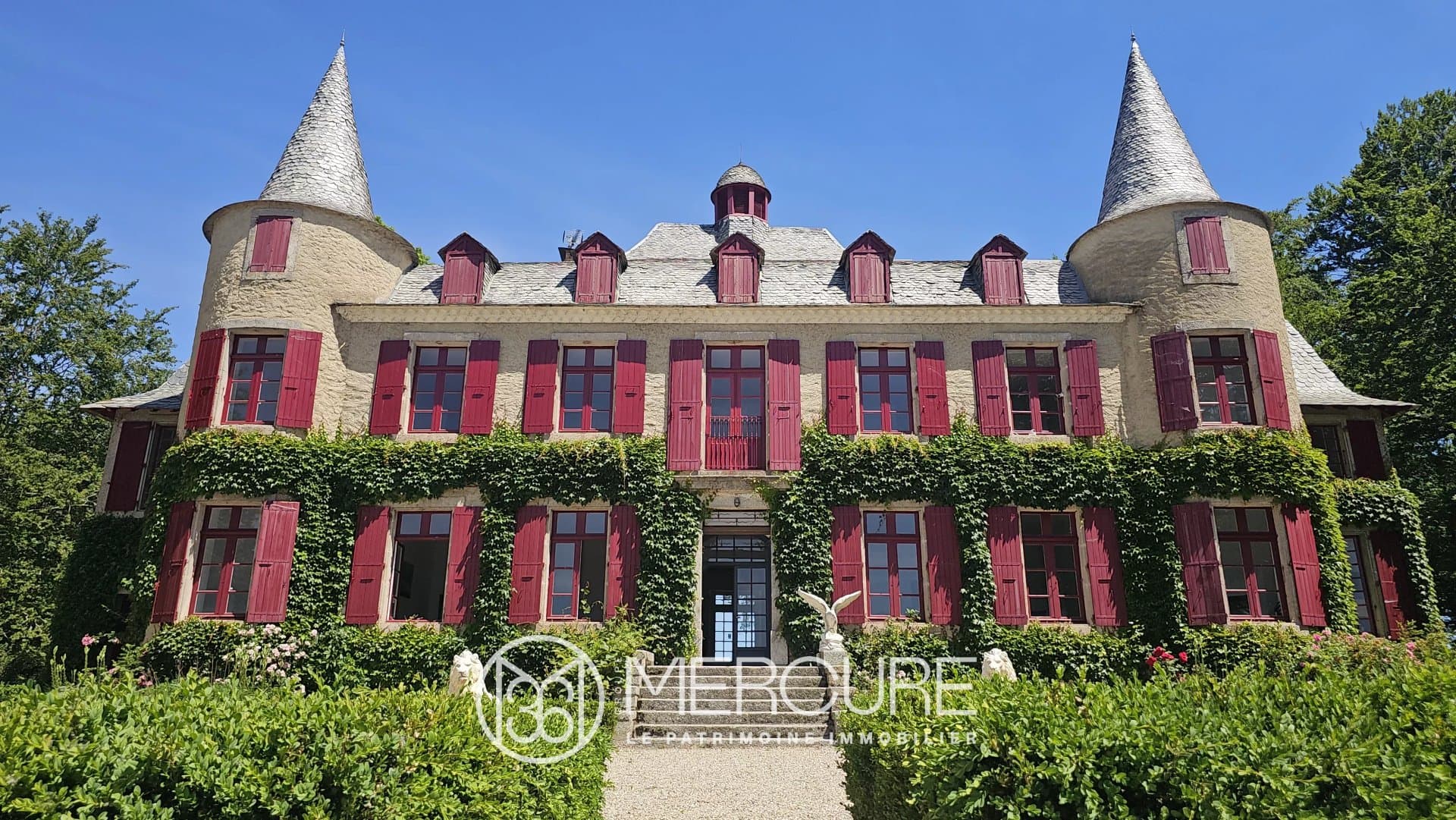
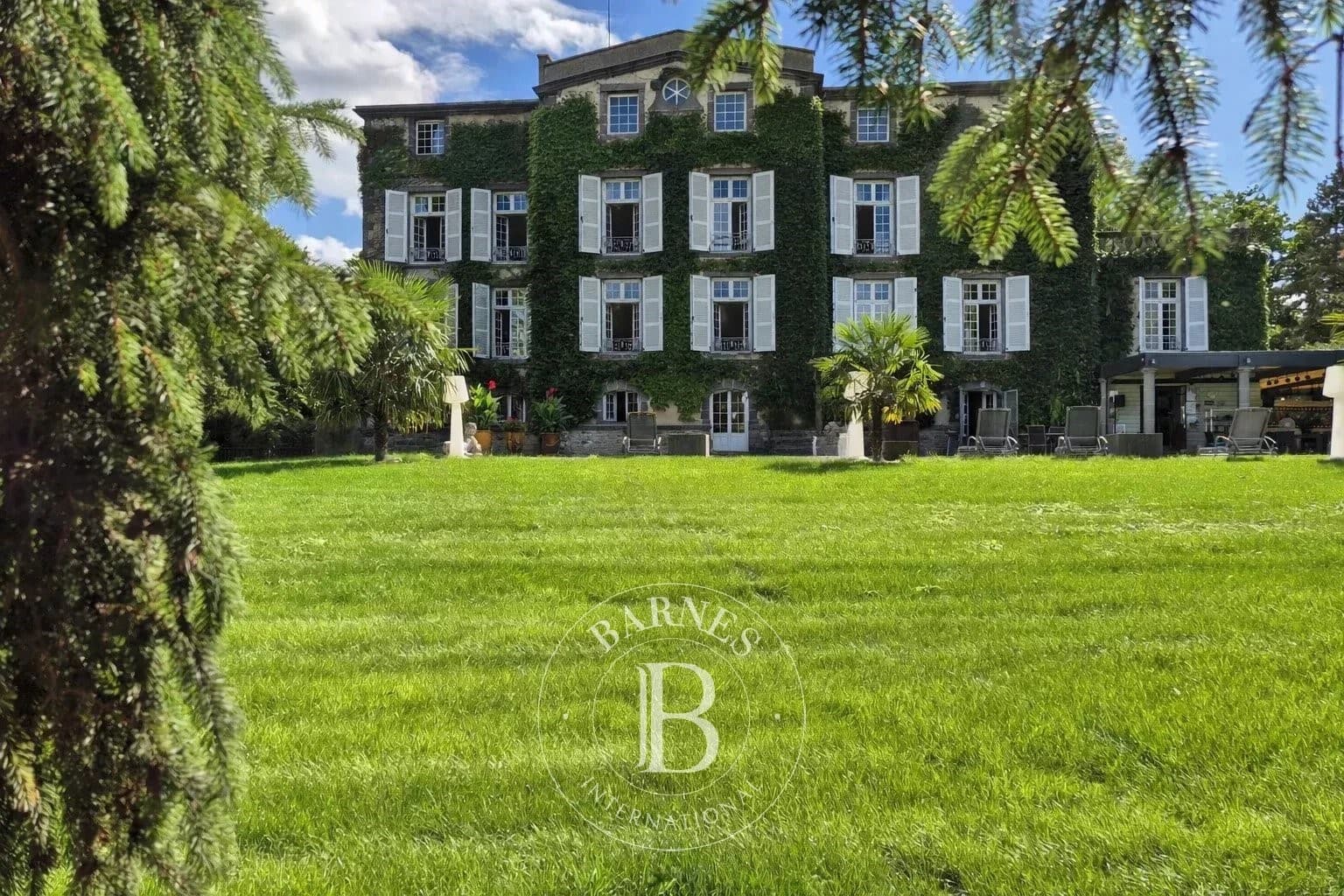
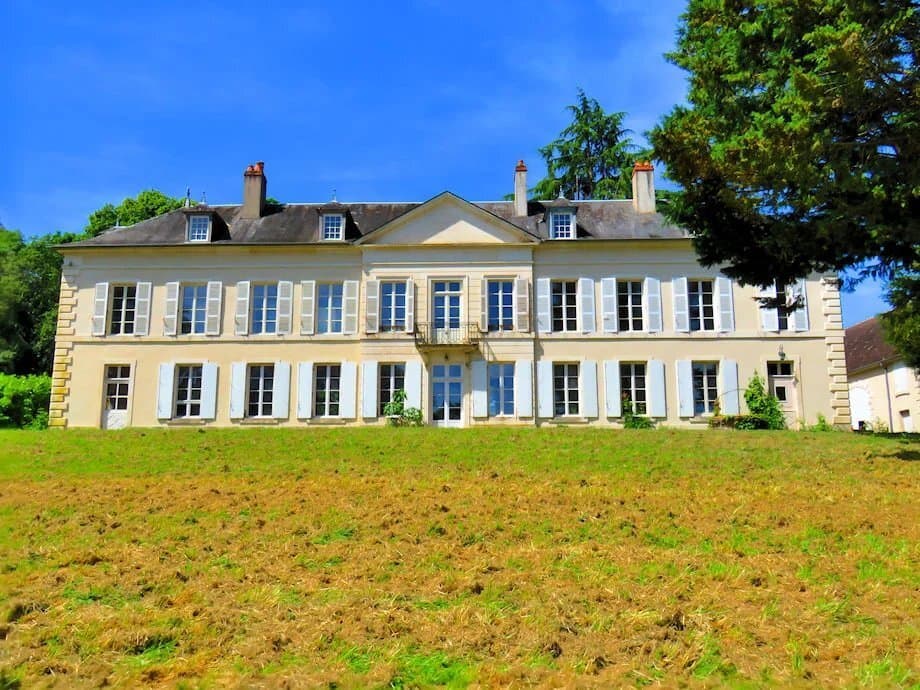
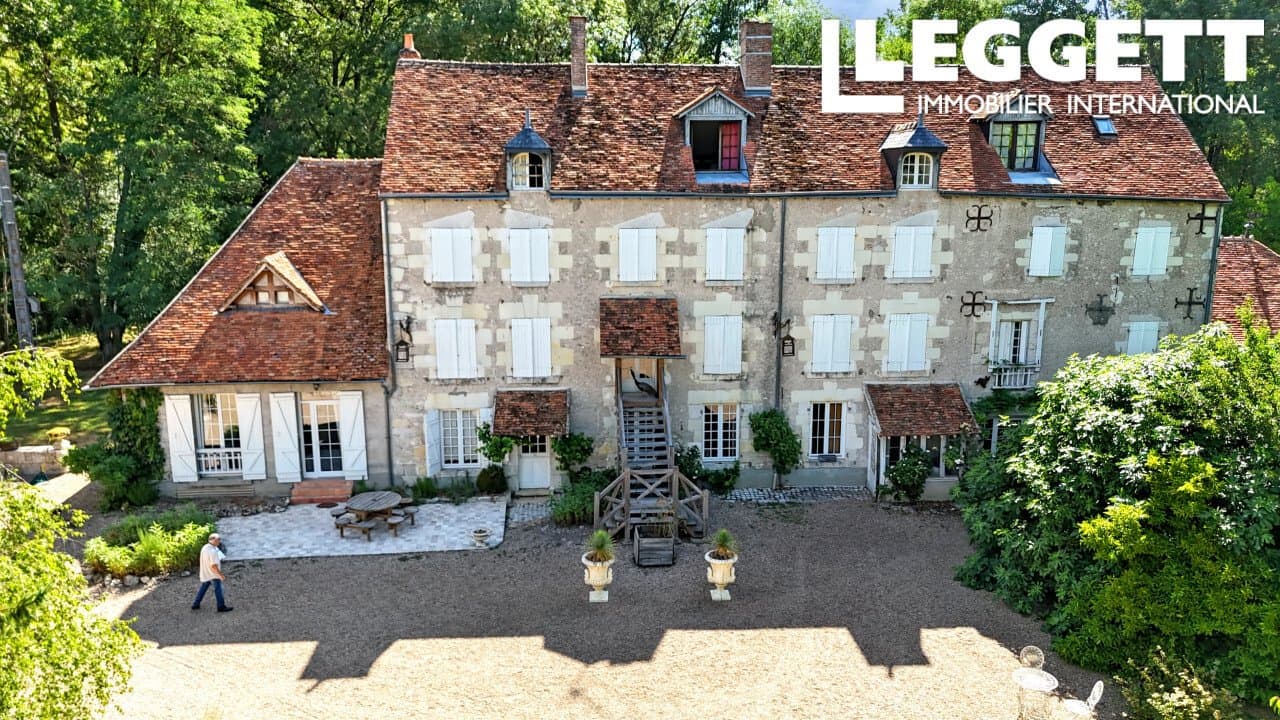
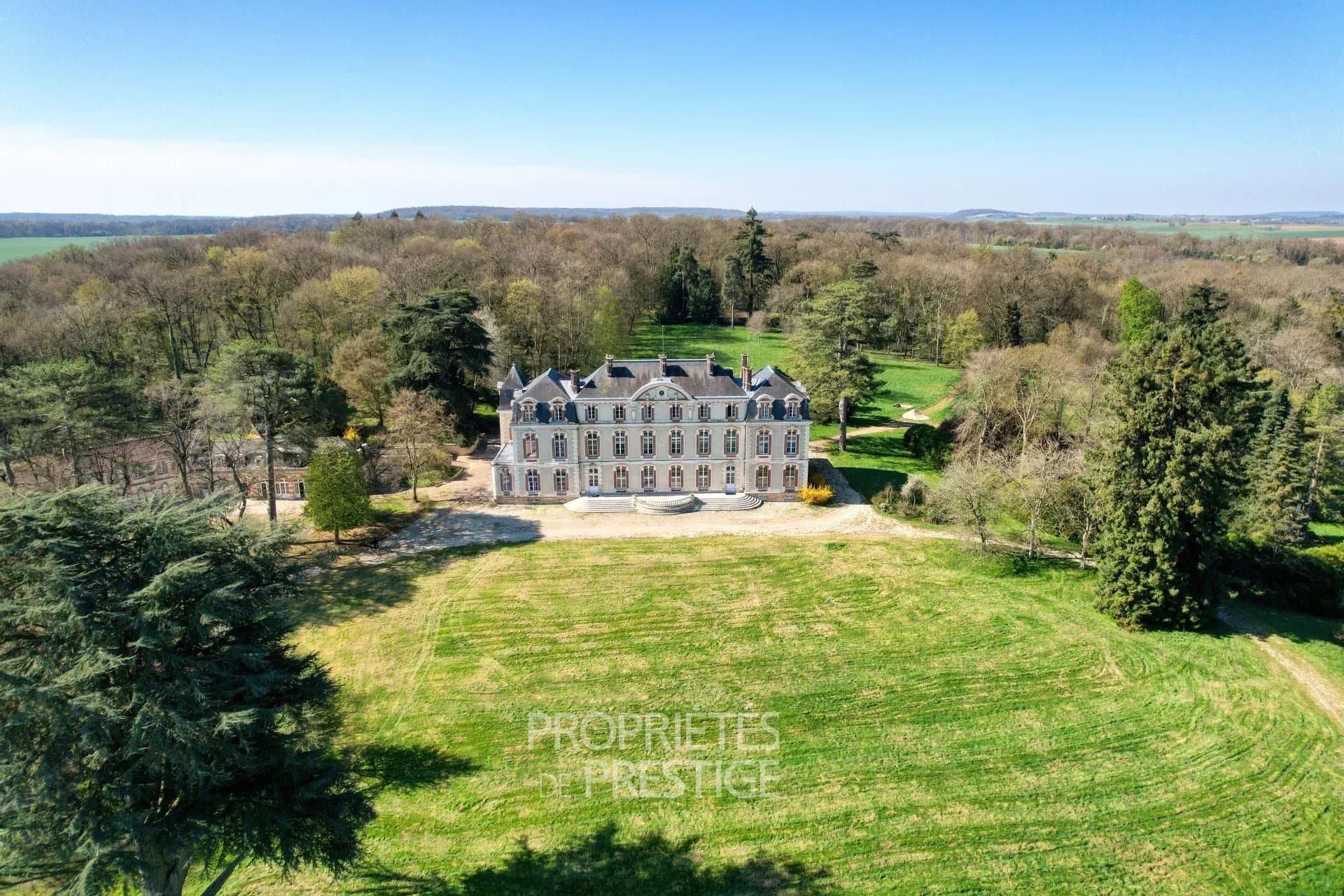
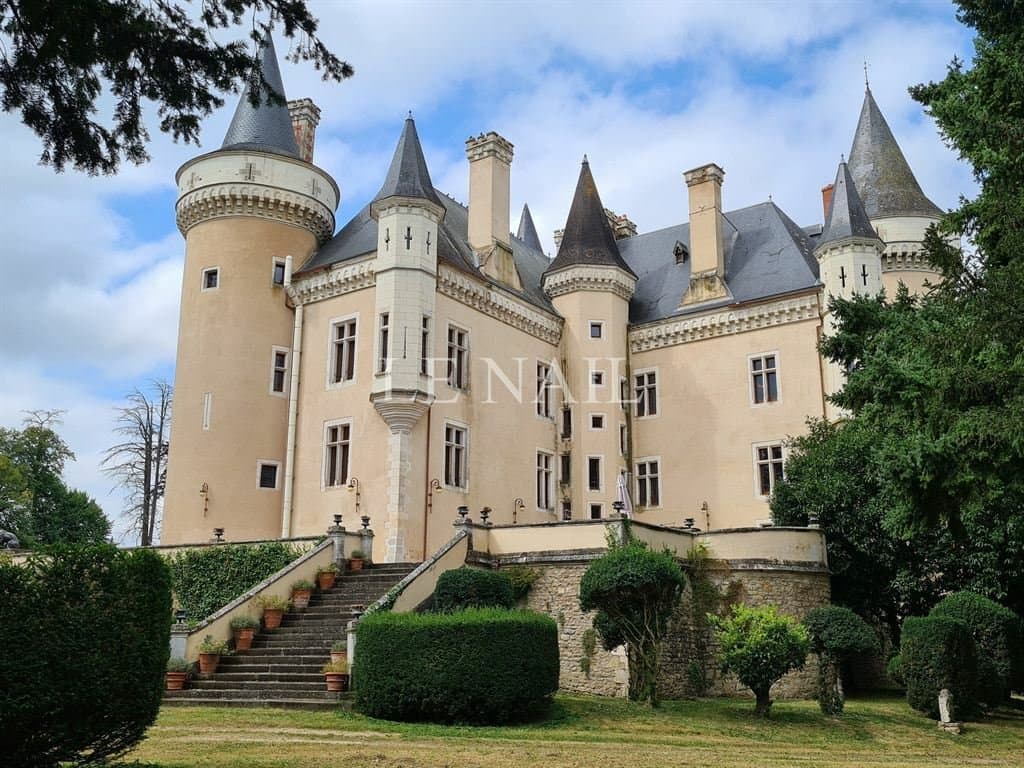
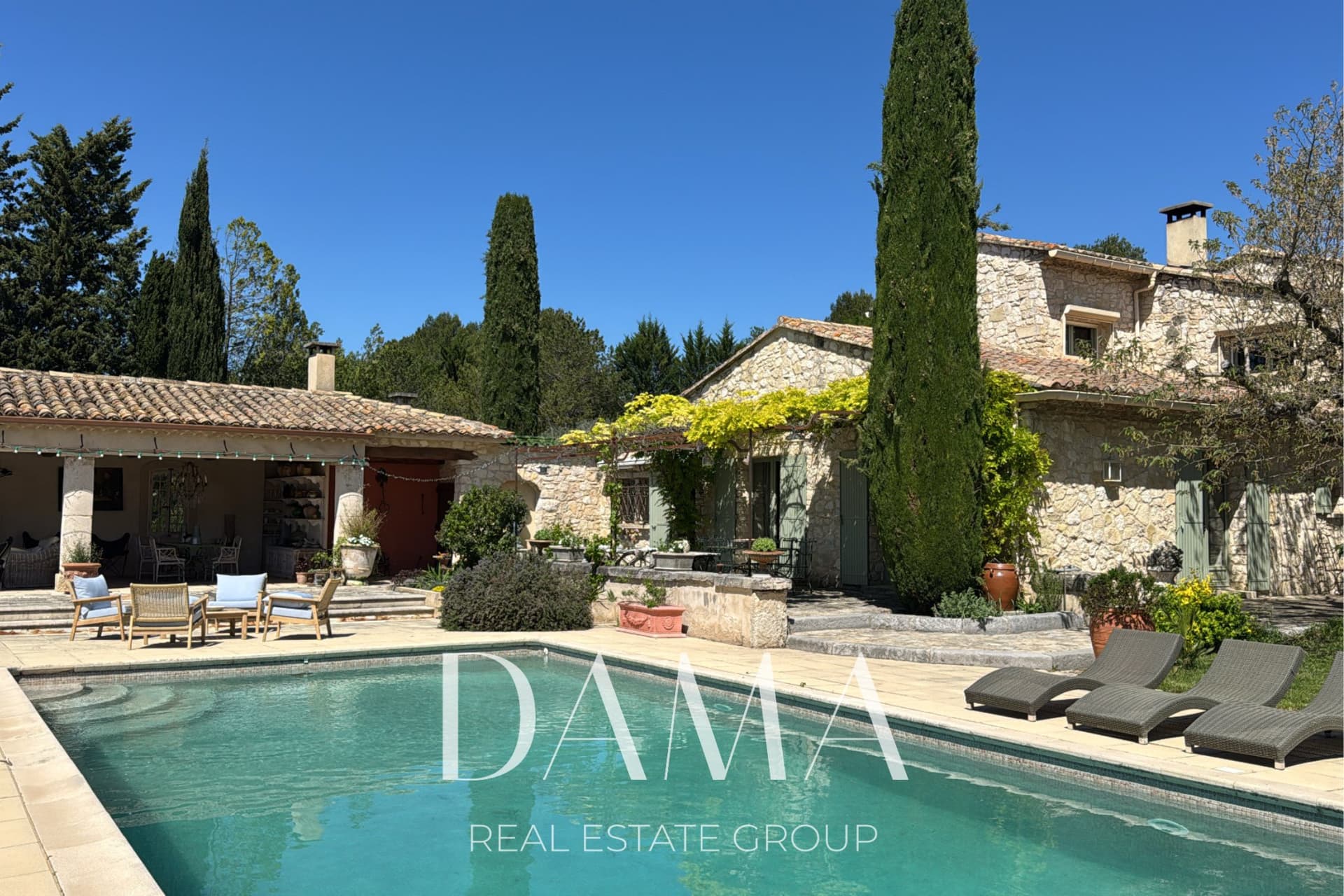
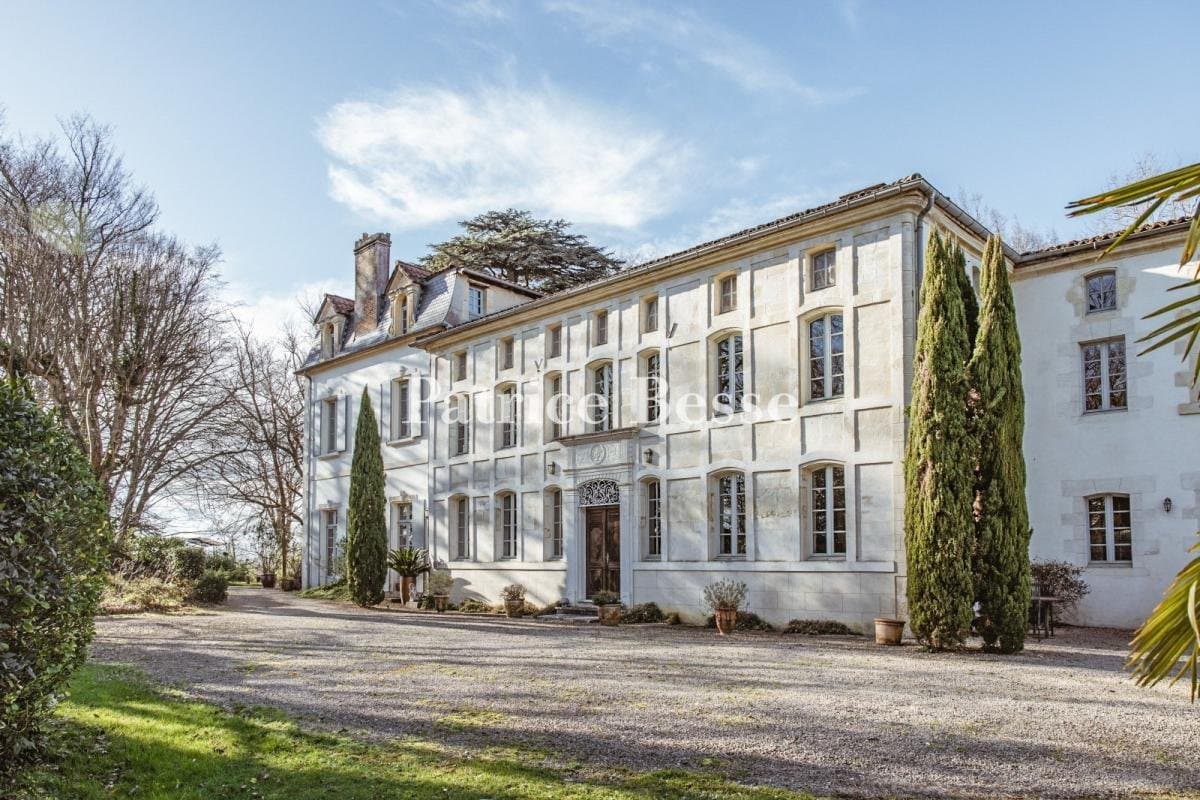
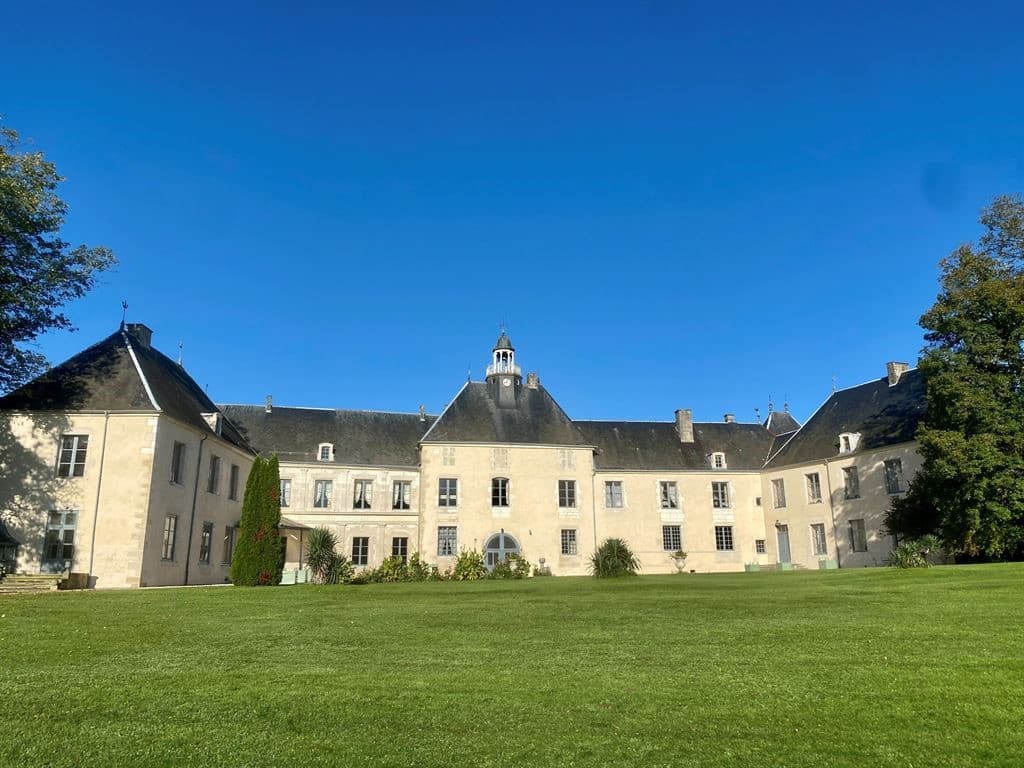
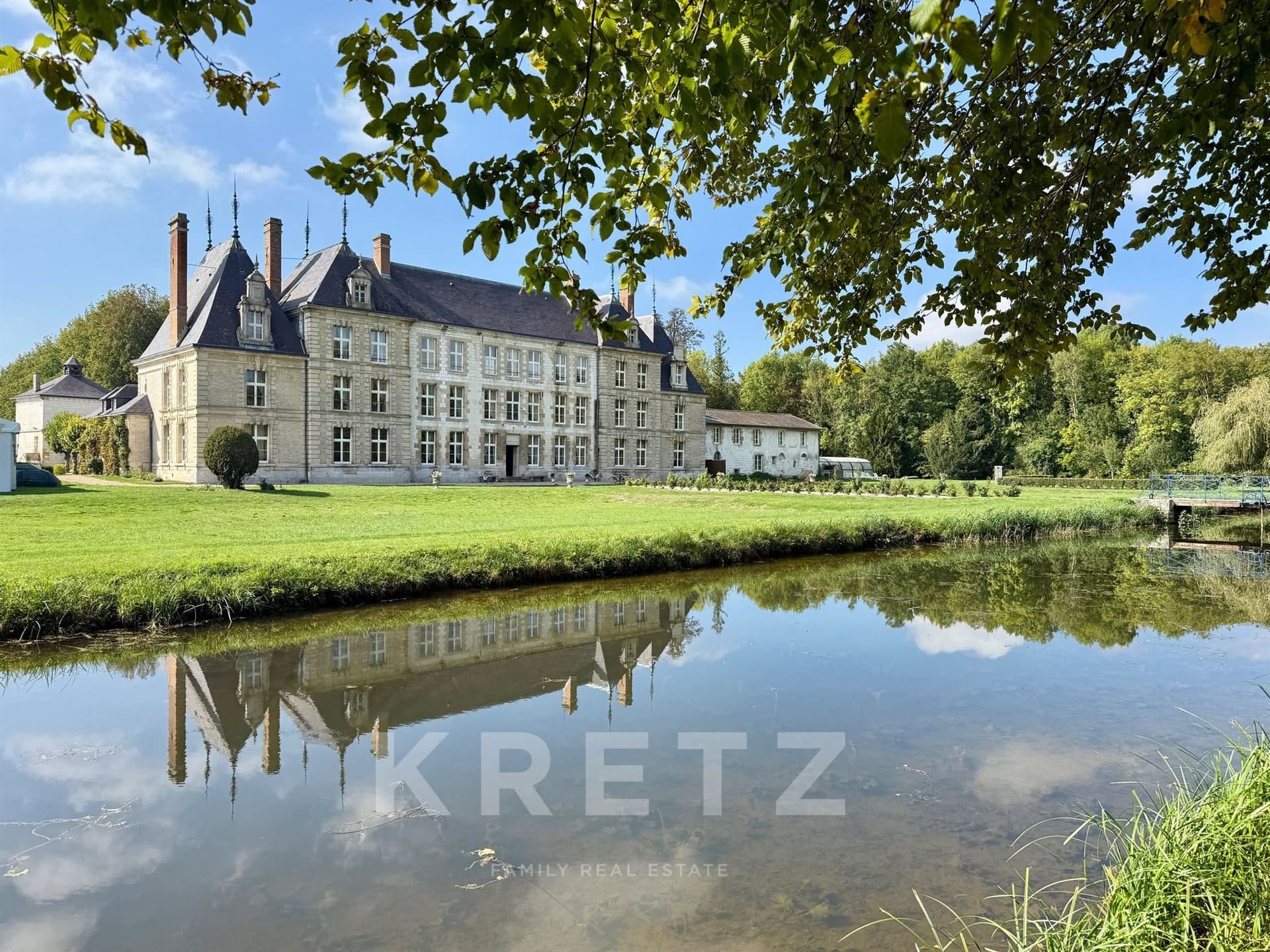
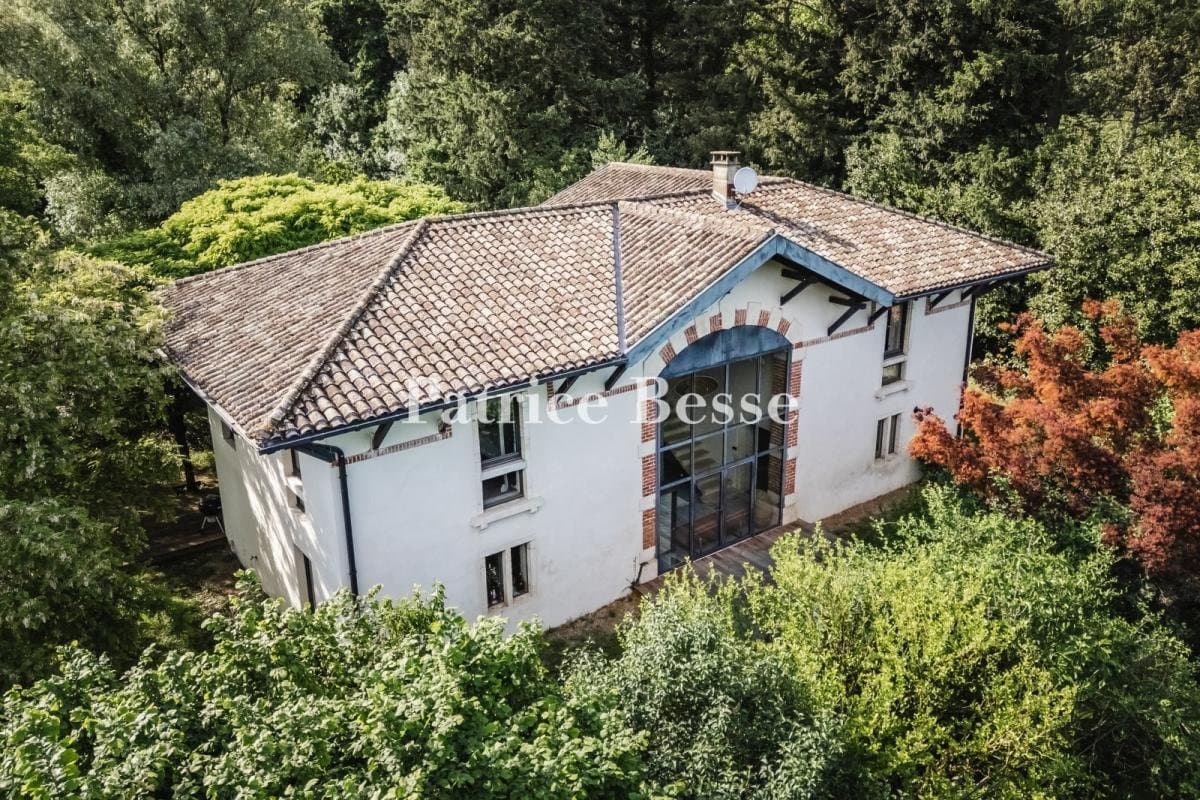
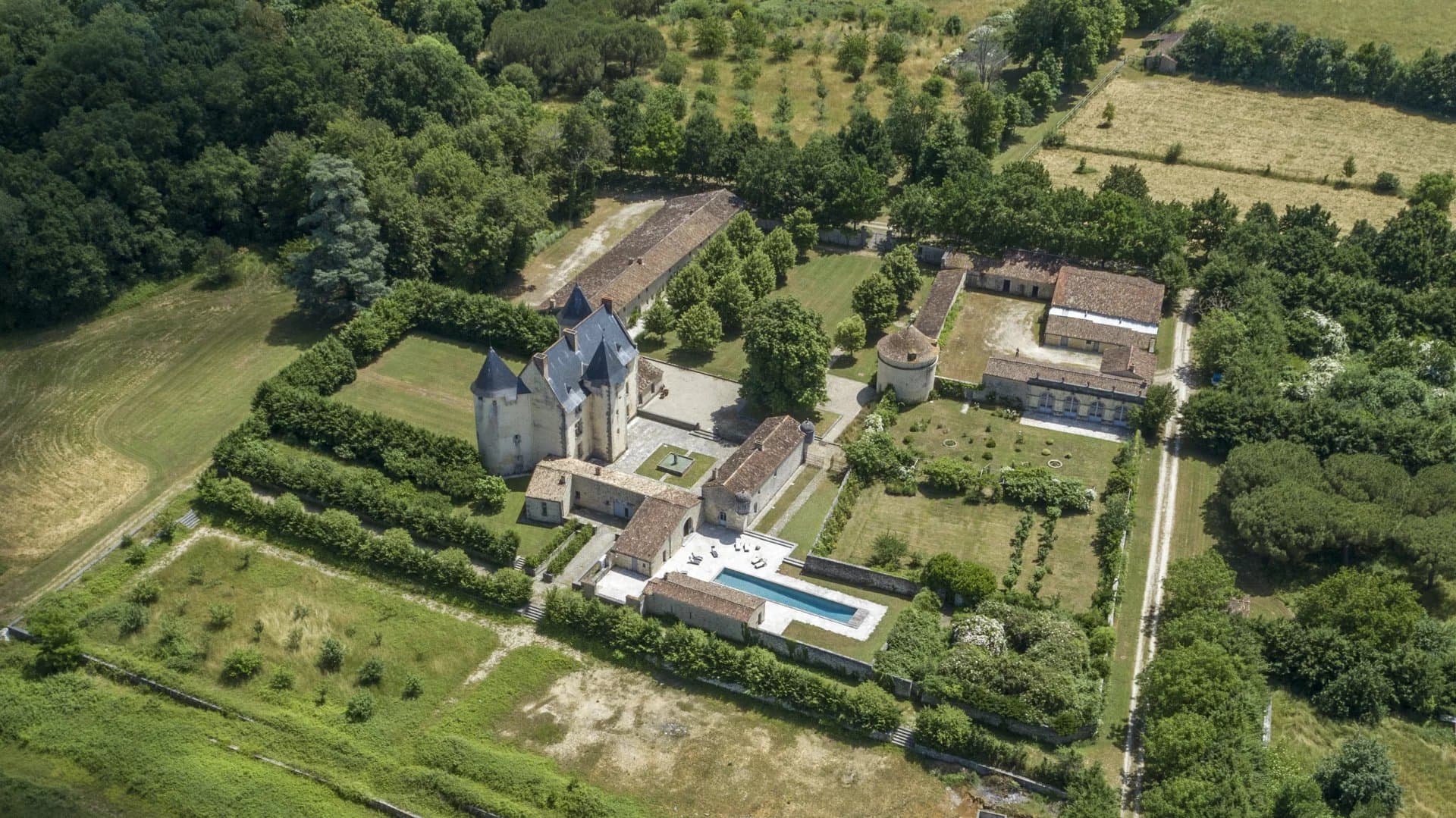
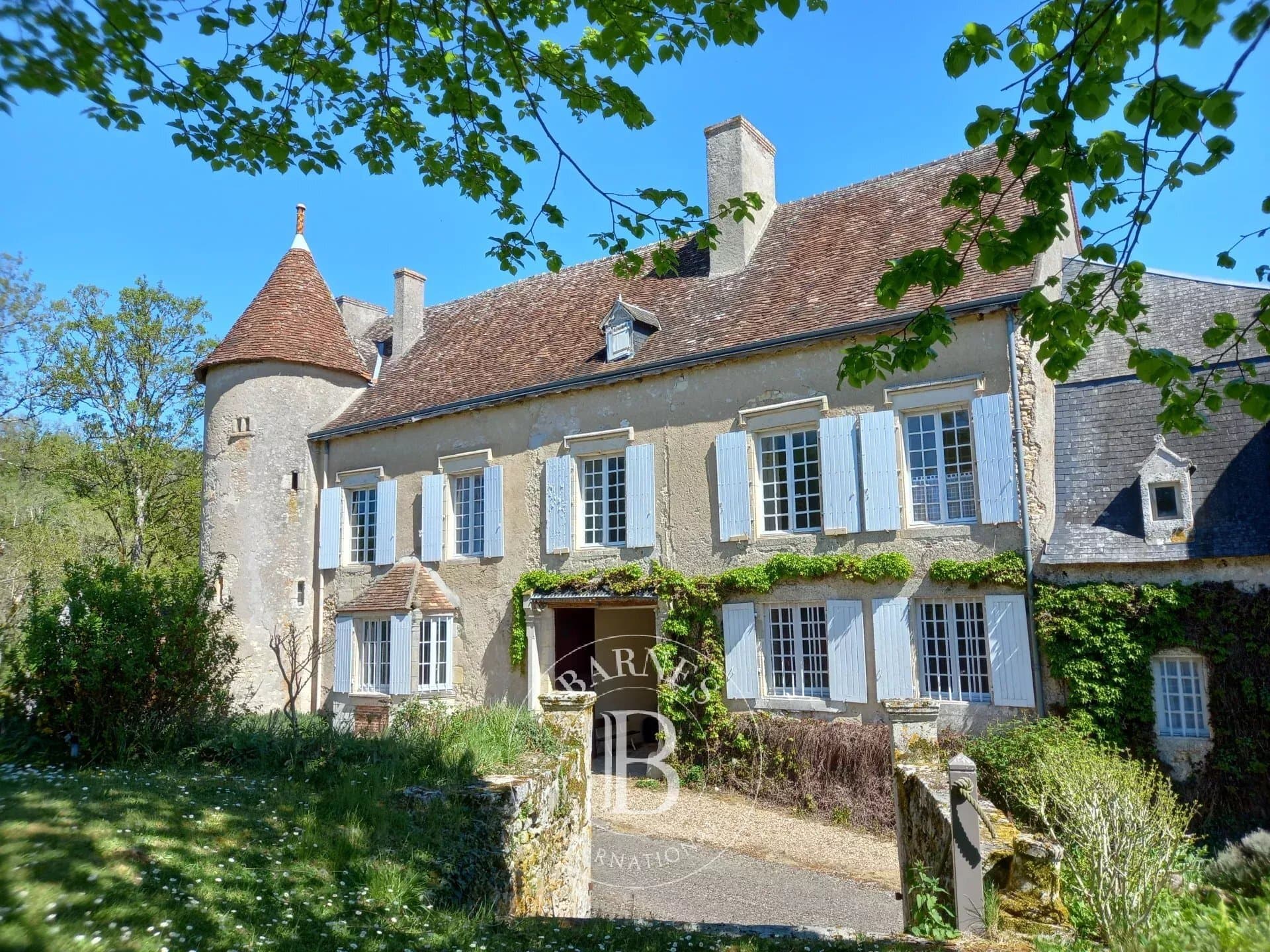
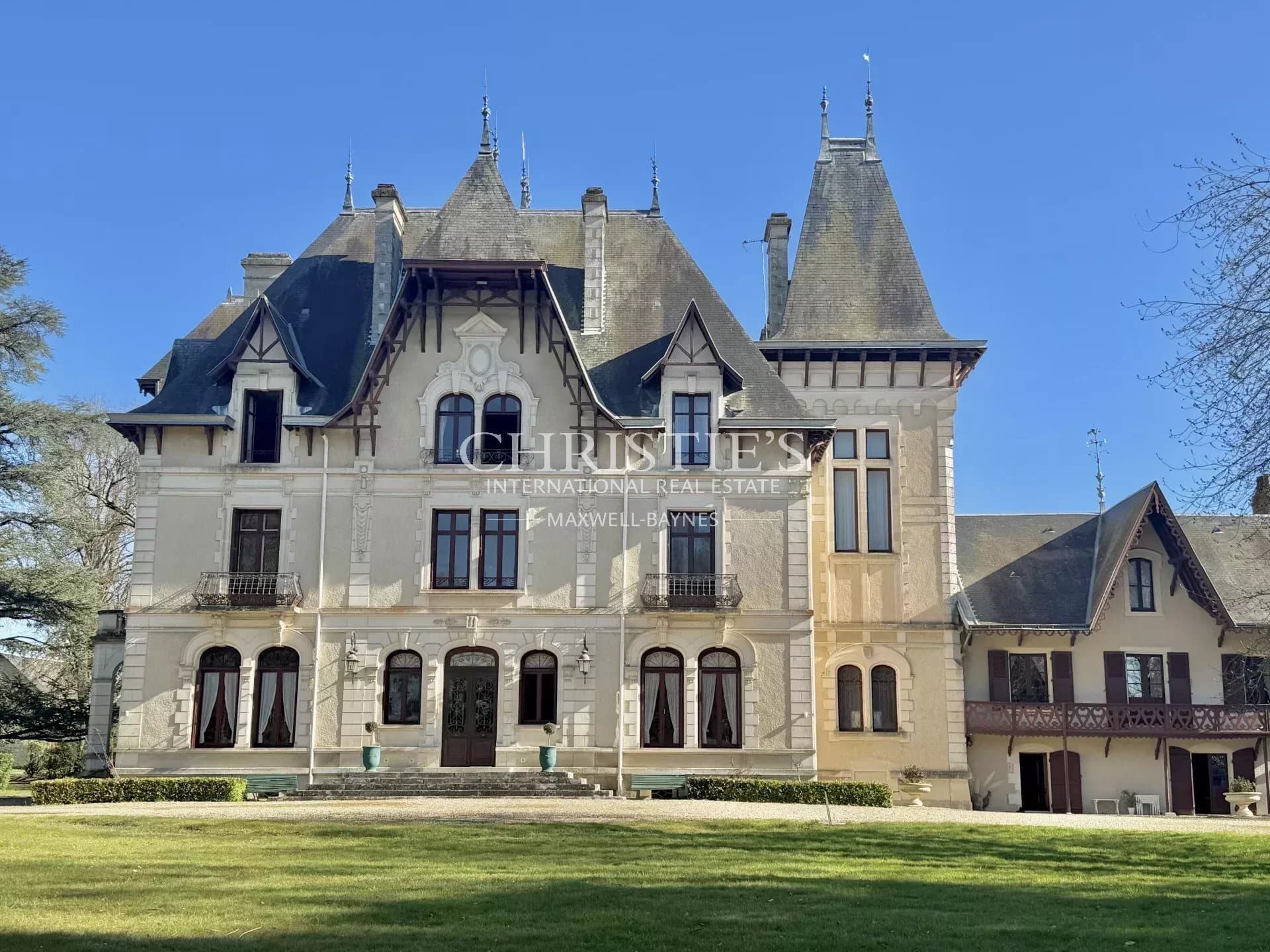
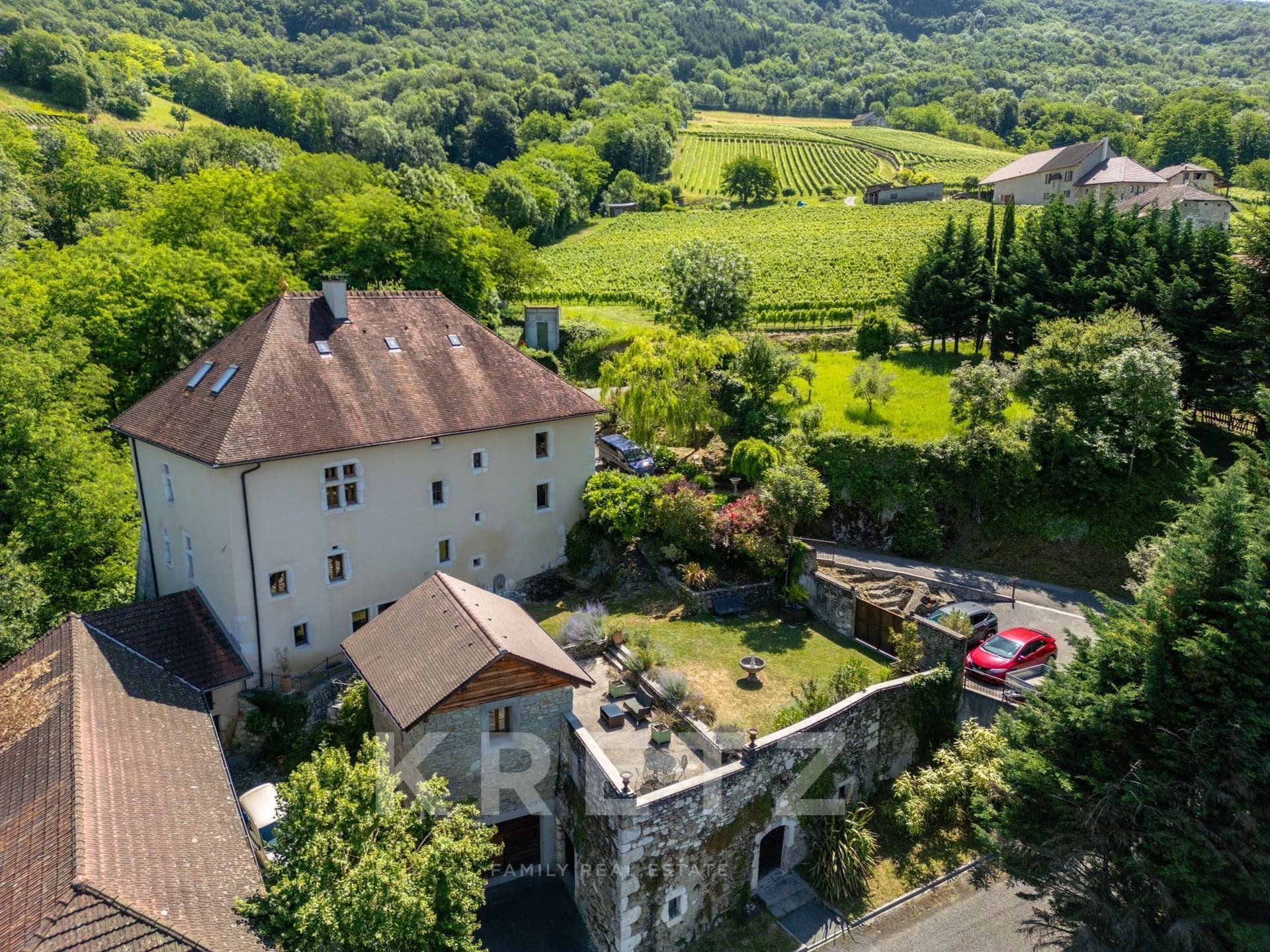
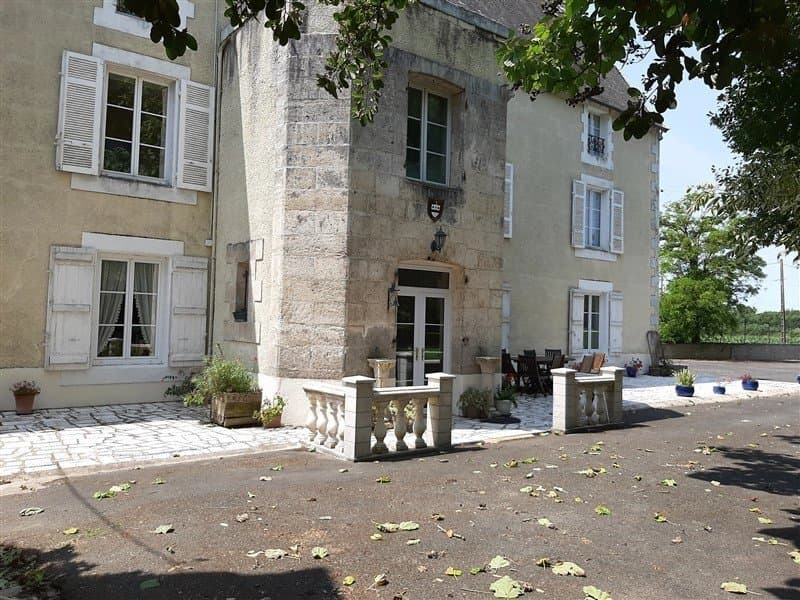
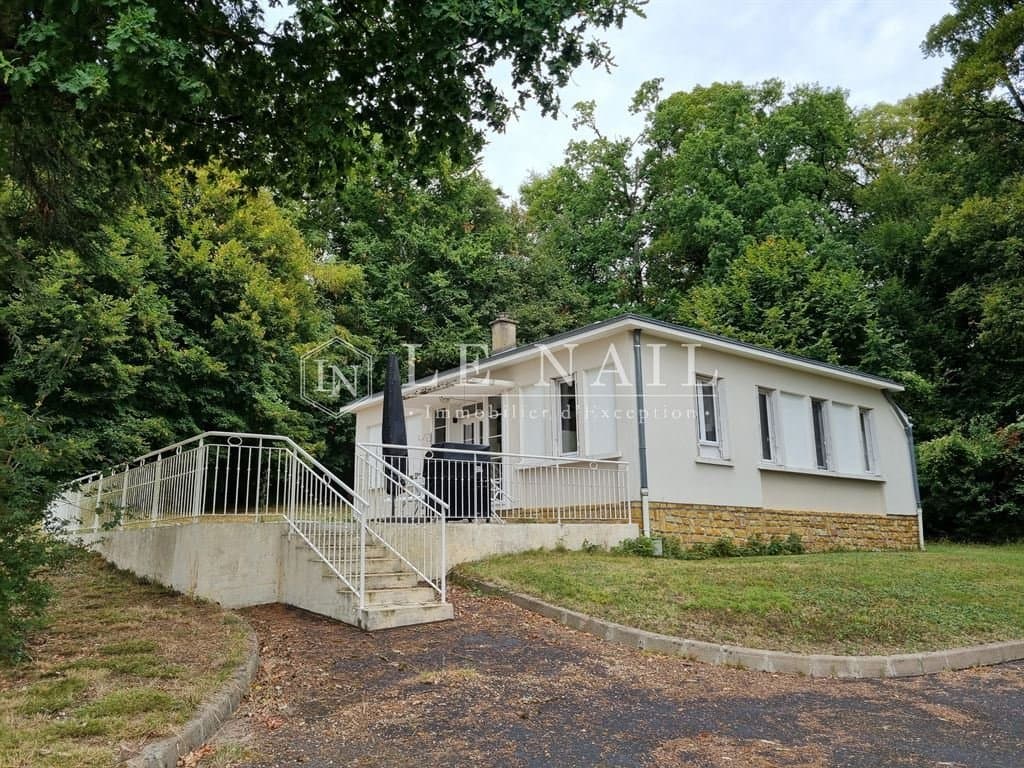
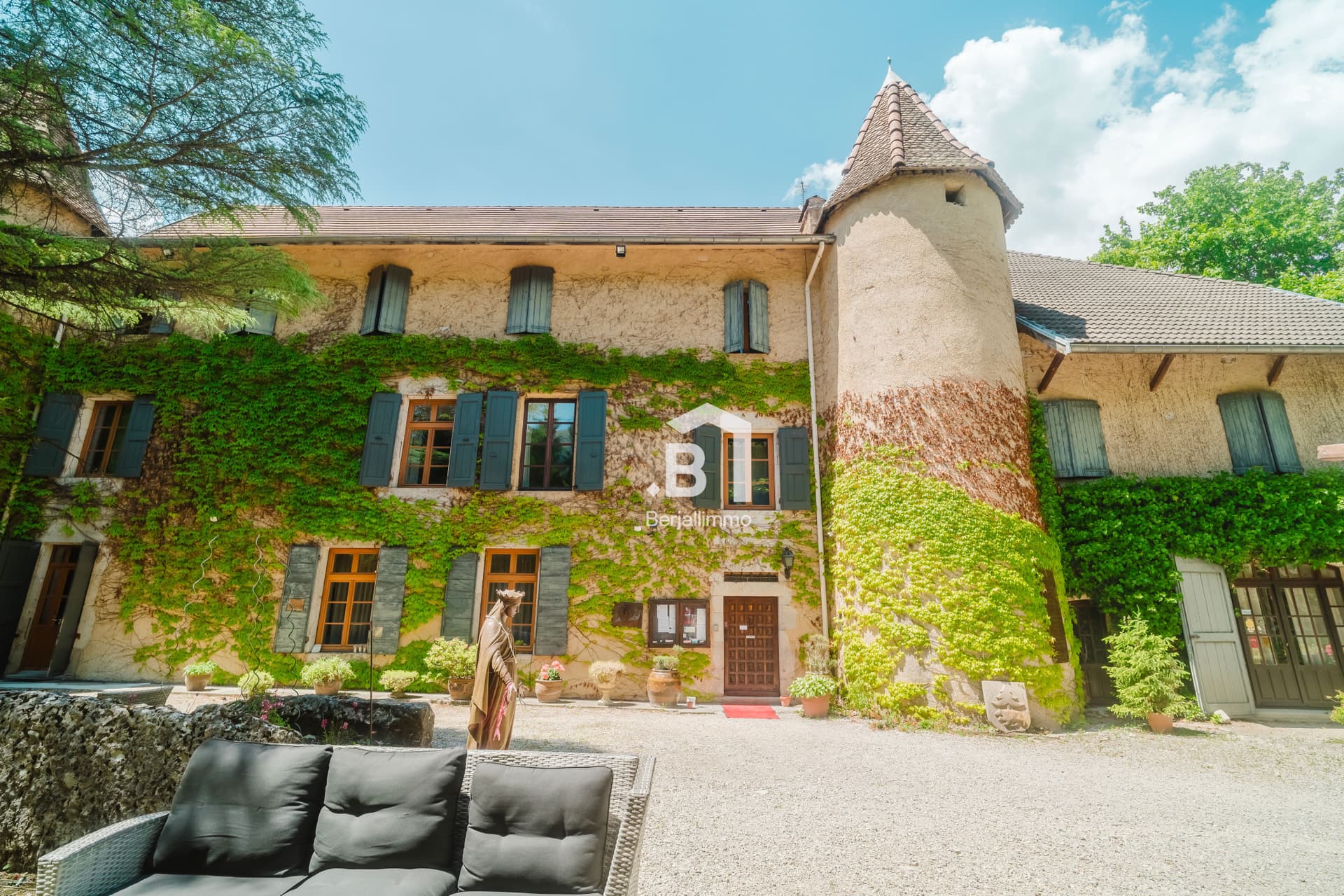
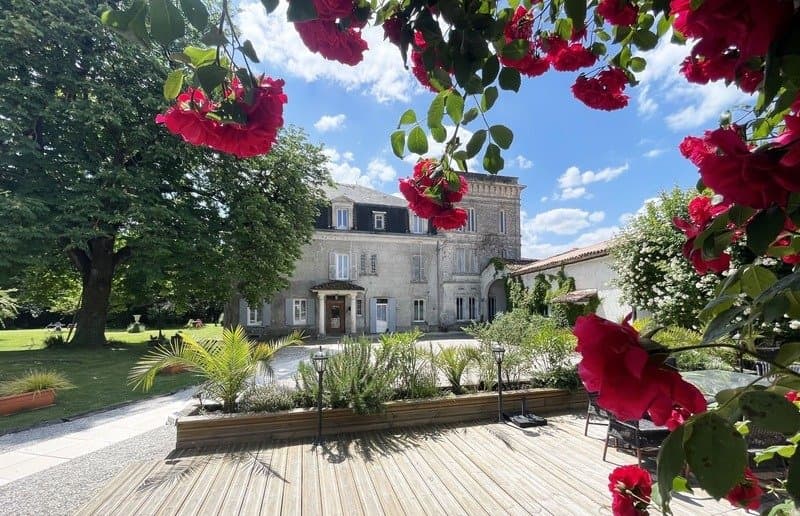
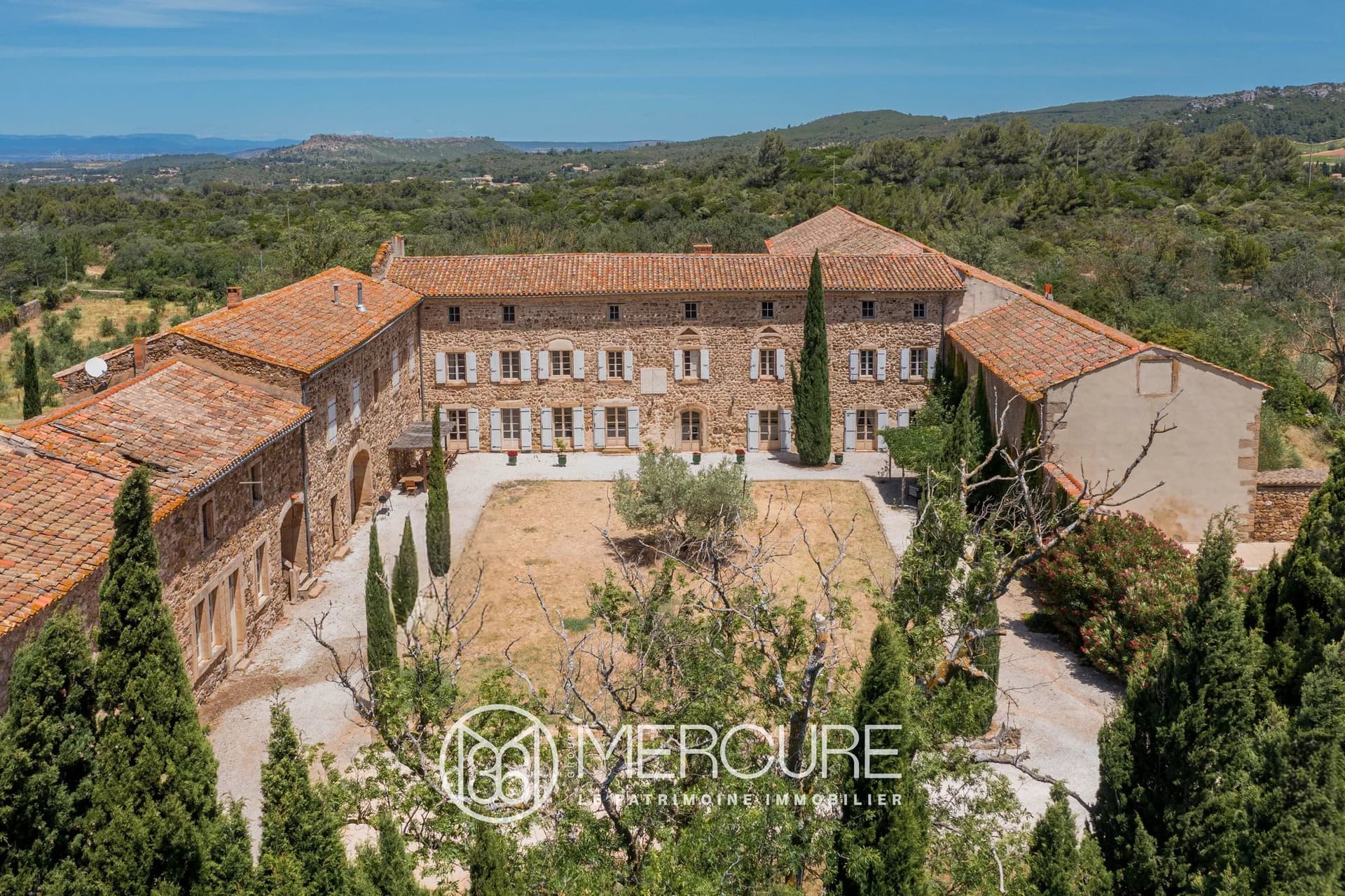
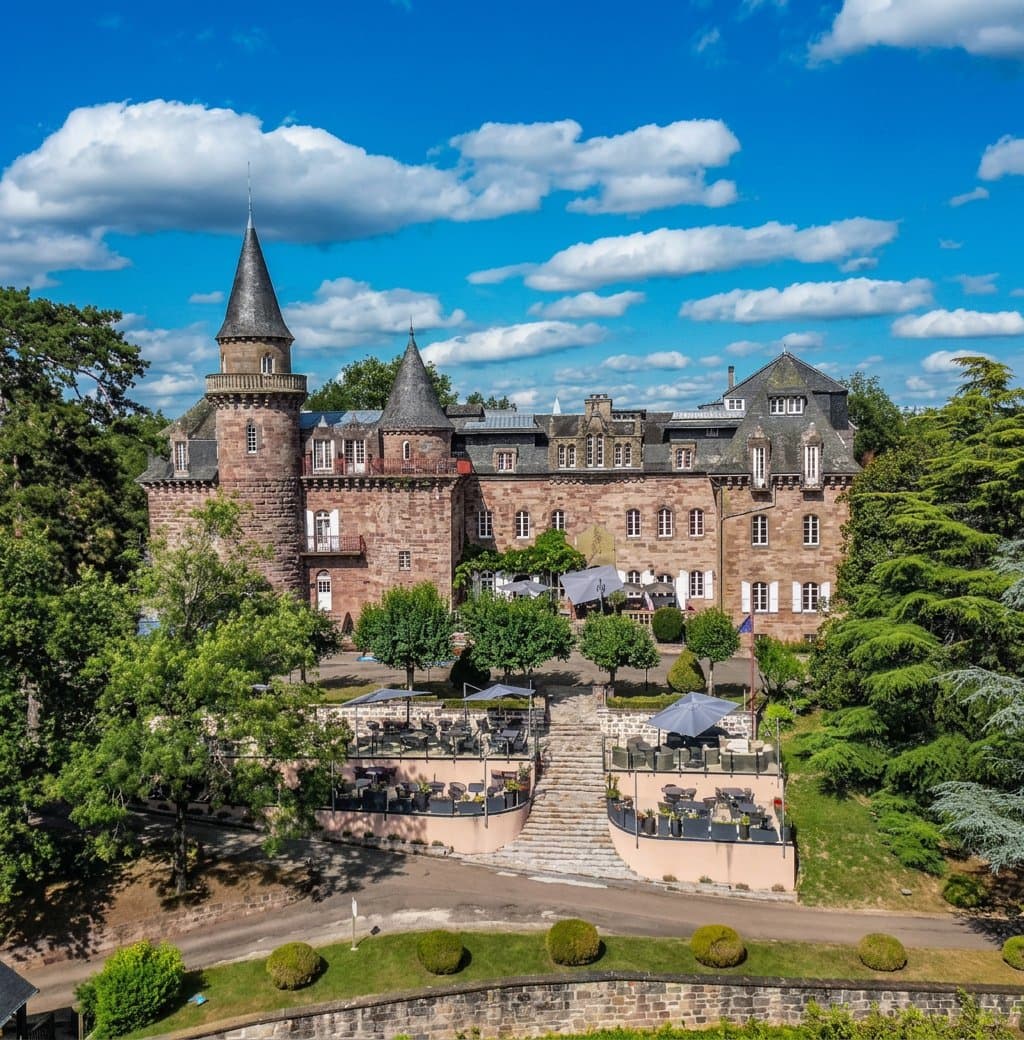
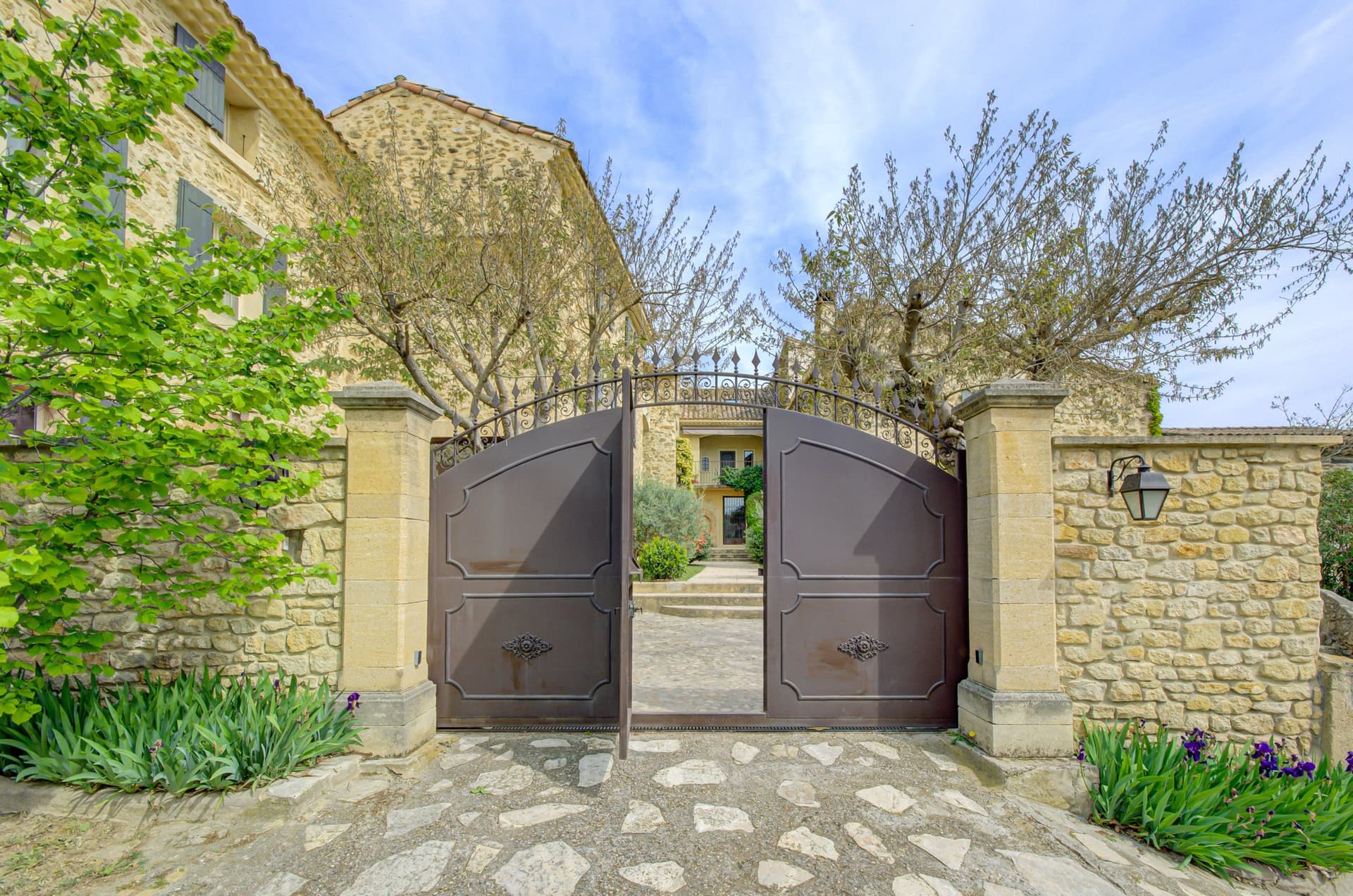
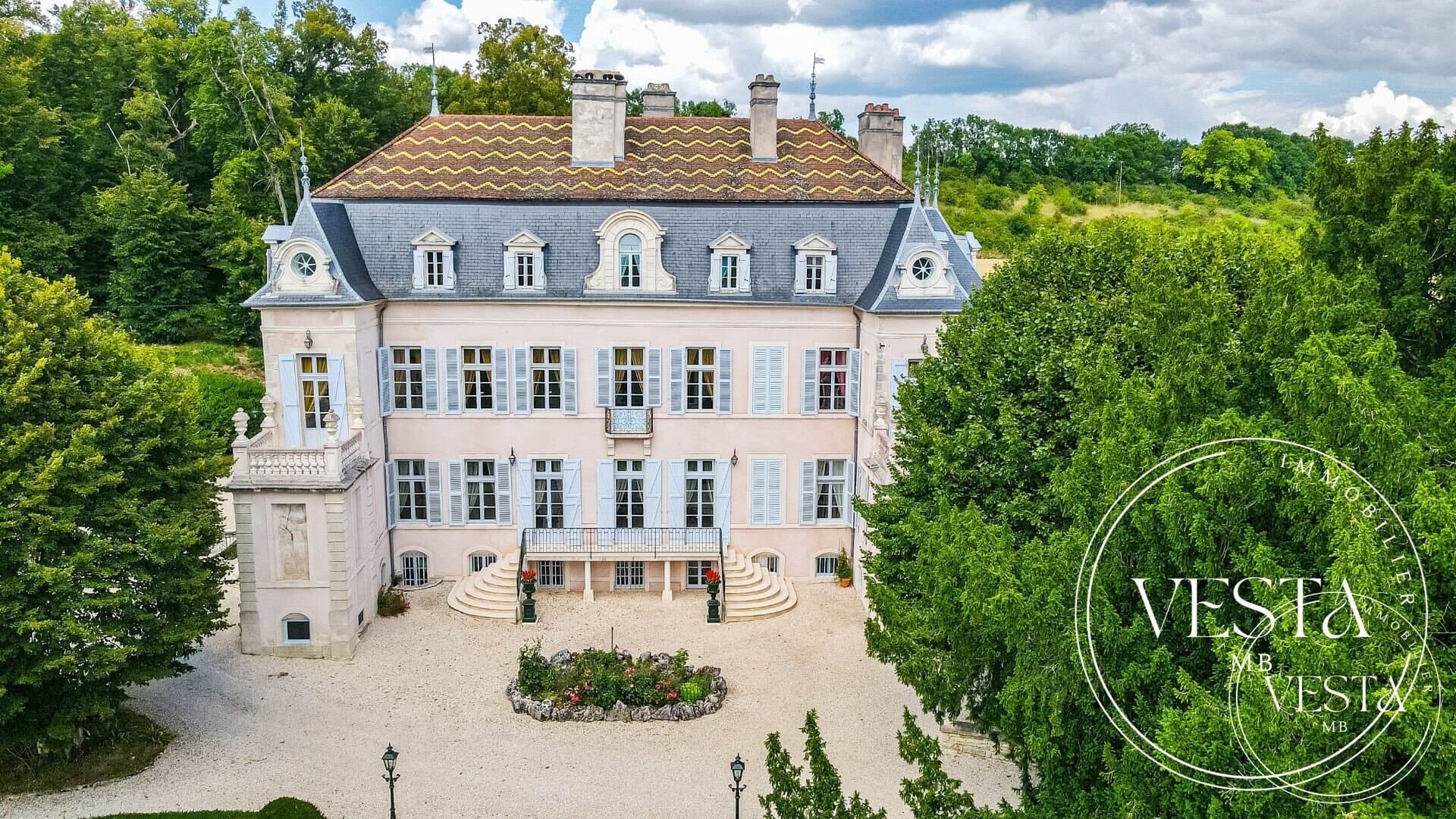
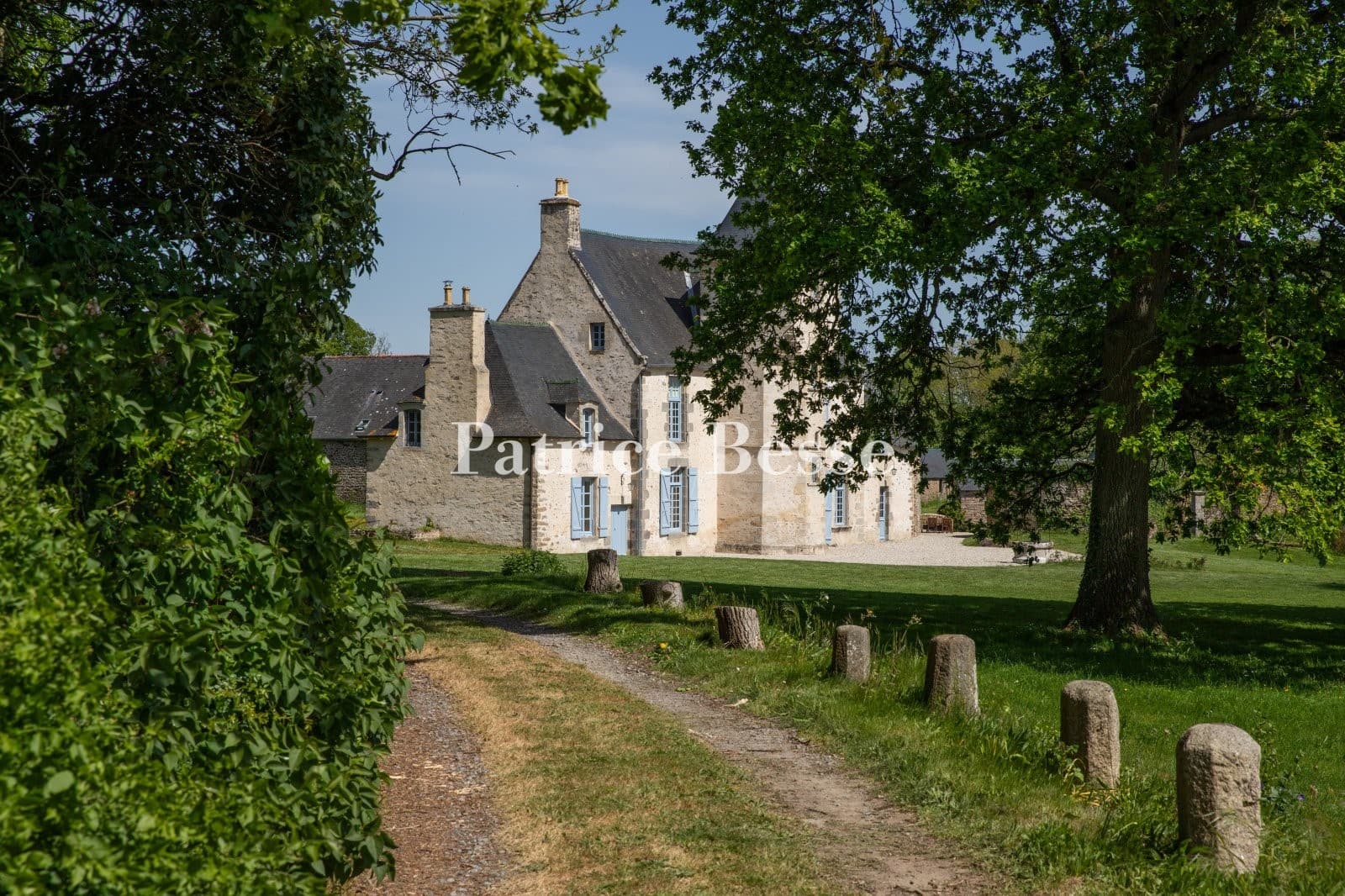
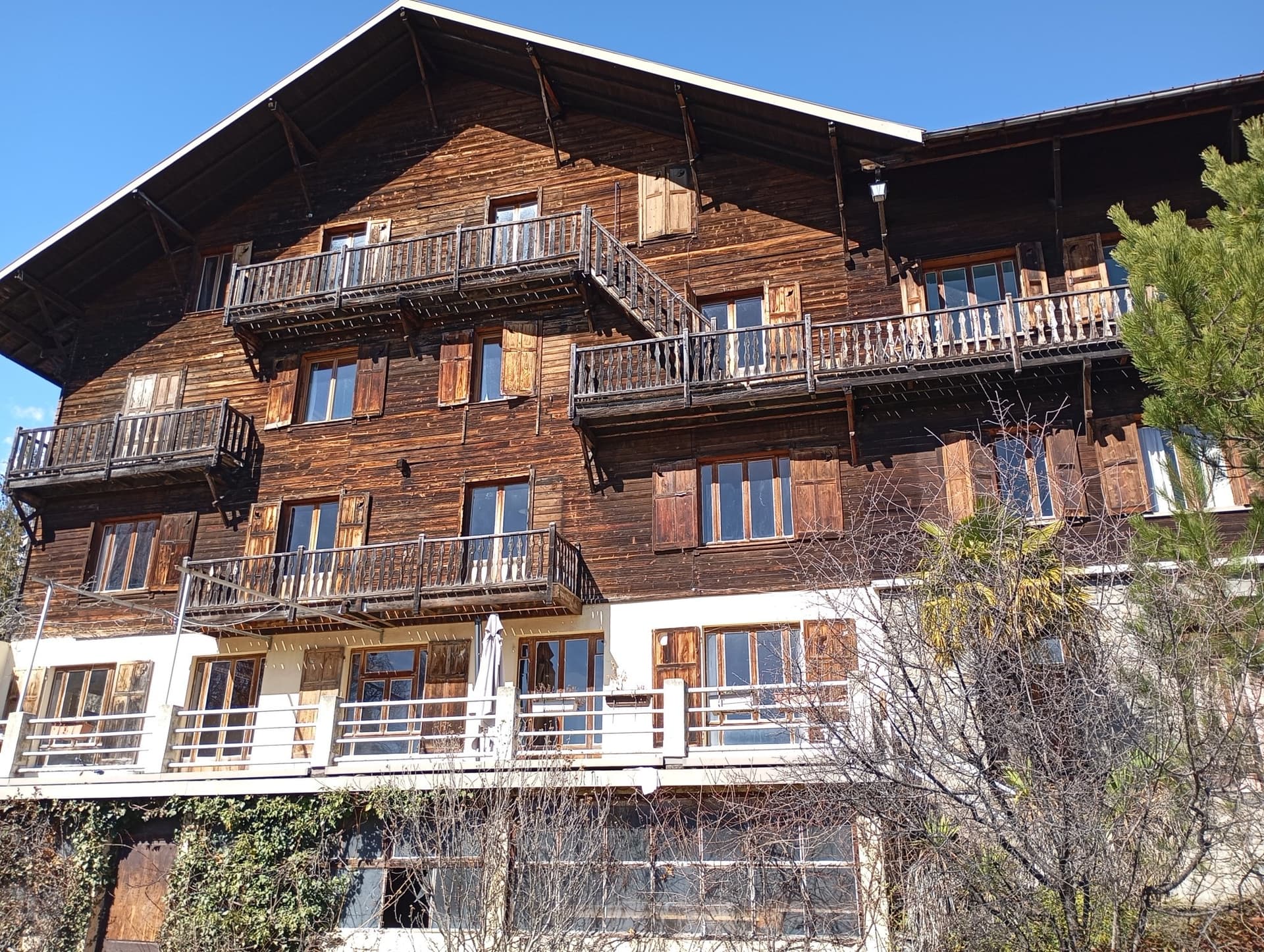
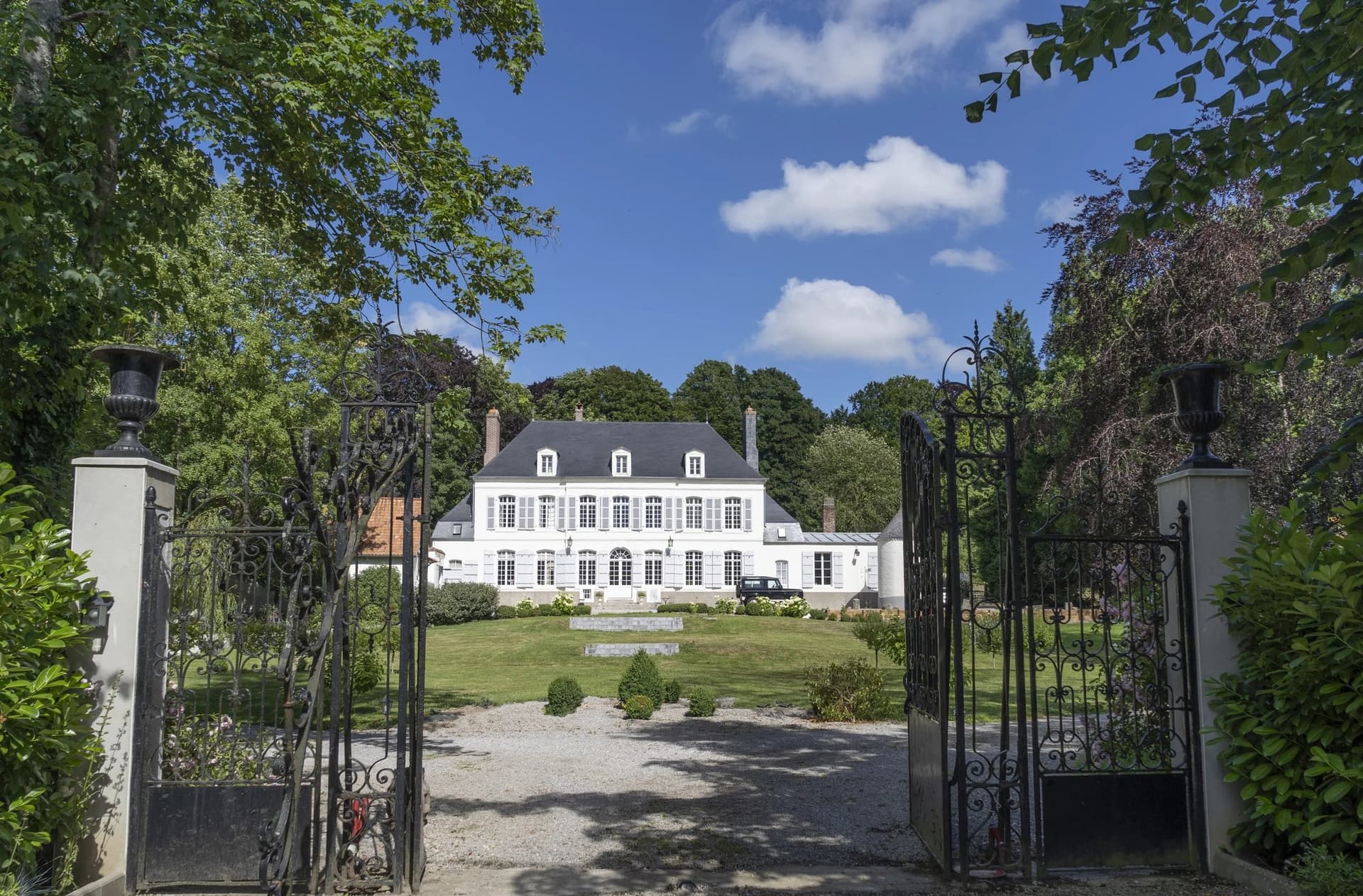
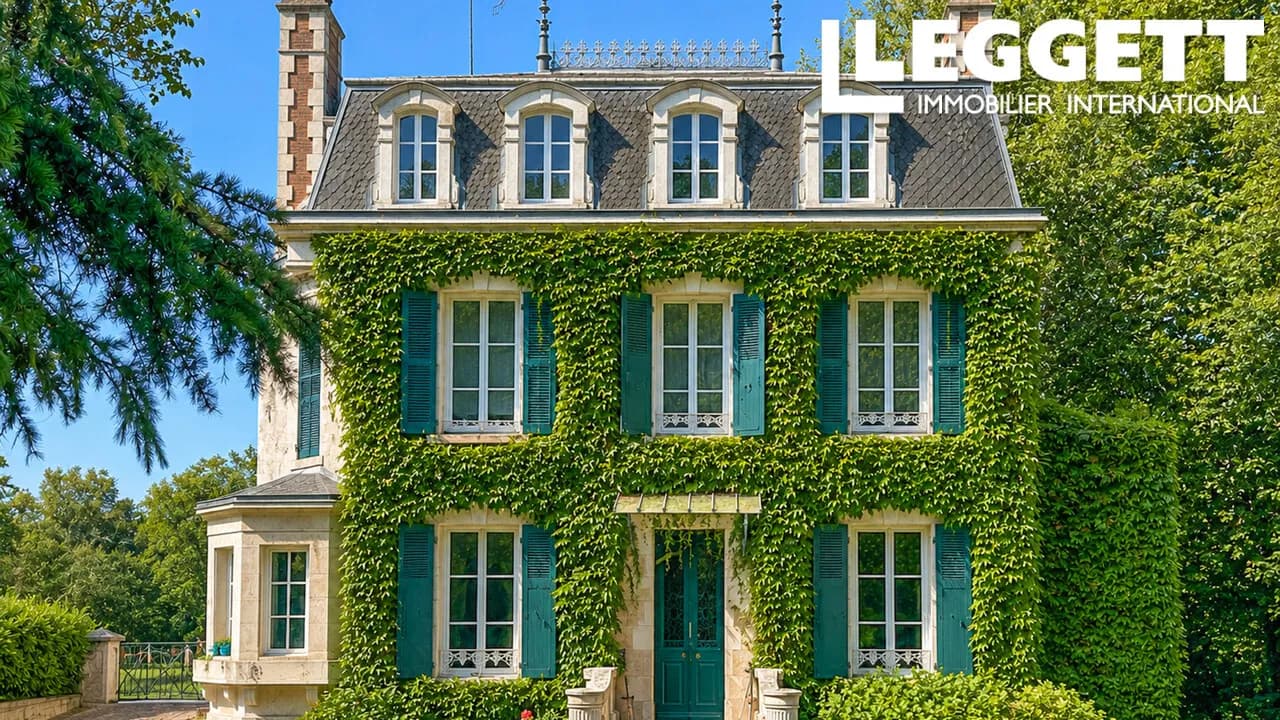
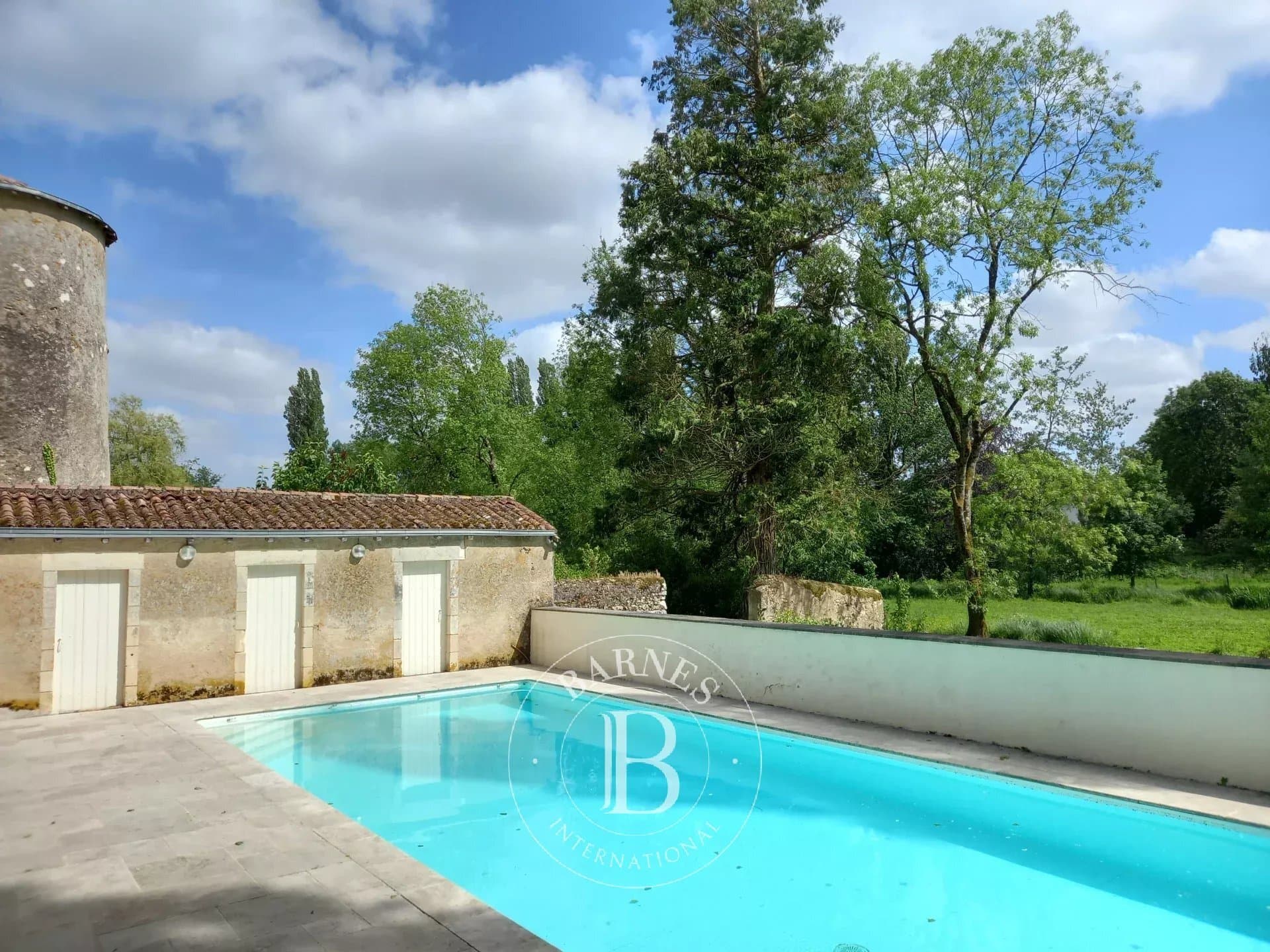
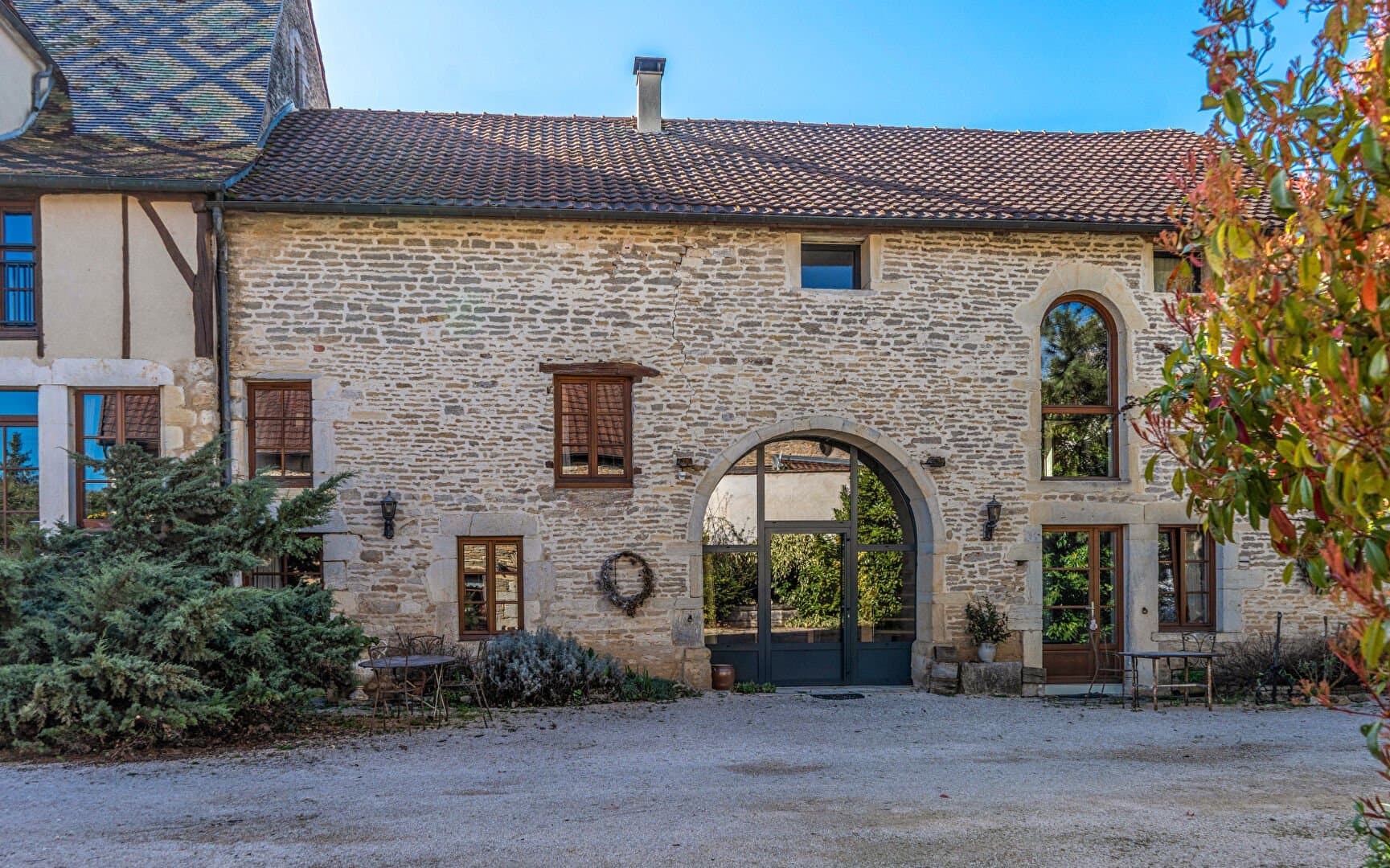
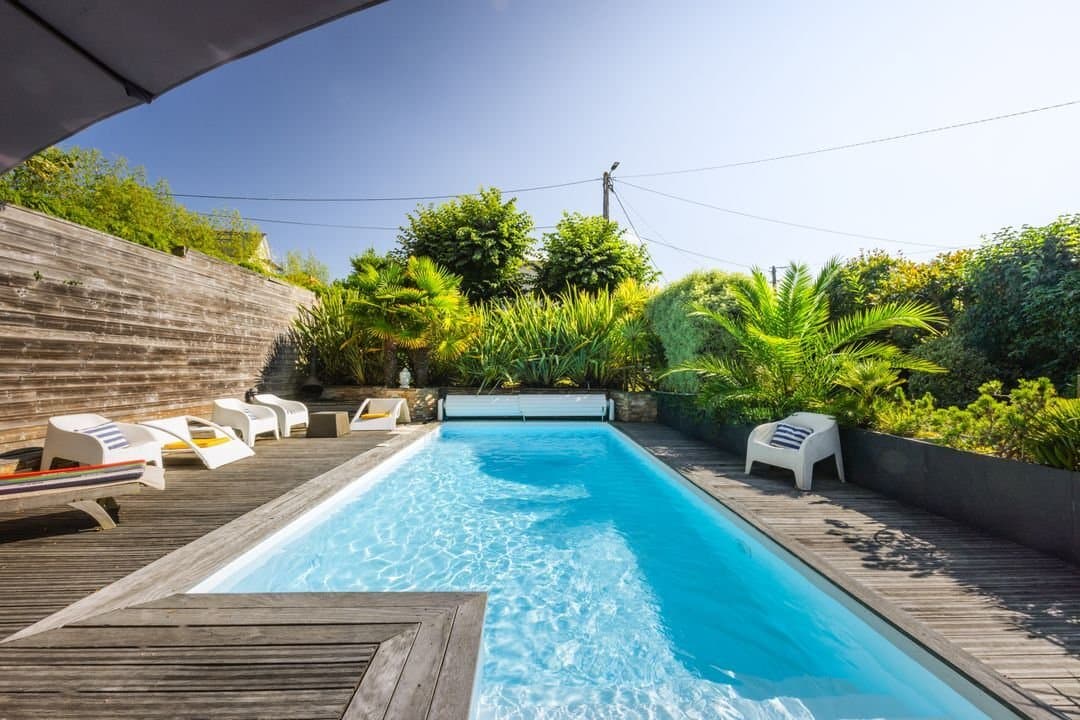
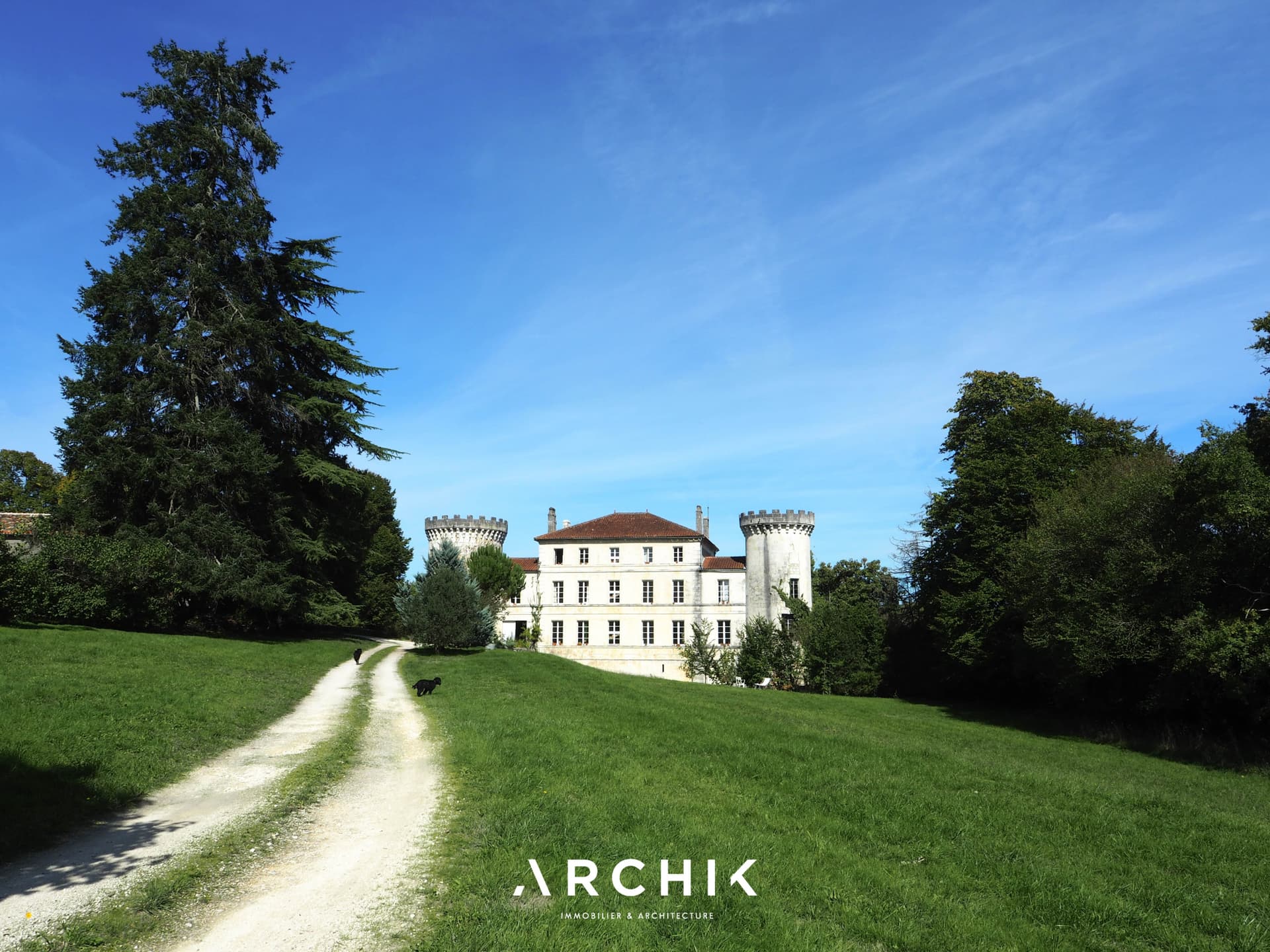
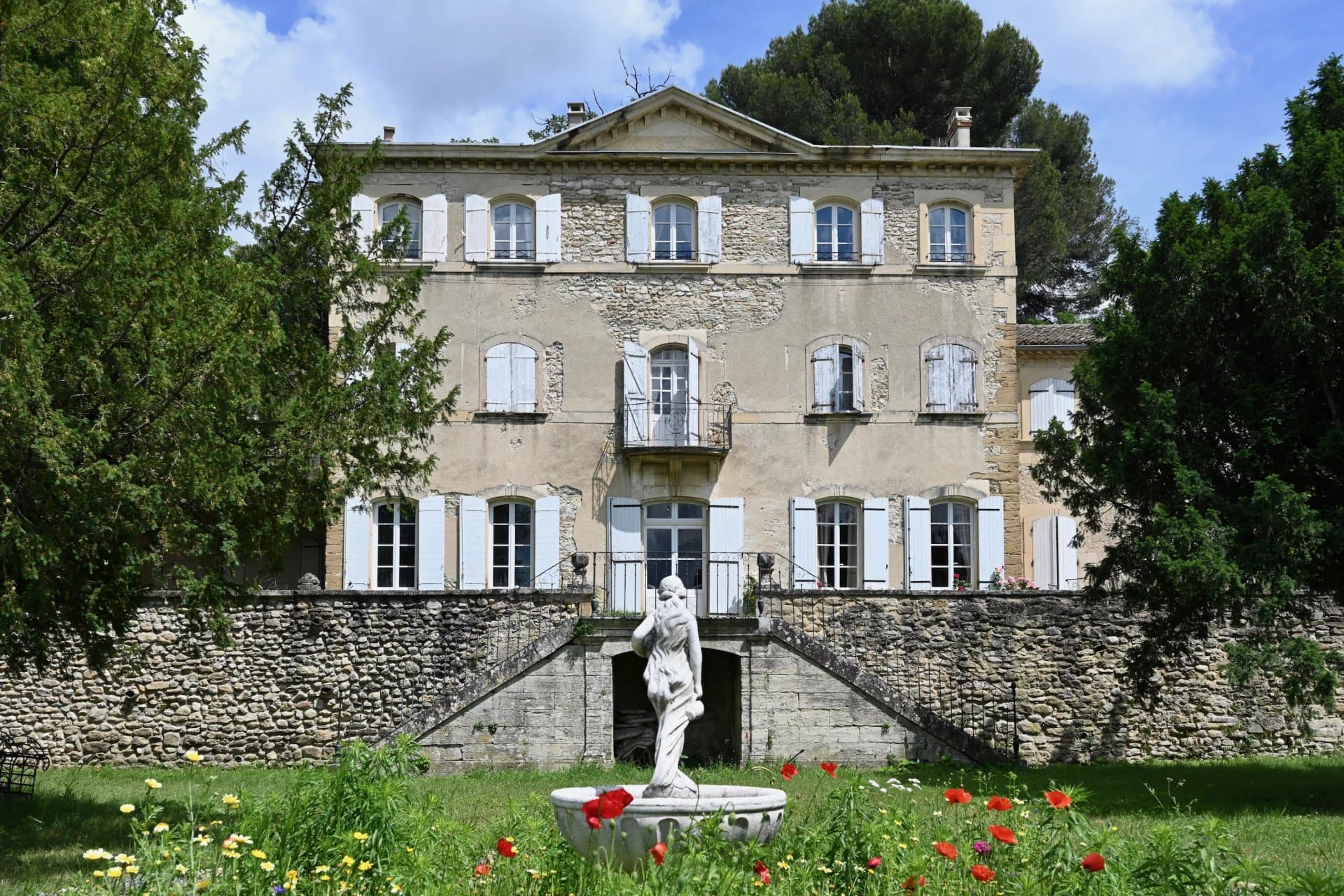
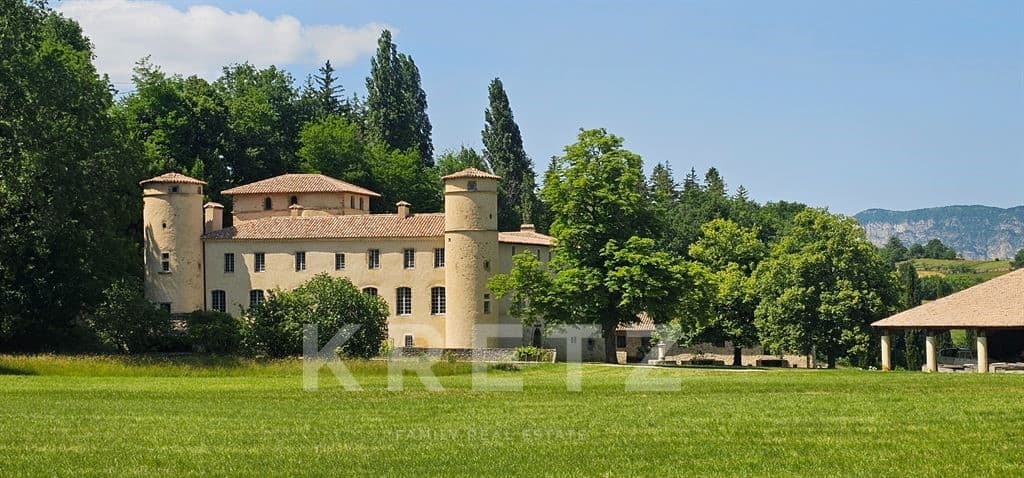
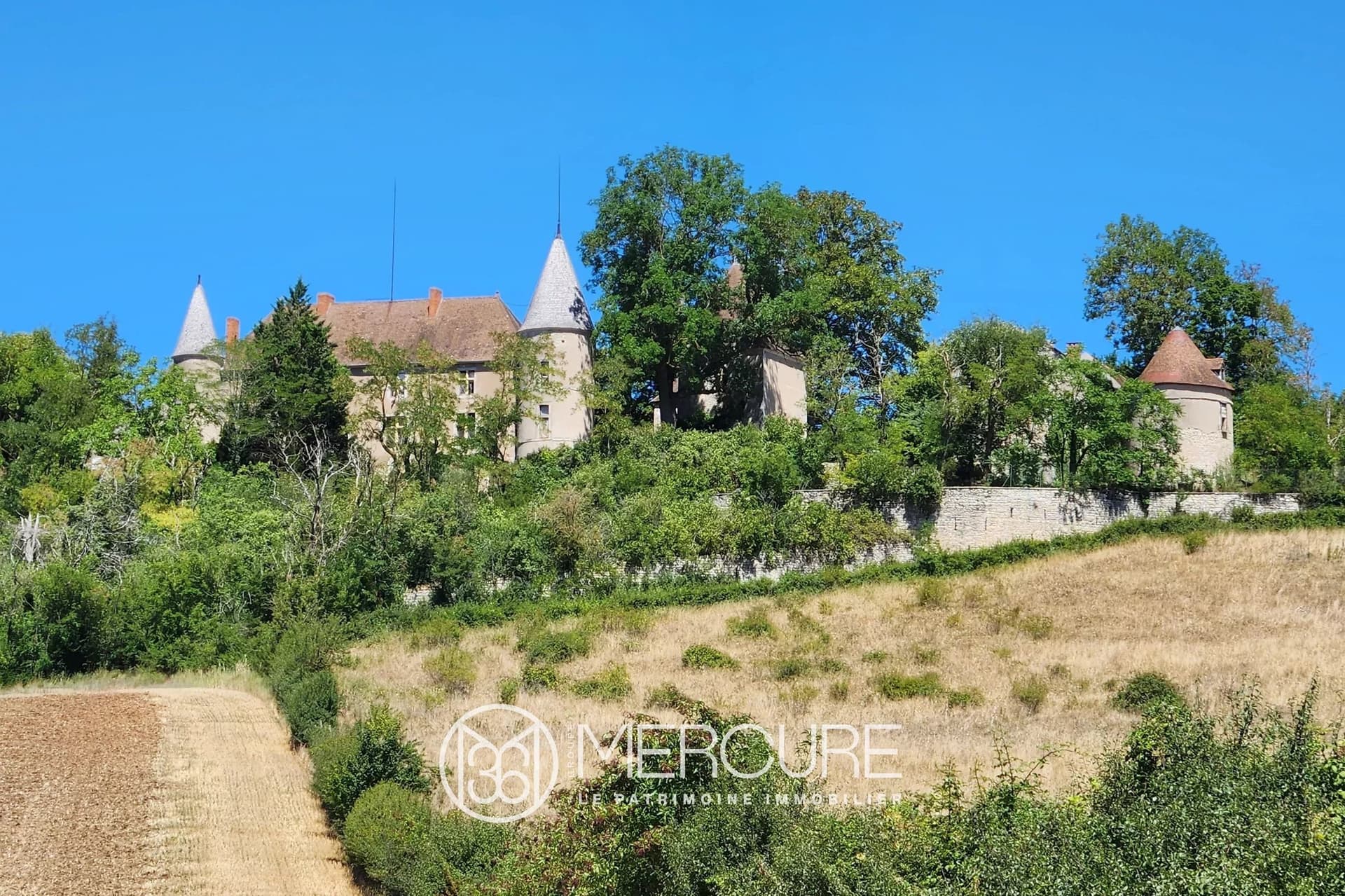
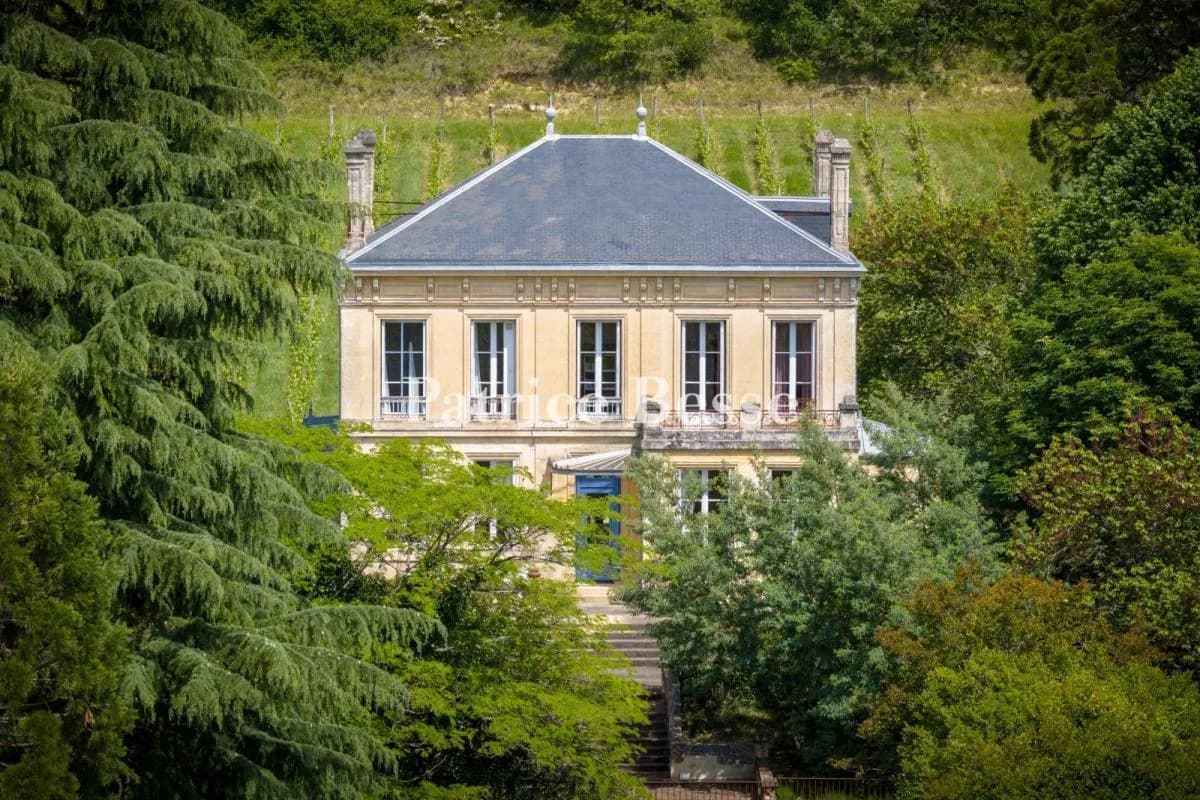
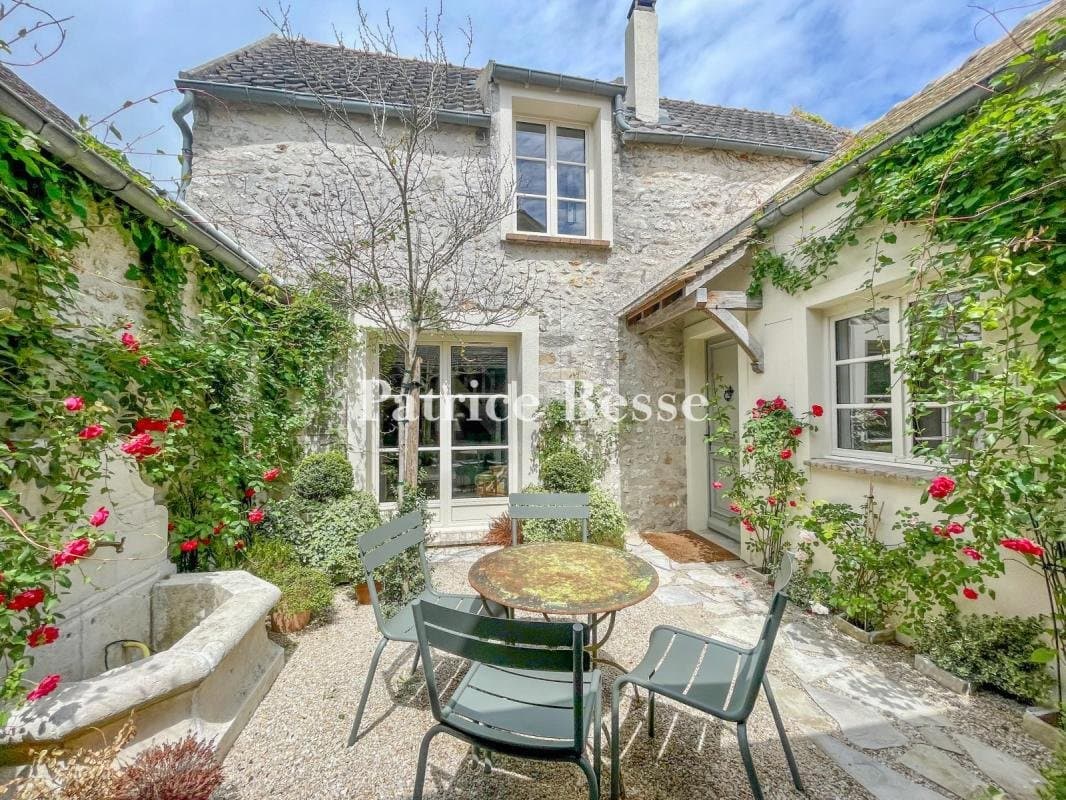
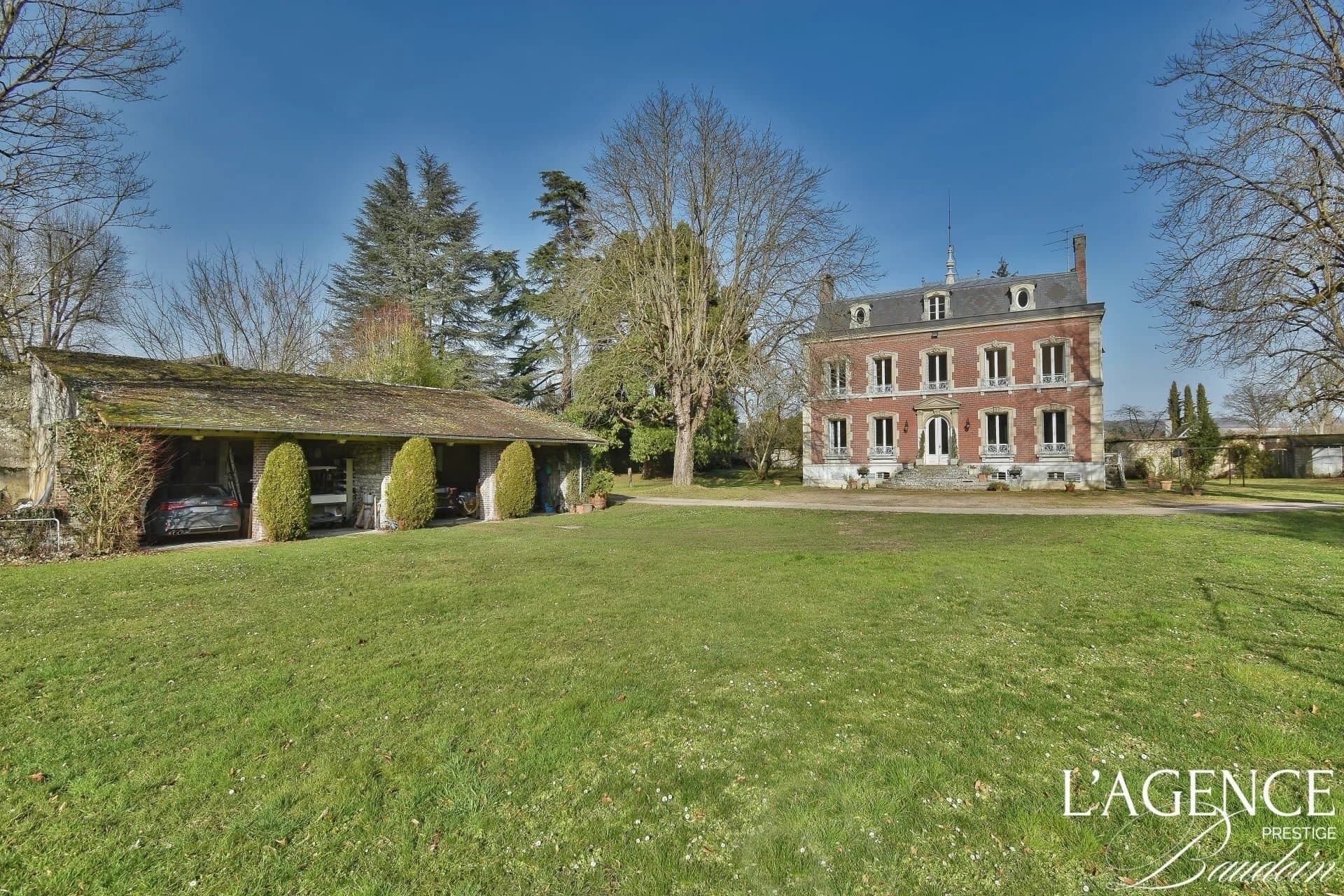
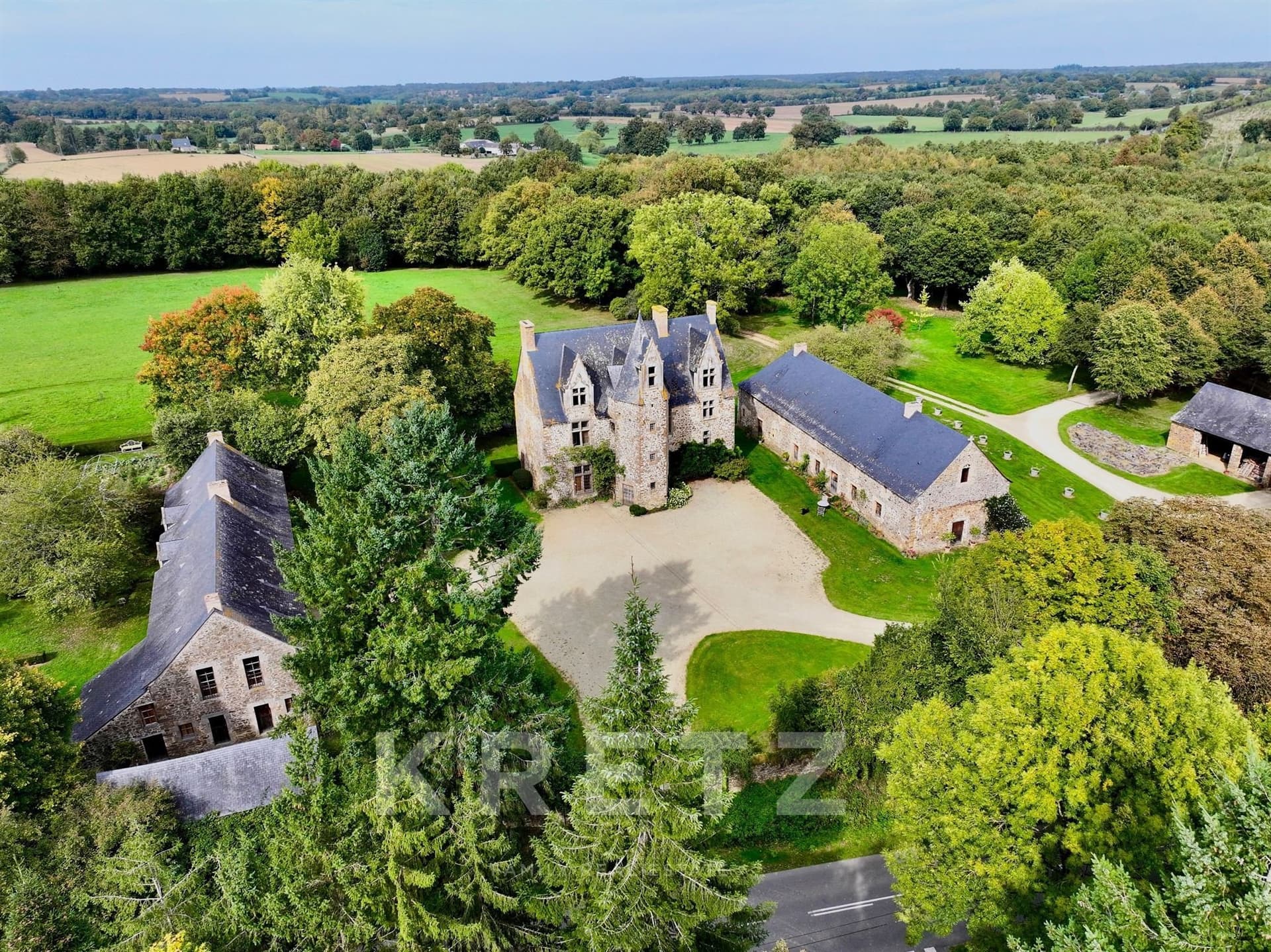
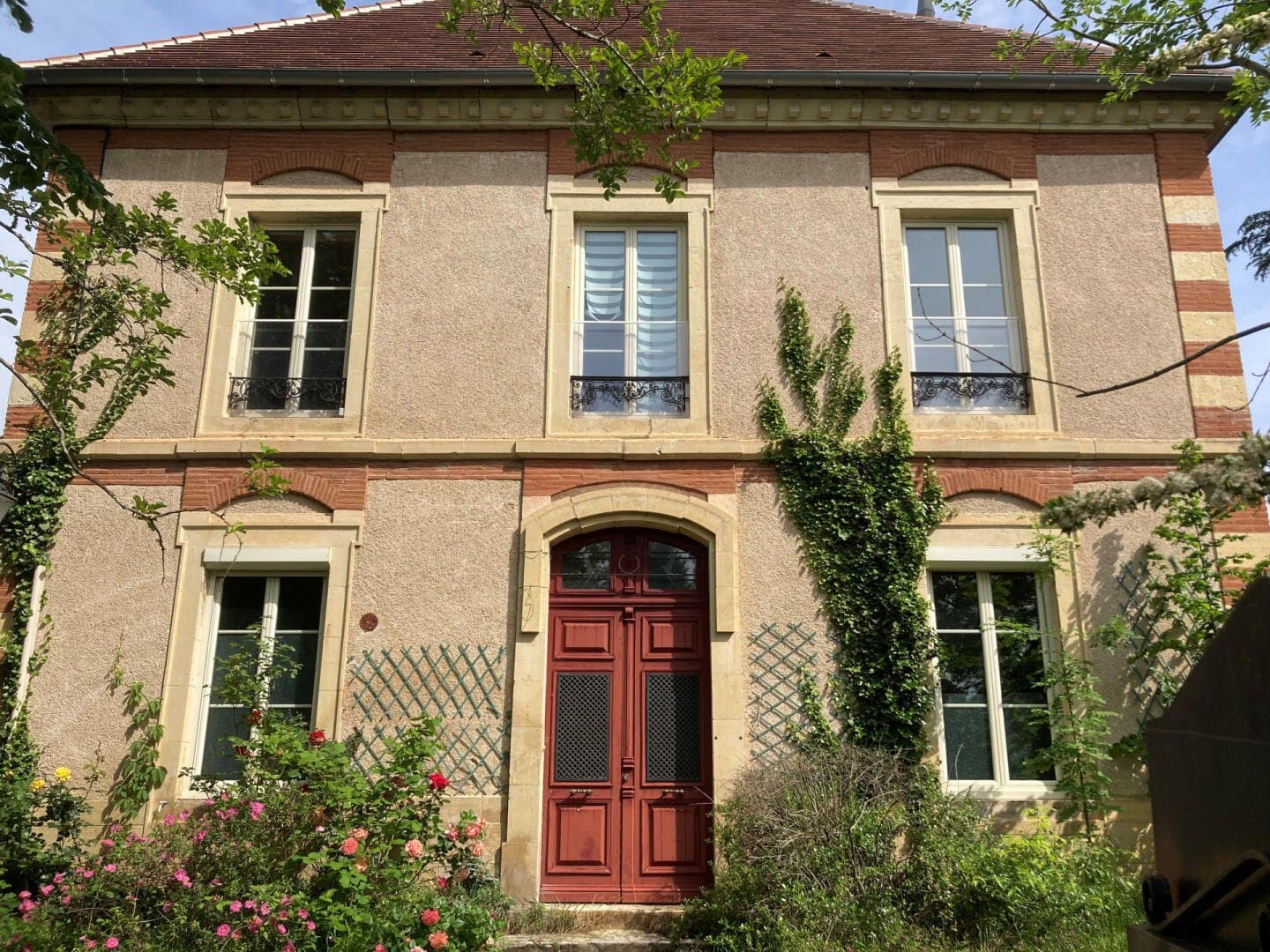
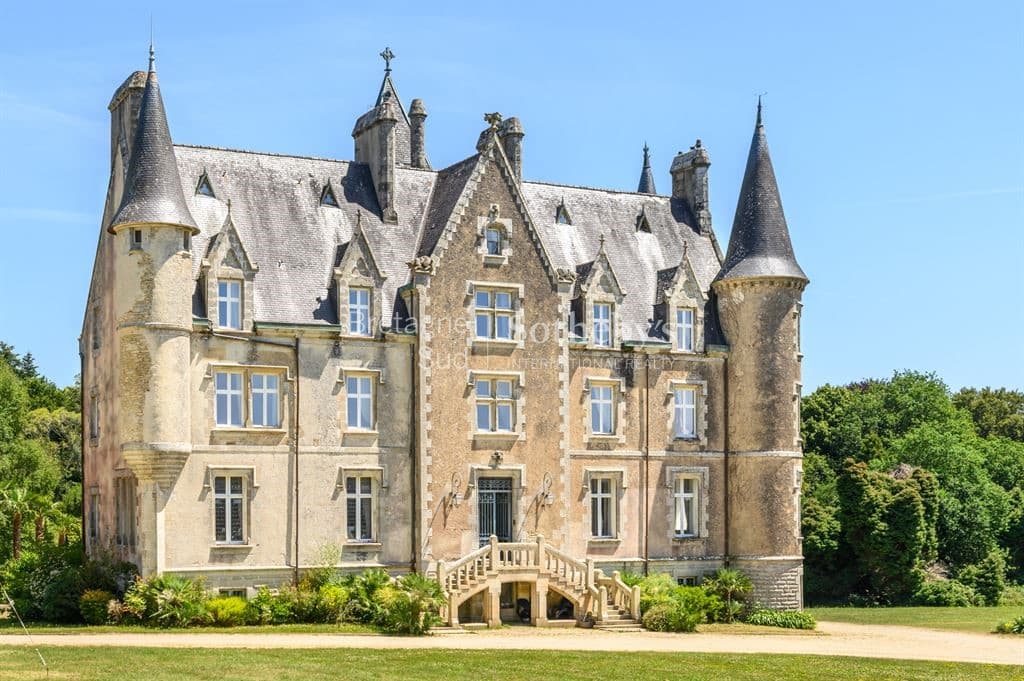
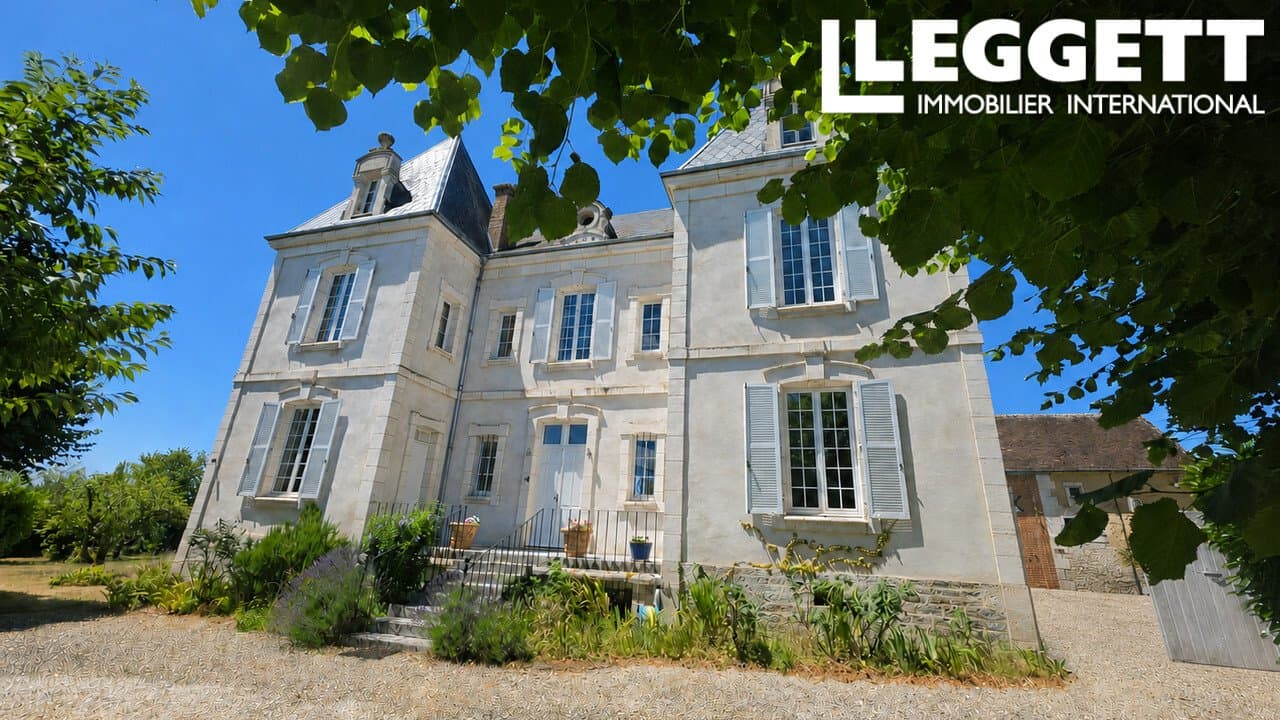
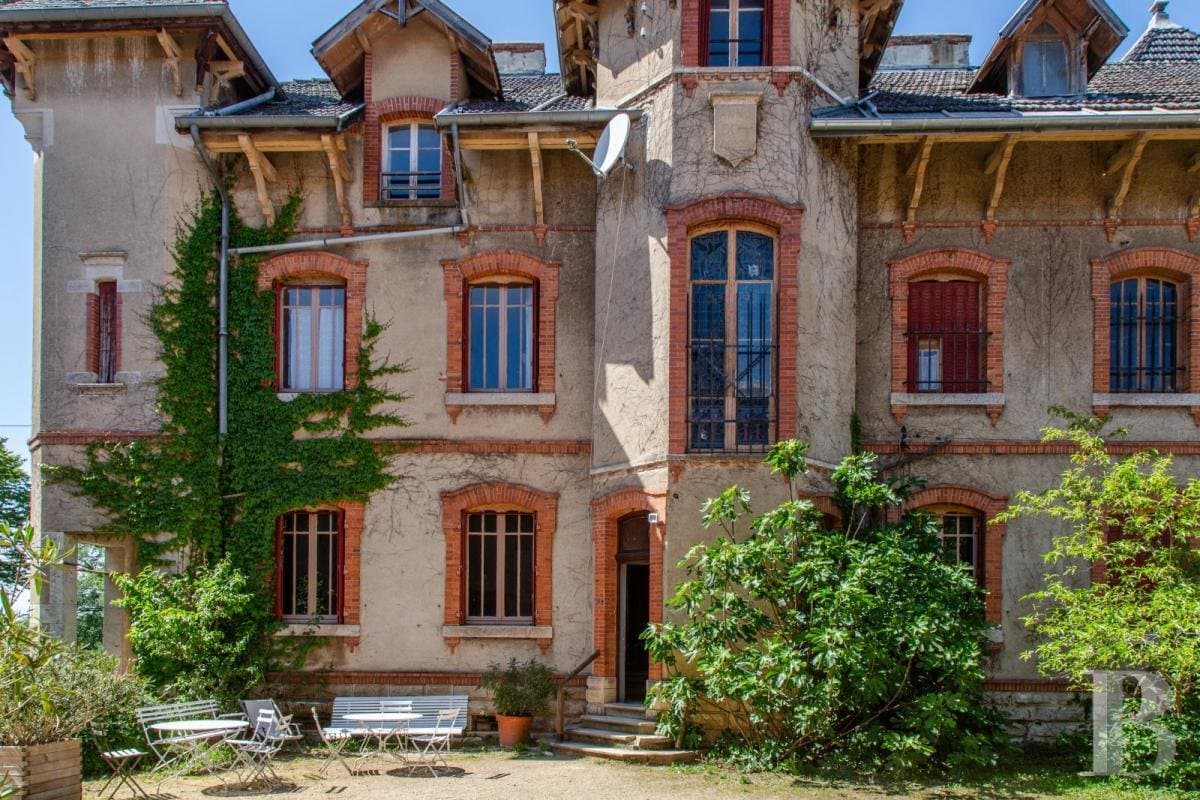
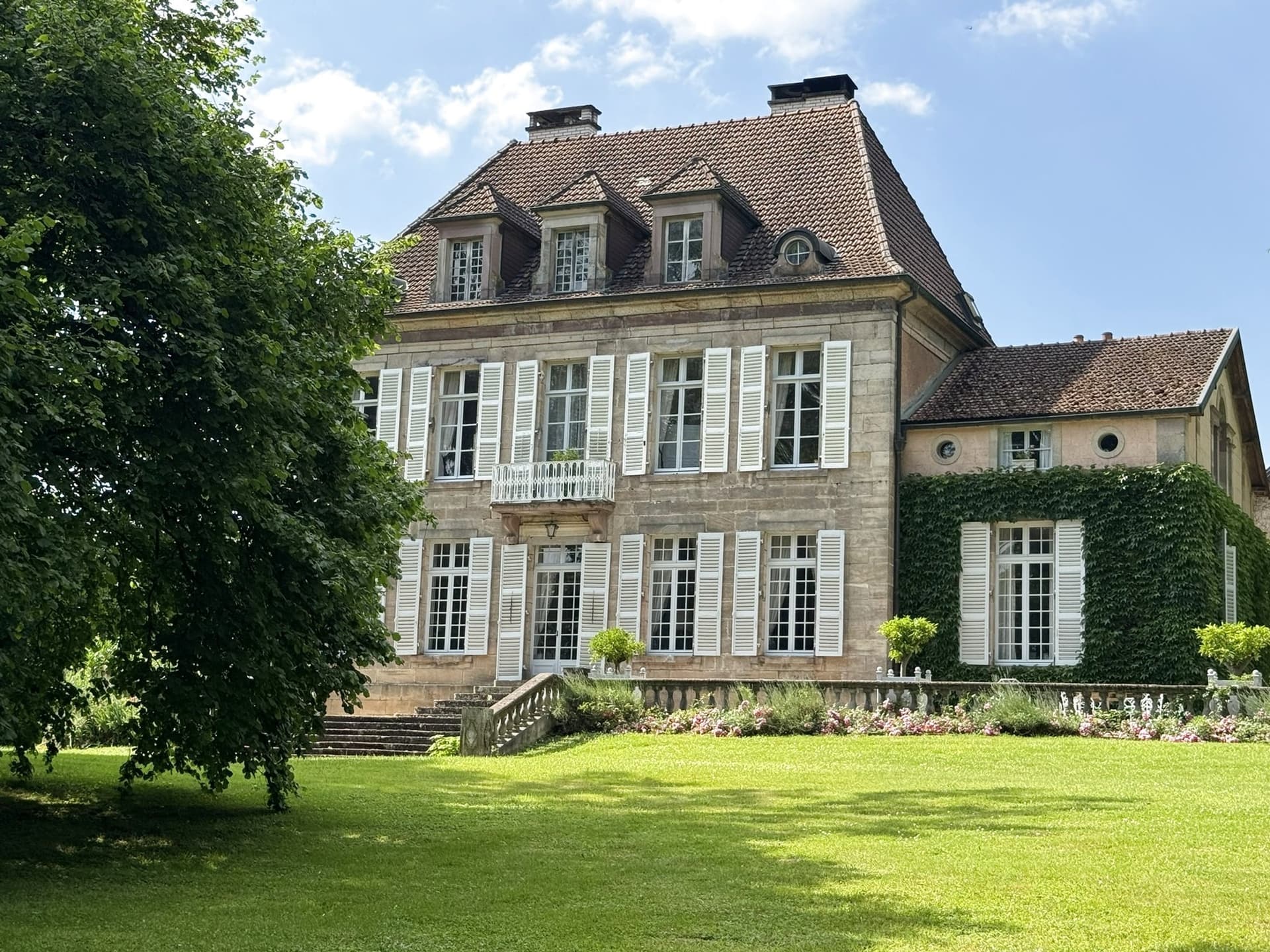
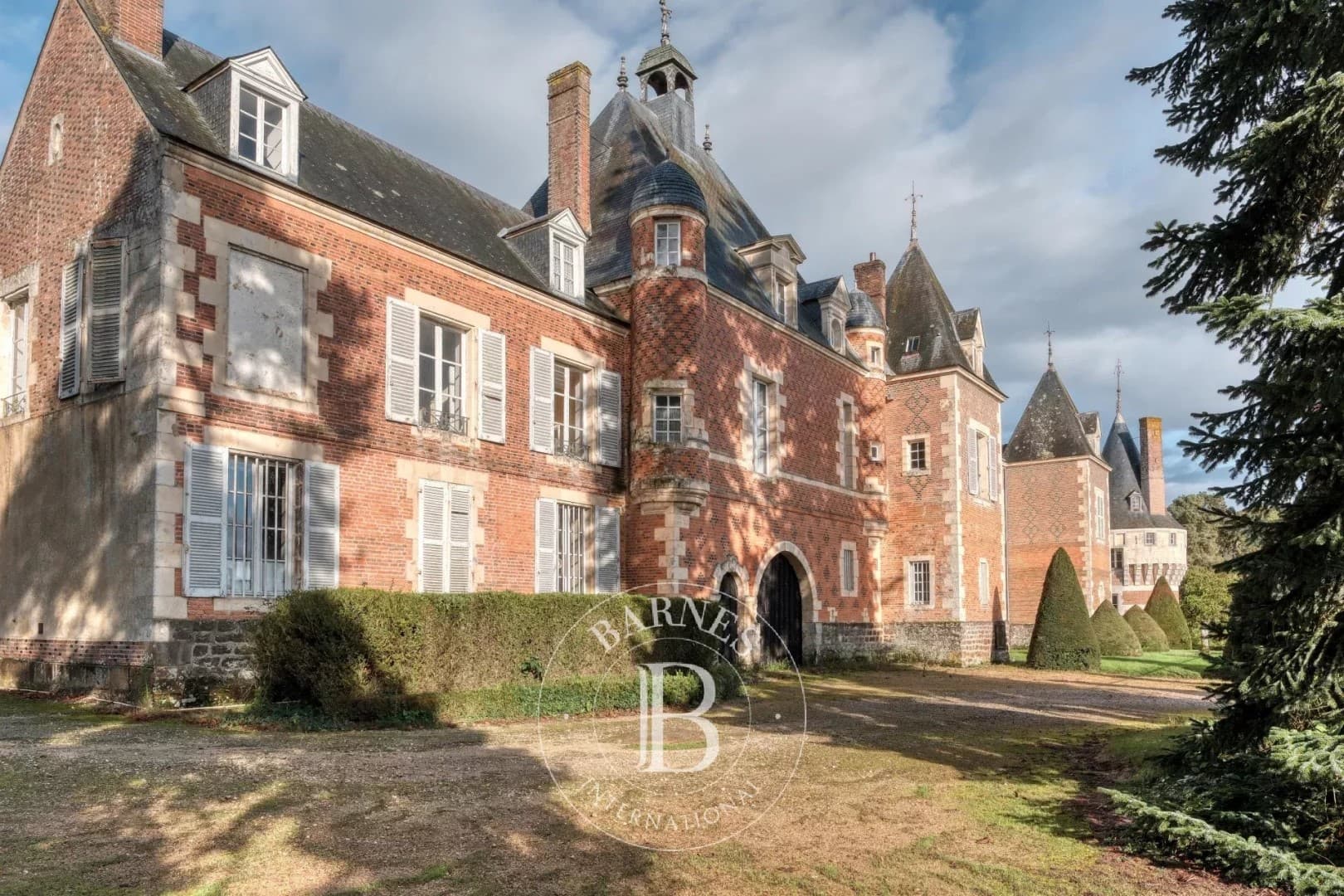
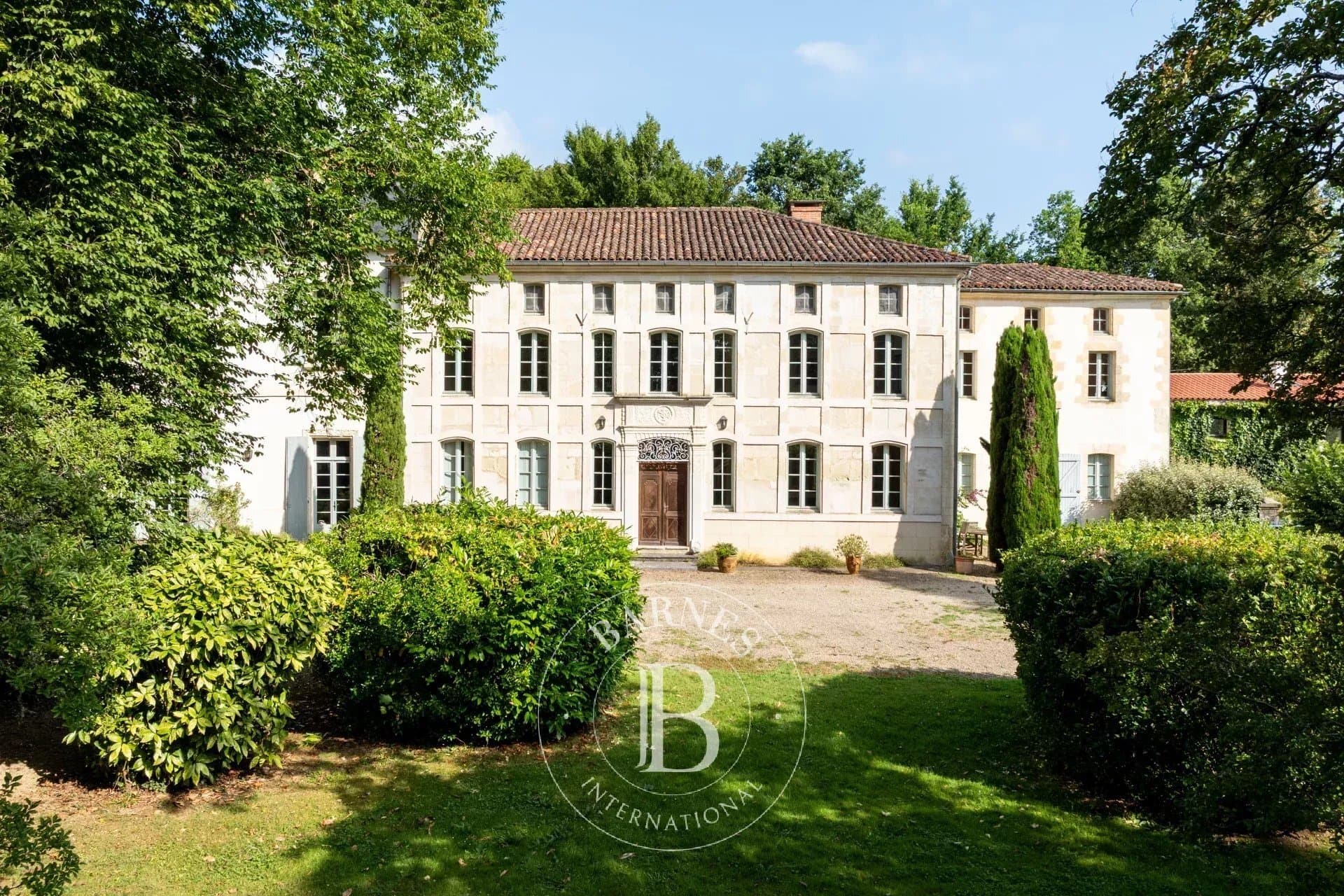
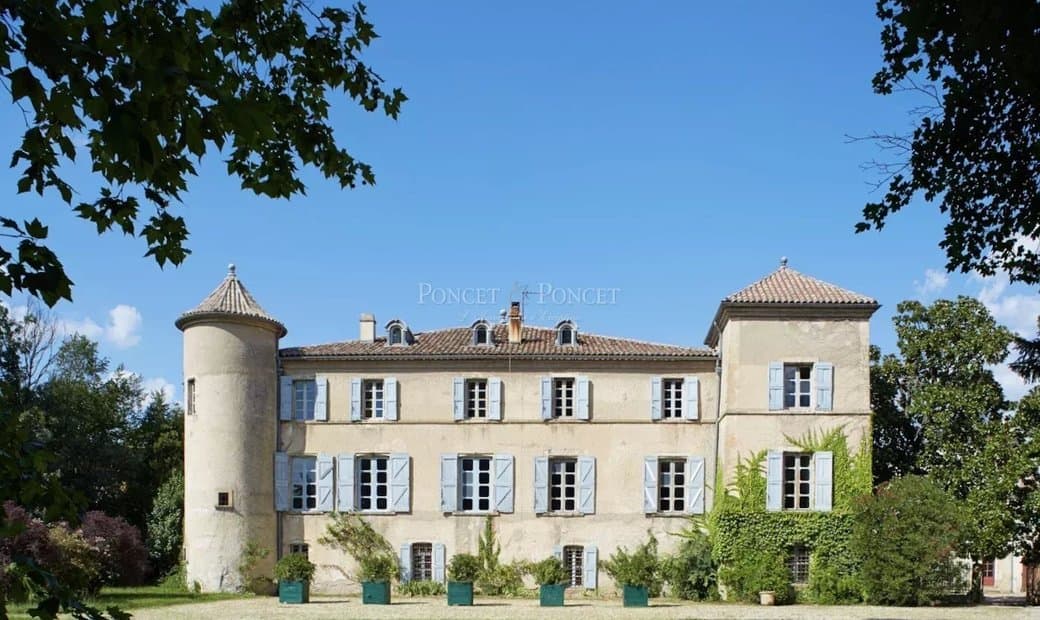
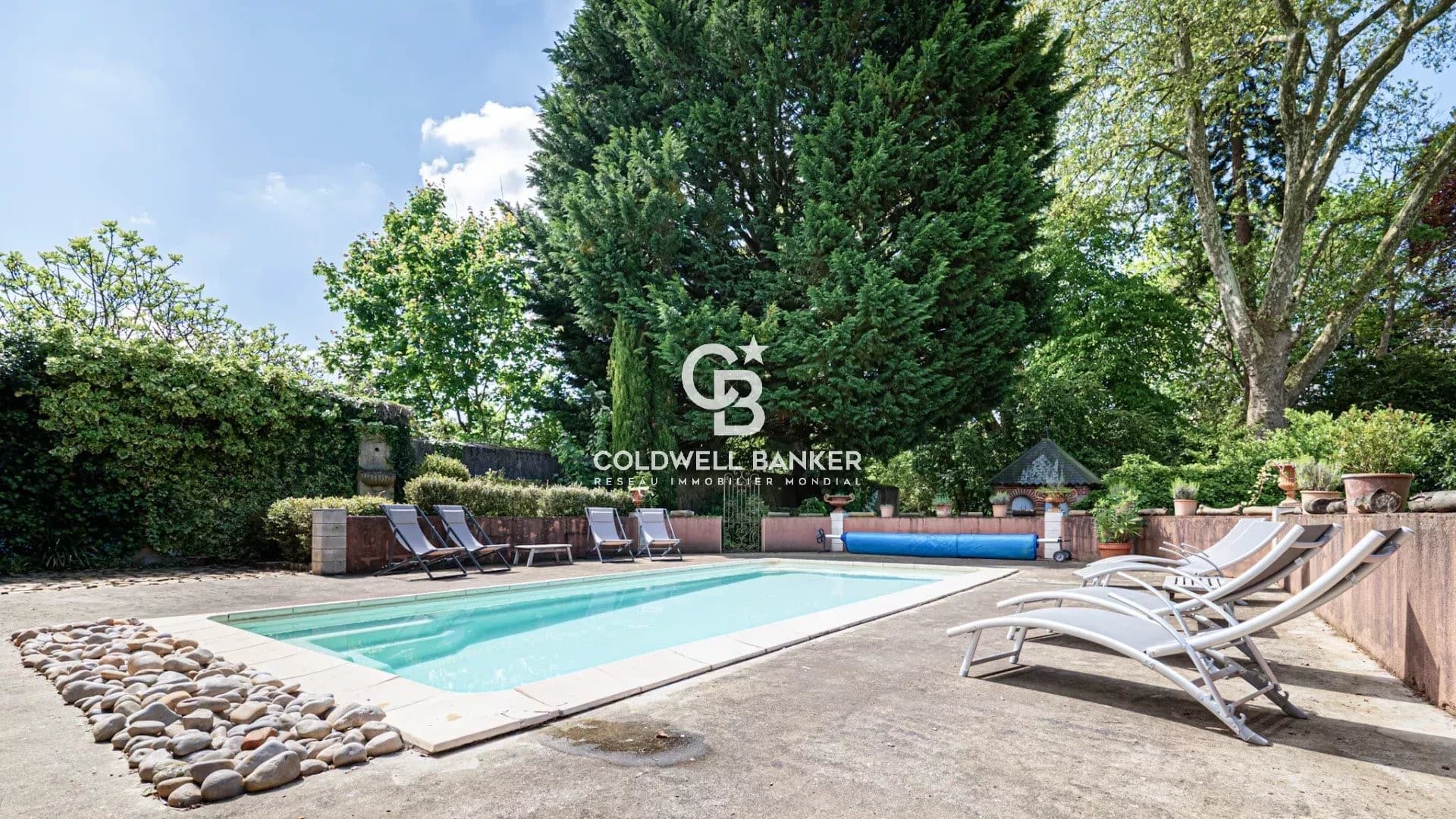
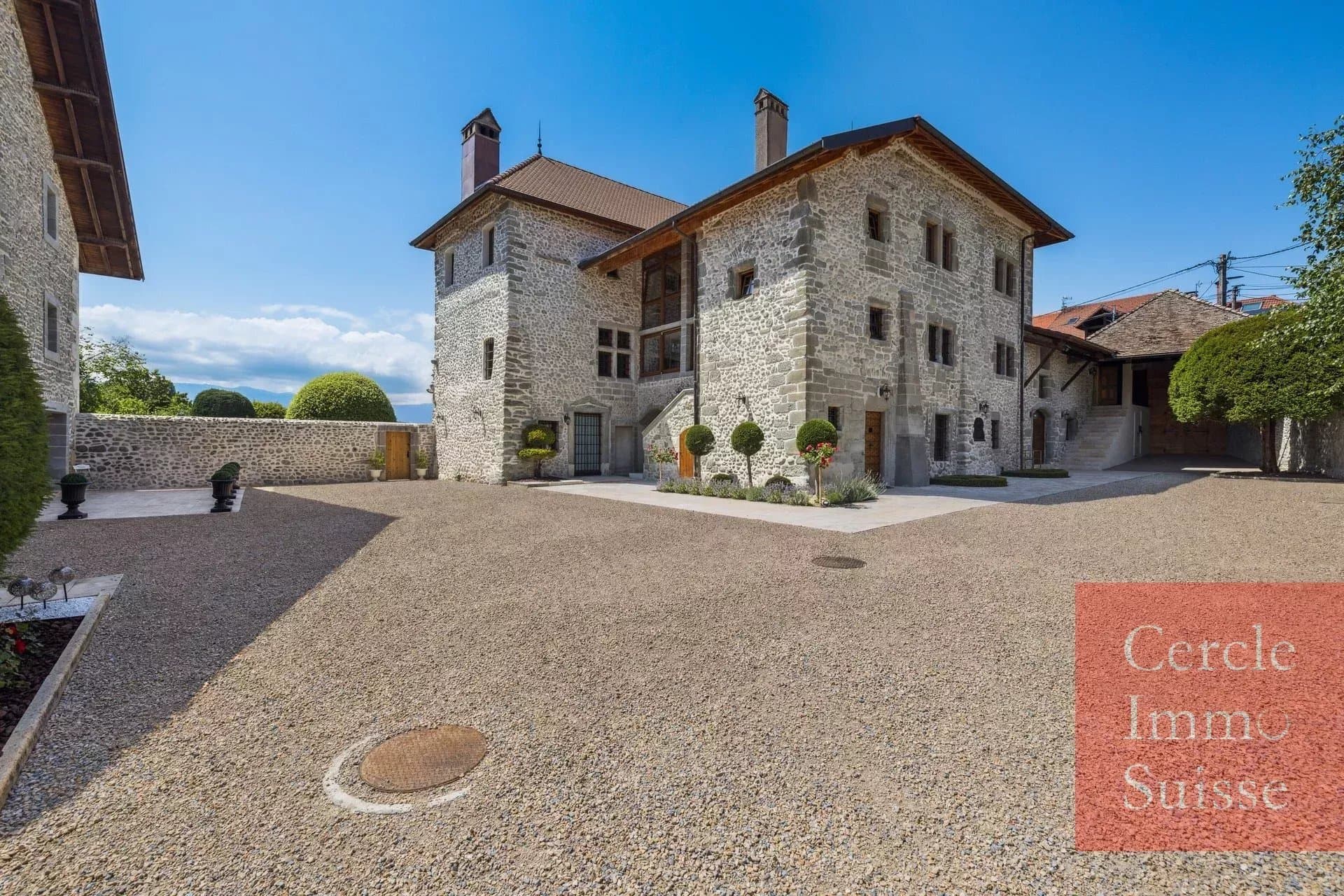
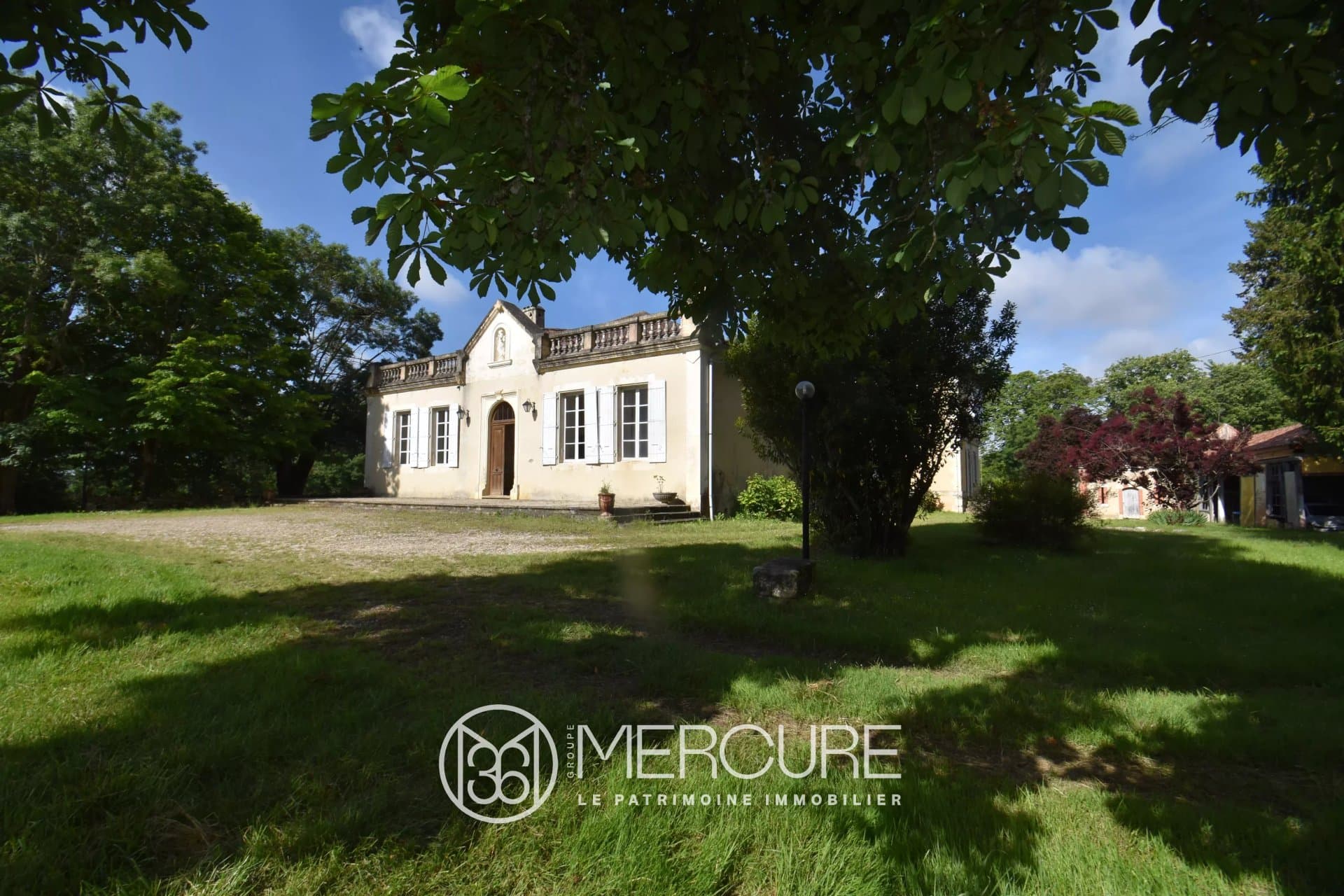
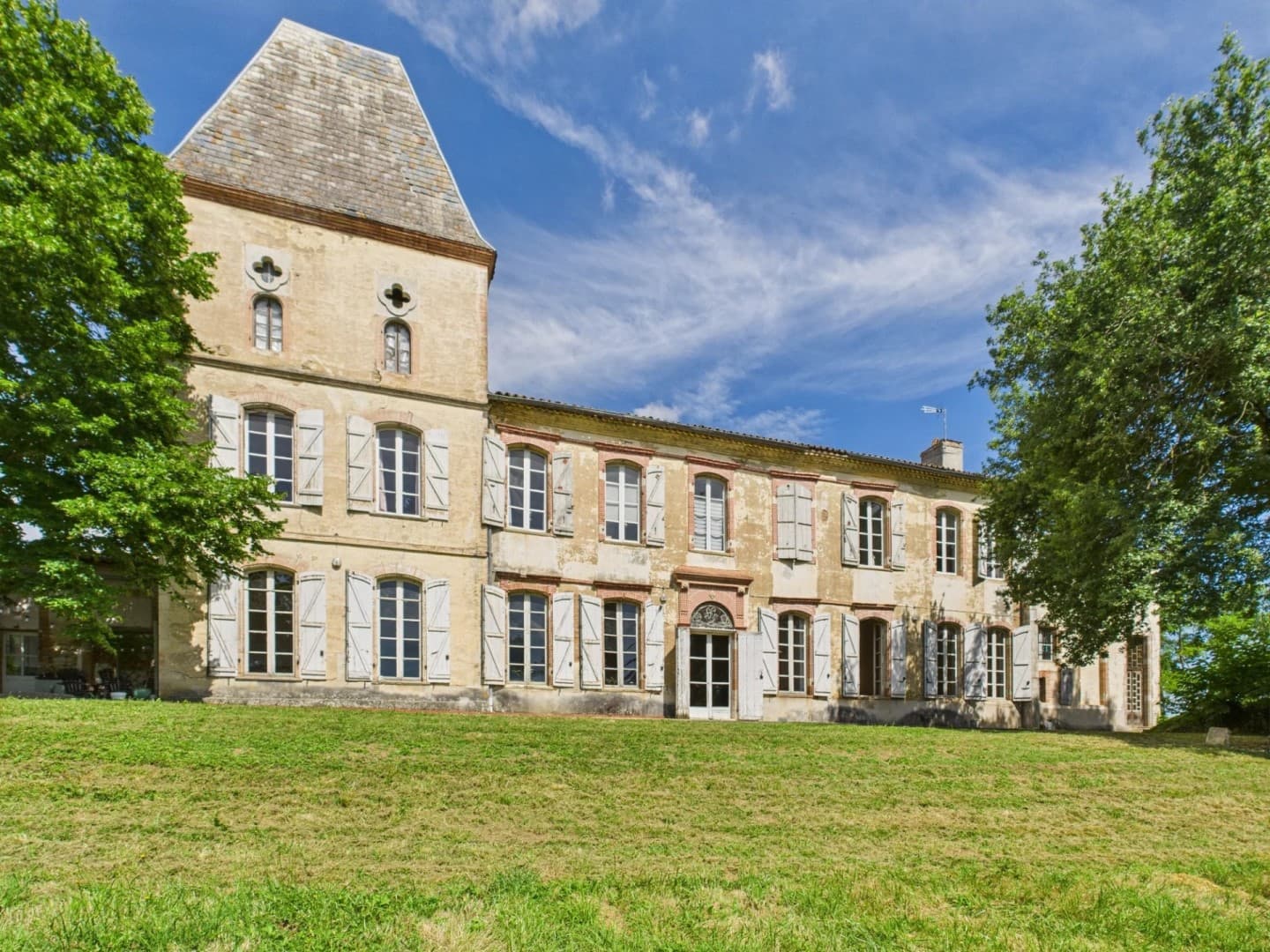
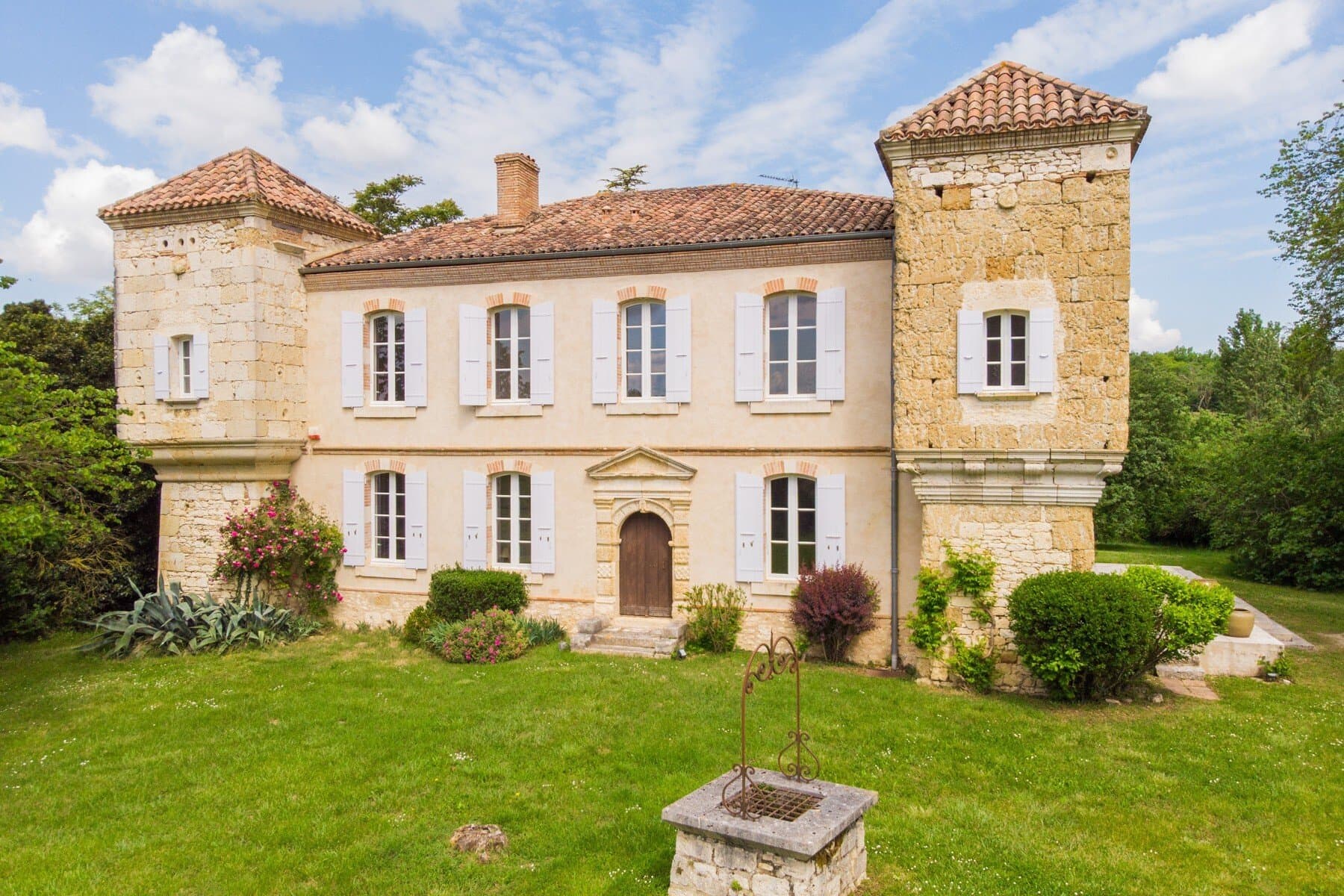
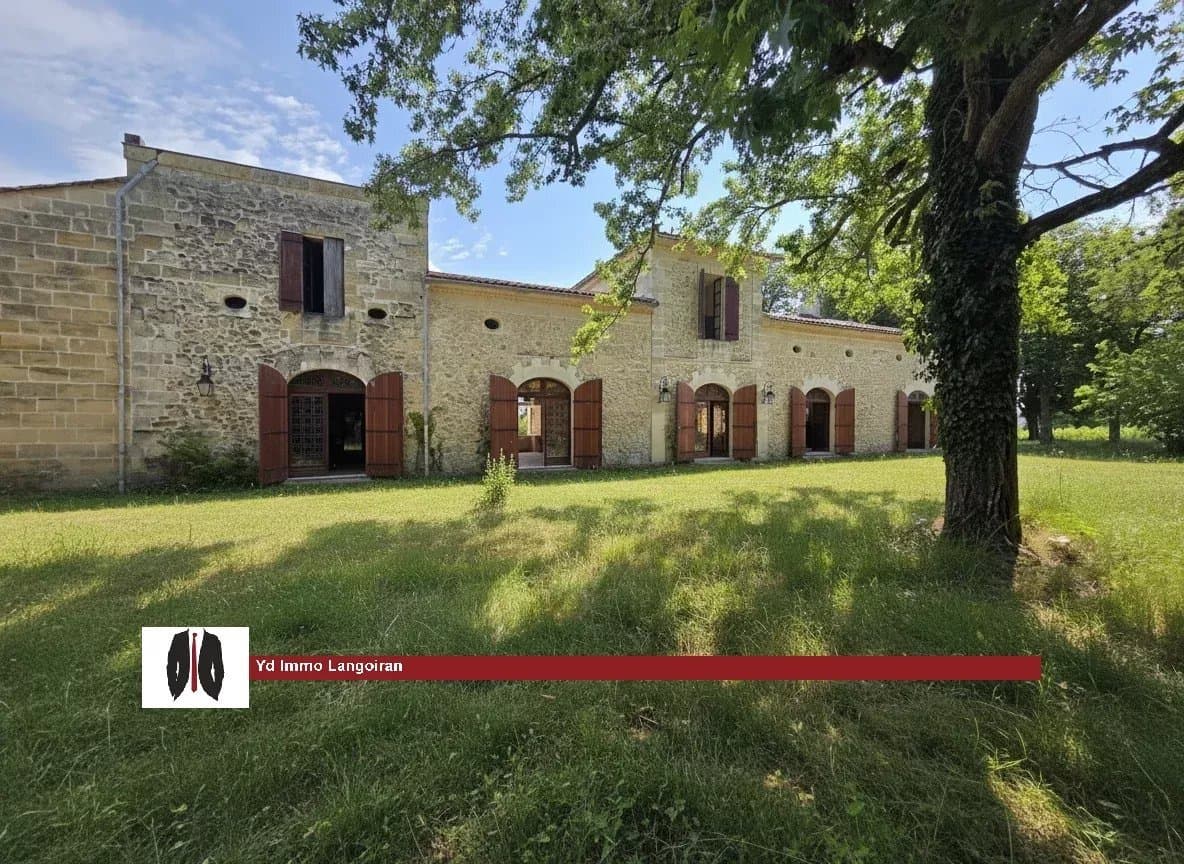
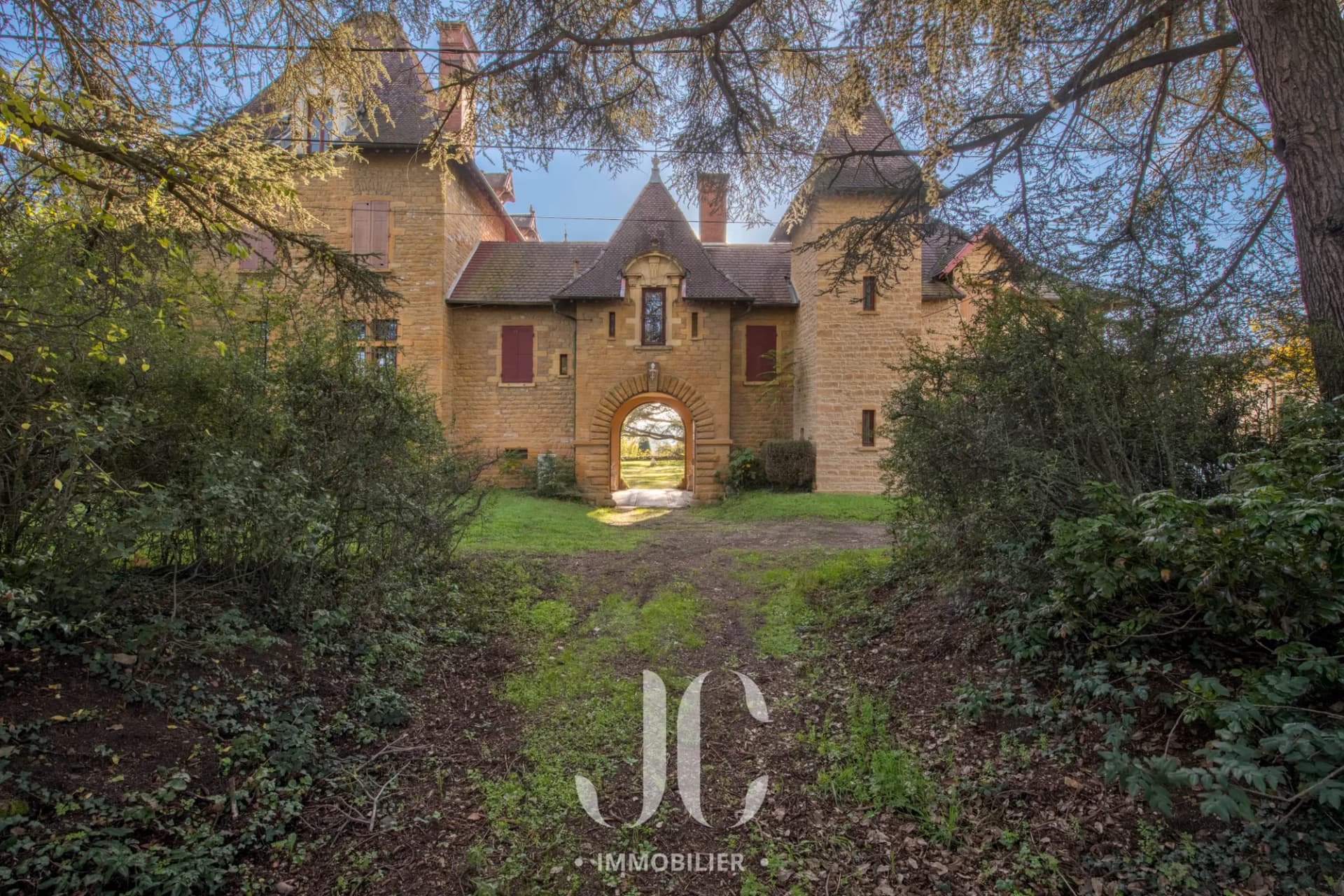
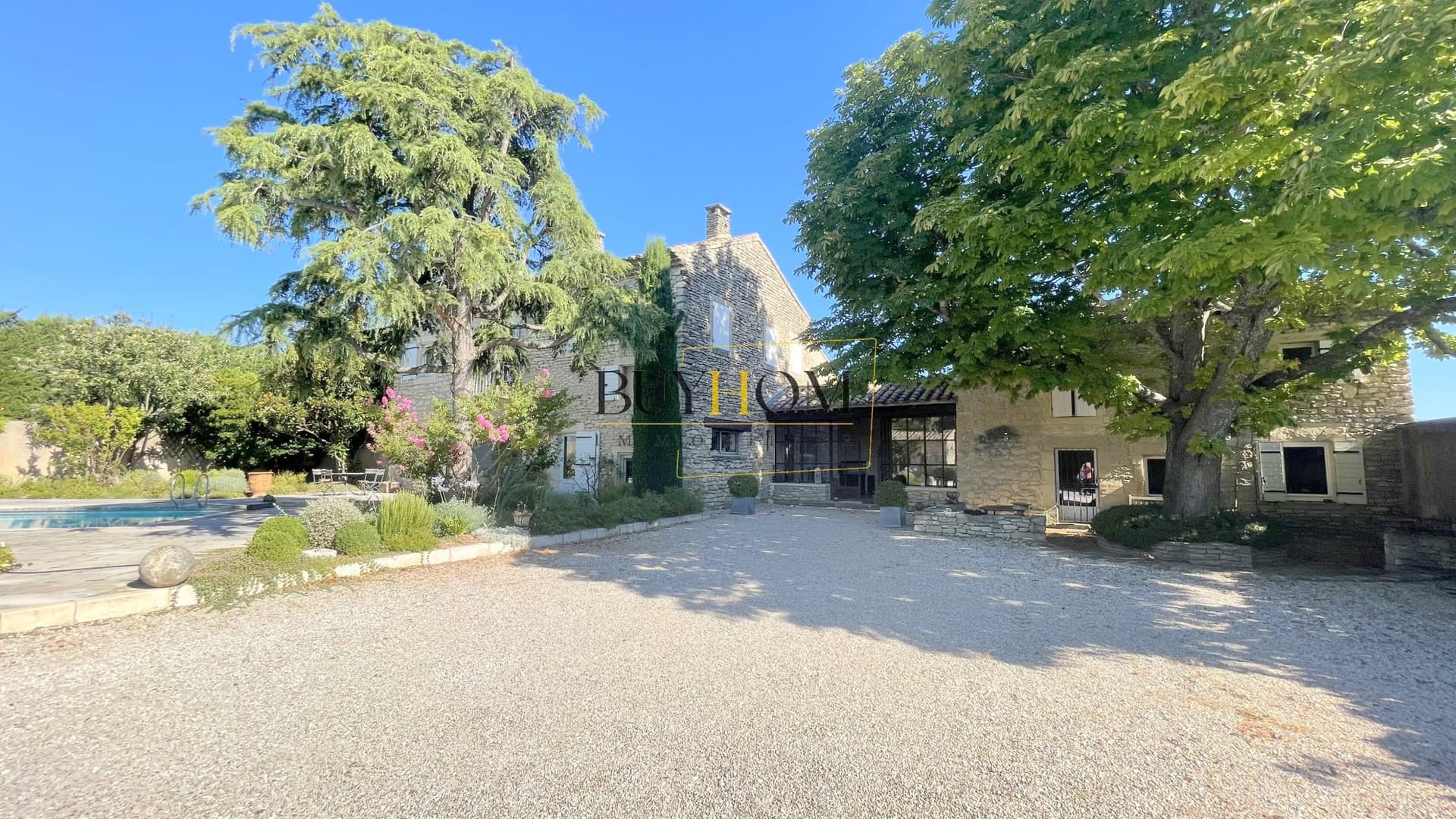
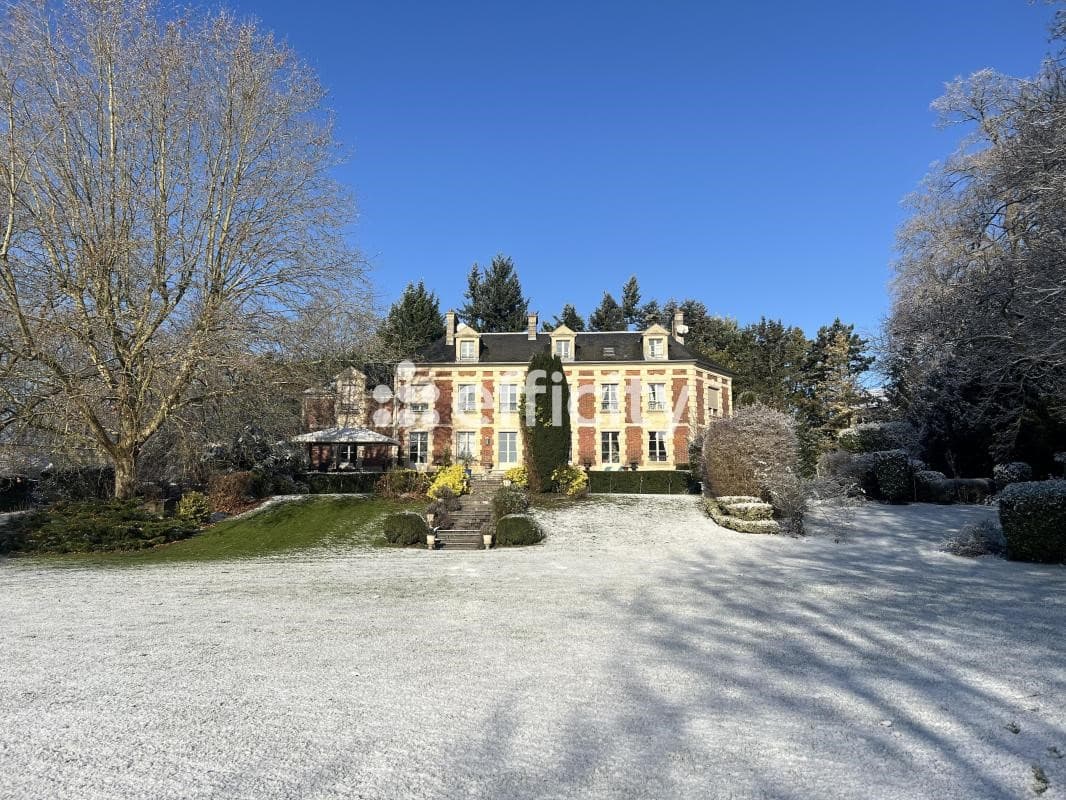
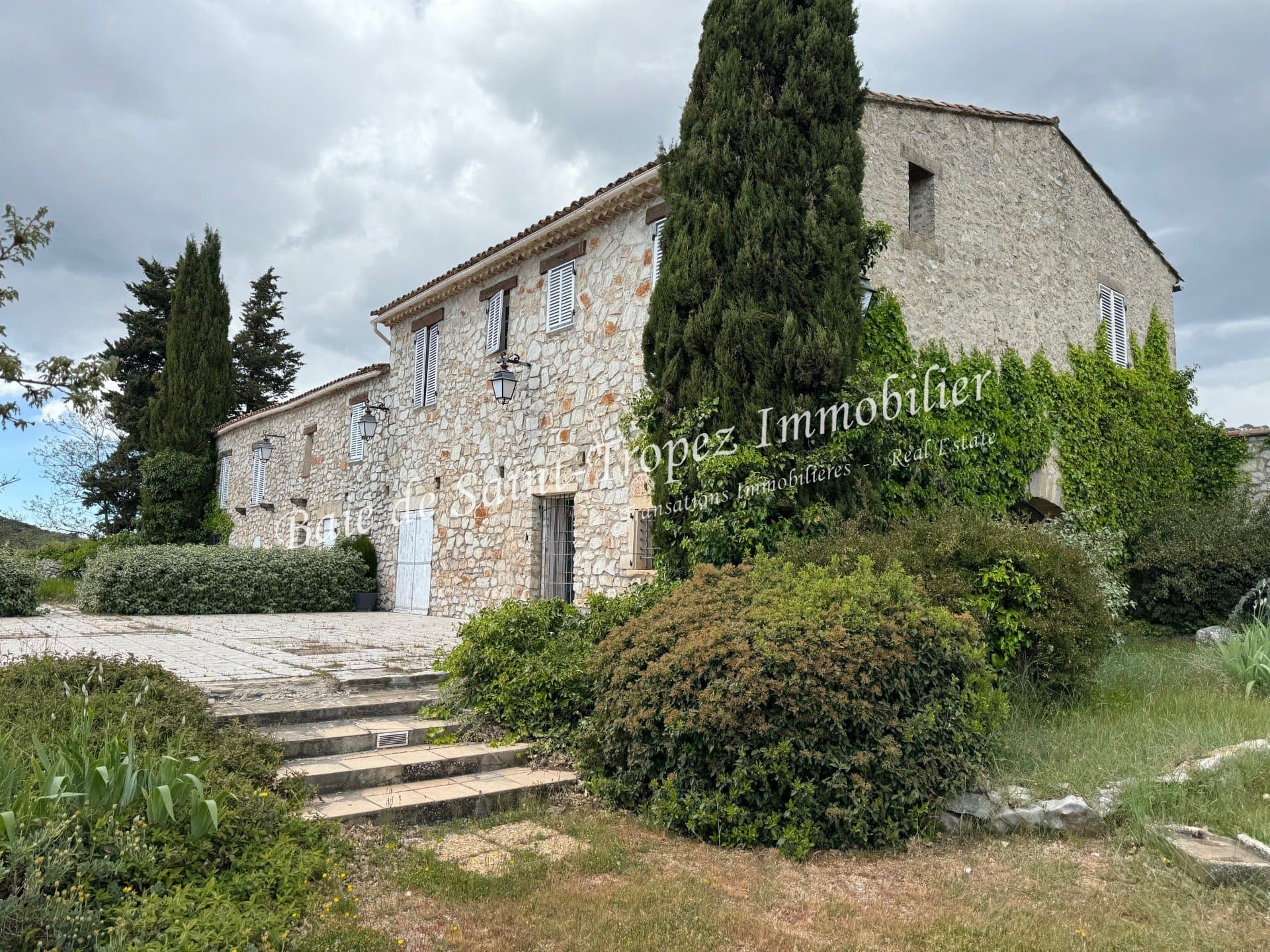
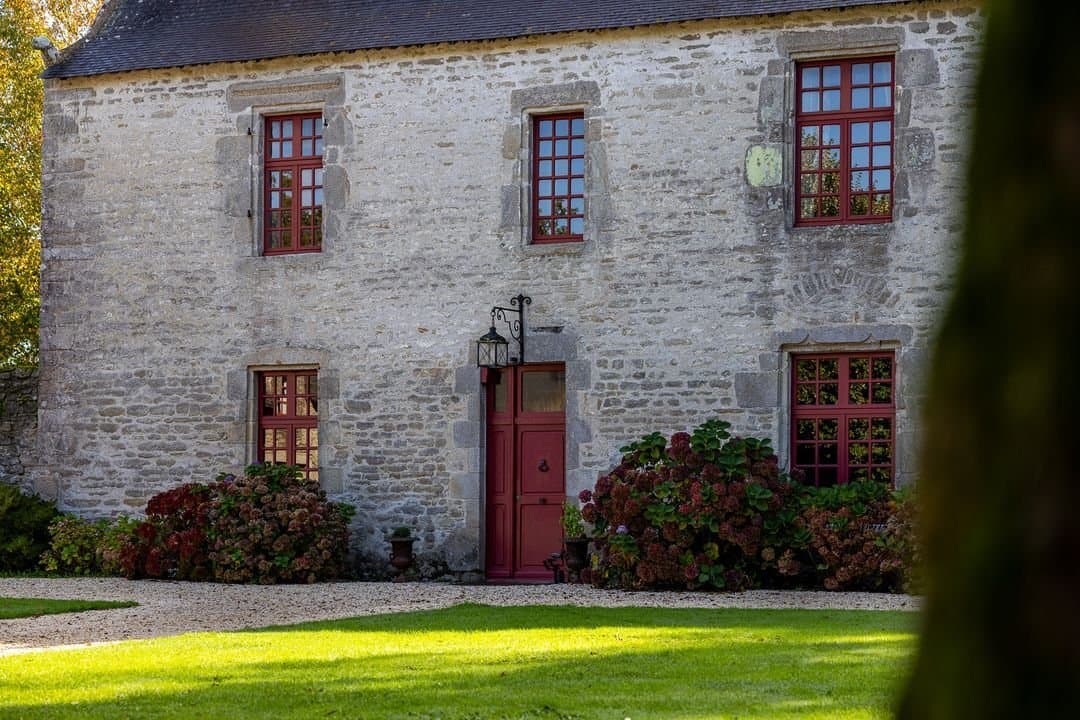
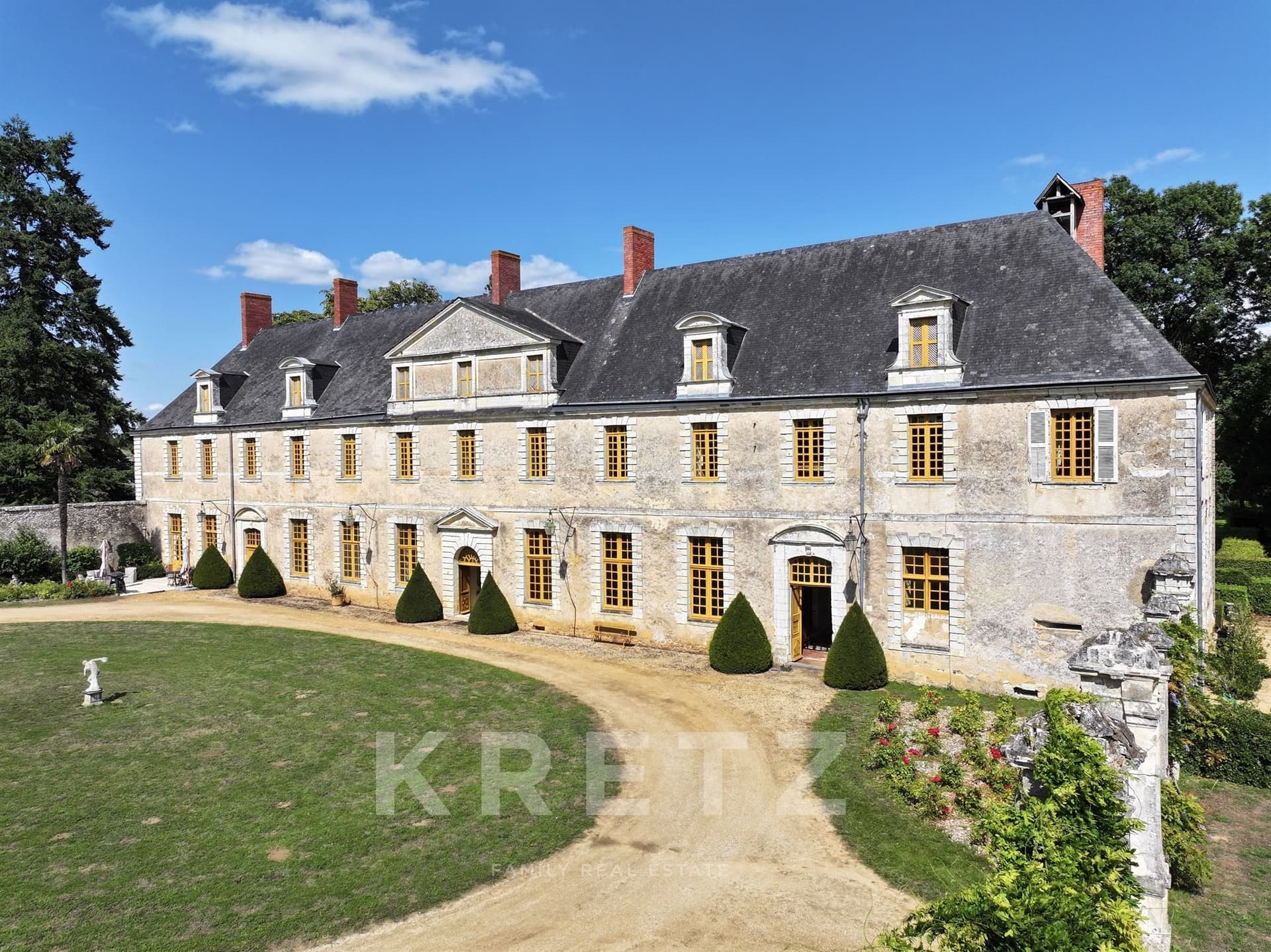
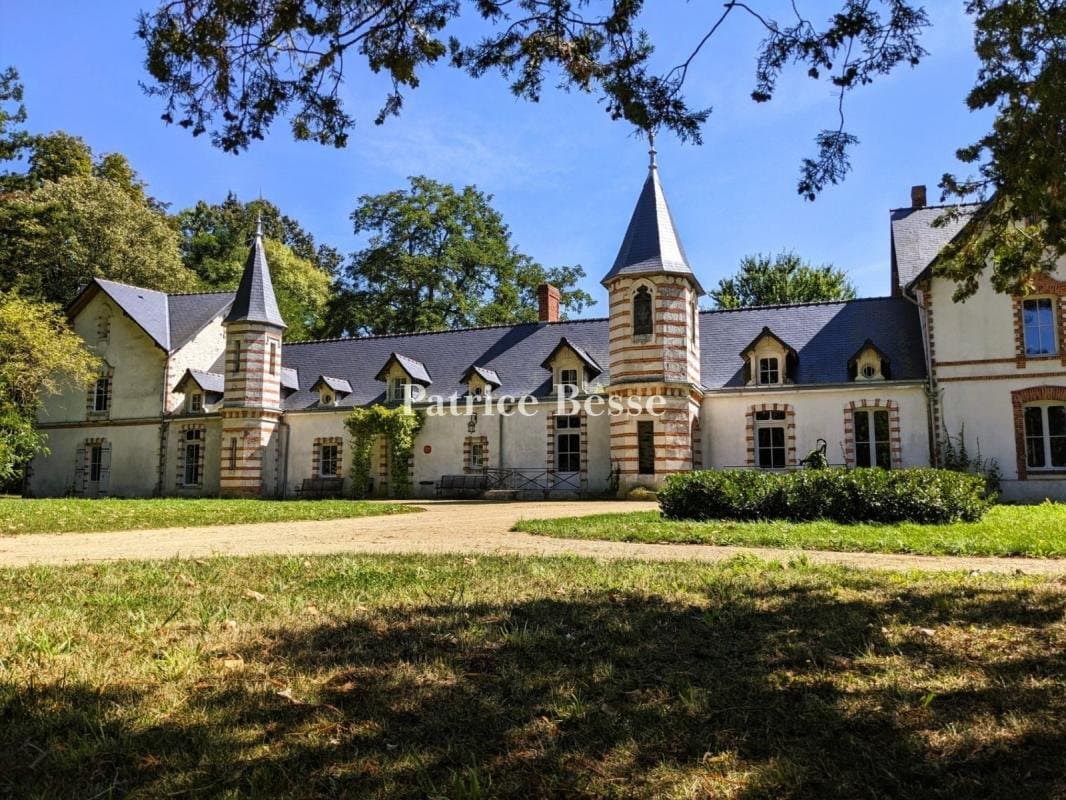
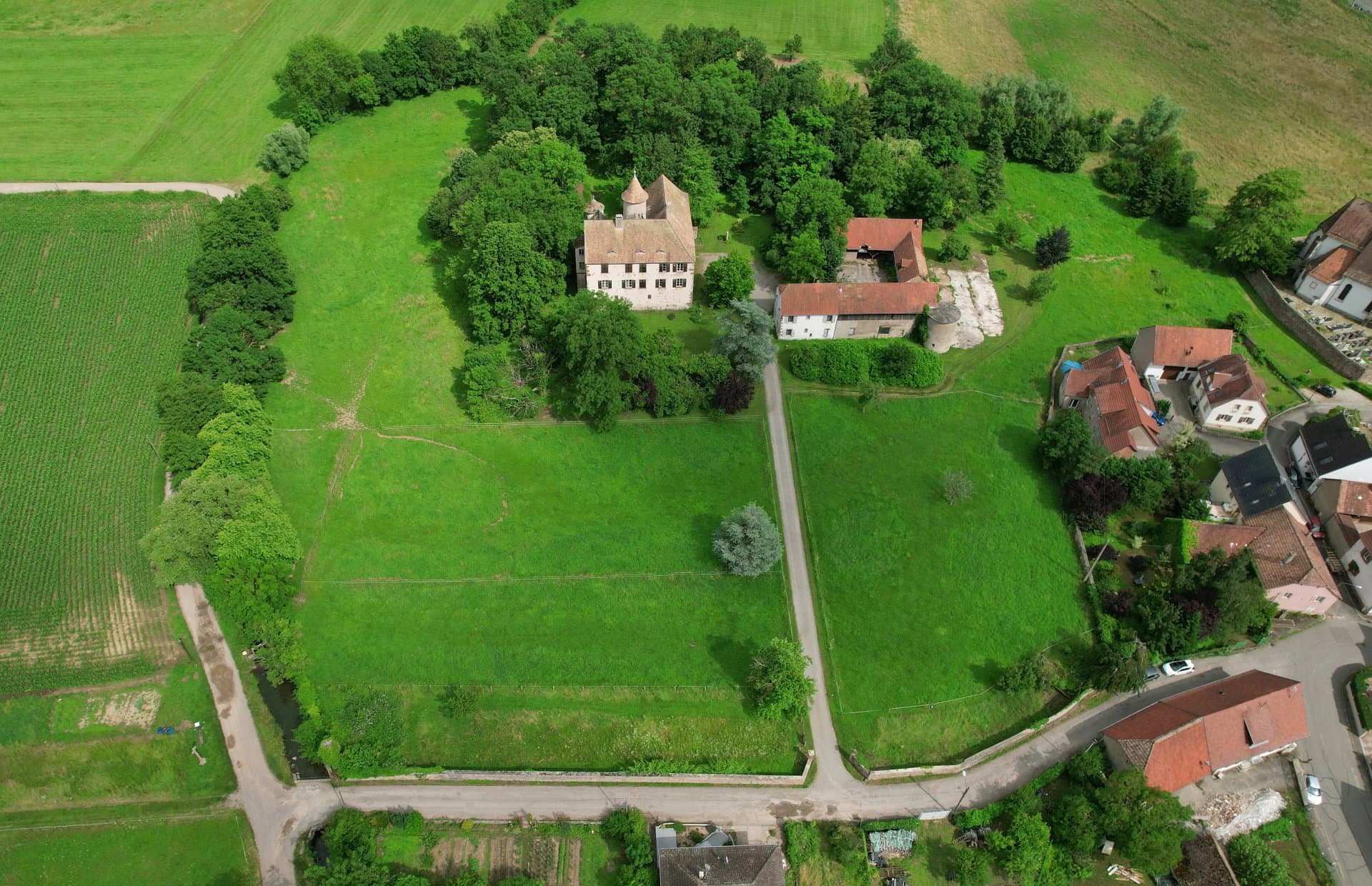
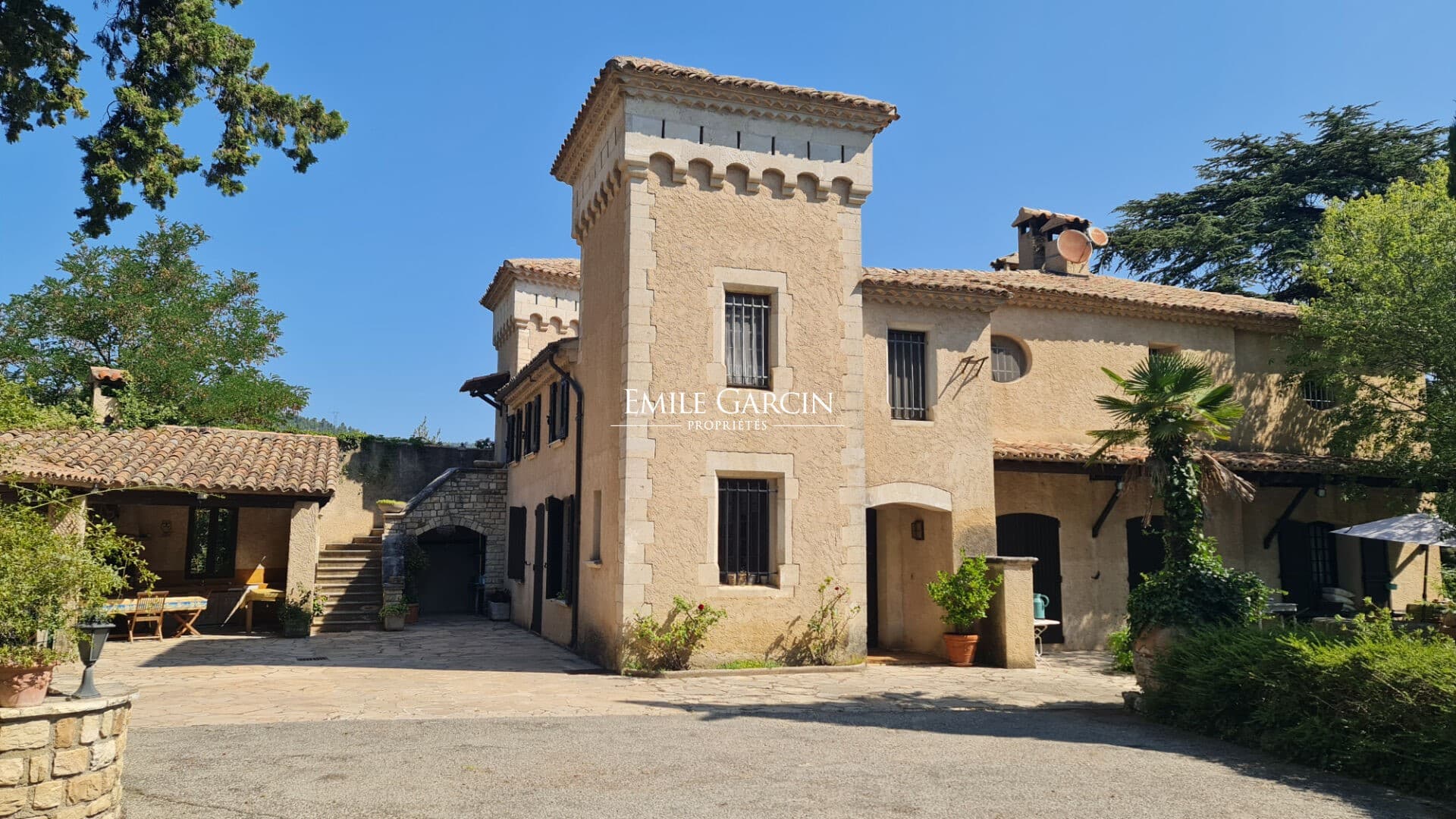
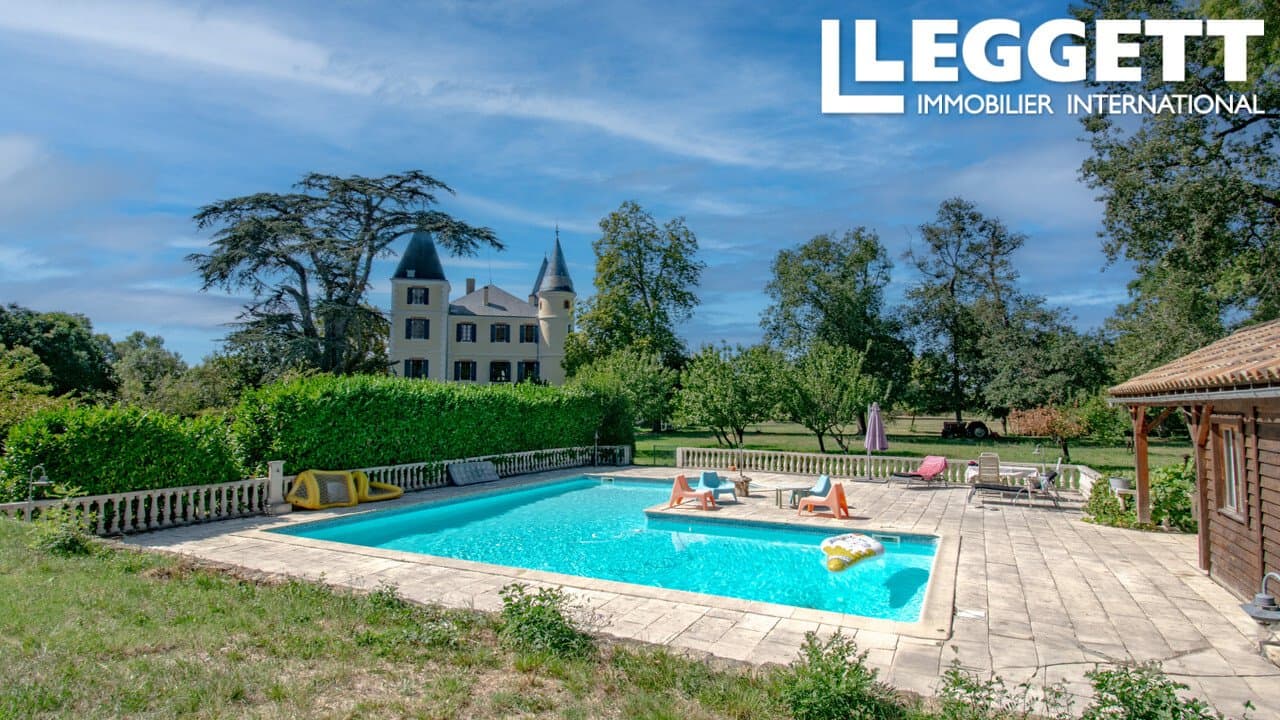
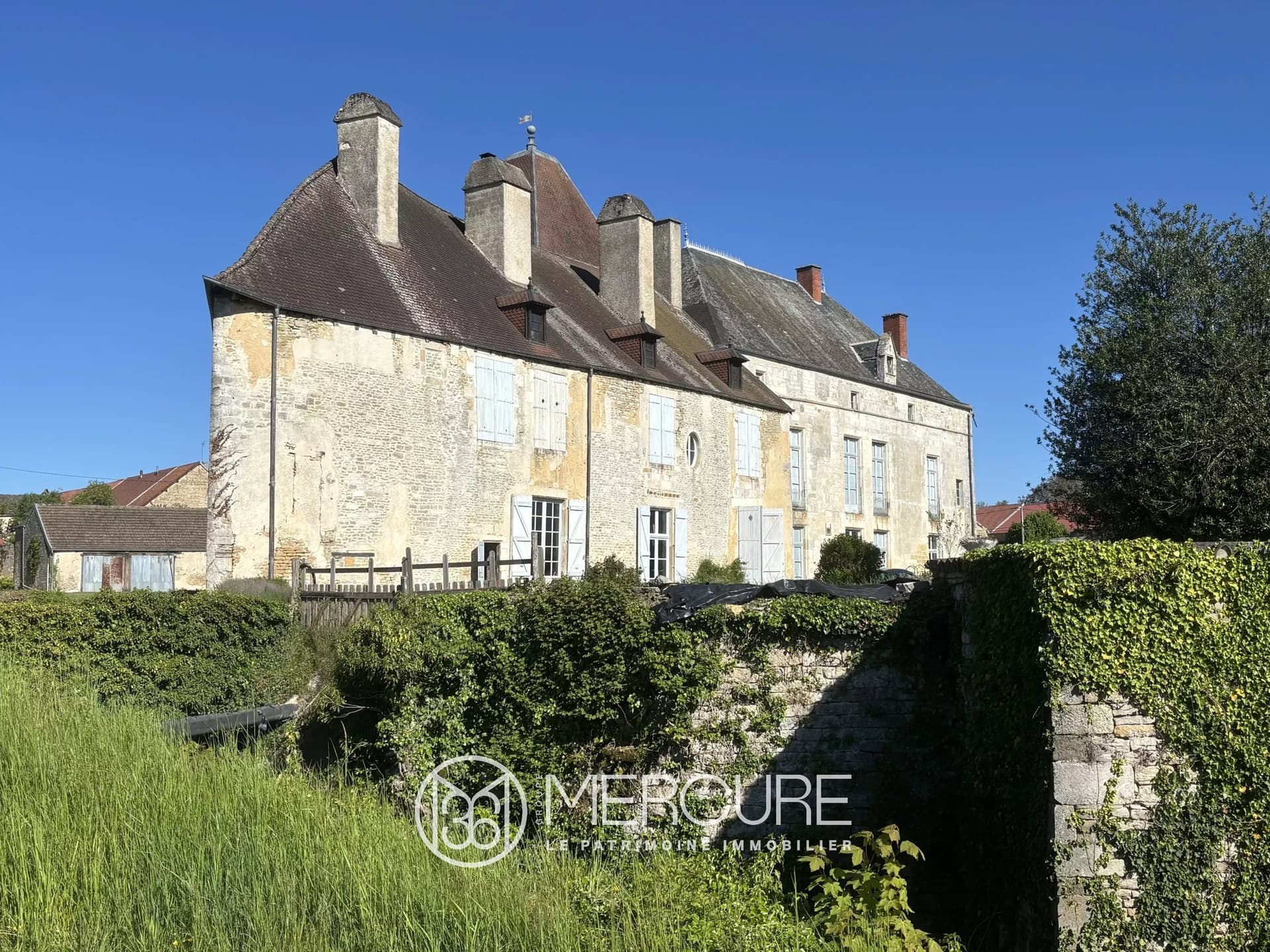
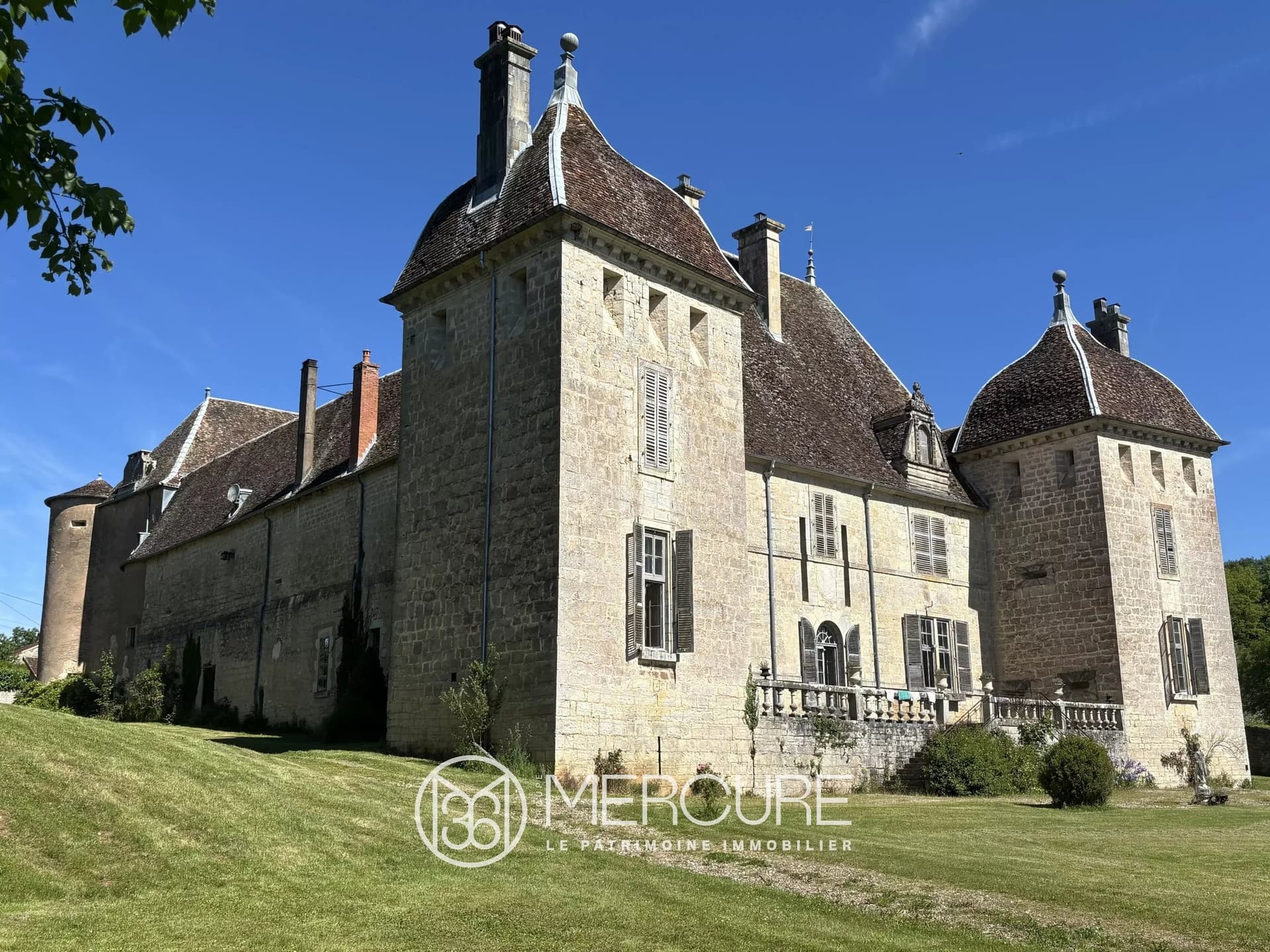
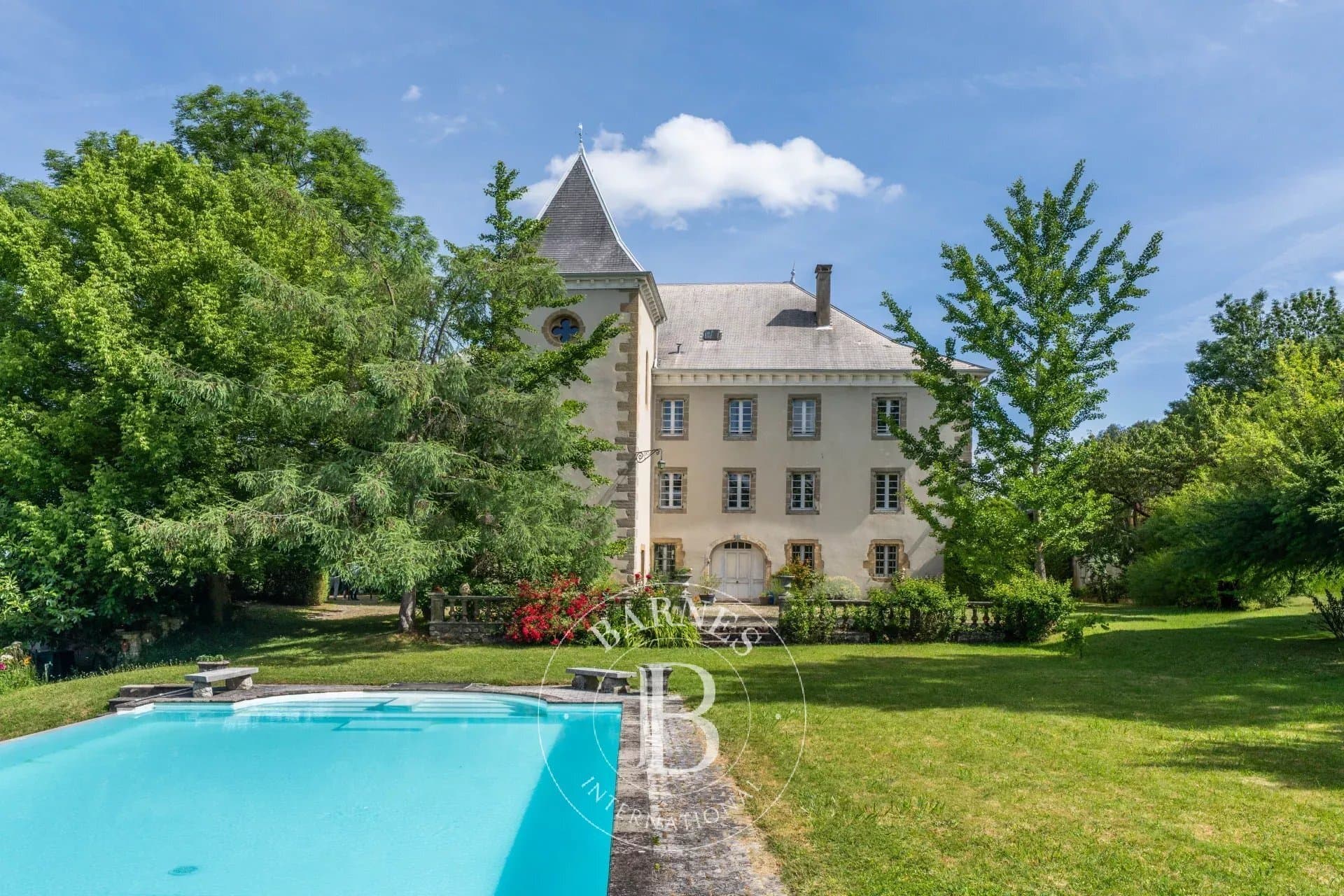
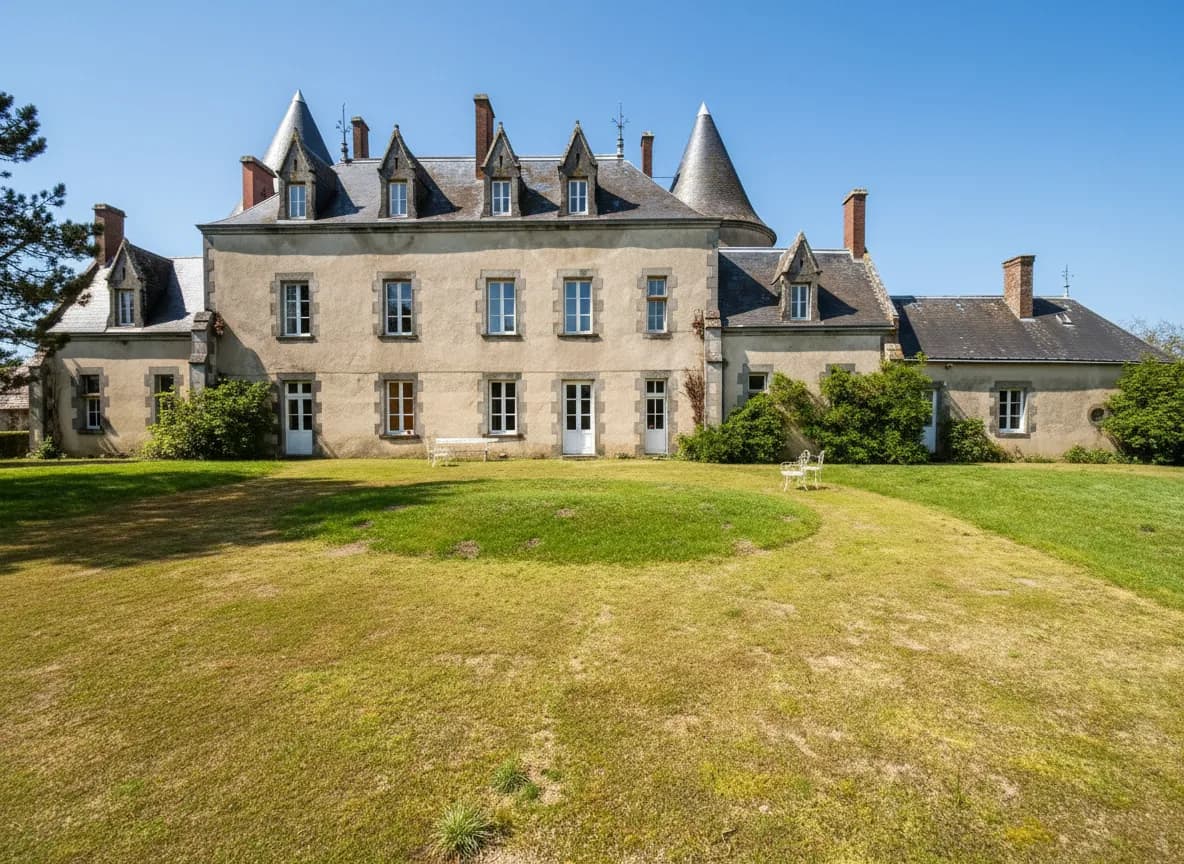
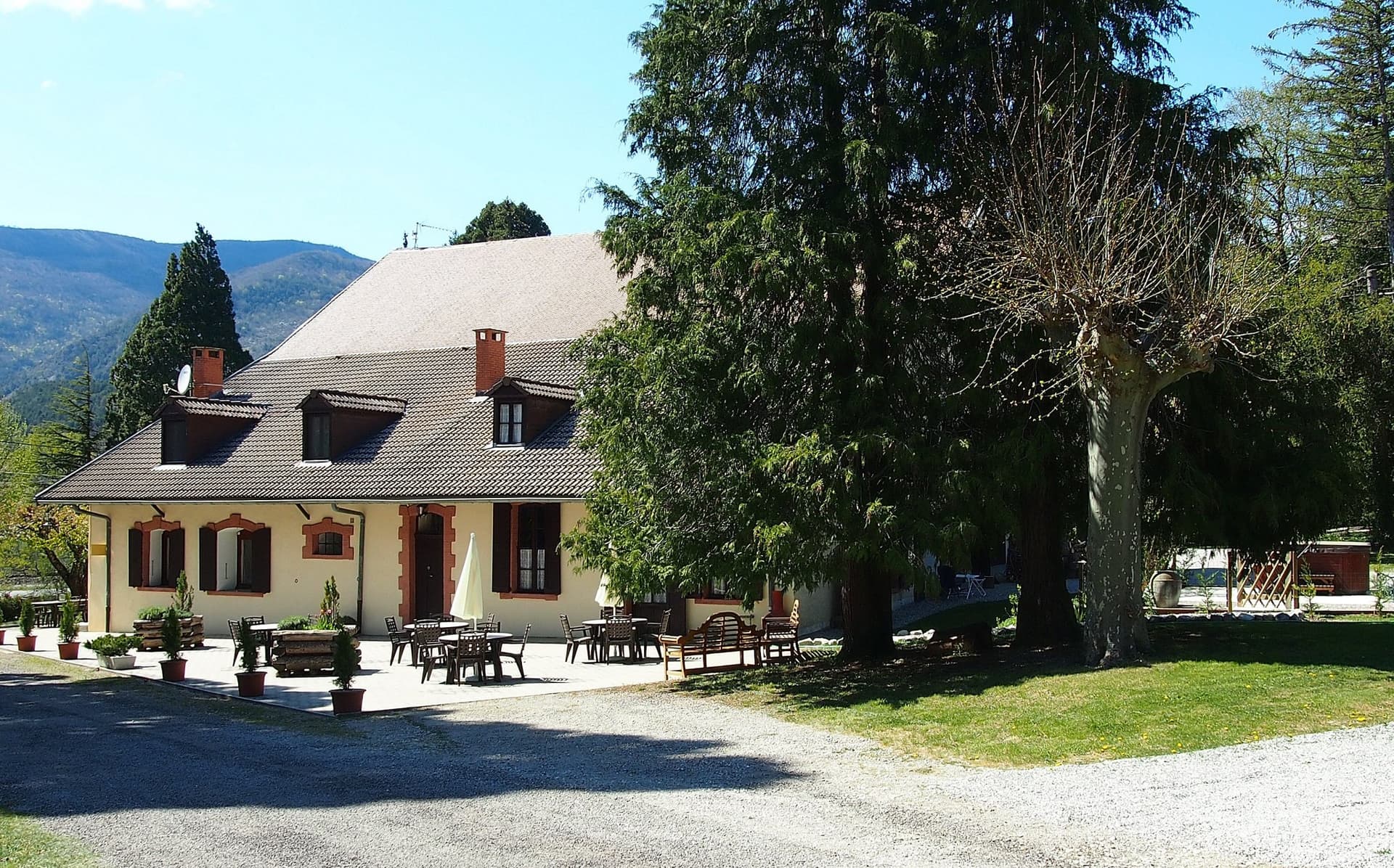
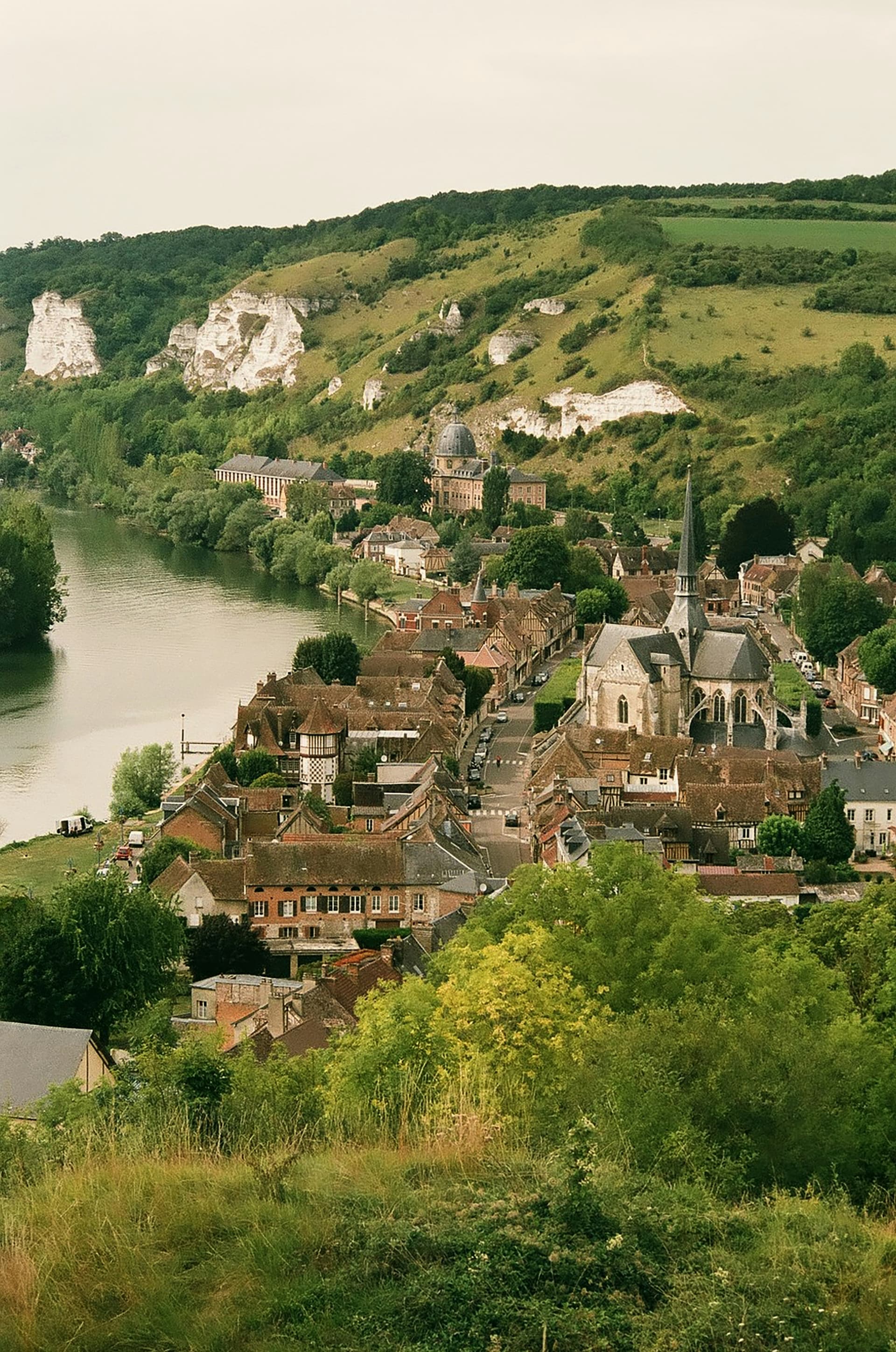
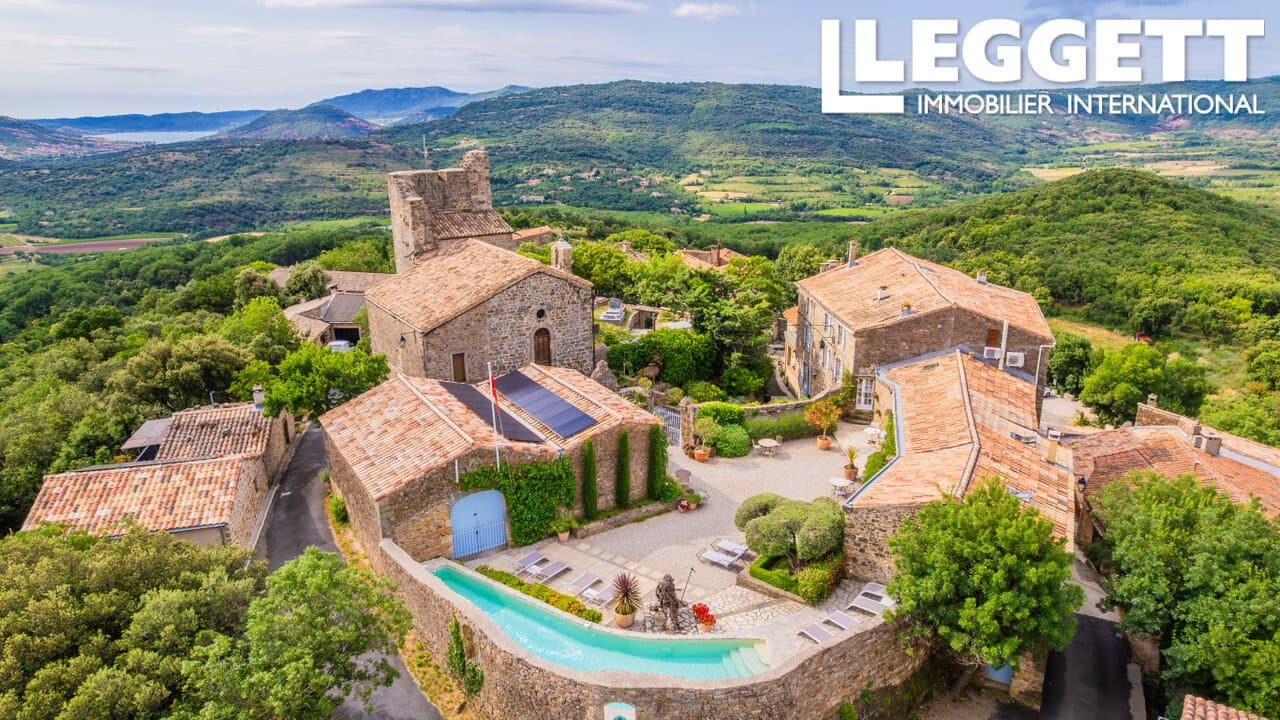
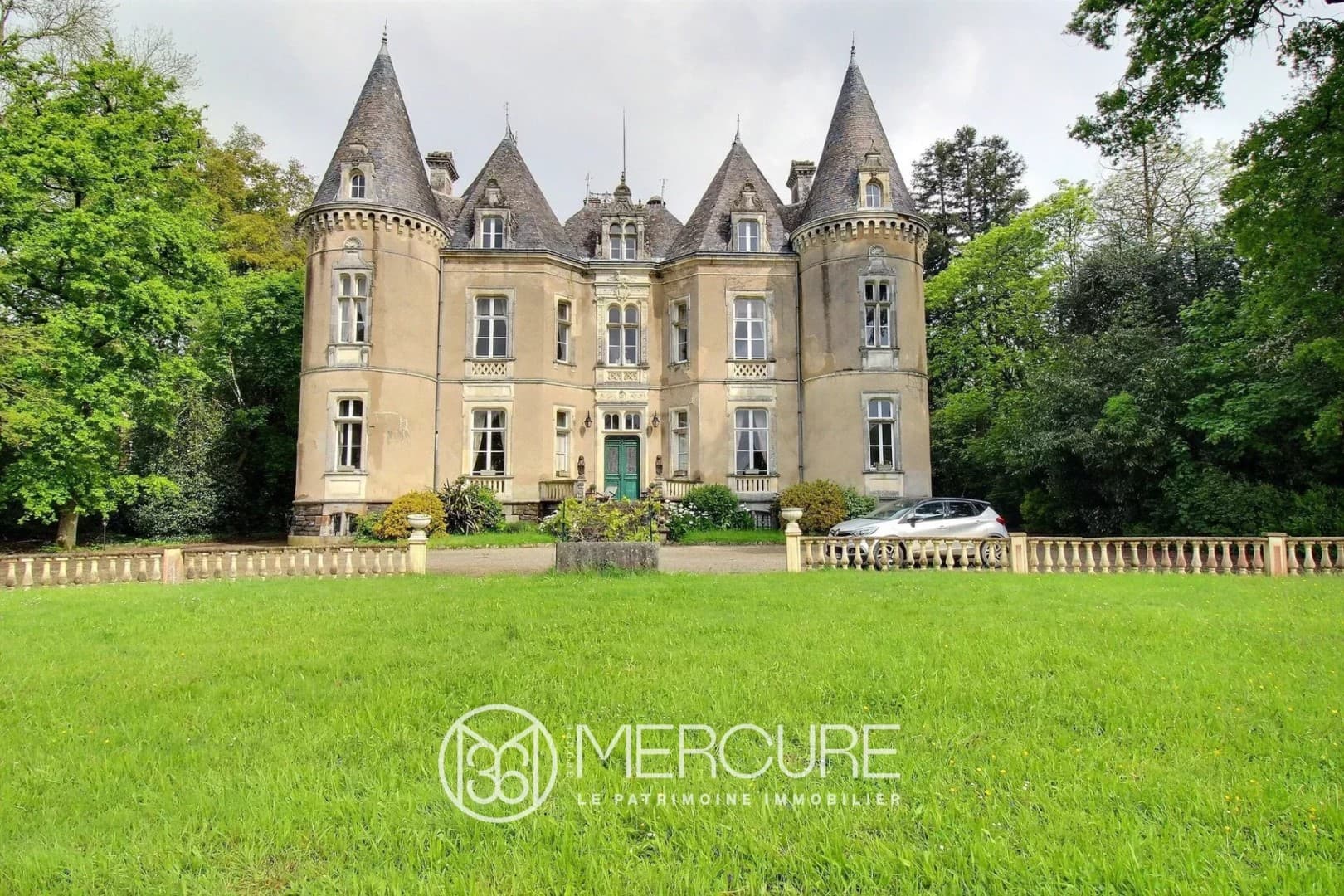
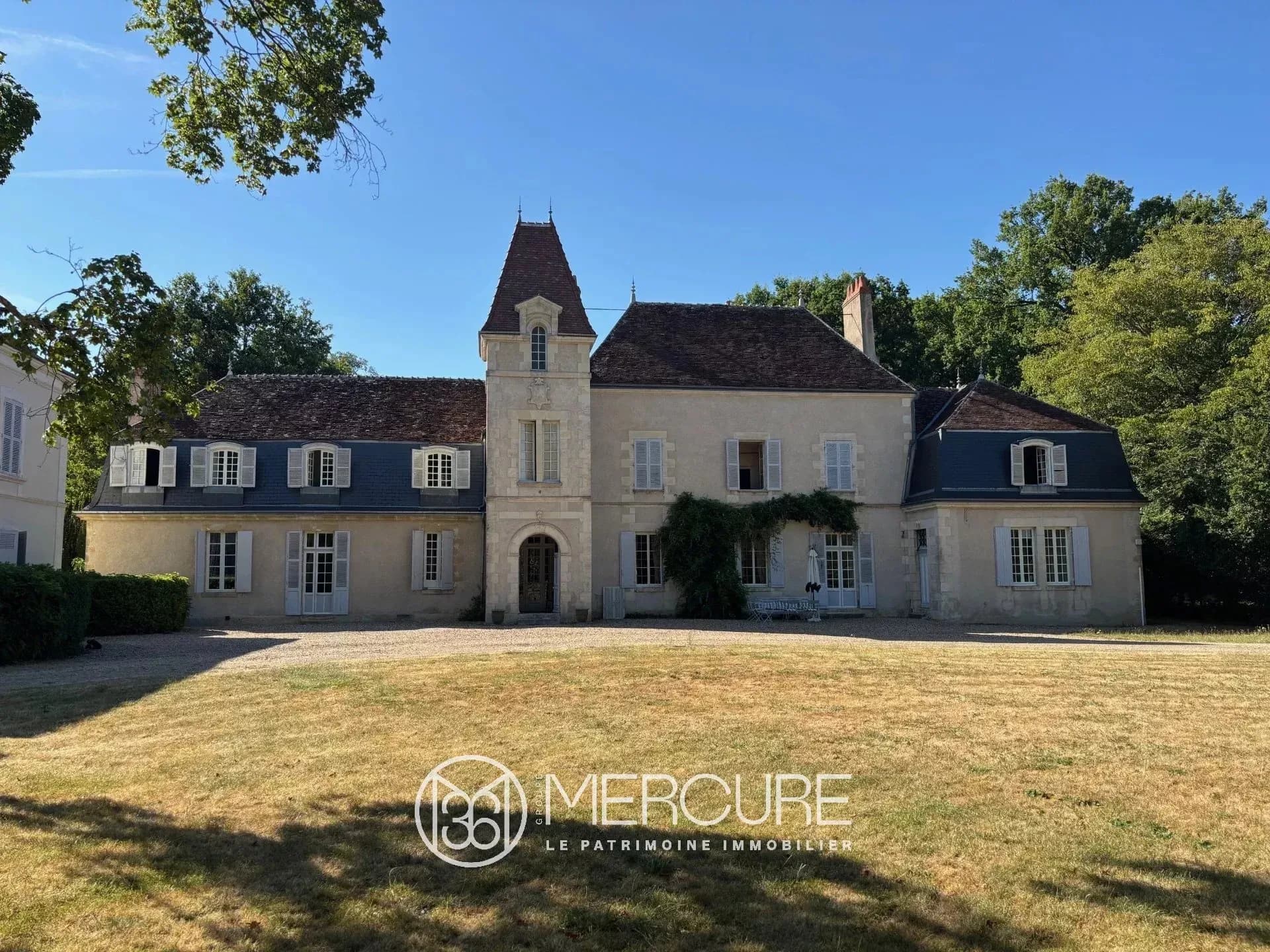
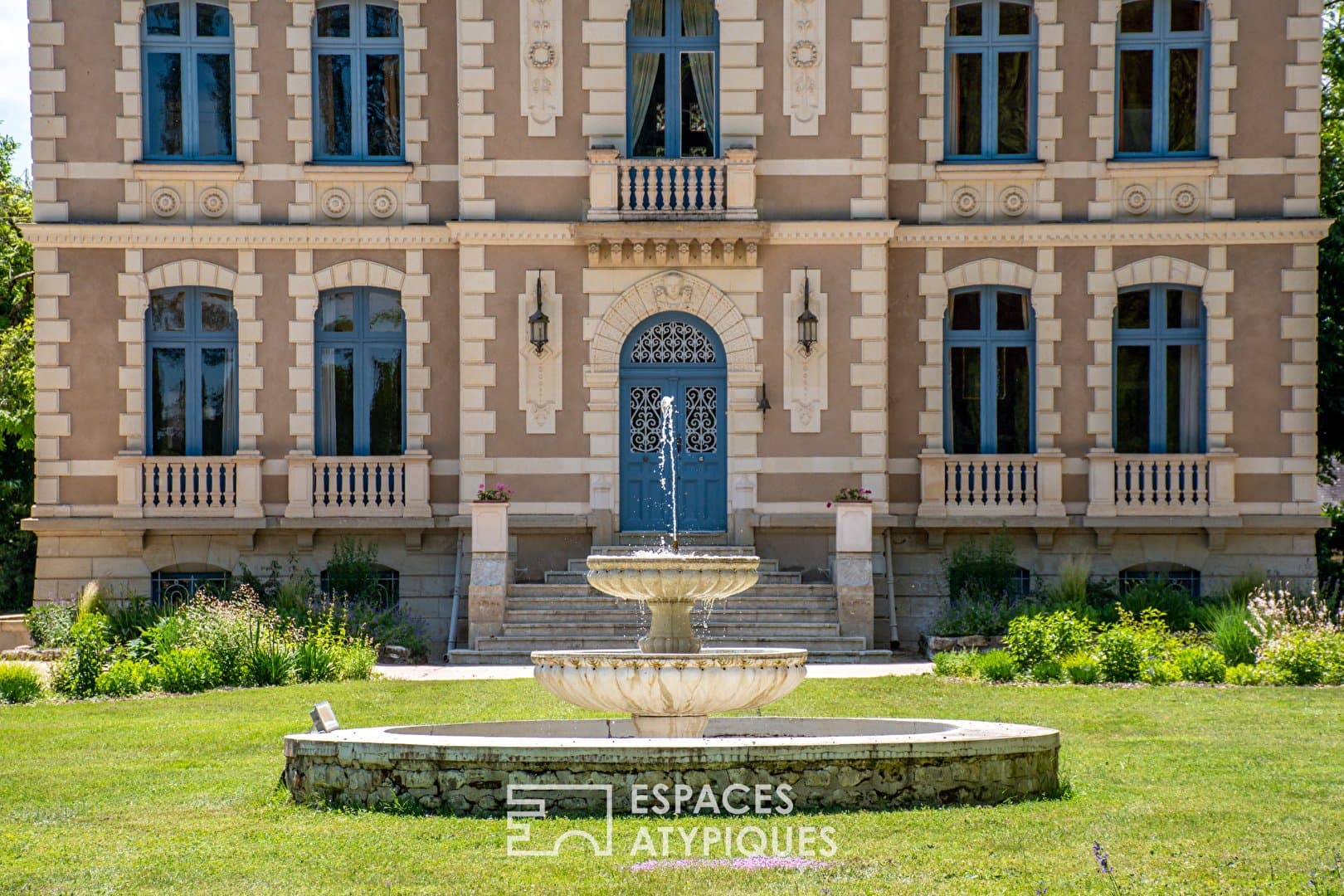
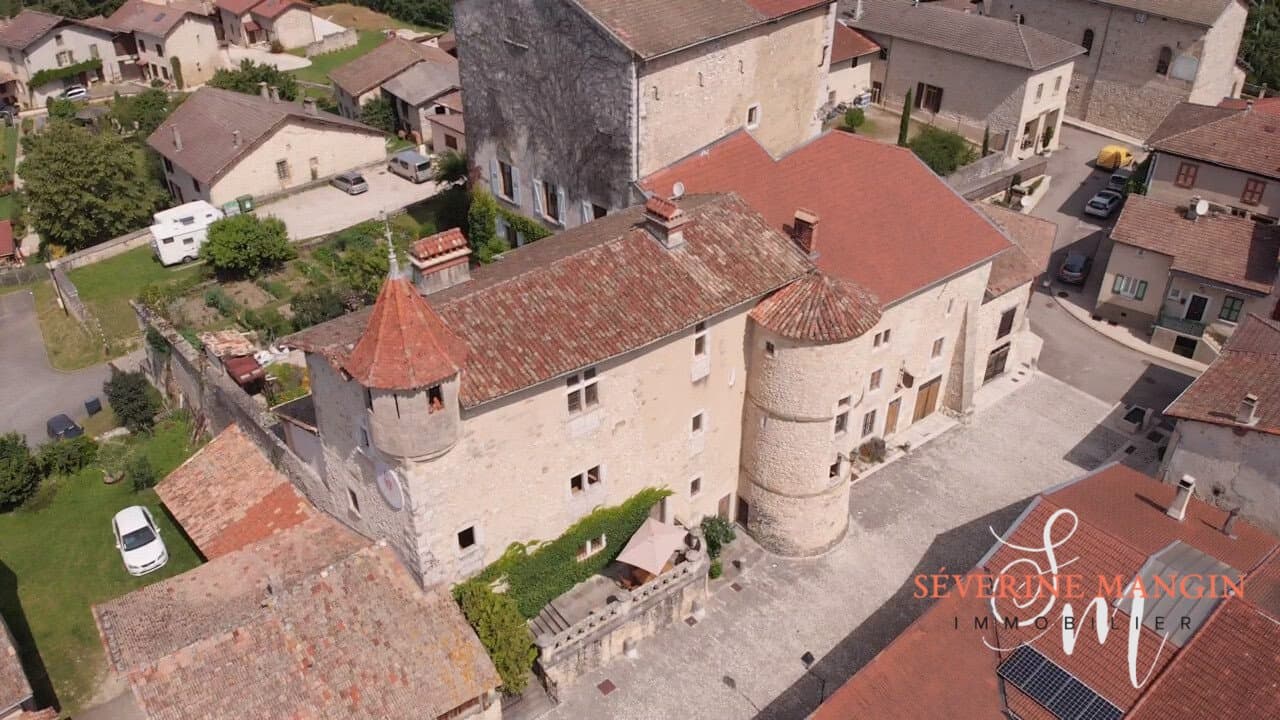
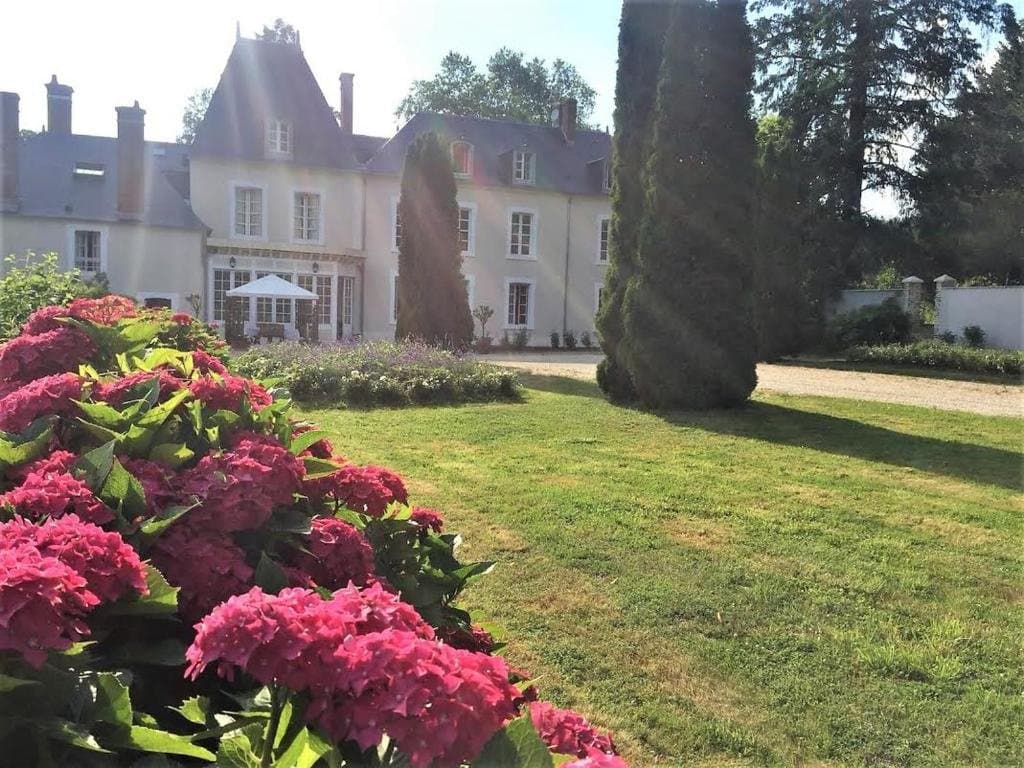
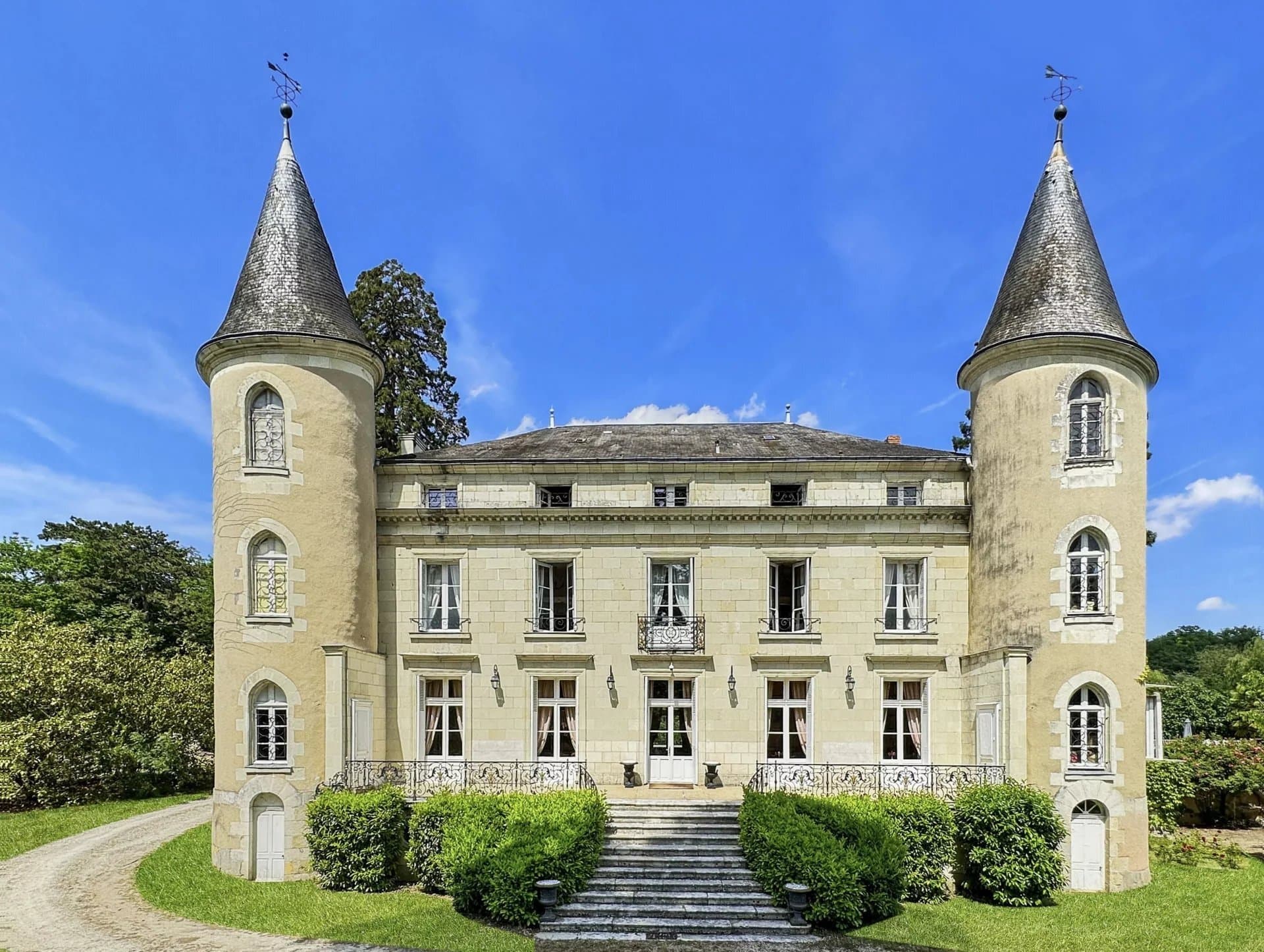
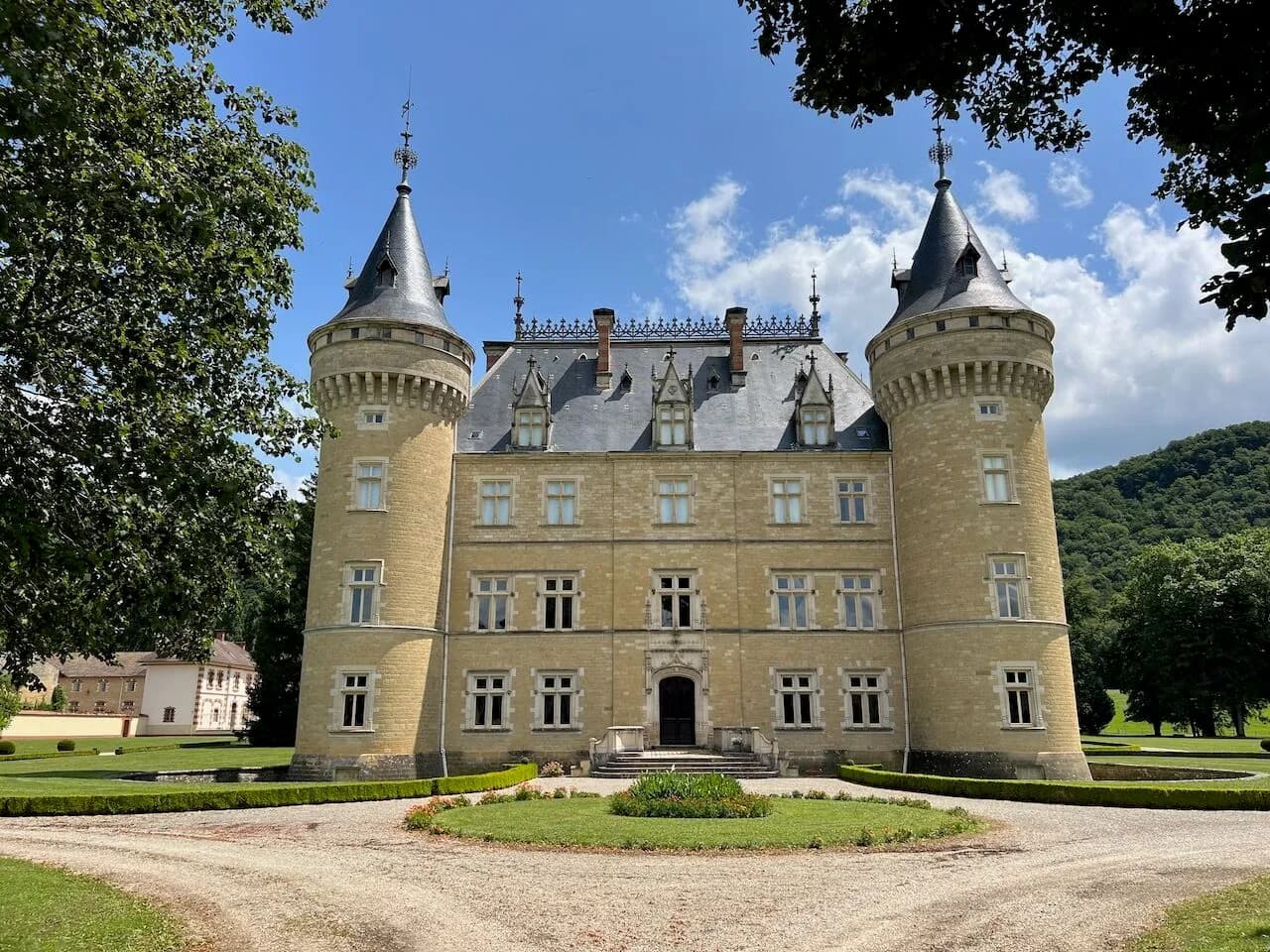
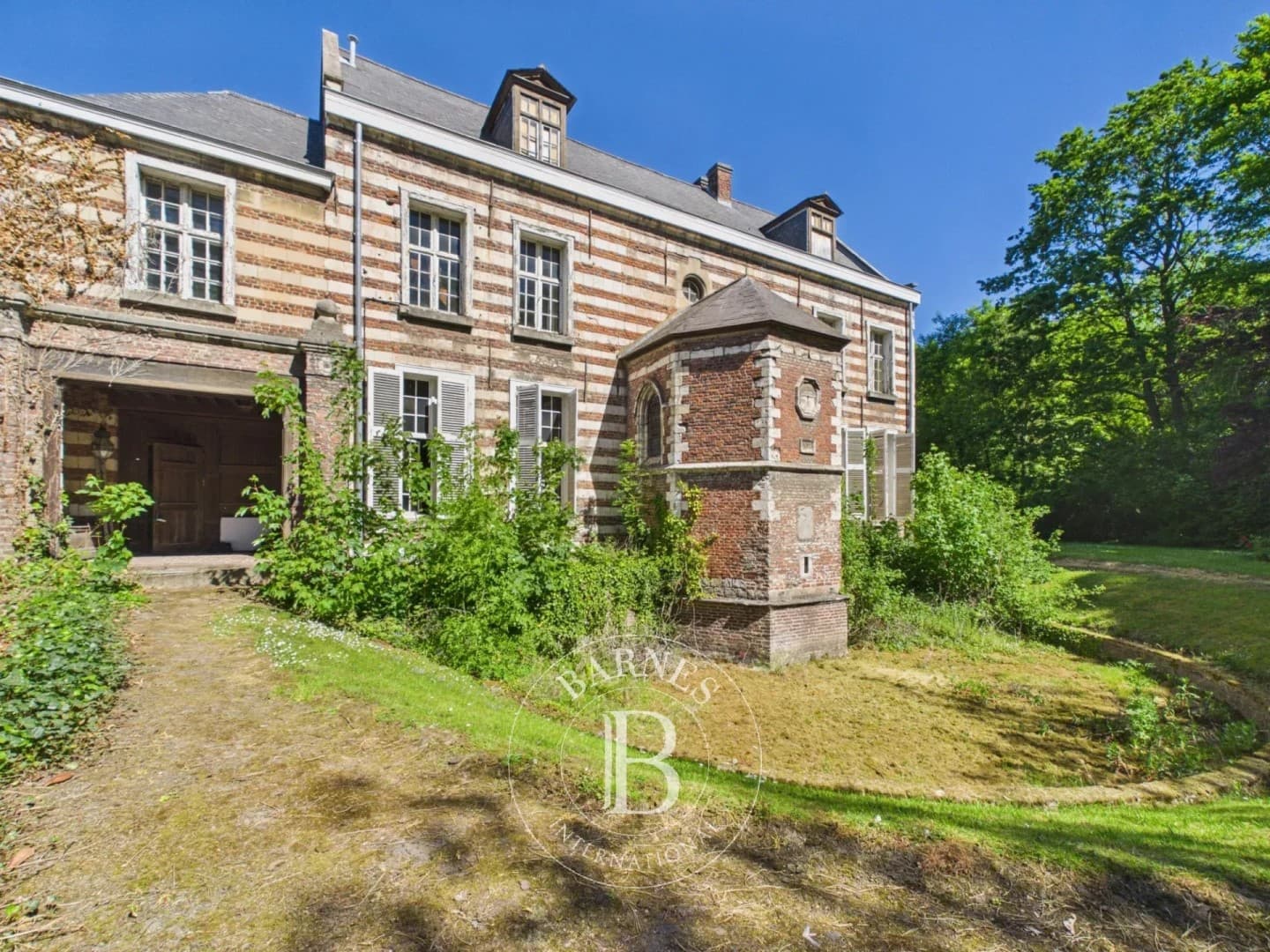
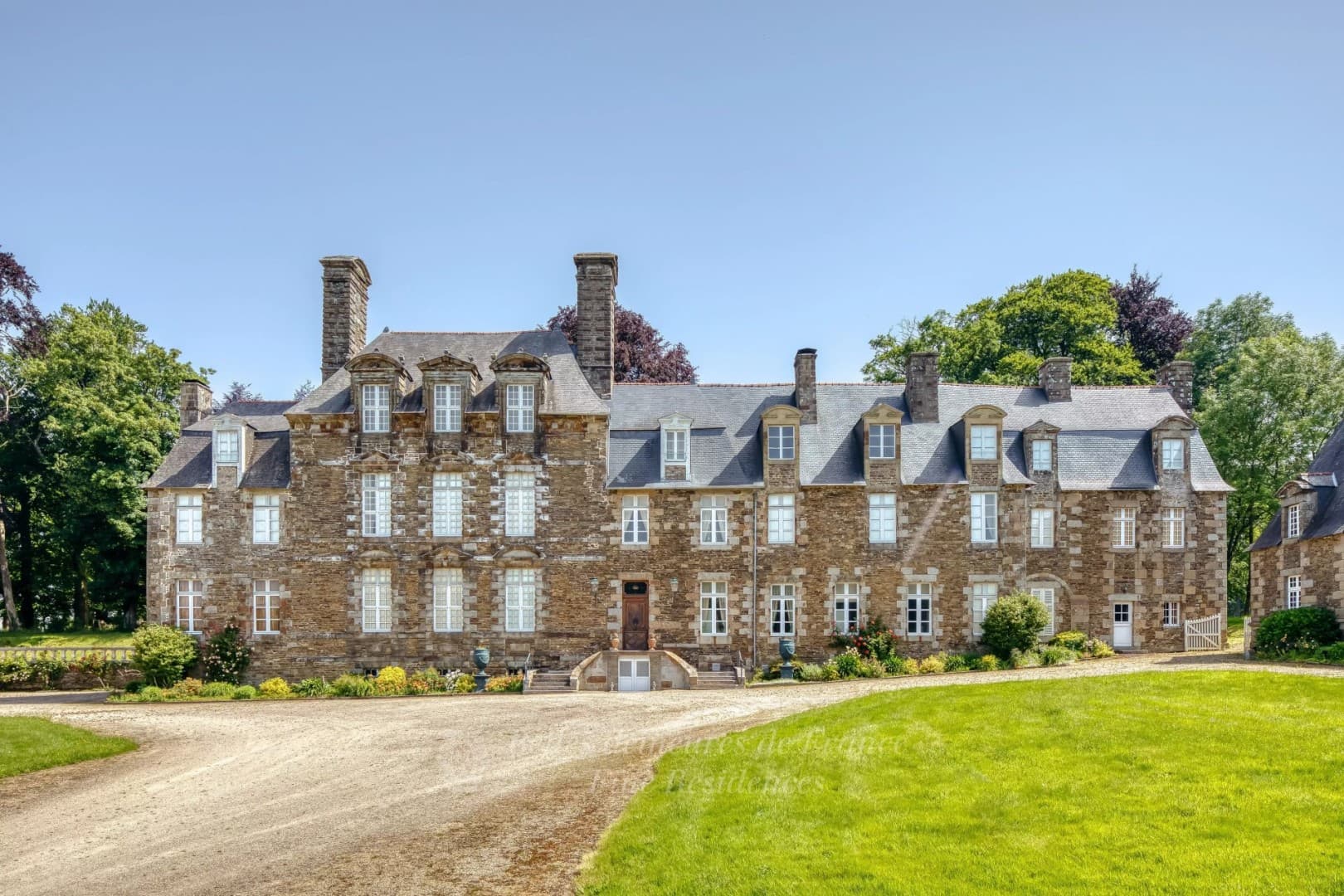
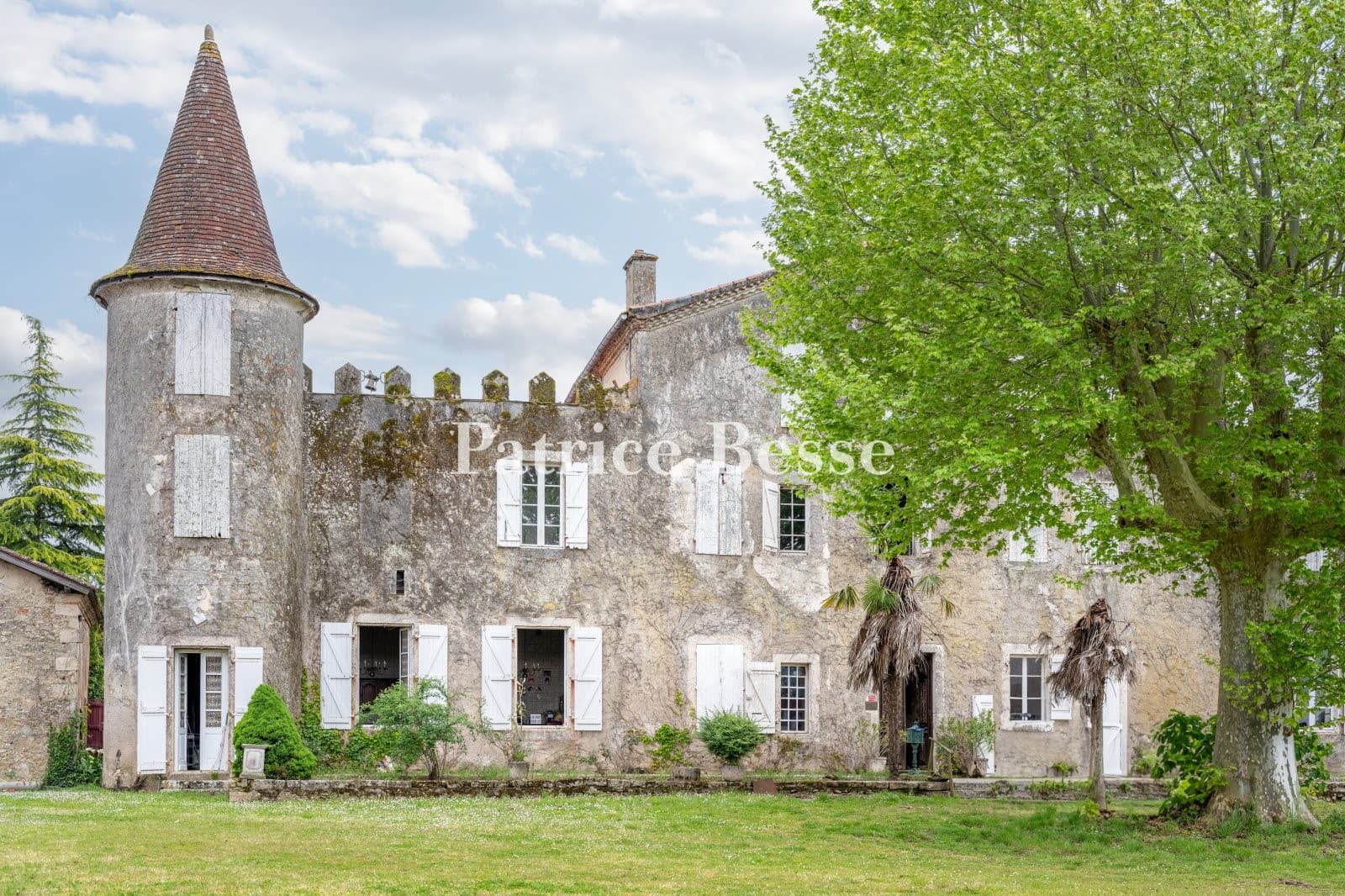
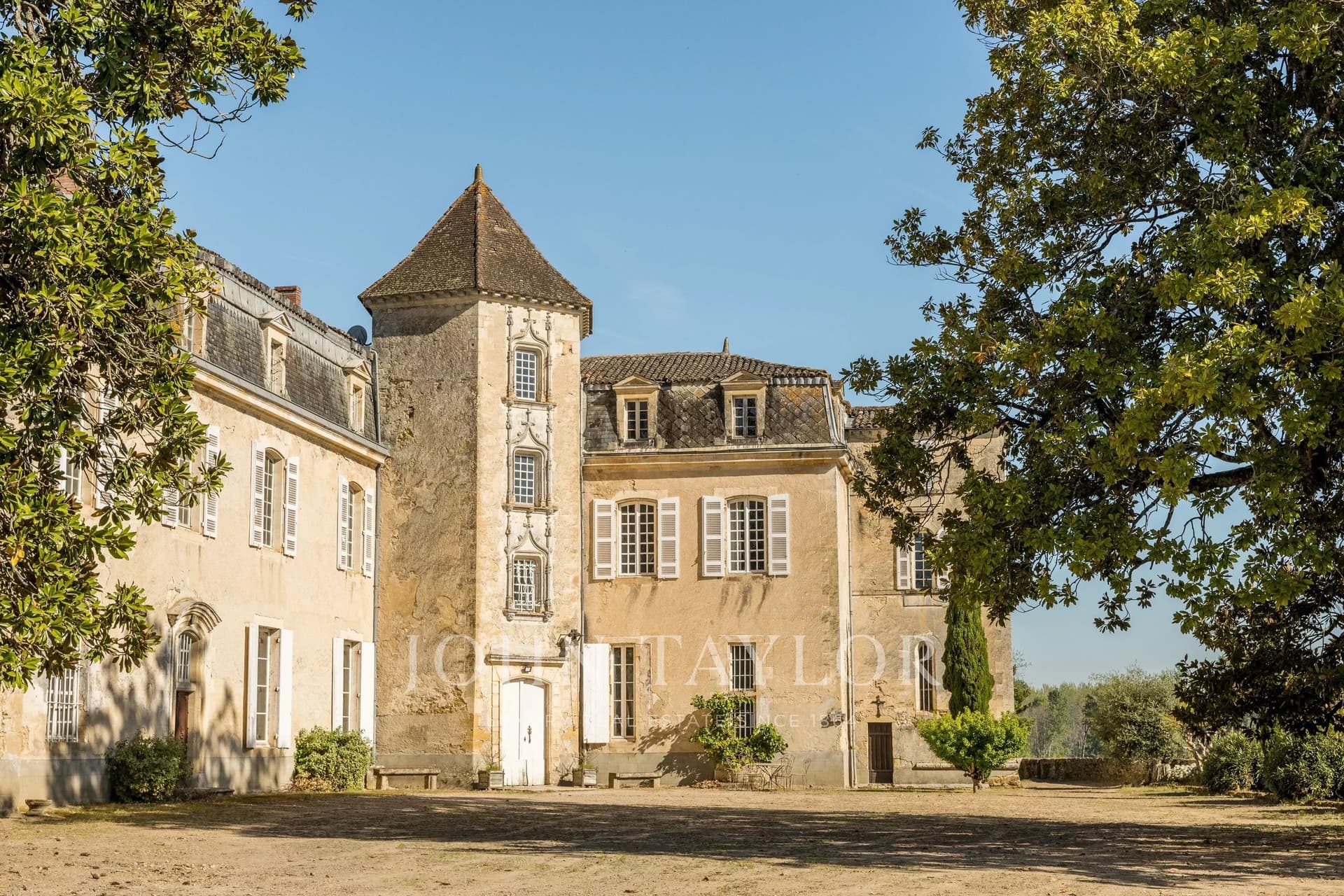
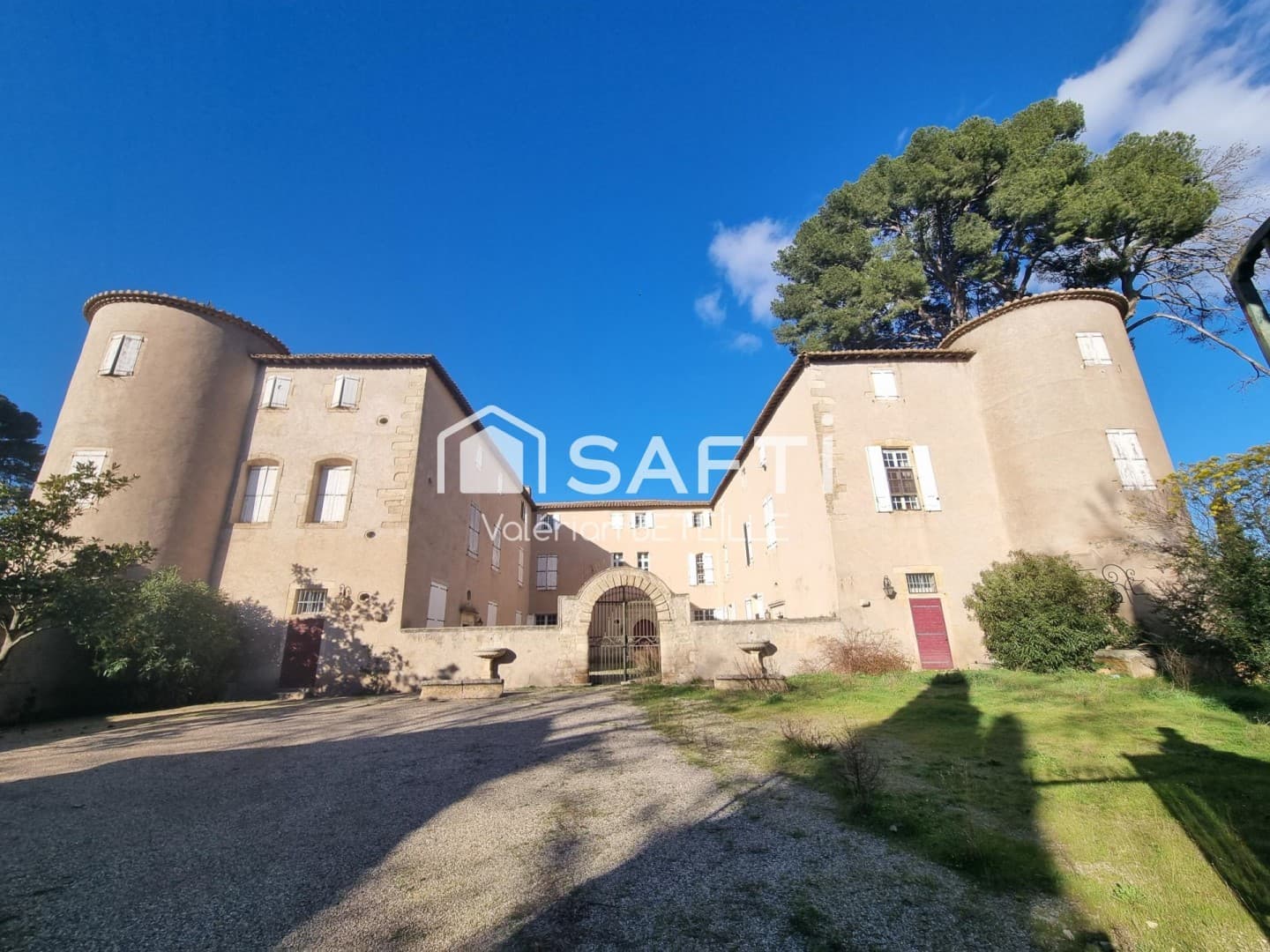
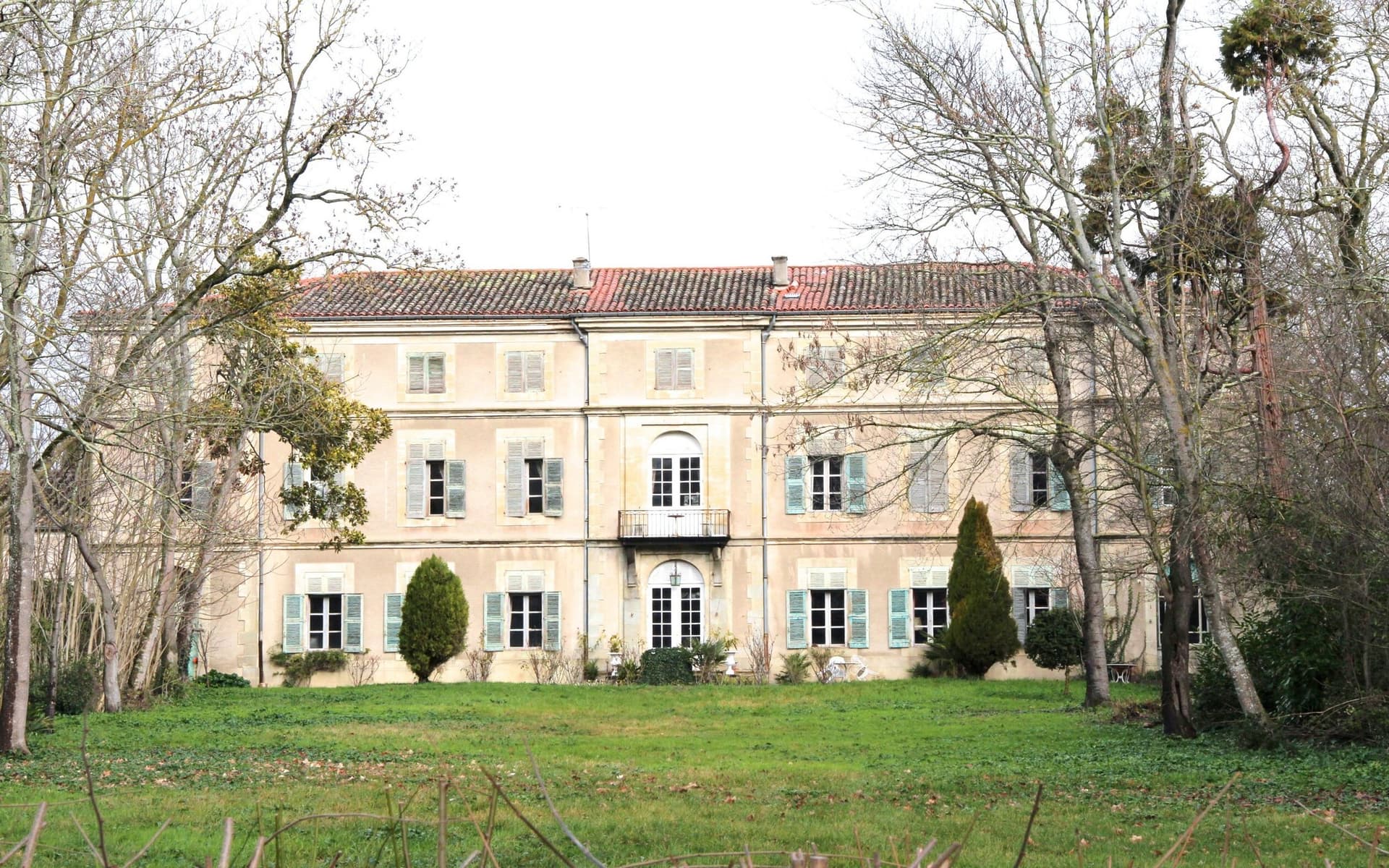
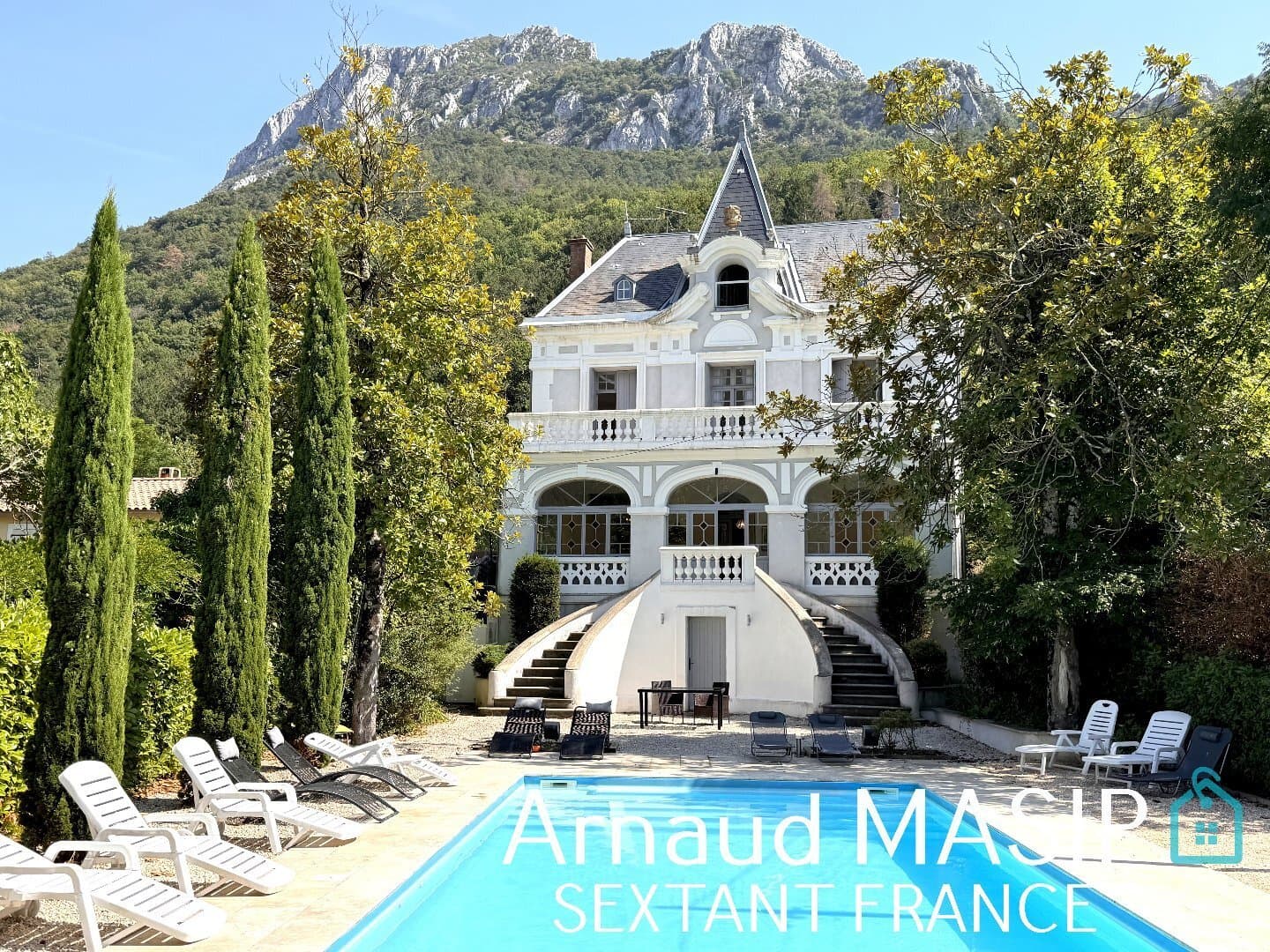
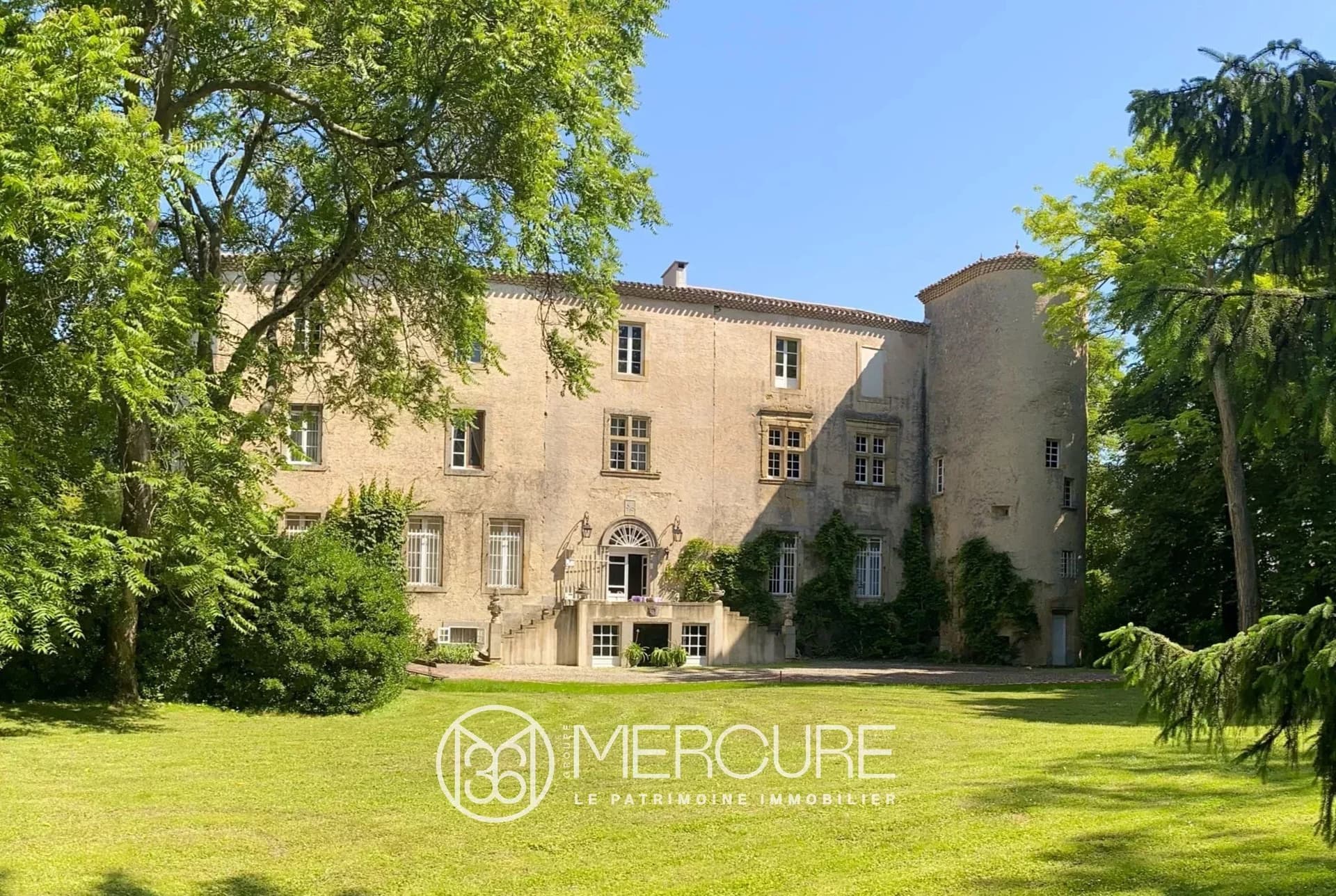
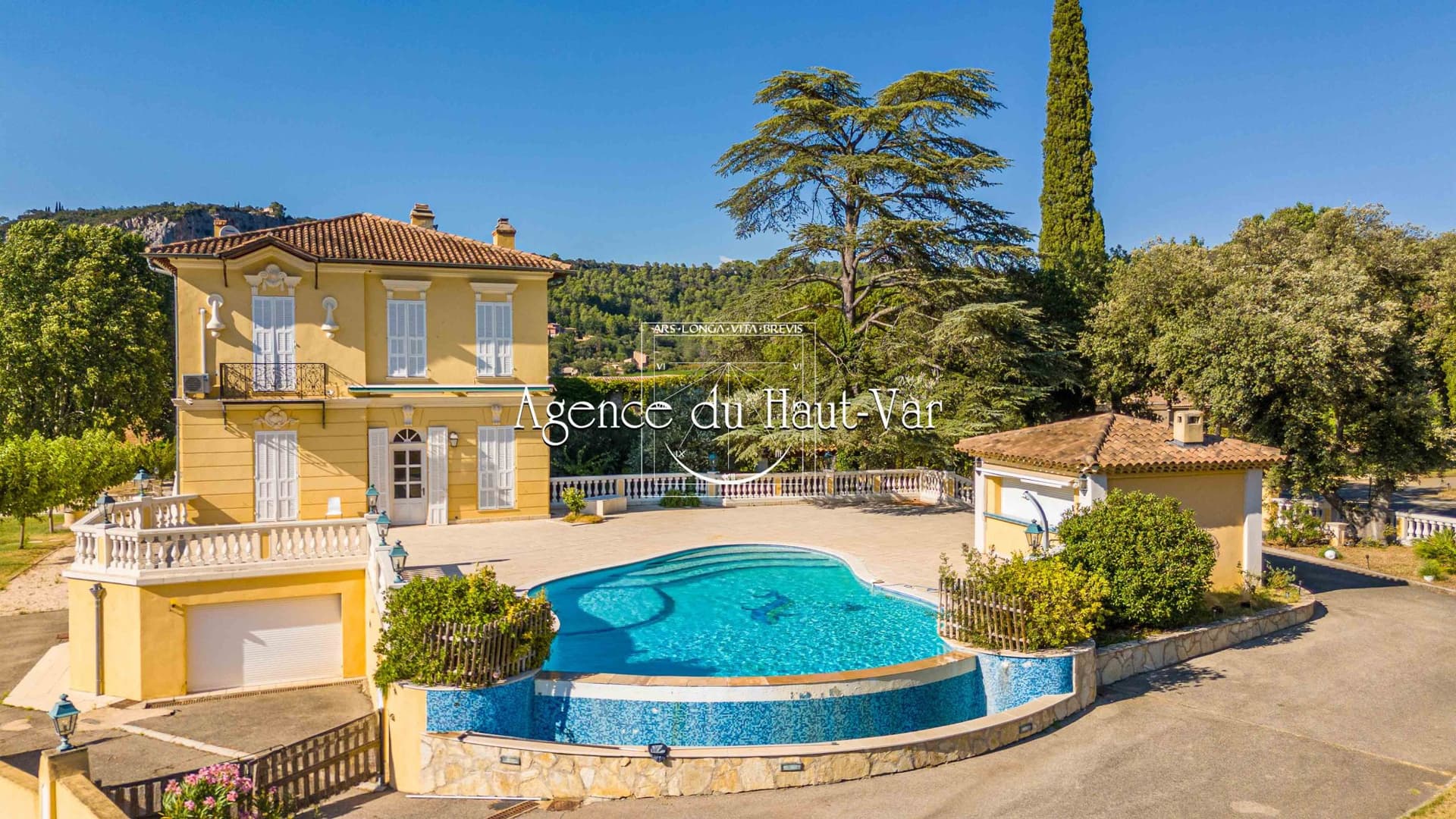
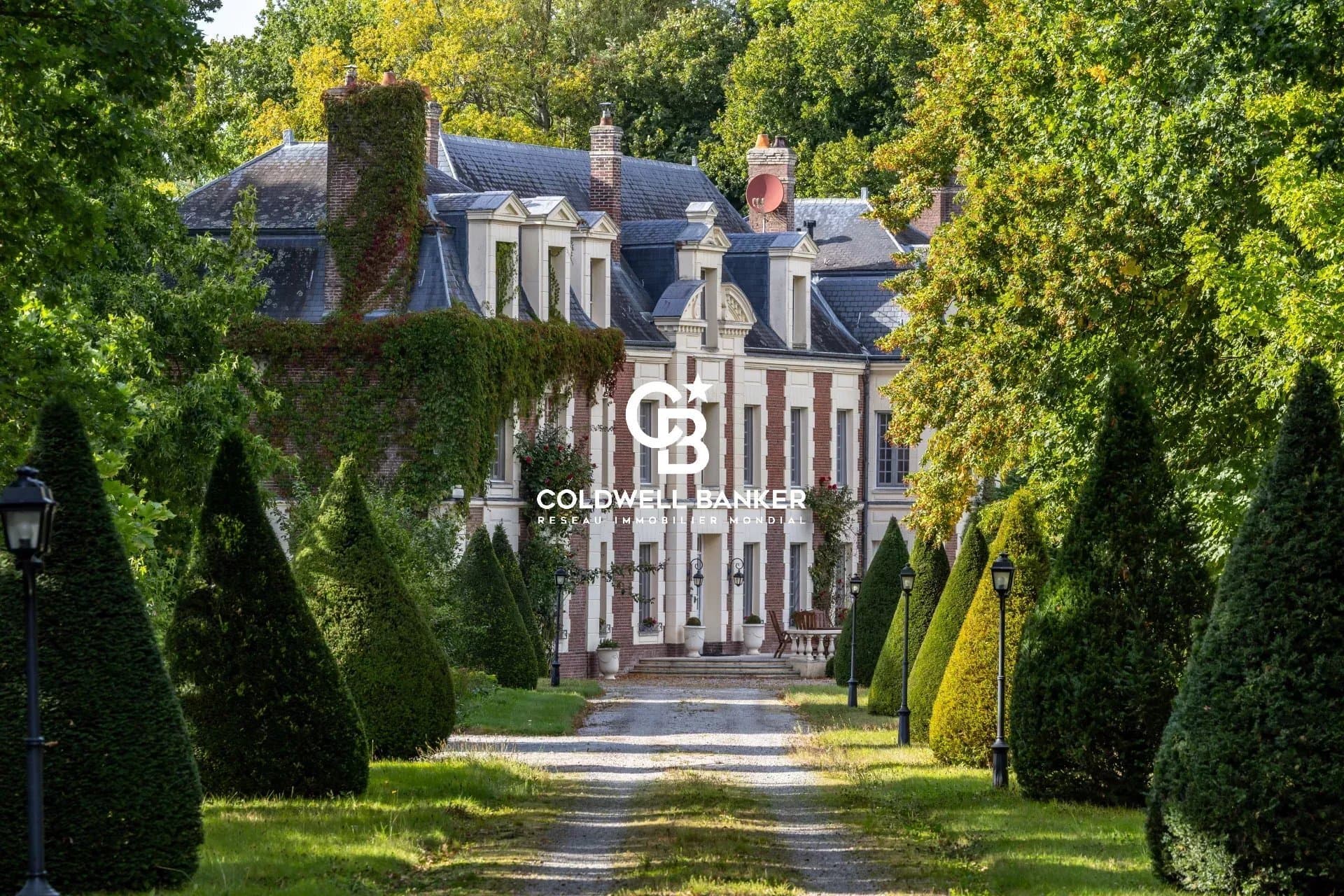
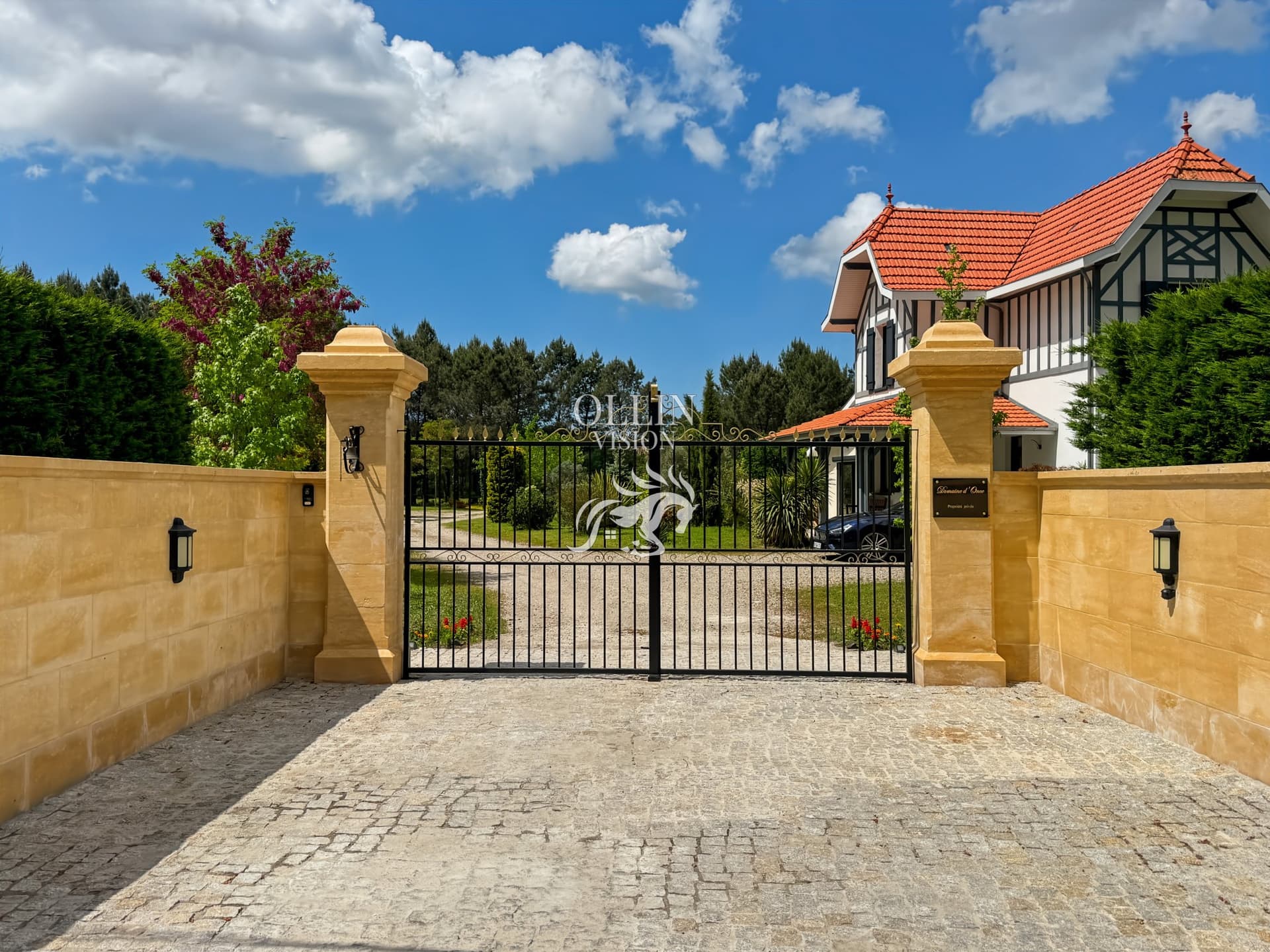
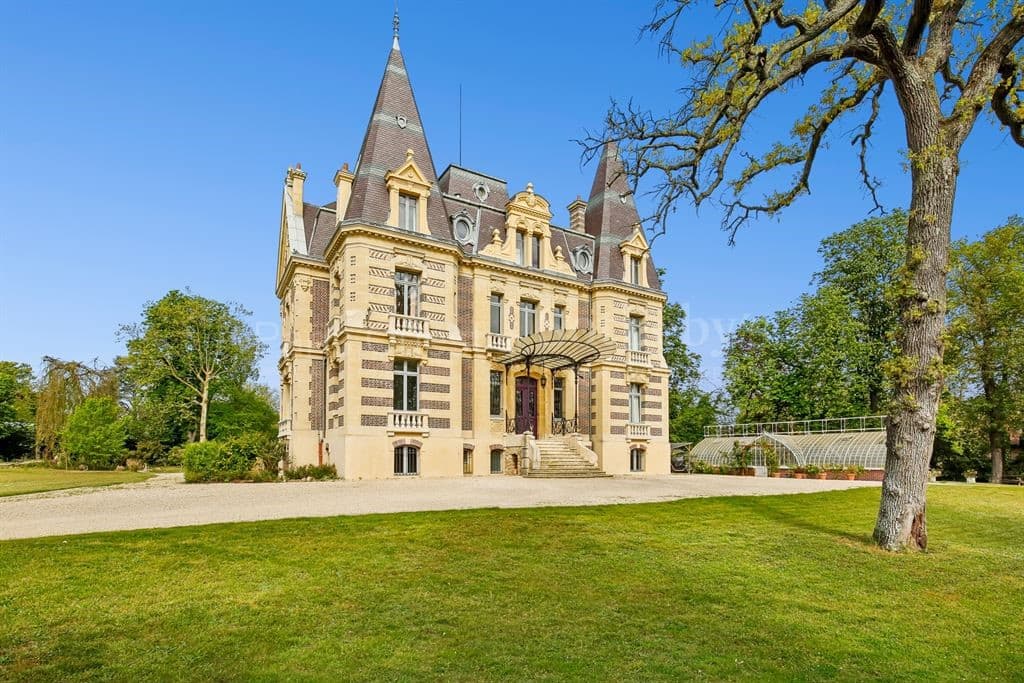
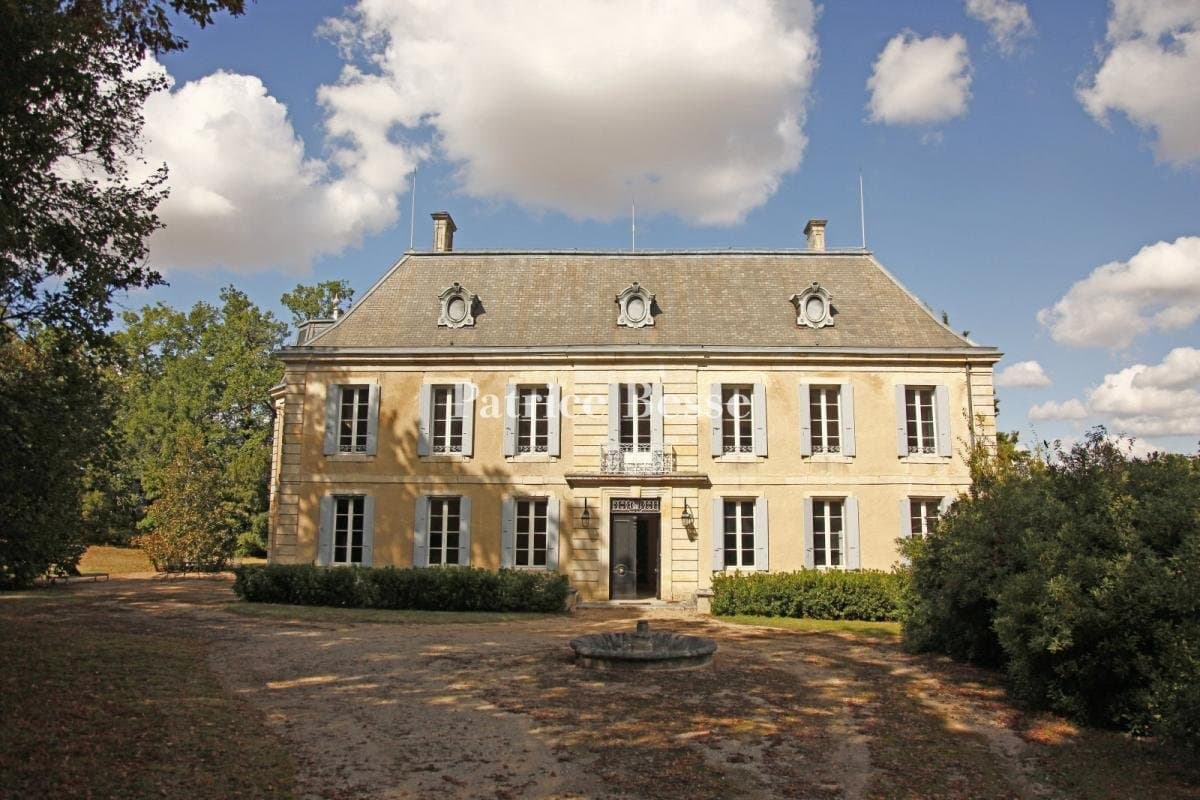
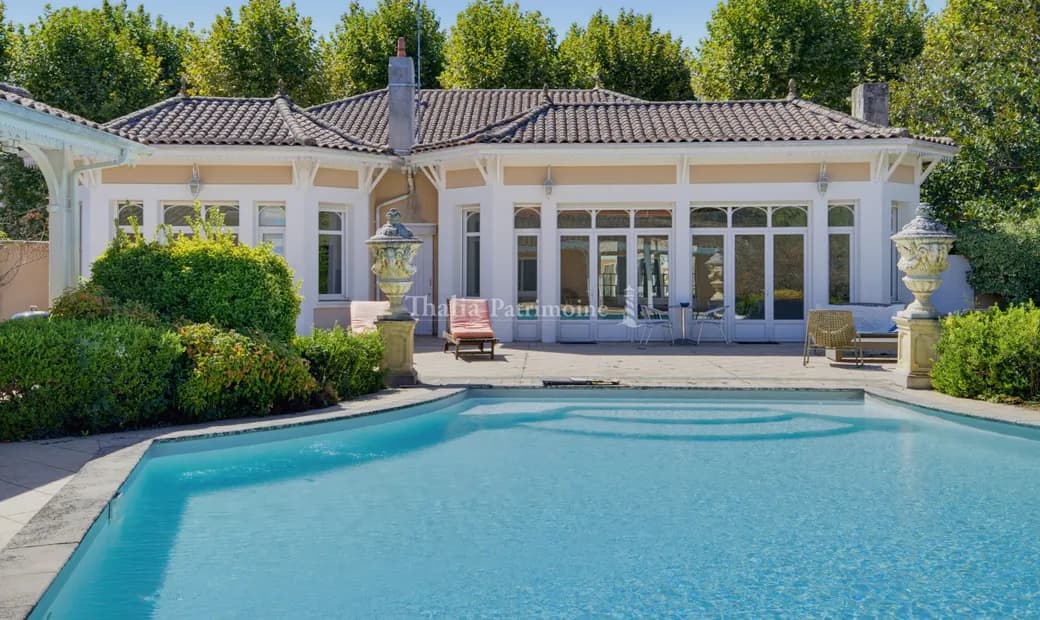
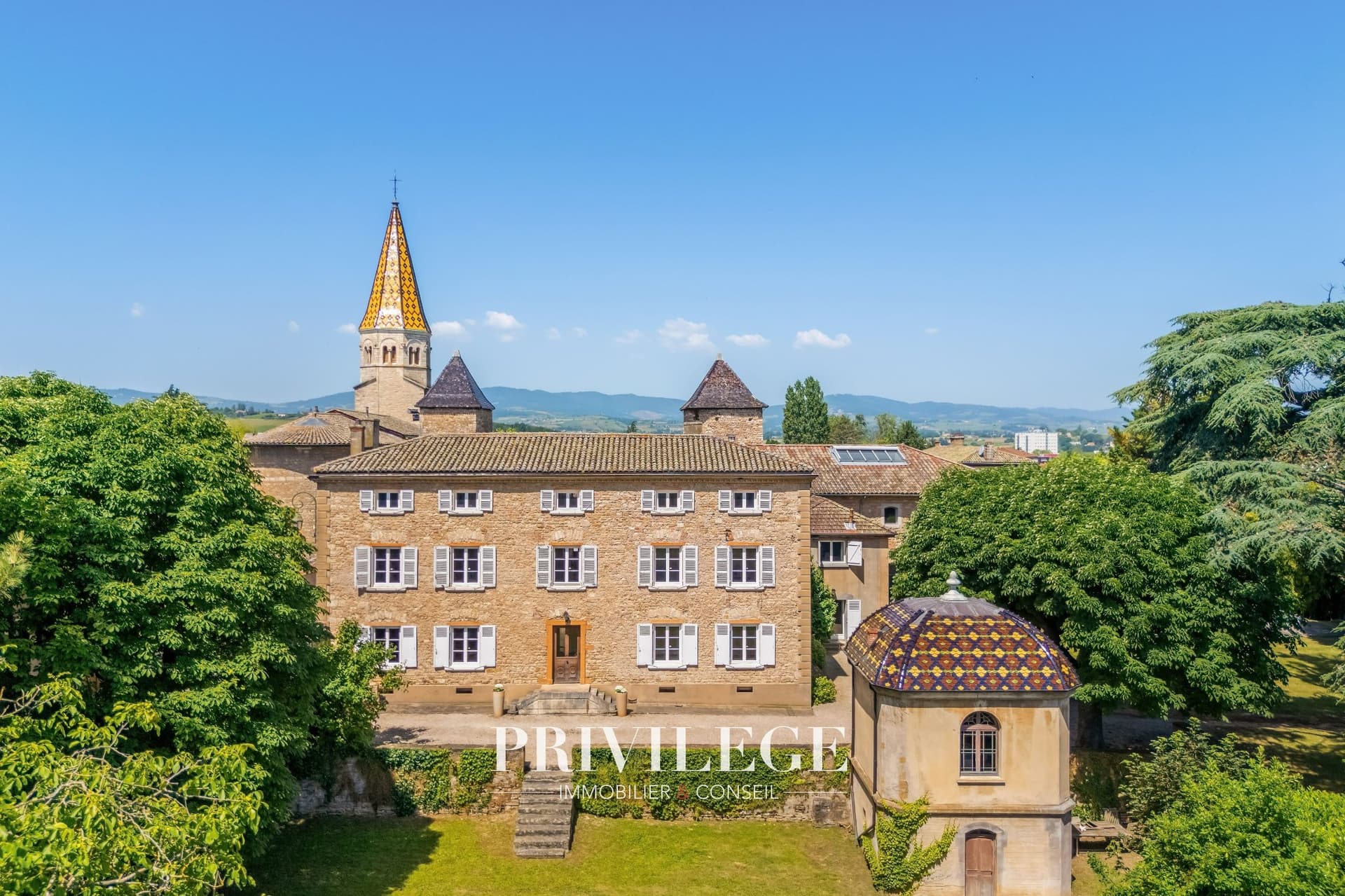
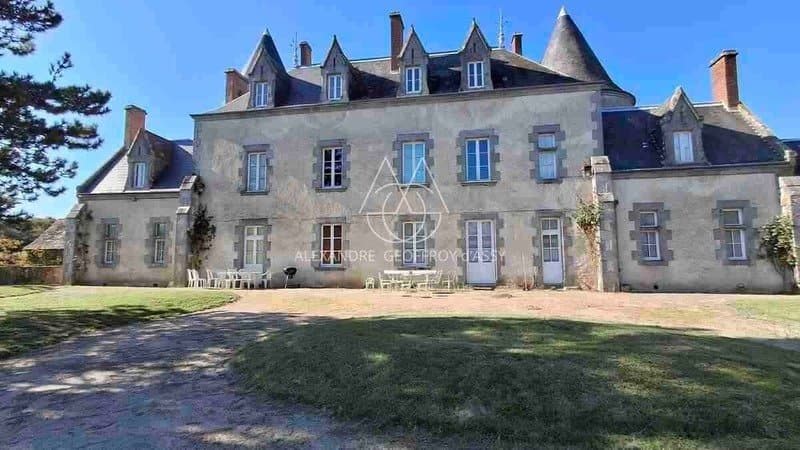
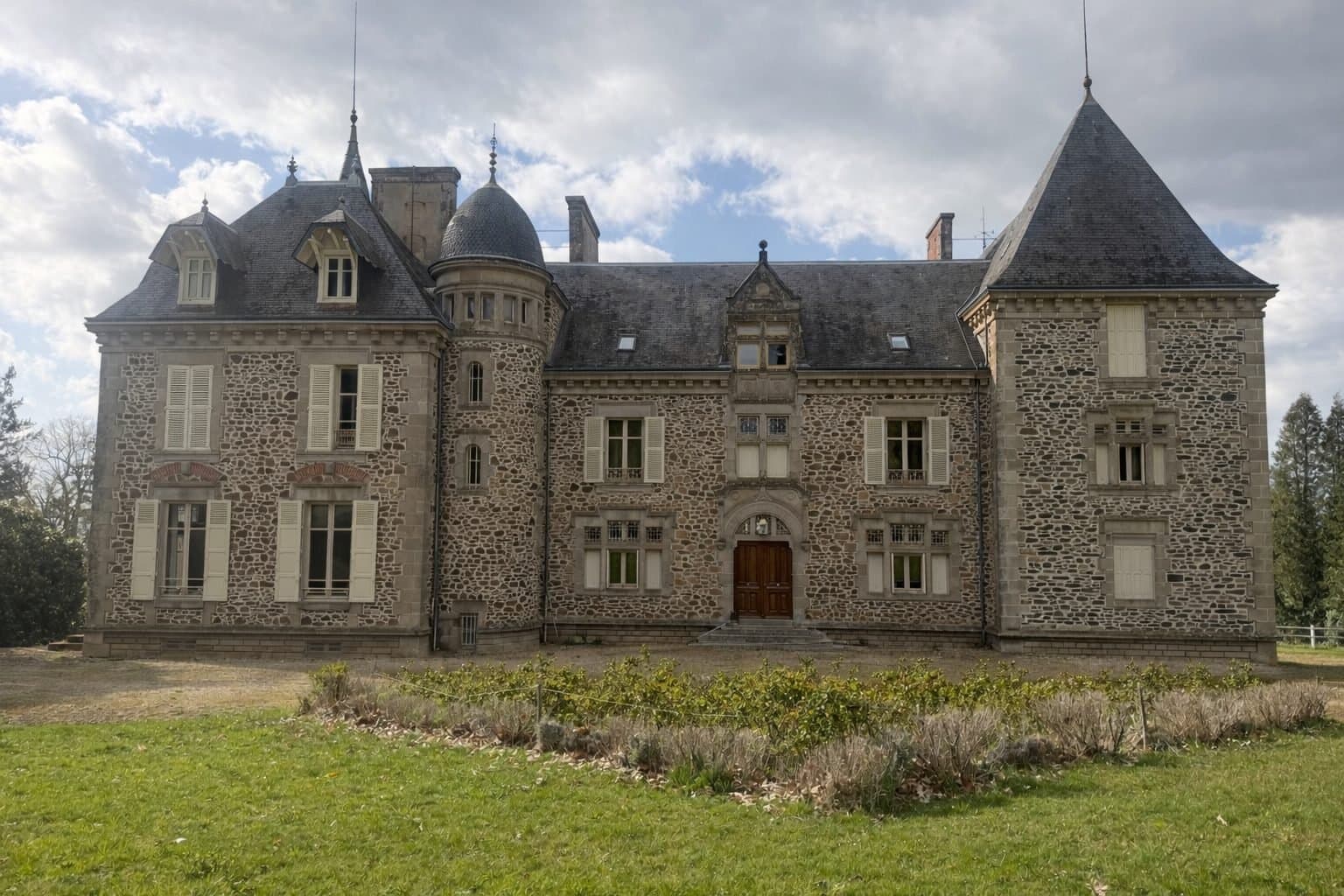
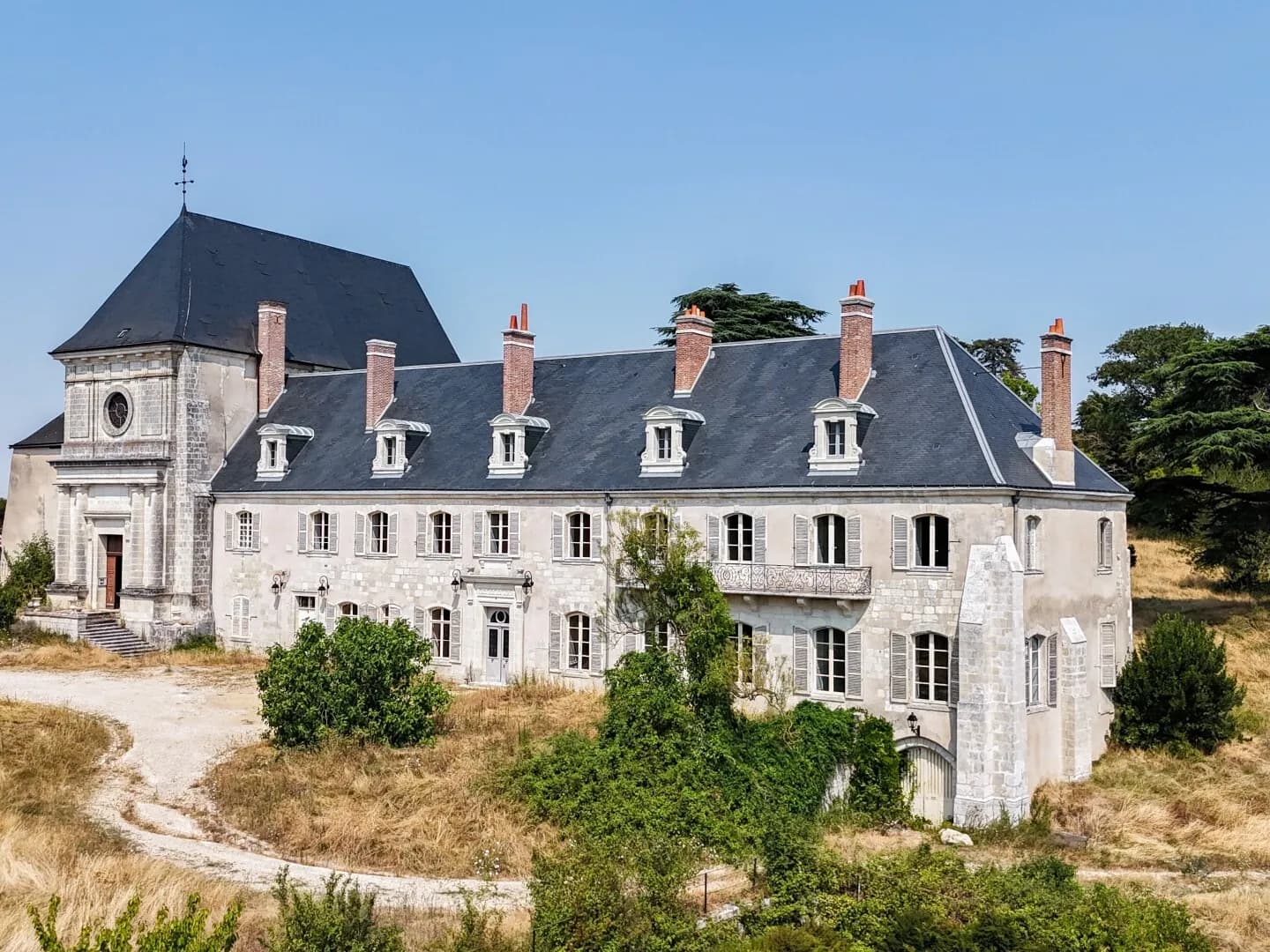
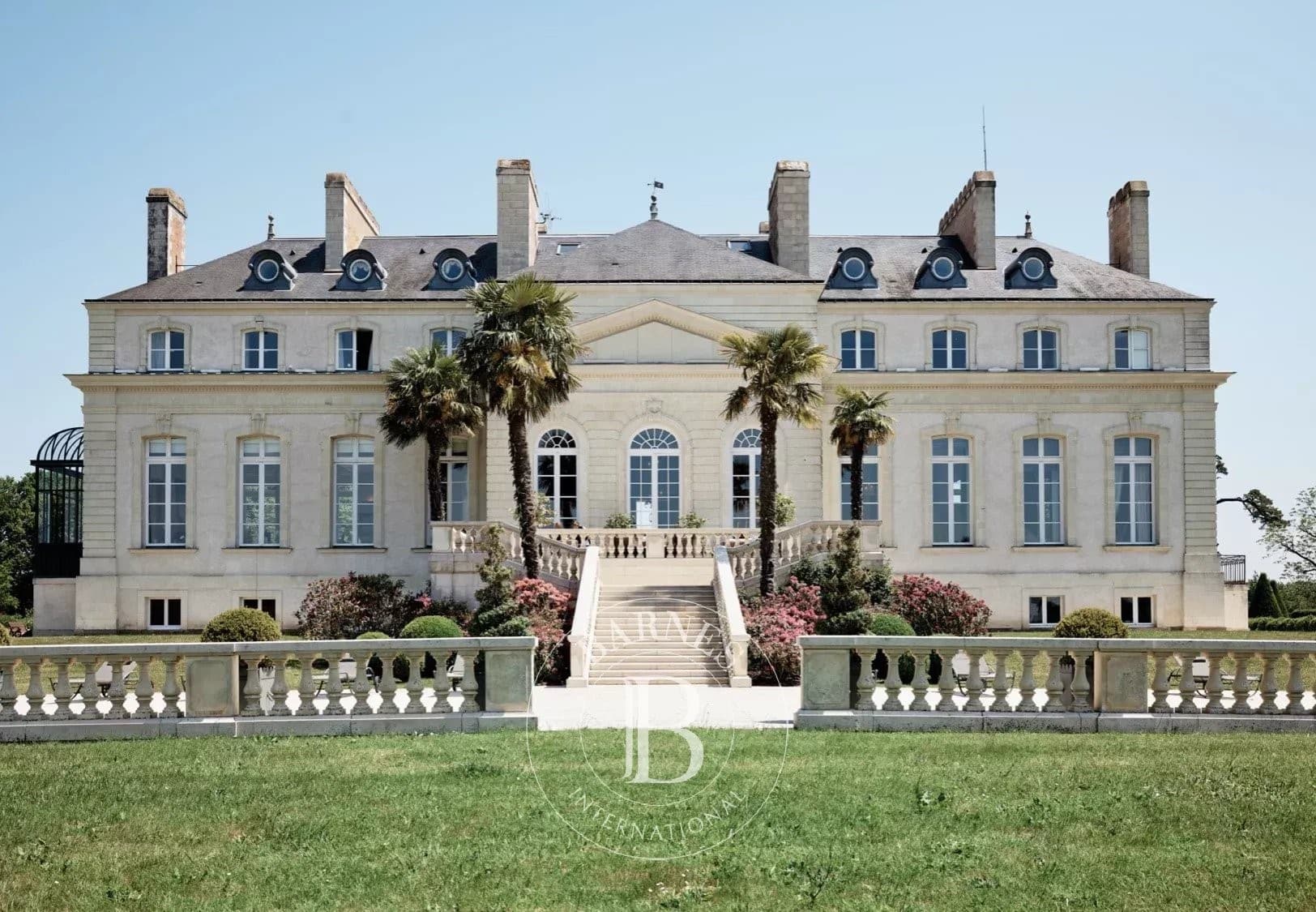
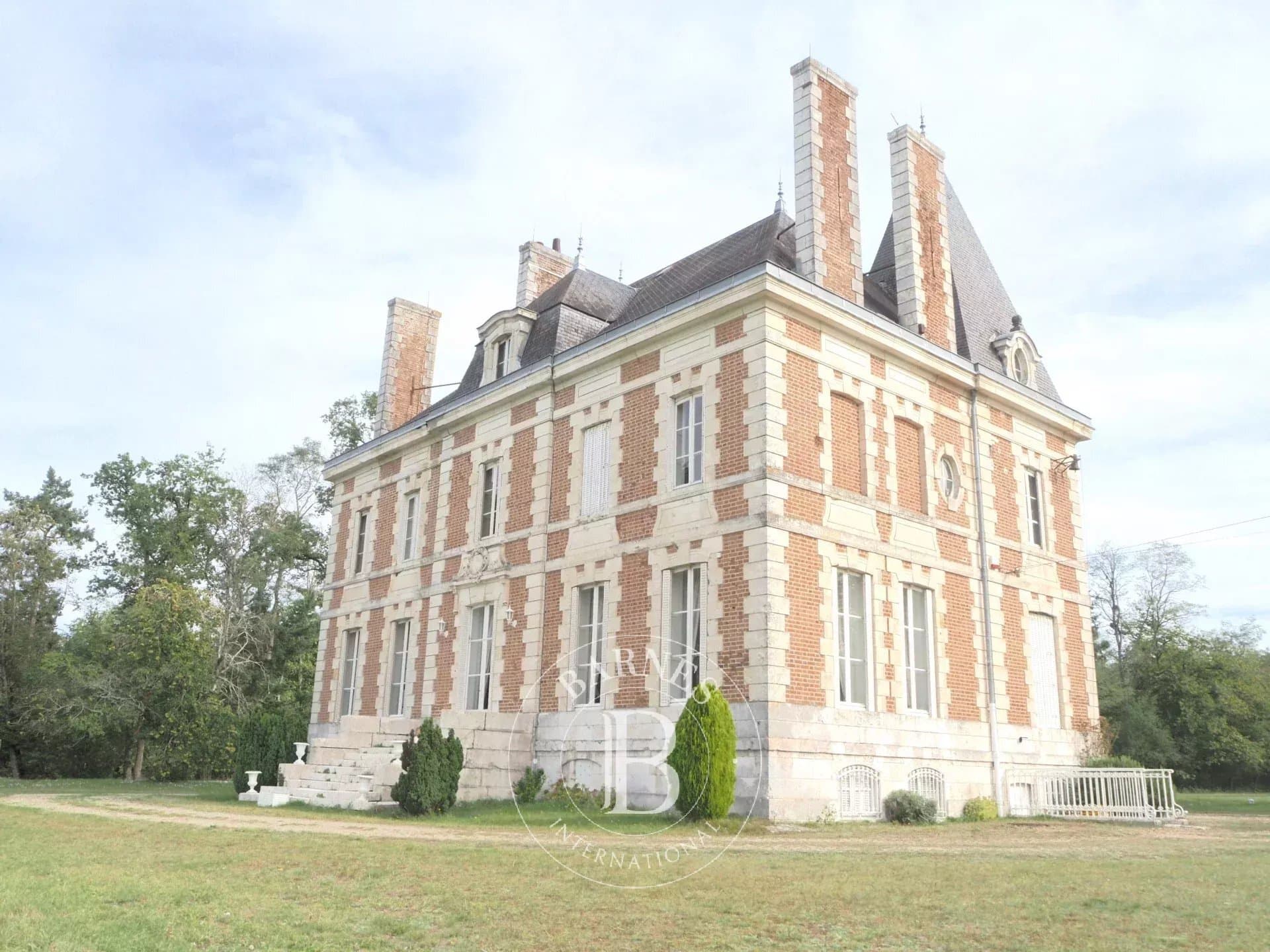
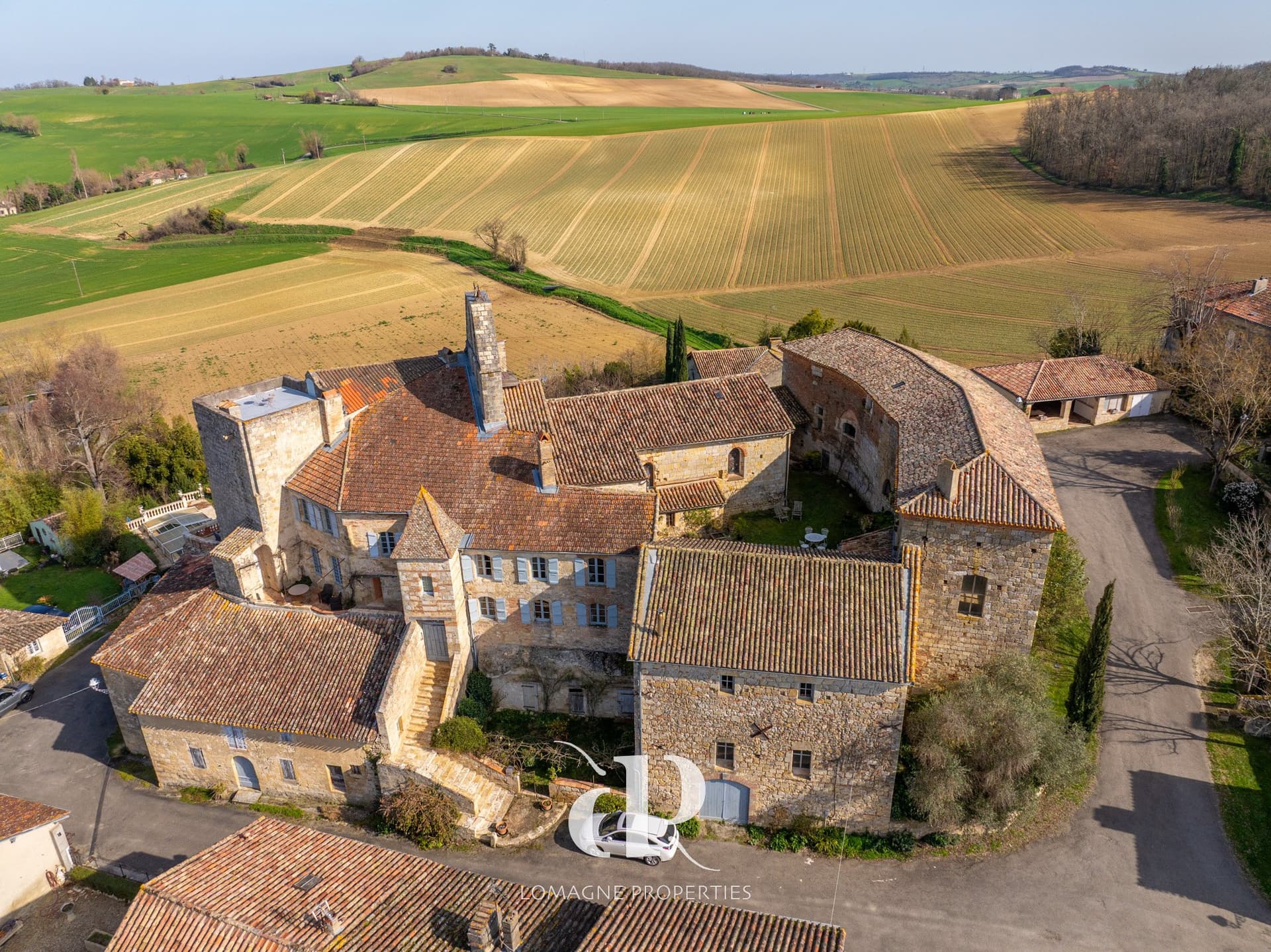
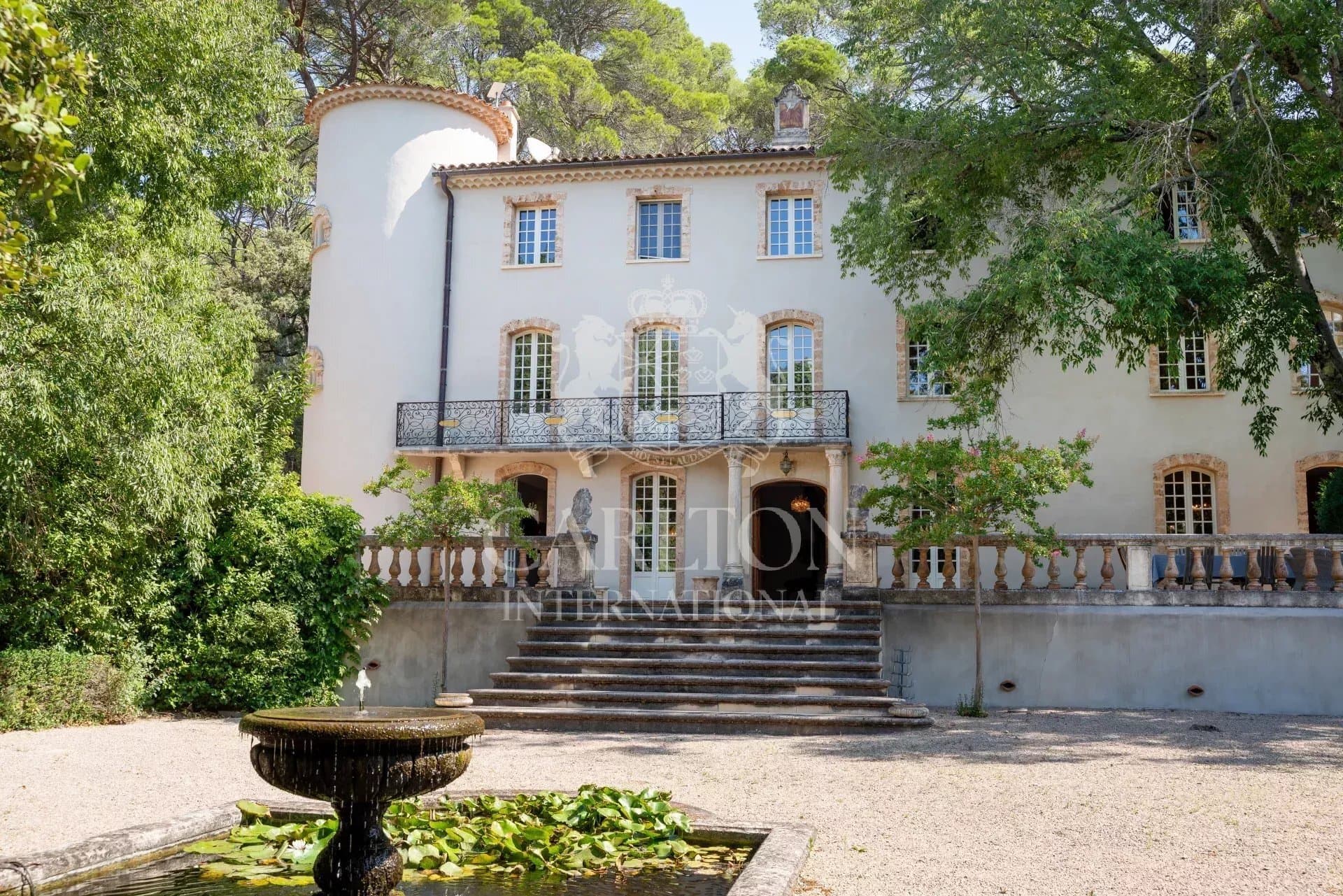
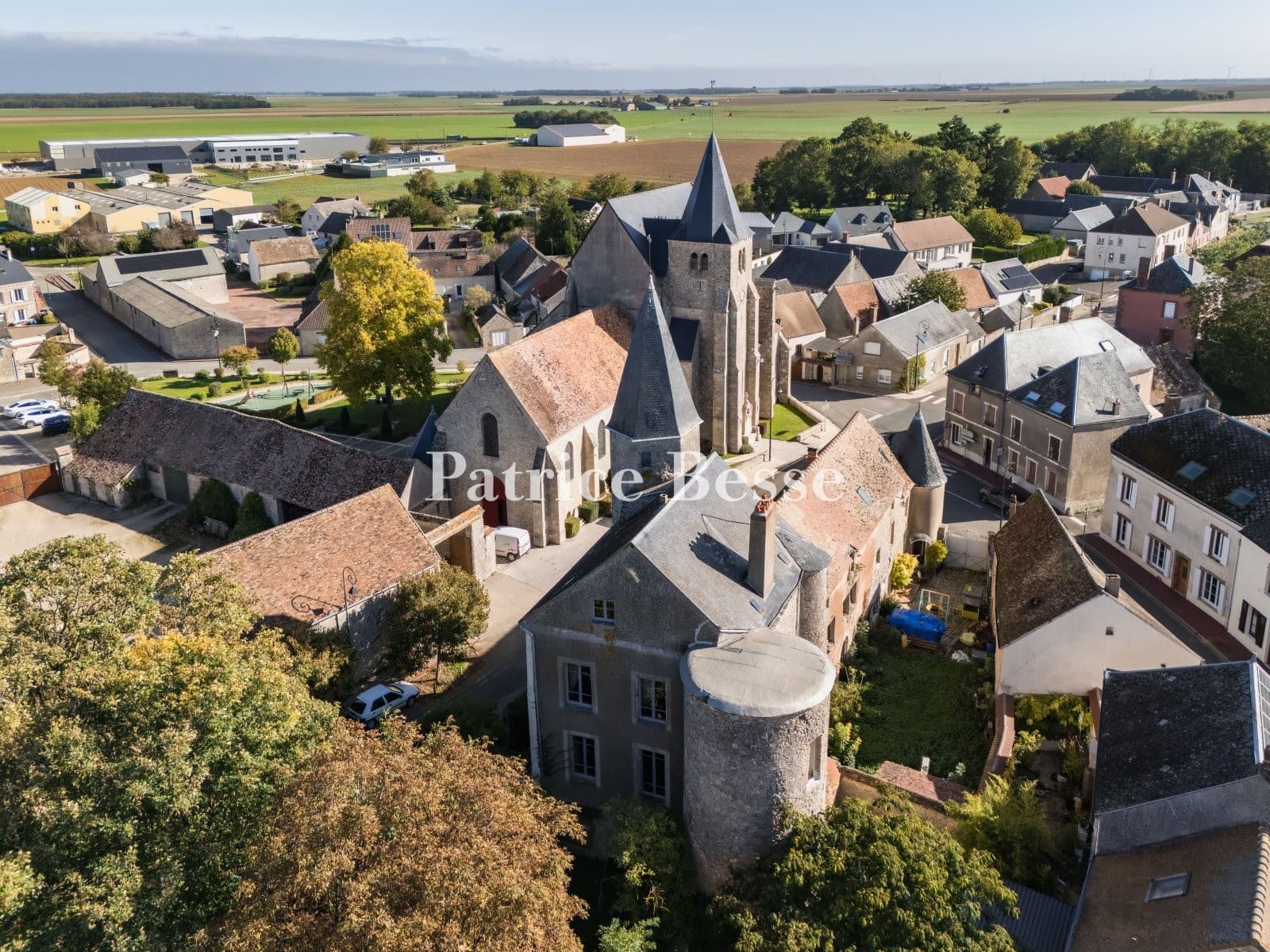
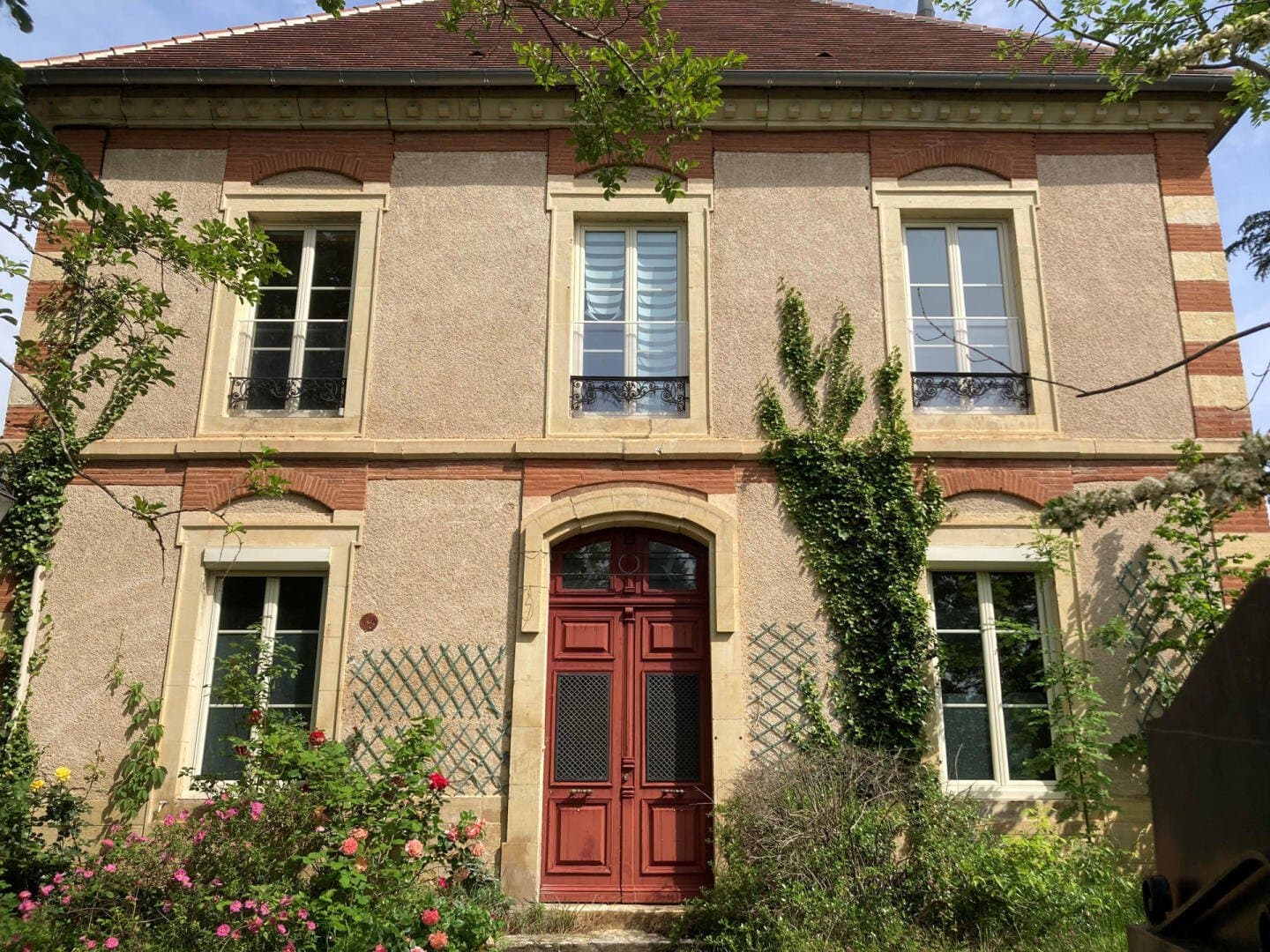
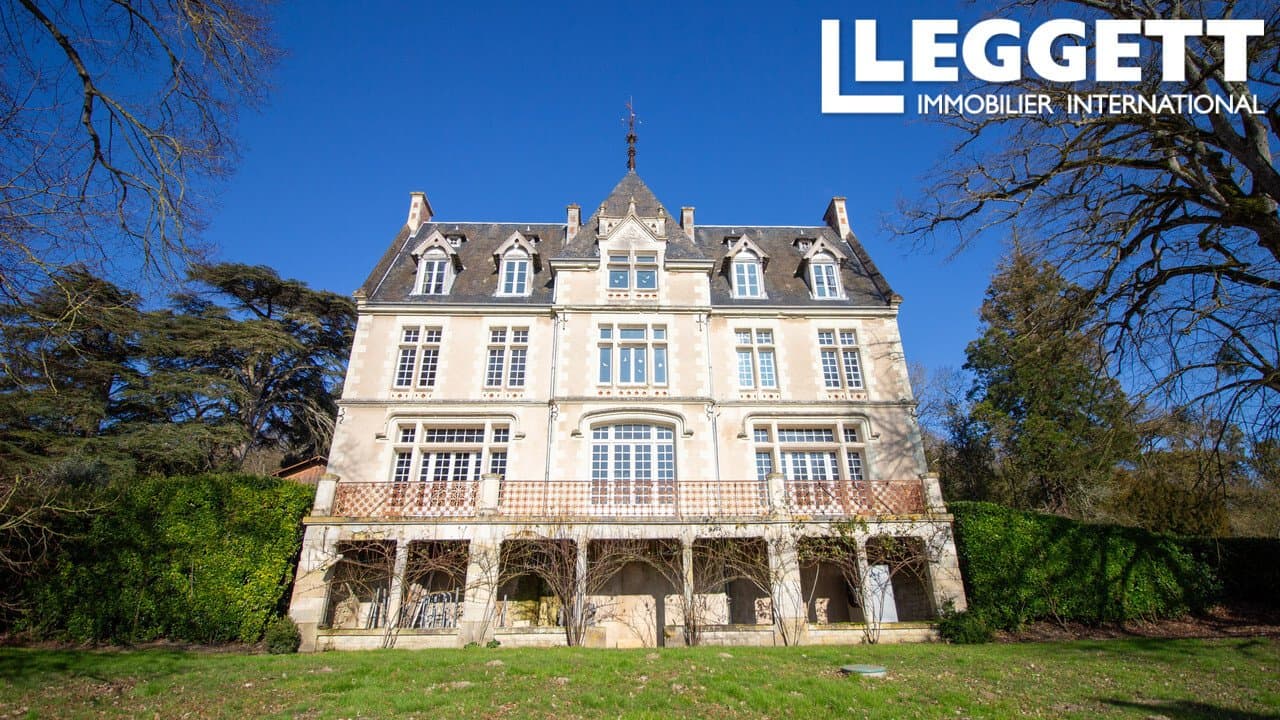
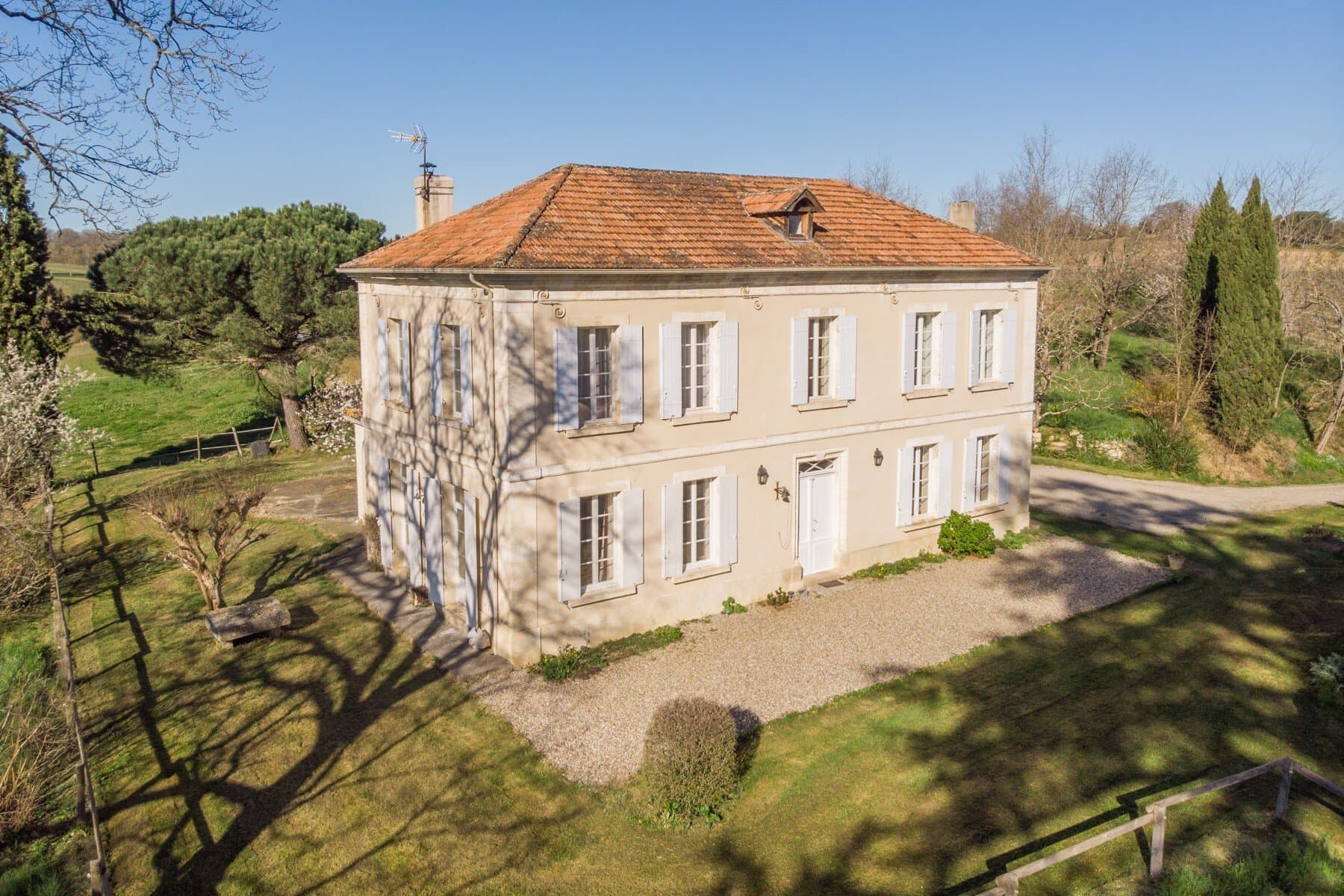
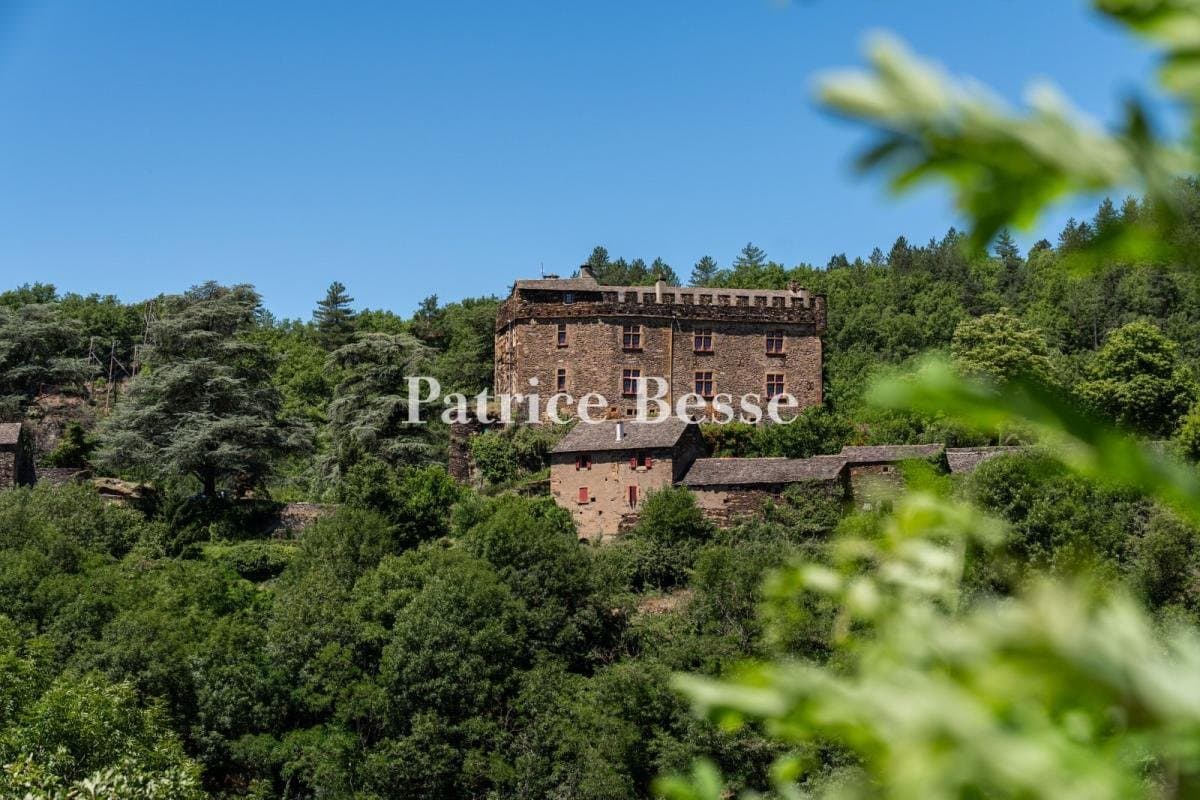
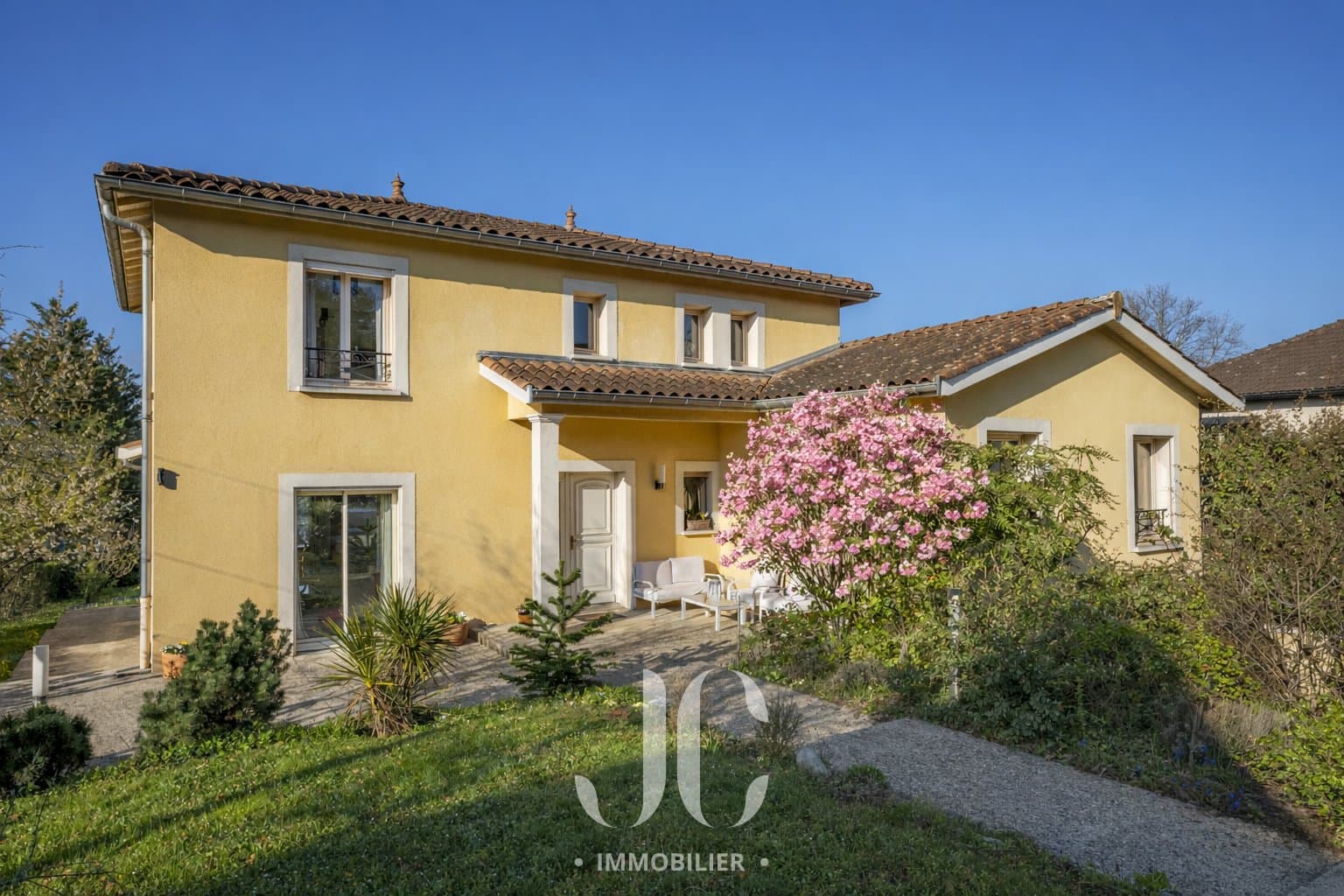
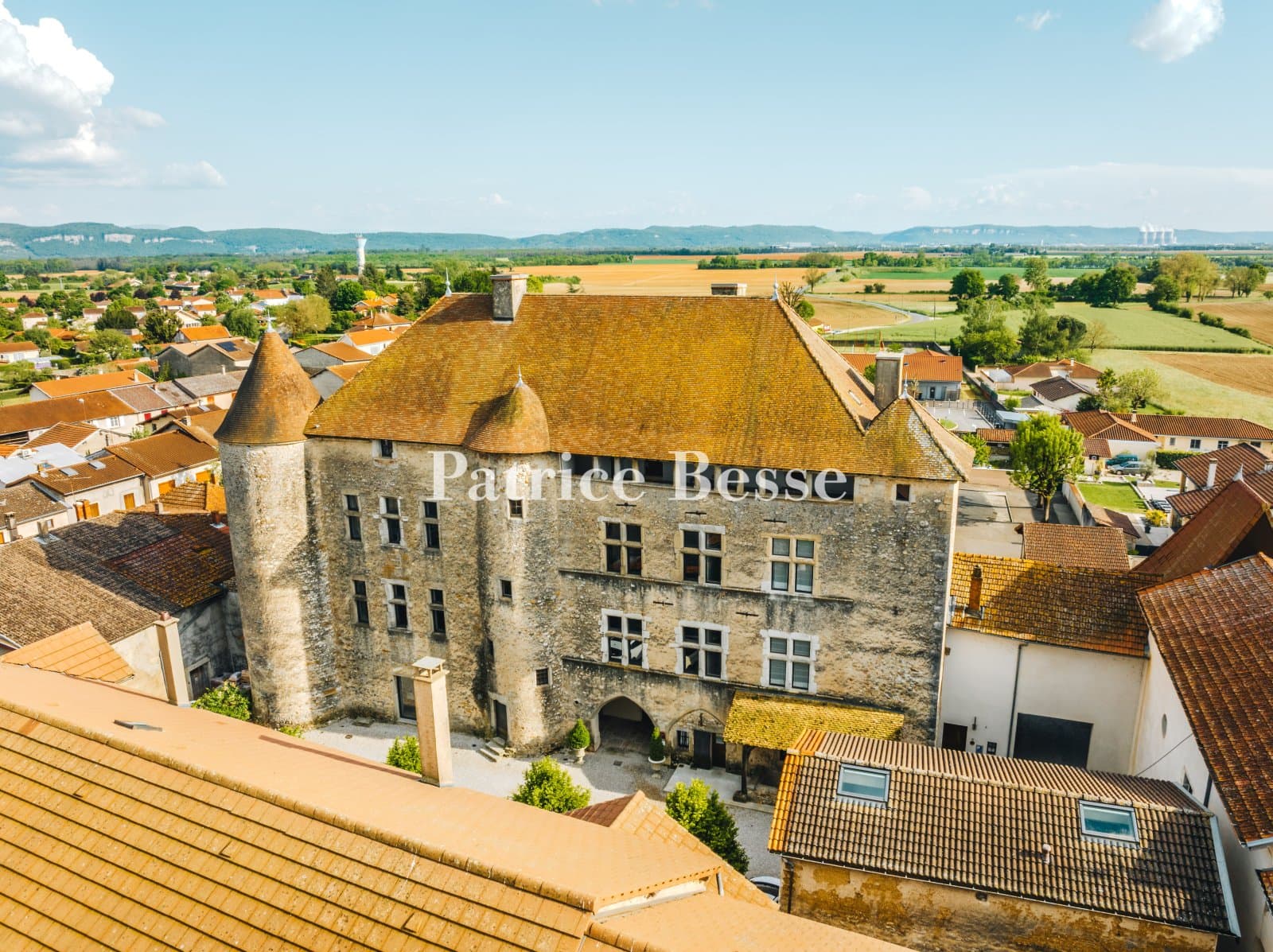
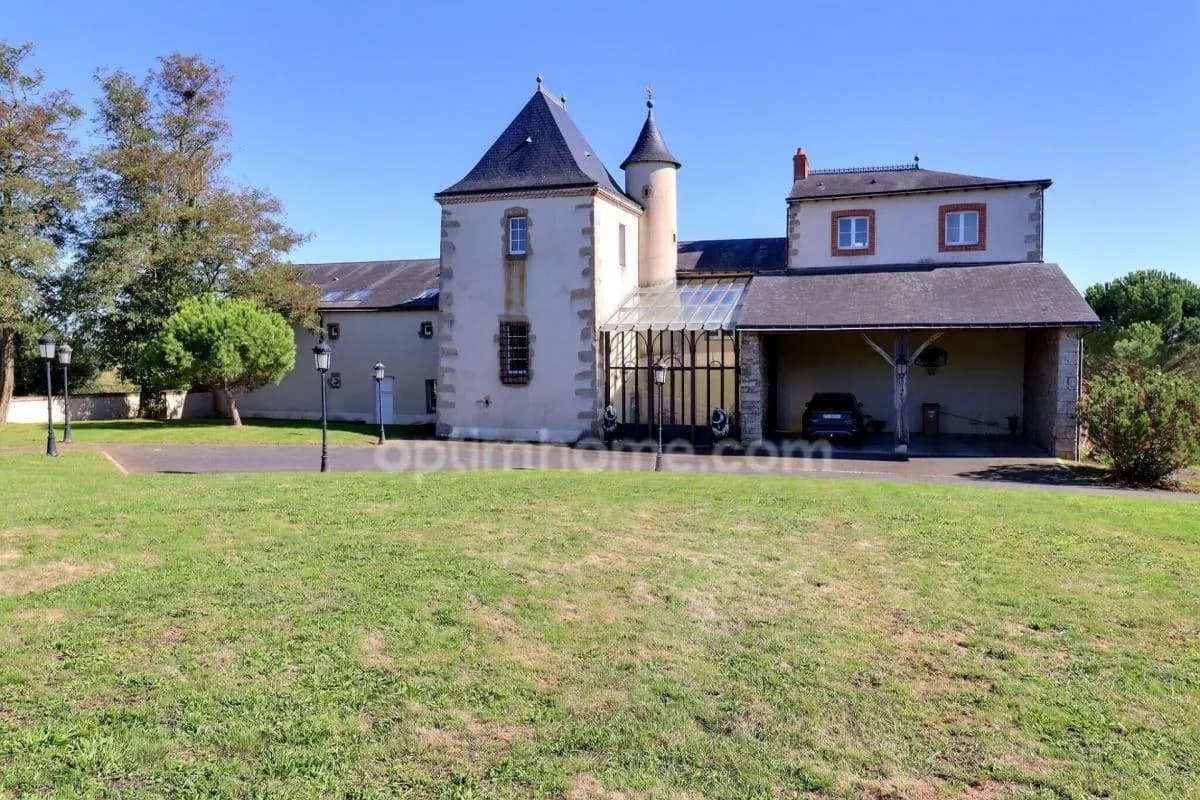
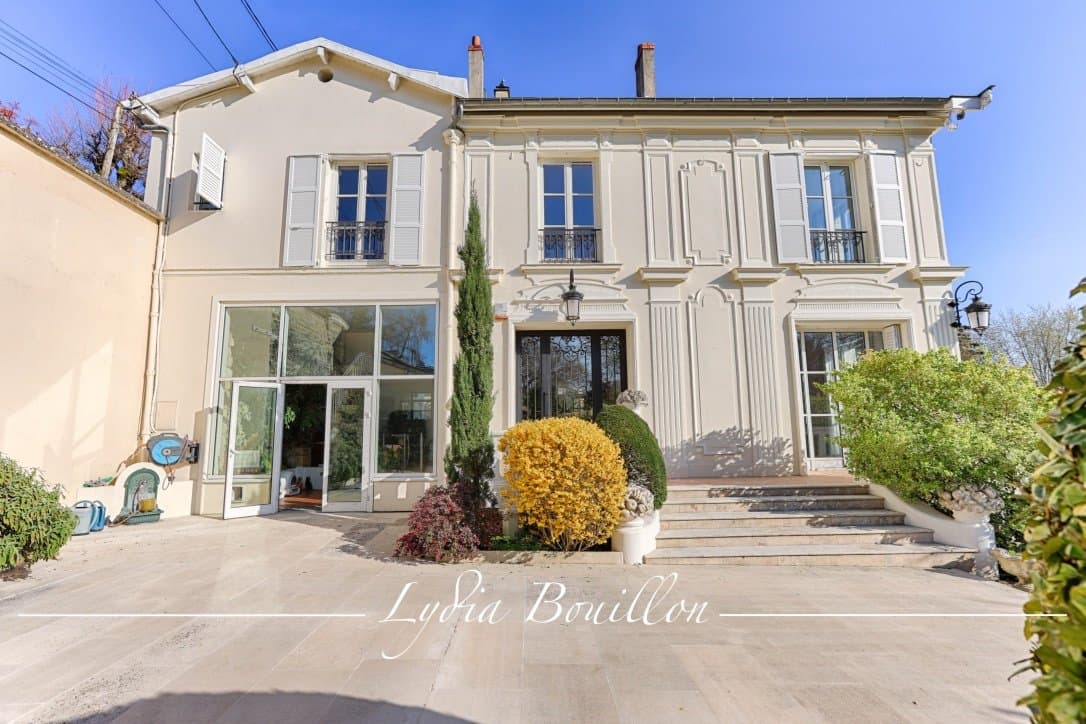
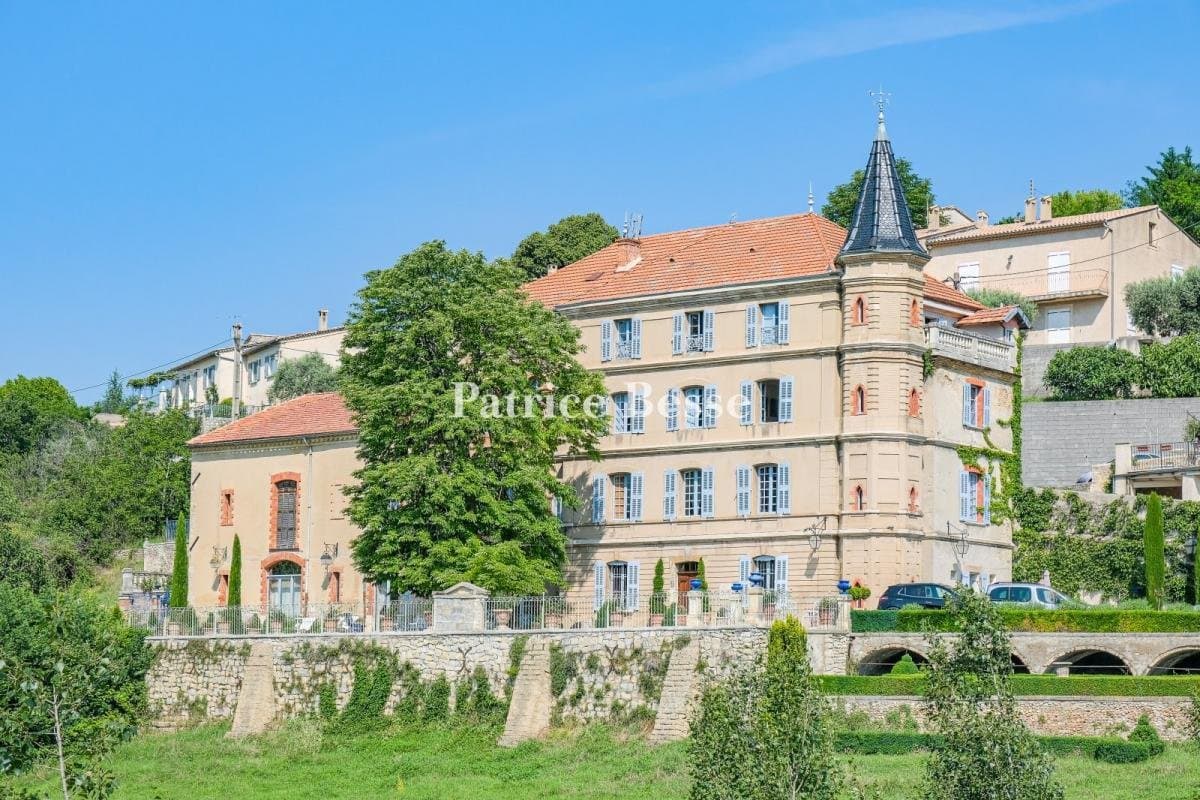
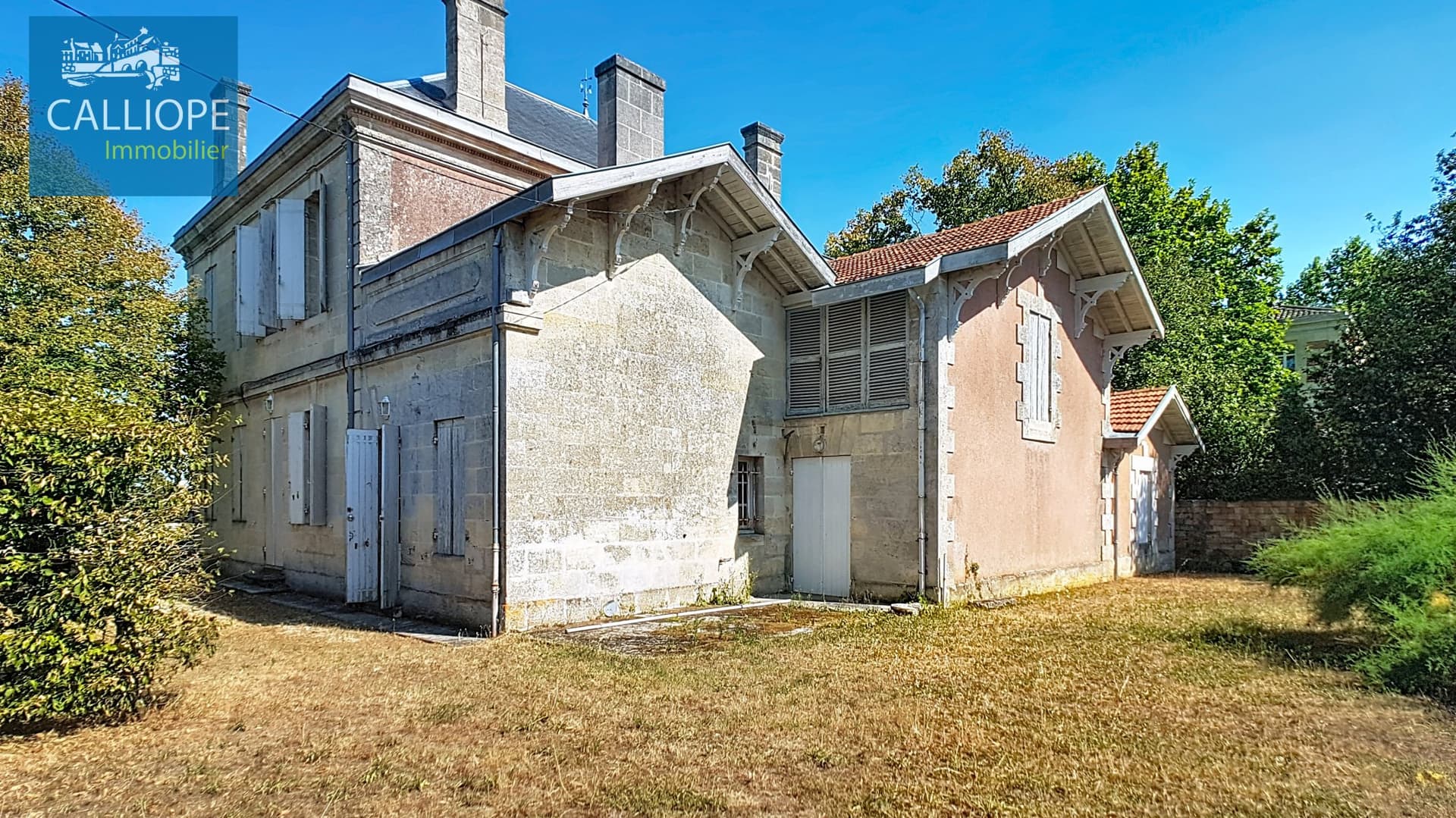
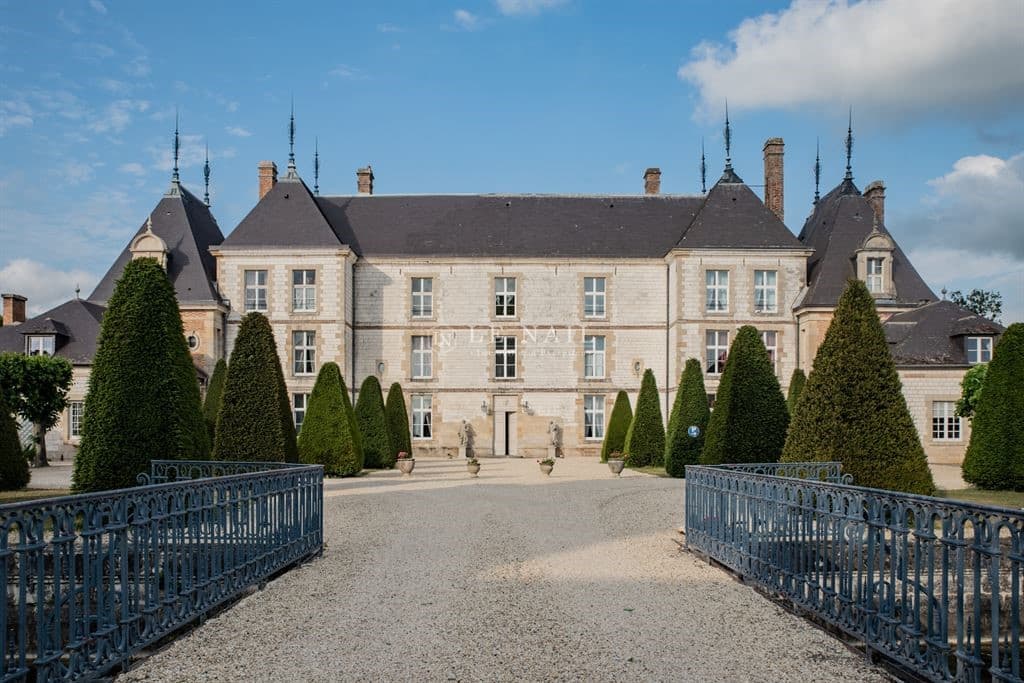
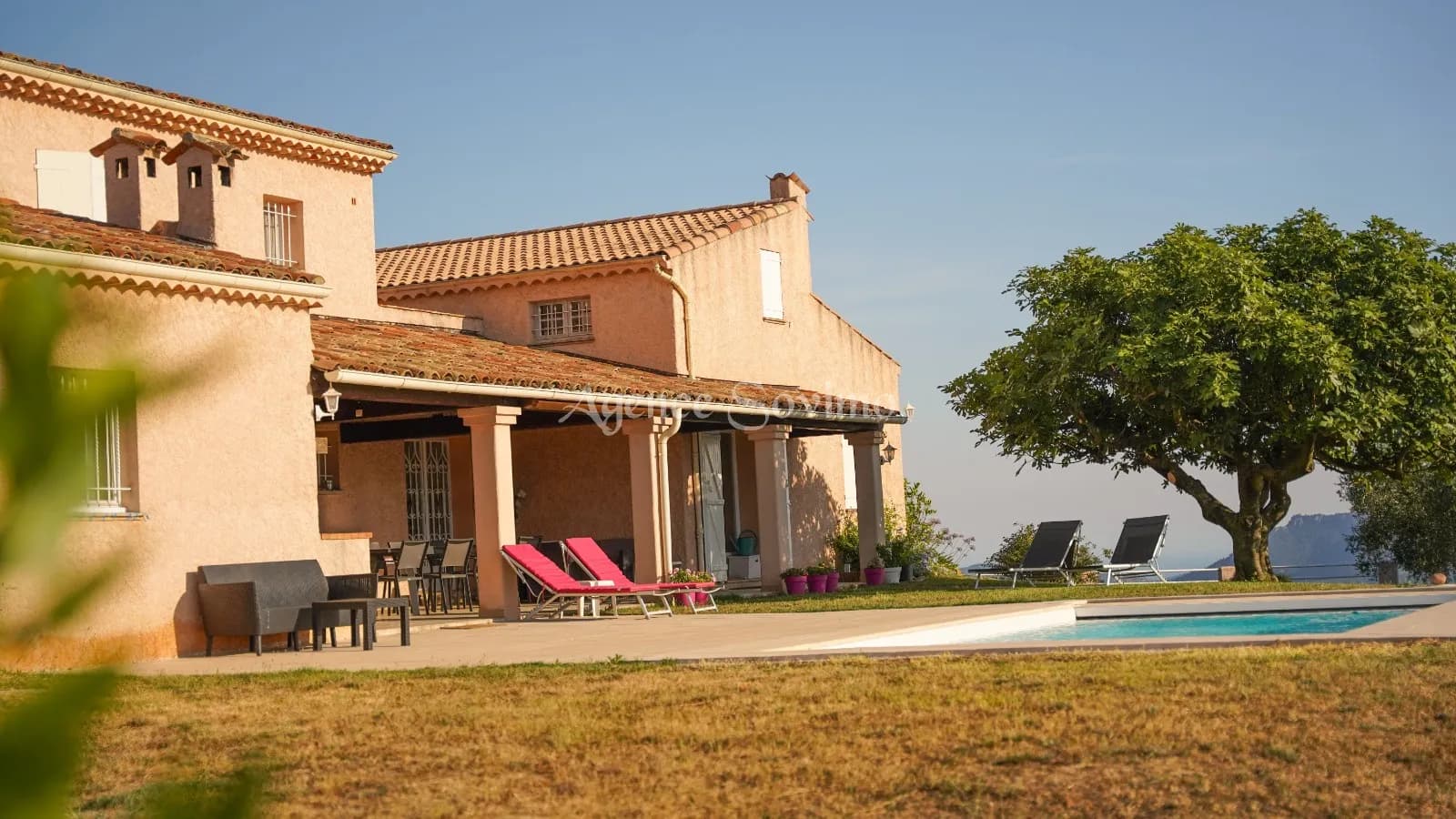
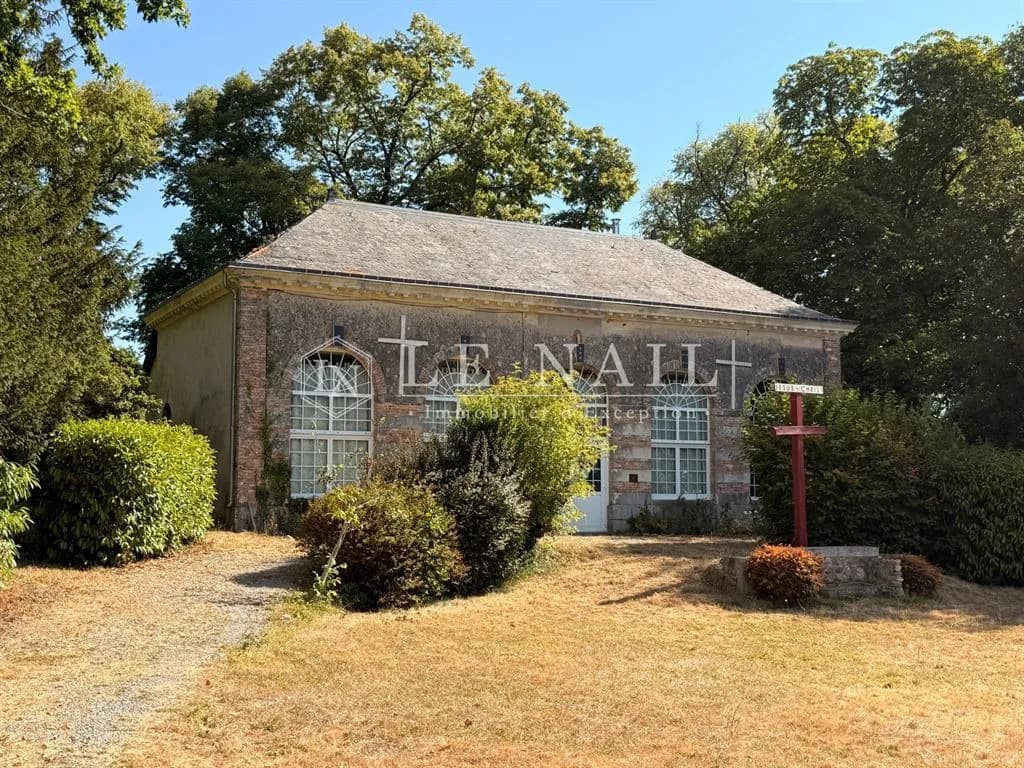
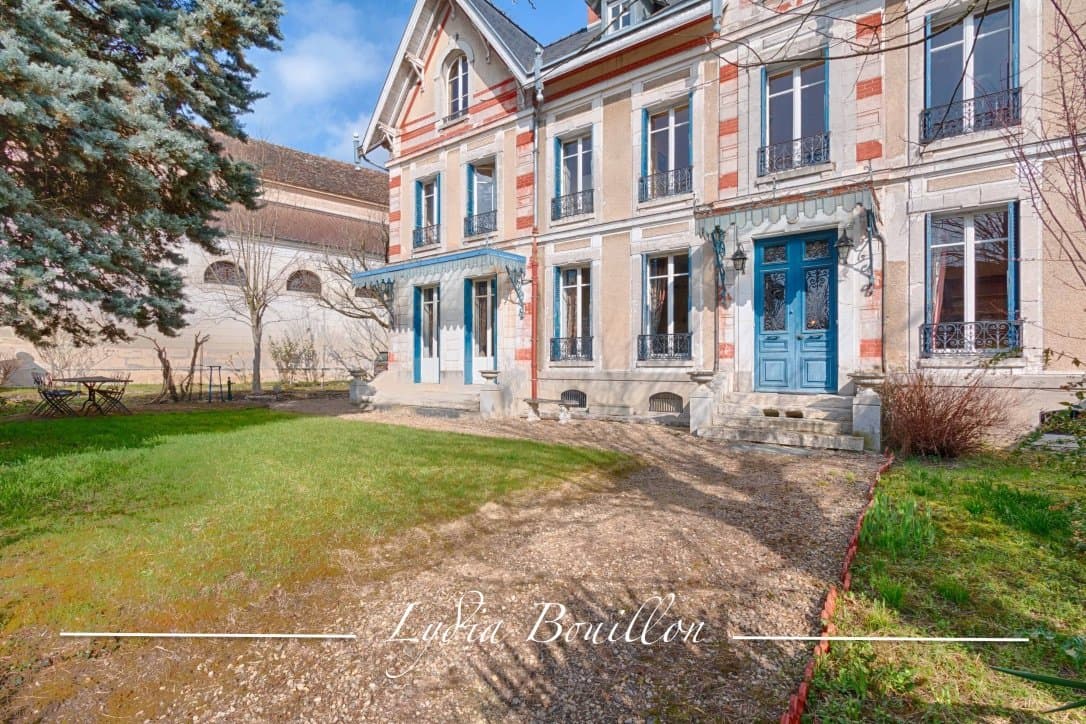
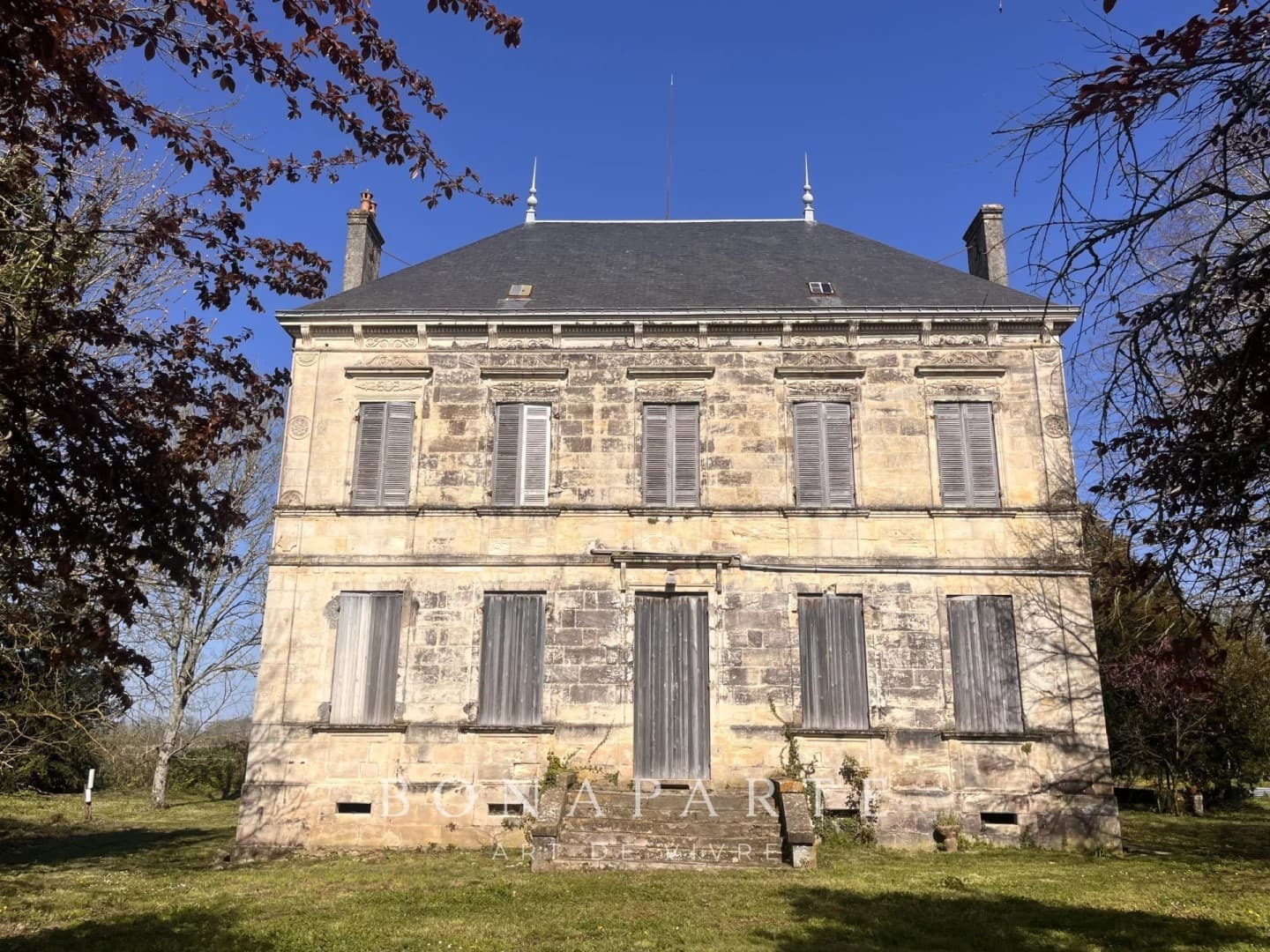
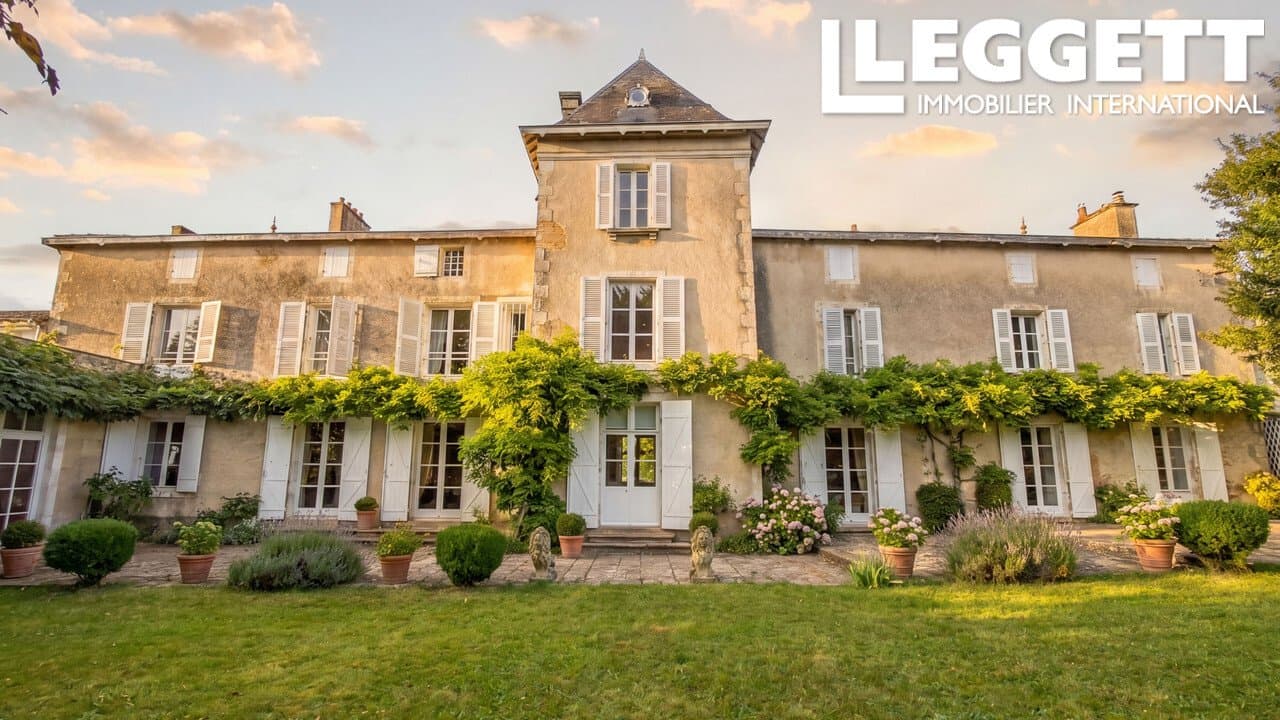
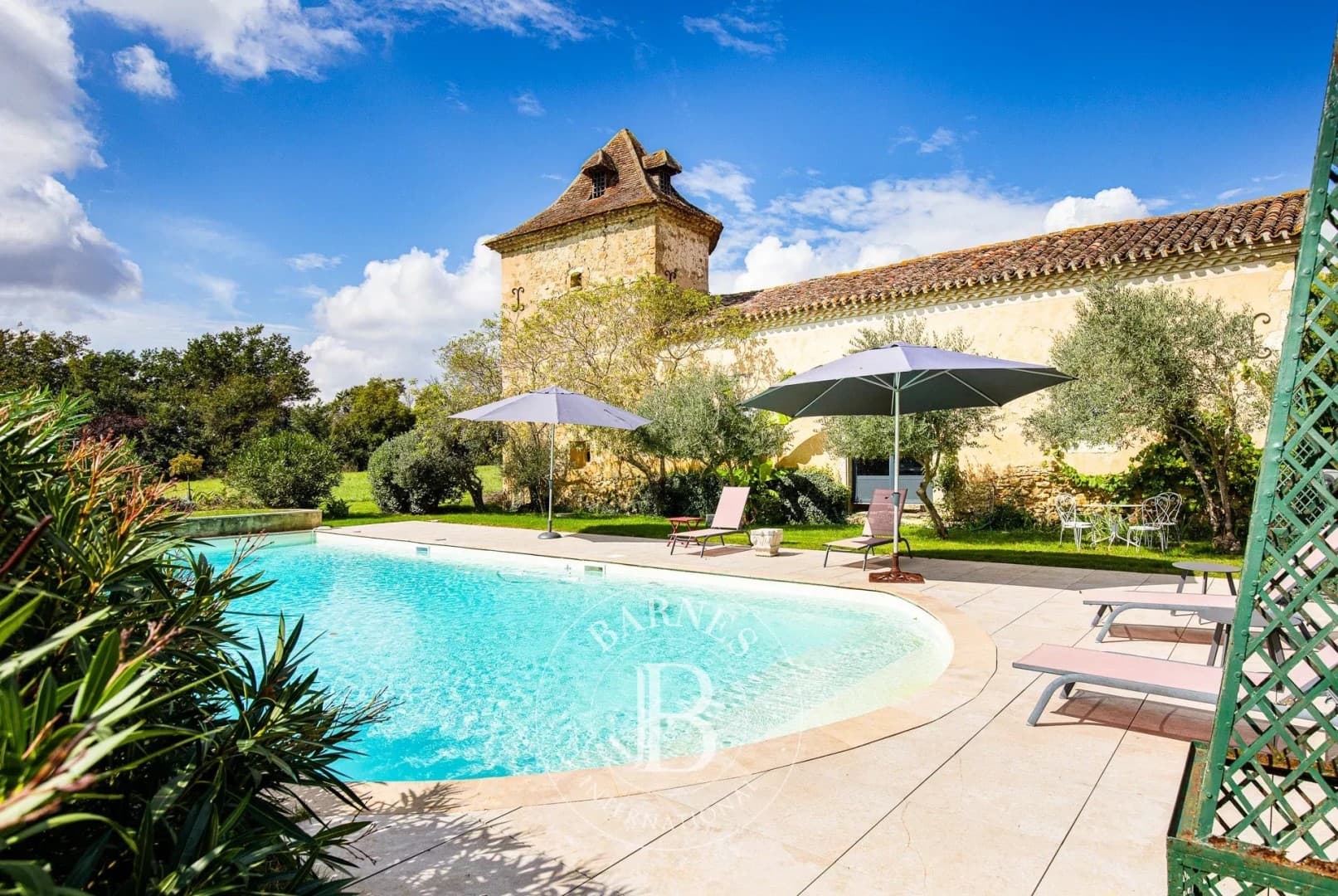
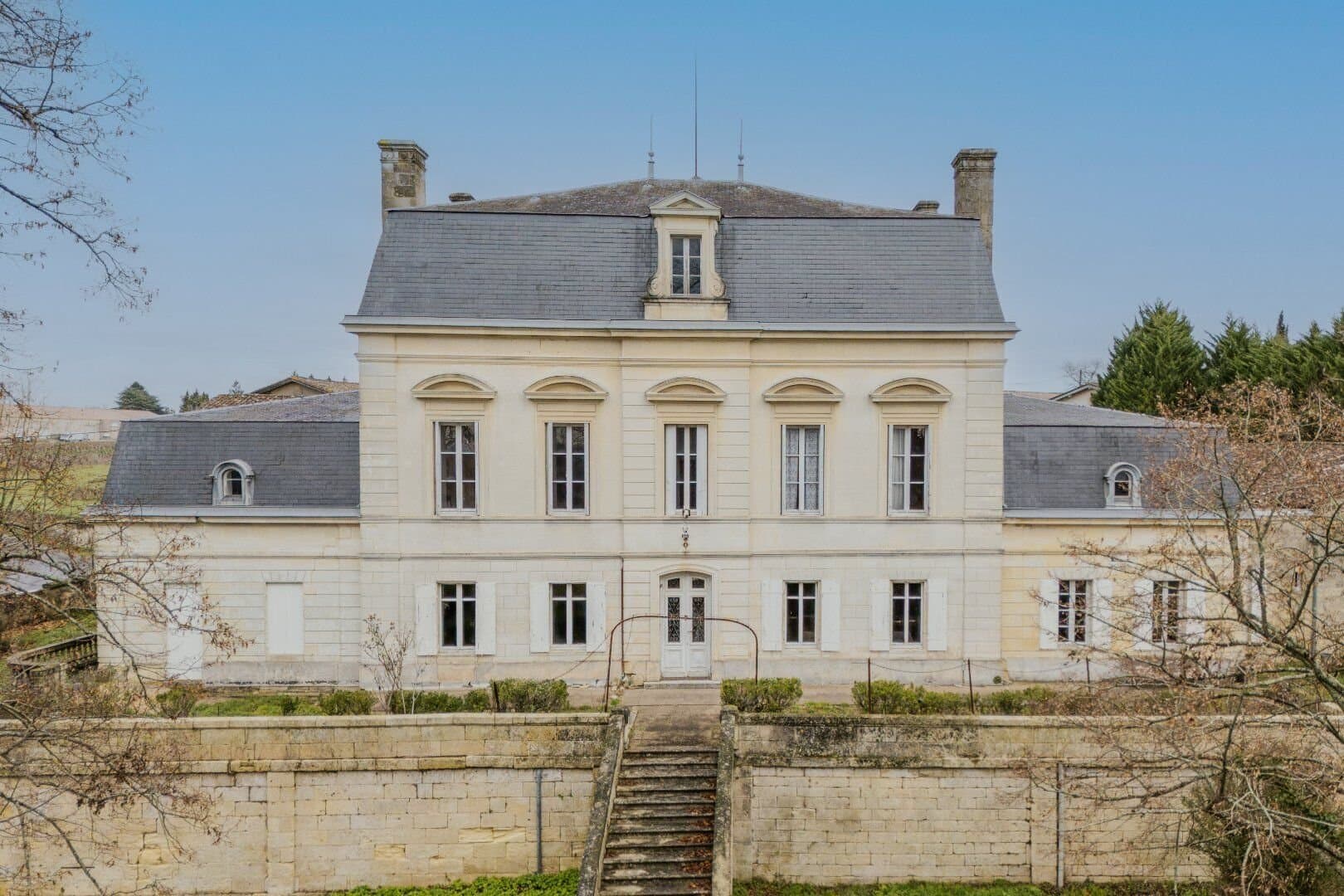
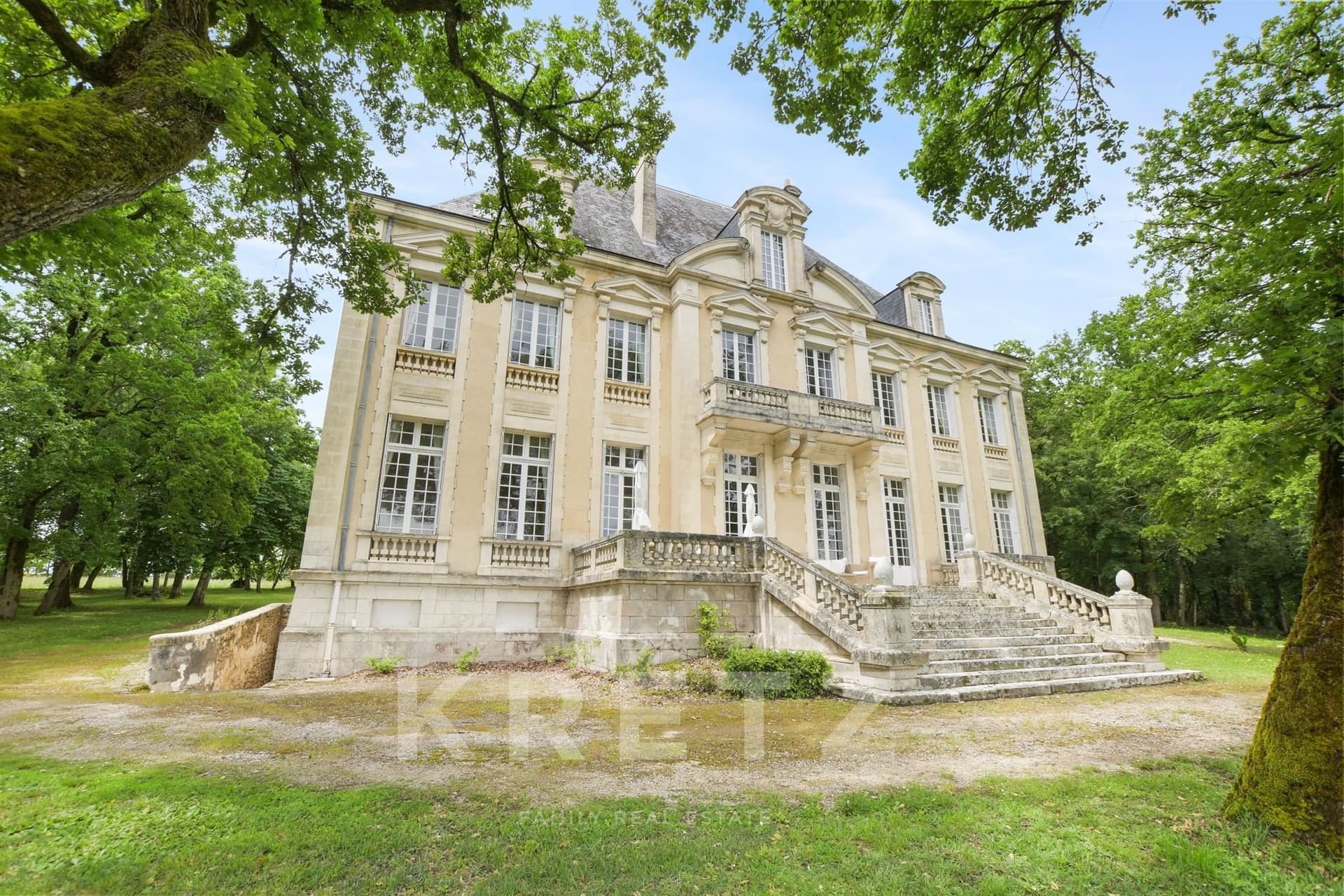
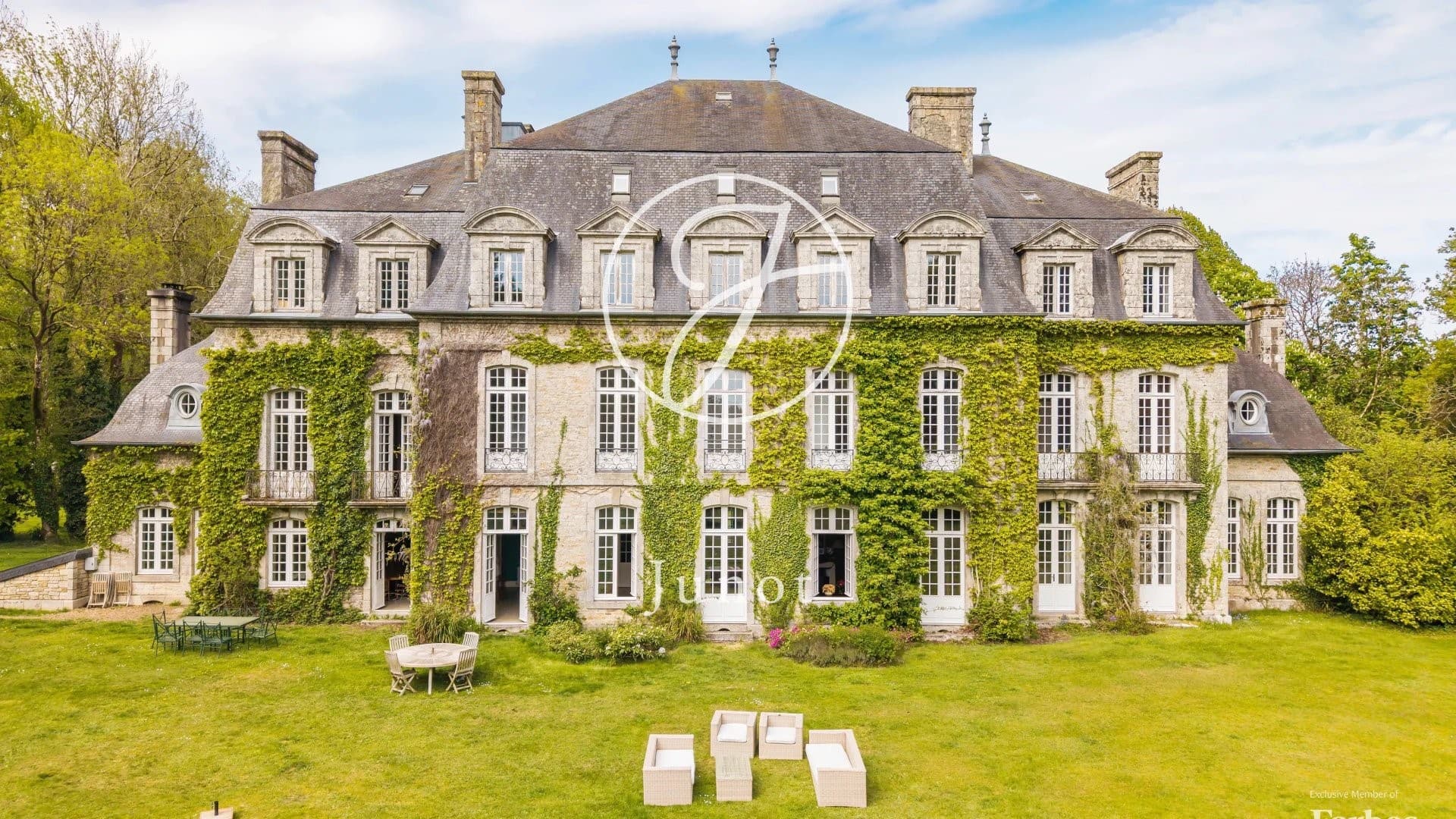
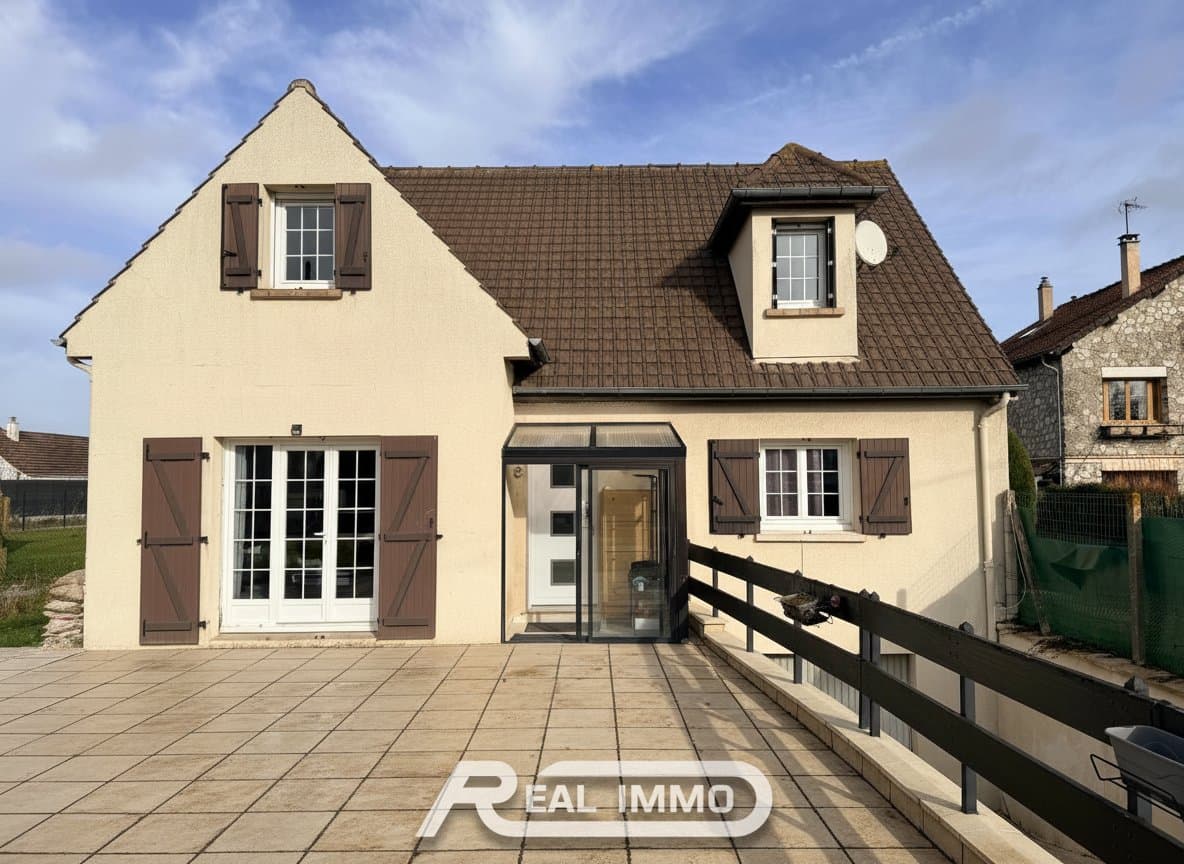
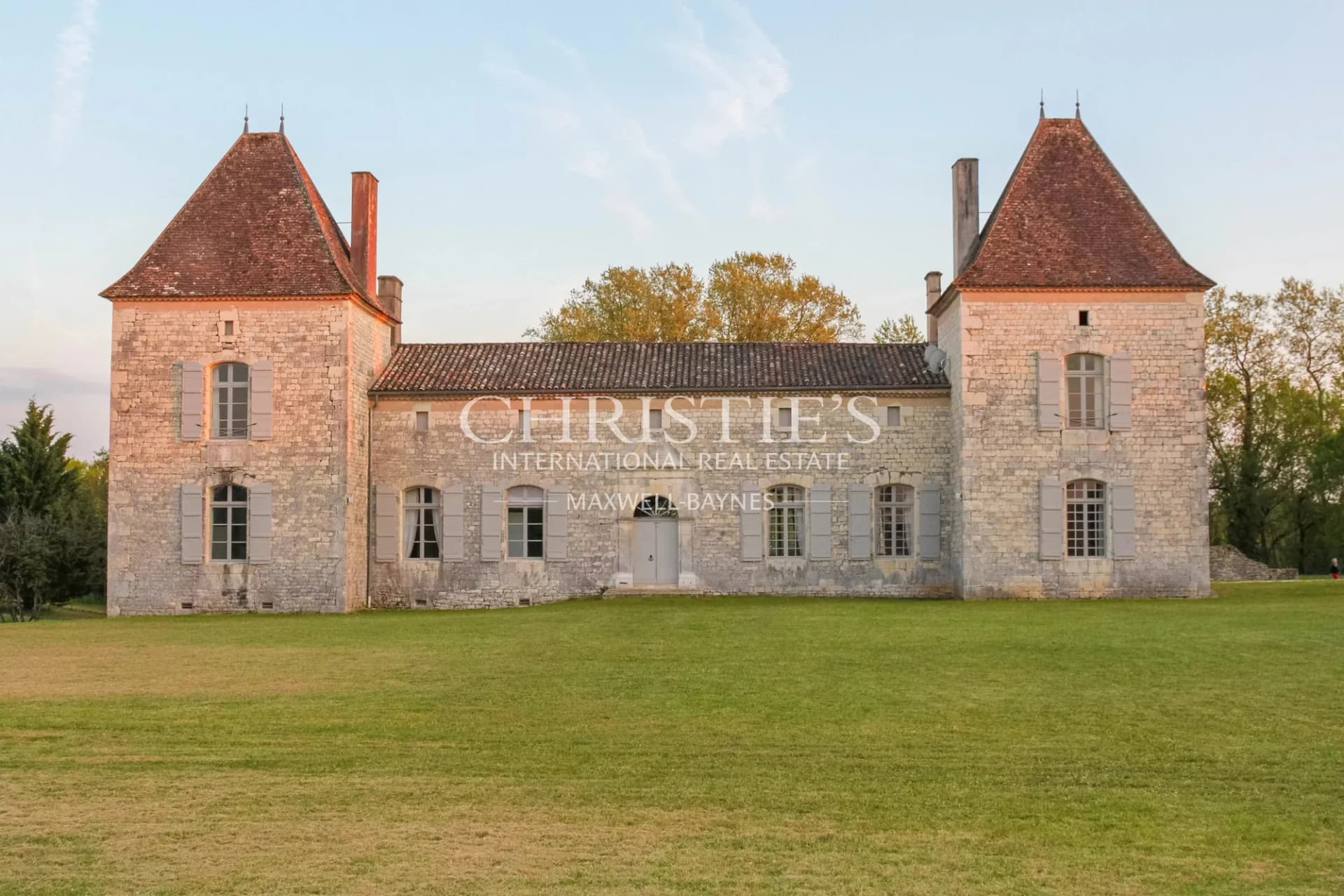
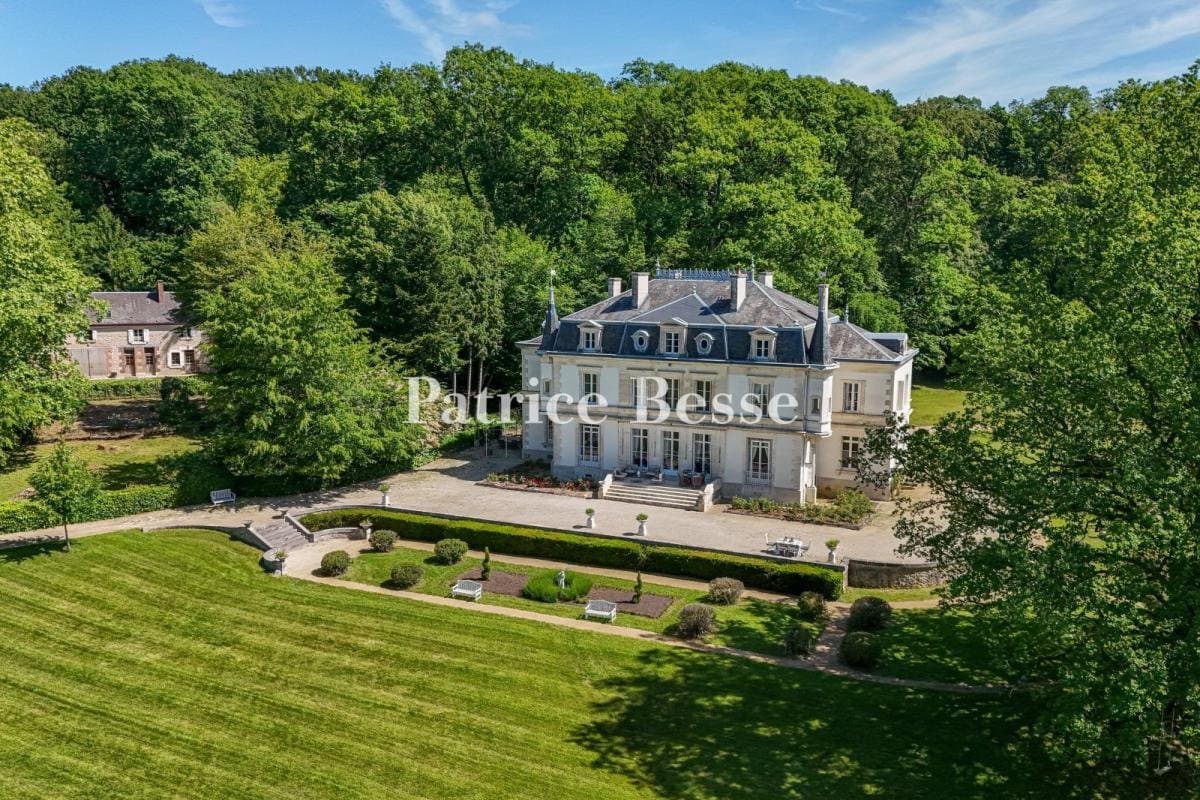
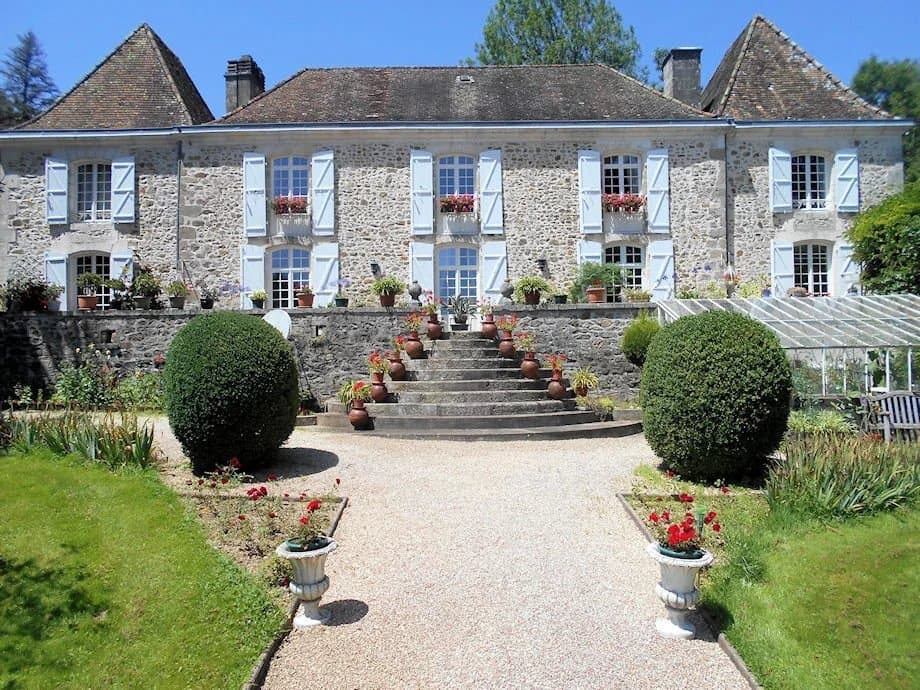
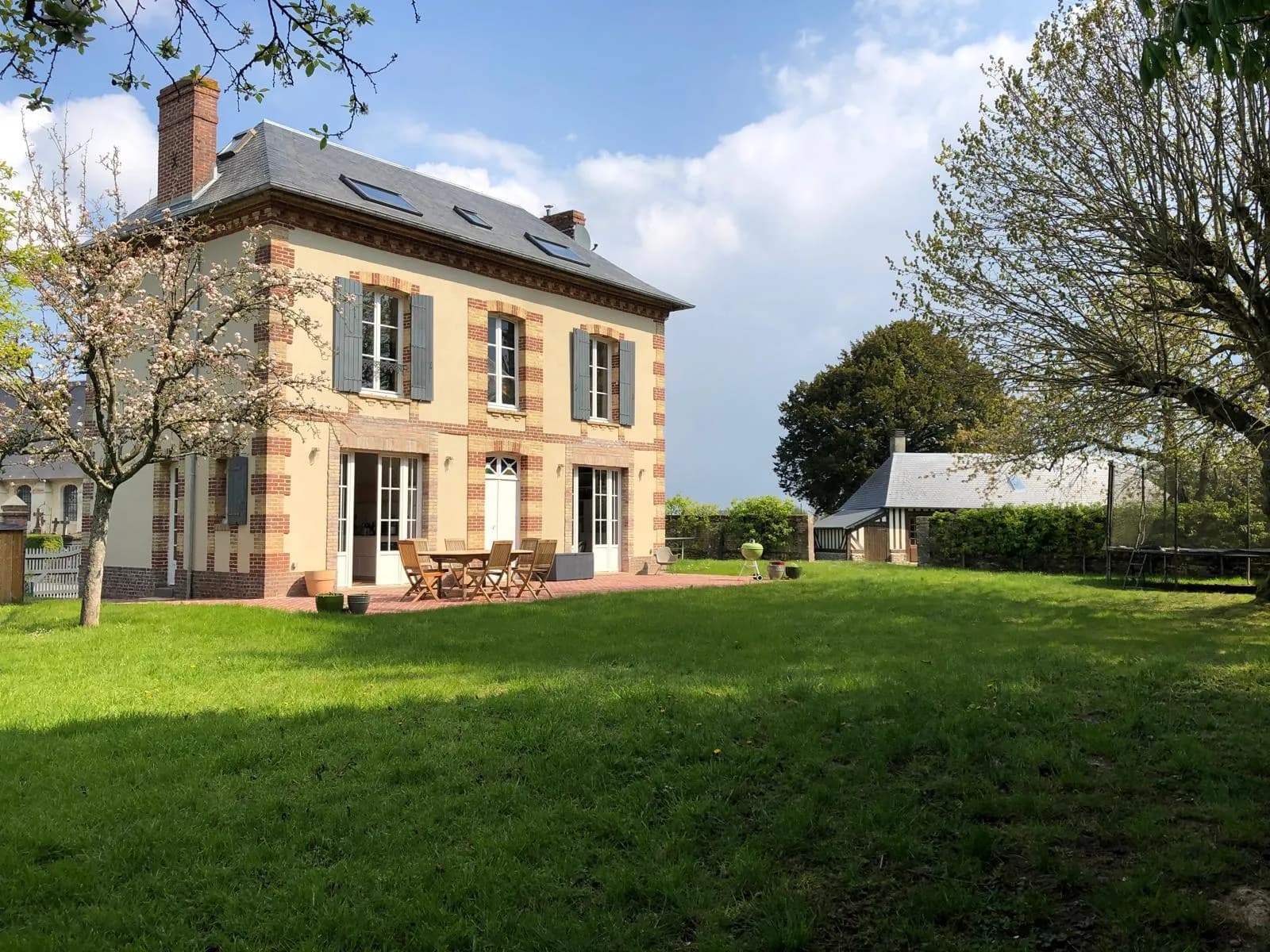
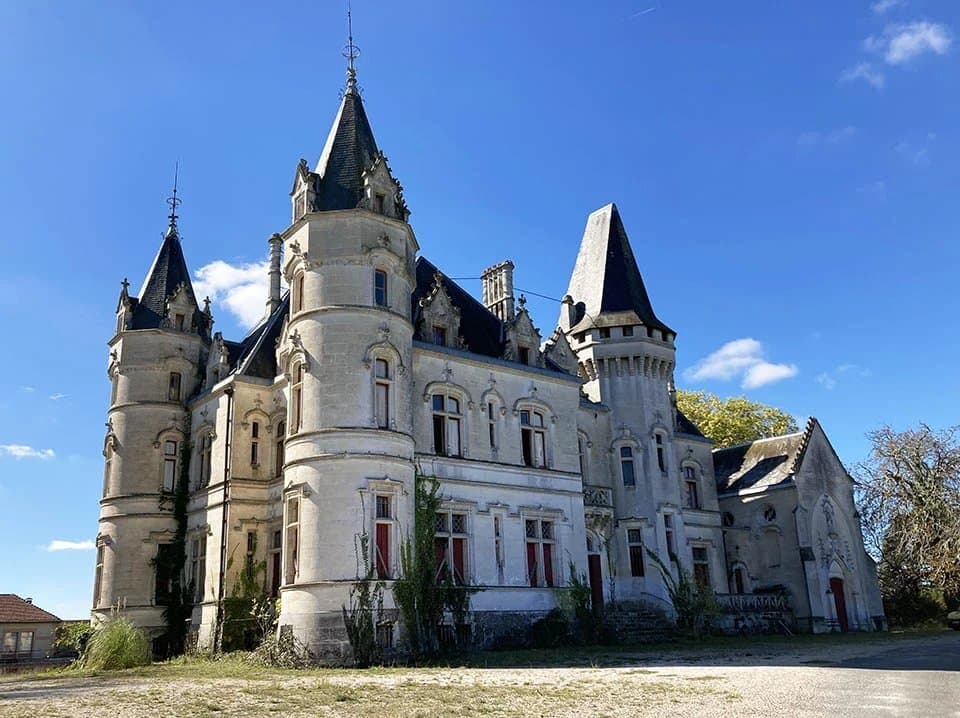
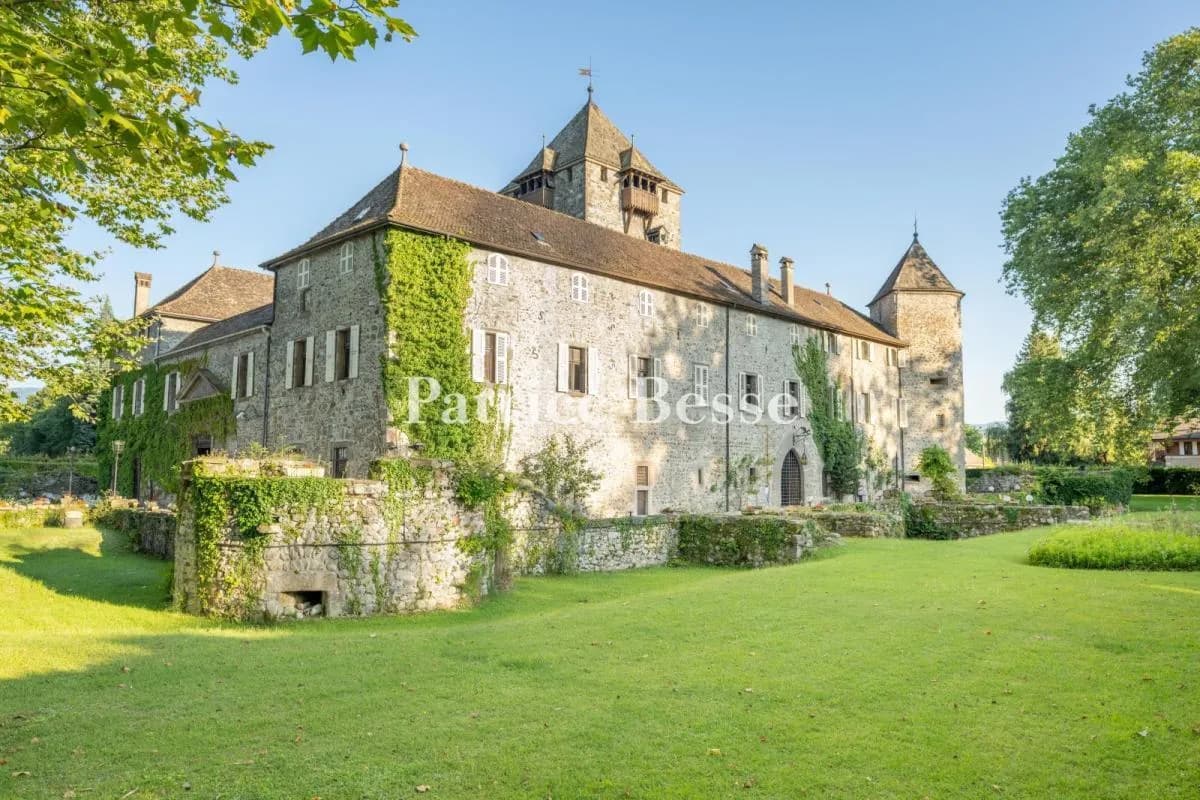
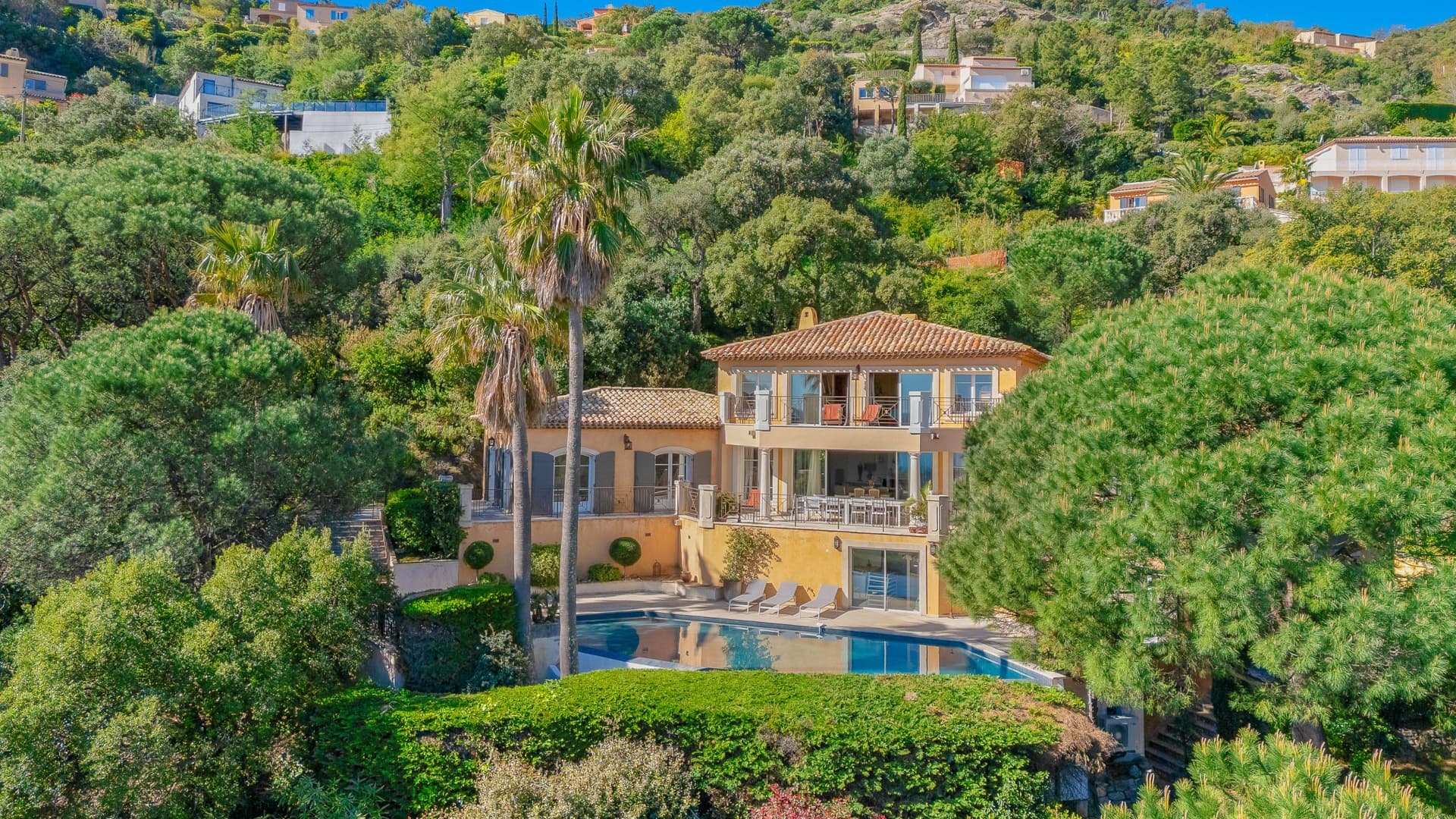
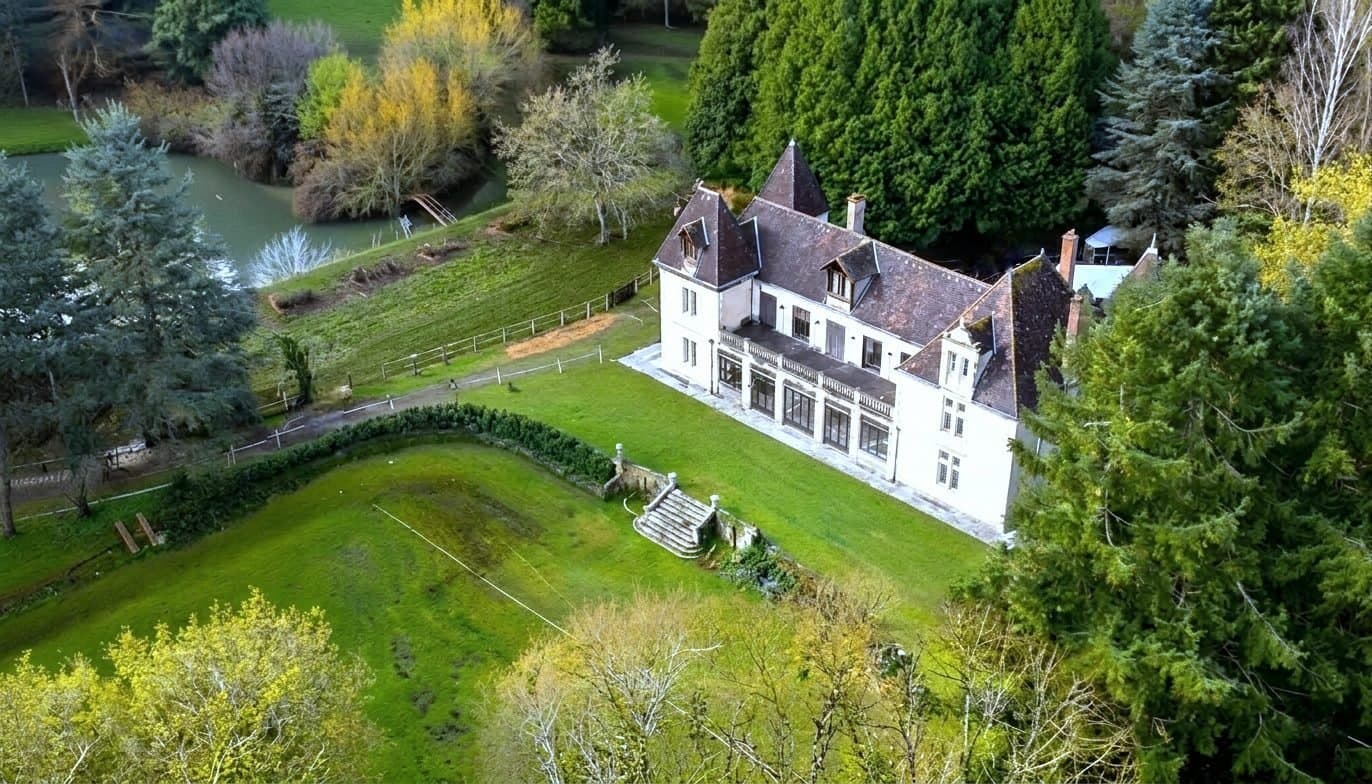
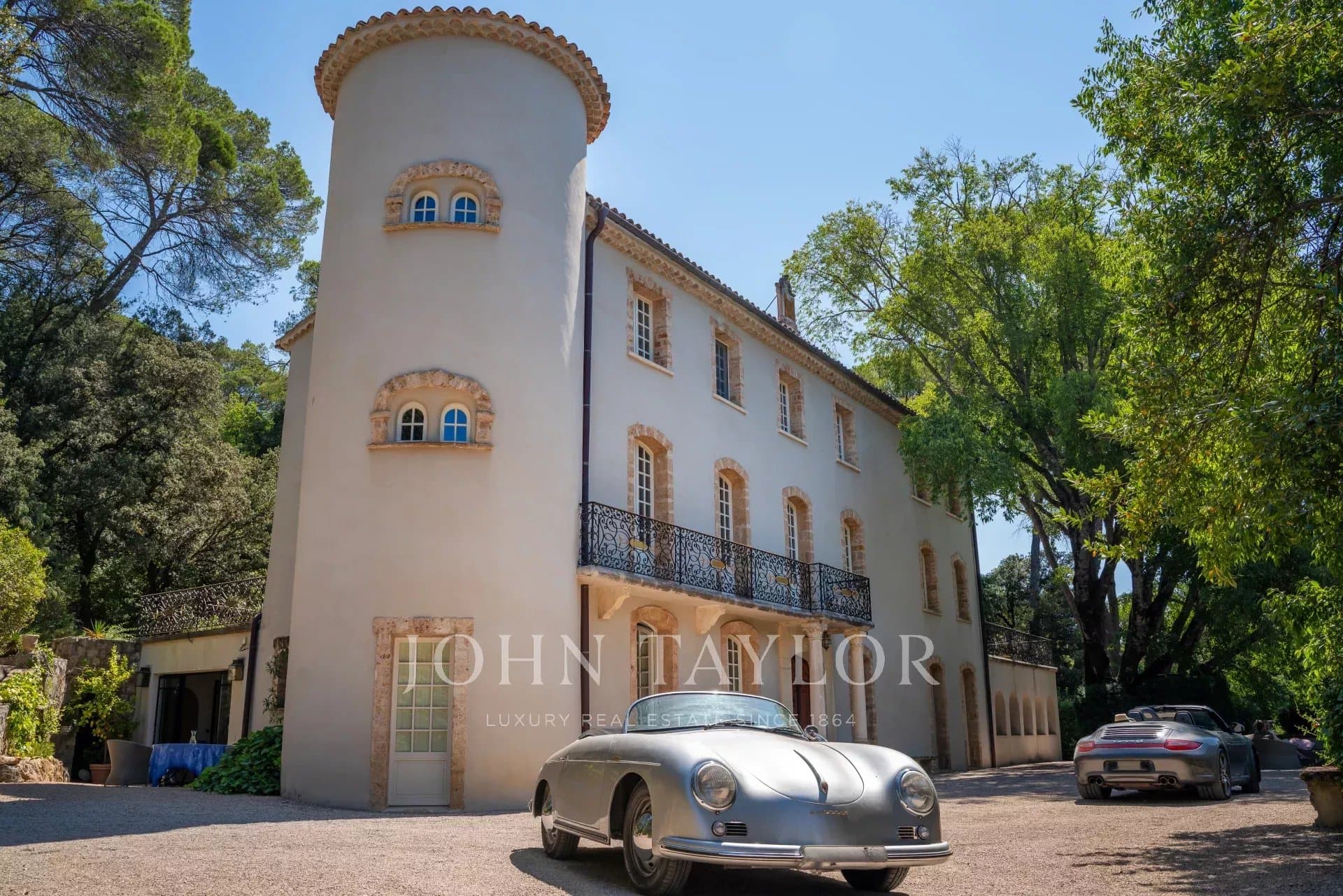
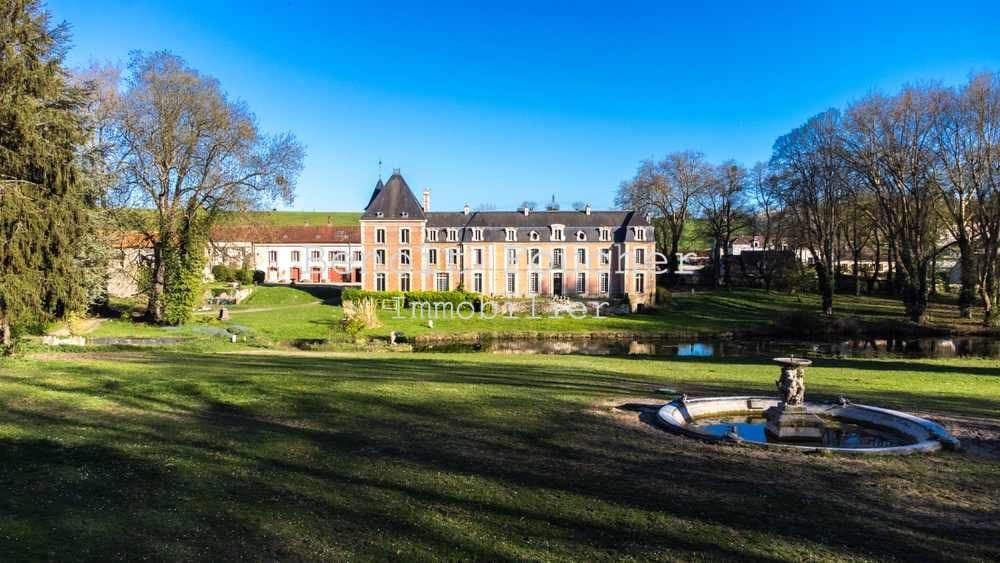
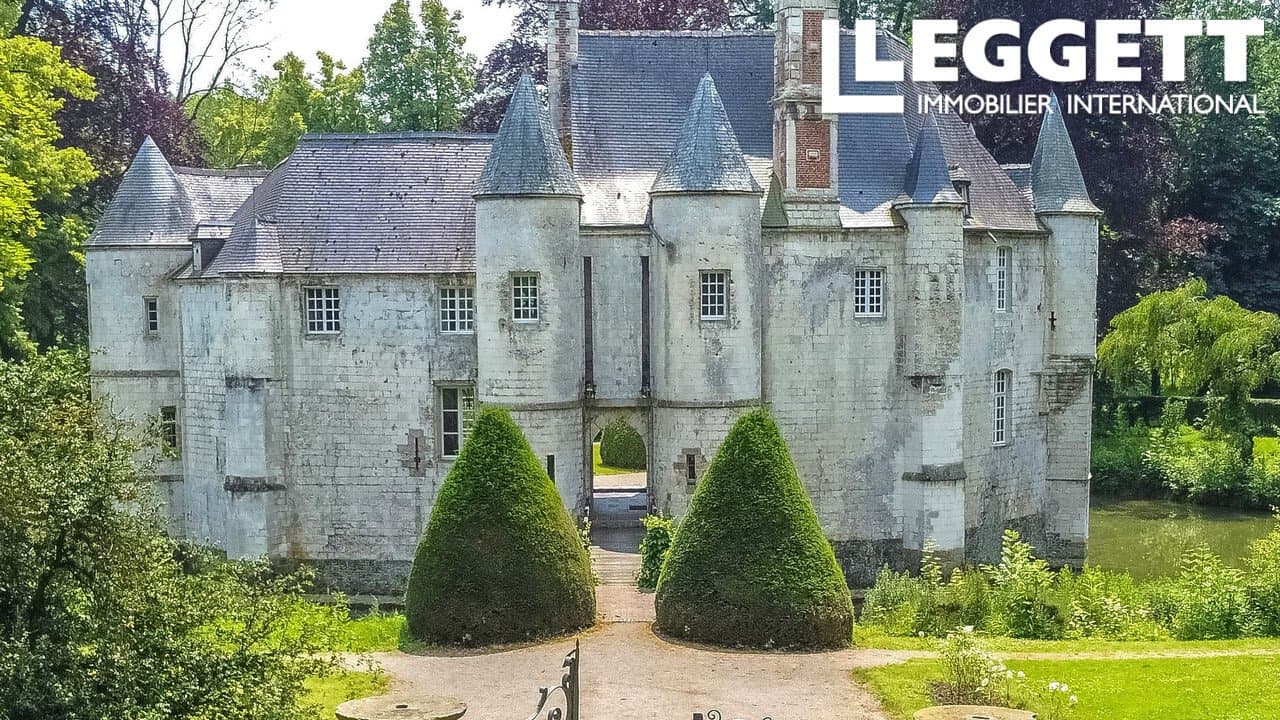
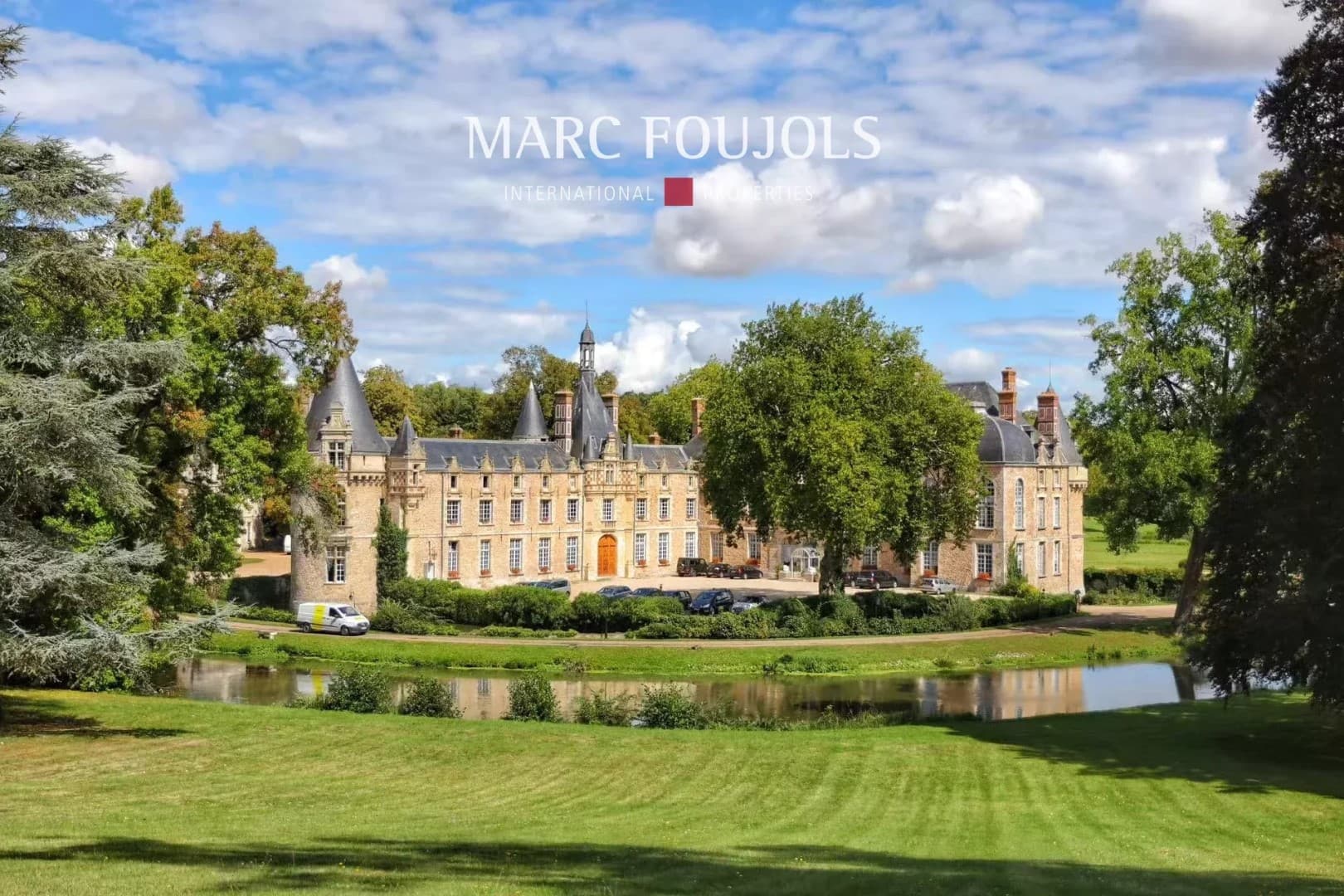
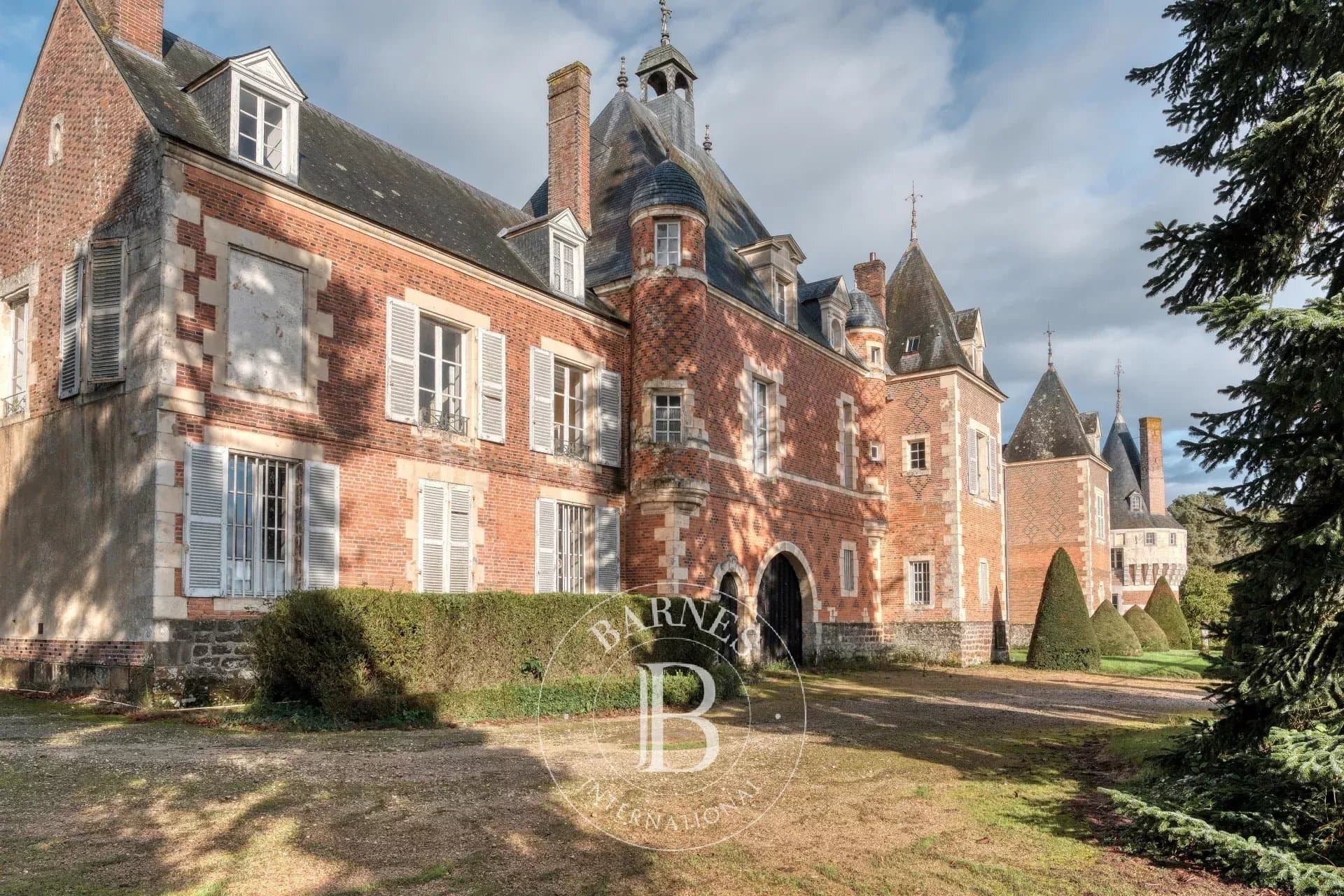
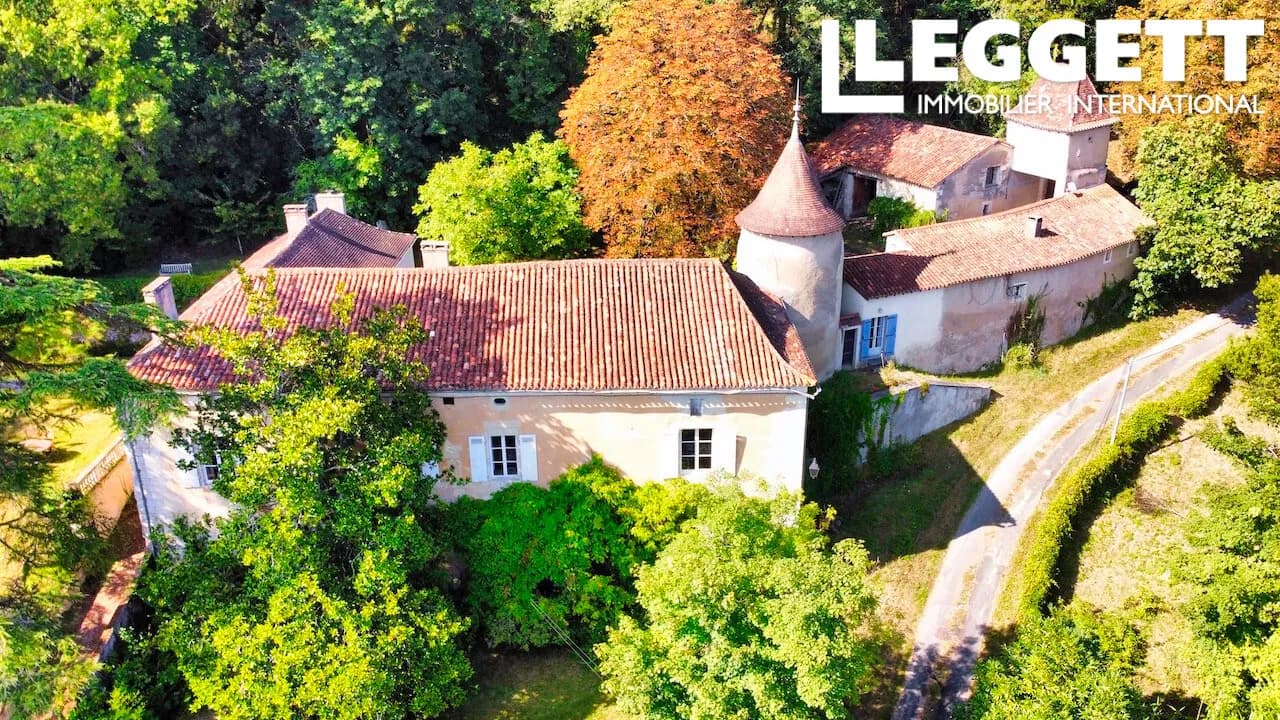
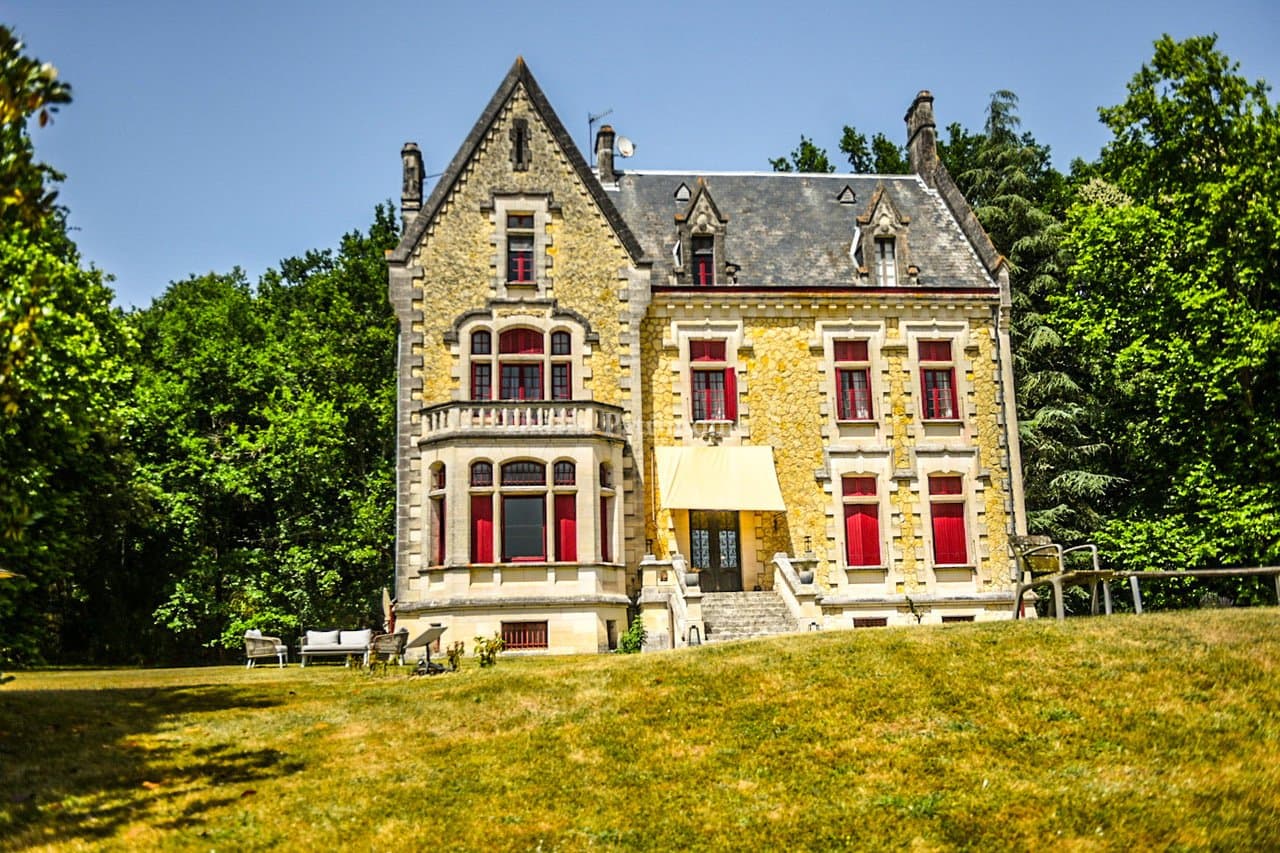
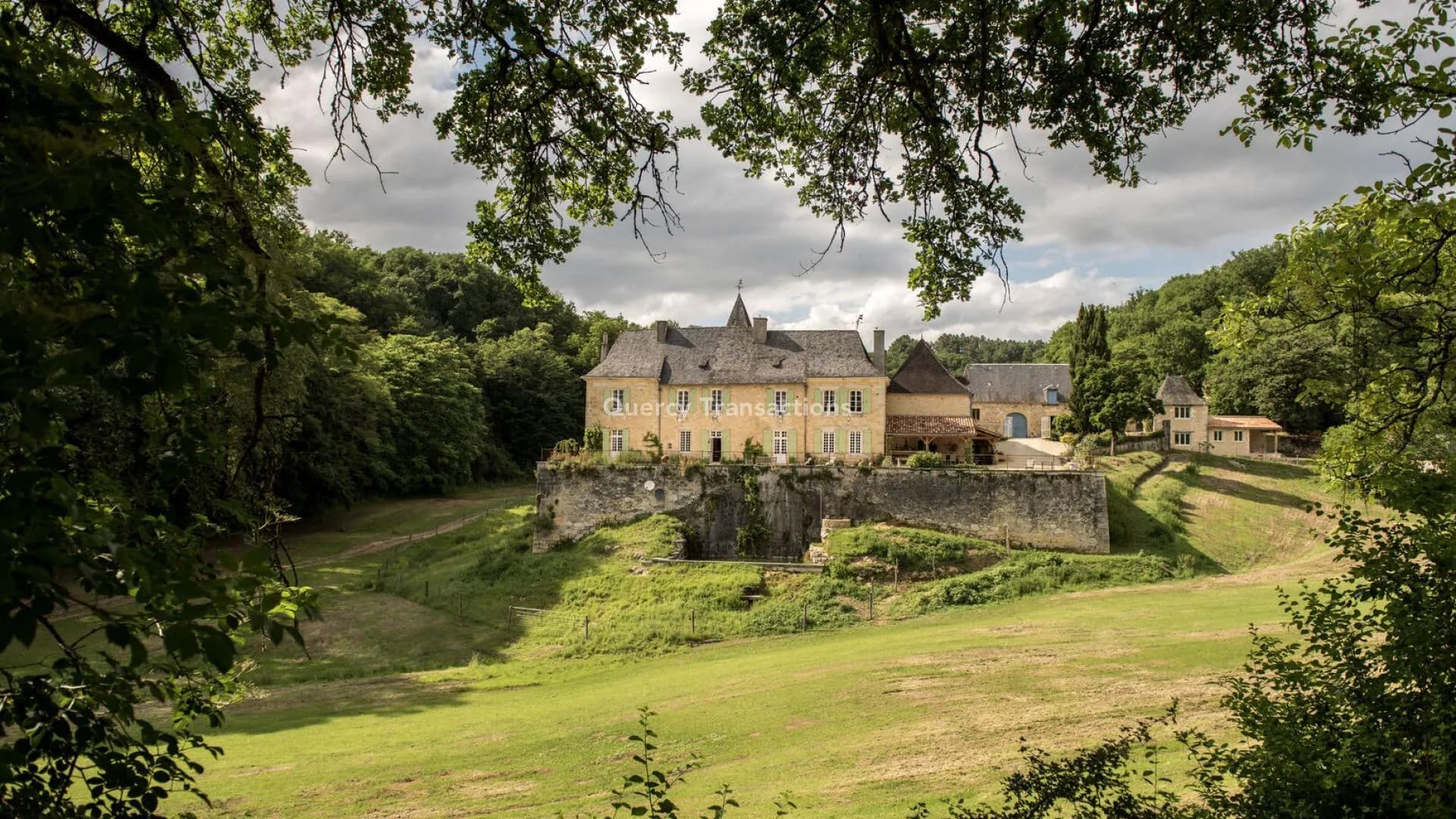
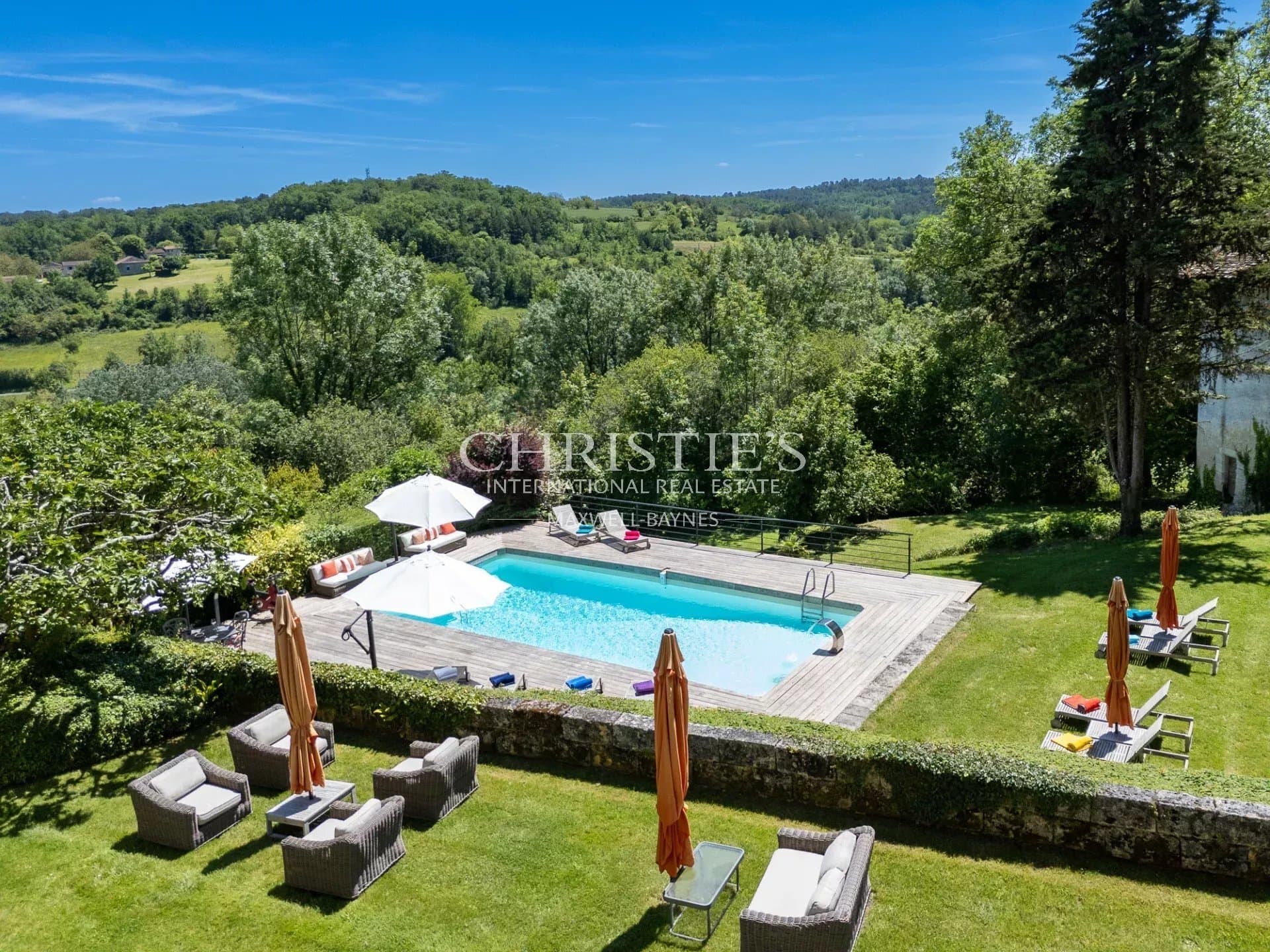
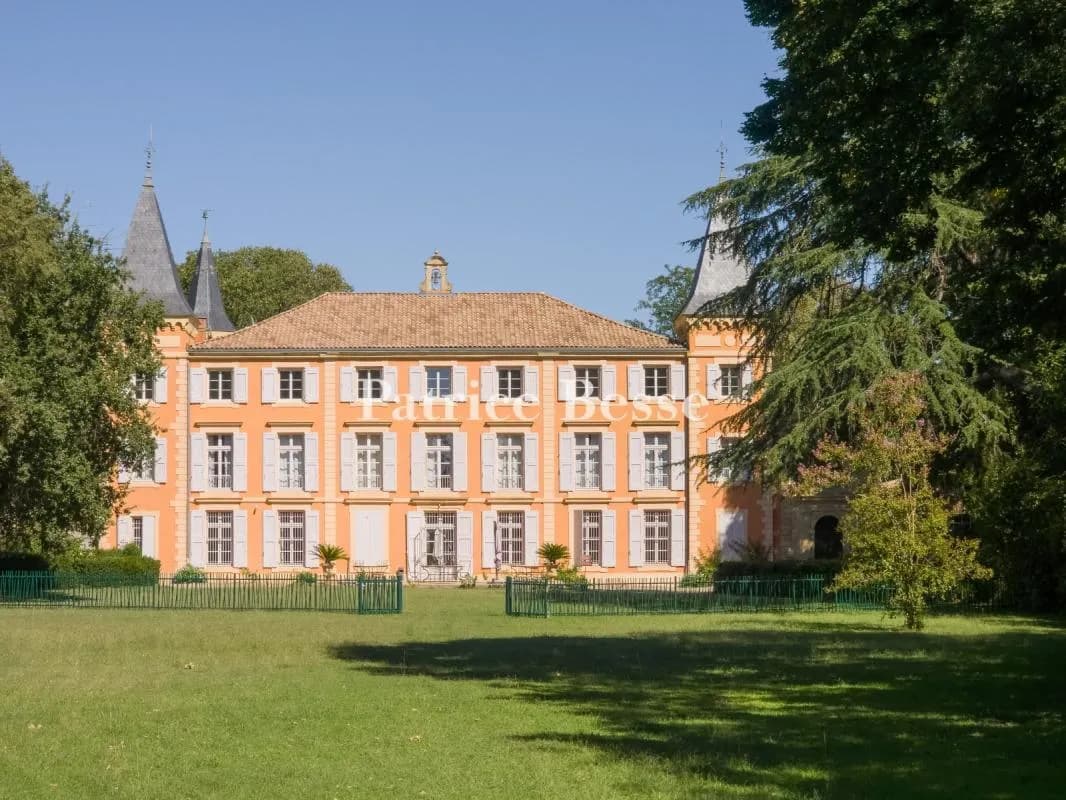
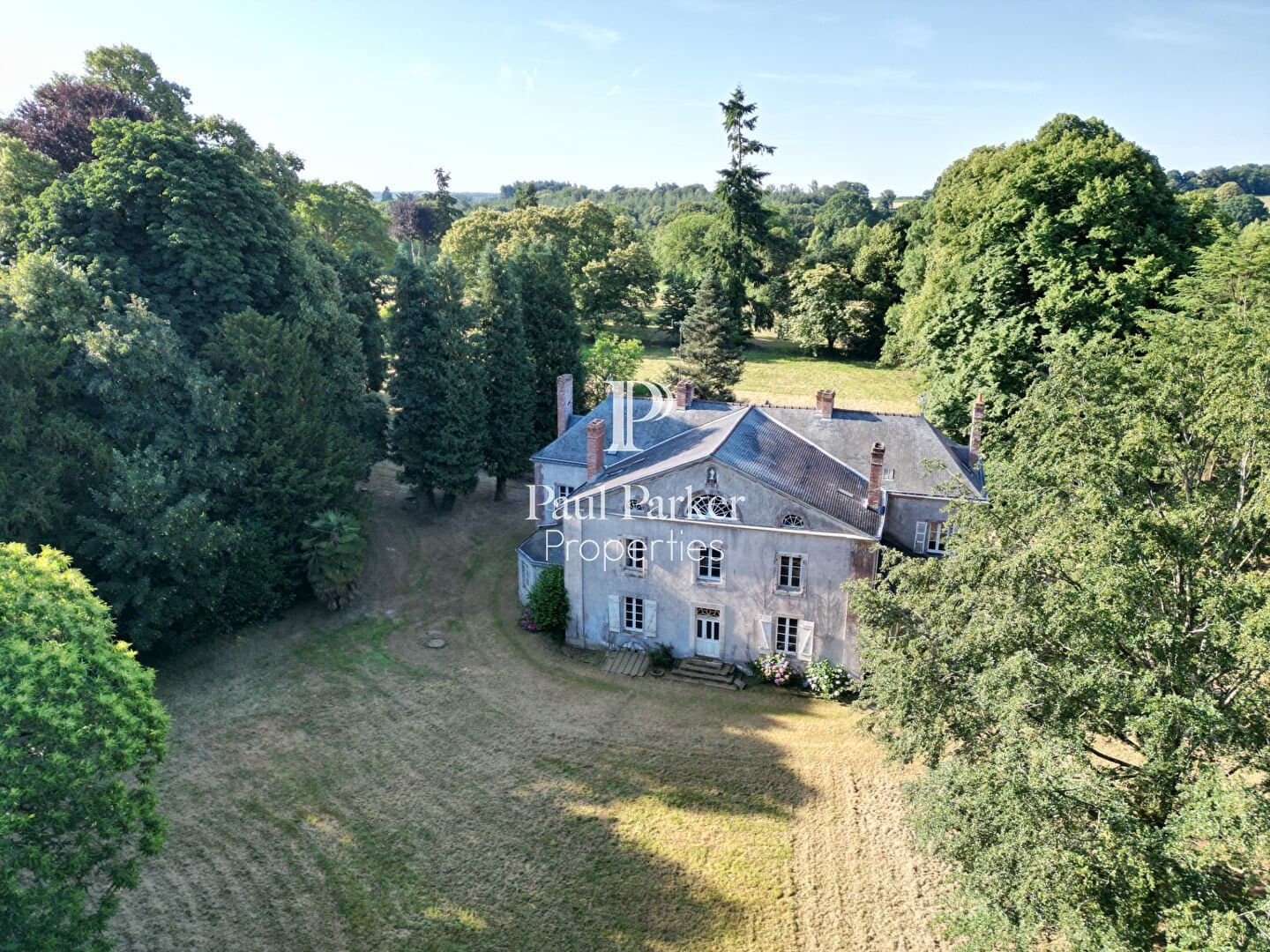
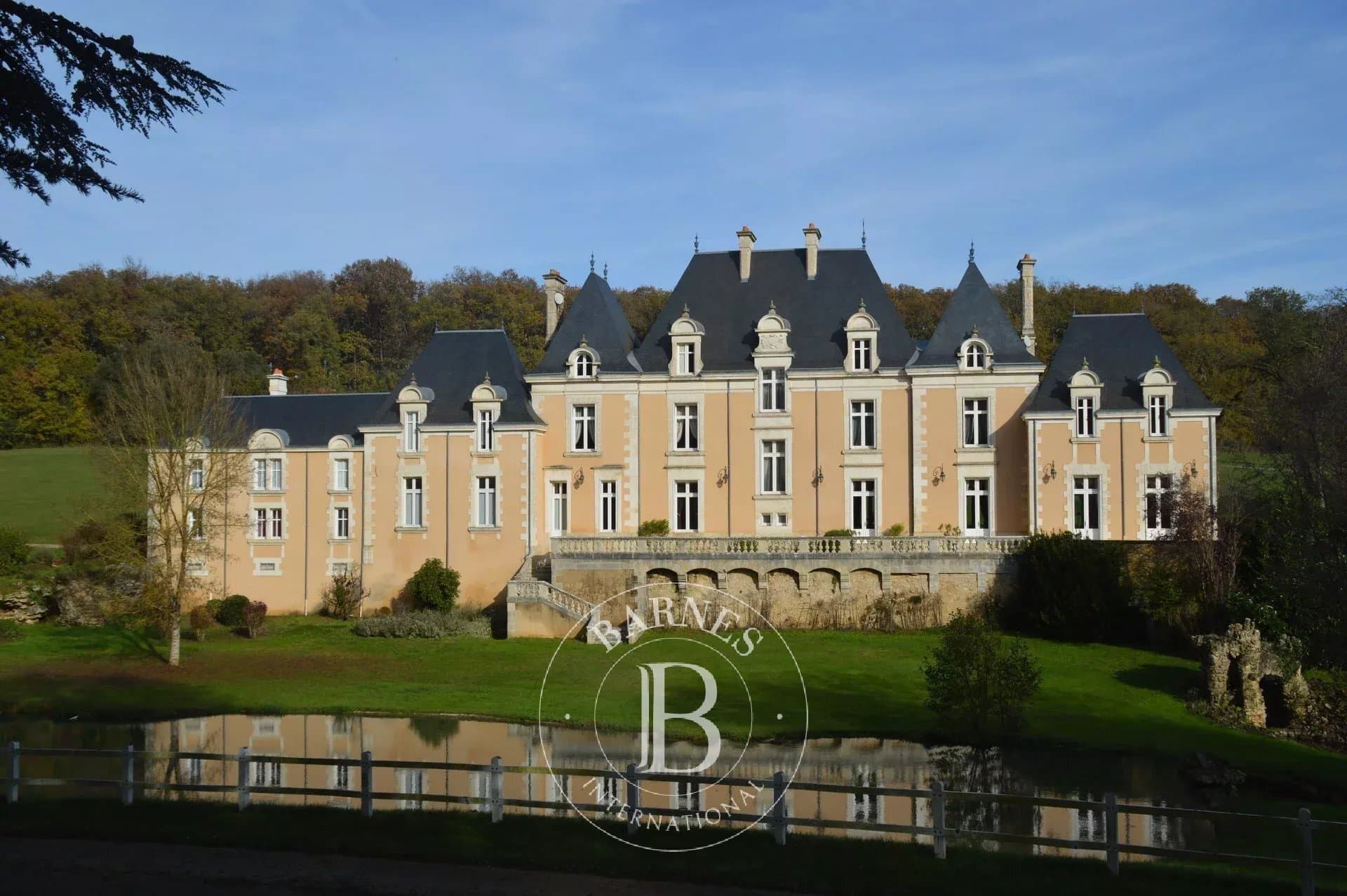
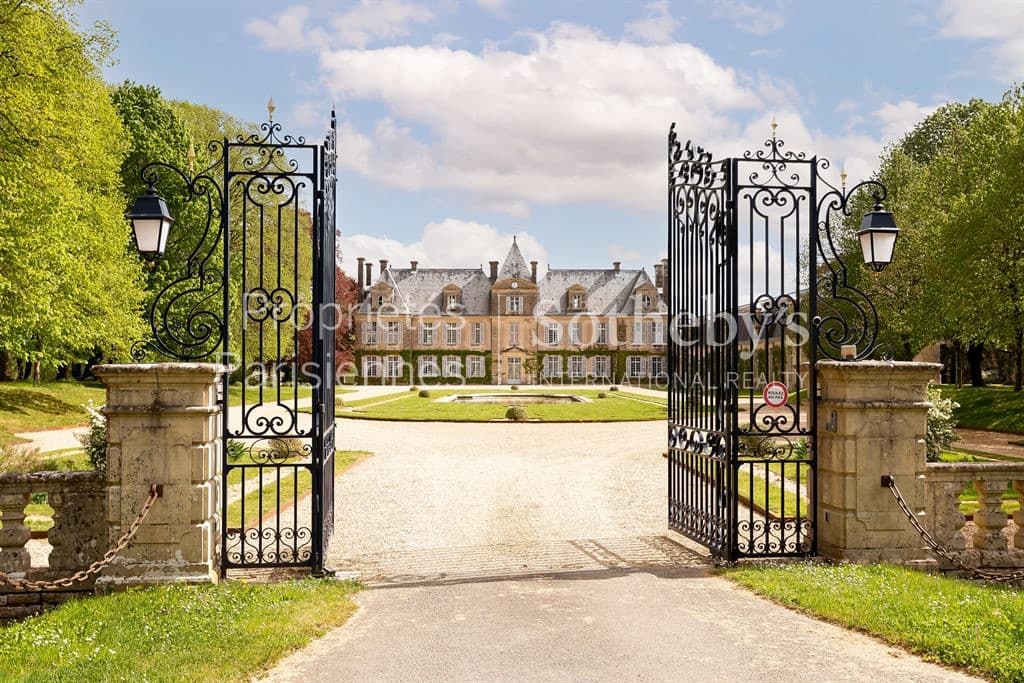
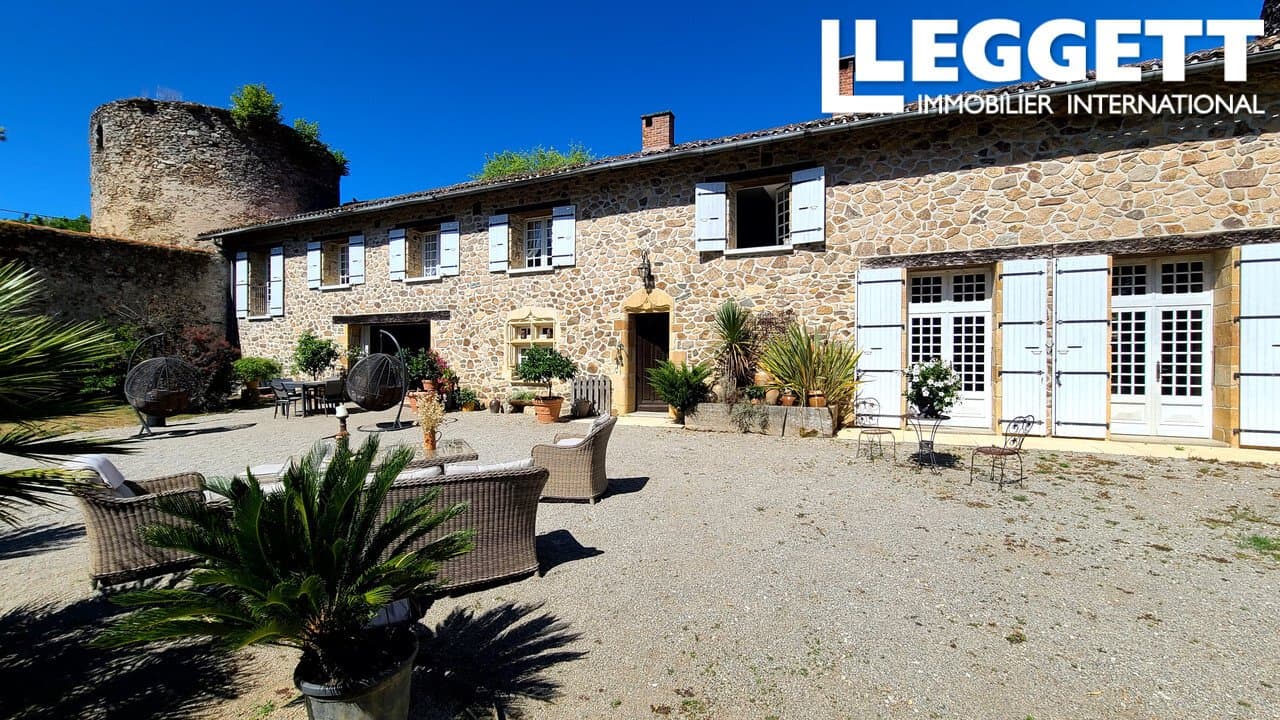
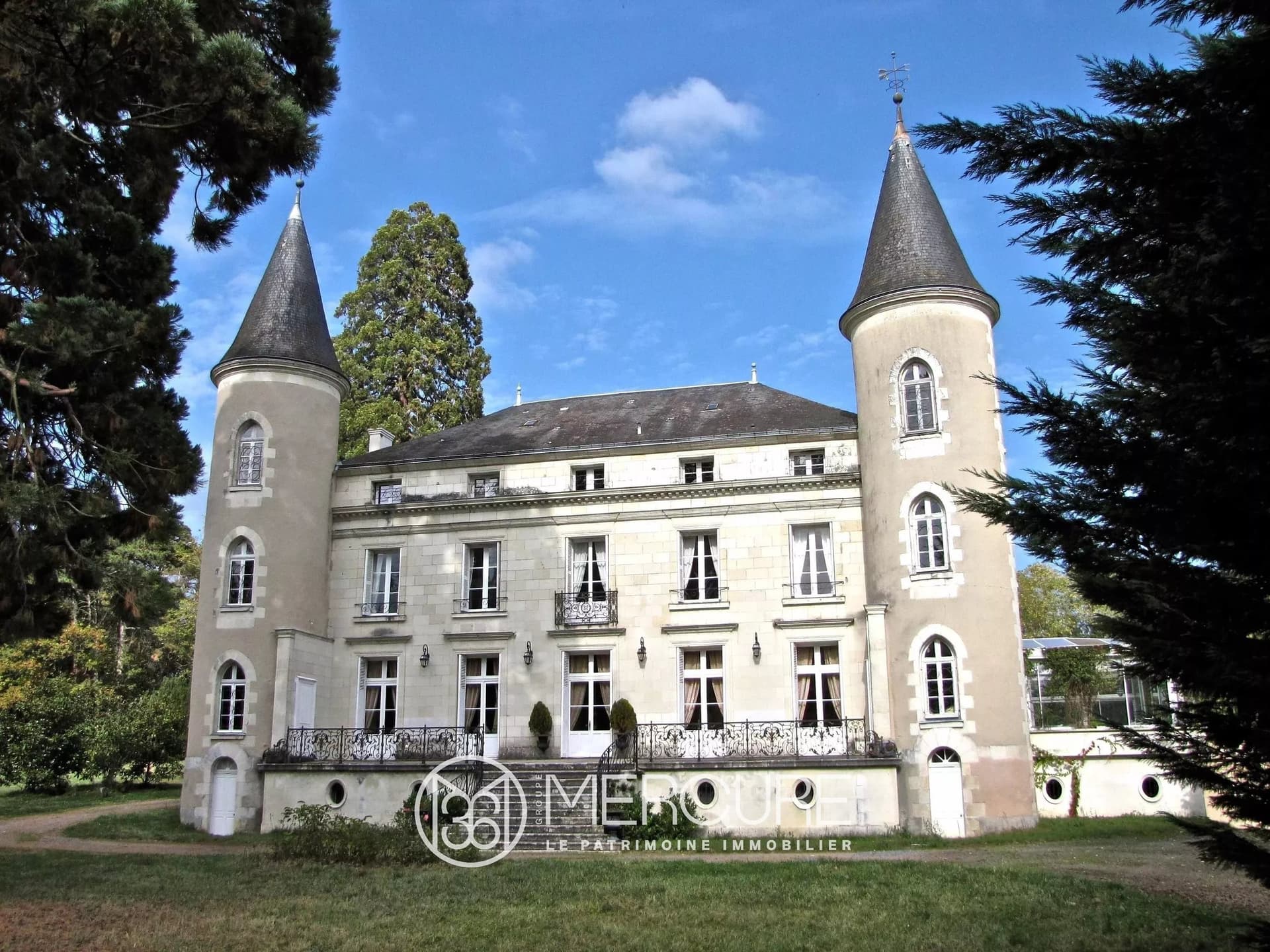
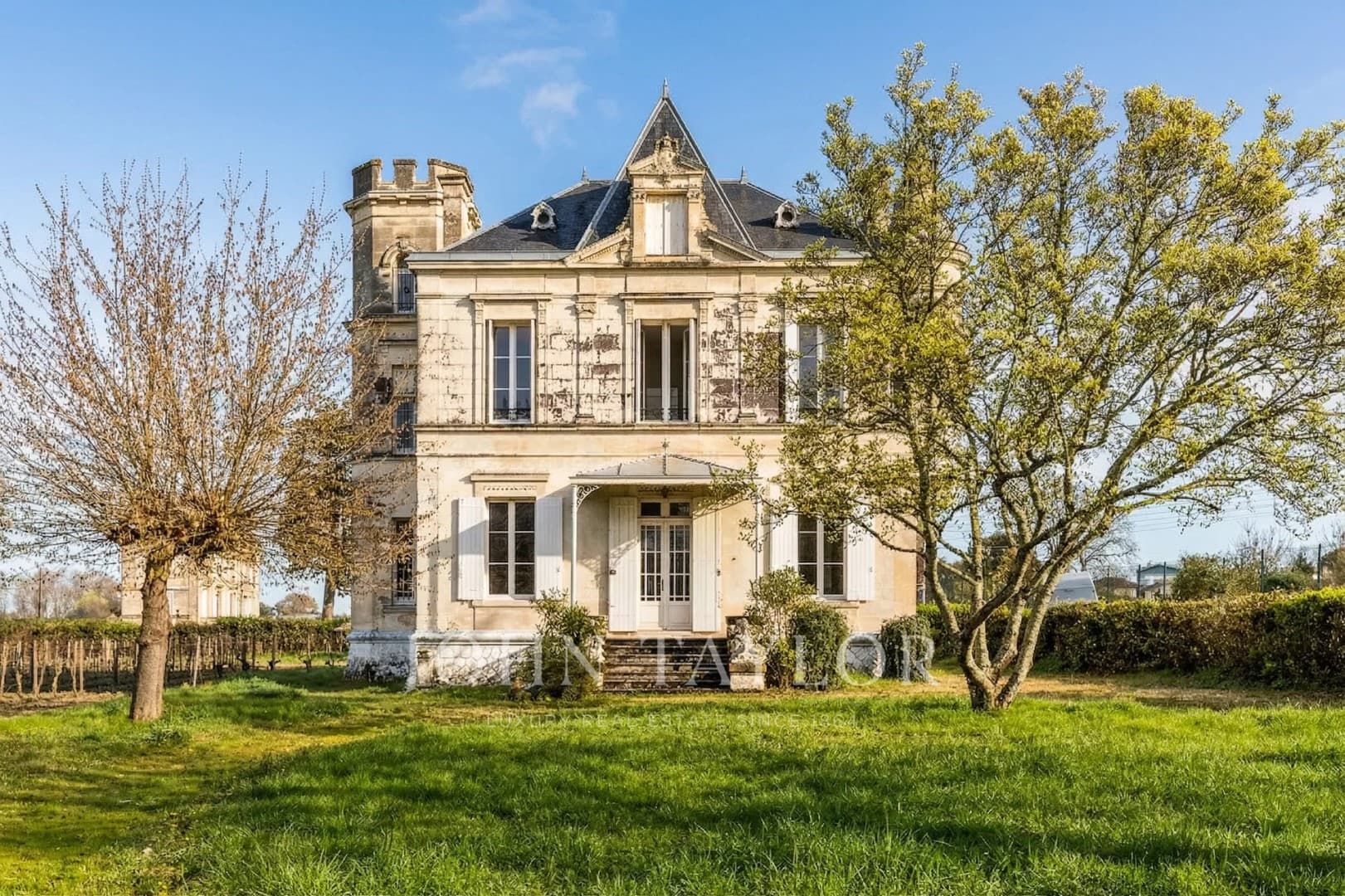
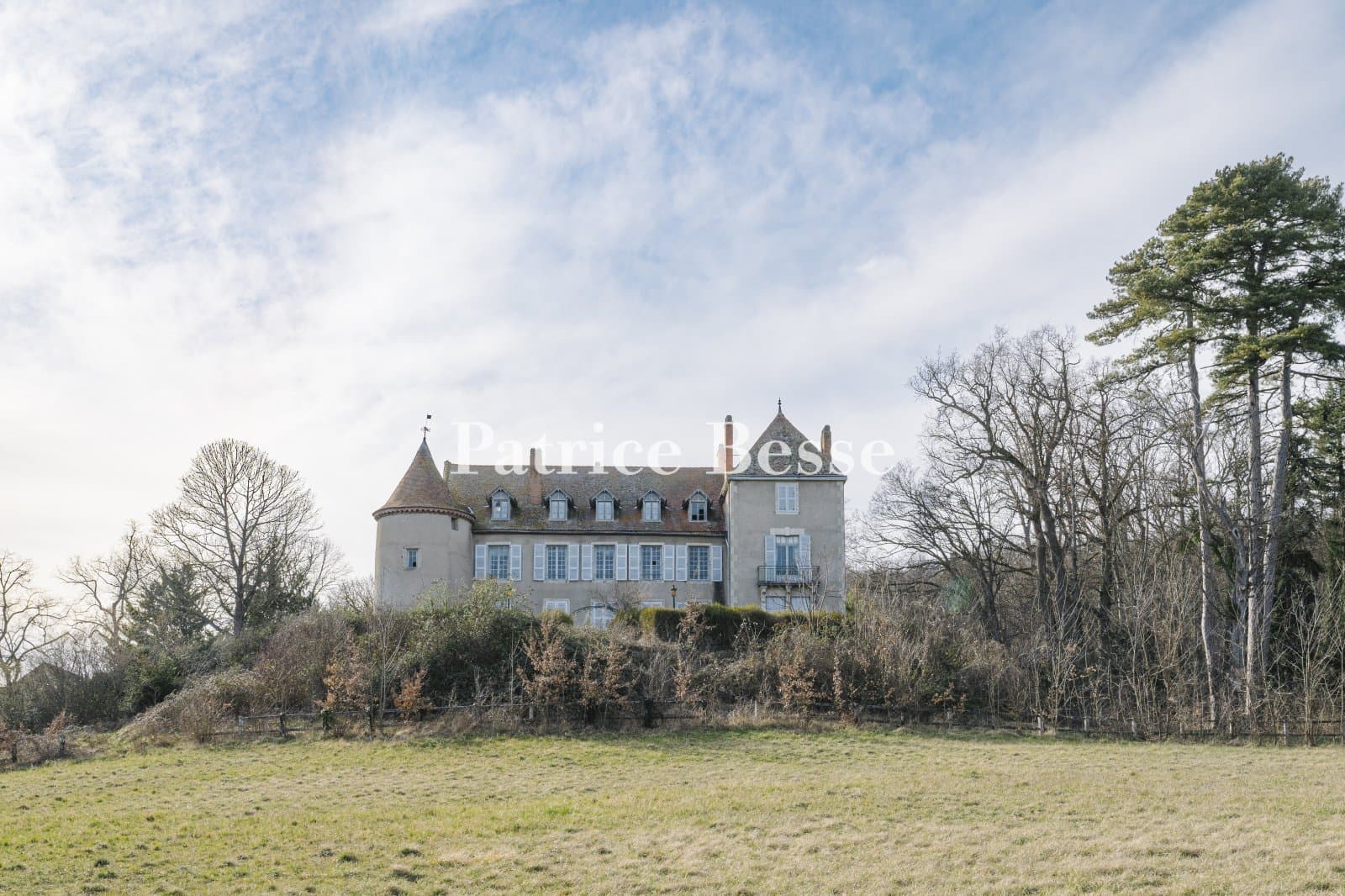
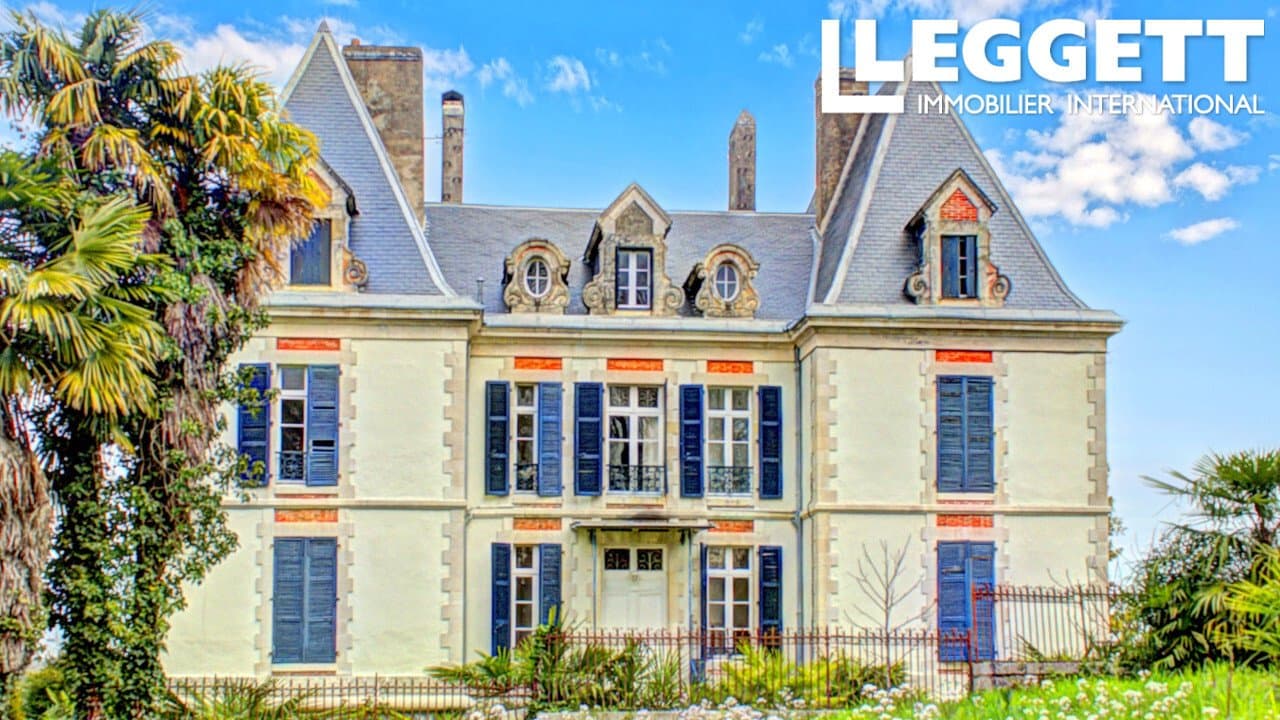
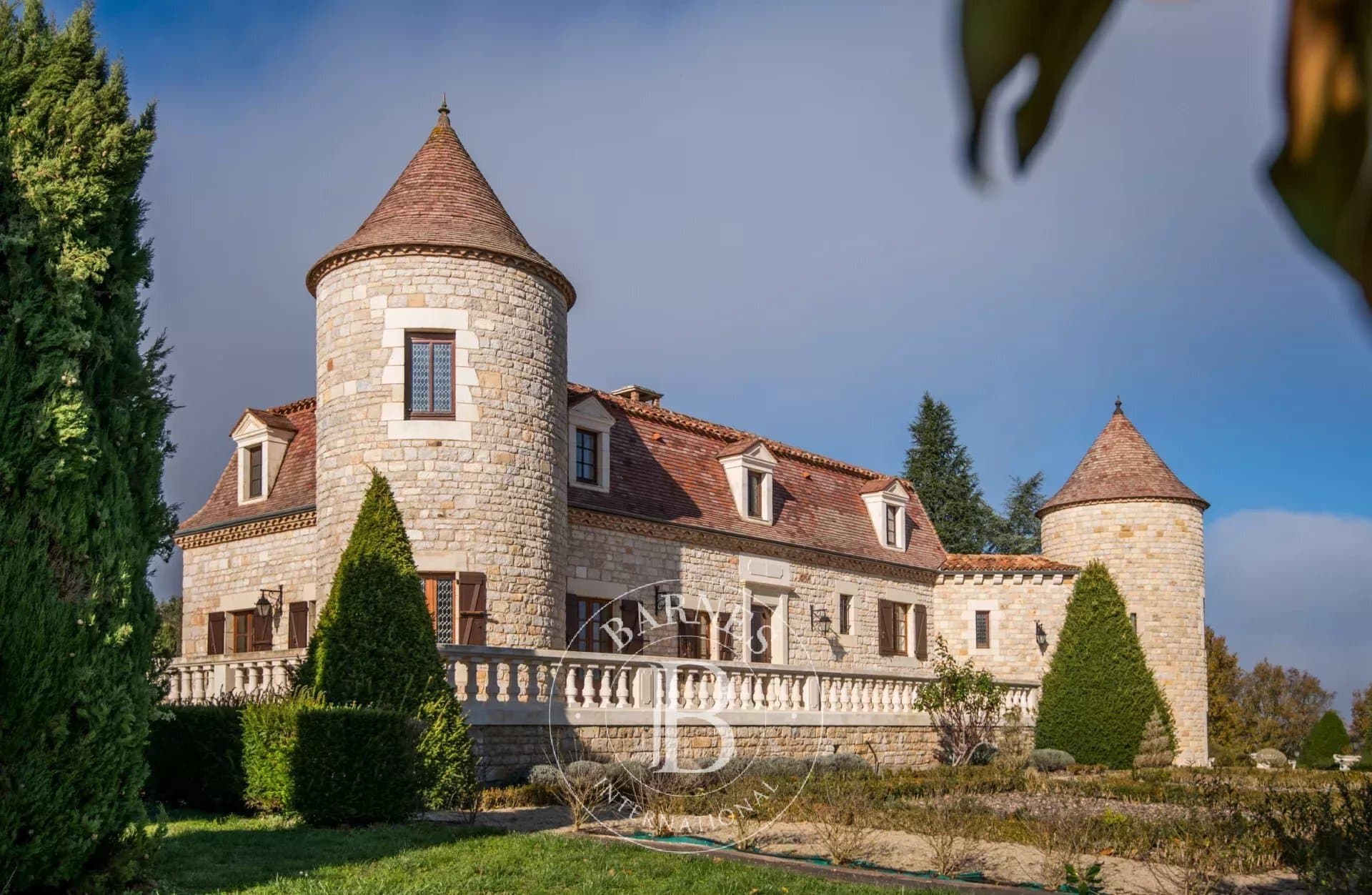
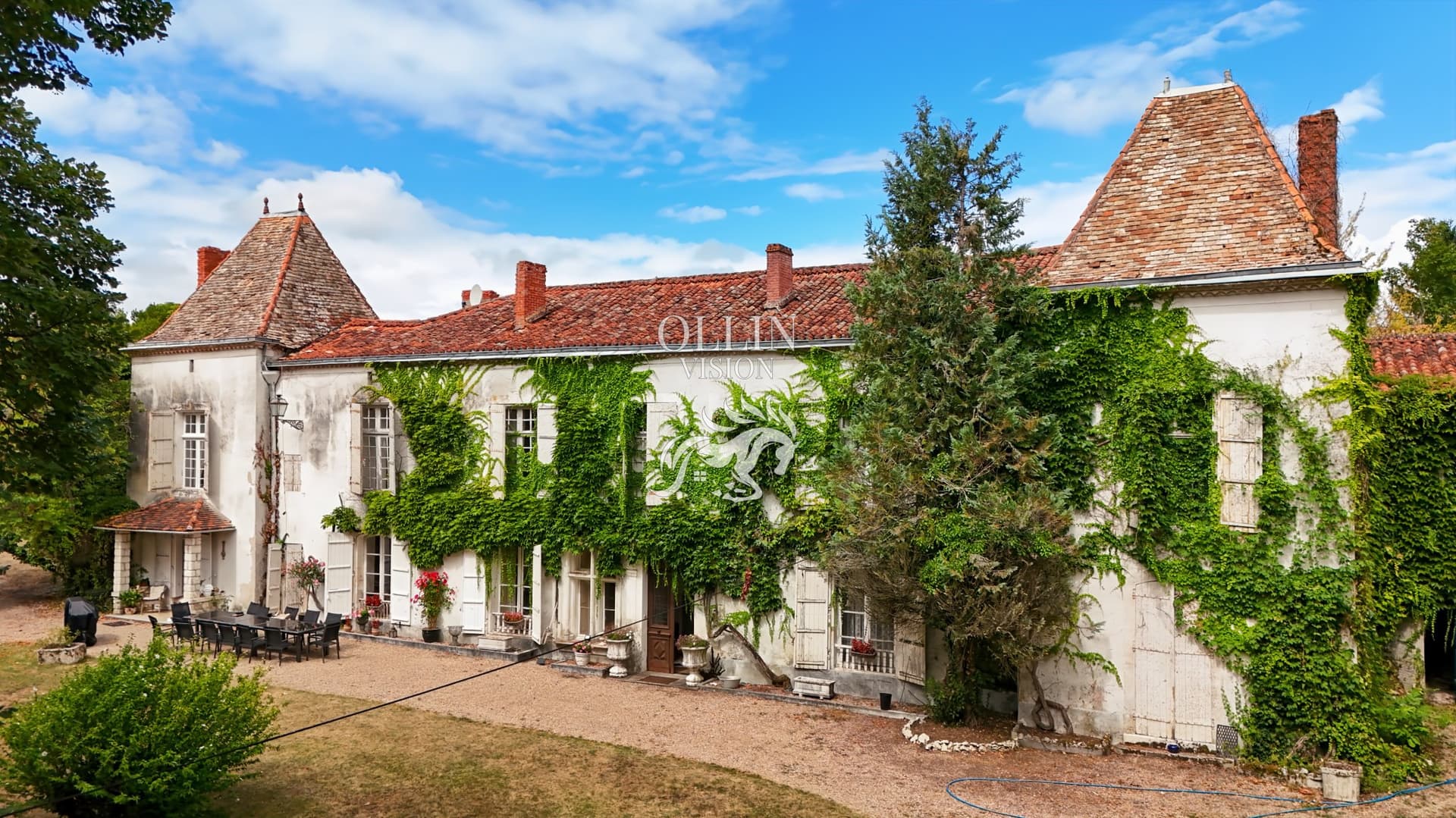
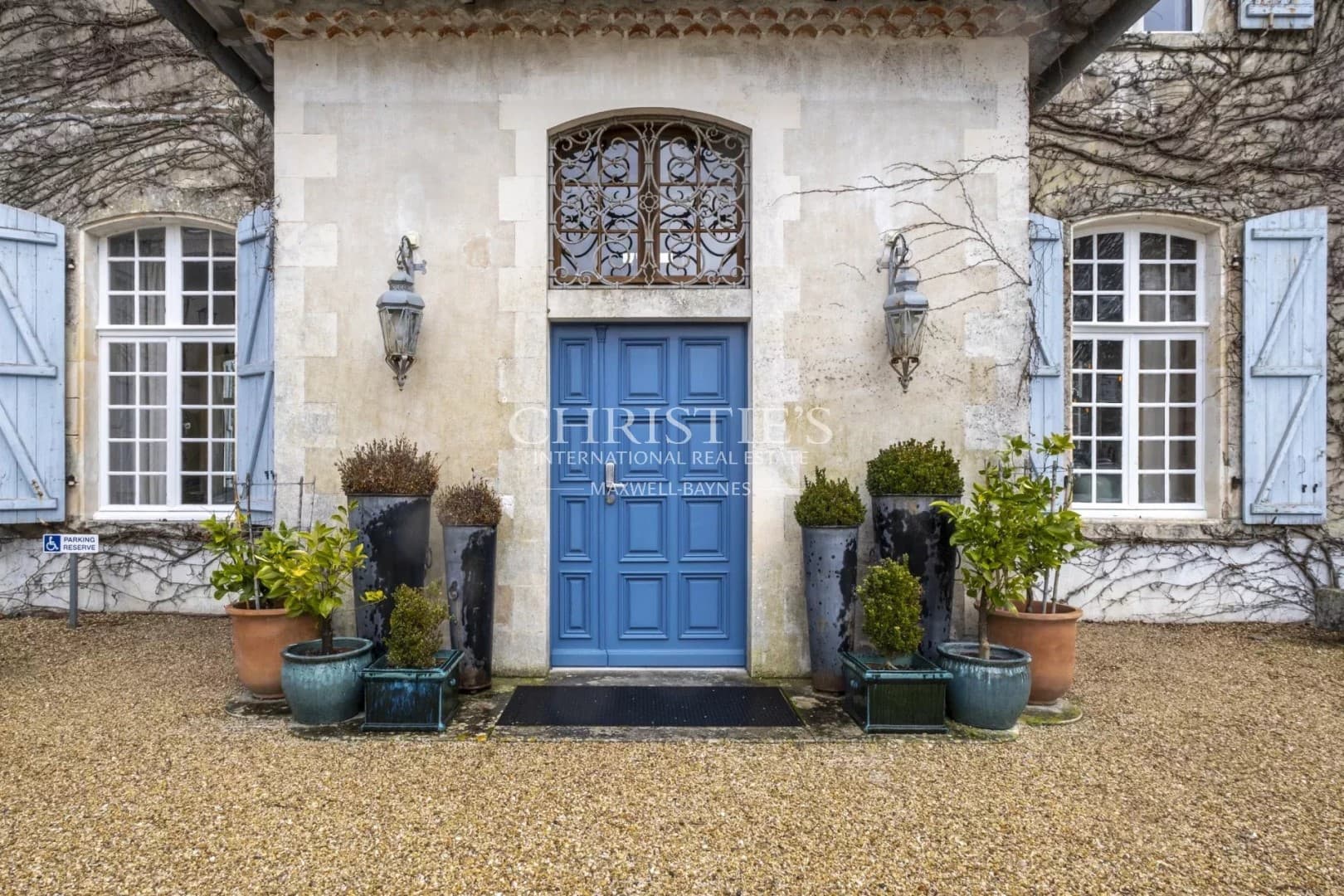
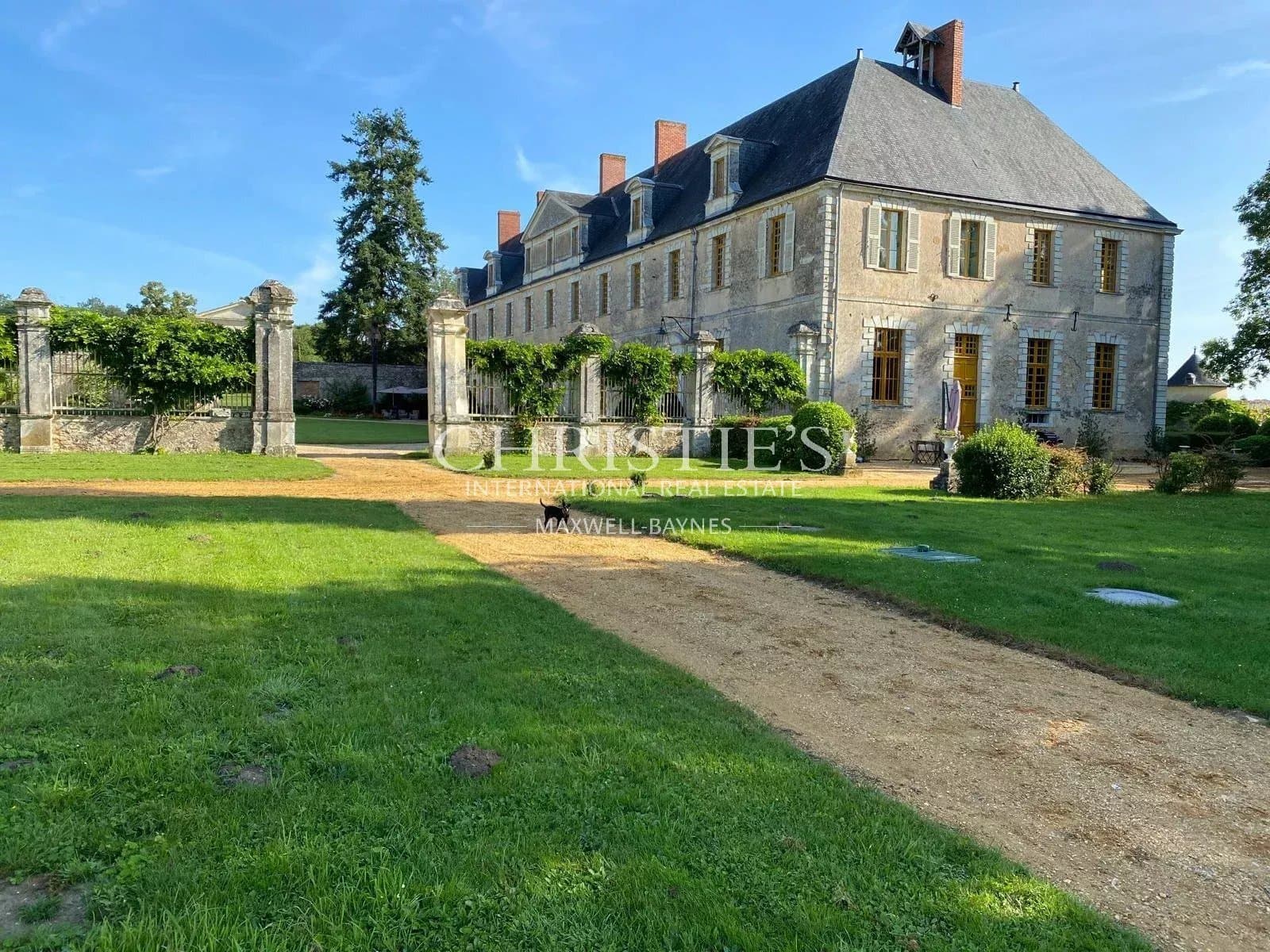
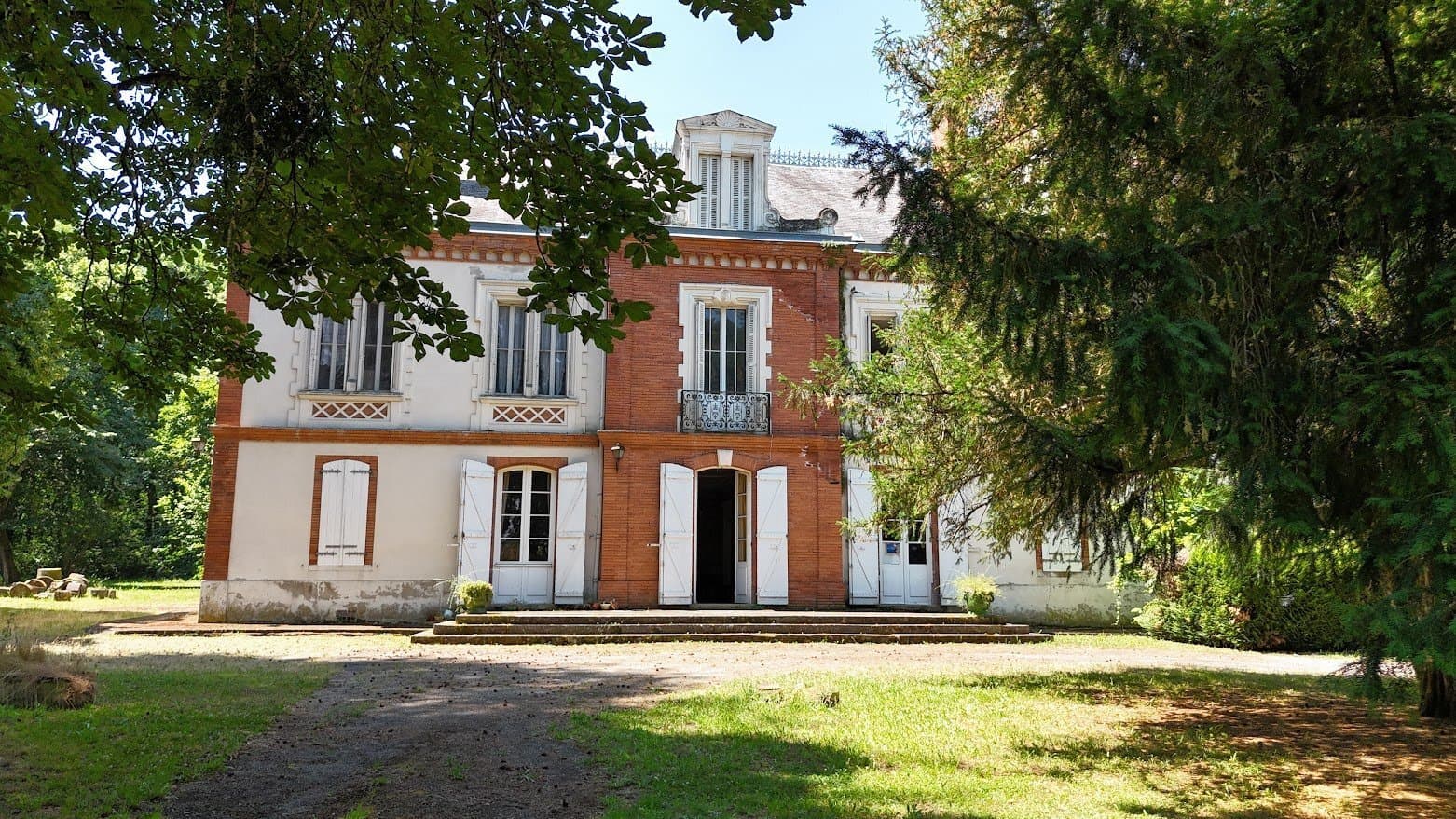
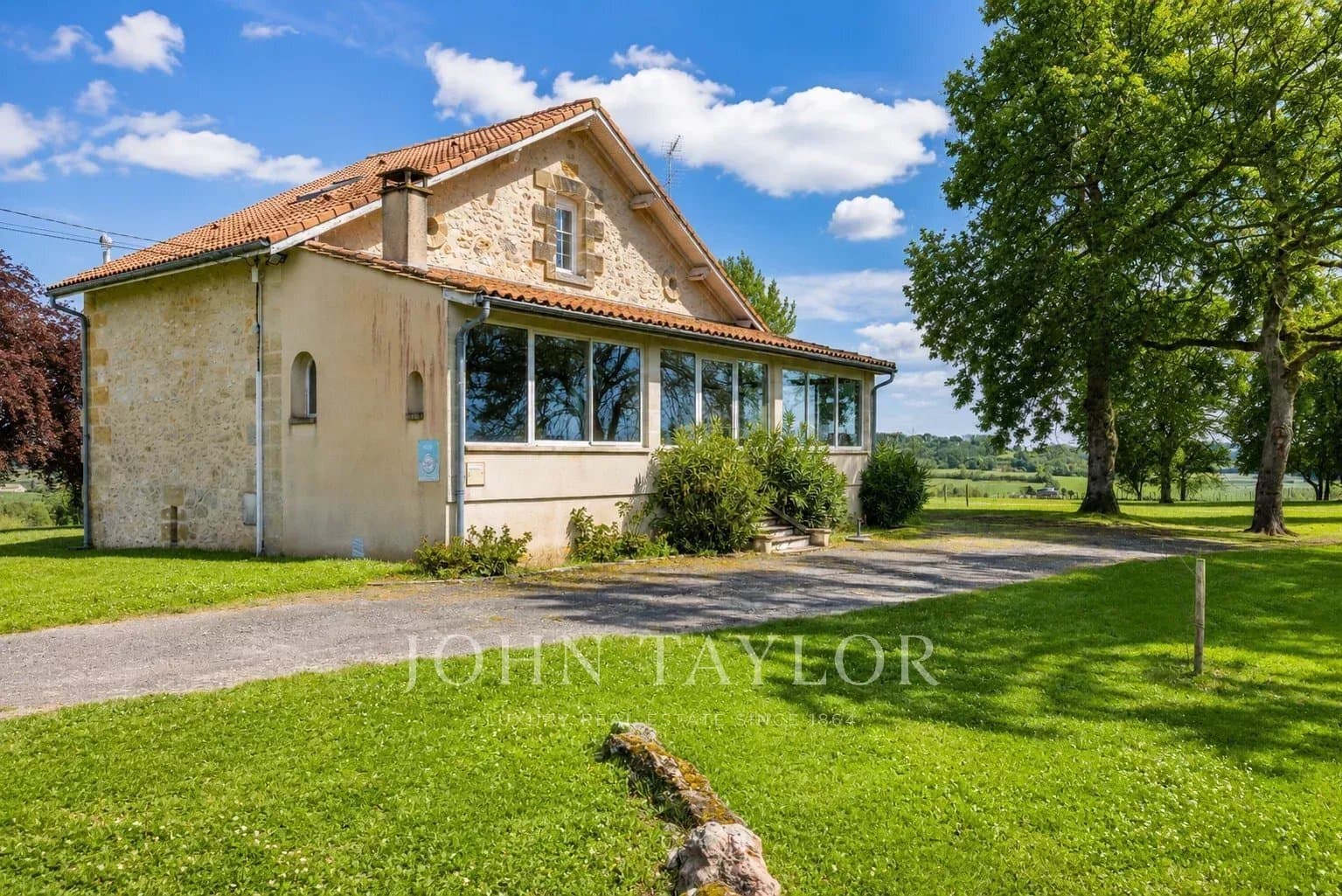
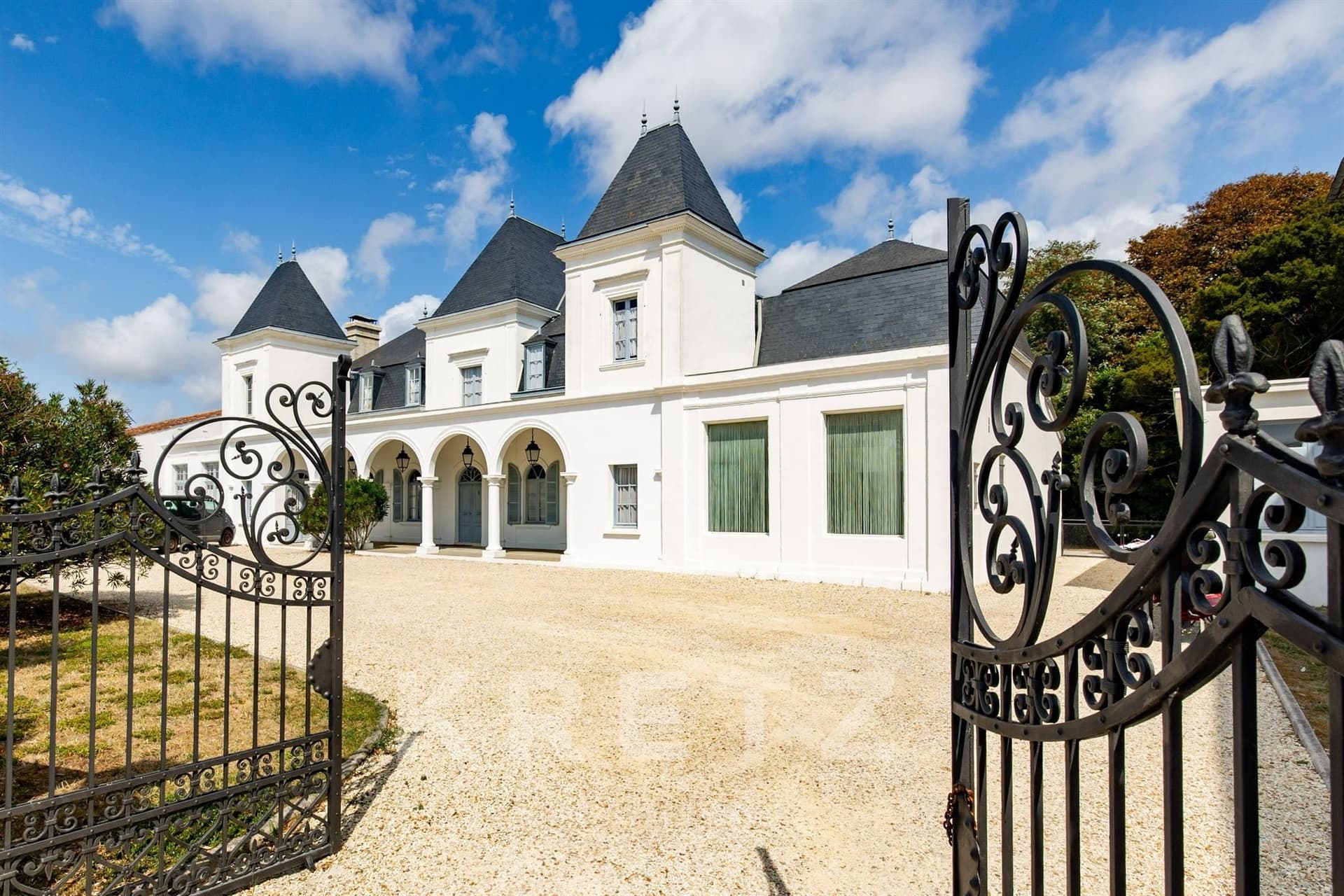
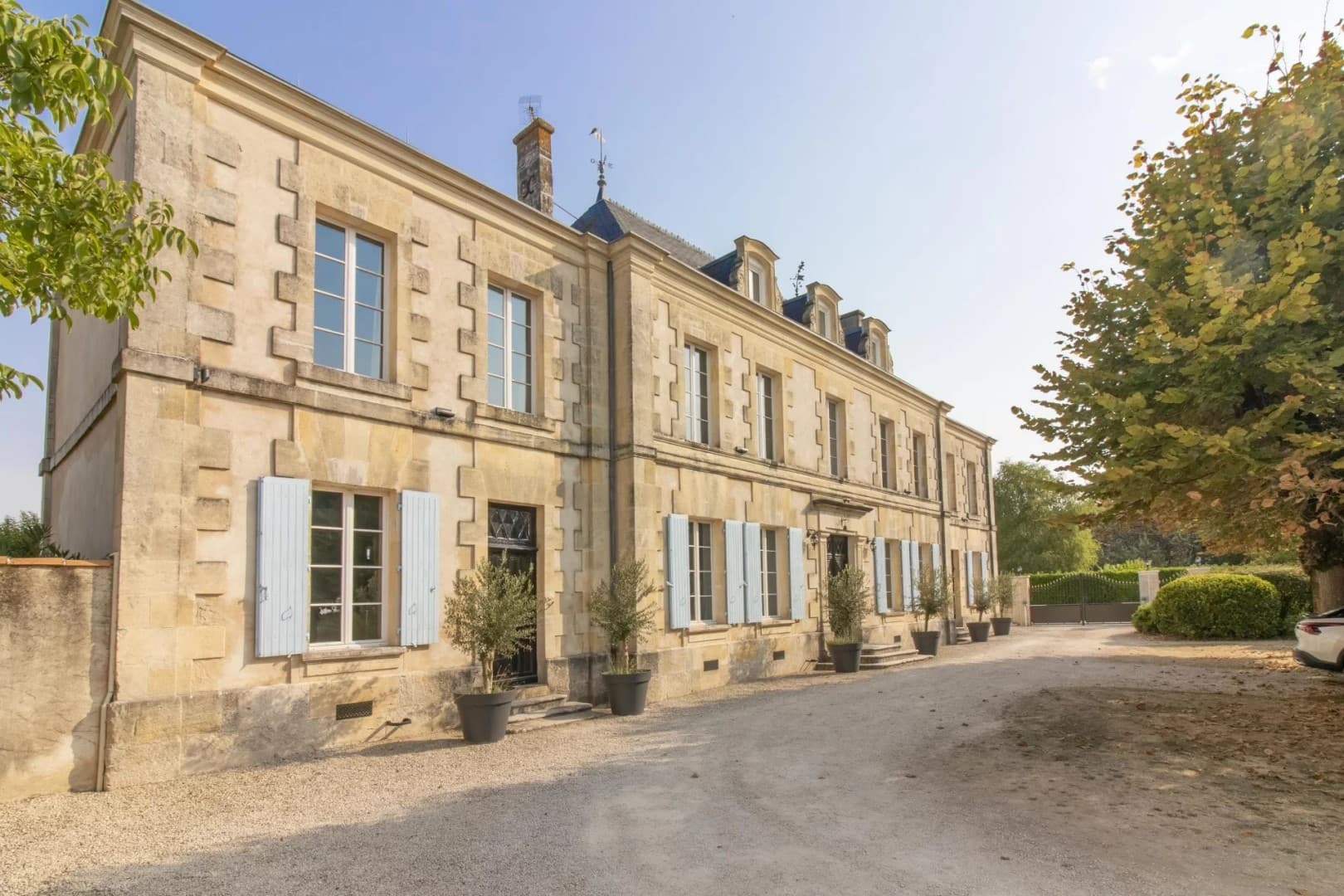
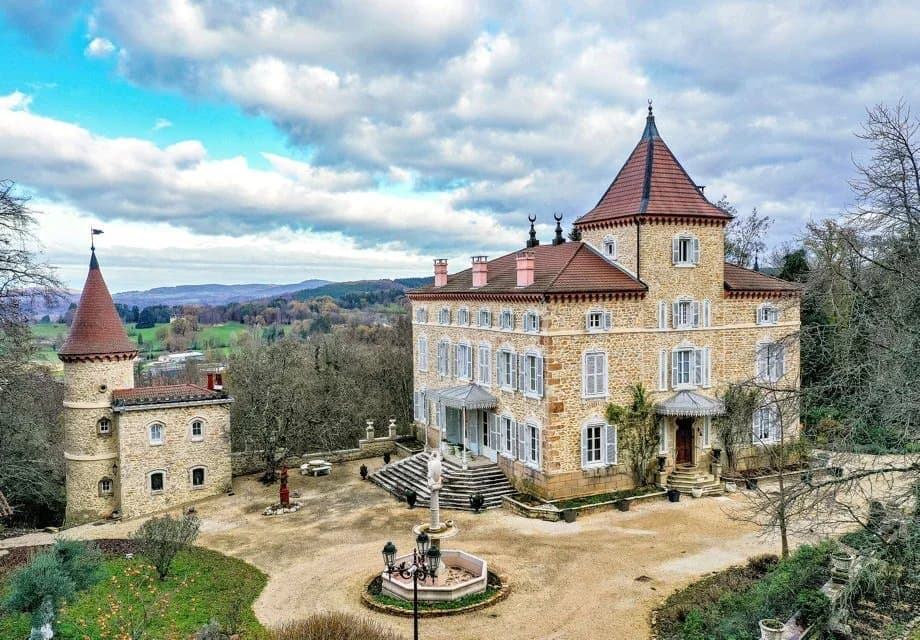
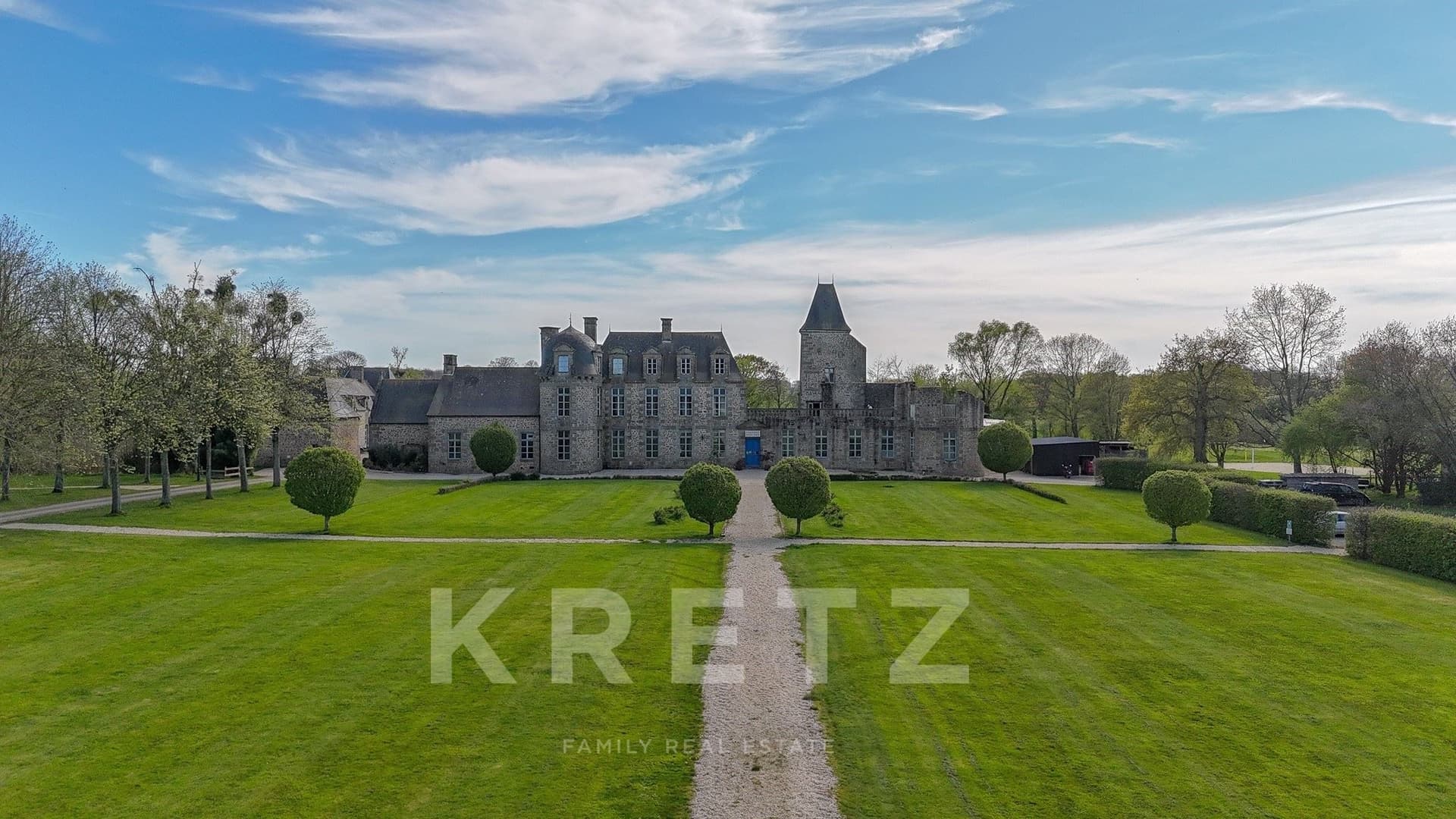
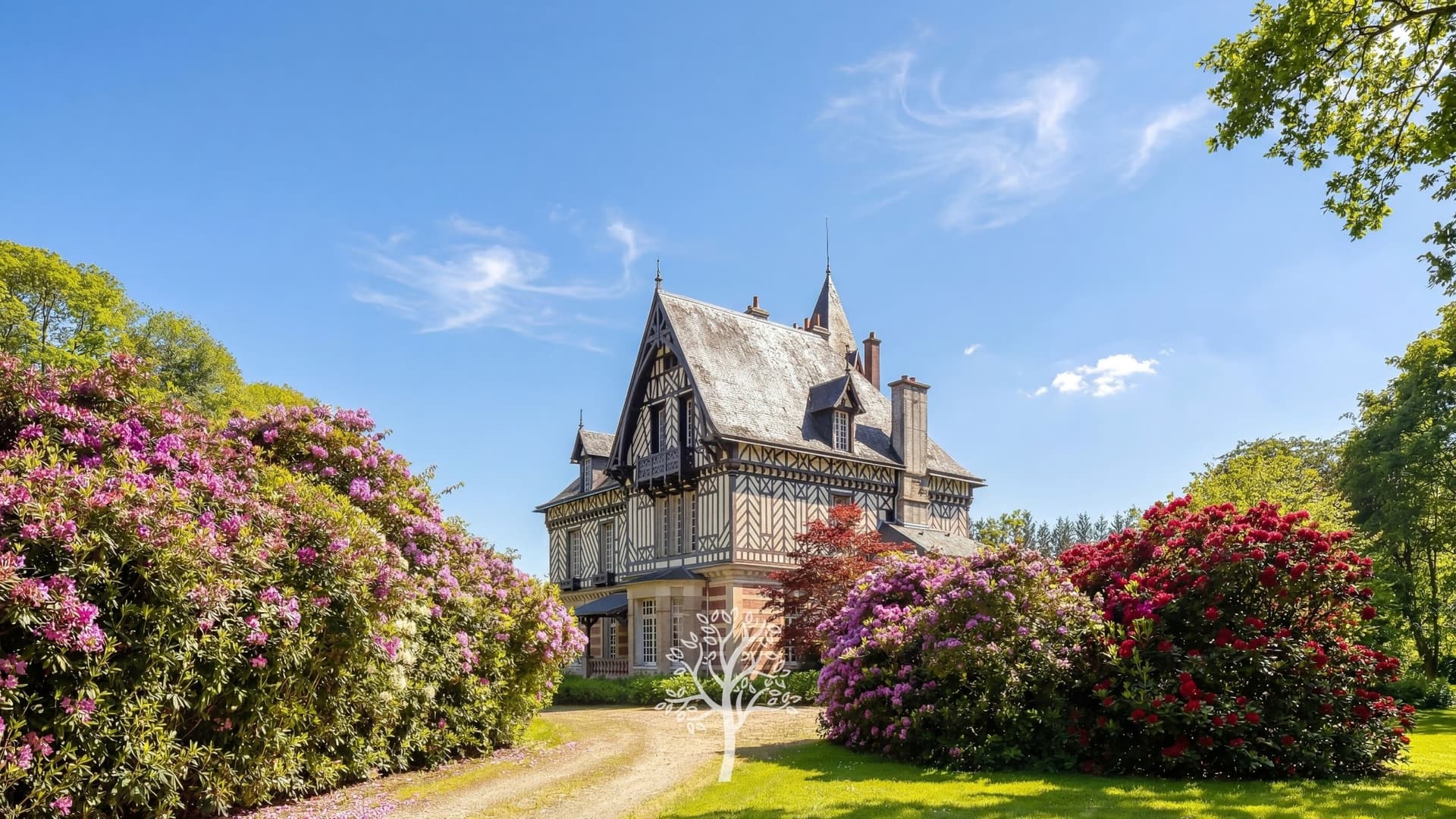
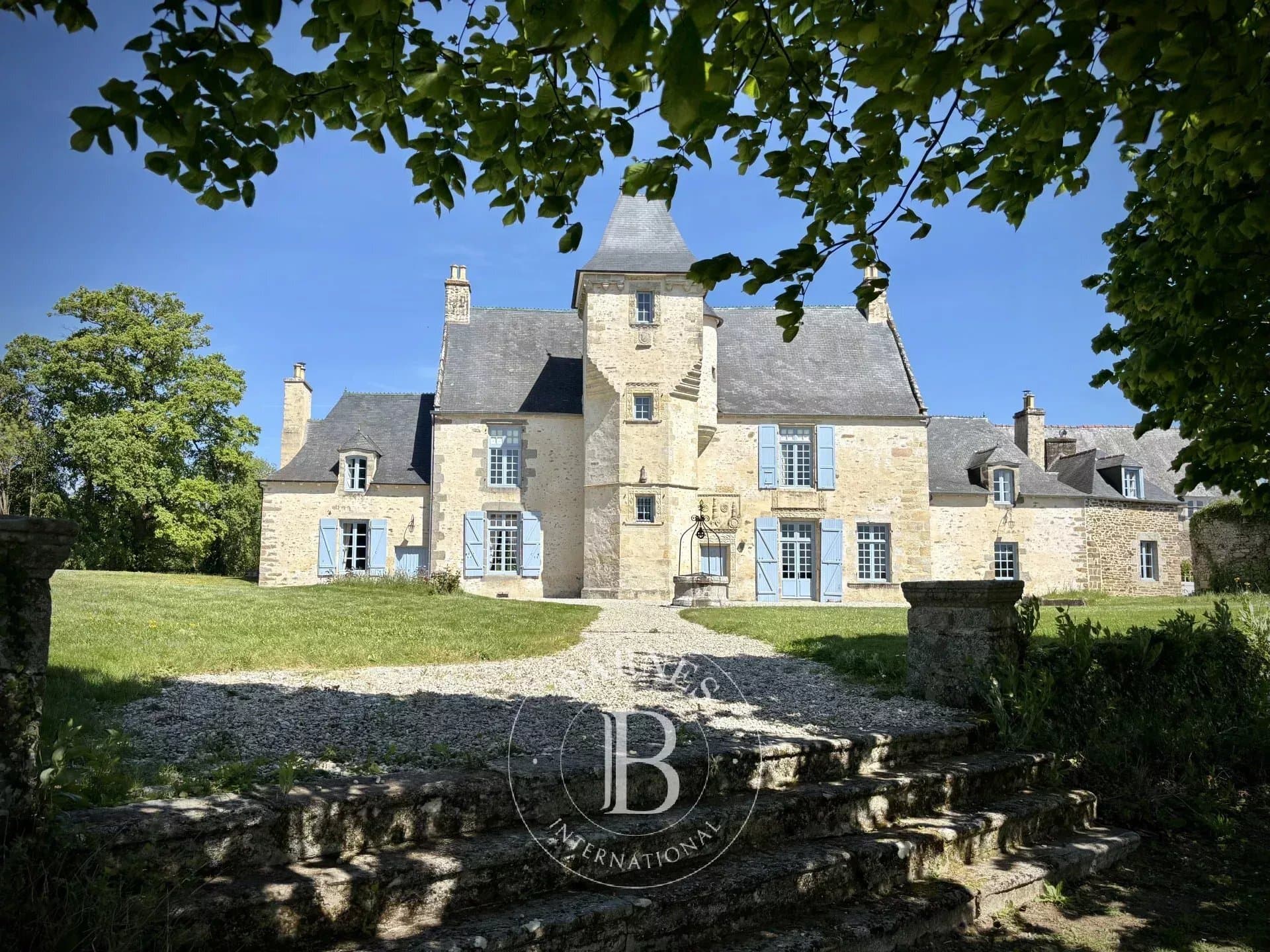
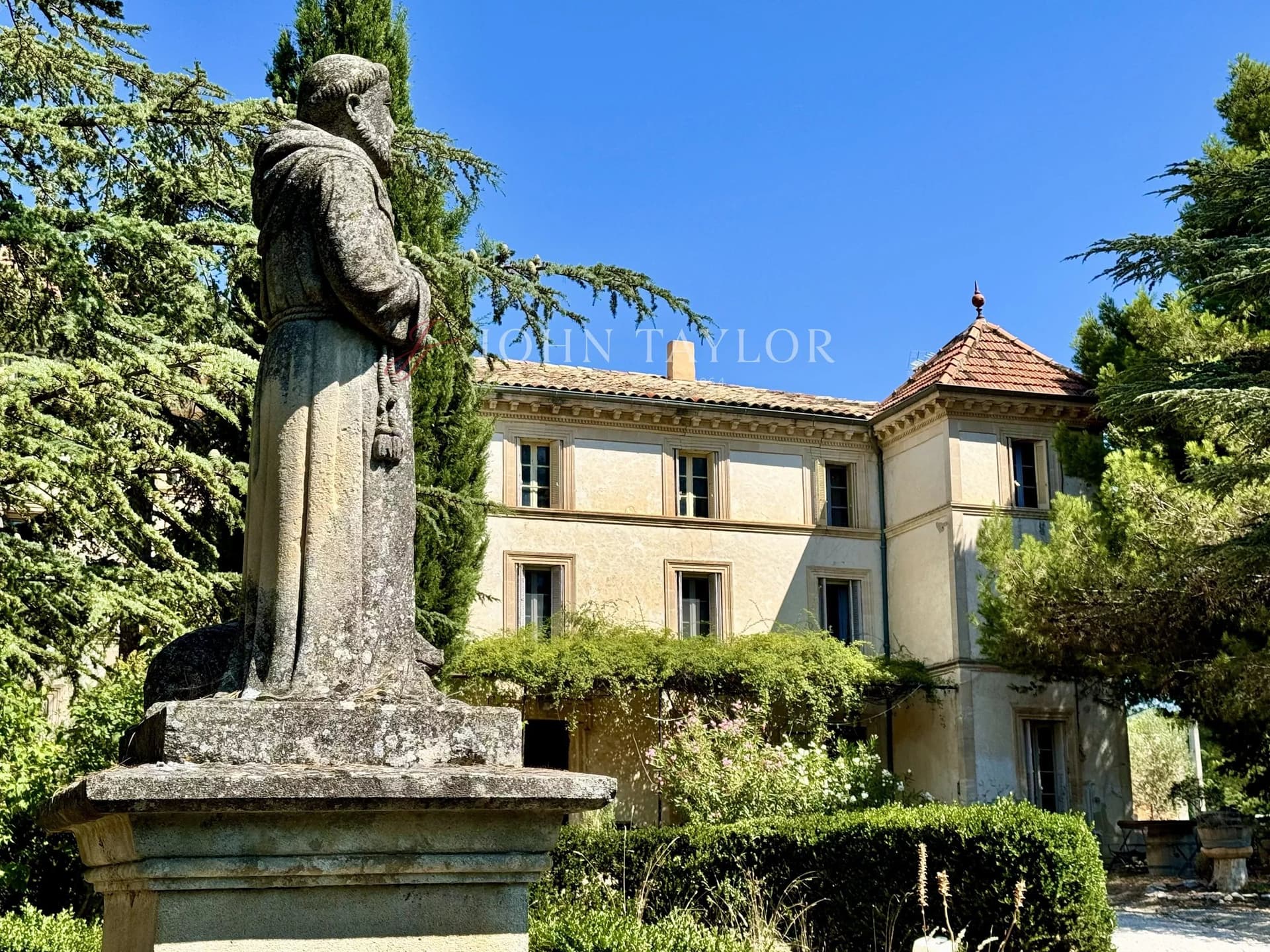
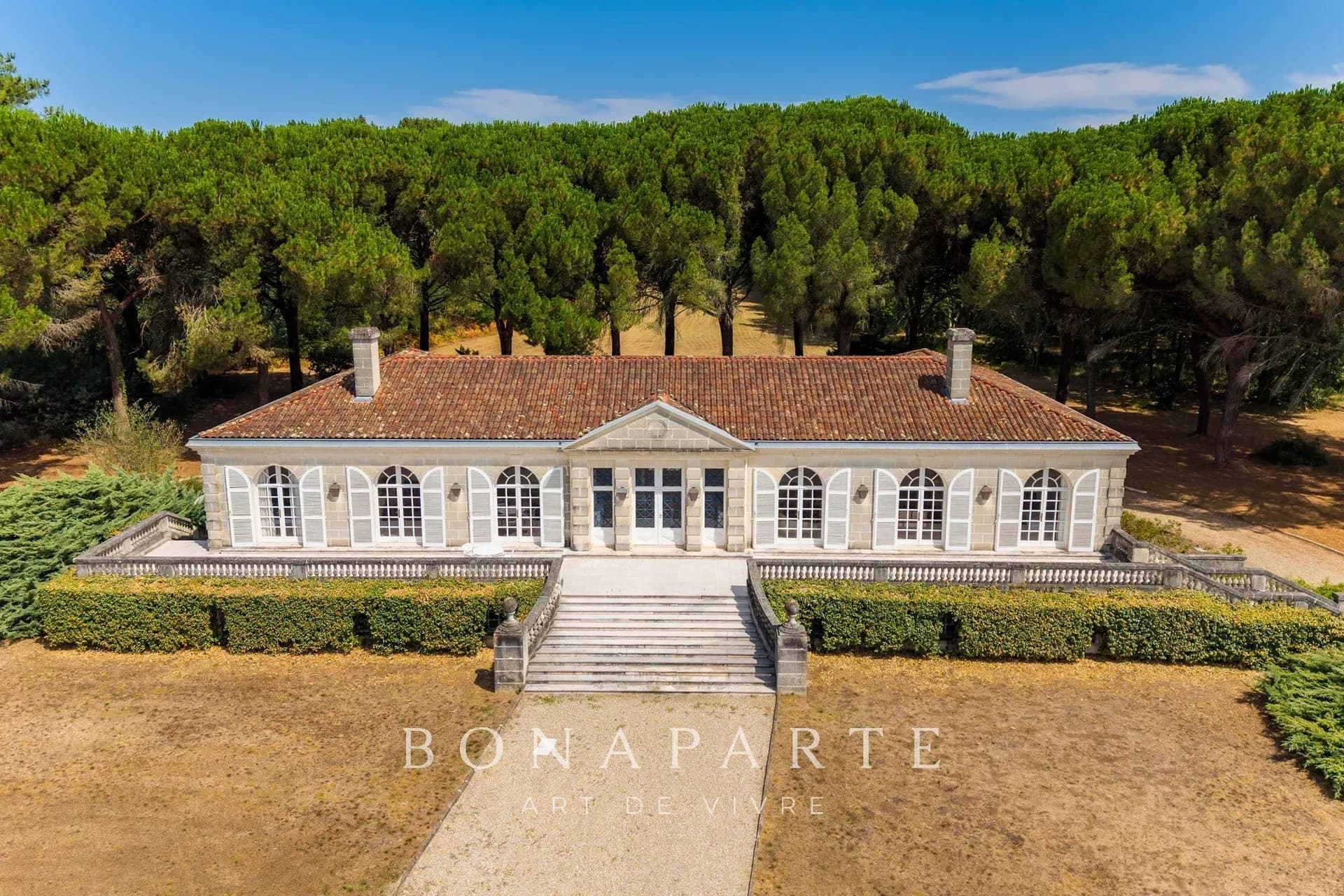
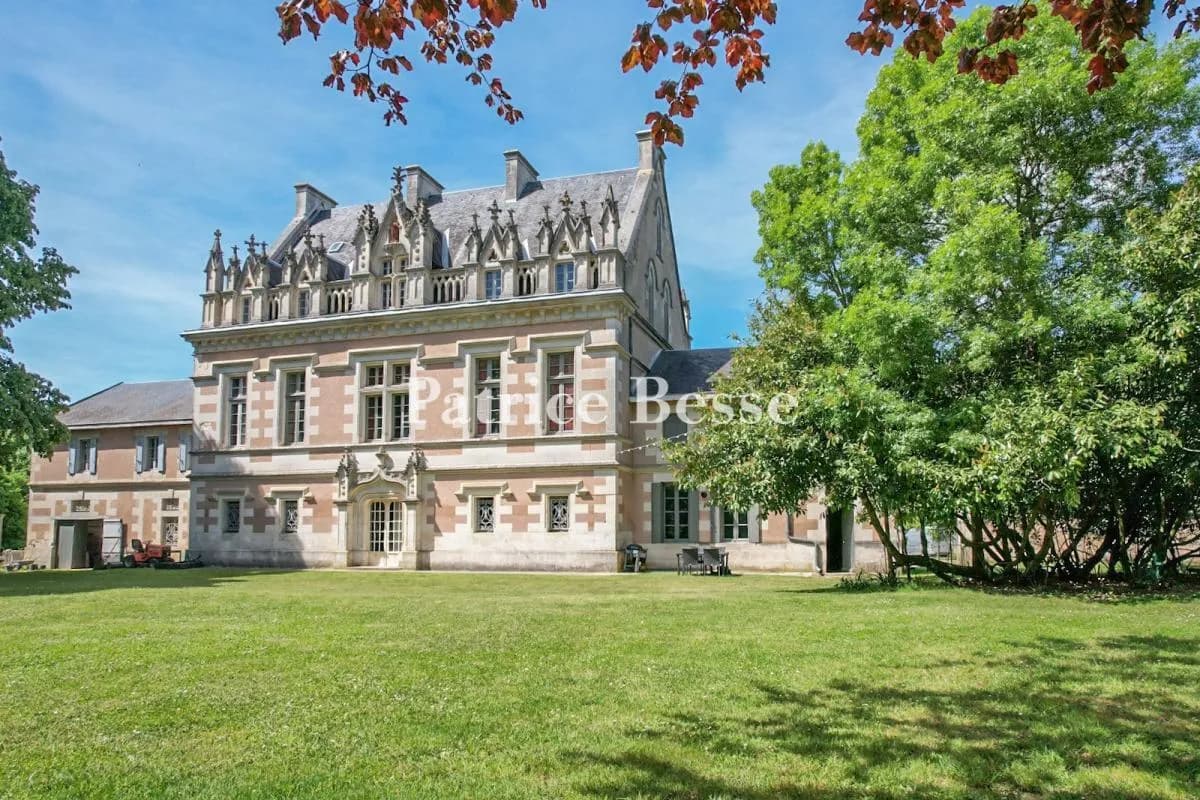
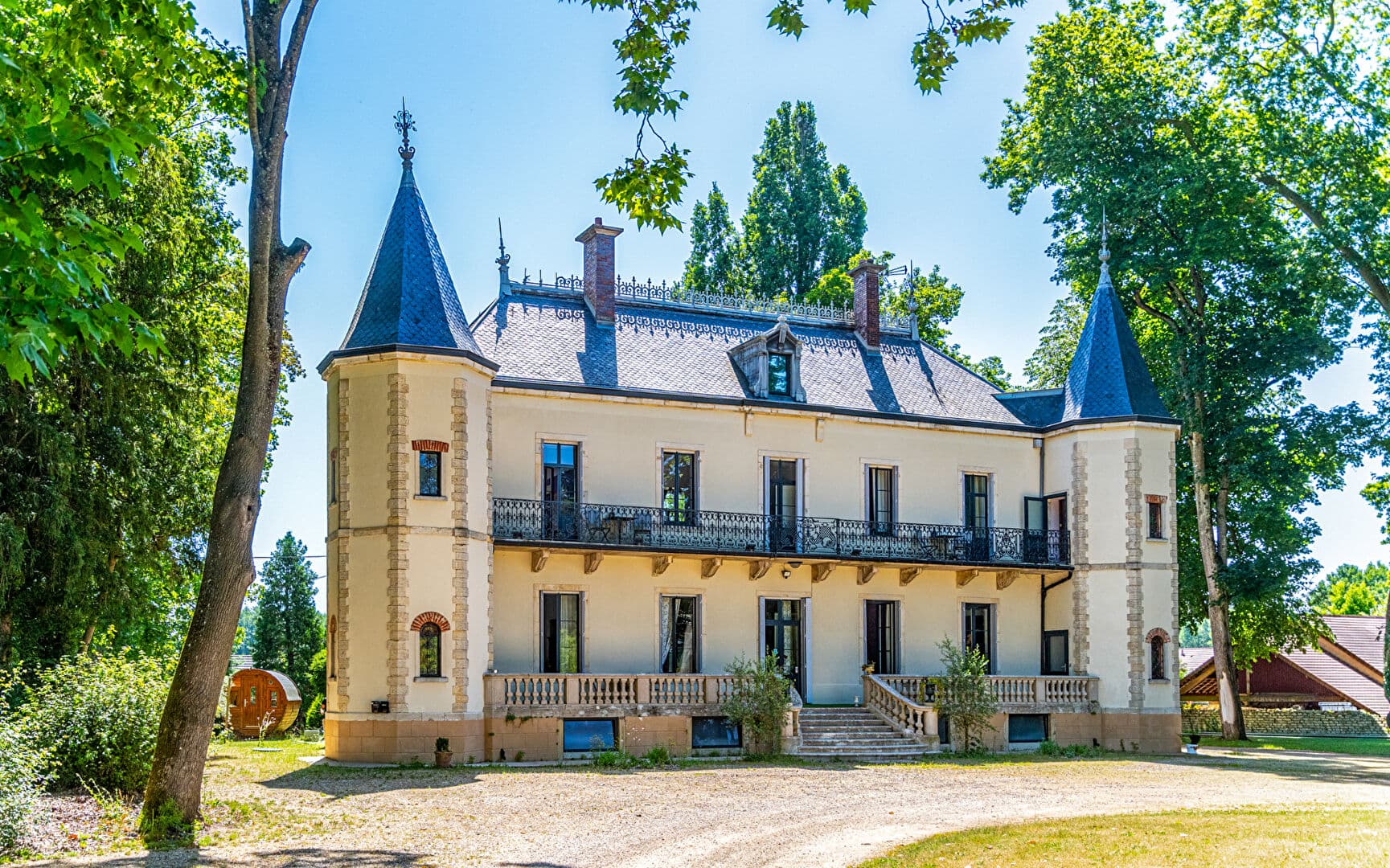
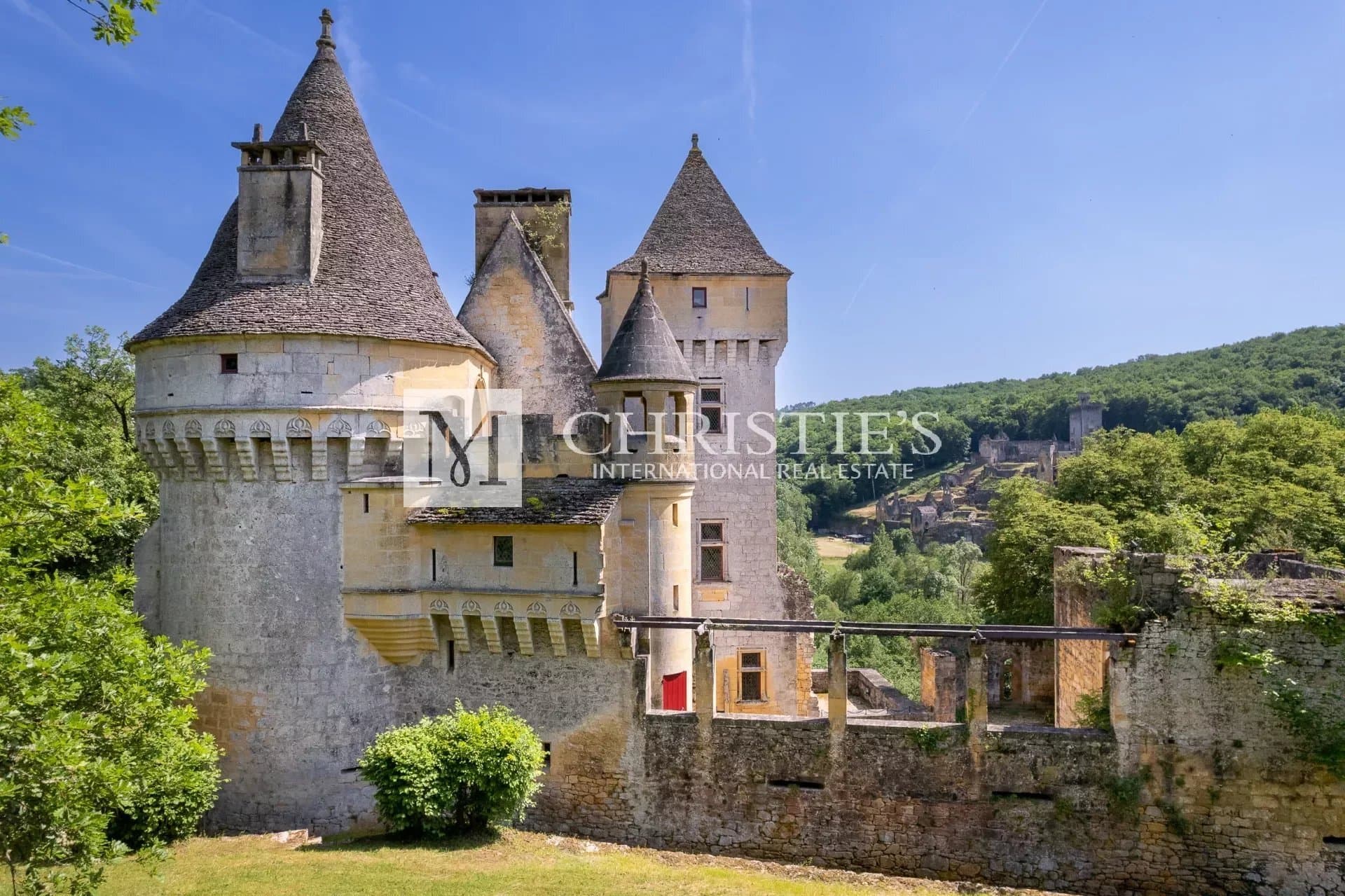
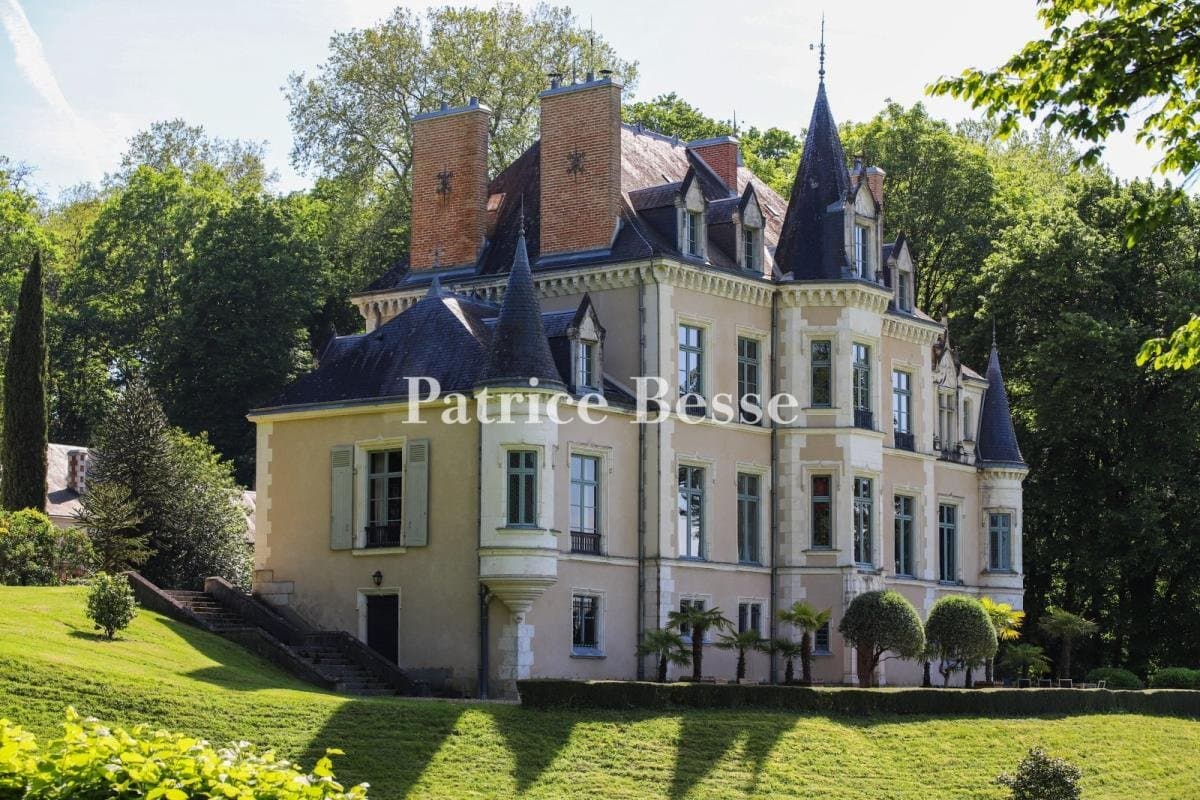
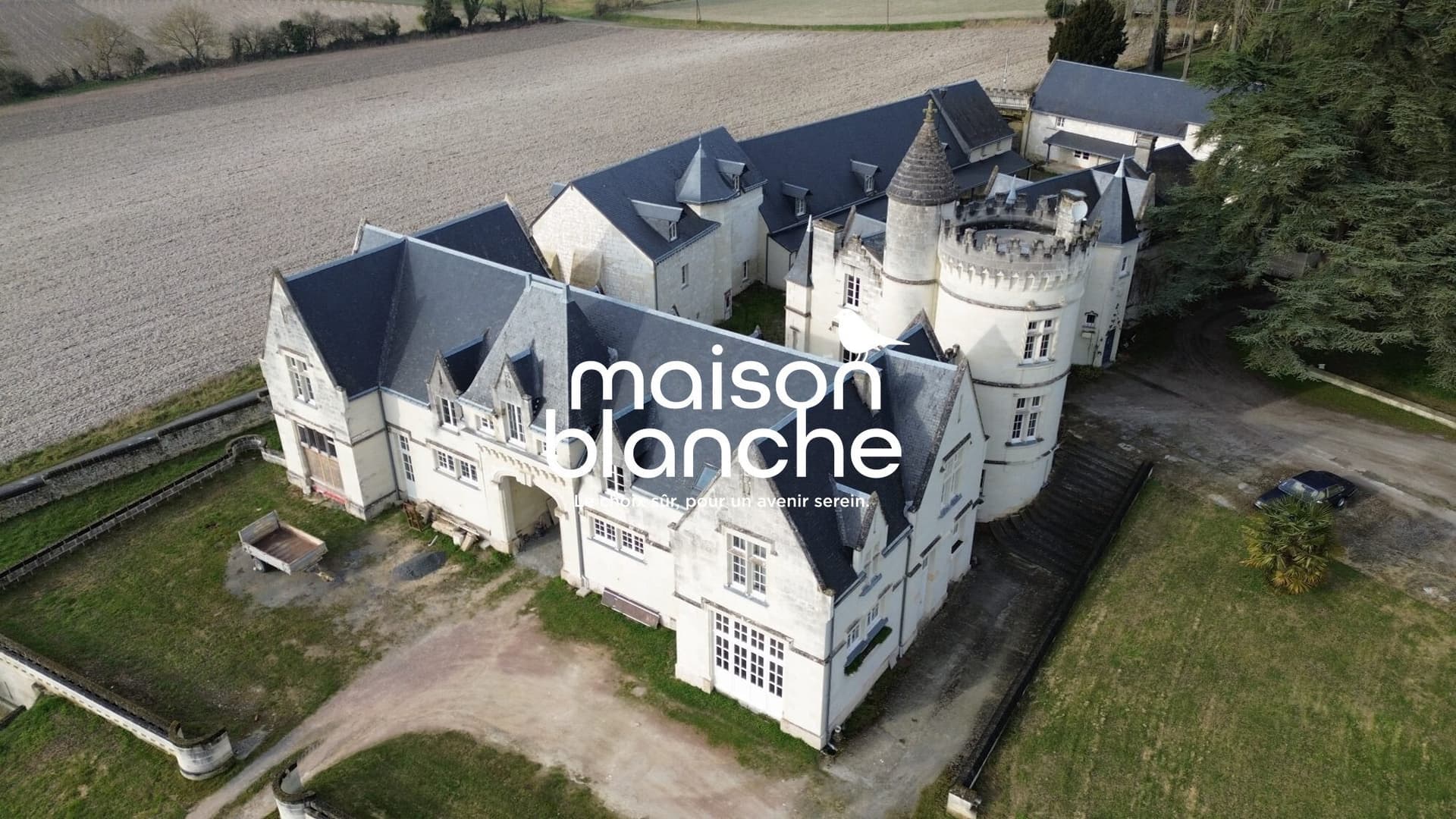
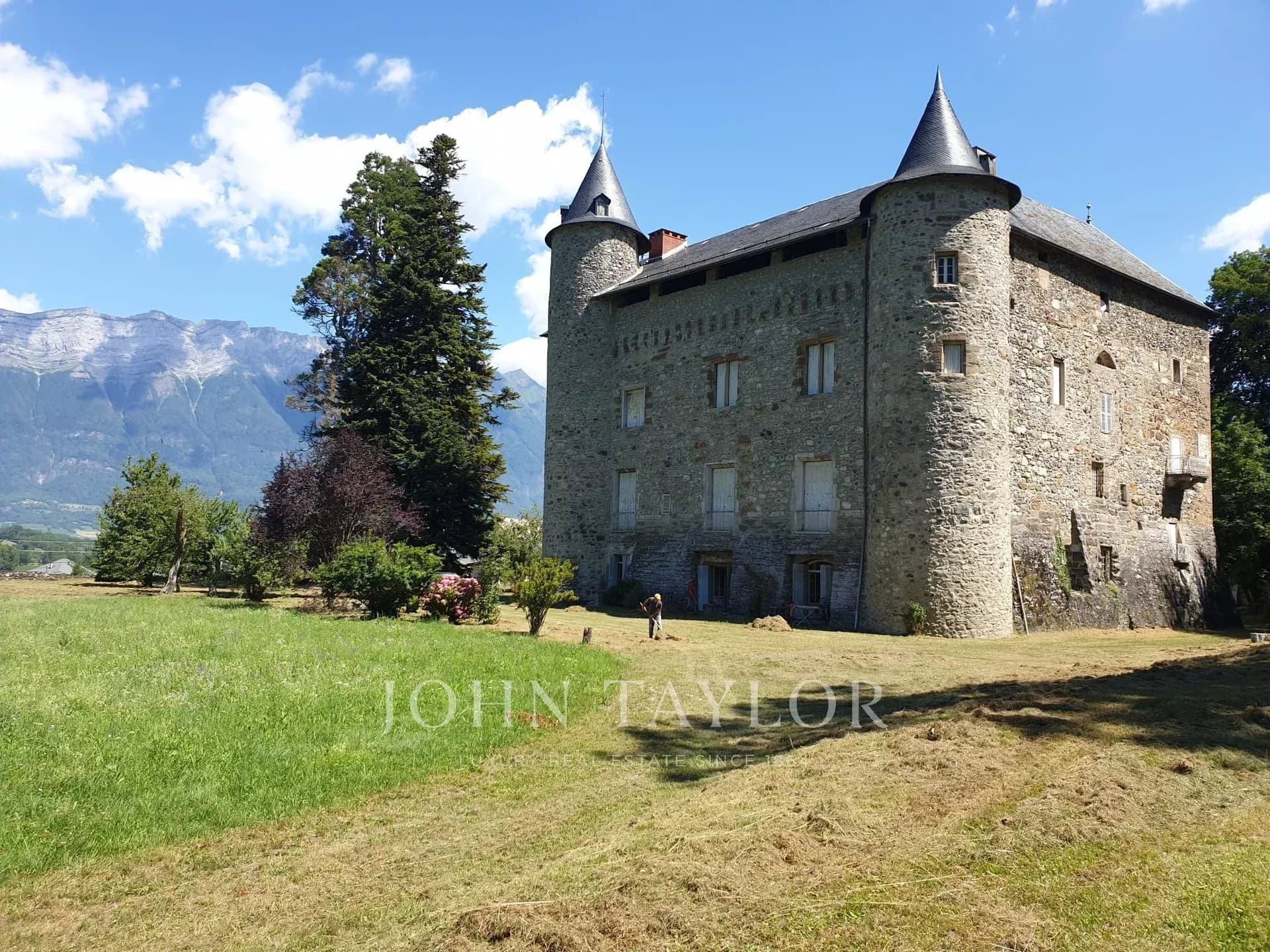
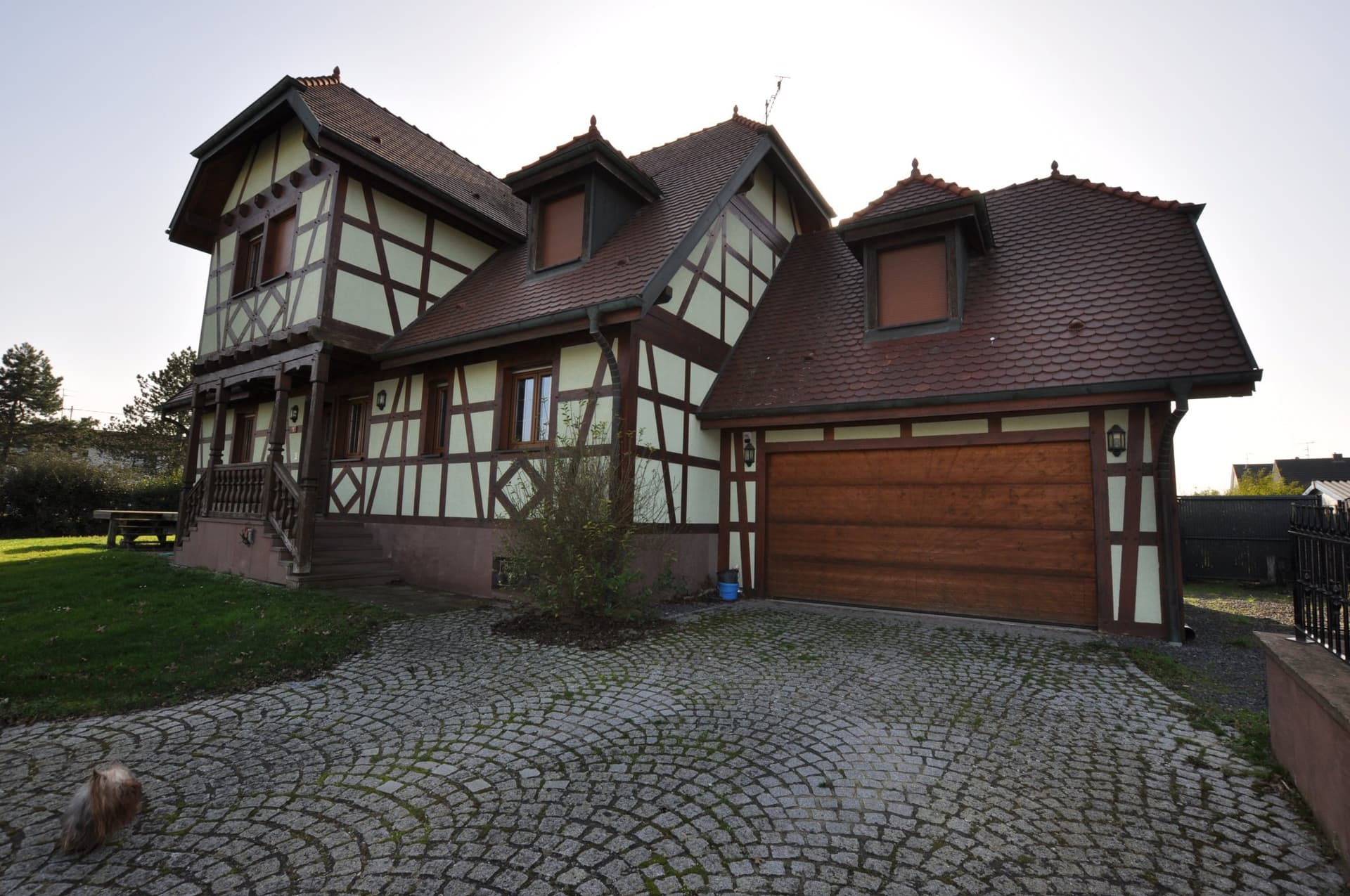
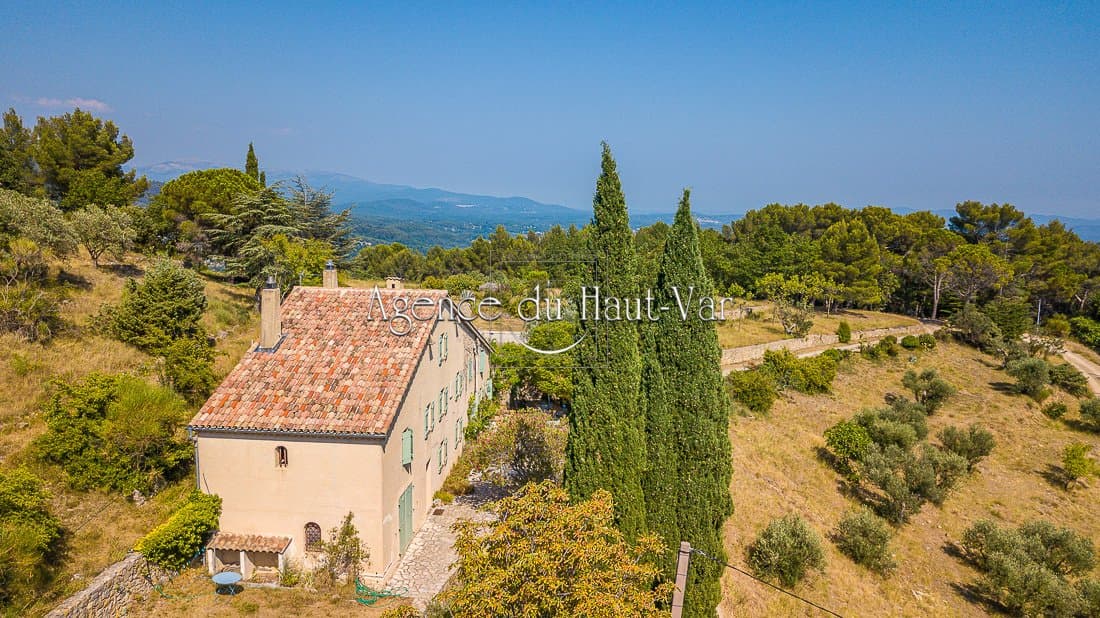
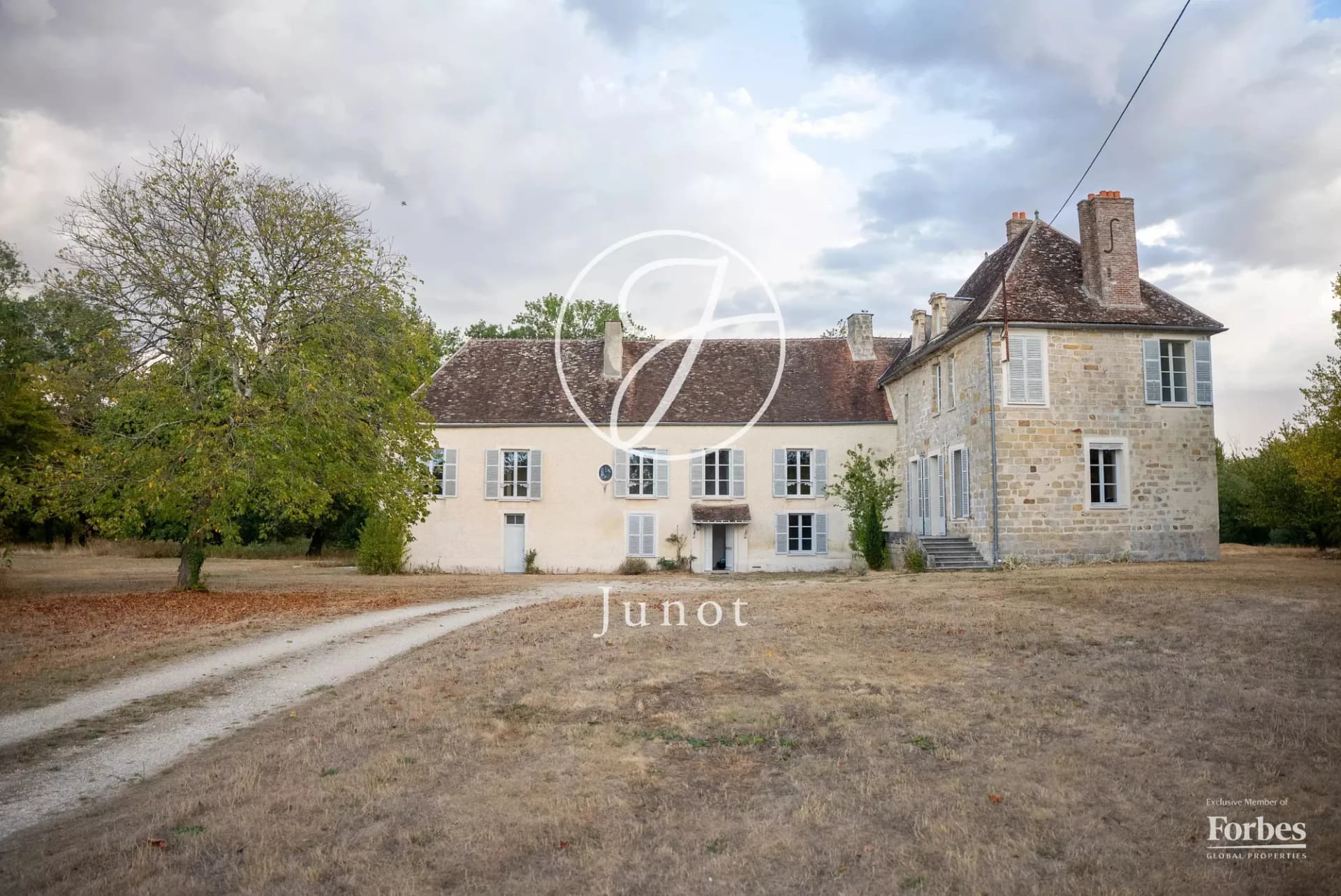
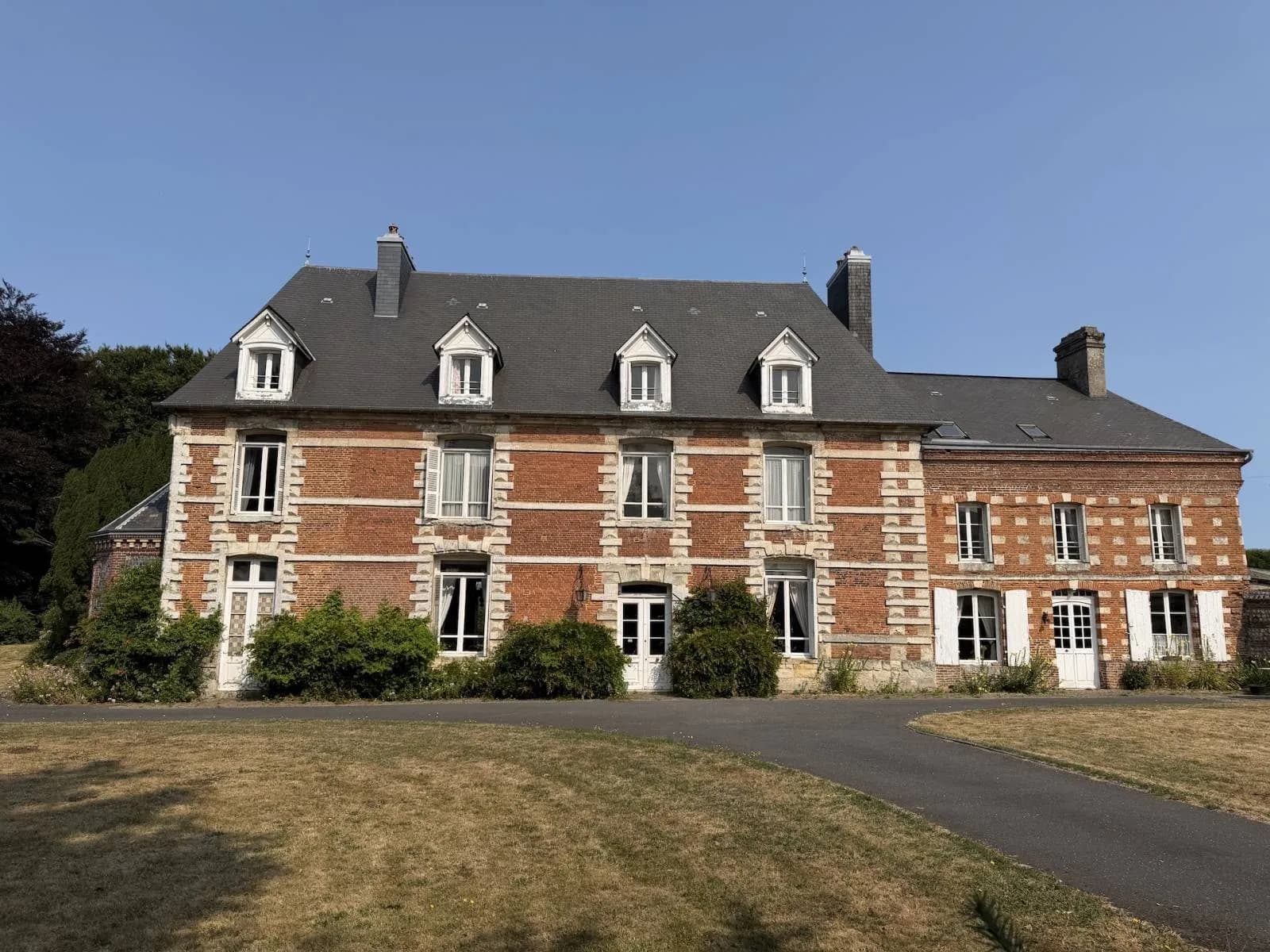
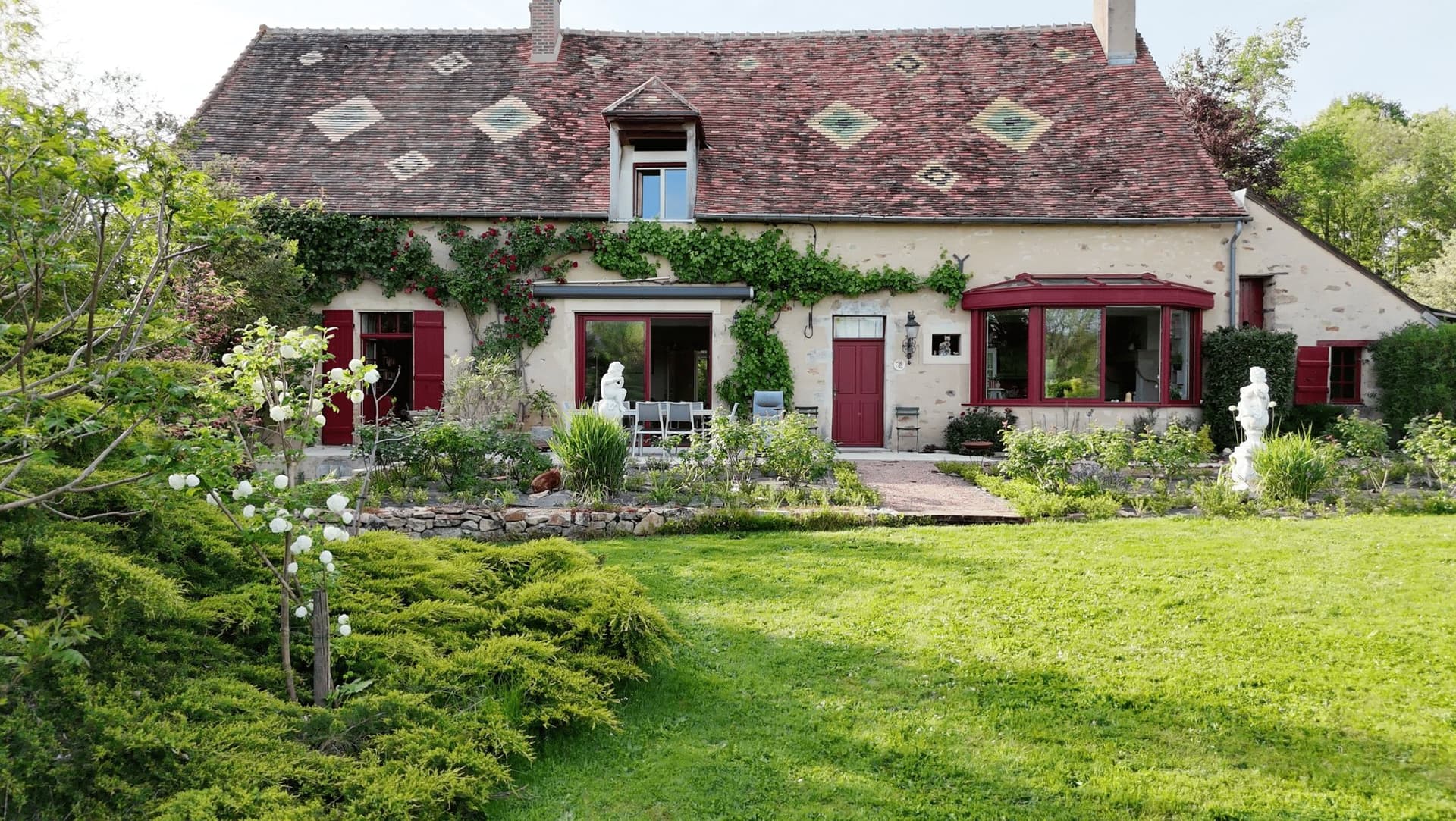
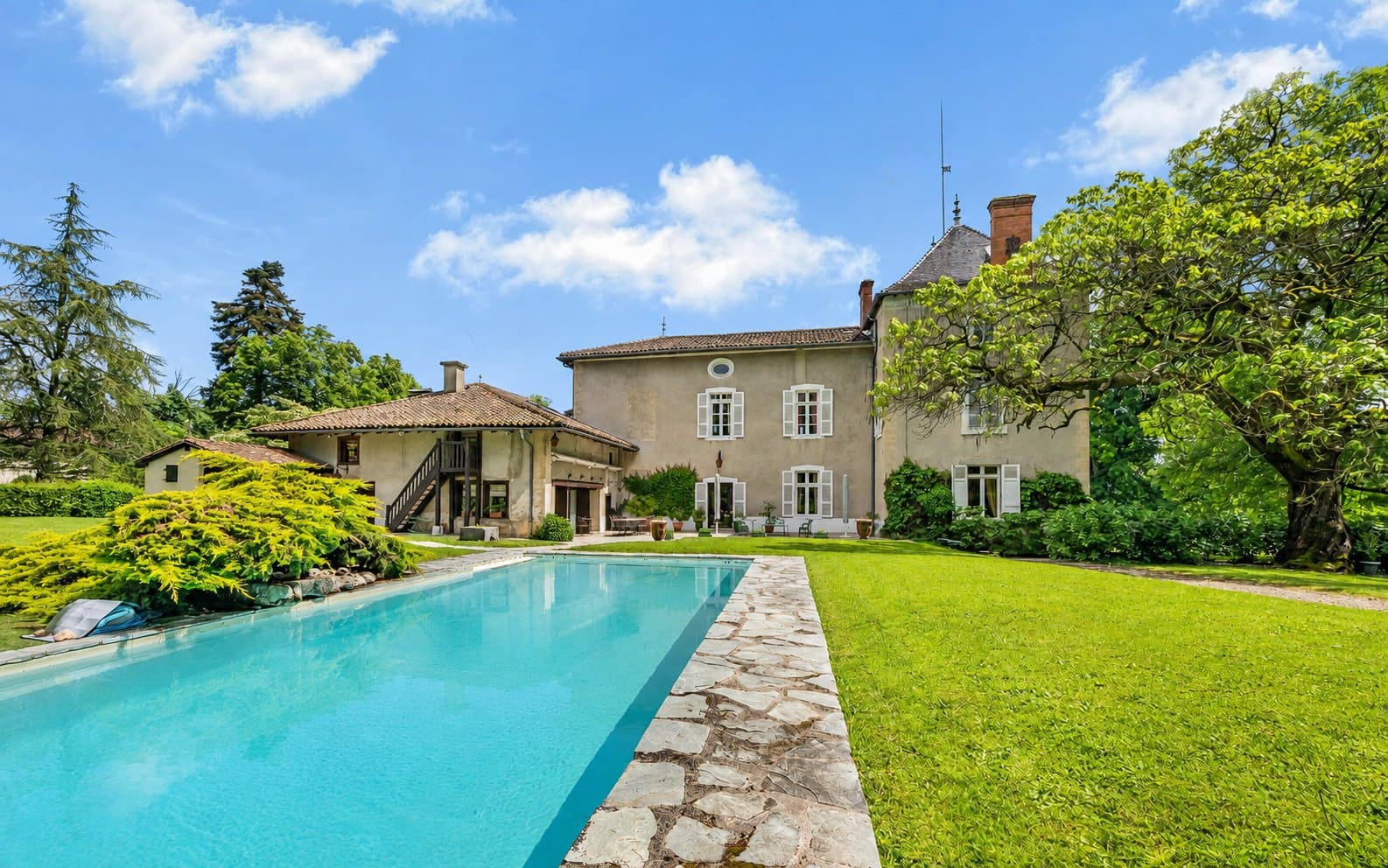
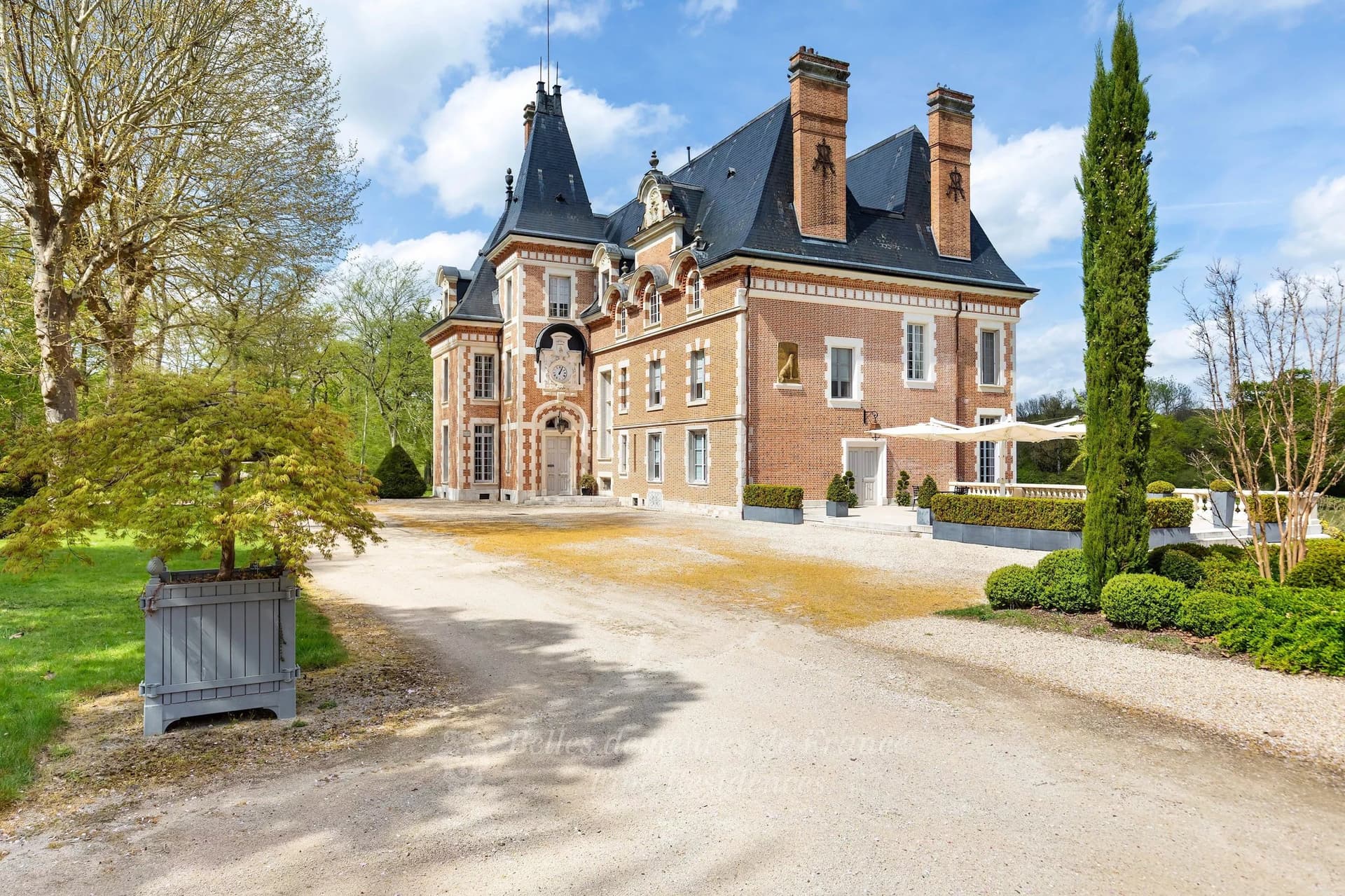
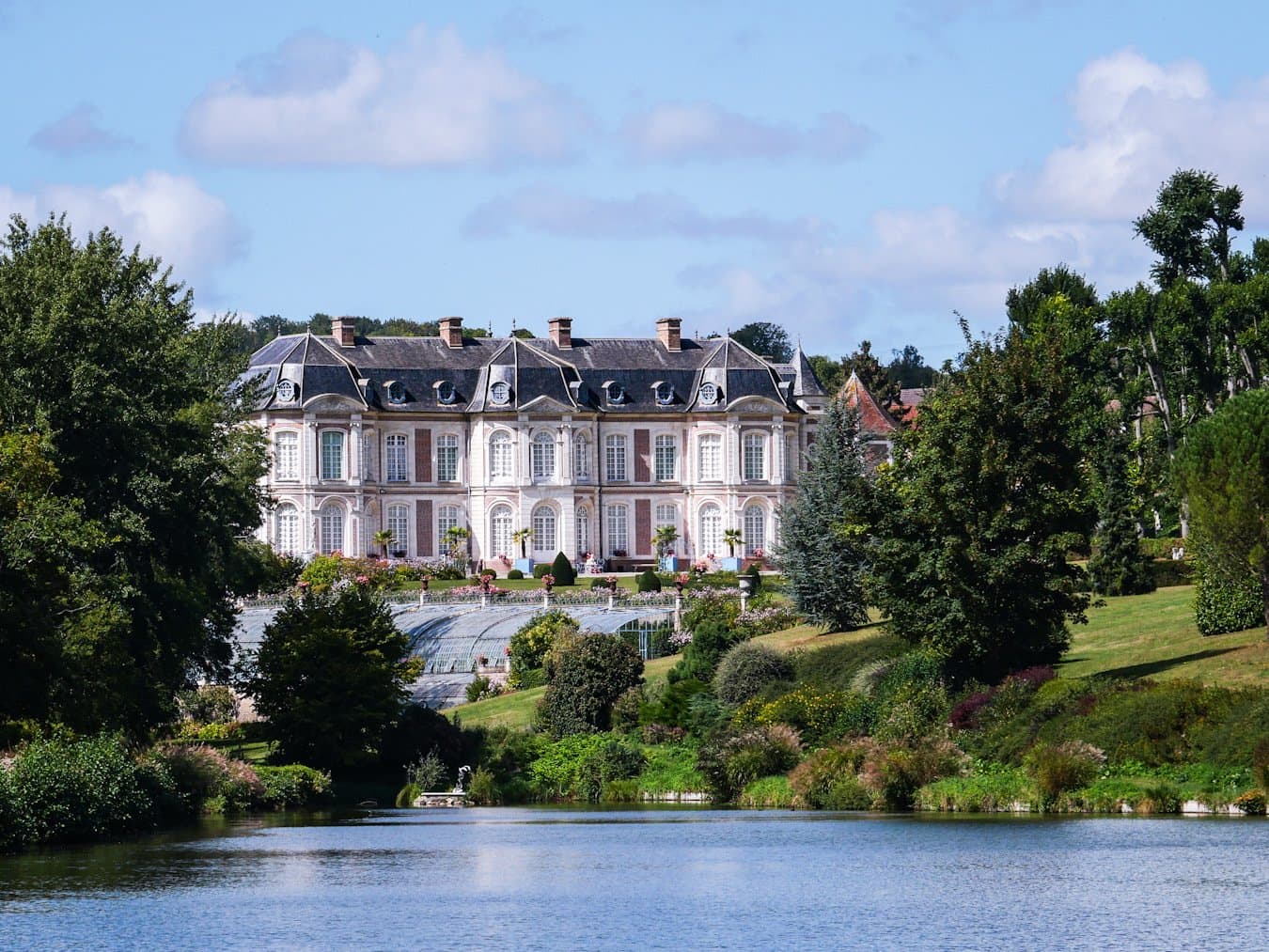
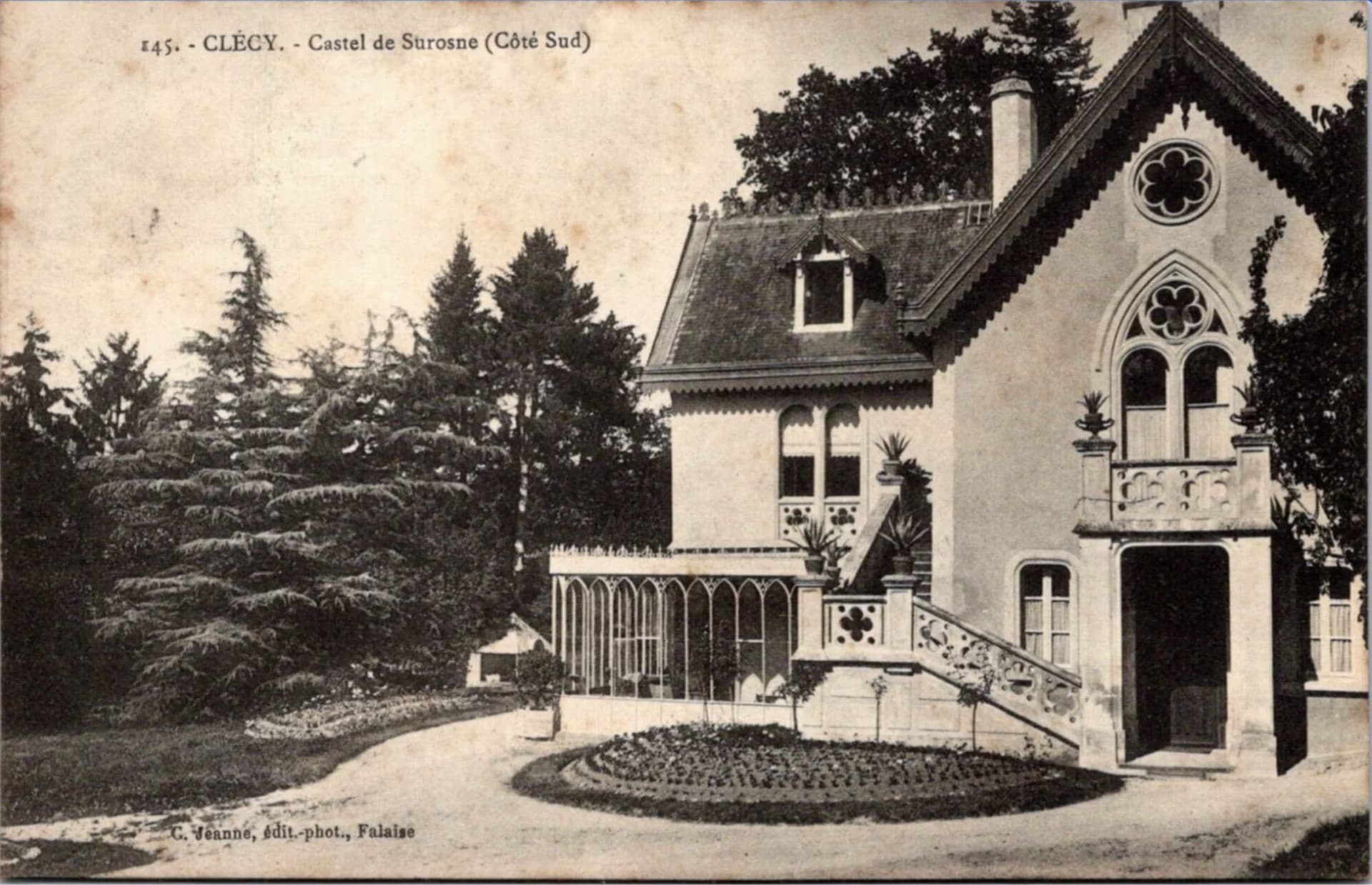
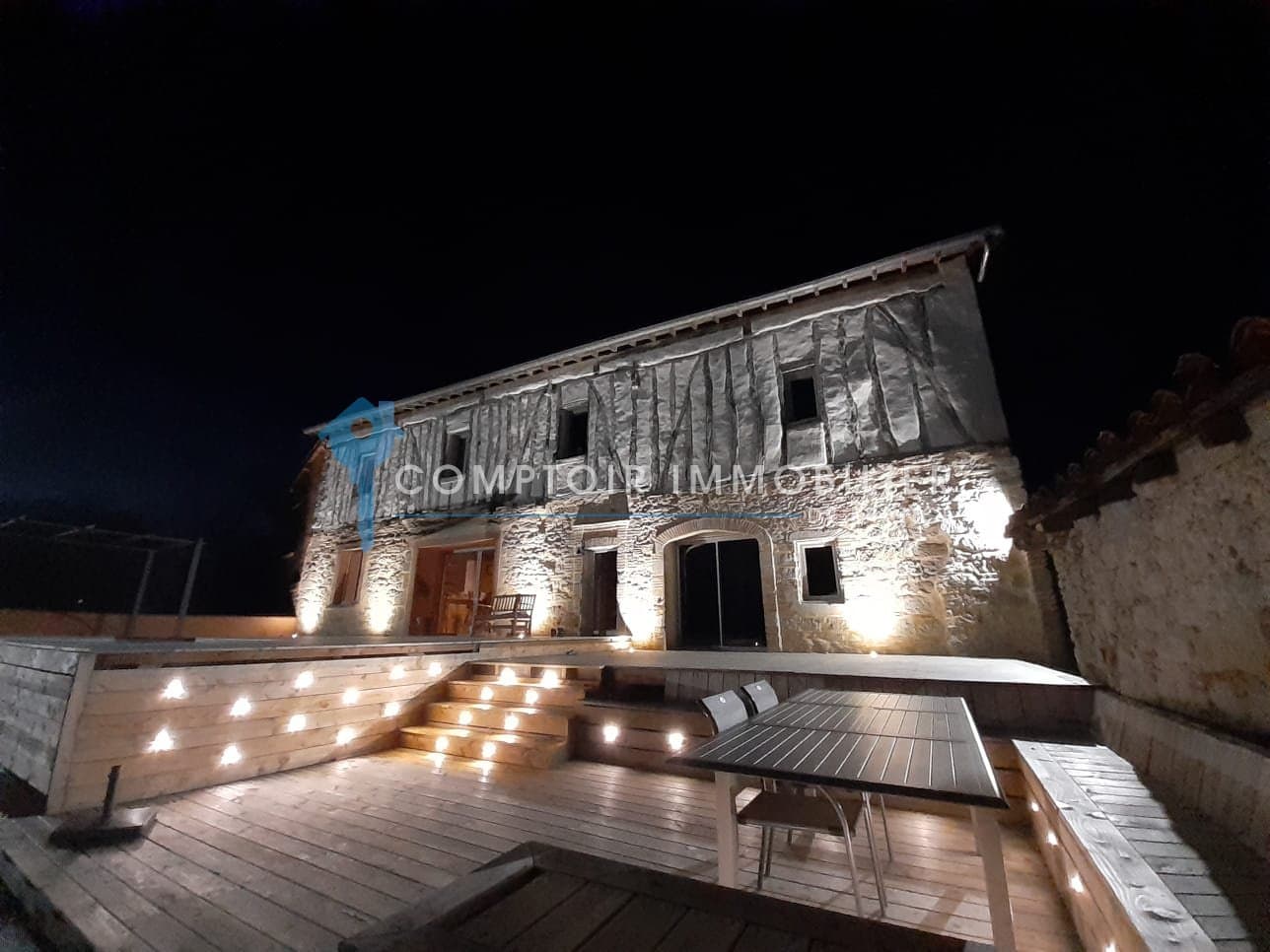
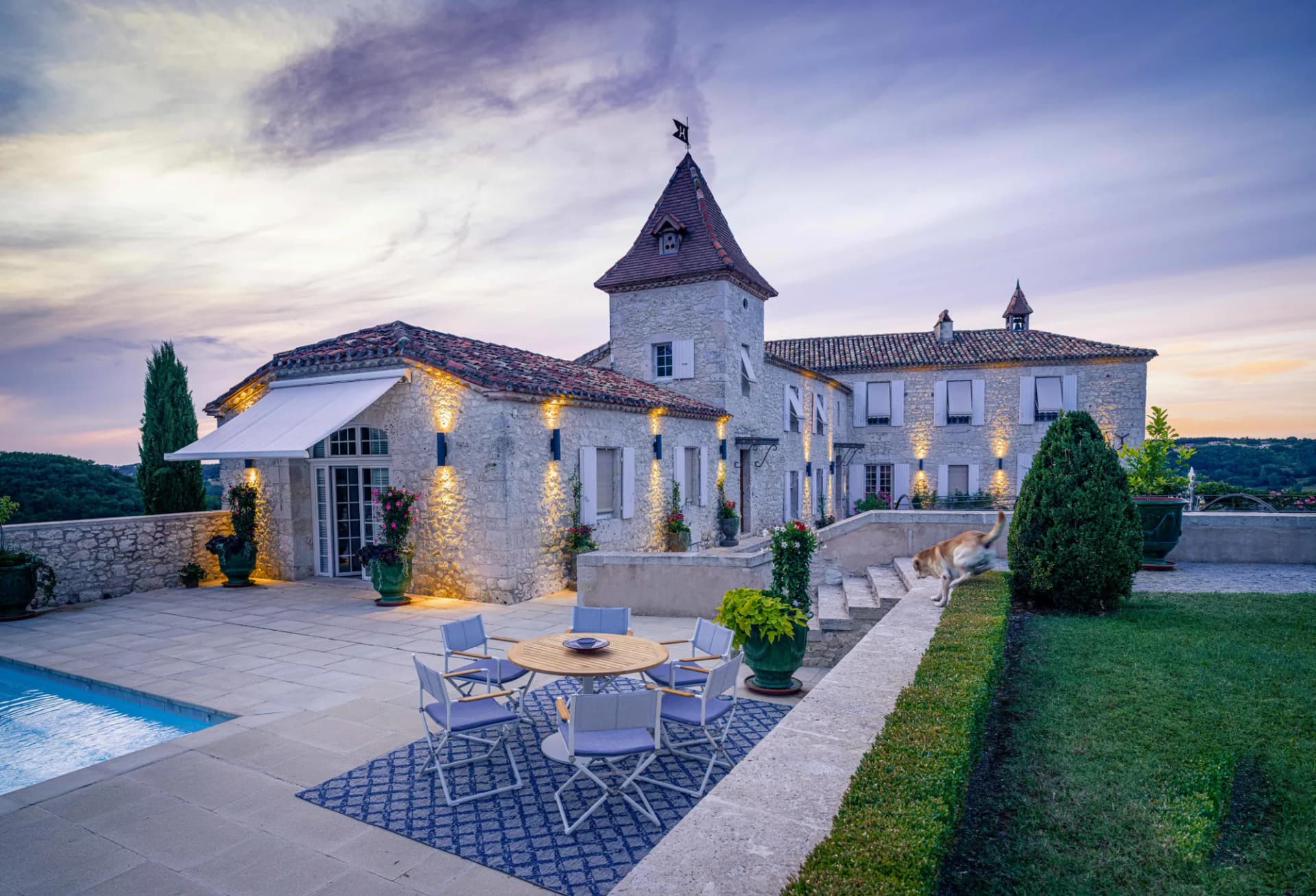
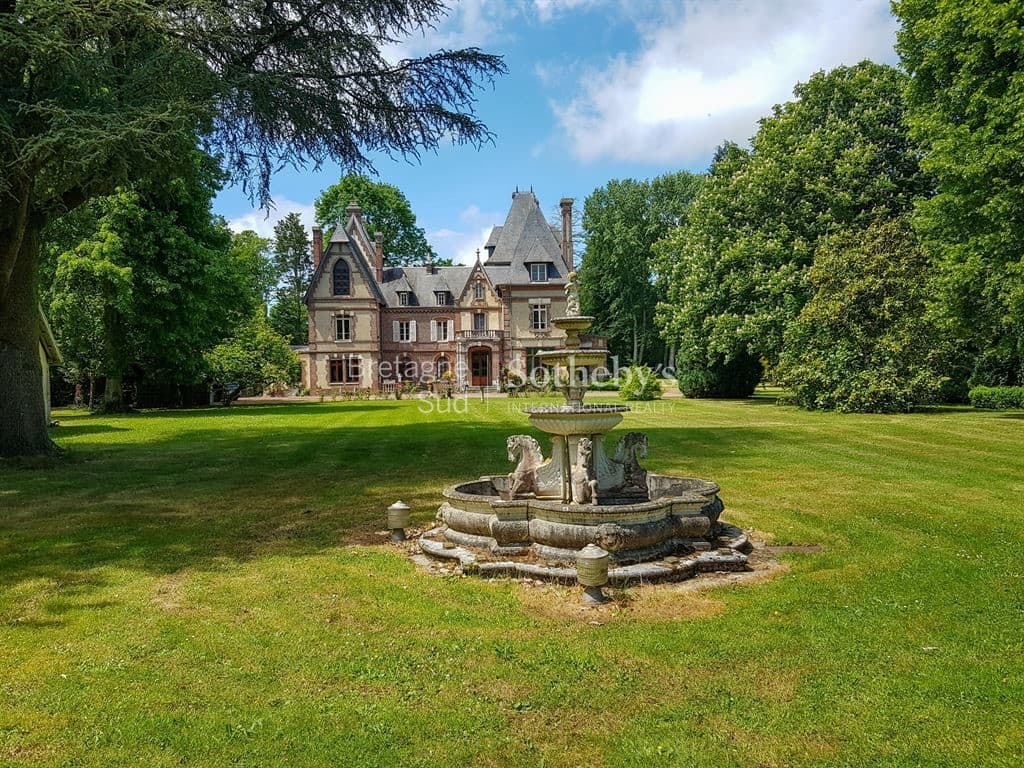
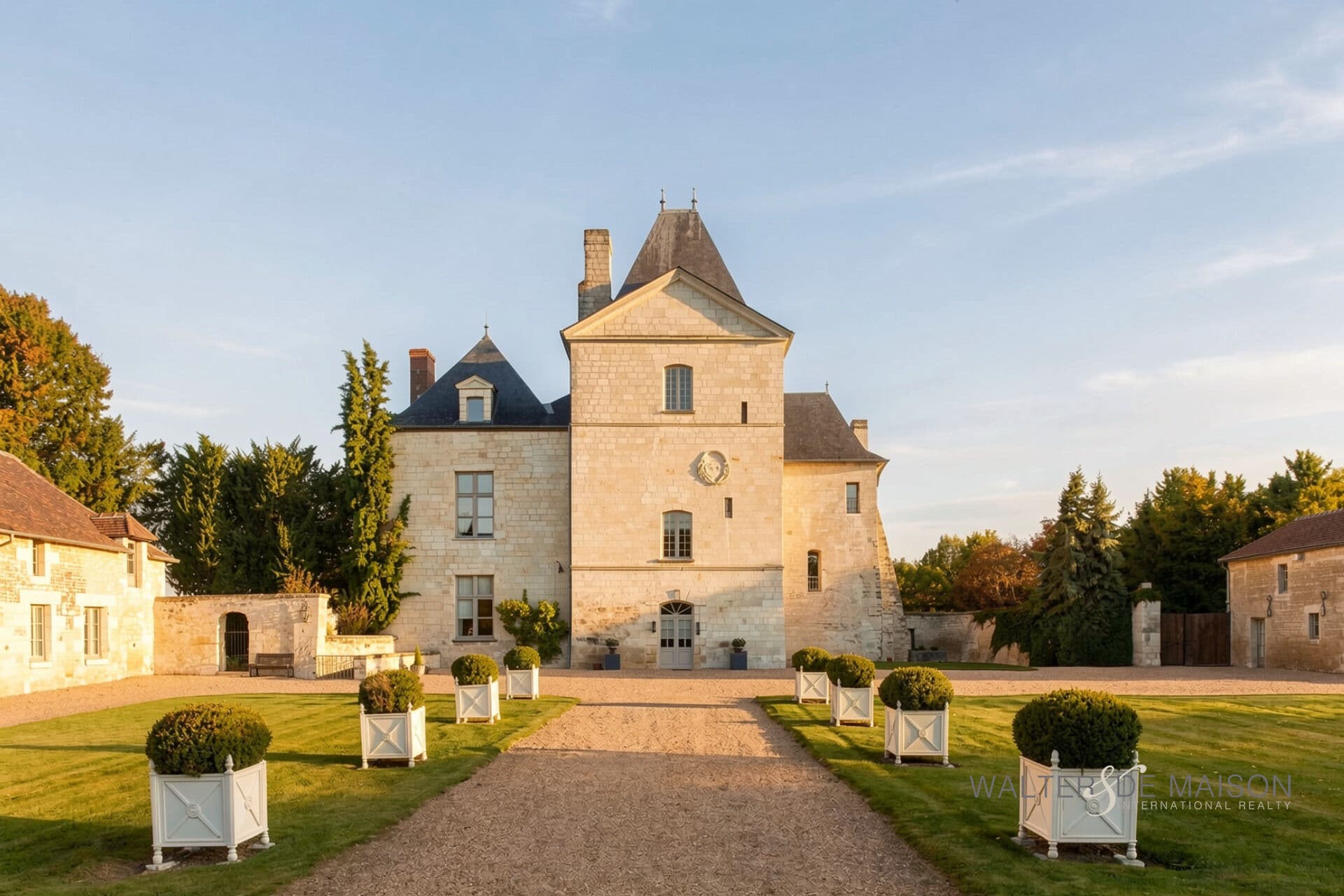
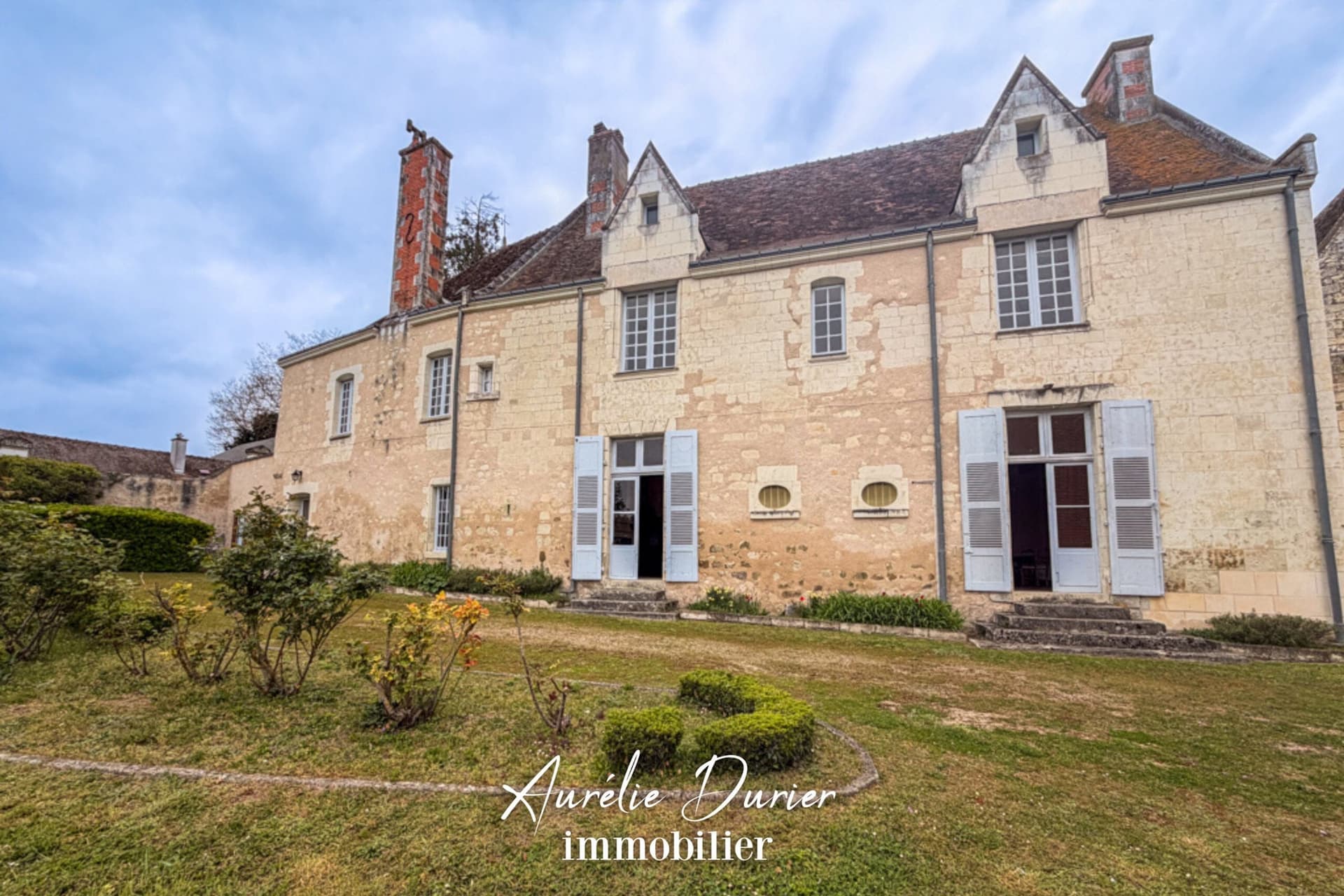
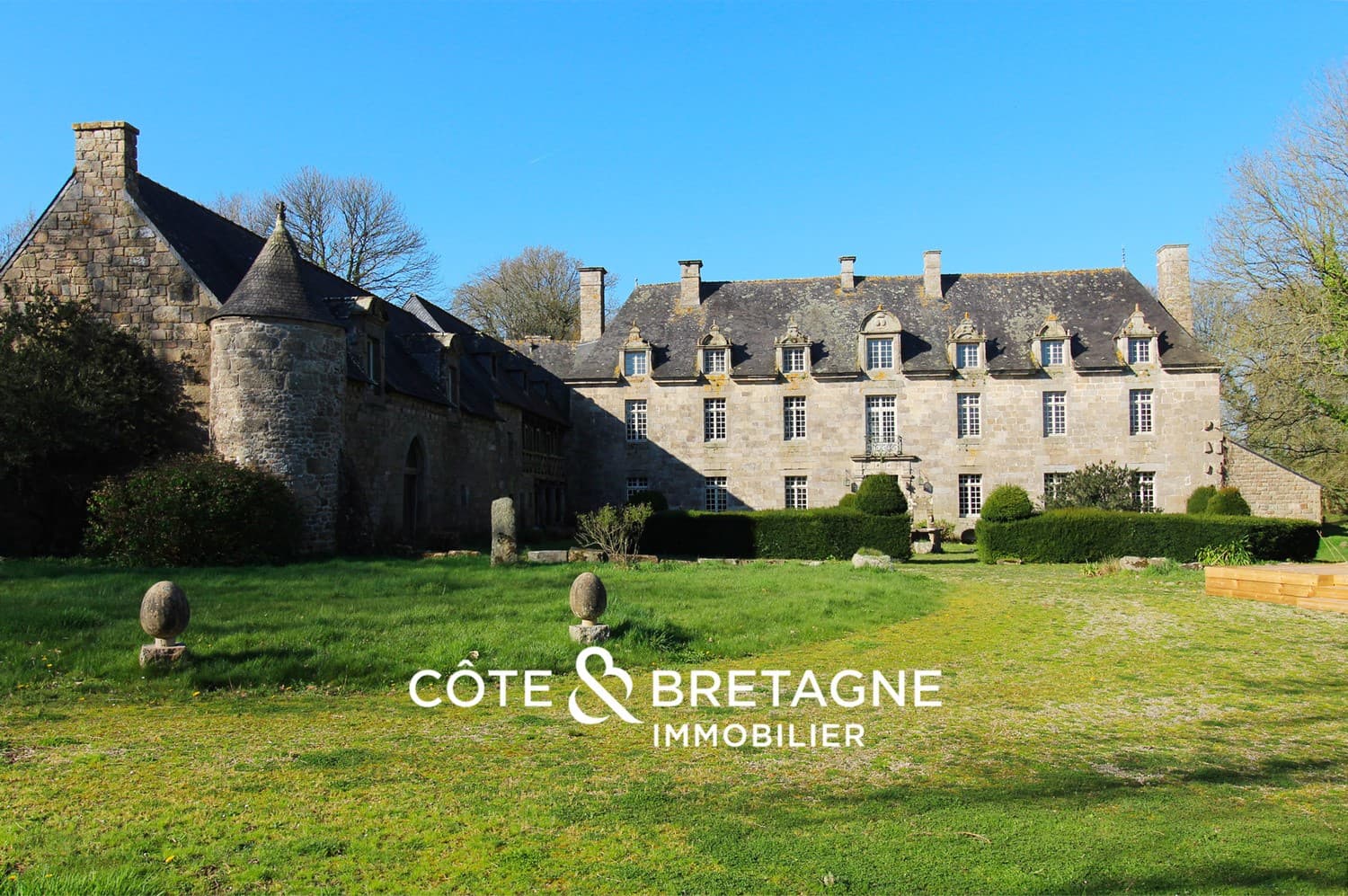
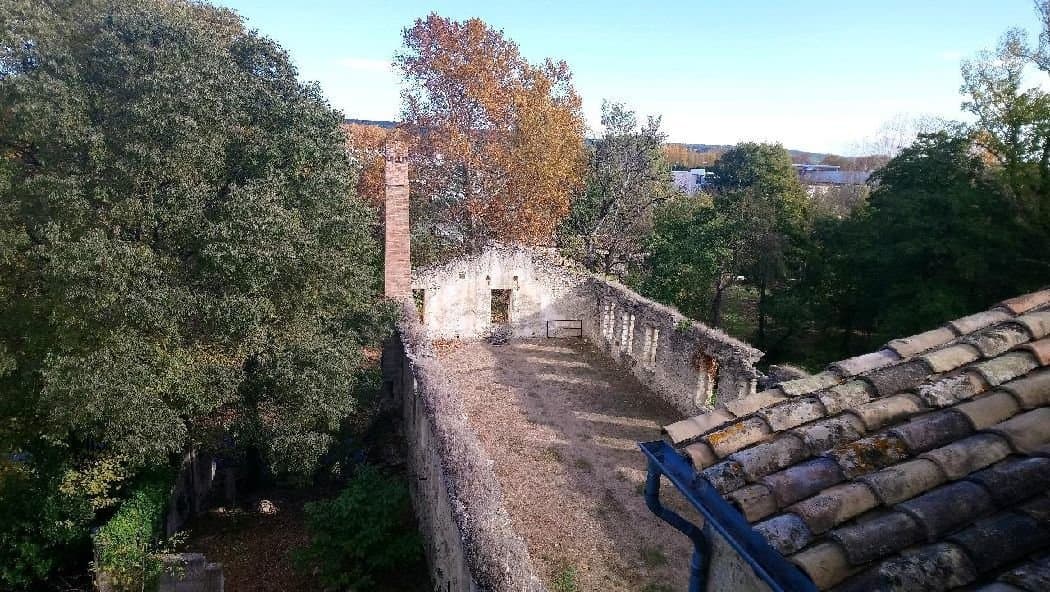
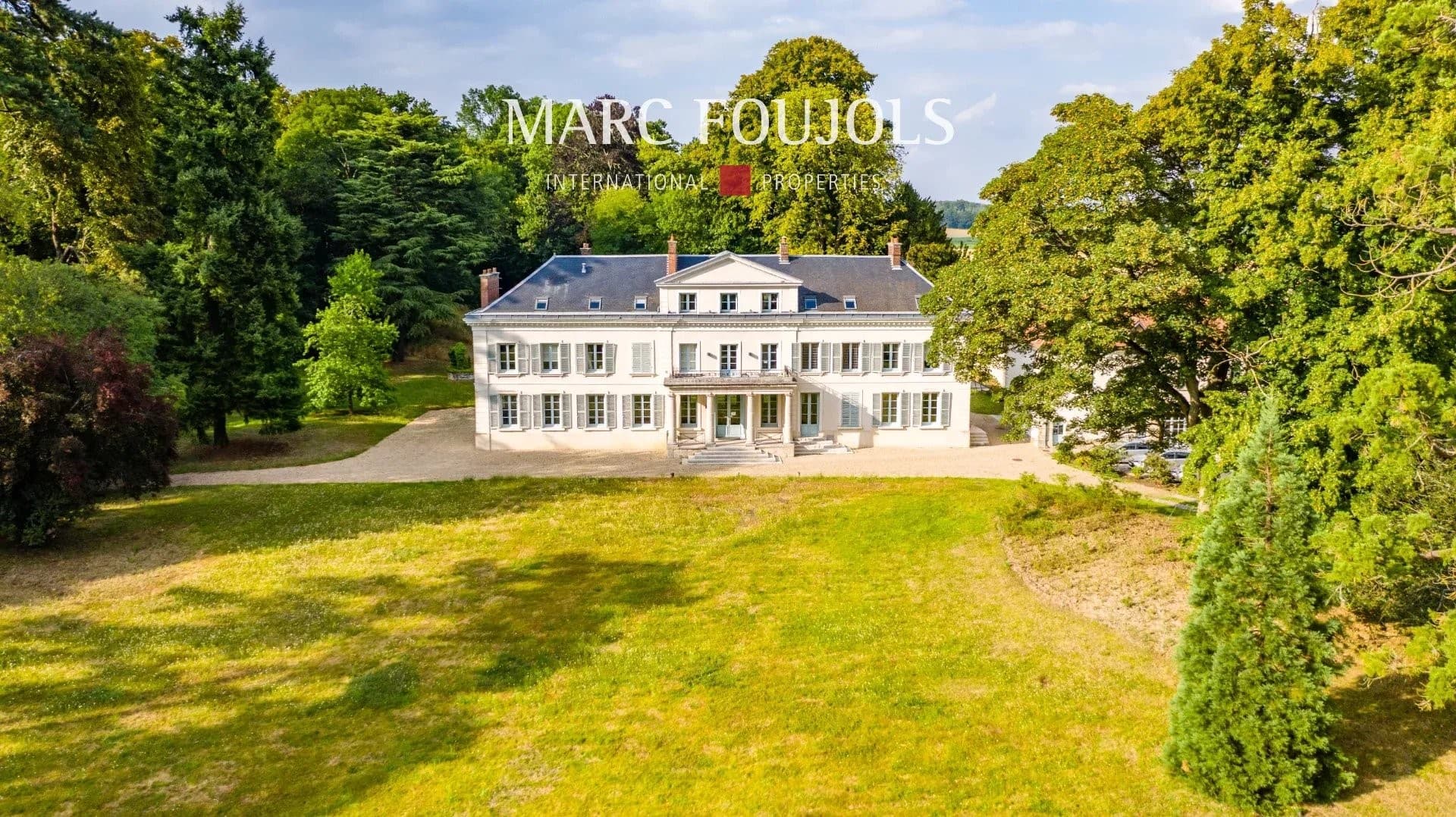
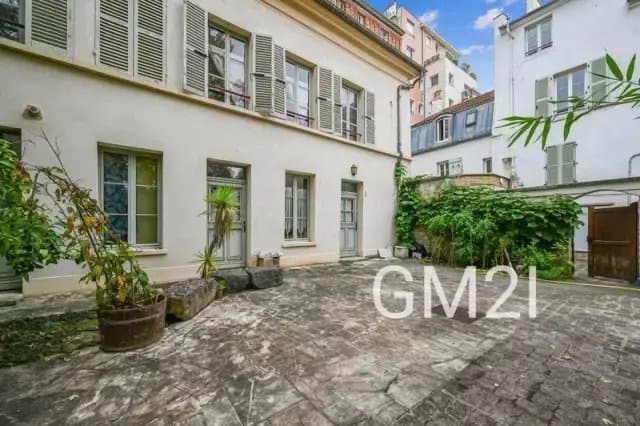
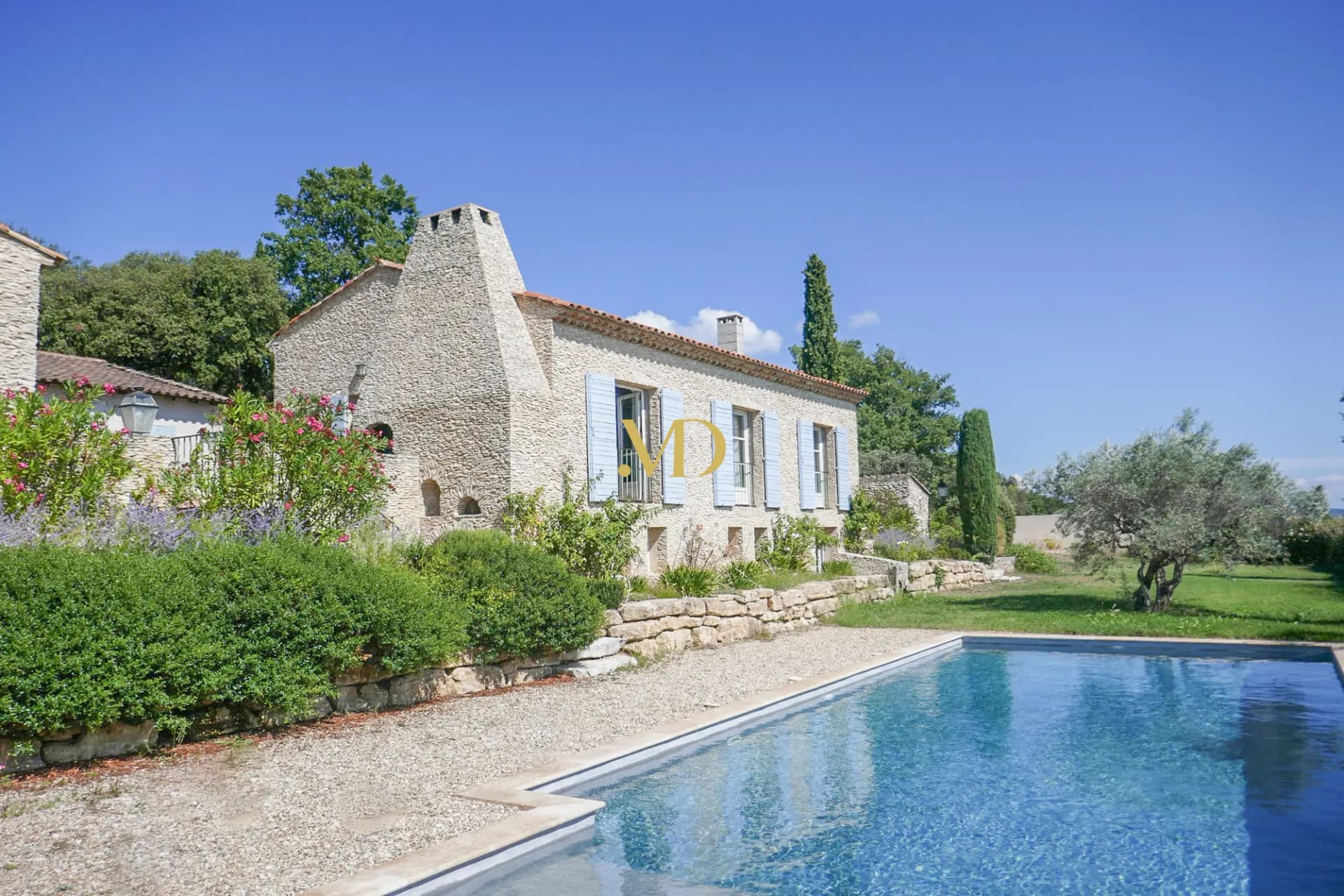
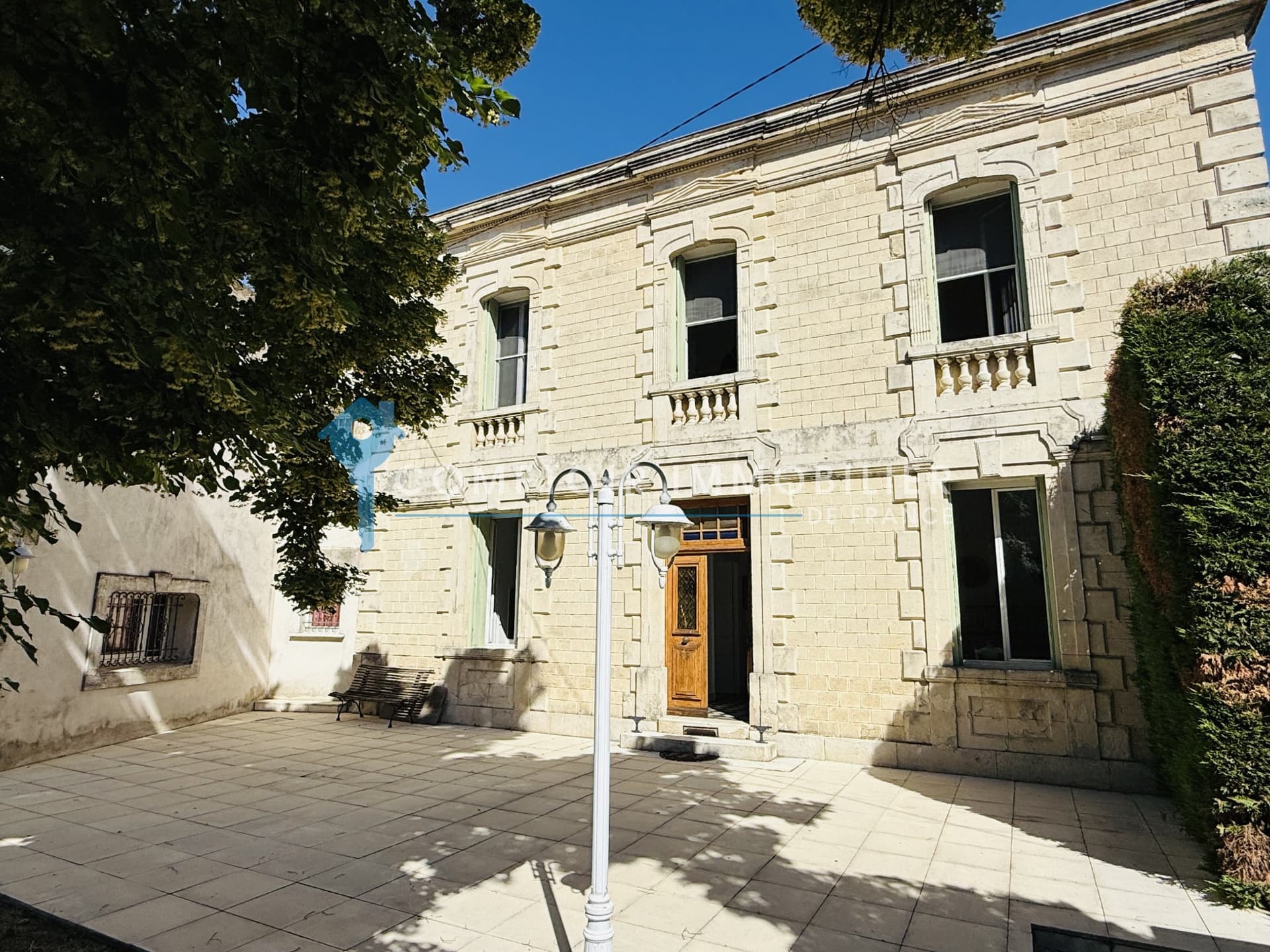
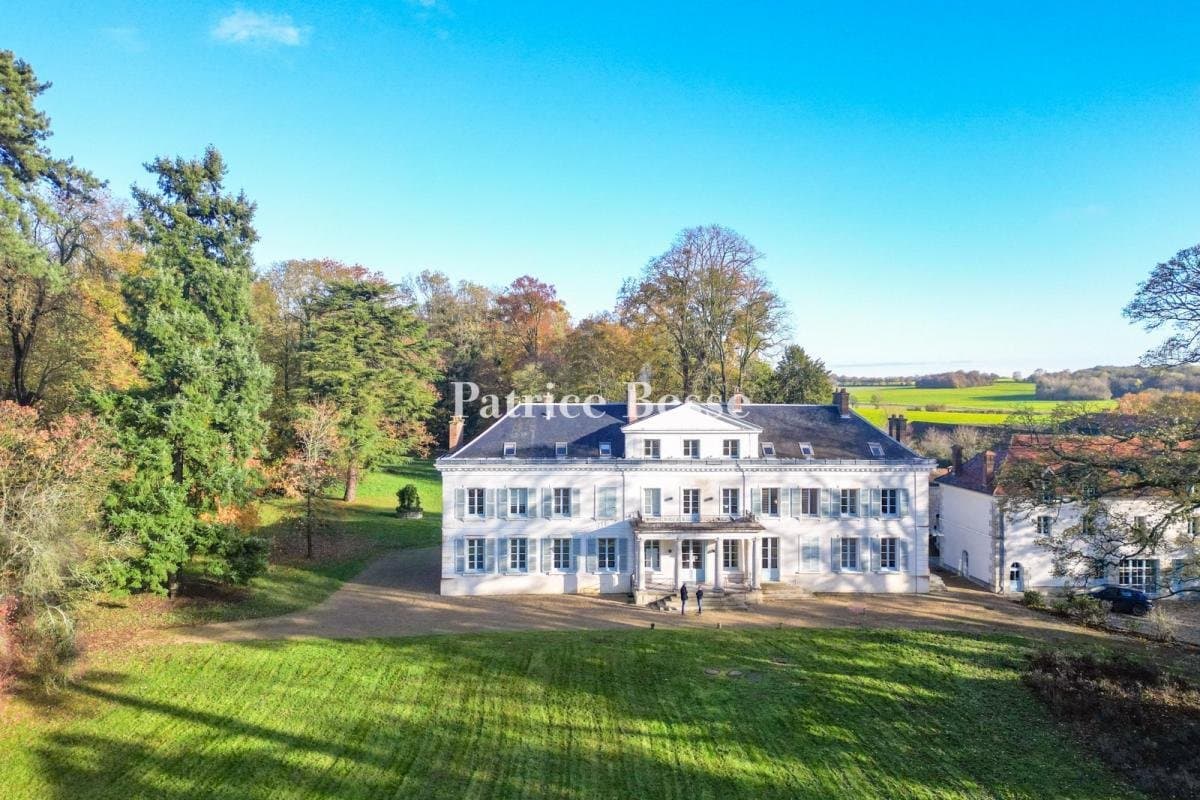
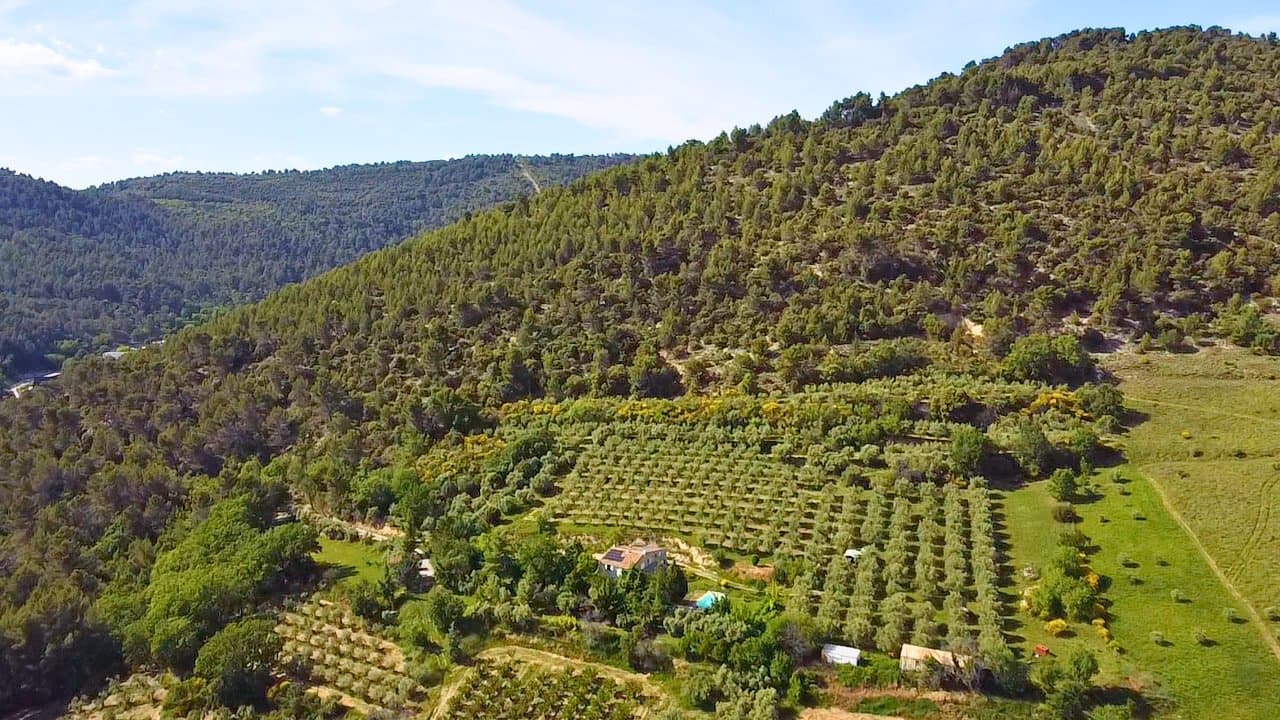
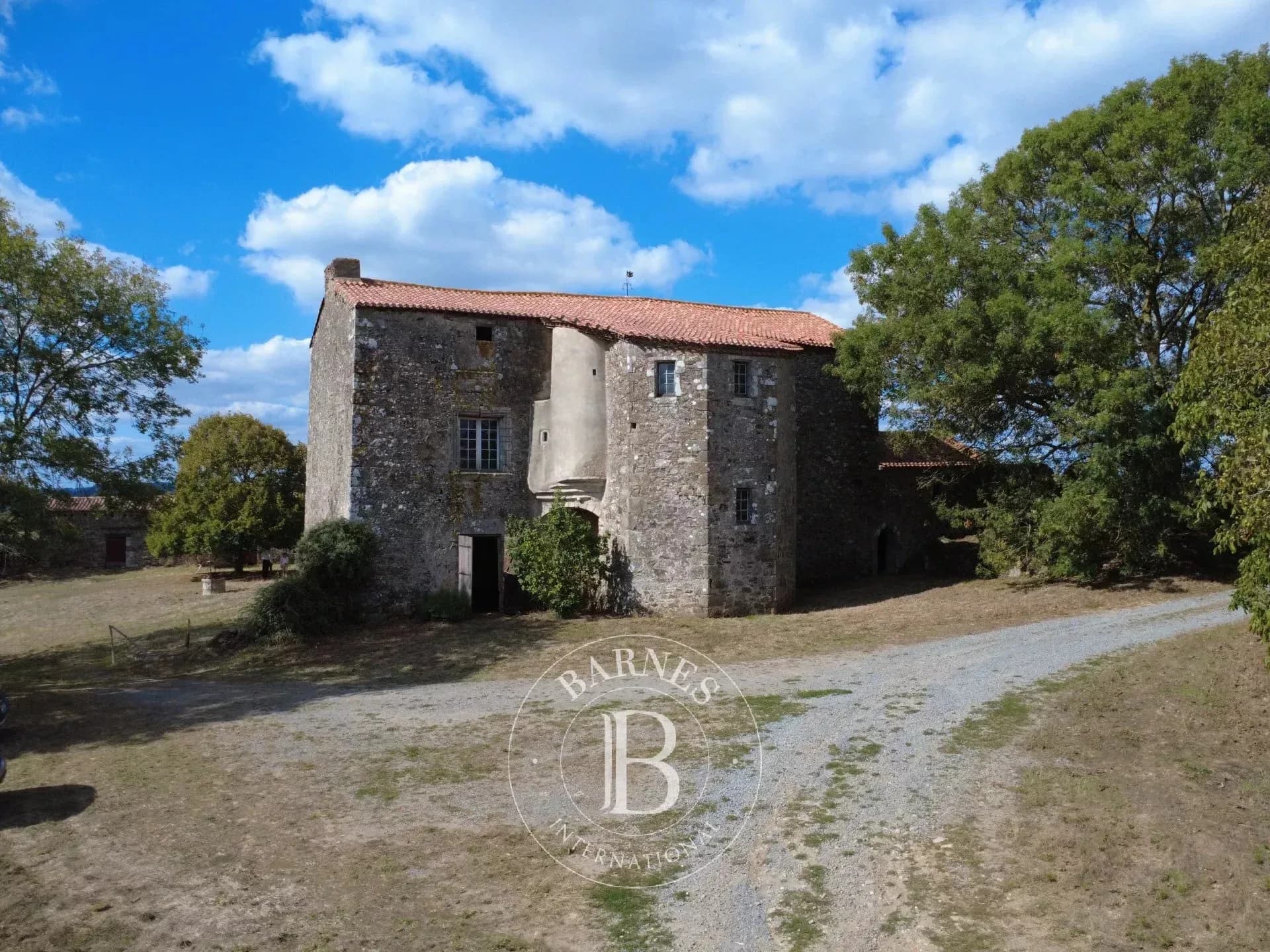
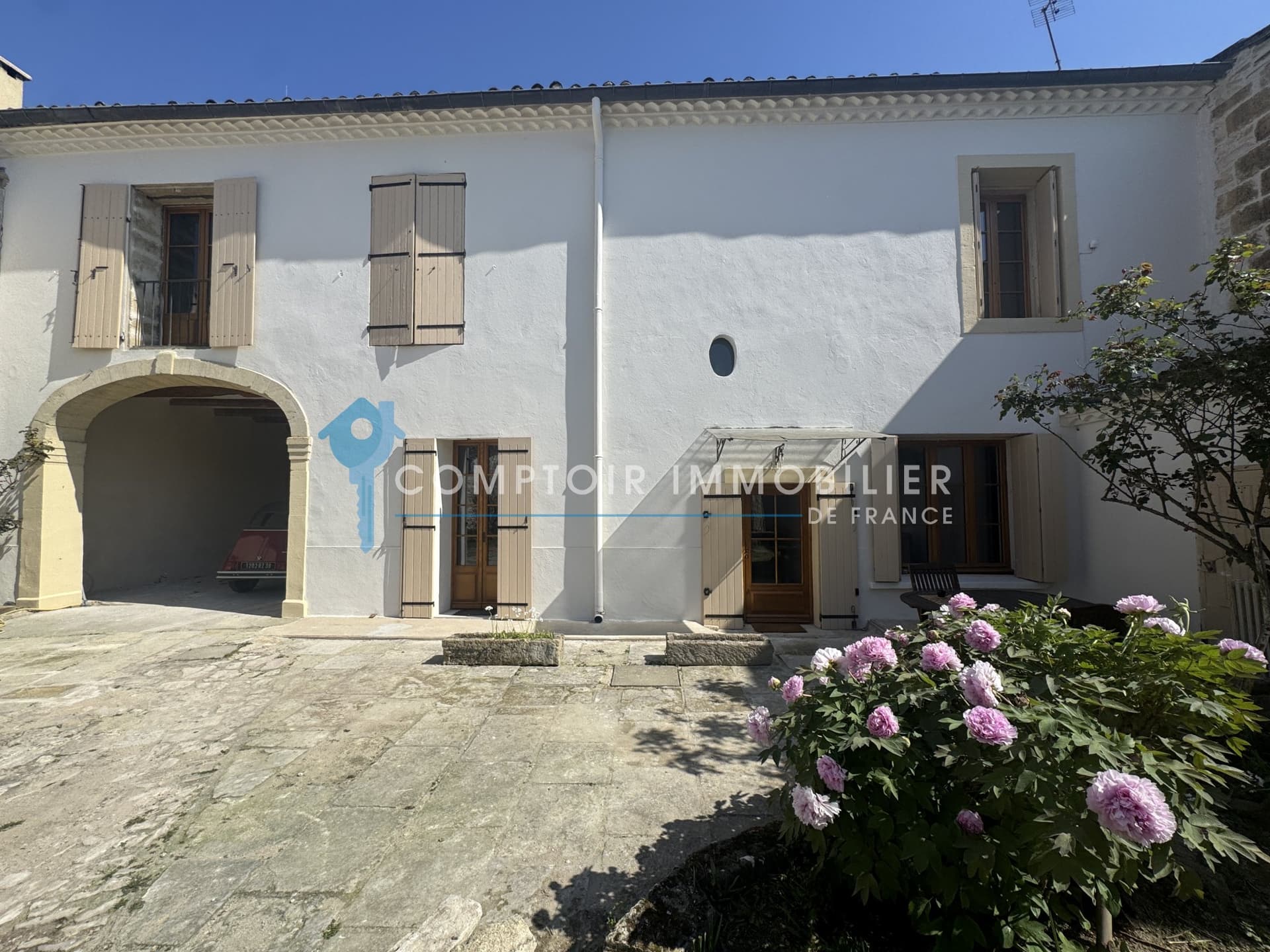
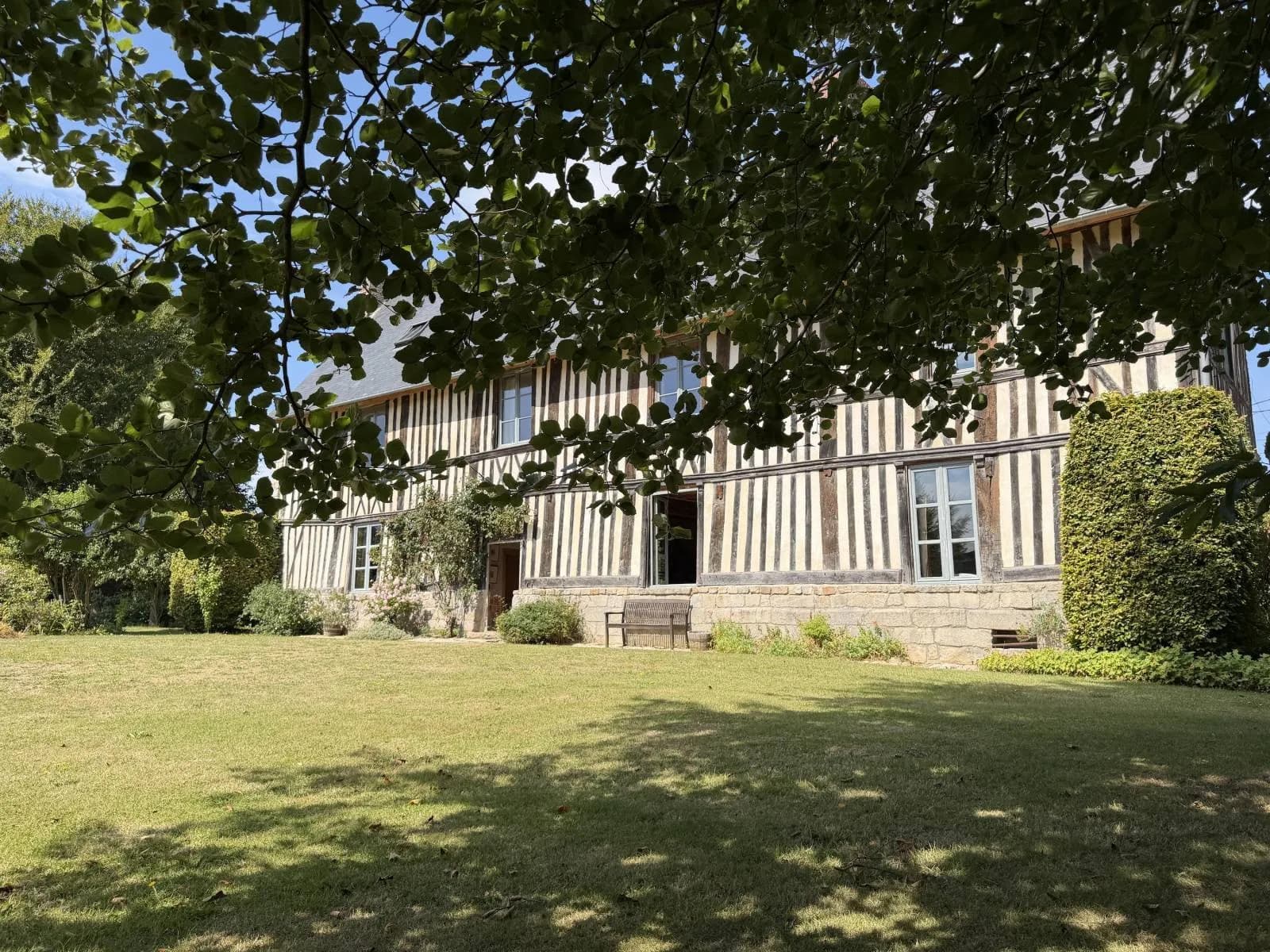
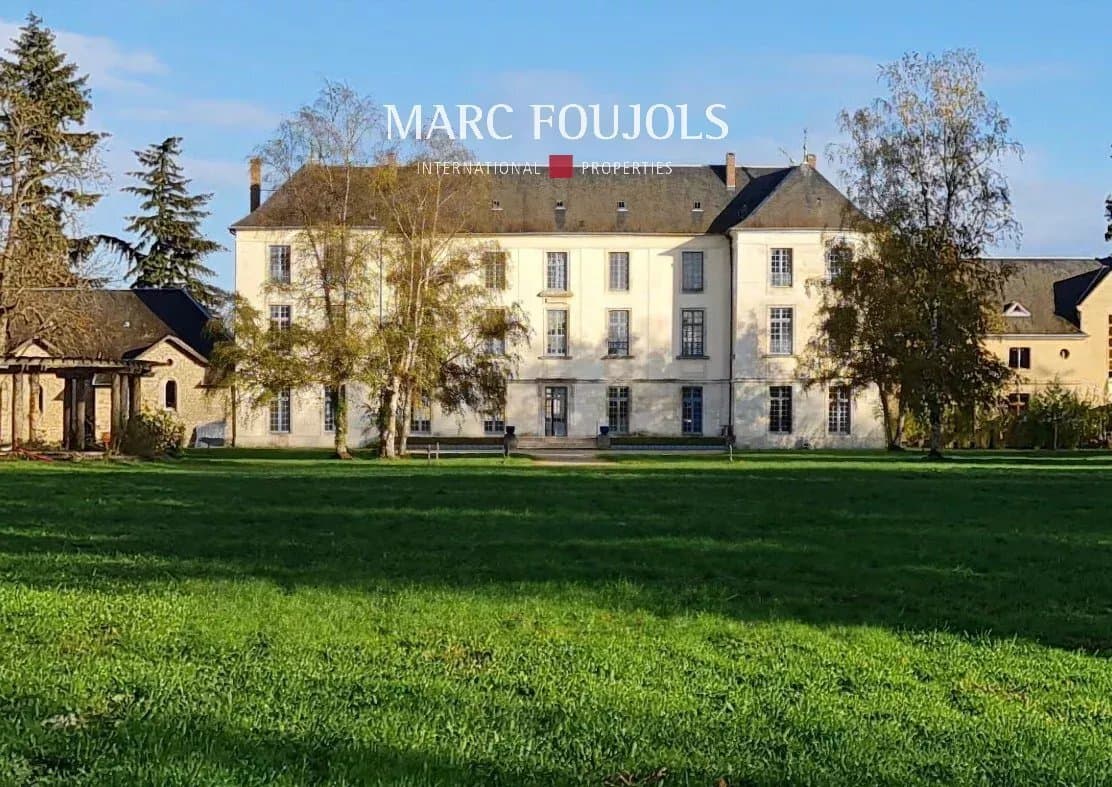
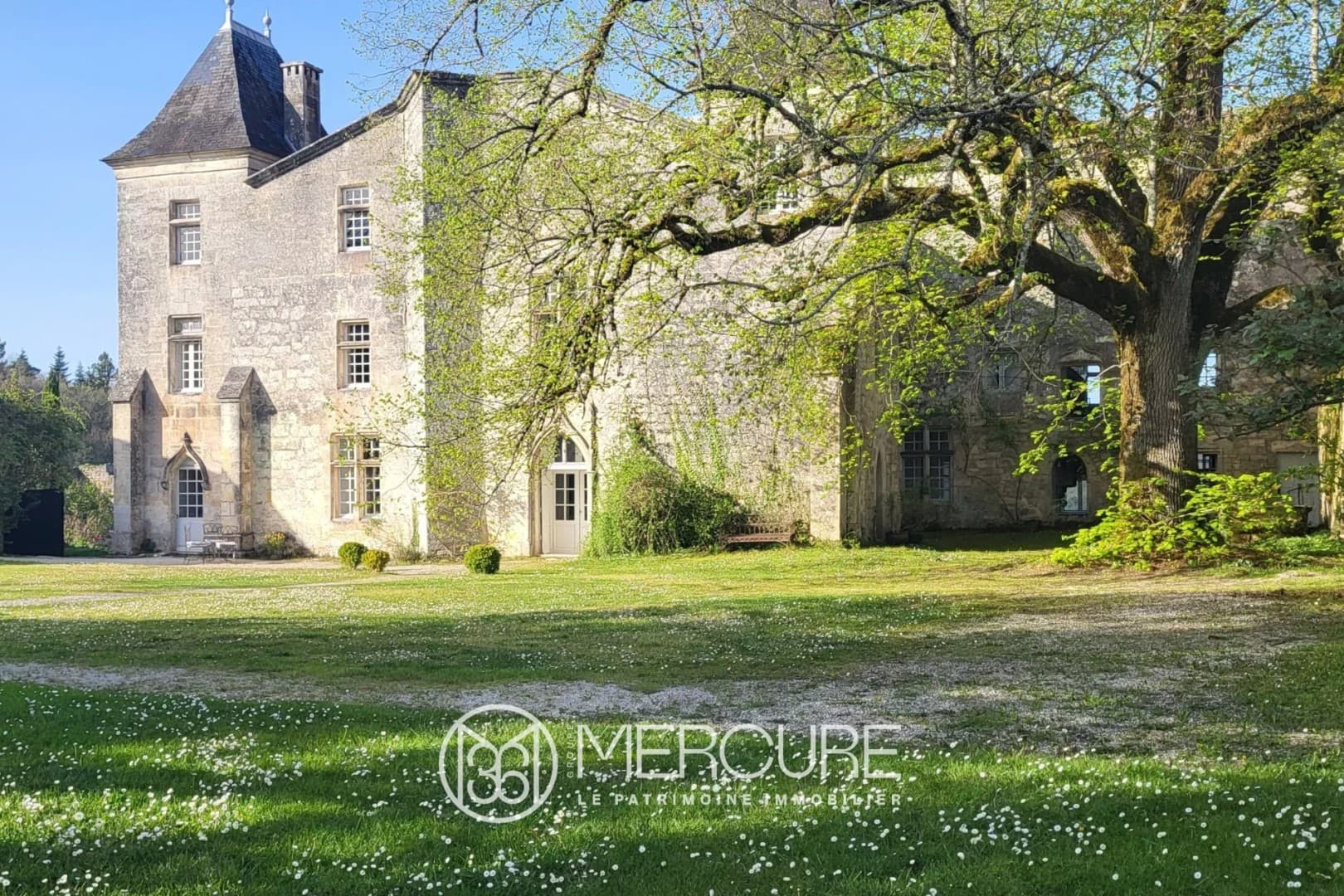
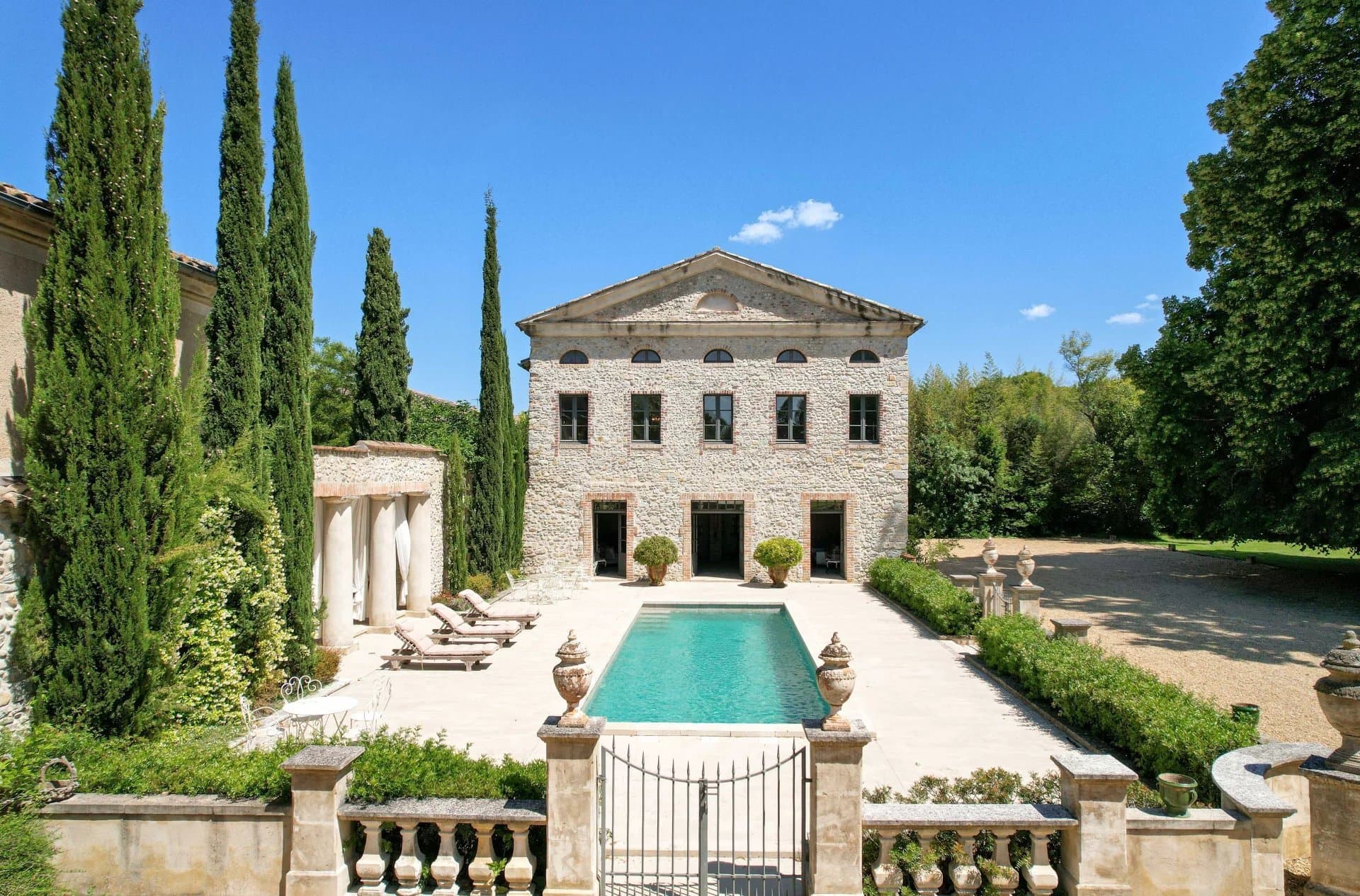
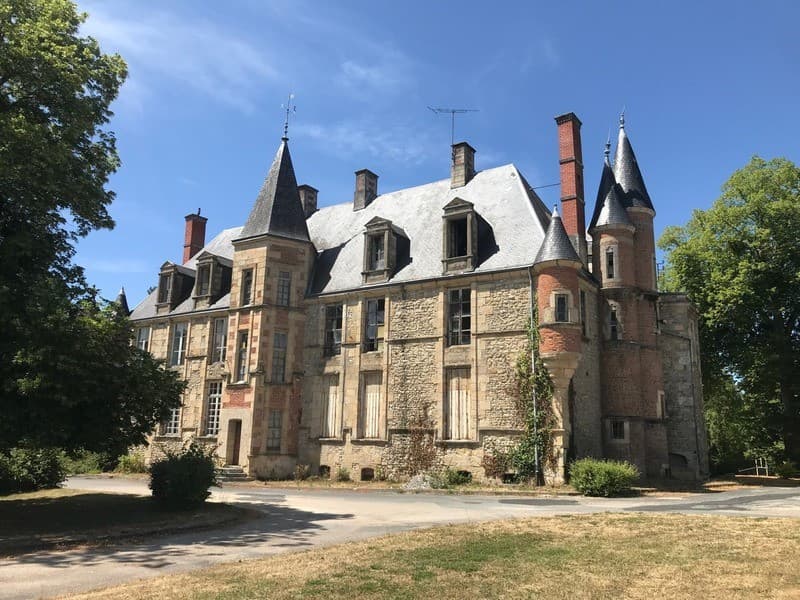
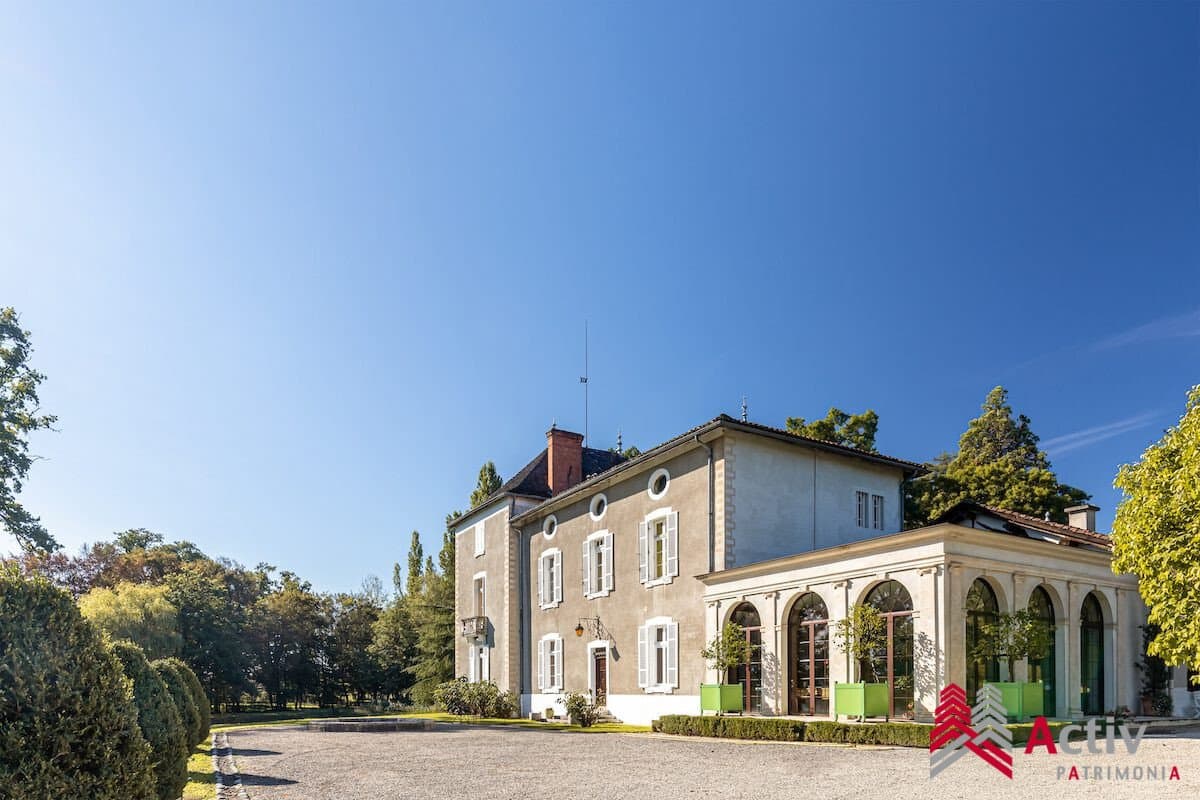
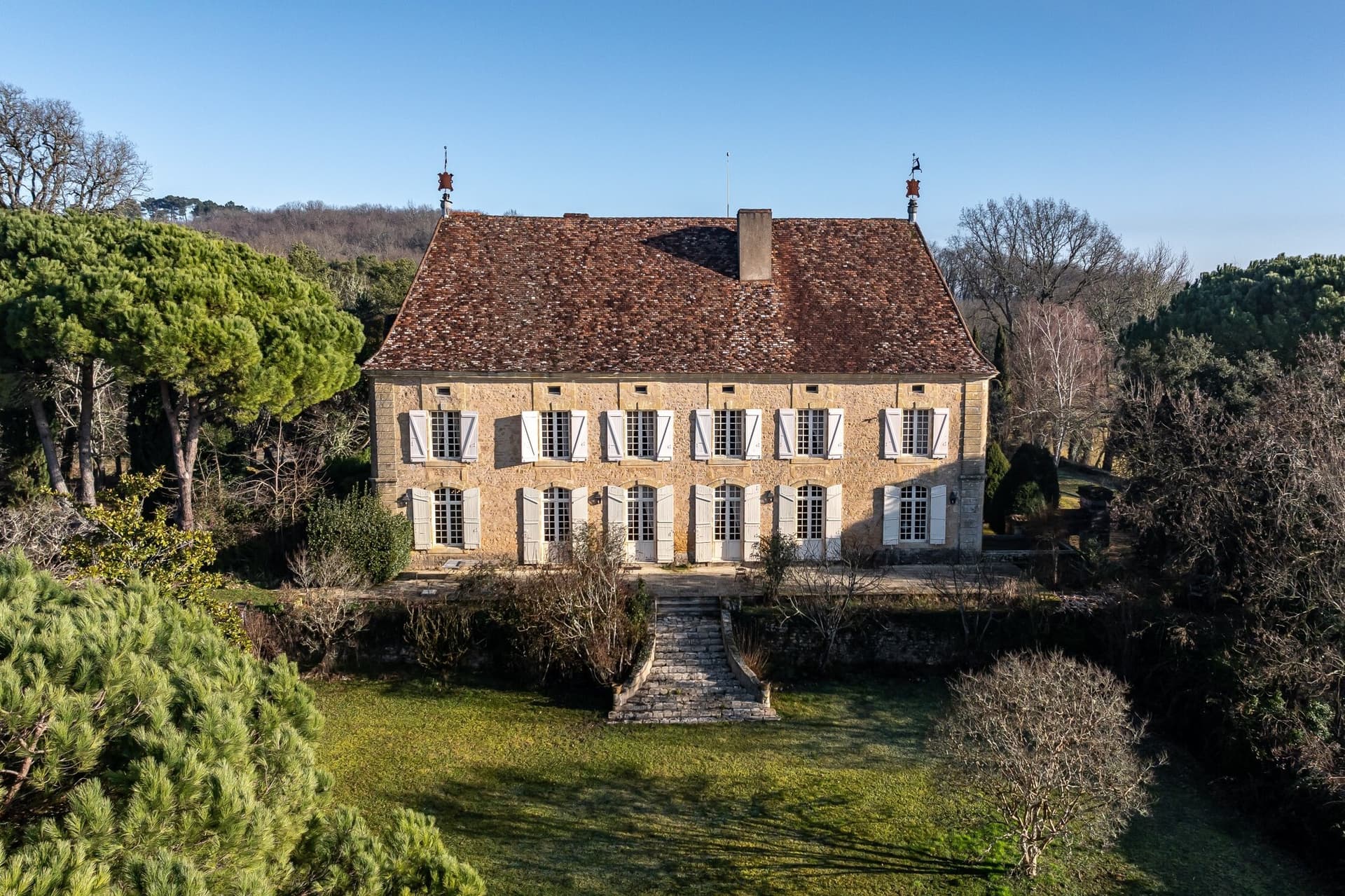
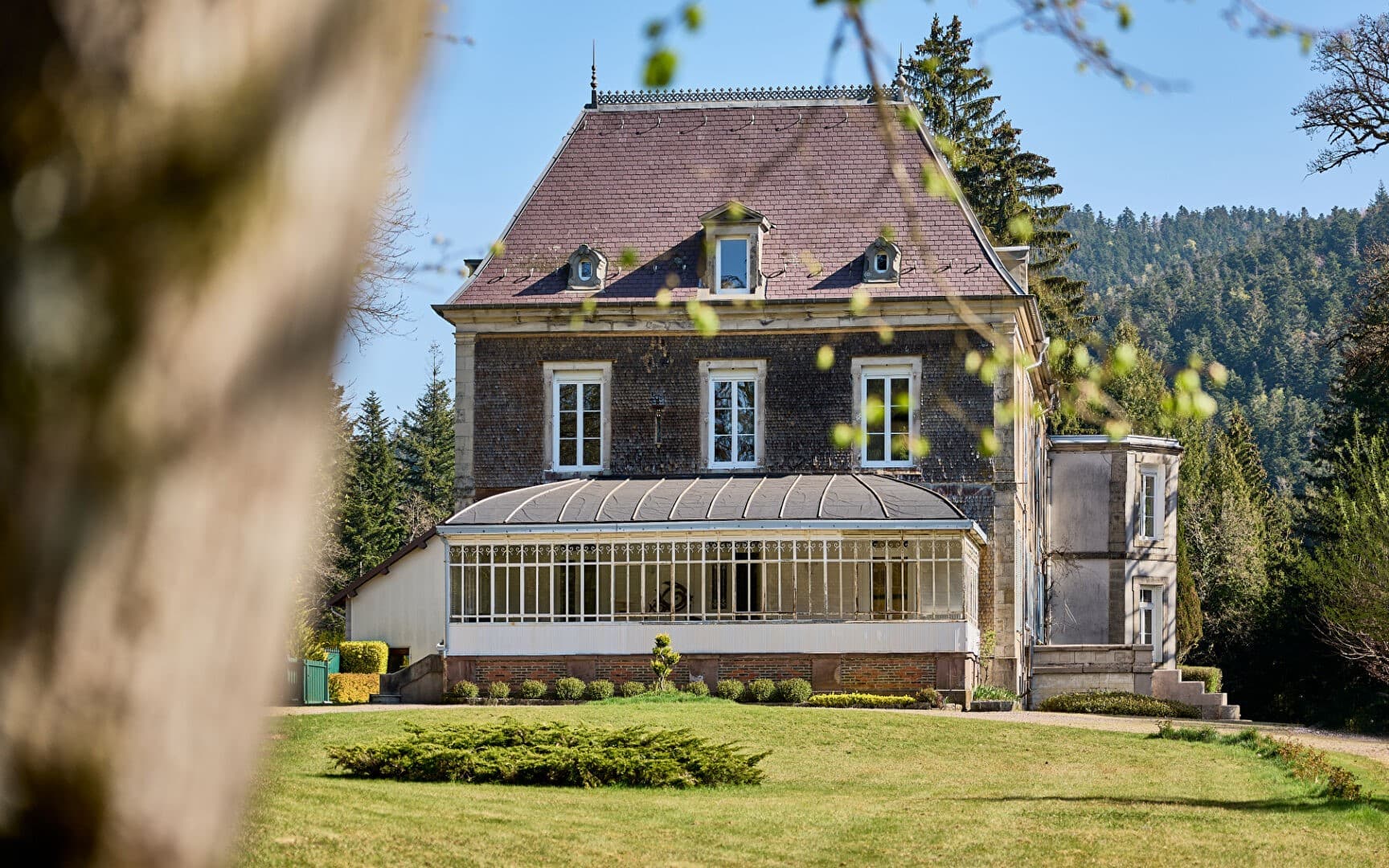
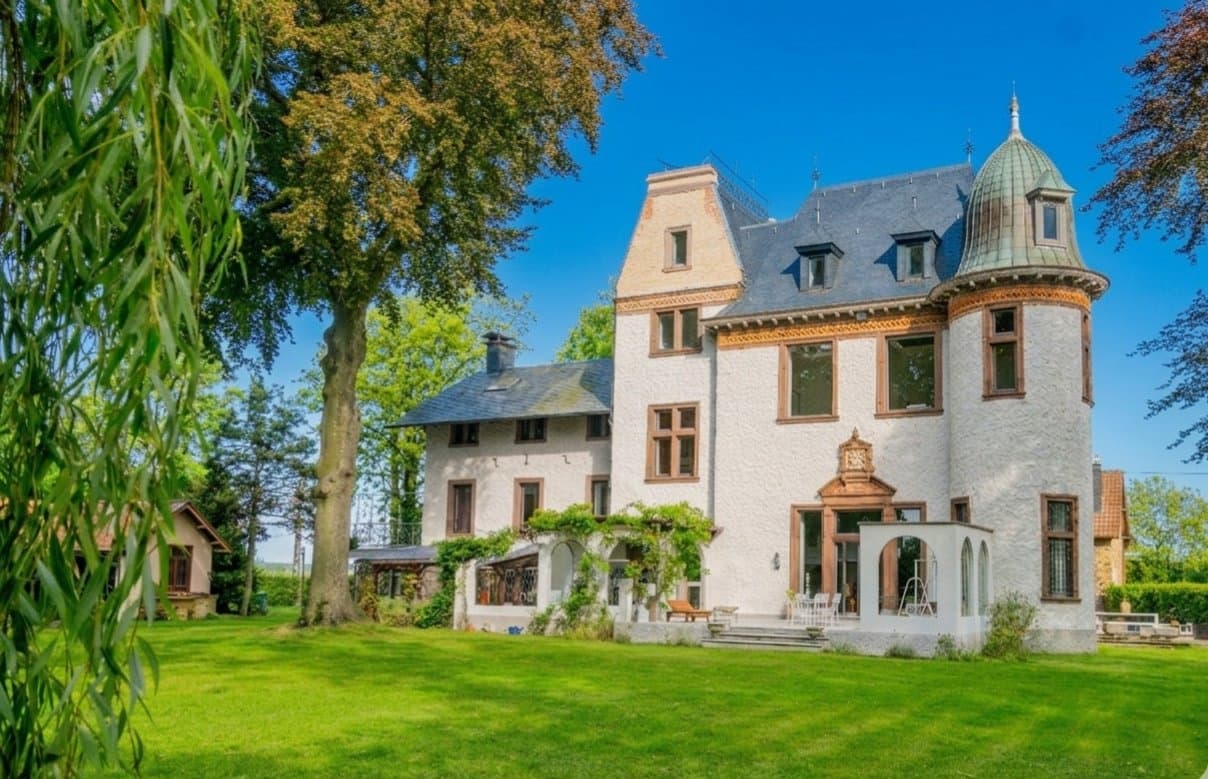
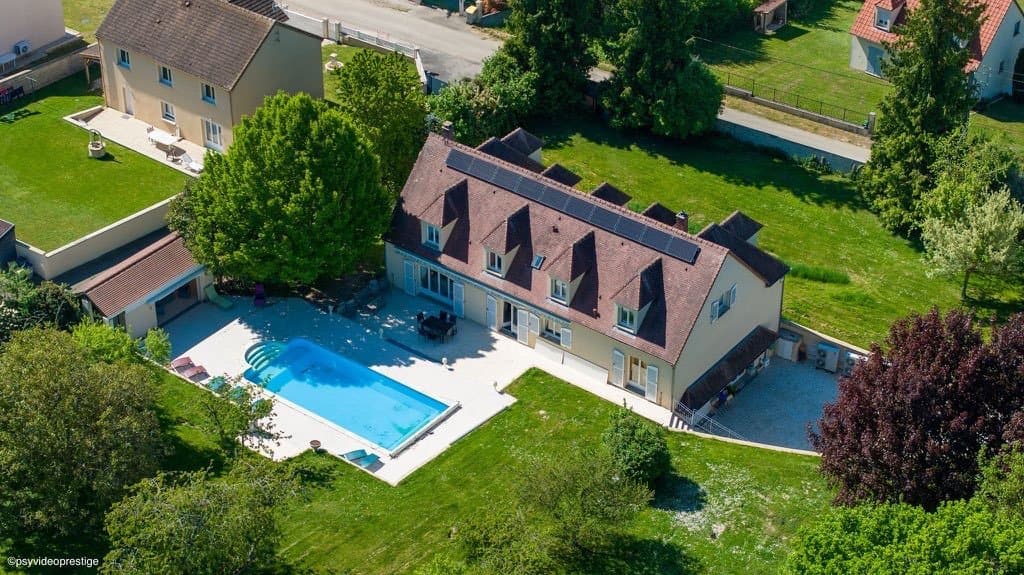
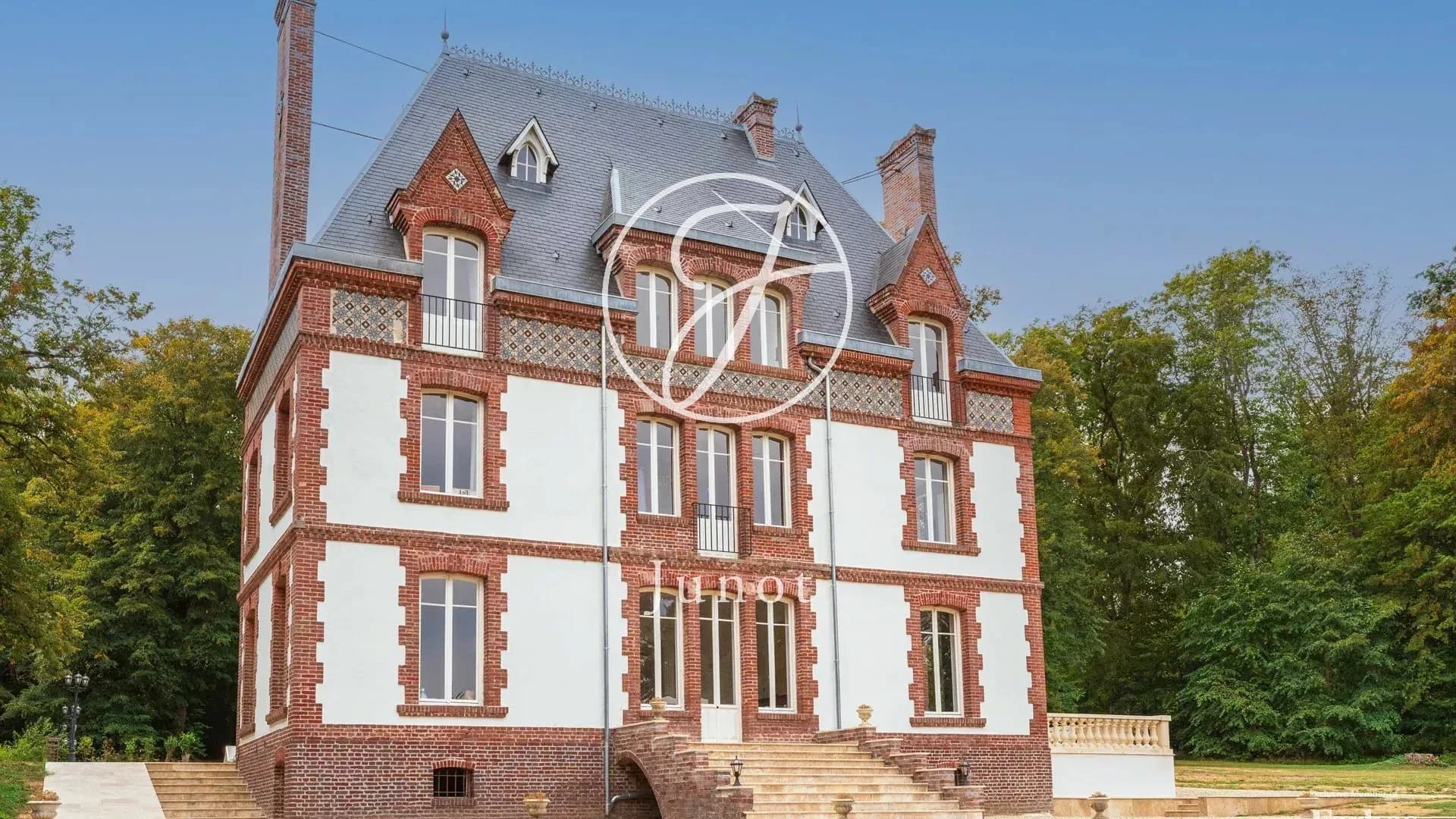
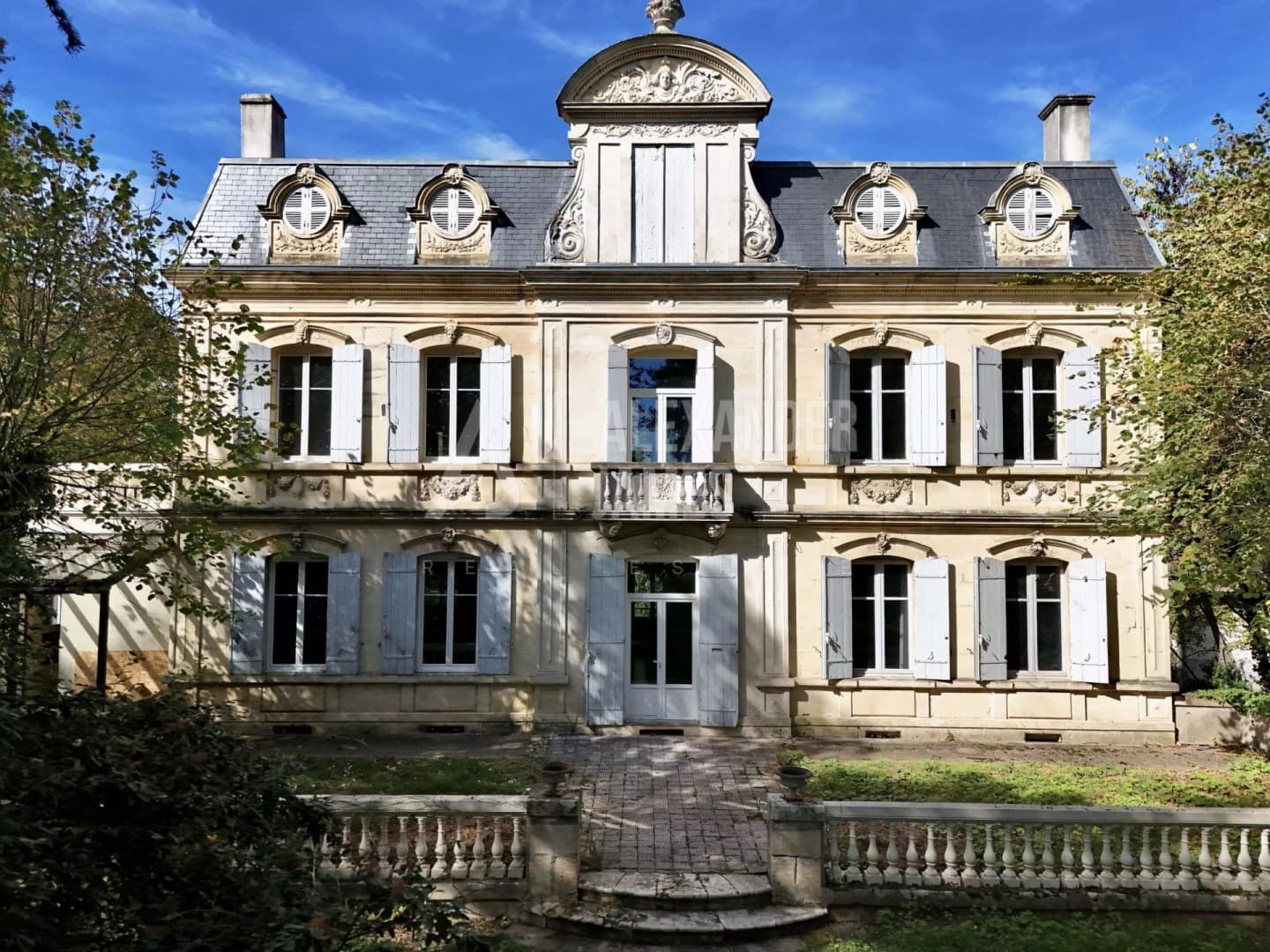
Yes, 'château' means 'castle' in French. That being said, a castle in France looks different from one in Ireland. The château in general is more of a country estate with land and a building designed for living. It's not the same as a medieval castle that has a moat and defensive walls. That being said, the term 'château' encompasses a wide range of building types. Look at the listings above: each has its own unique architecture, some more akin to the classic 'castle' and others more like a countryside palace or mansion.


















Stay informed with curated insights on market trends, tax and legal developments, and new castle investment opportunities.
By subscribing you agree to receive emails from Castle Collector. We’ll send a confirmation email first (double opt-in) and you can unsubscribe anytime. Privacy Policy