
How Many Castles Are in Ireland?
Ireland has more than 7,000 surviving tower houses, the compact fortified homes of the late Middle Ages, and the broad count rises to around 30,000 once partial ruins and fortified estate buildings…
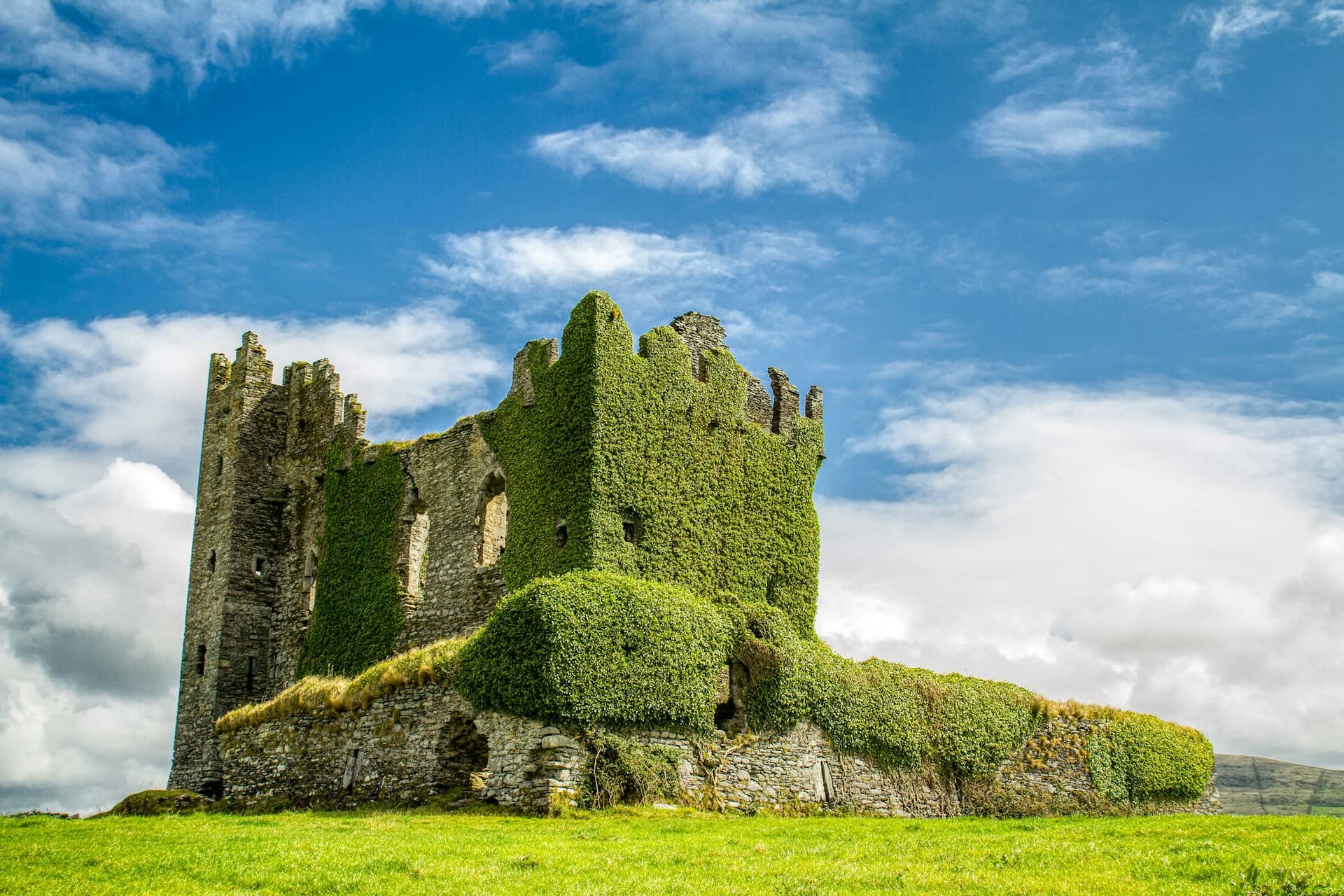
Ireland has more than 7,000 surviving tower houses, the compact fortified homes of the late Middle Ages, and the broad count rises to around 30,000 once partial ruins and fortified estate buildings are folded in.[1] For its size, that makes Ireland one of the most castle-dense places on earth. But the headline number hides a twist: almost all of these "castles" are tower houses, not the great storybook fortresses people usually picture.
The figure of 7,000-plus counts Ireland's surviving Anglo-Norman and Gaelic fortifications: standing tower houses, the tall stone strongholds still readable in the landscape even where they sit roofless in a field.[1] Widen the definition to include ruined stubs, mottes and the fortified manor houses of later centuries, and the broad count climbs toward 30,000.[1] Both numbers are real. They just answer slightly different questions.
Why Ireland has so many
The reason Ireland is so thick with castles is a single building craze that ran from the 14th to the 16th century: the tower house boom.[1]
A tower house is a tall, narrow keep of three to five storeys, defensible but liveable, designed to shelter one lord, his family and his household behind thick stone walls. After the Anglo-Norman invasion of 1169, the first castles in Ireland were the large curtain-walled type the Normans built everywhere. But by the 1400s the fashion had shifted. Gaelic Irish chiefs, Old English families and Anglo-Norman lords alike all wanted the same thing: a fortified home they could actually afford and defend with a small garrison.
Government money pushed it along. The Statute of Henry VI in 1429 offered a subsidy to anyone in the Pale, the English-controlled territory around Dublin, who built a tower of set dimensions. These became known as the "£10 castles," after the grant on offer. The scheme worked almost too well. Across the island, lord after lord raised a tower, and the result is the densest concentration of late-medieval fortified homes in Europe.
You can see how lopsided the distribution is in one county. County Limerick alone carries roughly 400 surviving tower houses, the highest single-county density in the country and probably in Europe.[1] Most of them were never grand. They were the working homes of the minor gentry, which is exactly why so many survive: there were thousands to begin with.
Tower houses, not the storybook kind
This is the point that trips up the count. When people imagine an Irish castle, they picture a sprawling fortress with curtain walls, round towers and a great gatehouse. A handful of those exist, and they are magnificent. But they are the exception. The 7,000 number is overwhelmingly tower houses: a single tall block, sometimes with a small walled yard (a bawn) attached, and not much else.
So Ireland does not have 7,000 versions of the castle on a tourist poster. It has 7,000 fortified stone homes, plus a smaller number of the great Anglo-Norman castles laid down in the first wave of conquest. Holding the two ideas apart is the whole trick to understanding the figure. Ireland's huge total is a story about how ordinary lords lived, not about how kings waged war.
Six Irish castles worth knowing
A short tour of the famous names shows both kinds, the tower house and the great fortress, side by side.
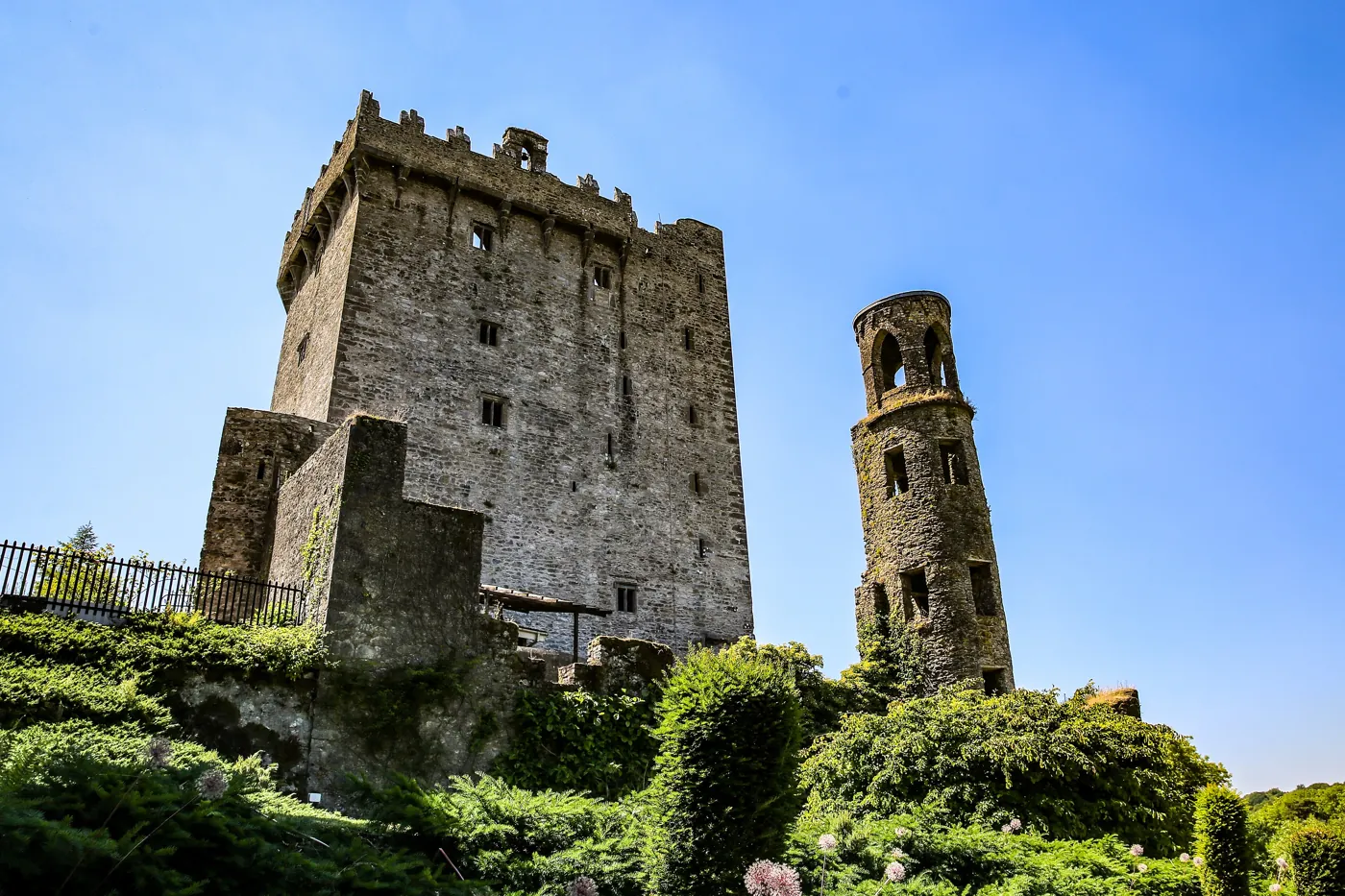
Blarney Castle, County Cork. The most visited castle in Ireland and a textbook tower house, built in 1446 by the MacCarthy dynasty. Visitors lean backwards over the parapet to kiss the Blarney Stone for "the gift of the gab."[2]
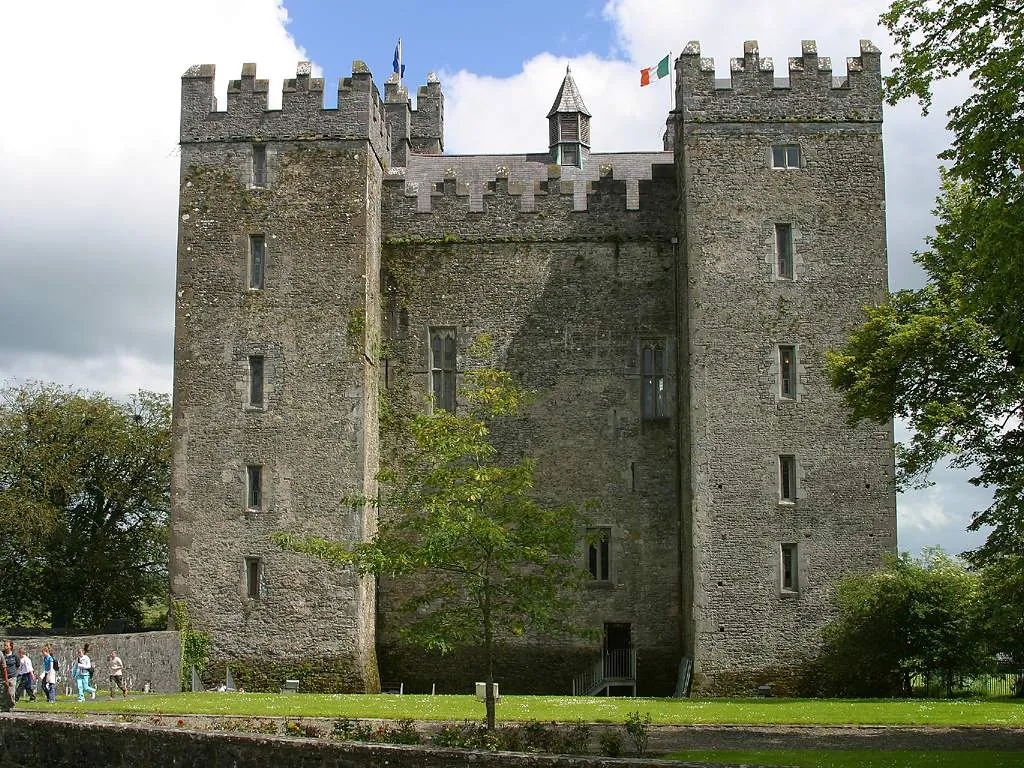
Bunratty Castle, County Clare. The most complete and authentically furnished medieval tower house in Ireland, raised around 1425. Its medieval banquet evenings and adjoining folk park draw hundreds of thousands a year.
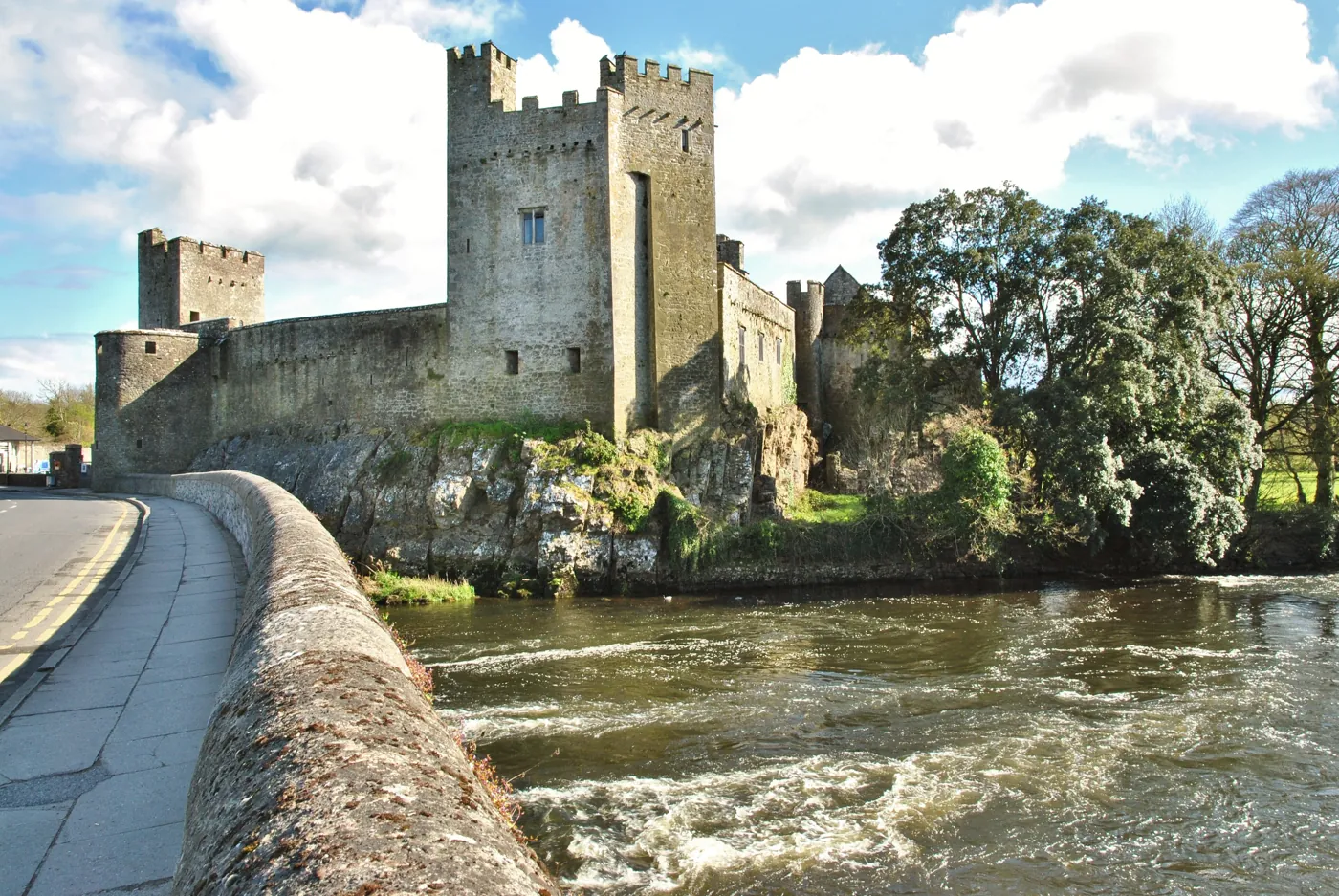
Cahir Castle, County Tipperary. A 13th-century Butler stronghold on an island in the River Suir, one of the largest and best-preserved castles in Ireland in its original fabric.
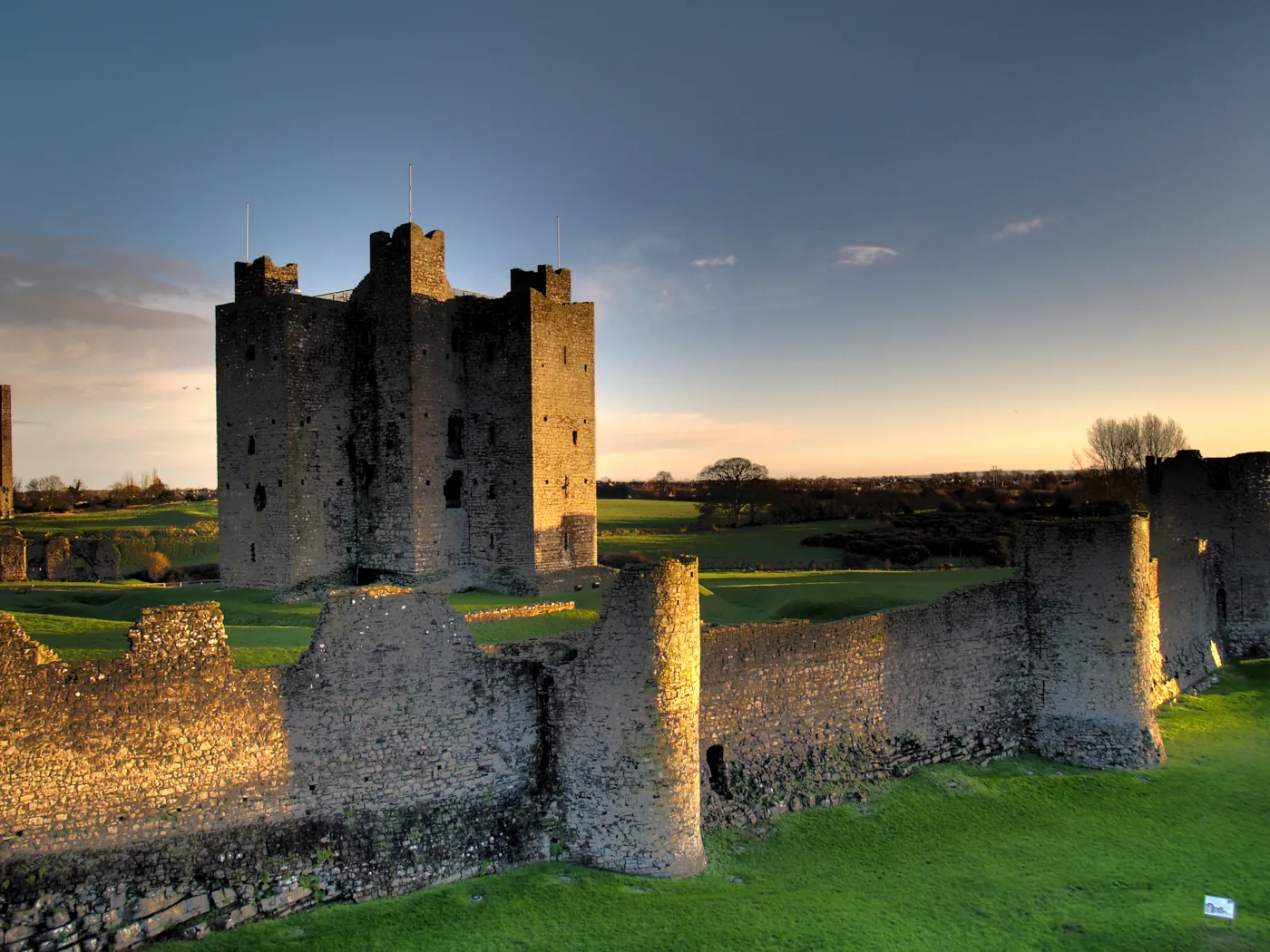
Trim Castle, County Meath. The largest Anglo-Norman castle in Ireland, begun in 1173 by Hugh de Lacy, with a rare 20-sided keep.[1] This is the great curtain-walled kind, and it stood in for medieval England in the film Braveheart.
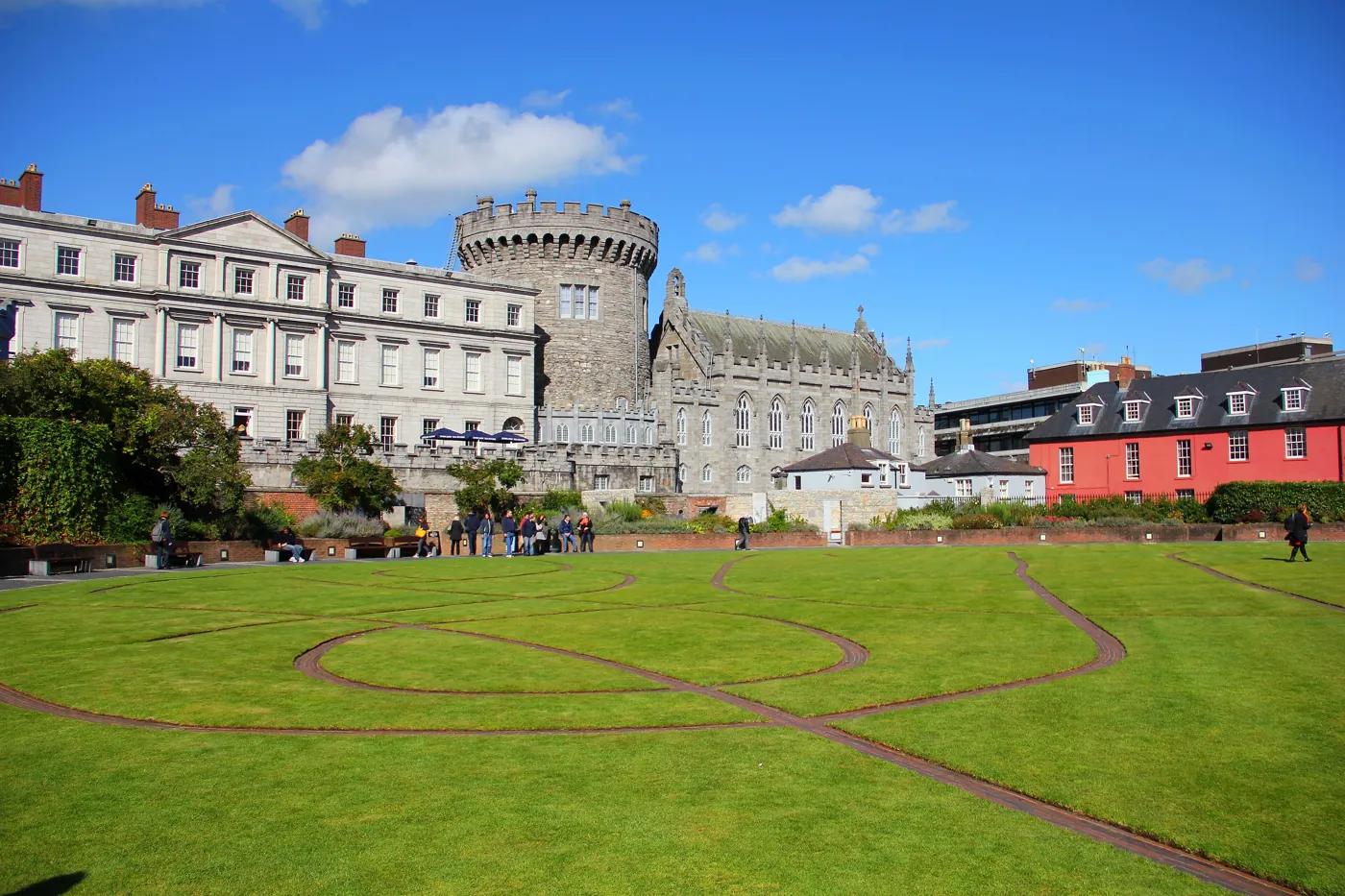
Dublin Castle, central Dublin. Founded in 1204 and the seat of British rule in Ireland for seven centuries, until the 1922 handover to the Irish Free State. More a fortified government complex now than a medieval fortress, but castle history runs right through it.
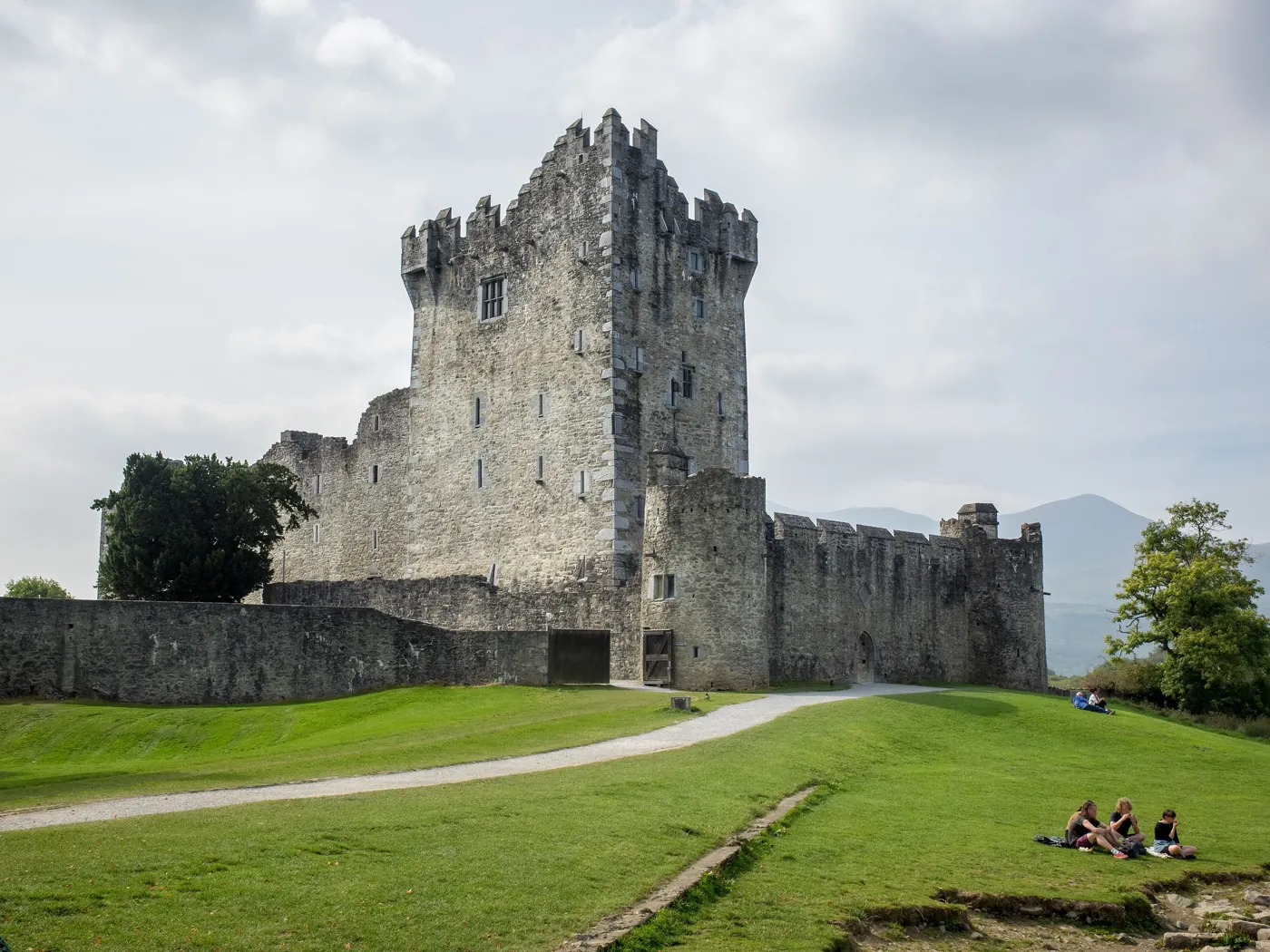
Ross Castle, Killarney, County Kerry. A 15th-century O'Donoghue tower house on the shore of Lough Leane, and one of the last strongholds in Munster to fall during the Cromwellian campaign.
Put those six together and the pattern is clear. Trim is the great fortress; Blarney, Bunratty and Ross are the tower houses that make up the bulk of the count; Cahir and Dublin sit somewhere in between. The famous handful are outnumbered many times over by the unnamed towers standing quietly in fields across Munster and Leinster.
Where to see them and where to buy one
Most of the well-known castles are easy to visit. The Office of Public Works runs Trim, Cahir, Dublin Castle and many more as heritage sites, while Blarney, Bunratty and Ross are open to the public year-round. For a wider route through the country's castle regions, our guide to castles in Ireland maps where the survivors cluster and which ones are worth the detour.
A surprising number of these towers are also privately owned, and some come up for sale. Ireland has one of the most open markets in Europe for heritage buyers: no purchase restrictions, low stamp duty, and generous restoration grants for protected structures. Browse what is on the market in our Irish castles for sale listings.
And if you are weighing Ireland's tower-house total against the rest of the continent, see how it stacks up in which country has the most castles. Ireland never tops the raw count, but for fortified homes per square mile, few places come close.
Sources
1. McNeill, T. E. Castles in Ireland: Feudal Power in a Gaelic World. Routledge, 1997.
2. Adams, C. L. Castles of Ireland: Some Fortress Histories and Legends. Elliot Stock, 1904.