
How Many Castles Are in France?
France has roughly 45,000 castles and châteaux under the broad definition, the largest figure of any country in Europe.
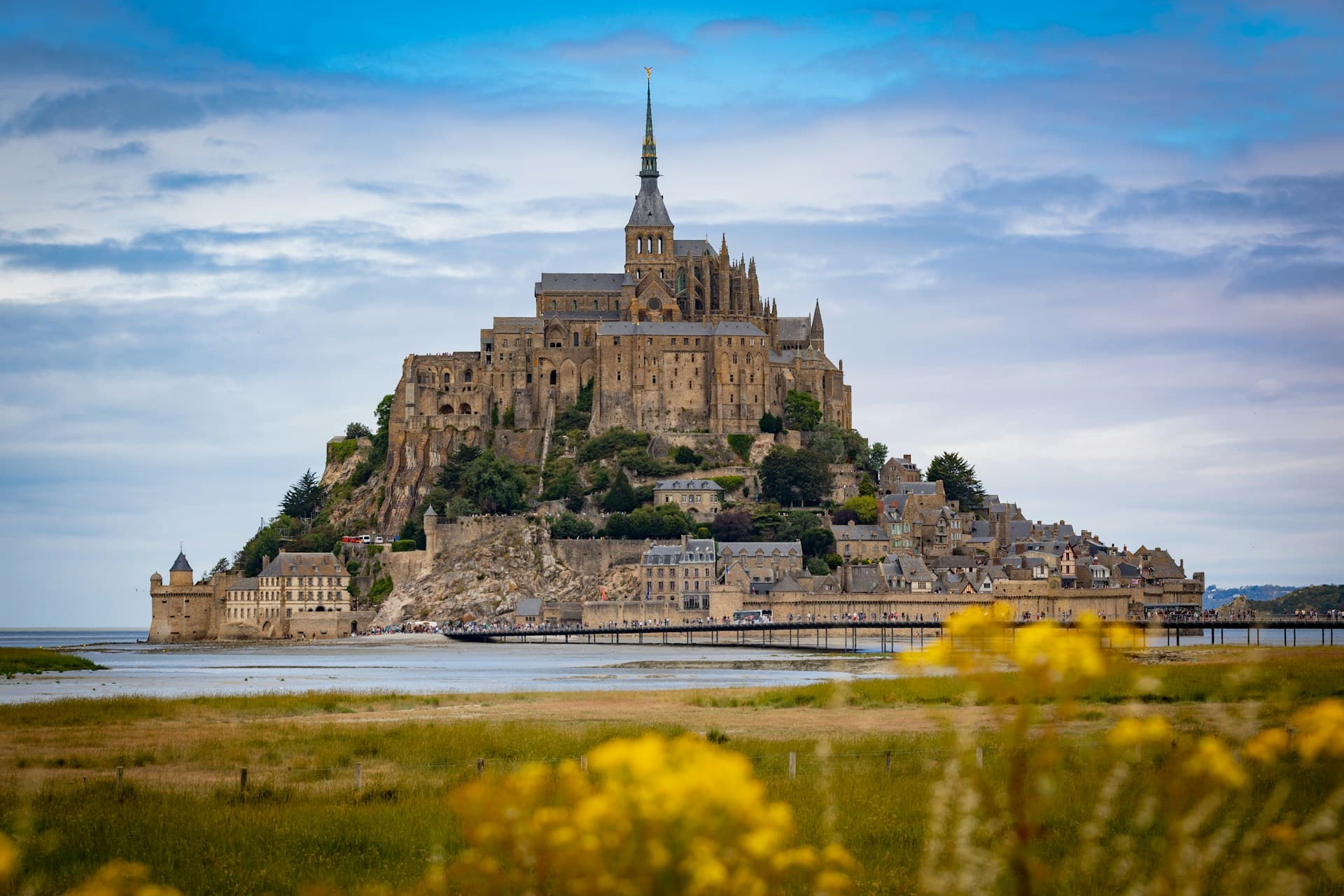
France has roughly 45,000 castles and châteaux under the broad definition, the largest figure of any country in Europe. Count strictly, using the national heritage register, and the number settles at 19,122, with 6,500 to 7,000 of those carrying full Monument Historique protection.[1] The wide gap between those two numbers is the whole story: France kept building grand fortified-looking houses for centuries after castles stopped being useful in war, which is why the country is so thick with them.[2]
The short answer, and why the count varies
The reason you will see 45,000 in one place and 19,000 in another comes down to what counts. The broad figure sweeps in every castle and château across the country, from a ruined medieval keep to a Renaissance country house with crenellations added for show. The strict figure comes from the Mérimée register, the official list of heritage-protected buildings kept by the Ministère de la Culture, which records 19,122 castle-classified entries. A smaller subset, 6,500 to 7,000, holds full Monument Historique status, the top tier of legal protection.[1]
None of these numbers are wrong. They answer slightly different questions. If you want to know how many castle-like buildings stand in France today, 45,000 is closest. If you want the protected, documented heritage count, 19,122 is the figure historians and the state actually use.[1]
Why France has so many
France has more of these buildings than anywhere else because the château never stopped being built. In most of Europe, the castle was a product of one rough period: lords needed walls, towers and a defensible keep, and once gunpowder made those defences pointless, the building stopped. France did something different. Long after castles lost their military value, French nobles kept raising fortified-looking country seats through the Renaissance and well beyond, treating the silhouette of a castle as a statement of rank rather than a means of survival.[2]
This is why the Loire Valley is wall-to-wall with them. Under the Valois kings, the medieval château, a sealed defensive retreat, opened up into a country house set among gardens and water. The towers and turrets stayed because they signalled noble blood, but the arrow slits gave way to tall windows and the moats became ornamental.[2] A wave of aristocratic wealth poured into stone, and the result is a density of grand houses that no other country matches.
Château fort or château: two different buildings
The French word château causes most of the confusion for English speakers, because it covers two things that look related but are not the same.
A château fort is a genuine fortress: a medieval stronghold built for defence, with thick curtain walls, a keep and a dominant hilltop position. This is the "castle" an English speaker pictures.
A château without the fort is a country palace, usually Renaissance or later, built for comfort and display rather than defence.[2] Versailles is the extreme case. It looks nothing like a fortress and was never meant to hold off an army.
Both fall under the broad 45,000 figure, which is exactly why that number runs so far ahead of every other country in Europe.[1] France is counting palaces alongside fortresses.
Six famous ones, fortress and palace
A handful of names carry the whole story between them.
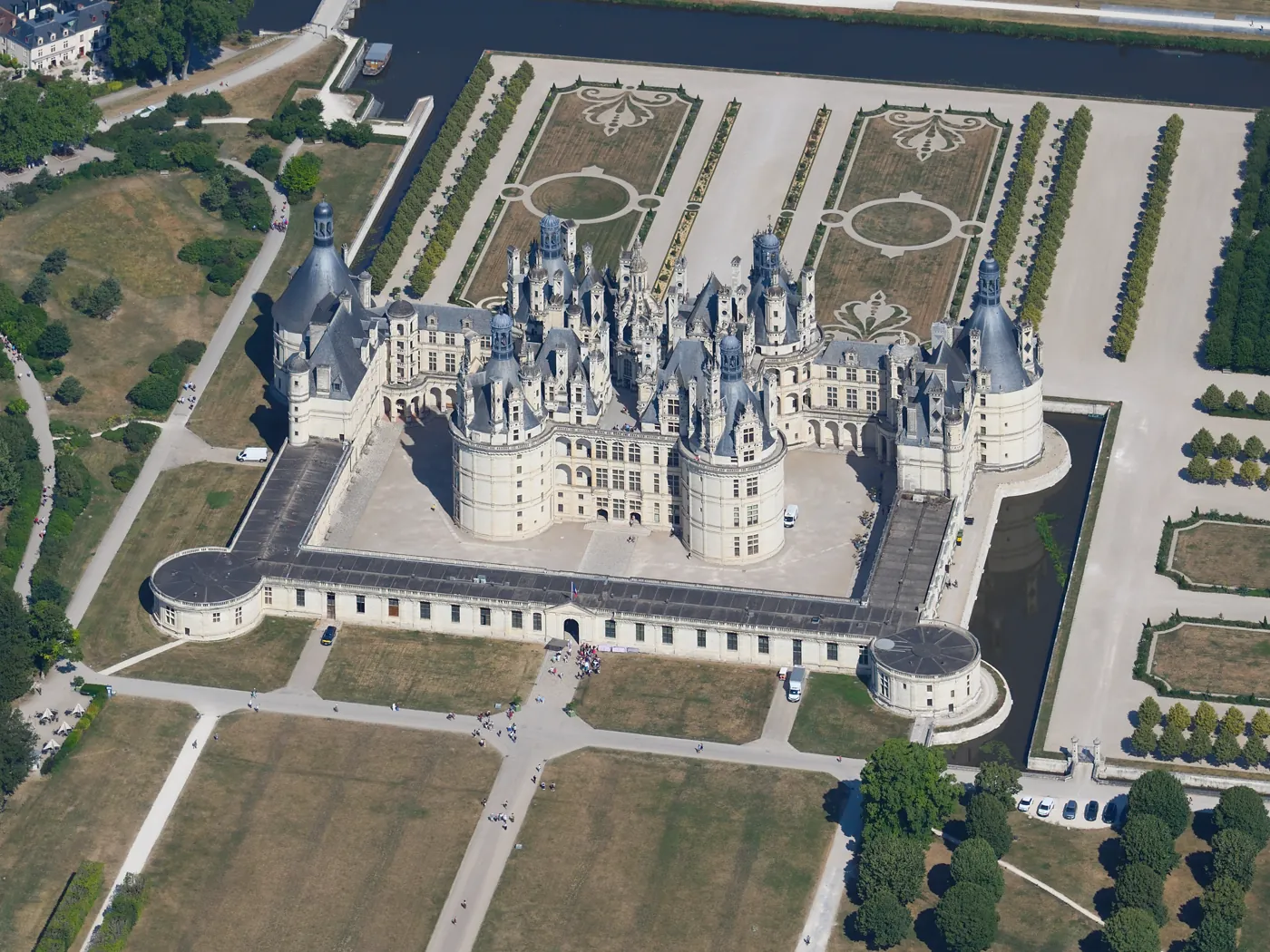
Château de Chambord is the largest of the Loire châteaux and the boldest French Renaissance commission, lost in its own forest 110 miles south of Paris. It has more than 400 rooms, 282 chimneys and a double-helix staircase widely linked to Leonardo da Vinci. It was built for spectacle, not war.
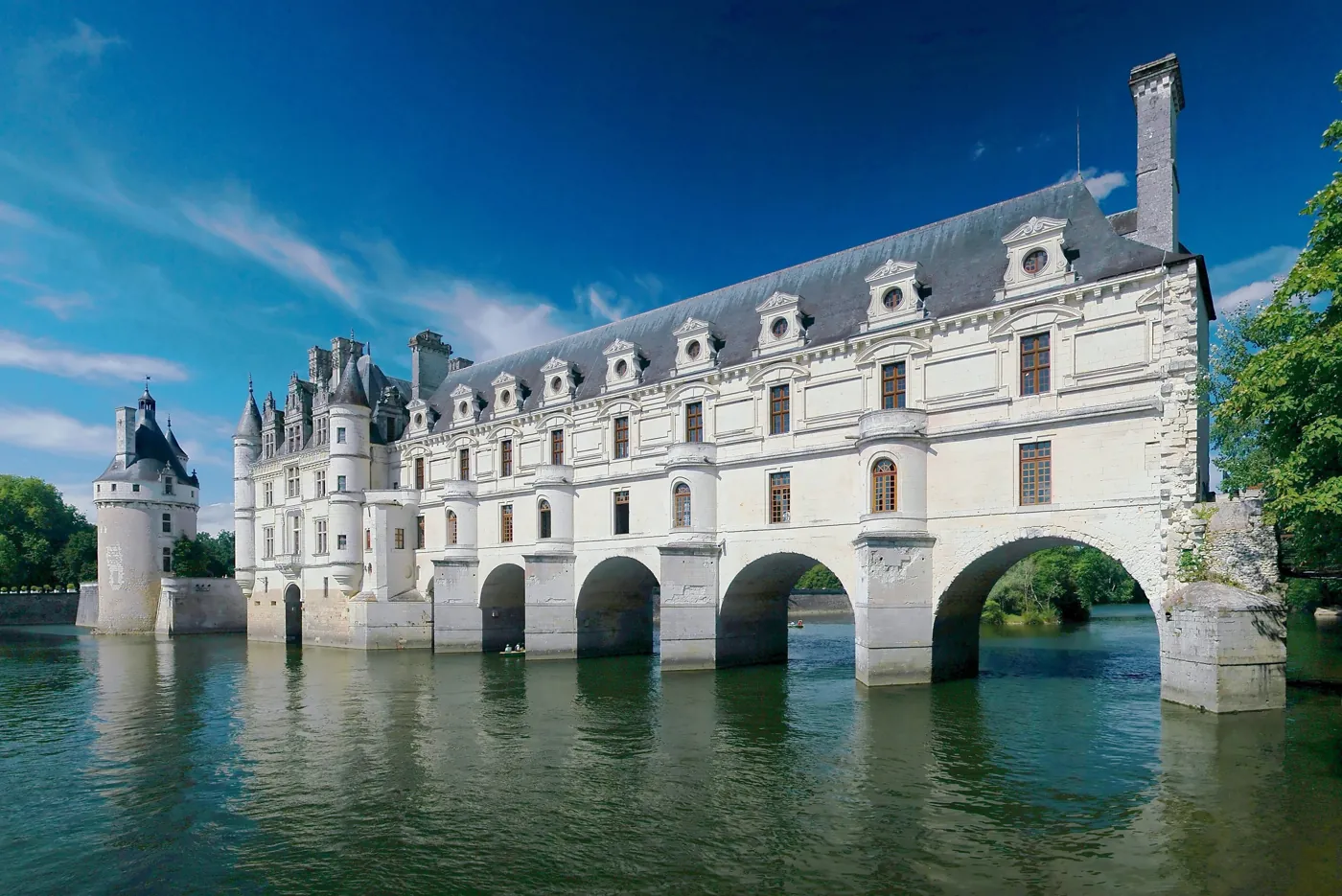
Château de Chenonceau, the "ladies' château", arches across the River Cher on a five-span gallery. Shaped by a run of royal mistresses including Diane de Poitiers and Catherine de' Medici, it is the most photographed Loire silhouette after Chambord.
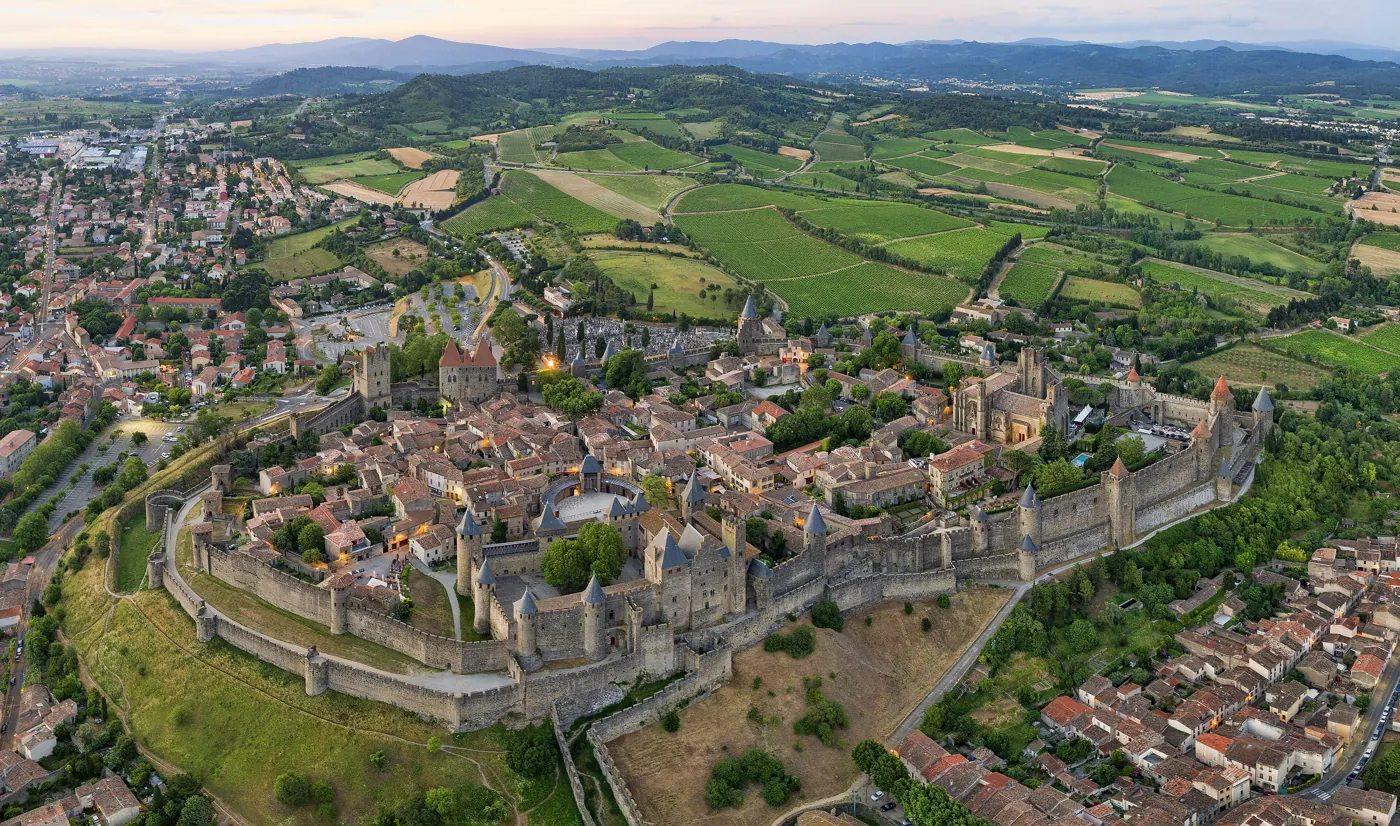
Carcassonne is the opposite kind of building: a walled medieval fortress city in the south, ringed by 52 towers and double curtain walls. It is the most-visited fortified town in Europe and the clearest surviving picture of what a defensive château fort meant at full scale.
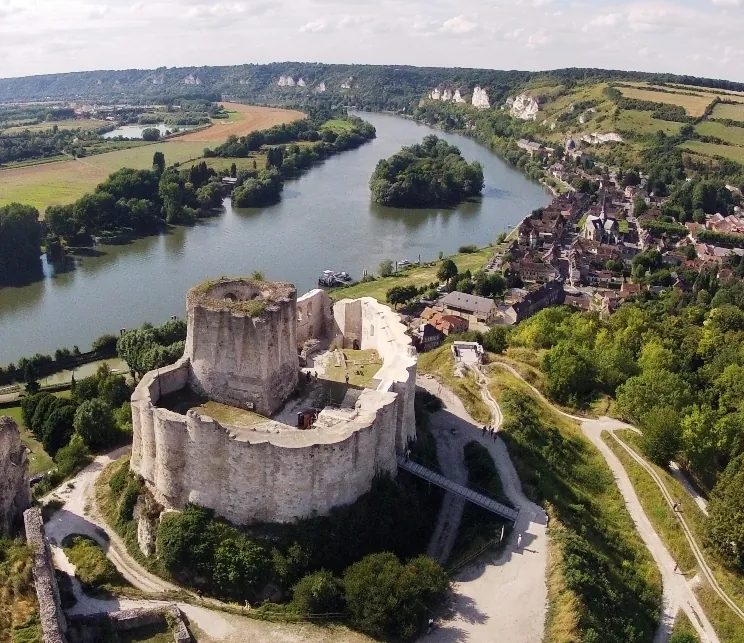
Château Gaillard, Richard the Lionheart's clifftop fortress above the Seine in Normandy, is a pure war machine, now a dramatic ruin. It sits at the medieval end of the spectrum, every bit of it built to repel an attack.
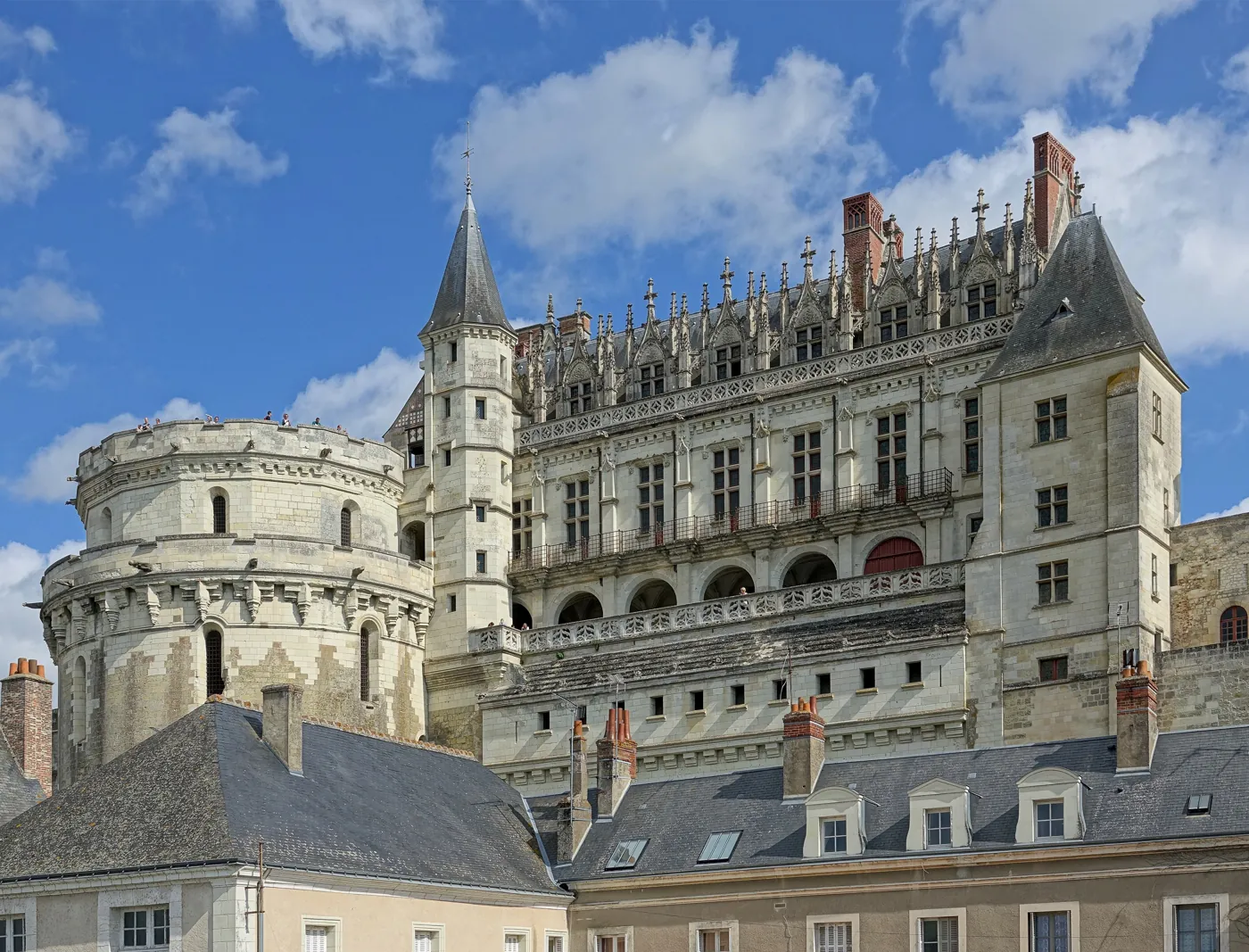
Château d'Amboise was the royal home of Charles VIII, Louis XII and Francis I, perched above the Loire. Leonardo da Vinci is buried in its chapel, having died nearby at Clos Lucé in 1519. It marks the moment the fortress was turning into the palace.
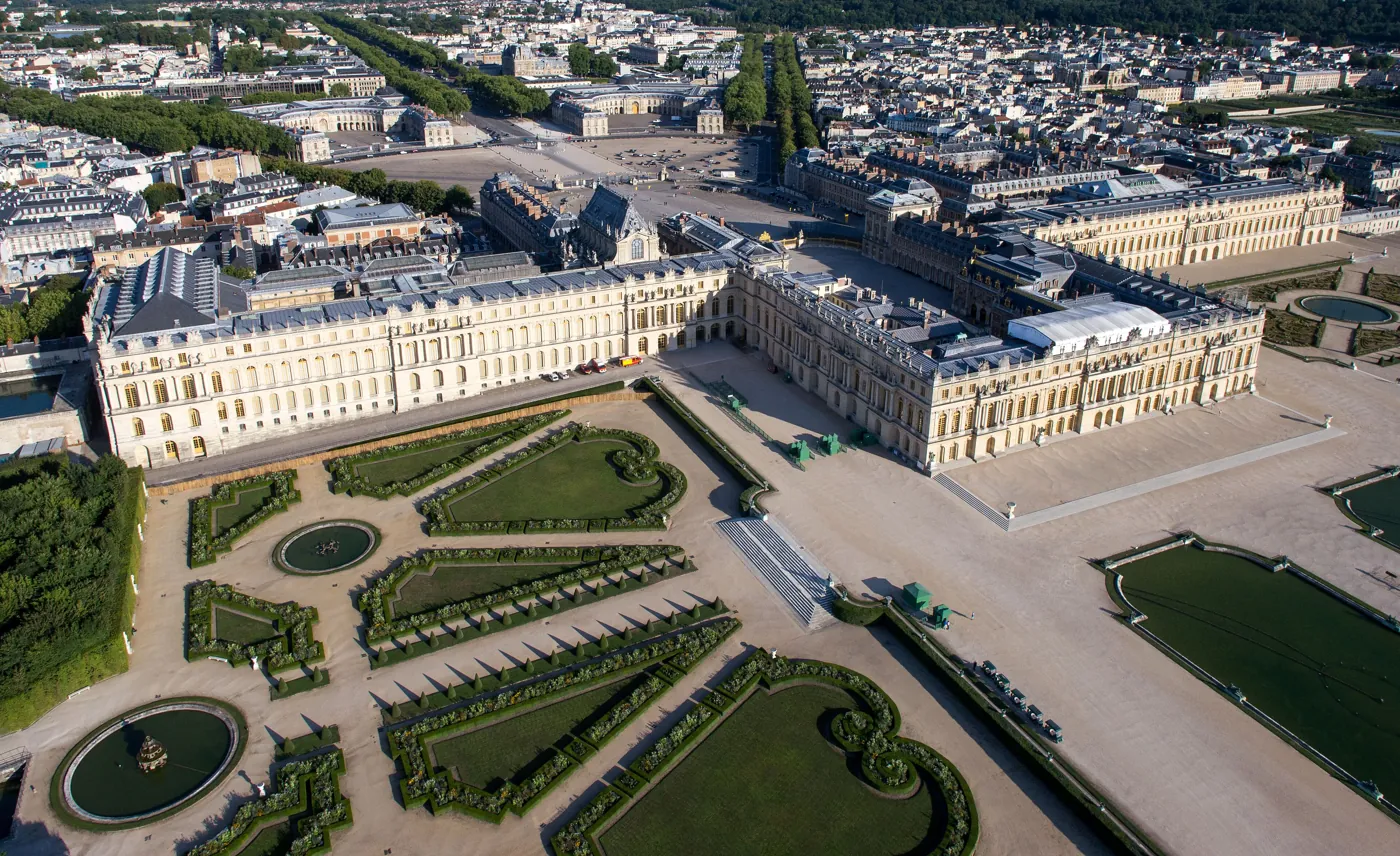
Versailles, finally, is the building people most often miscall a castle and never really was. Louis XIV turned a hunting lodge into the largest royal palace in Europe, 2,300 rooms set in 800 hectares of gardens. It is a palace through and through, and it shows how far the French château travelled from its fighting origins.
The spread runs the full length of French history: Château Gaillard and Carcassonne at the fortress end, Chambord and Chenonceau in the Renaissance middle, Versailles at the palace end. No single king built more of these than Francis I, who raised twelve châteaux across his reign, more than any other French monarch.[2]
The deepest castle market in Europe
All that history left France with something practical: by far the largest pool of castles and châteaux you can actually buy. France is the deepest castle-and-château market in Europe by every measure, accounting for roughly 67% of the European castle for-sale market by listing volume. At any given time the country carries close to a thousand active listings, from hilltop ruins in the Dordogne from around €600,000 to fully restored Loire showpieces.
It is also the most open and transparent market on the continent. There are no purchase restrictions for foreign buyers, transaction costs run about 7 to 8%, and fewer than 5% of listings hide their price. The famously generous Monument Historique tax framework can offset a large share of approved restoration costs, which is part of why so many British, American and Australian buyers end up here rather than anywhere else.
If you want to go deeper, see what is currently for sale in France, read the full France location guide, or walk through the practicalities in our guide to buying a French château. For how France stacks up against the rest of the continent, see which country has the most castles.
Sources
1. Base Mérimée, Ministère de la Culture, France. https://www.pop.culture.gouv.fr
2. Fenwick, Hubert. The Châteaux of France. Allen Lane, 1976.