
Are Castles a Good Investment?
Are castles a good investment? We put the only registry-verified castle resales up against the S&P 500. The result surprises most buyers.
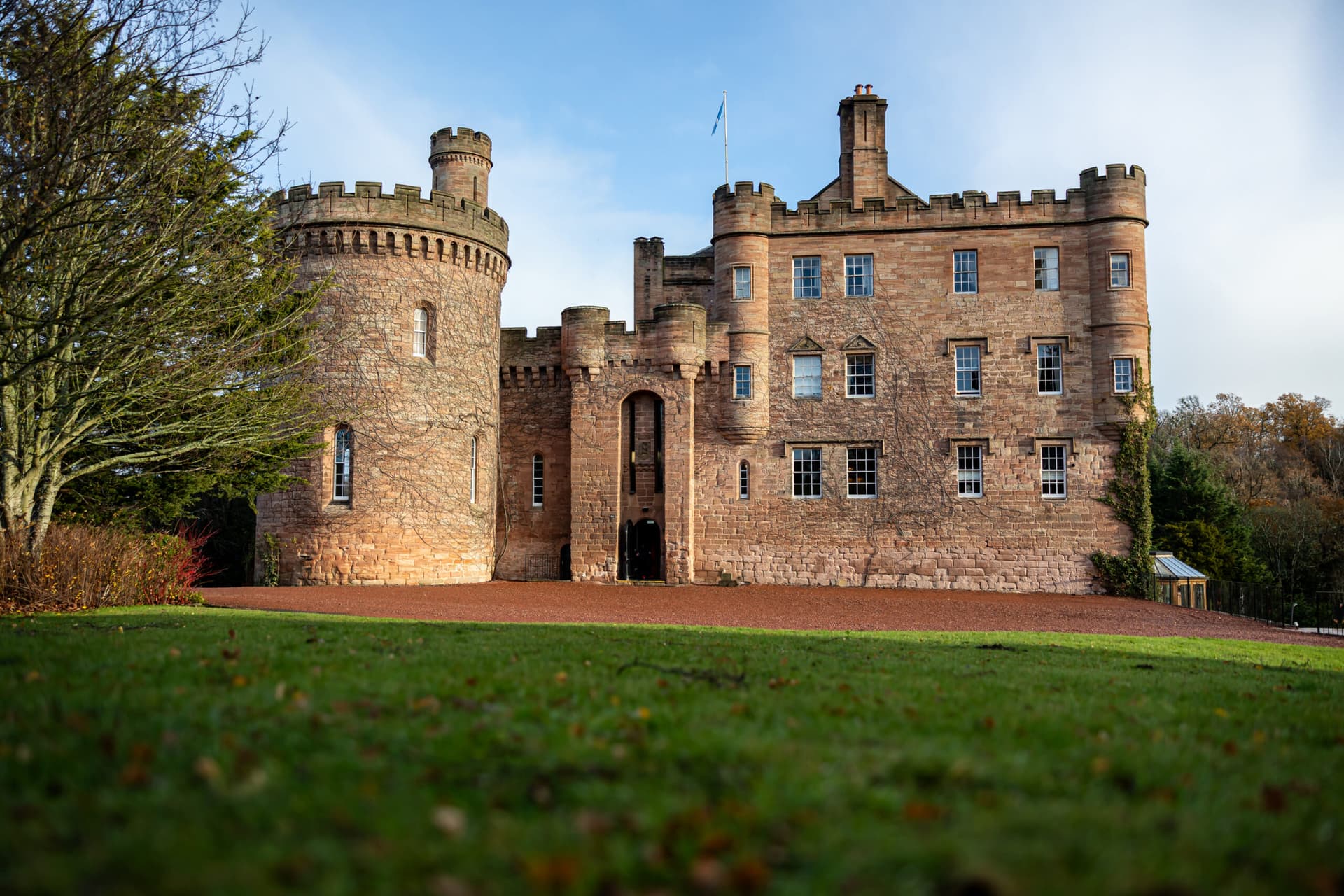
One Scottish castle bought in 2012 for £2.5 million sold in 2023 for £5.6 million, a 124% gain that beat the S&P 500 over the same eleven years. It sounds like a case for castles as an asset class, until you look at the other three verified sales in the data, including one that lost its owner more than £3 million. Here are all four, with no cherry-picking.
There is very little hard data on whether castles make money, because castles almost never sell, and when they do the price is rarely public. Our Castle Price Index holds four registry-confirmed repeat sales, where we can see both what a castle was bought for and what it later sold for. Four is a small number. It is also four more than most analysis has, and the pattern across them is clear.
Verified castle sales
We searched through UK land registries and found four castles that changed hands at least twice. Two points of sale lets us see which castles turned a profit, what the investment entailed, and what made some ventures successful and others failures. Here are the four castles:
| Castle | Type | Bought | Sold | Period | Return | CAGR |
|---|---|---|---|---|---|---|
| Dalhousie (map) | Hotel, 29 rooms | £2,499,994 (2012) | £5,599,998 (2023) | 11 yrs | +124% | 7.6% |
| Ayton (map) | Residential | £2,400,000 (2014) | £3,250,000 (2026) | 12 yrs | +35% | 2.5% |
| Carbisdale (map) | Estate | £900,000 (2016) | £1,000,000 (2022) | 6 yrs | +11% | 1.8% |
| Ribbesford (map) | Residential, Grade II* | £810,000 (2018) | £450,000 (2025) | 7 yrs | −44% | −7.9% |
In nominal terms, three of the four made money. If we adjust for inflation, all lost money, except Dalhousie. Dalhousie did great mostly because it was a hotel, the residential ones lost money, Ribbesford taking the biggest hit, losing half its value in 7 years. Let's take a closer look at these castles.
Dalhousie was a good investment
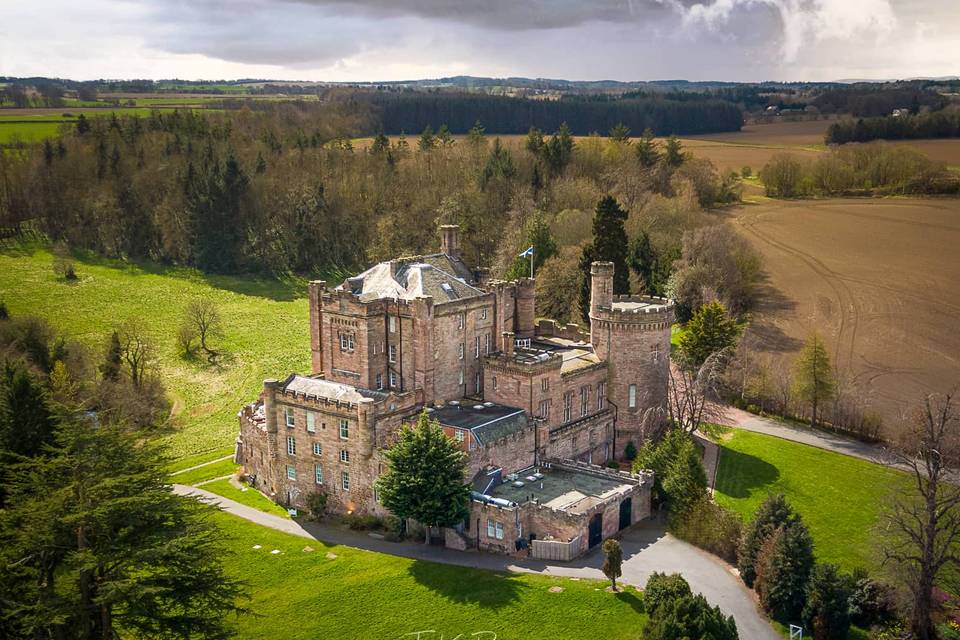
Dalhousie Castle (map) near Edinburgh was bought in April 2012 for £2,499,994 and sold in October 2023 for £5,599,998, both figures confirmed on the same ScotLIS land-registry title. That is a 124% gain over eleven years, a compound annual growth rate of 7.6%. The S&P 500's price return over the same window ran about 6.8% a year, so the castle beat the index by roughly 0.8 percentage points a year.
Dalhousie is a little different from most castles because it's not a home, it's a 29-room operating hotel. The business aspect is central to what made this castle a good investment. In this instance, a business was purchased, the business grew over the next decade, and then it was sold for almost double the price. And assuming the hotel generated a profit during that decade, the investment looks even better.
The Ribbesford warning
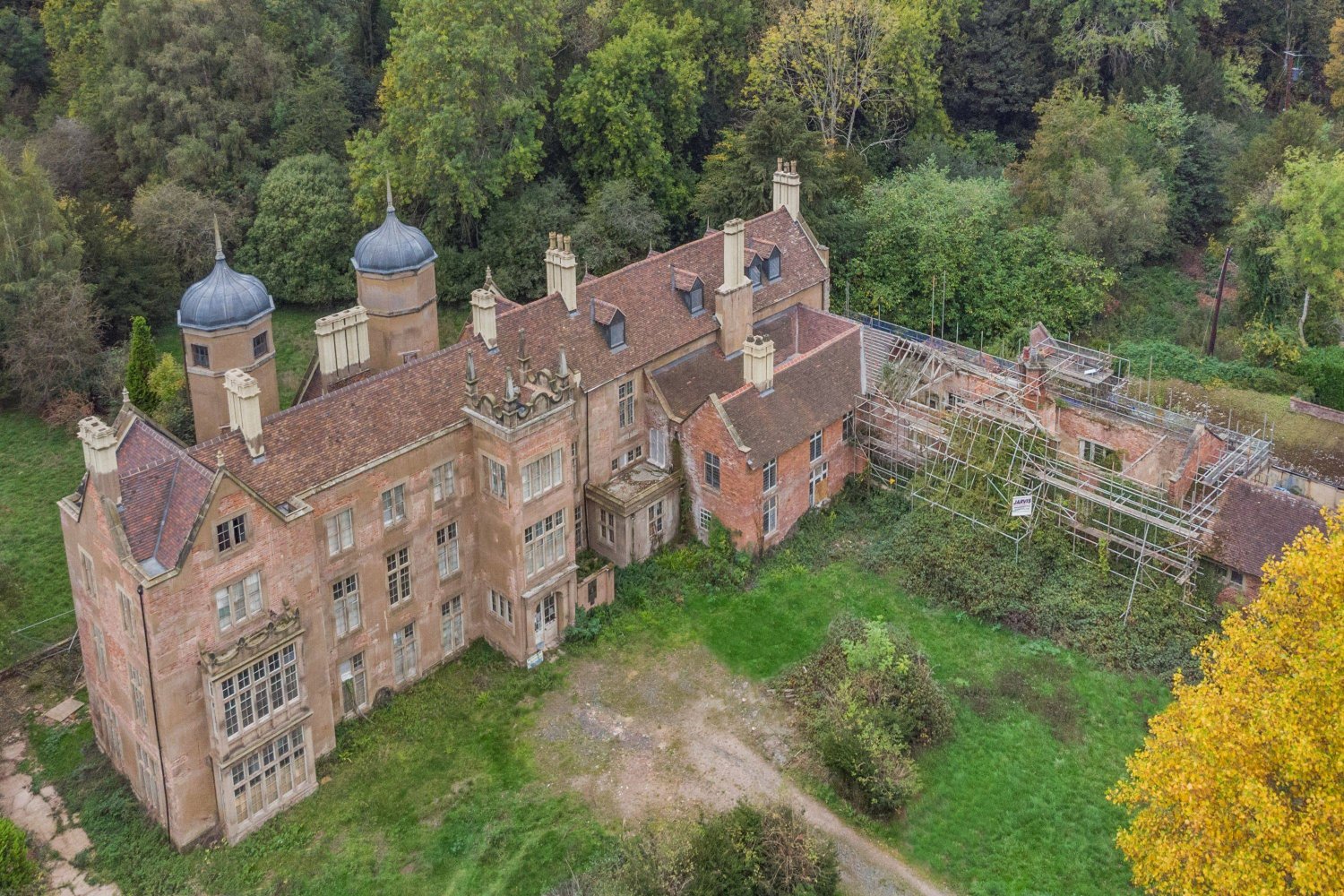
Ribbesford House (map) in Worcestershire is the cautionary tale in full. Bought in 2018 for £810,000, it absorbed roughly £3,000,000 of renovation during the ownership, and sold in 2025 for £450,000. That is a 44% loss on the purchase price alone, and a total project loss of around £3,360,000 once the renovation is included. As a Grade II* listed building, every repair demanded heritage-compliant materials and specialist labour, and none of that spending came back at resale. The renovation did not create market value; it consumed it.
What the four cases actually say
The lesson is not "castles go up" or "castles go down." It is that the castle is the business plan, not the building.
- The hospitality castle (Dalhousie), with established occupancy and revenue from day one, outperformed even the S&P 500.
- The residential castles with no business attached (Ayton, Carbisdale) gained 11% to 35% over 6 to 12 years, well behind prime housing and equities.
- The passive-renovation case (Ribbesford) shows the trap most clearly: money spent restoring a castle for its own sake does not reliably return at sale.
A castle with a revenue plan can be an investment. A castle without one is a luxury consumable that happens to be made of stone. This is the same conclusion our guide on whether castles appreciate reaches from the other direction.
Why the asset is so unforgiving
The structural reason sits underneath all four cases. Castles are extraordinarily illiquid: only 200 to 400 sell in all of Europe each year against a base of 45,680 protected properties, a turnover of well under 1% against the 2% to 4% of prime residential. A typical castle takes two to ten years to sell, where a prime home clears in months.
That illiquidity is why 96% of castles in our data trade at just 4% to 80% of the per-square-metre price of prime residential property in their own country. You buy at a discount because you may be stuck for years, and that same illiquidity works against you on the way out. It is the opposite of a liquid, compounding asset like an index fund, which is exactly why the Dalhousie comparison is the exception that proves the rule rather than the headline it first looks like.
The verdict
On the only verified evidence available, a castle is not a passive investment. Bought as a business, with a revenue model and ideally an operating history, it can match or beat mainstream returns, as Dalhousie did. Bought as a trophy to restore and admire, it behaves like the most illiquid luxury good there is, and Ribbesford is what that can cost. If you are weighing a UK castle on those terms, our castles for sale in Scotland and England pages are the place to start, and the full return analysis sits in the Castle Price Index.
Sources
Transaction prices from ScotLIS (Dalhousie title MID140387, Ayton, Carbisdale) and HM Land Registry (Ribbesford). S&P 500 return data for the matched window. Compiled in Castle Collector, Castle Price Index (March 2026), Sections 1.1, 1.2, 9.3 and 7b.