
Best Regions in Europe to Buy a Castle (And Why Location Matters More Than the Property)
Dreaming of castle ownership? France, Scotland, Italy, Spain, and Eastern Europe compared. Find your ideal region.
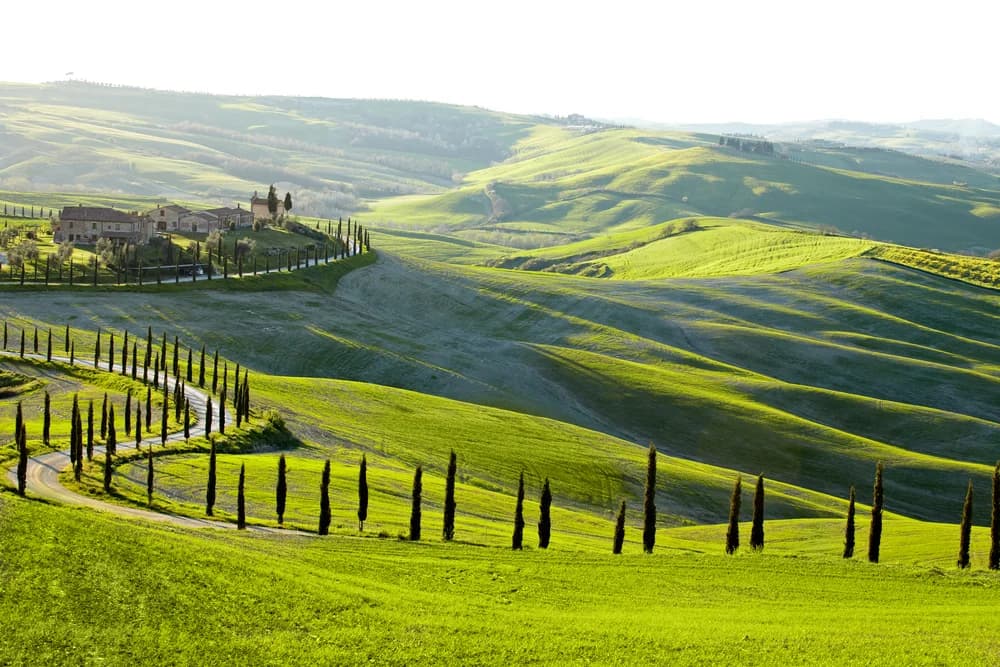
The castle itself is only part of the equation. Your region determines restoration support, income potential, and long-term ownership experience.
France leads Europe with unmatched inventory and heritage incentives. Scotland trades on romance and sporting income. Italy offers lifestyle prestige tempered by bureaucratic complexity. Spain and Portugal offer Western European heritage at more accessible price points.
Central Europe—particularly Poland, the Czech Republic, and Romania—represents the market's value segment, with castle prices starting well below comparable Western European properties.
A Loire Valley château operates within a mature ecosystem of craftsmen, tax incentives, and wedding infrastructure. A Transylvanian fortress offers dramatic value but demands patience with scarcer contractors and longer selling cycles.
For discerning buyers, understanding these regional dynamics is the difference between rewarding stewardship and costly miscalculation.
Why Does France Have So Many Castles for Sale?
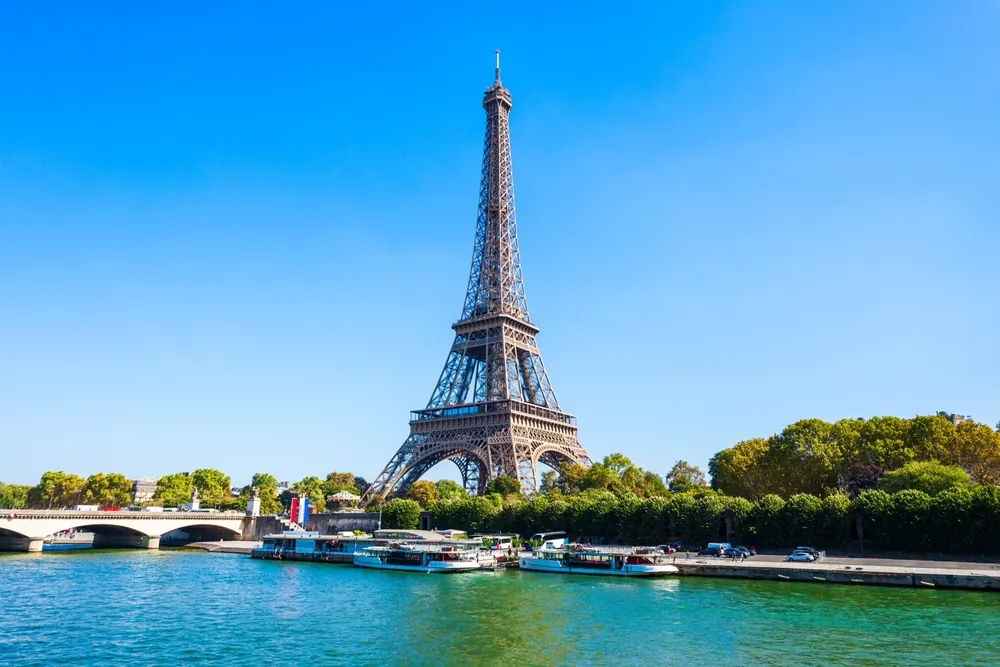
Desirable properties priced under €1.5 million often sell within weeks.
Entry-level châteaux requiring restoration begin around €300,000 to €800,000, with the market's sweet spot falling between €700,000 and €2.5 million for livable properties with substantial grounds.
Trophy estates in the Loire Valley or near Cannes command €5 million to €30 million, with Belle Époque palaces at the upper end. A commonly cited benchmark: €1 million typically purchases 500 square meters of living space plus 20 hectares of land.
France's restoration ecosystem remains unrivalled.
The Fondation du Patrimoine offers tax relief of up to 50% on exterior restoration costs, while properties inscribed as monuments historiques may receive grants covering 40% of renovation expenses, rising to 50% for fully classified buildings.
The trade-off involves strict heritage regulations enforced by DRAC authorities, governing everything from window replacements to shutter colors. Prospective owners should budget €50,000 to €100,000 annually for running costs on larger properties, with winter heating alone reaching €50,000 for the grandest estates.
American buyers have tripled their presence in recent years, now representing 14% of non-resident purchasers.
Most transactions are cash—French banks rarely finance château acquisitions. France suits restoration enthusiasts, wedding-venue operators, and buyers who value an established support network over frontier pricing.
Is Scotland a Good Place to Buy a Castle?
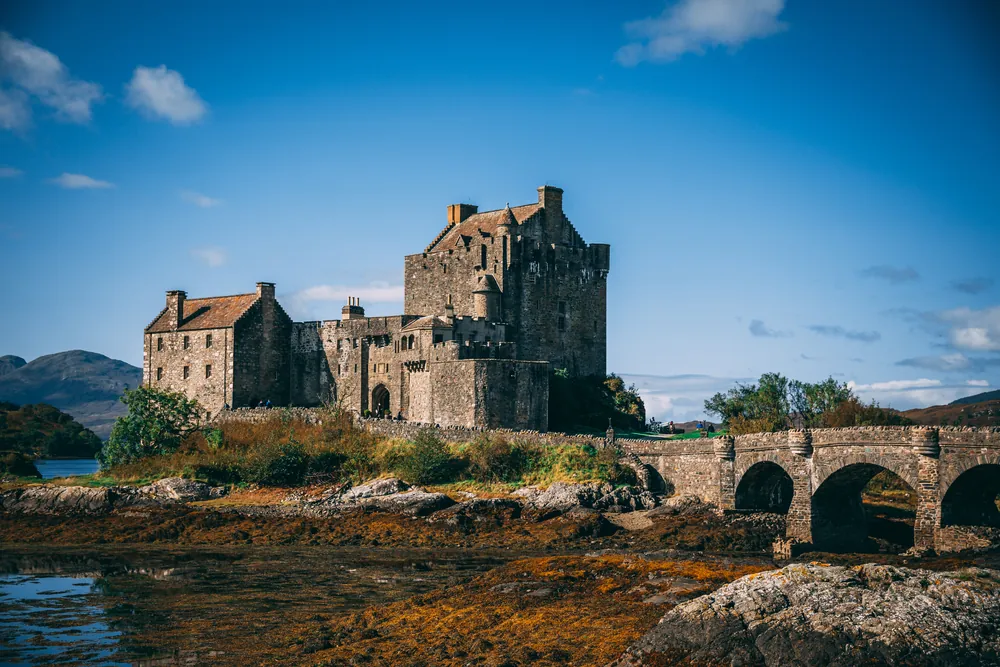
While this marked a 17% decline from 2023, it remained 79% above the five-year historical average—evidence of sustained demand for Scotland's distinctive heritage.
Entry-level baronial properties requiring work start at around €600,000 to €1.2 million, while fully restored mid-market castles range from €1.75 million to €3.5 million. Premium estates with royal connections or extensive sporting rights fetch €5 million to €10 million, while exceptional holdings like the 28,500-acre Dunbeath Castle Estate traded in autumn 2024 for a reported €29 million.
Unique to Scotland is the commercial value of sporting rights. Salmon fishing beats on premier rivers can generate a six-figure annual income, while grouse shooting commands upwards of €170 per brace during the August-to-December season.
This income potential attracts a buyer profile that skews 75% domestic UK and 25% overseas, with Americans particularly drawn to properties near airports offering convenient access.
Maintenance costs prove sobering, however.
Industry advisors estimate annual upkeep at roughly 10% of purchase price—comparable to superyacht ownership.
Remote Highland locations compound challenges with harsh weather, limited tradespeople, and the legendary Scottish midges.
Proposed Land Reform legislation threatening restrictions on private sales of estates over 2,500 acres adds regulatory uncertainty for larger holdings. Scotland suits sporting enthusiasts, brand-conscious buyers, and those seeking the romance of Highland ownership with realistic expectations about ongoing costs.
What Should Buyers Know About Italian Castles?
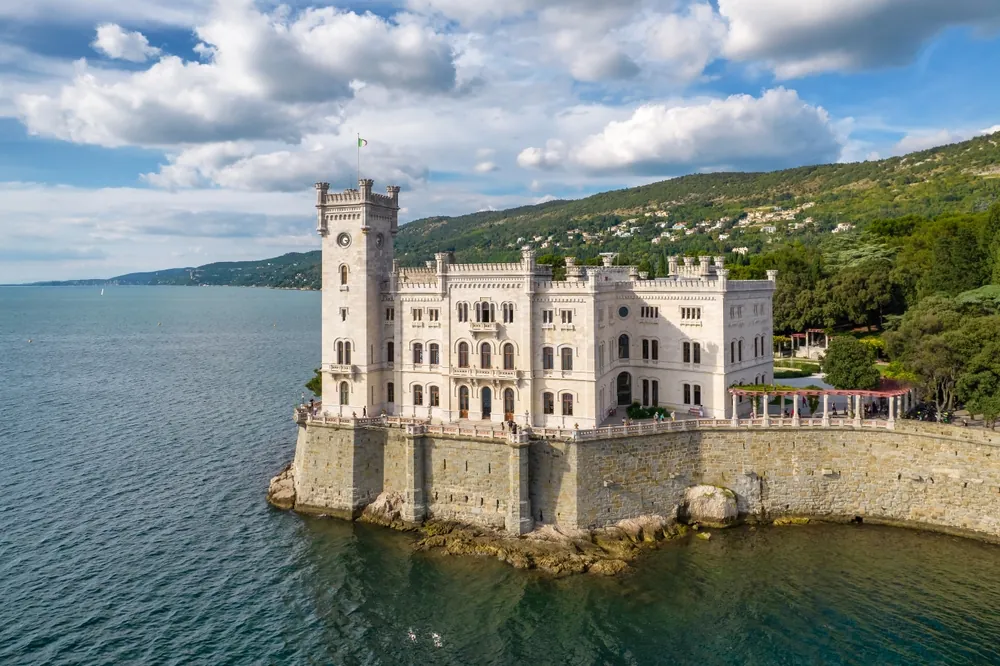
Major agencies currently list between 47 and 70 castle properties, with prices spanning dramatically by region. Entry points begin around €380,000 for medieval towers in Piedmont requiring substantial work, while the sweet spot falls between €1 million and €8 million for restored medieval castles with operational potential. Landmark properties reach €15 million to €20 million, including spectacular holdings like the 190-hectare Sammezzano Castle near Florence.
Regional variation is pronounced. Tuscany commands a 15–25% premium over comparable properties elsewhere, with the Val d'Orcia and Chianti corridors most sought-after. Savvy buyers increasingly target Umbria and Piedmont, which offer 20–40% savings for similar architectural quality.
The Langhe wine country holds particular appeal for those seeking vineyard integration.
The Soprintendenza regulatory system presents the principal challenge. This heritage authority maintains 60-day pre-emption rights on culturally significant properties and requires approval for any exterior modifications—even paint colors on shutters. Major restorations documented in the press have taken four to ten years, with costs commonly tripling original estimates.
Italy suits lifestyle buyers with patience, those integrating castle ownership with vineyard or hospitality operations, and collectors who prize la dolce vita over transactional efficiency.
Are Castles in Spain and Portugal Good Value?
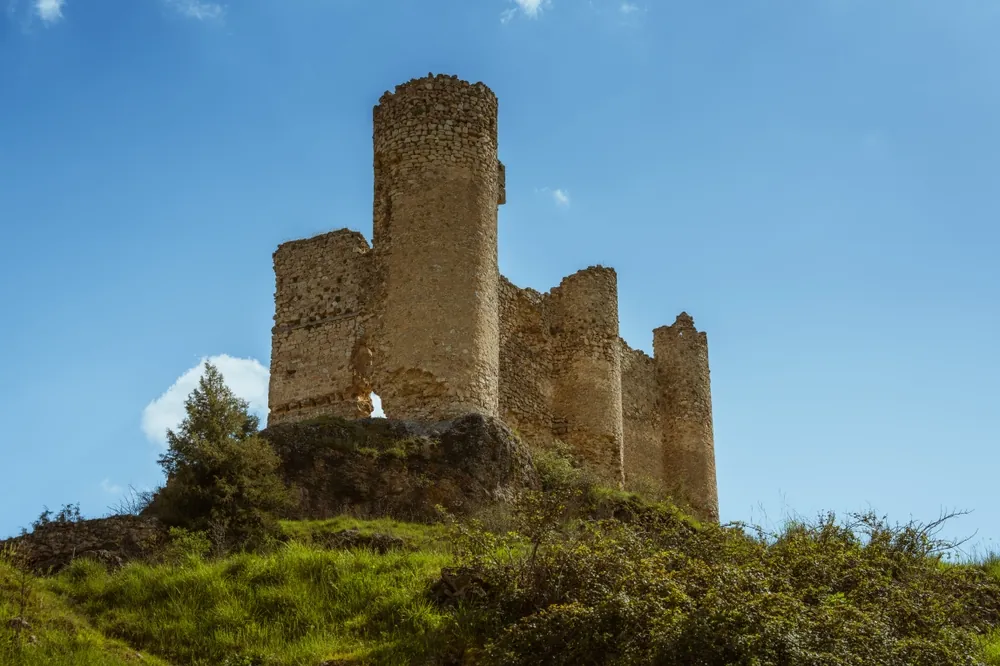
Spain's market divides into distinct regional segments. Castile y León offers the highest castle concentration and strongest historical significance at €500,000 to €15 million. Galicia's pazos—traditional manor houses with aristocratic heritage—begin around €169,000, with exceptional 16th-century properties available at €625,000, including private chapels and extensive grounds.
Catalonia commands premium pricing due to Barcelona's accessibility, but rewards buyers with stronger infrastructure and international connectivity.
Portugal's castle inventory is more limited, with quintas—traditional wine estates—more readily available than fortified properties. The Douro Valley presents particular appeal, combining UNESCO-designated wine heritage with proven tourism demand.
Recent visitor figures underscore this potential: Portugal recorded €28 billion in tourist revenue in 2024 alone.
Buyers should note that Portugal eliminated real estate investment as a Golden Visa pathway in October 2023, removing a significant historic demand driver. Both markets feature established castle-hotel networks (Spain's Paradores and Portugal's Pousadas) providing proven models for hospitality conversion.
However, Spanish law requires historic properties to permit free public visits four days a month, a consideration for privacy-focused buyers. The Iberian Peninsula suits value-conscious purchasers, hospitality operators following the Parador model, and those seeking Western European heritage without Western European pricing.
Where Can You Find the Cheapest Castles in Europe?
Central and Eastern Europe delivers the most aggressive price arbitrage in the castle market, with properties priced three to ten times lower than Western equivalents. A fully renovated 3,500-square-meter Baroque palace in Romania lists for €1.5 million; a comparable French property would command €8 million to €15 million.
Poland leads the region with an estimated 12,000 castles, palaces, and manor houses, with current listings spanning €59,000 to €7 million. The country offers excellent restoration craftsmen at approximately €1,100 per square meter—a fraction of Western European rates.
The Czech Republic presents substantial Baroque châteaux from €755,000, including properties with connections to aristocratic families like Lobkowitz and Harrach. Hungary offers extraordinary entry points starting at just €55,000, with premium Lake Balaton estates reaching €10.5 million. Romania's Transylvanian castles, many nationalized during the Communist era and now returning to private hands, begin around €275,000.
American buyers have discovered this opportunity, now driving 30% of all European castle enquiries—more than any other nationality. Practical considerations warrant evaluation: restitution claims occasionally complicate ownership chains in Romania and the Czech Republic, where post-Communist property returns continue.
Specialized restoration contractors remain scarcer than in France or Italy, and selling periods can extend to two years in rural Hungary.
All four countries benefit from EU membership, simplifying transactions for European buyers. Non-EU purchasers in Poland must obtain the Ministry of Interior permits for agricultural or forest land. Central Europe suits adventurous buyers comfortable with emerging markets, restoration enthusiasts seeking maximum scale per euro, and collectors drawn to aristocratic provenance at accessible prices.
Which Region Is Right for You?
Private residence seekers with restoration ambitions choose France for its unmatched professional ecosystem. Lifestyle buyers accept Italy's longer timelines for Mediterranean living. Scotland suits sporting enthusiasts who can stomach Highland maintenance costs.
Hospitality operators find proven models in Portugal and Spain's Paradores and Pousadas networks; France dominates the wedding-venue market. Restoration purists seeking maximum impact per euro look east — Poland, Czech Republic, Hungary, and Romania offer architectural ambition at a fraction of Western pricing, though patience and local advisors are essential.
One principle holds everywhere: the region matters more than the castle. The property evolves over decades; the regulatory environment, restoration ecosystem, and income potential shape every year of ownership.