FOR CASTLE COLLECTORS
Castle Collector InsightsExplore 21 Castles on Sale in Switzerland
Browse Swiss castles for sale, from Lake Geneva châteaux to alpine Schlösser. Europe''s most expensive castle market, with strict foreign-buyer rules.
Average castle features in Switzerland
Showing avg. castle price in Switzerland
Key metrics for Switzerland
Switzerland is the most expensive castle market in Europe and the hardest for a foreigner to buy into. The median Swiss castle costs around €16,000 per square metre, roughly seven times the European average of about €2,250. It sits in its own price tier, kept separate from the rest of the continent.
It's also a tiny market. Only a handful of castles, around nine, are visibly for sale at any given time, and they tend to be trophy properties rather than projects. The famous names don't help: Château de Chillon on Lake Geneva, the most photographed castle in the country, is a cantonal museum and is not for sale. What actually sells is private lakeside estates, and there aren't many of them.
Two things define this market above all else: the price, and the law. Switzerland restricts who can buy a home here through a federal rule called Lex Koller, and for most overseas buyers that rule, not the price, is the real obstacle. More on that below.
The typical Swiss castle costs around €10.2 million, or €16,000 per square metre, comfortably the highest rate anywhere in Europe. To put that in context, it's about seven times the European median, and even the cheaper end of the Swiss market runs to roughly €4,500 per square metre, which is still double what a castle costs across most of the continent.
The range is enormous. At the lower end you'll find lakeside manor houses and smaller residences marketed as castles; at the top, genuine trophy estates on Lake Geneva push past €19,000 per square metre. There is very little in the way of a bargain tier here, because the country simply doesn't produce distressed castle stock the way Germany or eastern Europe does.
Restoration is expensive too. Swiss labour and construction costs are among the highest in the world, so a property needing work costs far more to bring back than the equivalent in France or Italy. In practice most Swiss castles that sell are already in good condition, which is part of why the entry price is so high.
Switzerland's castles are spread across three language regions, but almost all the private for-sale stock clusters around Lake Geneva. Elsewhere, the famous castles tend to be state-owned museums rather than homes on the market.
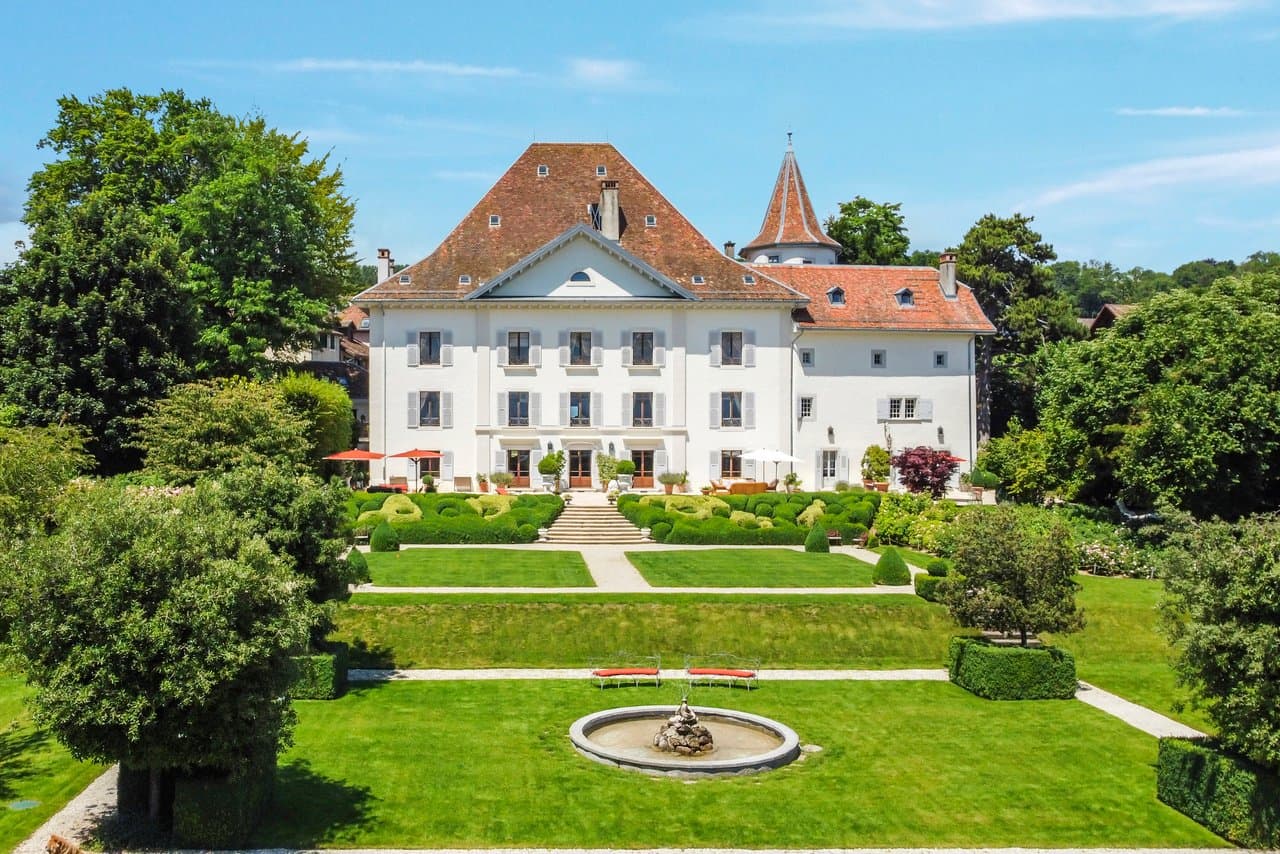
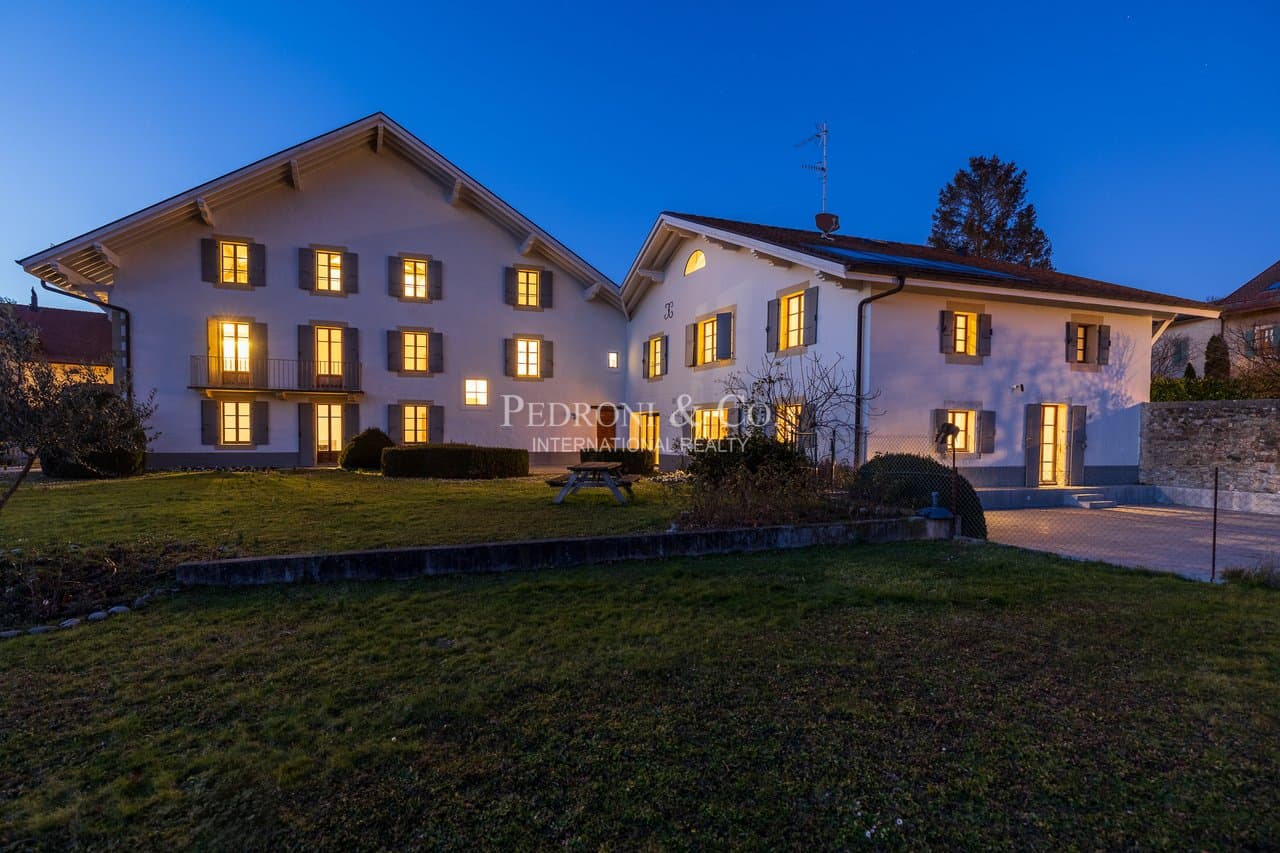
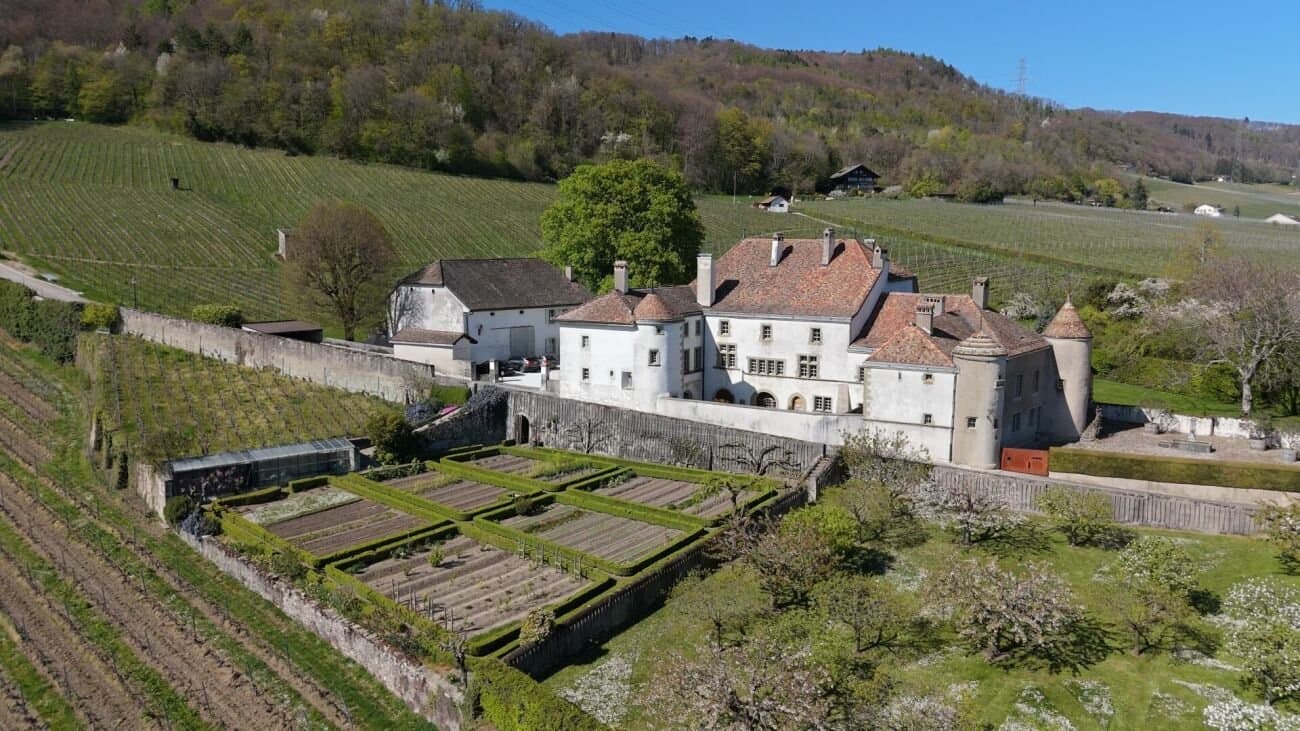
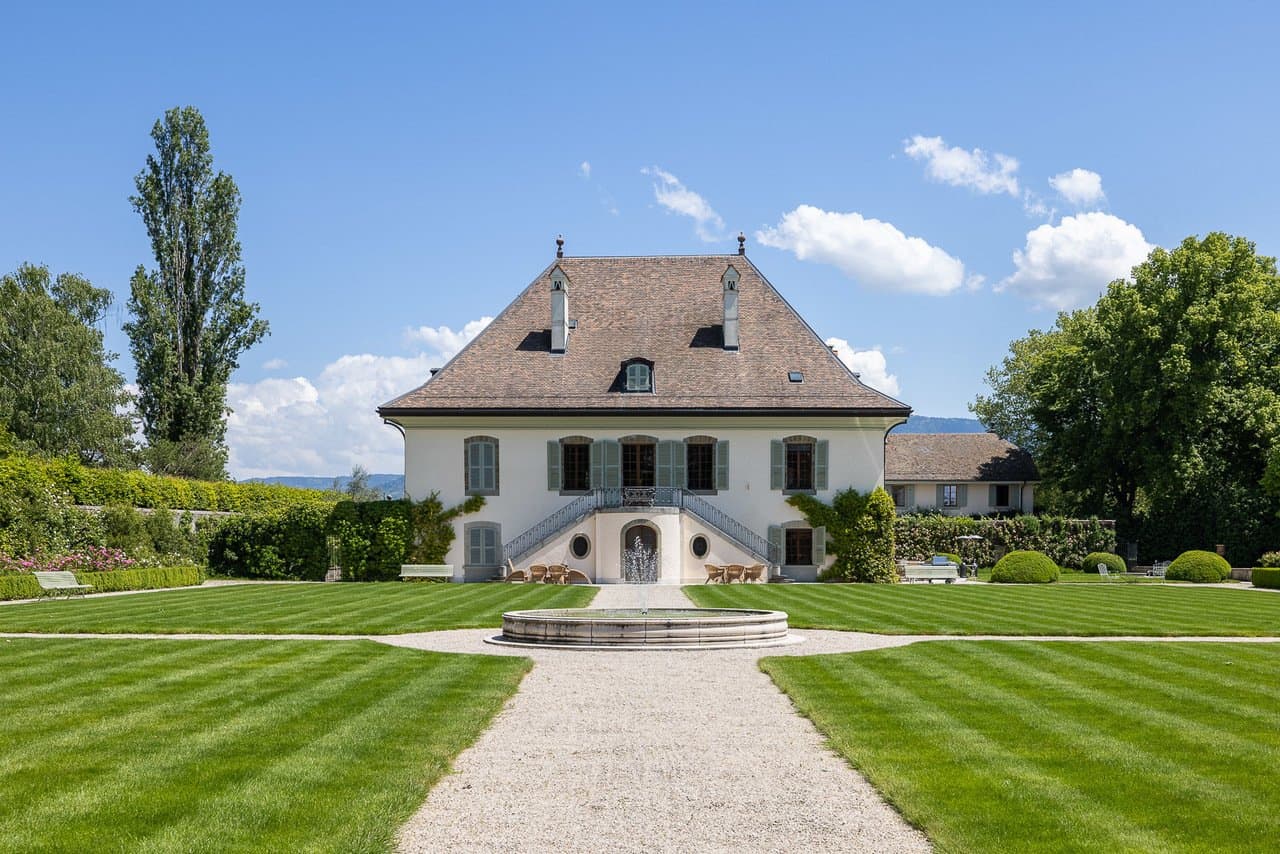
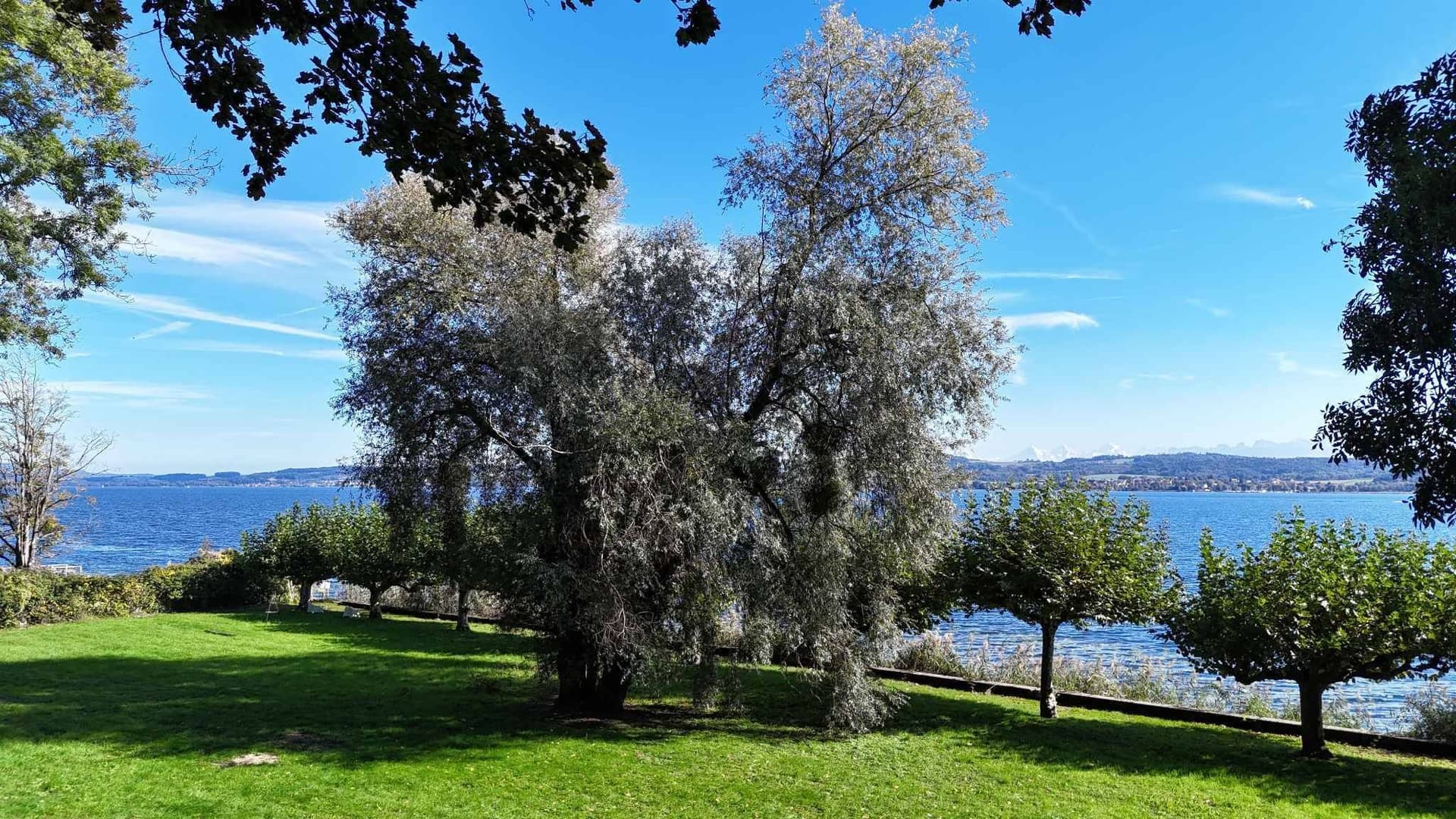
Lake Geneva and Vaud, the French-speaking west, is the heart of the private market. This is château country, running along the lakeshore from Geneva through Nyon and Aigle, with the medieval Château de Chillon (a museum) as its landmark and Gruyères in neighbouring Fribourg close by. It's the most expensive corner of the most expensive market, but it's also where you'll actually find something to buy.
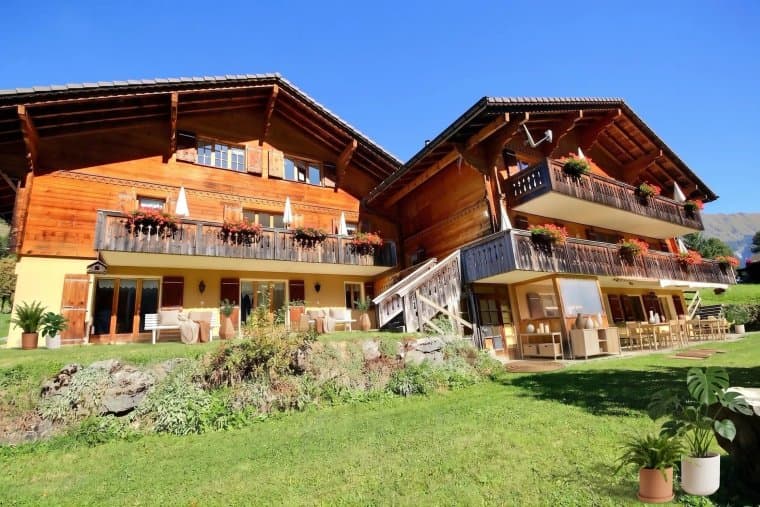
The Bernese Oberland, in the German-speaking centre, is the Schloss tradition, a string of castles around Lake Thun including Thun, Oberhofen and Spiez. Most of these are public buildings or museums, so genuine private listings are rare.
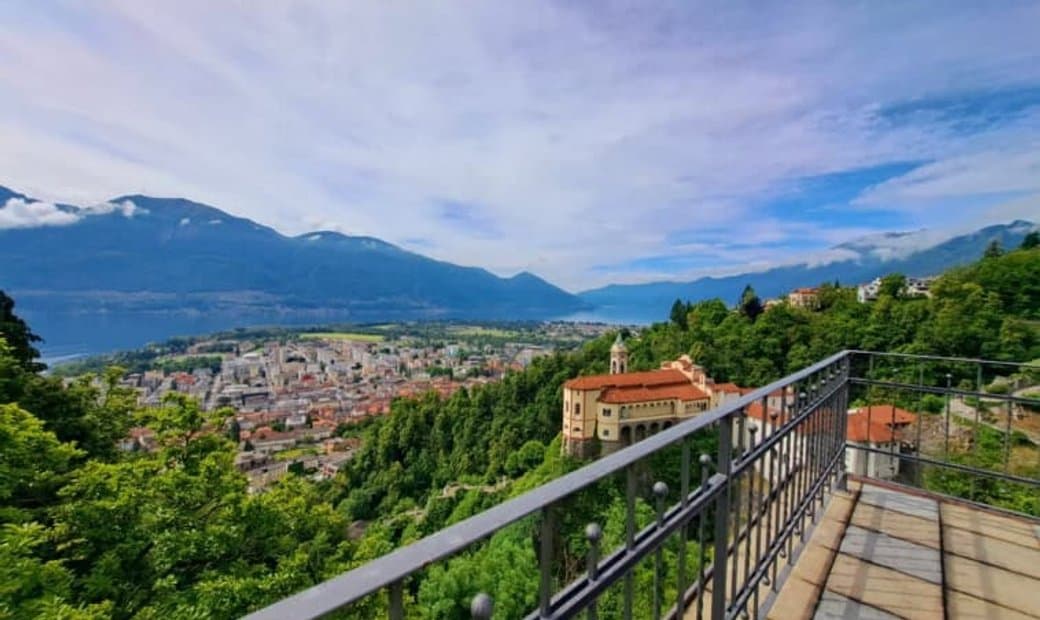
Ticino, the Italian-speaking south, is defined by the three castles of Bellinzona, a UNESCO World Heritage site and among the finest medieval fortifications in the Alps. They are state-owned and never come up for sale, so Ticino offers scenery and history more than it offers stock, though the Locarno lakeside does produce the occasional private listing.
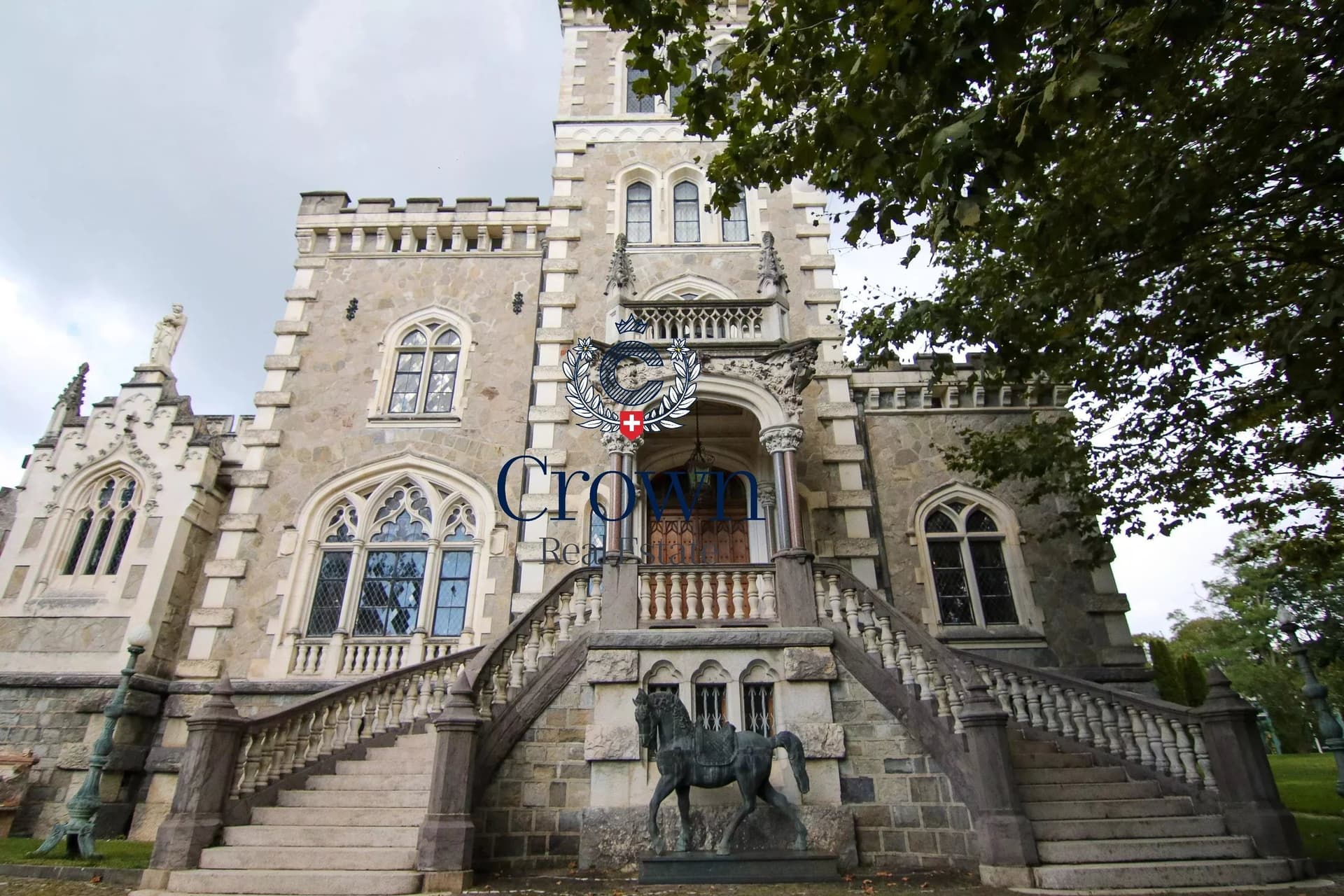
A Swiss castle is one of three things, depending on which language is spoken where it stands. In the French-speaking west it's a château, the lakeside fortress-turned-residence you also find across the border in France. In the German-speaking centre it's a Schloss, the palace or grand residence built for living rather than defence. And in the Italian-speaking south it's a castello, the medieval stone fortress, of which Bellinzona's three are the great example.
The single biggest gate on a Swiss castle isn't the price, it's Lex Koller, the federal law that stops most non-residents from buying a home in Switzerland at all. It has been in place since 1983, designed to keep foreign money from driving up Swiss property prices, and it means an overseas buyer generally can't purchase a residential castle here without cantonal permission that is rarely granted.
What you can buy depends on your residency status. Holders of a C settlement permit can buy property much like a Swiss citizen. Residents on a B permit can buy a principal home at their registered address. But a non-resident foreigner is, in practice, largely shut out of the residential market, beyond a small quota of holiday homes in designated tourist cantons. If buying a Swiss castle as a private home is the goal, sorting out residency usually comes first.
There is one important exception: property bought for genuine business use falls outside Lex Koller. A castle run as a hotel, venue or other real business follows a different and more open route than a castle bought purely as a residence, which is worth bearing in mind given how many Swiss castles suit a hospitality use. For the wider process, see how to buy a castle.
One thing to watch: the government is looking at tightening Lex Koller further, with a consultation on tougher rules for non-European buyers running through 2026. Current rules still apply to any purchase closing now, but anyone planning ahead should check where the reform has landed before committing.
Stay informed with curated insights on market trends, tax and legal developments, and new castle investment opportunities.
By subscribing you agree to receive emails from Castle Collector. We’ll send a confirmation email first (double opt-in) and you can unsubscribe anytime. Privacy Policy