FOR CASTLE COLLECTORS
Castle Collector InsightsExplore 5 Castles on Sale in Belgium
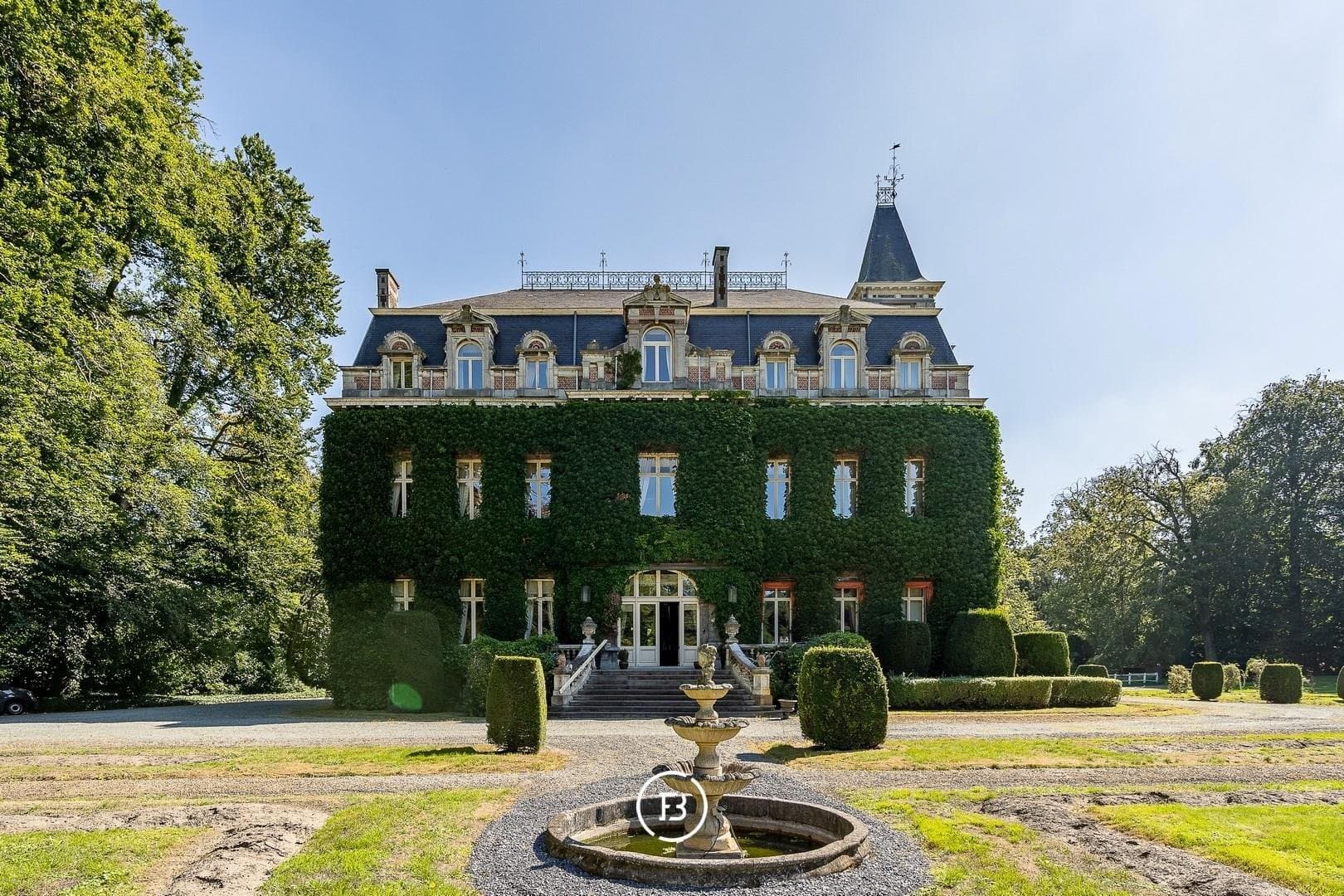
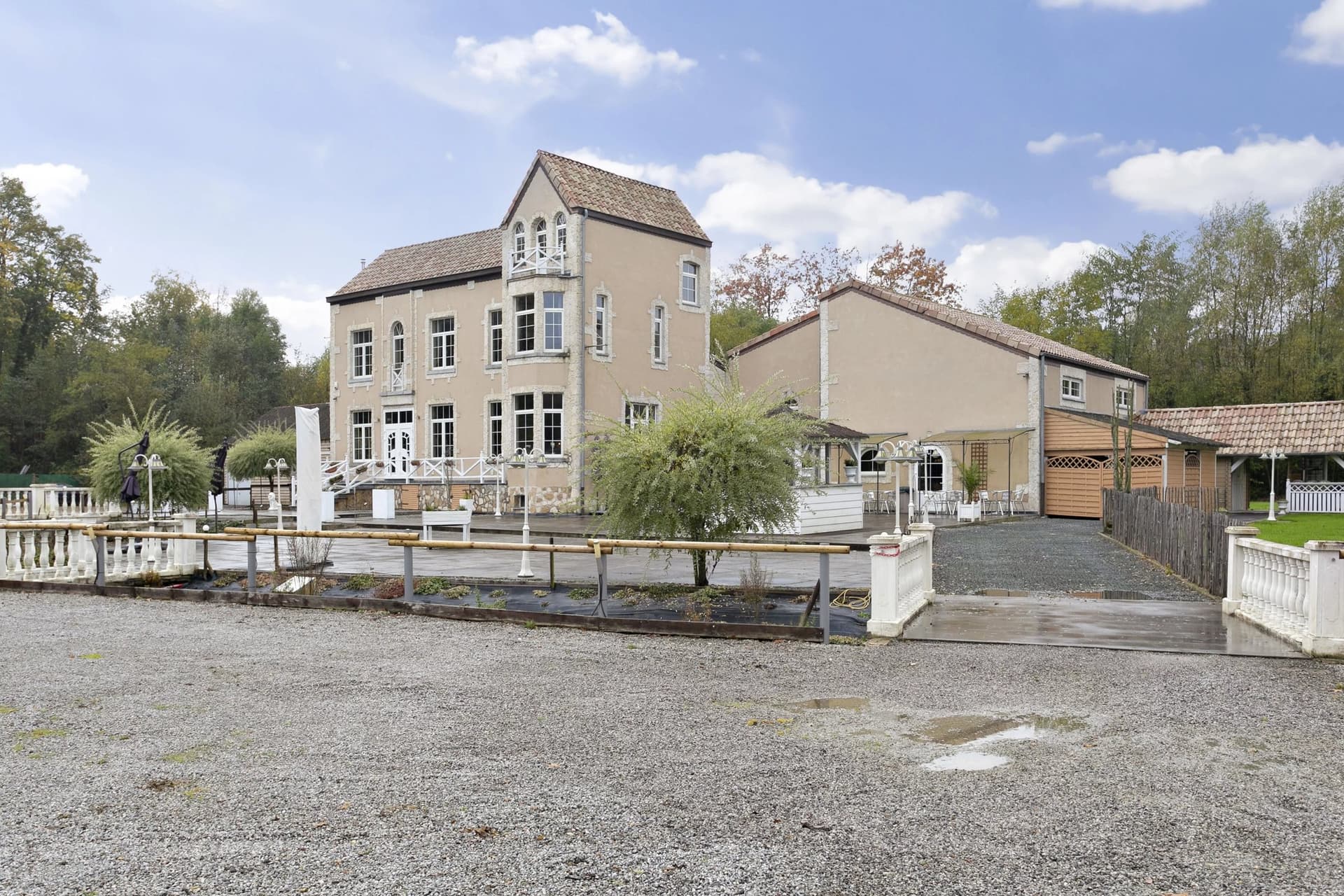
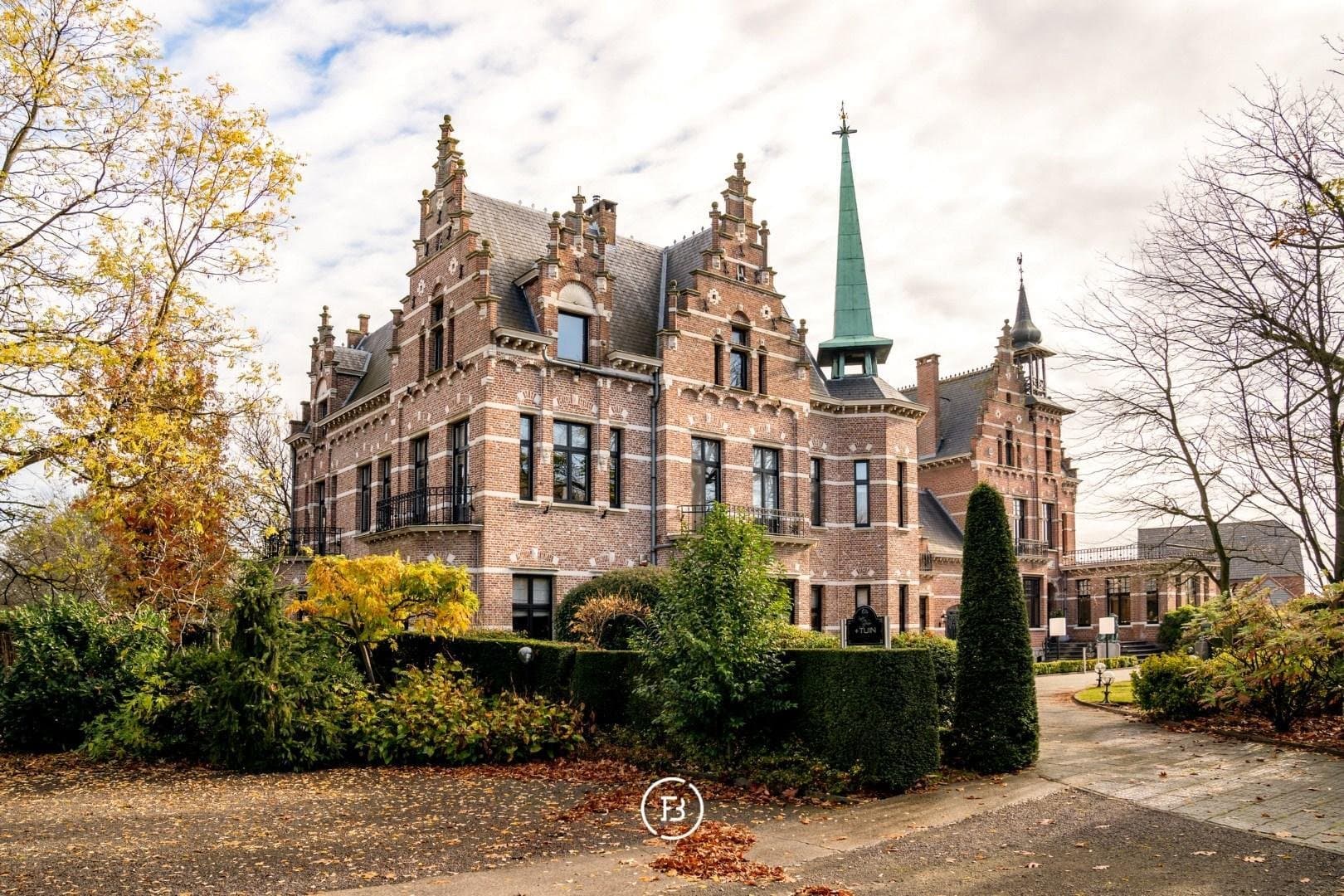
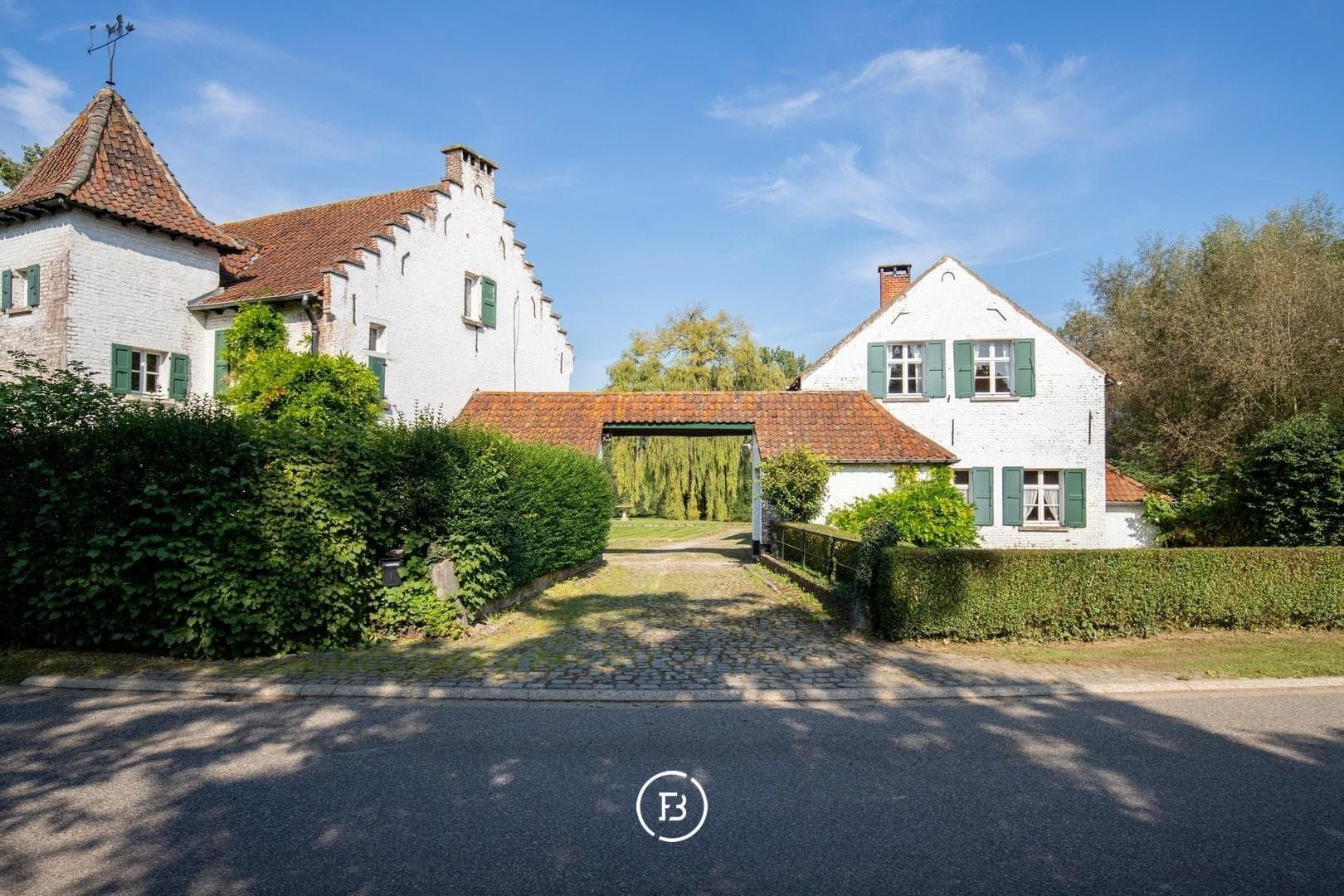
Explore castles for sale in Belgium, from medieval fortresses and moated estates to aristocratic château-style residences and large restoration properties across Flanders, Wallonia, and beyond.
Average castle features in Belgium
Showing avg. castle price in Belgium
Key metrics for Belgium
Belgium is really two castle countries in one. The French-speaking south and the Dutch-speaking north have different castles, different traditions, and, most importantly for a buyer, very different tax. Get the region right and Belgium is one of the best-value markets in Europe; get it wrong and you'll overpay by six figures.
It's also the most castle-dense country in Europe. There are somewhere around 3,000 castles packed into a small country, roughly one every ten kilometres, and about 400 are open to visitors. The for-sale market is small but active, with around 30 castles listed at a median of €2,184 per square metre, or €1,772,500 for a typical property, just below the European average.
The one thing that genuinely swings every Belgian purchase is tax. In Wallonia, the French-speaking south, registration tax on a main home is just 3%. In Flanders and Brussels, it's 12.5%. On a €2 million château that's the difference between €60,000 and €250,000, a €190,000 swing, and it's the single biggest regional cost gap in the European castle market.
Foreign buyers face no restrictions. Heritage rules are set regionally rather than nationally, with separate agencies for Flanders, Wallonia and Brussels, and grants on listed castles typically cover 40 to 60% of approved restoration costs. For the wider process, see how to buy a castle.
The typical Belgian castle asks around €1,772,500, or €2,184 per square metre, just below the European average. But in Belgium the sticker price is only half the story, because the tax you pay on top depends entirely on where you buy.
A €2 million château in Wallonia carries around €60,000 in registration tax at the 3% rate. The same château in Flanders or Brussels carries €250,000 at 12.5%. Add notary fees of 1.5 to 2% either way, and the region you choose can swing your total cost by nearly €200,000.
Wallonia is also cheaper before tax. Walloon châteaux trade below their French equivalents at similar quality, with recent examples around €1,620 to €1,750 per square metre: a 30-hectare château listed at €2.1 million, a Liège manor at €890,000. Combine the lower prices with the 3% tax and Wallonia is arguably the best-value castle market in Europe. Flanders runs higher, with a restored moated castle selling for €4.2 million, around €2,800 per square metre, and Brussels is higher still.
Belgium's castles split cleanly along the language border, and that line carries both the architecture and the tax with it.
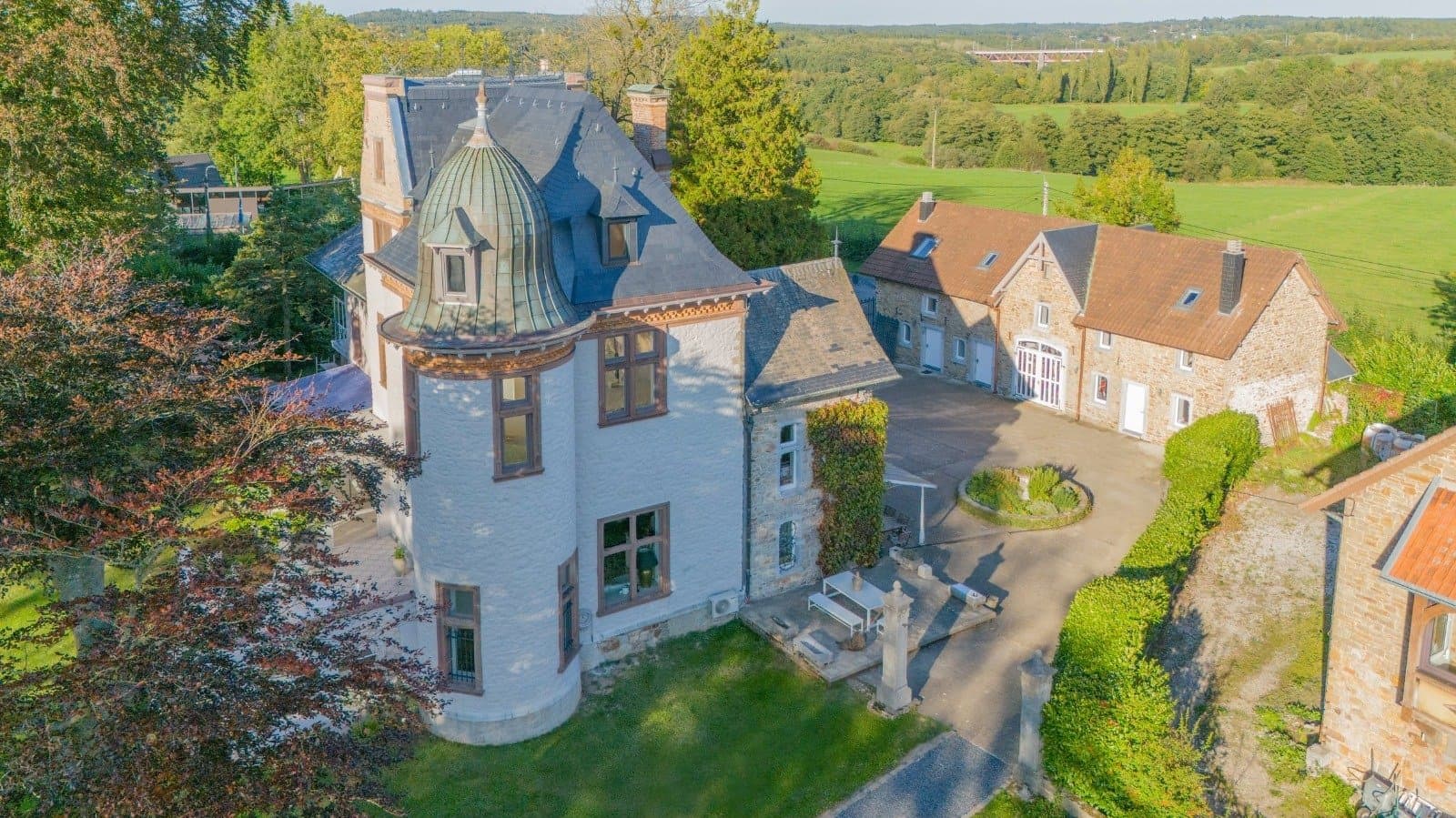
Wallonia, the French-speaking south, is the value tier and the sensible choice for most buyers. The tradition here is the French château, from hilltop fortresses in the Ardennes to country estates across Namur and Luxembourg provinces. Bouillon Castle has stood on its rocky spur since the 9th century, and Vêves has been held by the same family since 1410. With prices below France and the 3% tax rate, this is the best value in the European market.
Flanders, the Dutch-speaking north, is pricier but architecturally distinctive. Here the castle is the kasteel, and specifically the waterburcht, the moated water castle where the moat itself was the defence. Gravensteen in Ghent, a full medieval fortress inside the city centre, draws around half a million visitors a year, and Beersel and Gaasbeek round out the famous names. Commuter demand from Brussels and Antwerp keeps prices up, and the full 12.5% tax applies.
Brussels sits at the top of the price range but has little genuine castle stock. Most "castle" properties in the capital are grand 18th and 19th-century townhouses rather than medieval fortresses, and the 12.5% rate applies here too. For broader context, see the Belgian castle landscape.
A Belgian castle is one of two very different things, depending on which language is spoken where it stands. In the French-speaking south it's a château, the same medieval-fortress-turned-residence you find across the border in France. In the Dutch-speaking north it's a kasteel, and more often than not a waterburcht, the moated water castle that Belgium's flat, wet landscape made the natural way to build.
The moated kasteel is the more distinctively Belgian of the two. With no hills to build on, the defence came from water rather than height, so the castle sits on an island in its own moat, which is why so many Flemish castles look like they're floating.
Stay informed with curated insights on market trends, tax and legal developments, and new castle investment opportunities.
By subscribing you agree to receive emails from Castle Collector. We’ll send a confirmation email first (double opt-in) and you can unsubscribe anytime. Privacy Policy