FOR CASTLE COLLECTORS
Castle Collector InsightsExplore 5 Castles on Sale in Austria
Browse castles for sale in Austria. From Baroque Schloss estates and alpine fortresses to Danube valley manors — curated historic properties across all 9 provinces.
Average castle features in Austria
Showing avg. castle price in Austria
Key metrics for Austria
Austria is a thin, premium market, where the castles that do sell cost more per square metre than almost anywhere in Europe outside Switzerland. The country has around 1,500 castles, but most are held by the state, provincial governments or long-established families, and almost none reach the open market. That's what makes it so thin: only five to ten castles are realistically for sale at any one time.
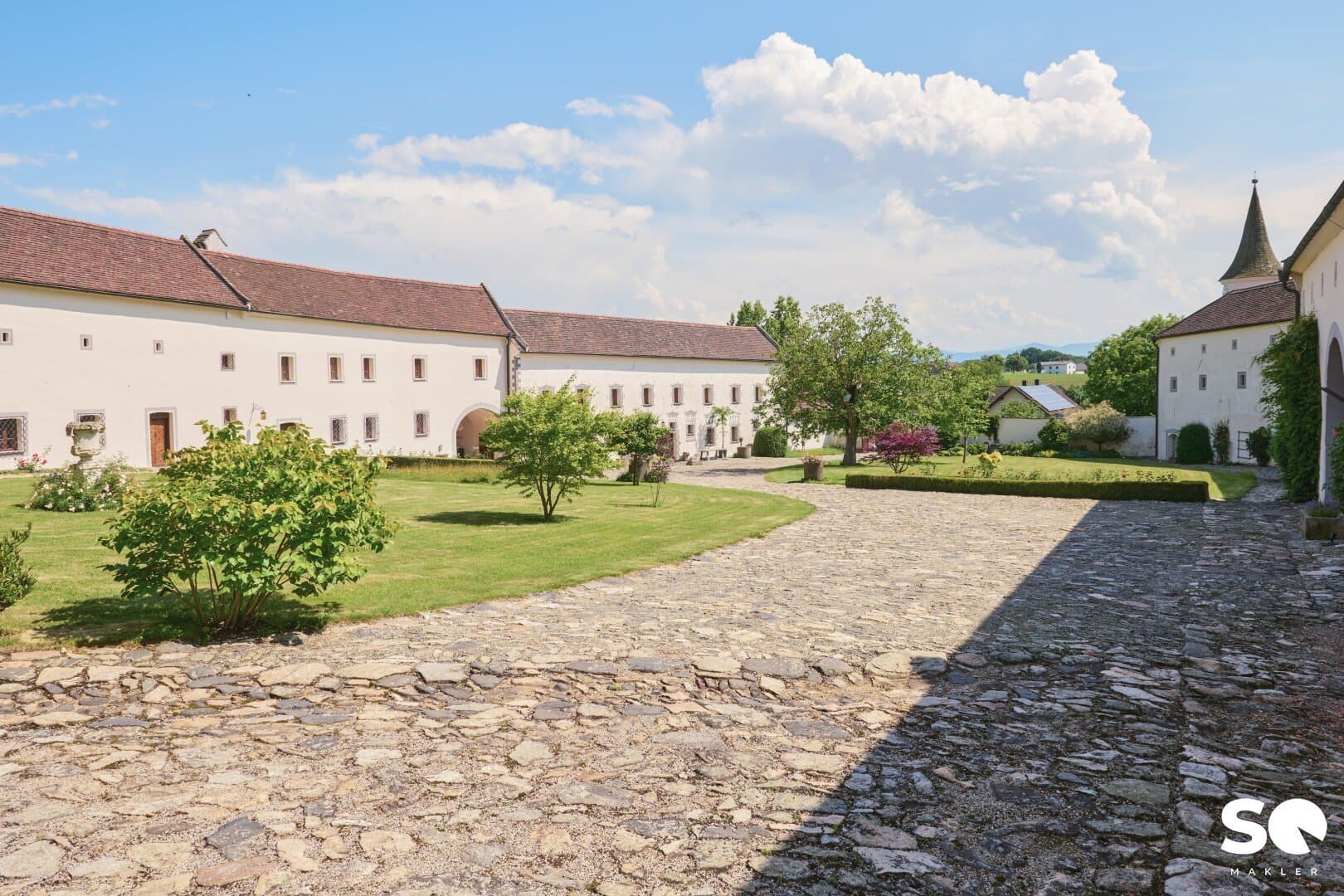
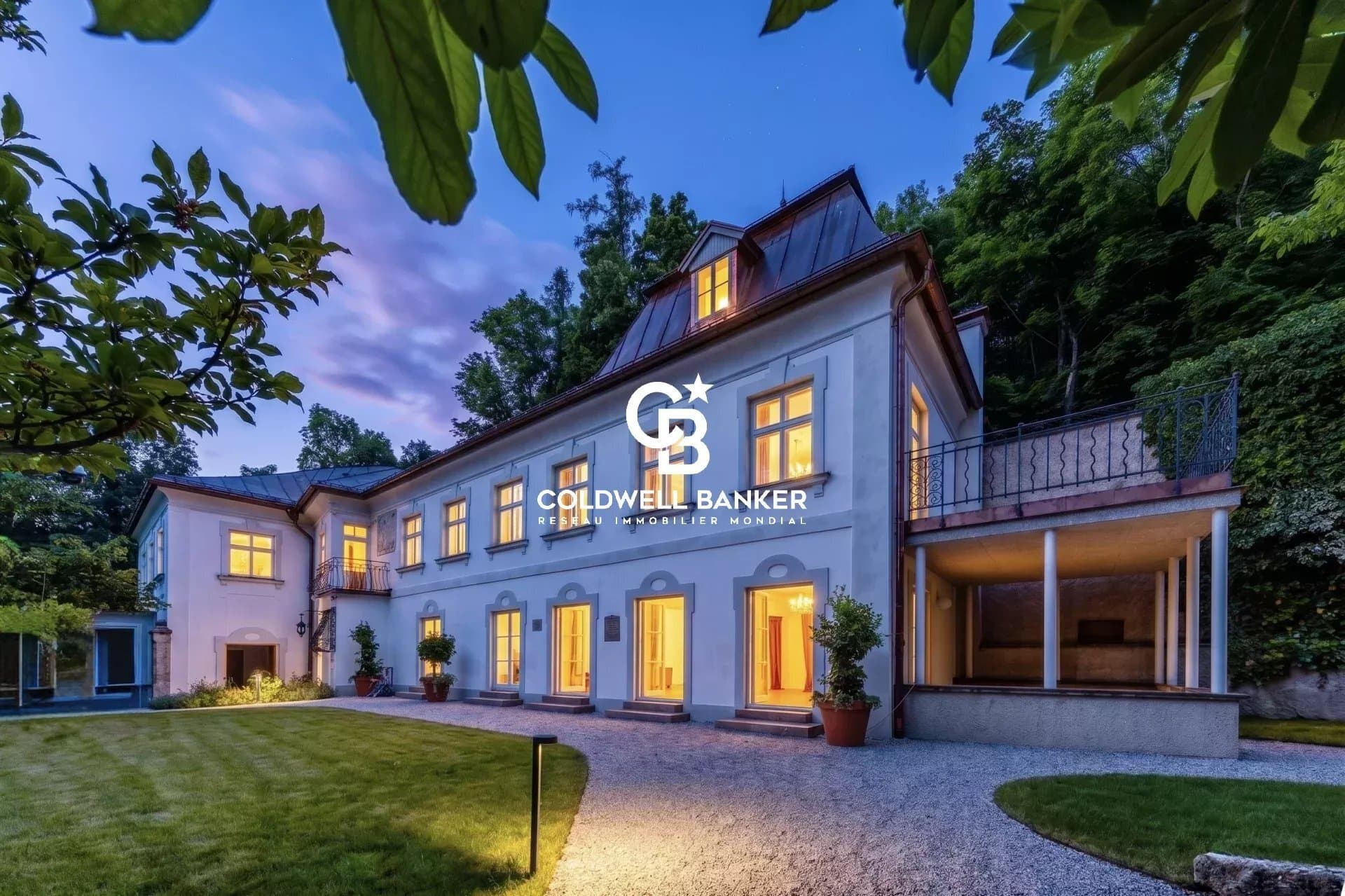
What's actually available is a narrow band of restored country Schlösser on alpine or Danube-valley sites, usually in the €1 to €10 million range. The high prices are about scarcity rather than grandeur, because with so little on the market, prices hold up regardless of condition.
The one thing that genuinely complicates a purchase in Austria is that the rules for foreign buyers are set province by province, and some provinces are far stricter than others. That, and the buying costs, are covered in the final section. For the wider process, see how to buy a castle.
The typical Austrian castle costs around €1.5 million, or €4,478 per square metre, one of the highest rates in Europe. That per-square-metre figure sits well above the European average, above neighbouring Germany, and is beaten only by Switzerland.
The saving grace is size. Austrian castles are small by castle standards, a median of about 737 square metres, so even at a high rate per square metre the total price stays moderate, around €1.5 million rather than the many millions a big French or German pile runs to. You're paying a high rate on a compact building.
On top of the purchase come two more costs to plan for. Restoration on a listed castle runs €2,000 to €5,000 per square metre, high by European standards, with an alpine surcharge for specialist masonry and timber work. And buying costs are steep at 9 to 11% all-in once transfer tax, registry, notary and agent fees are added. Budget both from the start.
Austria's castles cluster in five regions, and where you buy changes both the style of castle and, unusually, how easy it is to buy at all.
Salzburg is Baroque Prince-Archbishop country, the landscape Hollywood used for The Sound of Music. Festung Hohensalzburg looks down over the city, the largest fully-preserved castle in central Europe and one that was never taken by force. The private listings sit out in the alpine valleys around the city rather than the historic centre, and Salzburg runs the stricter end of Austria's foreign-buyer rules.
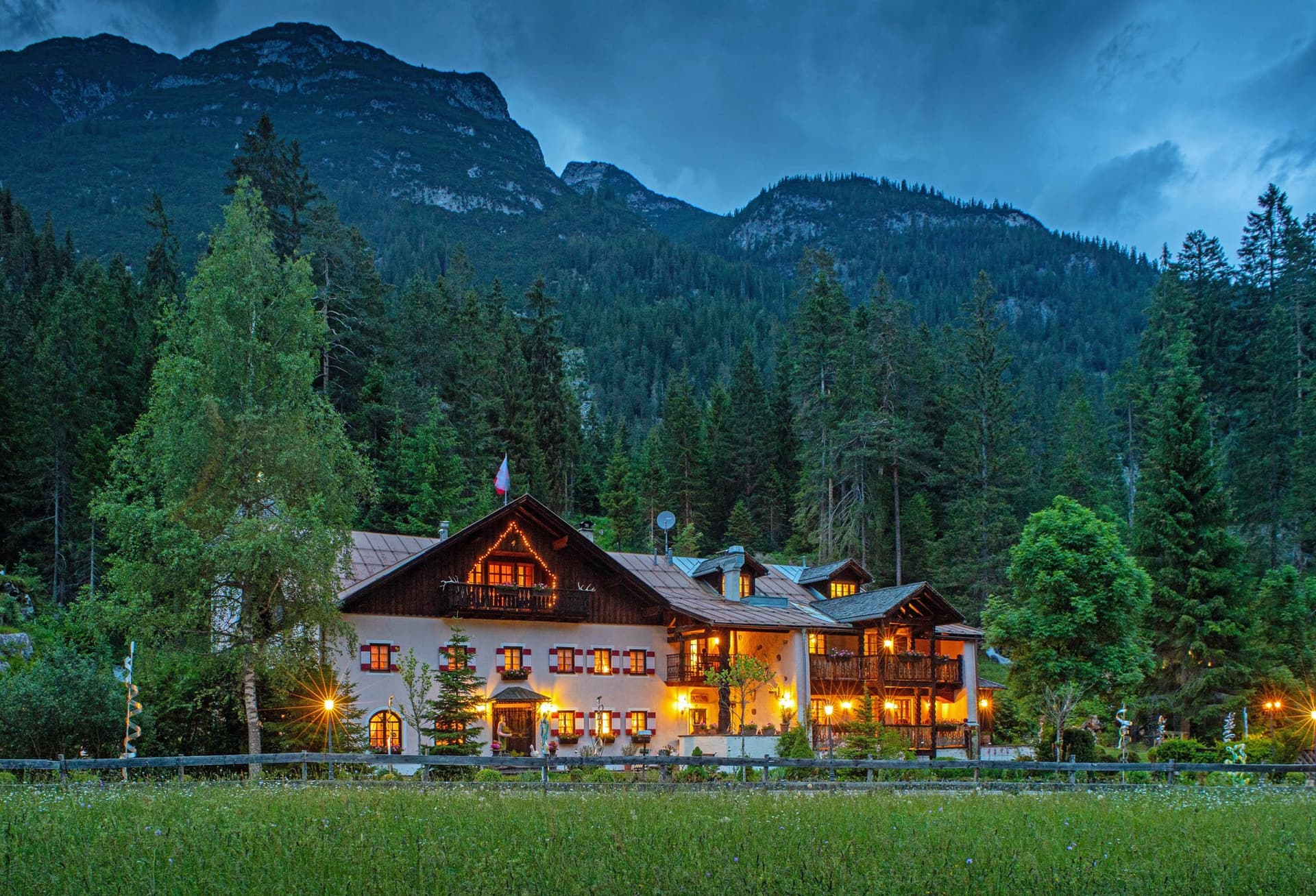
Tyrol is the alpine fortress line, all high passes and defensible terrain. Festung Kufstein guards the Inn valley and Schloss Ambras above Innsbruck holds what's often called the world's first museum. Tyrol applies the strictest buying rules in the country, so a non-EU buyer should bring in a local lawyer from the start.
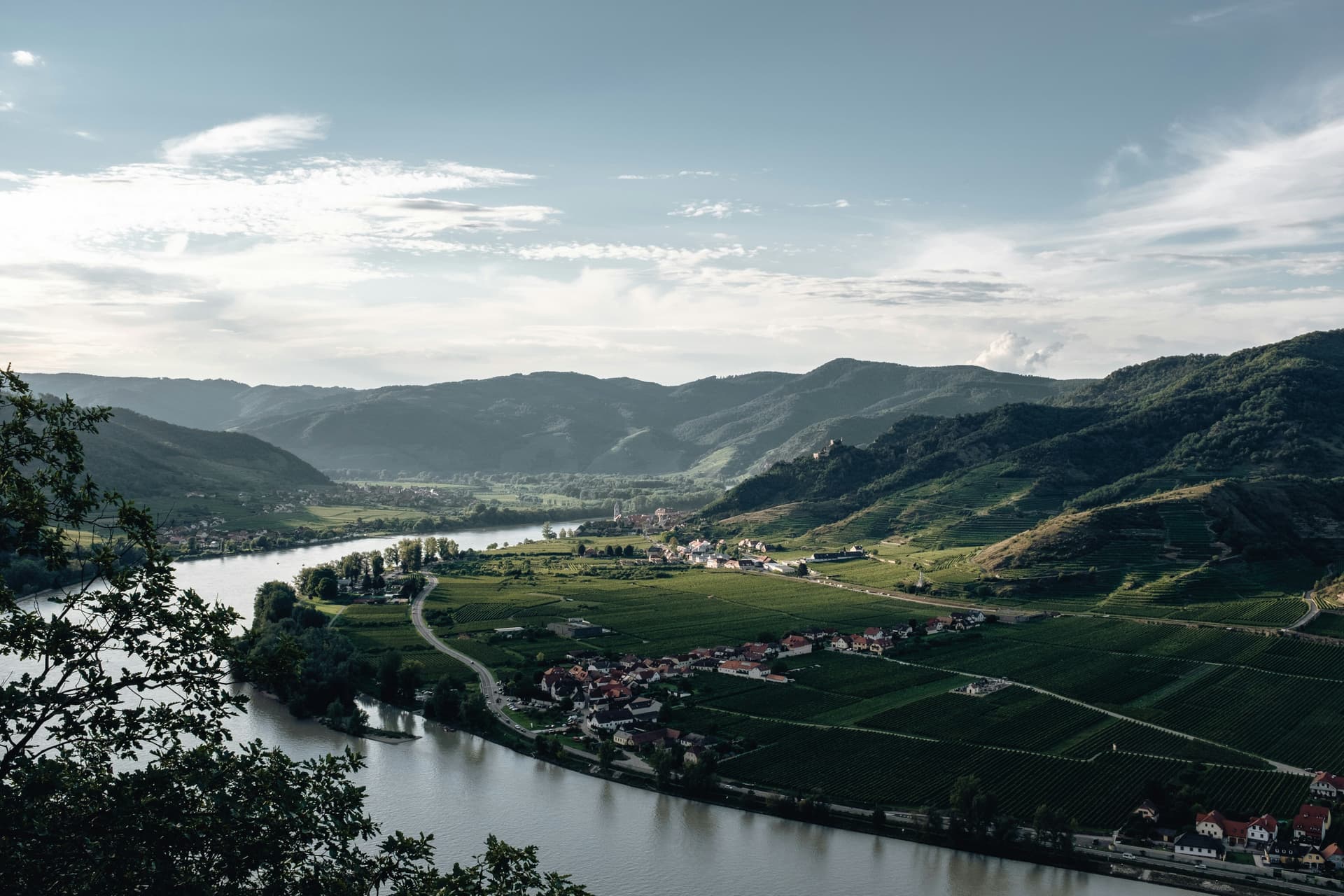
Vienna and Lower Austria are Habsburg Schloss country. Schönbrunn and the Klimt-filled Belvedere are the icons, but the stock you can actually buy sits further out in the Wachau, a UNESCO-listed stretch of the Danube that is also one of Austria's best wine regions. Burg Dürnstein there held Richard the Lionheart prisoner in 1192, and the wine setting makes a working estate a genuine option. Browse Lower Austria listings in this region.
Styria runs on Renaissance and Baroque drama, with Riegersburg on its volcanic cone (held by the Liechtenstein family since 1822) and Schloss Eggenberg in Graz, built with a calendar's worth of 365 windows. Along with Burgenland and Carinthia, home to the Haydn-linked Schloss Esterházy and the fourteen-gate Burg Hochosterwitz, these eastern provinces carry the lighter buying rules, worth knowing if red tape would be a dealbreaker.
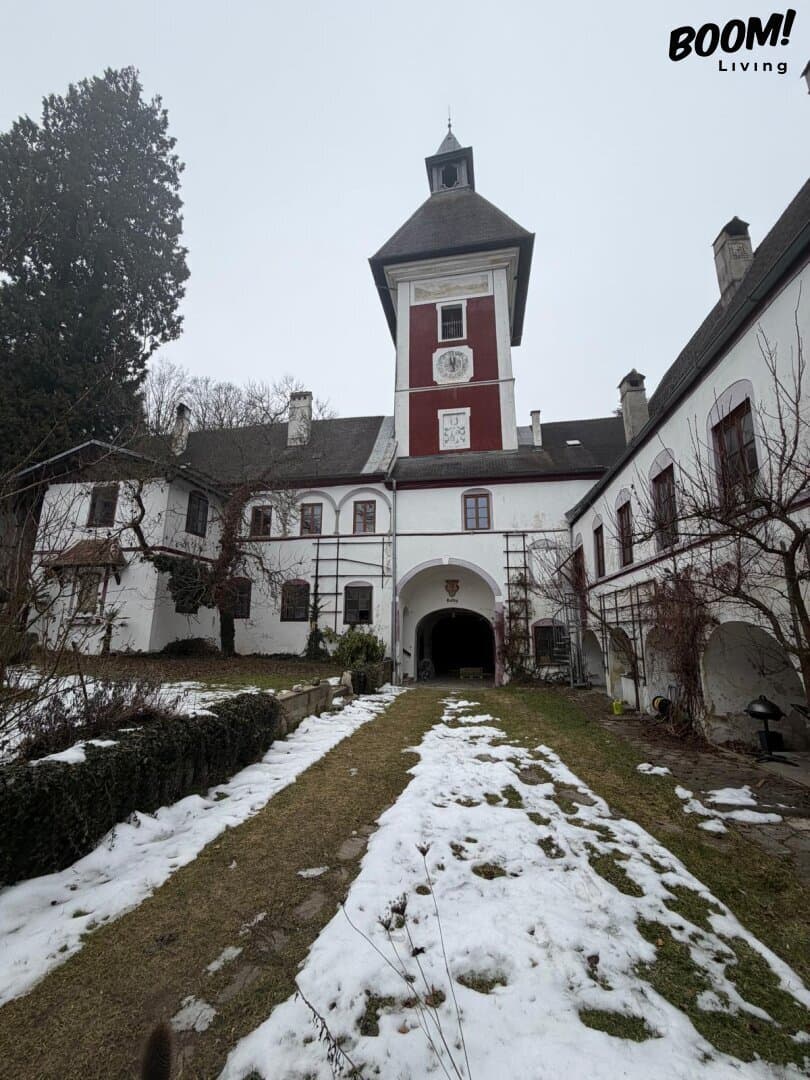
Like Germany, Austria has three separate words for what English flattens into "castle," and which one you're looking at tells you both its age and how tightly it's protected. A Burg is the medieval defensive castle, stone and hilltop, like Hochosterwitz or Riegersburg. A Schloss is the later palatial residence built for grand living rather than defence, like Schönbrunn or Eggenberg, and it makes up most of the for-sale market. A Festung is the early-modern star fortress, like Hohensalzburg or Kufstein.
The older the type, the heavier the heritage protection. A 13th-century Burg is a protected monument first and a home second, while a 19th-century Schloss leaves far more room to adapt for modern living. It's worth matching the type of castle to how much restoration you actually want to take on before you fall for an address.
The thing that catches foreign buyers out in Austria is that property rules are set by each province, not by the country as a whole, and some provinces are much stricter than others. Each of the nine has its own land-transfer law: Tyrol, Vorarlberg, Salzburg, Carinthia and parts of Styria apply tight limits on second homes, while Burgenland, Lower Austria and others are lighter. EU buyers are usually treated like locals, but non-EU buyers can need provincial consent that takes months to clear. So the province you choose decides not just the price and the style but whether you can buy easily at all. Get a local lawyer involved before you bid.
Heritage consent is more straightforward, because it runs nationally through the federal monument office, with a desk in each province. Nothing structural happens on a listed castle without its sign-off, but the same listing that constrains your plans also unlocks federal restoration grants and tax relief. Between the provincial rules, the 9 to 11% buying costs and the heritage sign-off, Austria rewards doing the groundwork before you fall for a specific castle.
Stay informed with curated insights on market trends, tax and legal developments, and new castle investment opportunities.
By subscribing you agree to receive emails from Castle Collector. We’ll send a confirmation email first (double opt-in) and you can unsubscribe anytime. Privacy Policy