
How Many Castles Are in England?
England has roughly 1,500 historical castle sites, the figure set by the standard scholarly survey, the Castellarium Anglicanum of 1983.
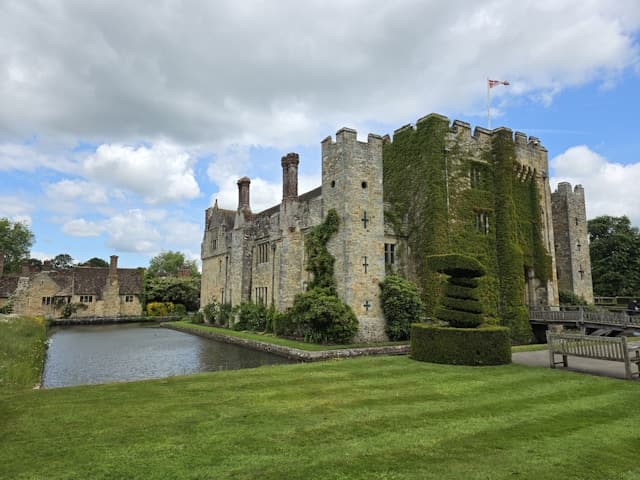
England has roughly 1,500 historical castle sites, the figure set by the standard scholarly survey, the Castellarium Anglicanum of 1983.[1] Of those, 1,712 carry formal heritage protection on the National Heritage List for England,[2] and around 900 still stand substantially intact. The rest survive as ruins, fragments or grassy earthworks where a castle once stood. The number is large because England was conquered in 1066, and conquest is what fills a country with castles.[3]
There is no single tidy total, because so much depends on what you decide to count. The widely cited count of about 1,500 sites comes from the Castellarium Anglicanum, the reference survey of English and Welsh castles.[1] That includes everything from great stone fortresses to the faint earth mounds of long-vanished timber castles.
If we narrow it down to a recognisable defensive building that still stands today the figure drops to around 900. Widen it instead to protected heritage entries and you get 1,712 listings on the National Heritage List for England, the official register kept by Historic England.[2] So the honest answer is a range: about 1,500 sites, 1,712 protected, roughly 900 you can still walk through today.
Why England has so many castles
In 1066, William of Normandy defeated King Harold at Hastings and set about holding a hostile country with a small army of occupiers. His answer was the castle.[3]
In the years after the Conquest, the Normans threw up hundreds of motte-and-bailey castles at speed: a mound of earth (the motte) topped by a timber tower, with a fenced yard (the bailey) below. They were quick to build, needed no skilled masons and could go up in a matter of weeks using forced local labour. Each one planted a Norman garrison over a stretch of newly seized land. The Domesday Book of 1086, William's great survey of his new kingdom, records the disruption these works caused, with houses cleared away in town after town to make room for the conqueror's strongholds.[3]
In the decades after 1066, buildings with dominating towers of stone or earth and timber appeared across the kingdom in huge numbers.[3] That sudden wave is the origin of the English castle, and the reason the country still counts its old castle sites in the thousands.
What came next explains the gap between 1,500 sites and 900 survivors. Many of the rushed timber castles were never meant to last, and once a region was secure they were abandoned or left to rot, leaving only their earth mounds. The ones that mattered were rebuilt in stone through the 12th and 13th centuries, growing into the keeps and curtain walls we picture today. Then, as gunpowder and settled government slowly stripped castles of their military point, most of even the stone ones decayed into ruins or were quietly converted into comfortable country houses. A few stayed in continuous use and never fell at all.
Famous English castles
England's surviving castles run from working royal residence to romantic ruin. A handful stand out.
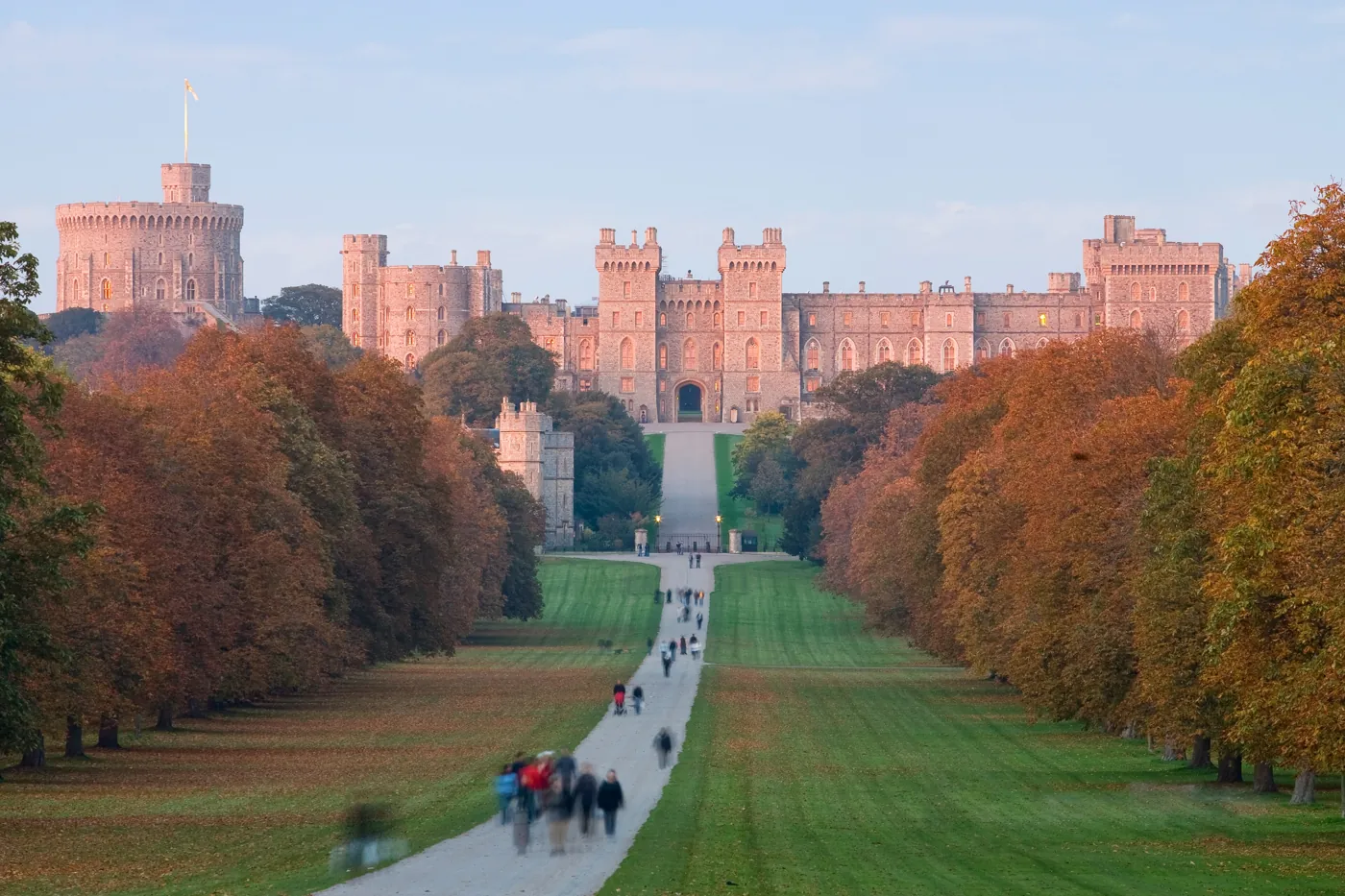
Windsor Castle is the largest inhabited castle in the world and the longest continuously occupied royal palace in Europe. William the Conqueror founded it around 1070 as a timber motte-and-bailey; it has been a royal home ever since, rebuilt in stone with its Round Tower still sitting on the original Norman mound.
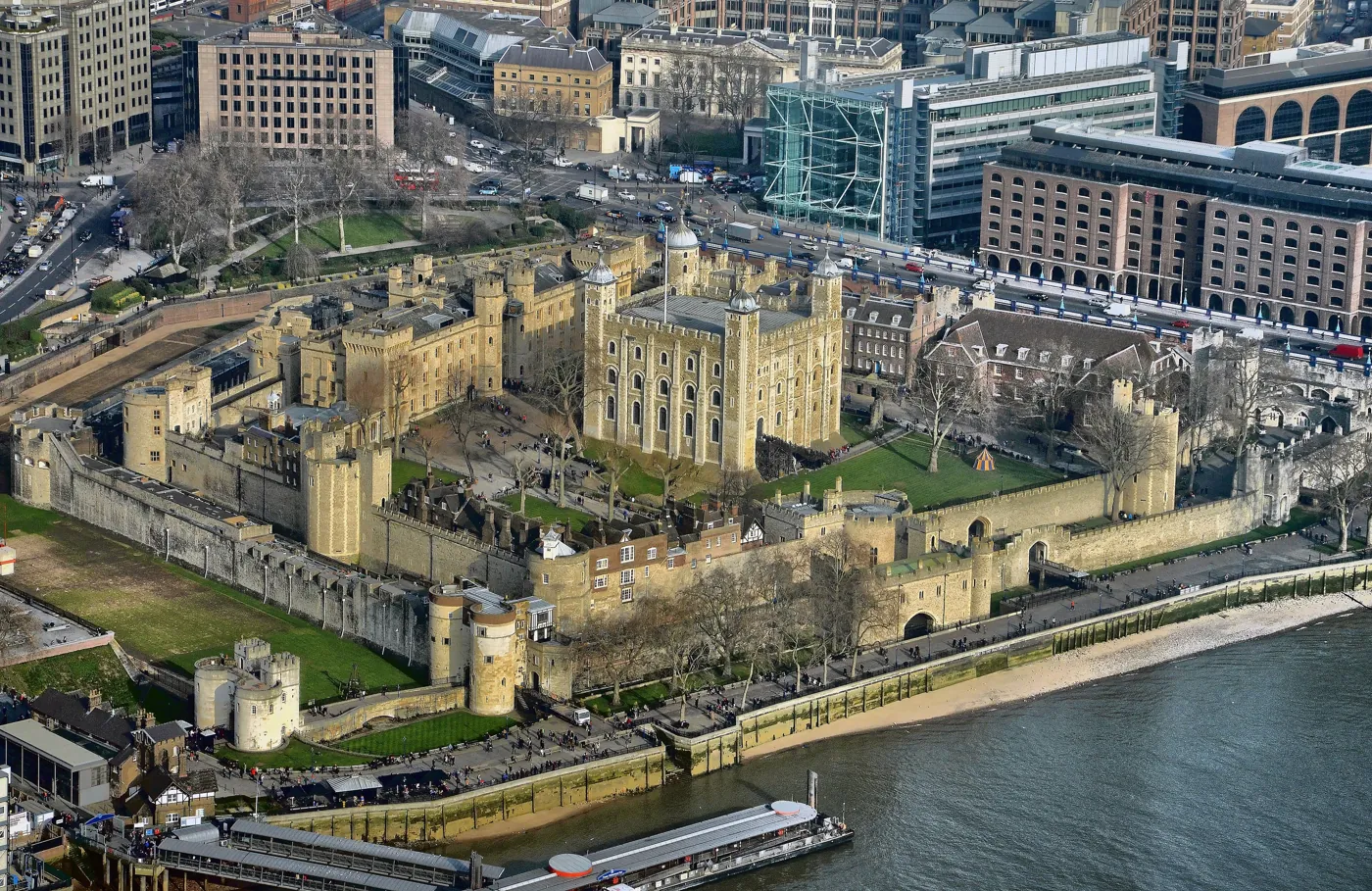
The Tower of London is the most-visited heritage castle on earth, drawing around three million people a year. Its White Tower, the earliest royal stone keep in England, went up under William the Conqueror and finished about 1078. It has served as fortress, royal mint and prison, and it now holds the Crown Jewels.
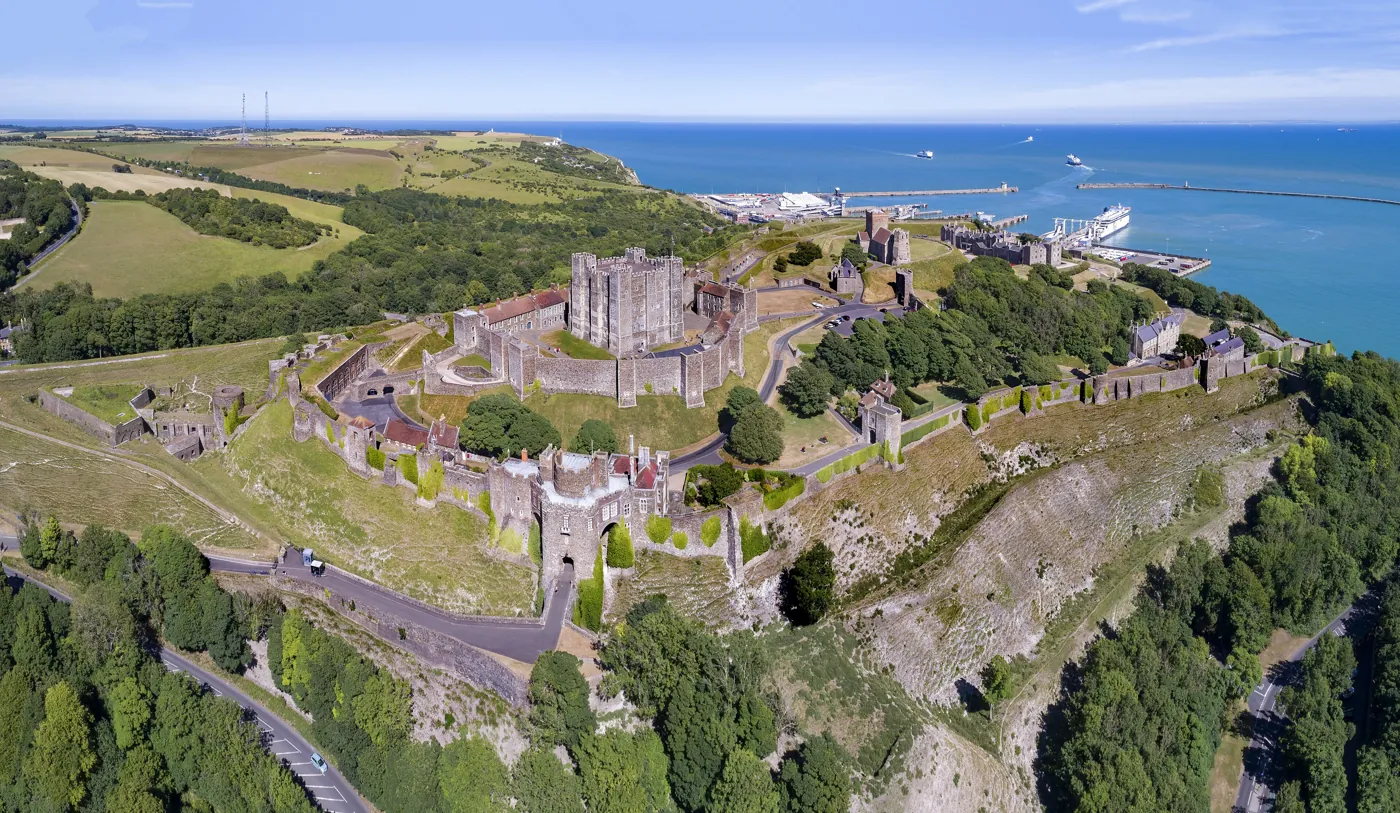
Dover Castle in Kent is the largest English castle by extent, long called "the key to England" for guarding the shortest crossing to the Continent. Its great keep was raised under Henry II in the 1180s, and the same hilltop hides a Roman lighthouse and the wartime tunnels that ran the 1940 Dunkirk evacuation.
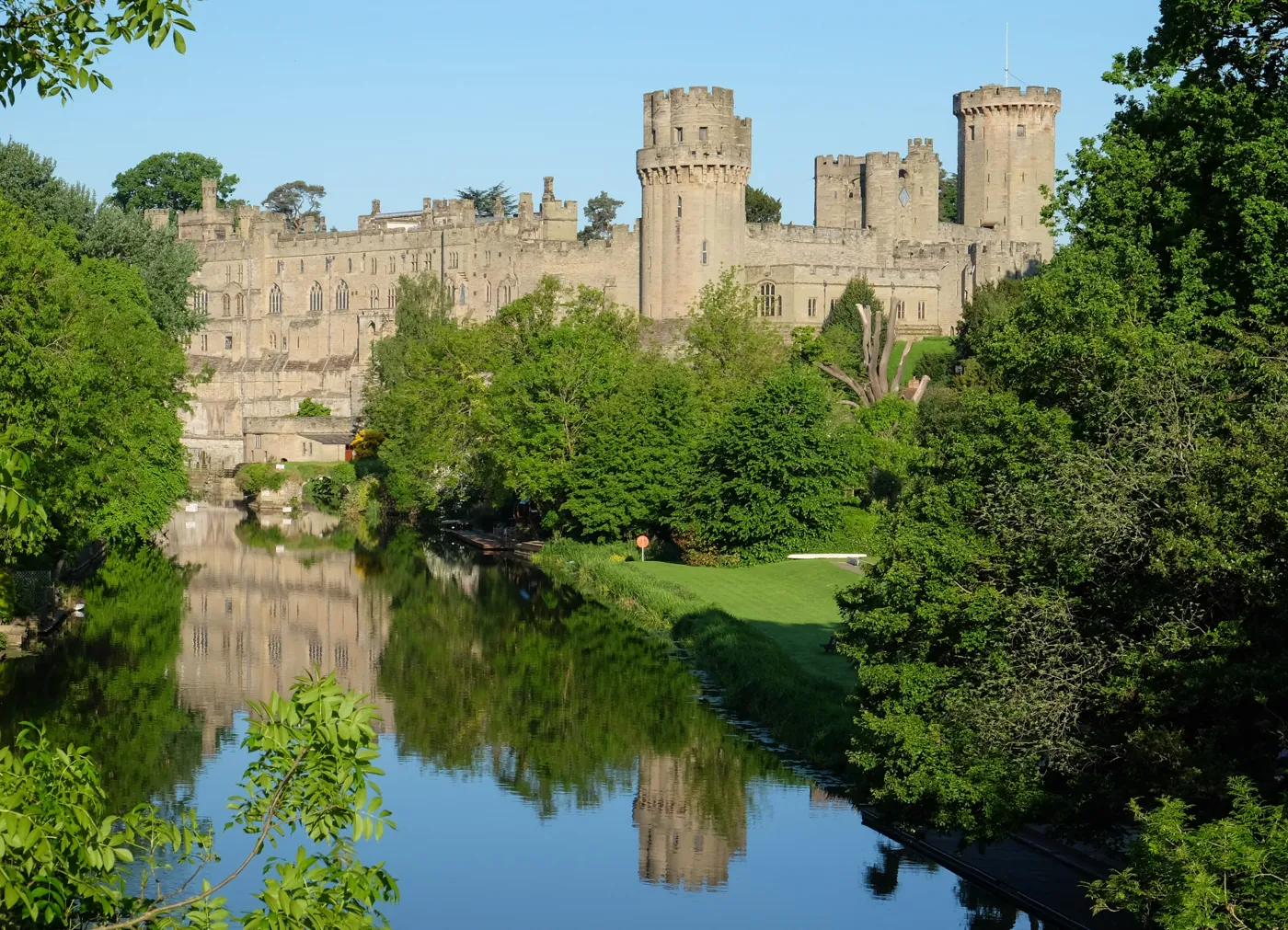
Warwick Castle began as a Norman motte in 1068 and grew into one of the finest medieval fortresses in the Midlands. Today it is England's most-visited privately run castle, complete with towers, state rooms and daily jousting.
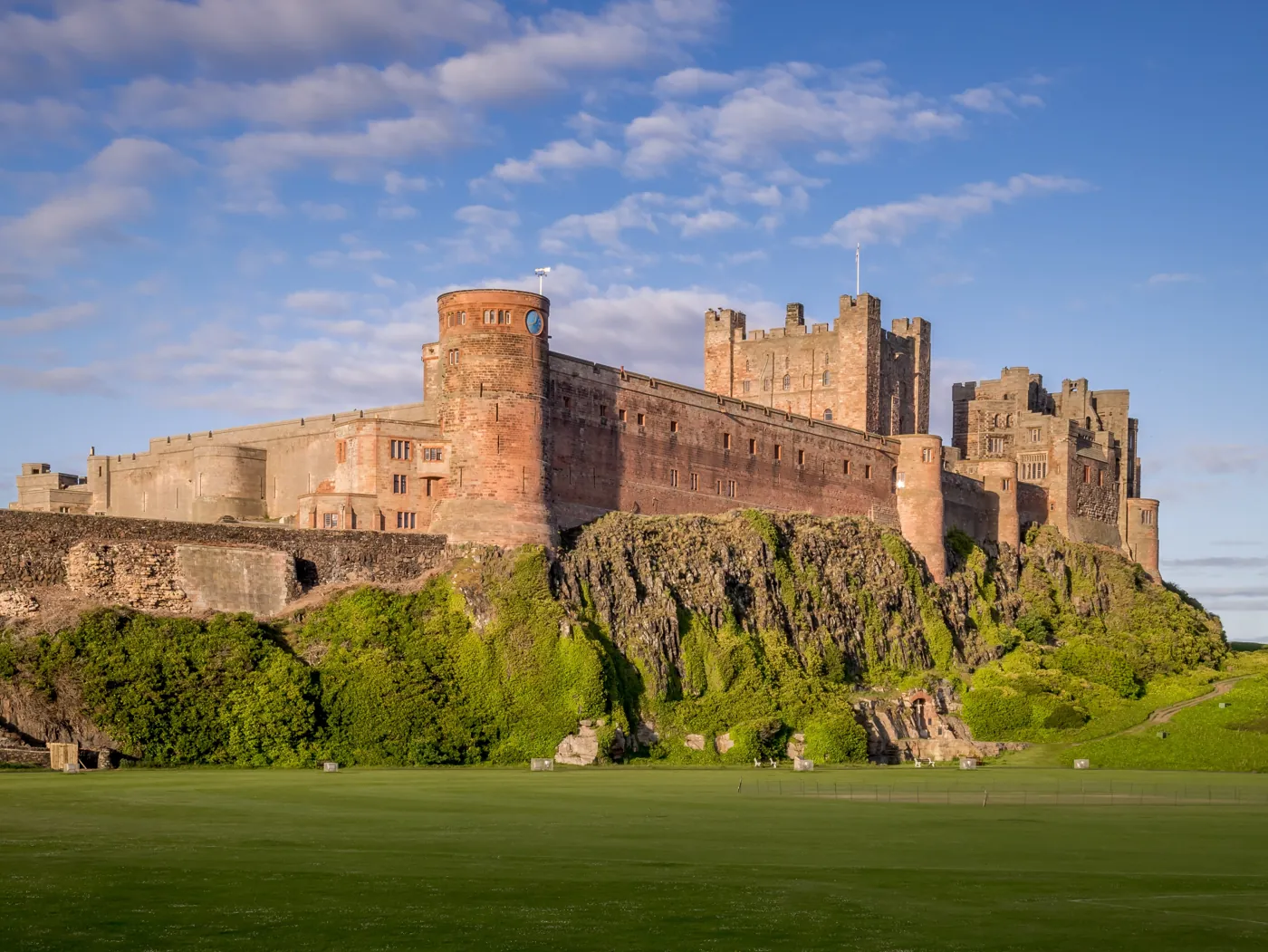
Bamburgh Castle in Northumberland sits on a great basalt crag above the North Sea, one of the most dramatically placed coastal castles in the country and a fortified site since long before the Normans arrived.
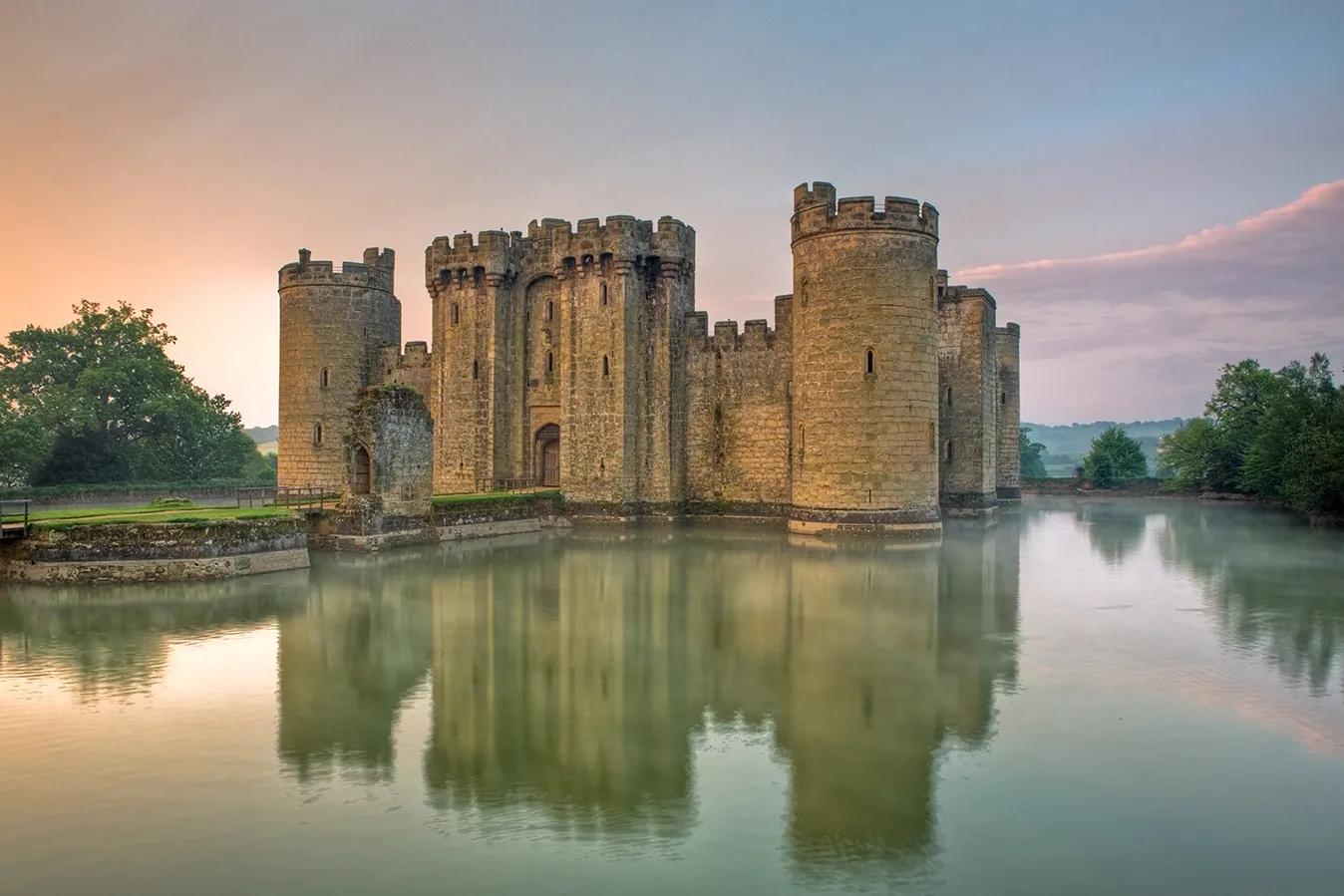
Bodiam Castle in East Sussex is the picture-book moated castle, built in 1385 and reflected whole in the still water around it. It is among the most photographed castle silhouettes in England.
These are the headline names, but they sit on top of a much deeper field of lesser-known keeps, gatehouses and earthworks scattered across every English county. For more on where they cluster and how to visit them, see our guide to castles in England.
Where to see them, and where to buy one
England's intact castles are largely open to the public, run by national heritage bodies, charitable trusts or private families. Between them they draw around 9.4 million castle and fort visits a year, so the great majority of the country's surviving fortresses can be walked through for the price of a ticket.
A smaller number change hands privately. Castles, fortified manors and converted keeps come up for sale across the country, from compact restored towers to full estates. You can browse what is currently available on our listings for castles for sale in England.
England's roughly 1,500 castle sites are not evenly spread or evenly grand, but together they tell one story: a country reshaped almost overnight by conquest, then slowly softened over the centuries that followed. If you are curious how that total compares with the rest of Europe, our piece on which country has the most castles puts England in context.
Sources
1. King, D. J. Cathcart. Castellarium Anglicanum. Kraus International Publications, 1983.
2. Historic England, National Heritage List for England. https://historicengland.org.uk/listing/the-list/
3. Goodall, John. Castle: A History. Yale University Press, 2022.