
Can You Make Money From a Castle Hotel?
The only way a large castle appreciates is if it is run as a business, and for the most part, that business is hospitality. Here's what we know about castle hotels and how to turn a profit.
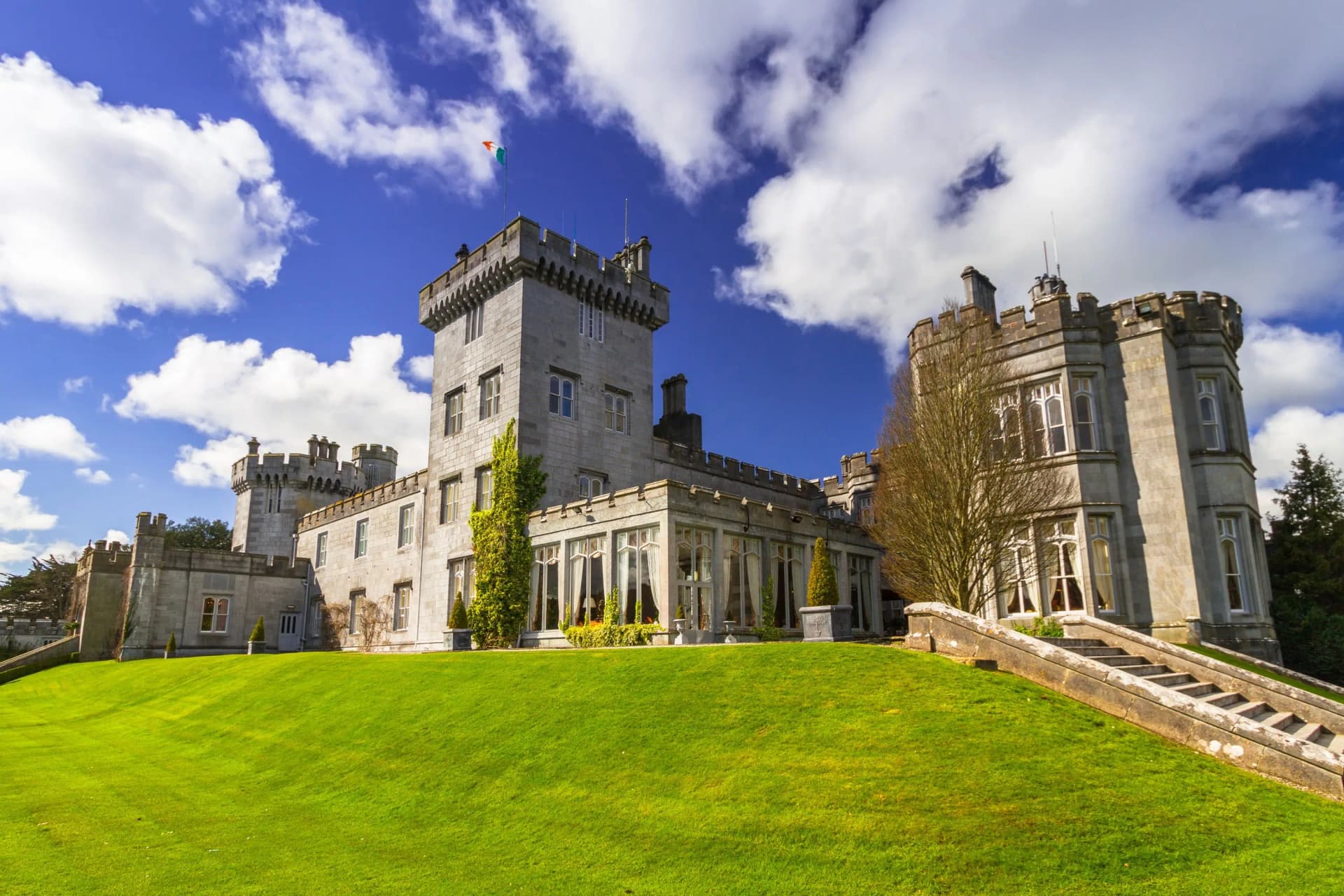
Castle properties behave differently to commercial or residential real estate. Renovate a rundown building in any major city and the property value increases significantly. Properties in general appreciate each year regardless of their condition. This is not the case with castles. You could sink millions of euros into a castle, fixing structural defects, replastering the walls, maintaining the grounds, and at the end, the property valuation will not move an inch. Why? Because without a mechanism to offset the overwhelming costs of ownership, a castle is a liability.
There are many examples of owners losing money from the purchase of a castle property. We discuss this extensively in the cost of castle ownership. In this article, we're going to explore the other side, the castles that make money and are actually profitable. Castle hotels are the most obvious business venture with this property type, and we wanted to explore how the business works, how an operator can turn a profit, who are the customers, and many other questions a potential business owner might have. During our research, we spoke with Roger Masterson, founder of Celtic Castles, who has spent decades in the castle hotel space, and we asked him several questions about the business side of things. We've added Roger's observations as an expert on the topic.
(Nightly rates and commercial lease data can be found in our Castle Price Index).
Why a castle only pays as a business
Ask Roger Masterson whether a castle is a good investment and the answer is blunt: "Only if you treat it as an operating business, not a property. Those days are gone."[2] The era when a castle property could sit abandoned in the countryside and still appreciate is over.
To illustrate this point, let's look at some real case studies. Ribbesford House in Worcestershire was purchased for £810,000. The owners spent around £3 million on renovations, then sold seven years later for £450,000. Close to £3 million in renovations and the property value decreased. Château de Lalande in Dordogne was purchased in 2004 for €890,000. The owners spent around €350,000 on repairs, and when the property was revalued in 2020 it had not changed at all.
Ayton Castle in Eyemouth is another residential example. It was purchased for around £2.4 million in 2014, held for 12 years, and sold in 2026 for £3,250,000. A 35% nominal gain, though not beating inflation. Carbisdale Castle in Ardgay was purchased in 2016 for £900,000 and then sold six years later for £1,000,000. Again, with inflation, renovation and upkeep, this investment was a loss.
On the other side, we have Dalhousie Castle near Edinburgh, which was bought for £2.5m in 2012 and sold for £5.6m in 2023. That's a 124% increase over 11 years, which beat the S&P 500[1][3]. Dalhousie operated as a hotel the entire time, and presumably a profitable one. That is why it appreciated in value compared with the other examples.
Castle hotel nightly rates
The nightly rates at castle hotels are unlike any other hotel. The price range is absurd. There are castles like Coombe Abbey which might charge £100 for an overnight stay, then there are suites in Dromoland Castle where you can spend upwards of £3,000 a night.
Castle hotels, for the most part, operate like luxury goods. The price reflects the experience and the scarcity. There are only a handful of castle hotels, they have limited capacity, sometimes only several rooms which are booked out months in advance. The guest is paying for an experience that is unlike anything else, and that's how these establishments can command such high rates.
"You can't build new castles," Roger told us when asked about the rates, explaining that castles are not trying to compete against city hotels, they are positioning themselves as once-in-a-lifetime experiences. "People want 'story-rich' stays, not just luxury rooms," he says, "it is the emotion and memories that they generate, that could be a beautiful bedroom with a four-poster bed or dinner at the top of a tower."
Roger sees growth from castle hotels offering luxury stays, and believes they are in a strong position whereas mid-market castles only focused on selling rooms are going to struggle. Some castles like Bagnols in Beaujolais have gone so far as to abandon room-sales completely, trading only as exclusive-hire venues for weddings, family gatherings, and corporate retreats, which leads us to our next point.
Castle hotels need multiple verticals
When we talked through the business model with Roger, he stressed that these businesses need multiple verticals. They need to host events and offer unique guest experiences; the castle cannot simply rely on room sales. As he mentioned earlier, visitors want story-rich experiences that play into the historical feel of castles.
Roger explained that for most castles 40-60% of the revenue comes from events, weddings, corporate and private hire. This is where the real money is made. Roger says events are optimal, "when the castle has strong grounds and ceremony areas, and enough bedrooms to justify buyouts."[2]
The research backs this claim. Château de la Motte Husson is the Strawbridges' restored French castle. It runs weddings at £19,000 to £38,000 a package. The Strawbridges bought it derelict for £280,000. It is now worth around £2 million. The events business is what drove that gain. Some castles stop selling rooms altogether. Wilton Castle in Wexford lets the whole building on exclusive hire for €1,666 a night, for up to 14 guests. Its per-room rate was scrapped. Roger says that once a castle goes exclusive-use, events make up 70 to 90% of its revenue.[2]
What the verified leases reveal
Without access to revenue numbers it's hard to get a sense of how castle businesses generally perform. So we've had to rely on the data available. When we were exploring Ireland's commercial lease register we stumbled across leases for two Irish castle hotels, Ashford and Kilronan. The commercial lease for Ashford was about €750,000 a year, and for Kilronan Castle about €450,000.[1][3] These are serious commercial rents. In hospitality a lease is only a fraction of turnover, so a €750,000 rent sits under a business doing several million a year. No operator shoulders costs like that unless the castle is genuinely profitable.
Who stays in a castle hotel in 2026
Americans remain the core audience for UK and Irish castles. UK domestic demand is weekend-led, the two-night break rather than the week. But the real growth, Roger says, is high-net-worth multi-generational families taking a whole castle for five to seven nights[2]. Weddings are a mixed picture, every venue competes now, though "every bride still wants to be a princess," and corporate retreats are only just re-emerging after years of shorter day events.
The revenue sweet spot is not the one-night romance break that fills the entry tier. It is the two-night weekend, where guests actually use the dining, the spa and the grounds, so spend per booking lifts materially.[2] Longer three-to-five-night stays cluster in the genuine destinations, the Scottish Highlands, rural Ireland, the Loire.
Why nightly rates have increased
The post-COVID jump in castle-hotel rates, from a few hundred pounds to £800 and beyond at the top, was not simply inflation. There are three different forces at play.
First, experiential demand. People want "story-rich stays, not just luxury rooms," and a castle offers a depth a five-star hotel cannot.[2] Second, fixed supply: "You can't build new castles, so inventory is sort of fixed."[2] Demand can rise; the number of real castles cannot. Third, the post-COVID guest profile was the higher-spending international traveller, returning faster than the budget domestic one, with pent-up money and a multi-generational trip to fund. Add rising costs, energy, labour and restoration, and a wave of media attention, and prices had every reason to climb and little to hold them down.
Best time to book a castle stay
Summer is always peak. The insider's season is autumn, September and October: better pricing, fewer weekend weddings, more availability, and, at a genuine destination with good food and roaring fires, arguably a better stay than August.[2] The other sweet spot is a snowy Christmas or New Year, which sells on atmosphere rather than weather. The point is that a castle worth staying in is worth staying in out of season, and those off-season months are far cheaper, better for multi-day stays and more private.
Should you buy a castle hotel?
The advice is clear: if you want to turn a profit, treat it like a business. A castle is not an asset as a residential property. It needs business verticals, and ideally a luxury market positioning. The yield comes from events and experiences, not just rooms, so a mid-market castle with no positioning, too small for buyouts, too plain for the story-rich premium, will struggle.[2]
And be realistic about the building. Heritage rules are real and slow: once you understand the system it becomes "predictable, not quicker," and Roger's advice is to use specialists with a listed-building track record.[2] If the castle needs work, you will need deep pockets and patience.
Castle Collector is a marketplace for buying and selling castle properties in Europe, the UK, and the United States. You can inquire about properties for sale or list your own.
Sources
1. Castle Collector, Castle Price Index, March 2026, Sections 3 (hotel-rate audit), 9.2 (revenue model) and 9.3 (Dalhousie).
2. Roger, founder of Celtic Castles, founder interview, July 2026.
3. PSRA (Property Services Regulatory Authority, Ireland) commercial lease register; ScotLIS (Registers of Scotland) for the Dalhousie Castle transactions.