
Who Owns Dutch Castles?
The Netherlands has almost no private castle market. Most Dutch castles are owned by non-profit foundations, and the land registry shows why.
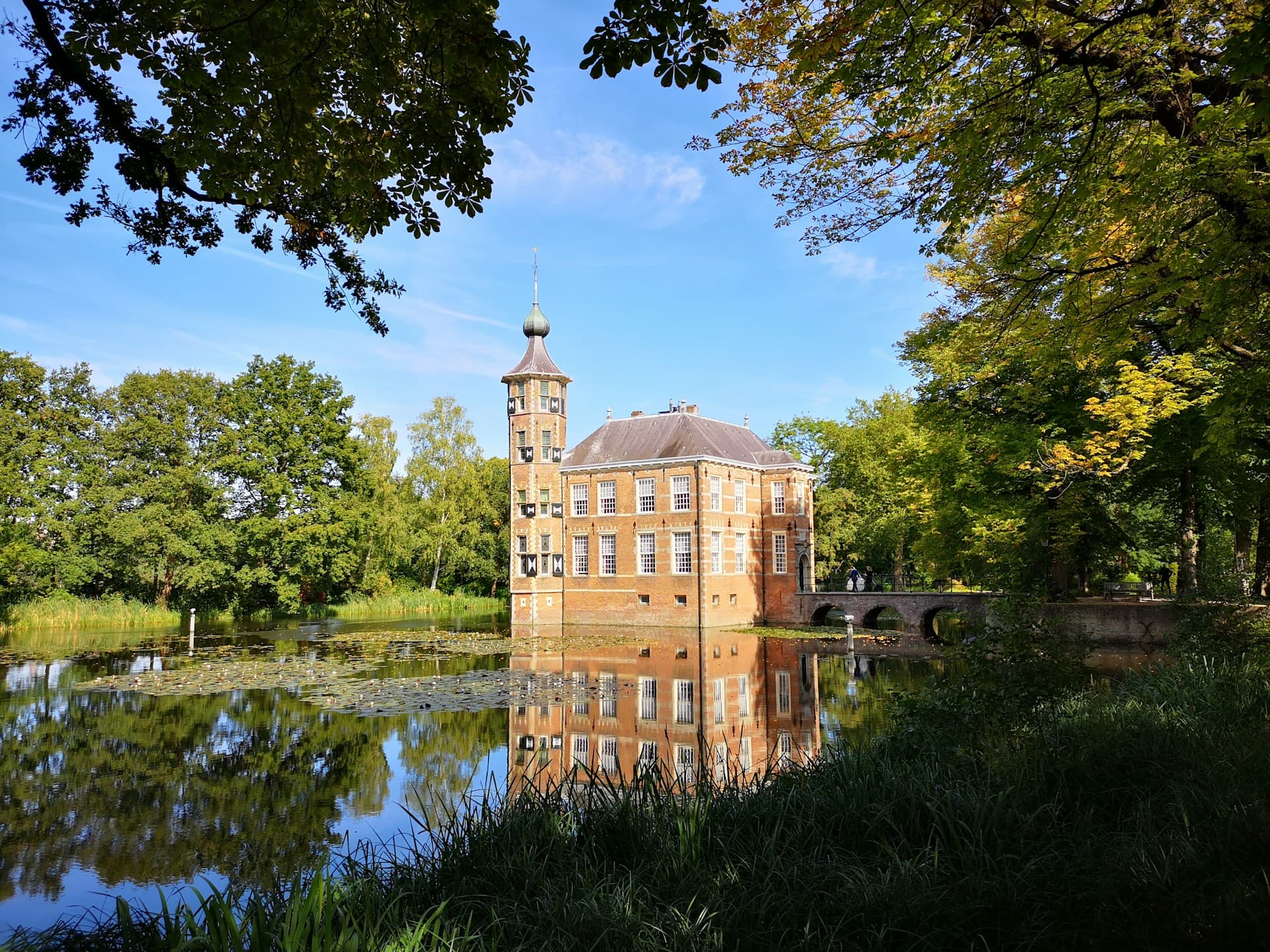
We pulled five verified castle transactions directly from Kadaster, the Dutch land registry. In four of the five, the buyer was not a person but a heritage foundation. That is the most distinctive ownership structure in the European castle market.
In most of Europe, a castle that comes up for sale is bought by someone, a family, a developer, a hotel group. In the Netherlands, it tends to be bought by a Stichting: a non-profit heritage foundation. When we went looking for hard transaction evidence in the Dutch market for our Castle Price Index, this is the pattern that came back.
What the registry actually shows
We identified 527 protected Dutch castle-type properties from the national monuments register, located them to land parcels, and pulled ownership and price records from Kadaster. Five returned confirmed transaction prices. Here they are.
| Castle | Location | Sold | Price | Buyer |
|---|---|---|---|---|
| De Borggraaf (map) | Lottum, Limburg | 2024 | €2,717,446 | Foundation |
| Epemastate (map) | Ysbrechtum, Friesland | 2022 | €3,230,000 | Foundation |
| Malborgh (map) | Buggenum, Limburg | 2017 | €995,000 | Private |
| Het Witte Kasteel (map) | Loon op Zand, Noord-Brabant | 2013 | €3,000,000 | Foundation |
| Slotje te Rijswijk (map) | Rijswijk, Noord-Brabant | 1997 | €1,021,005 | Foundation |
Four of the five went to foundations. Only one, Malborgh in 2017, went to a private buyer. We acknowledge that this sample size is tiny, so we'll stick to observations rather than making any claims. What we think is happening here is the Dutch heritage policy at work.
What is a Stichting?
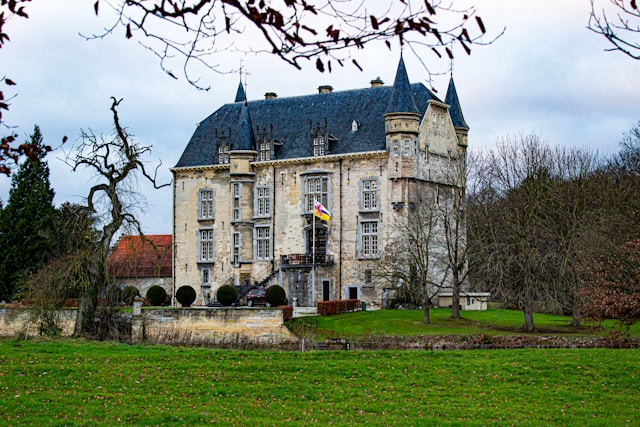
A Stichting is a Dutch non-profit foundation. It exists to hold and steward an asset, and for a protected monument that brings real advantages a private owner cannot match: it can receive heritage grants, qualify for favourable tax treatment, and take on the building purely for preservation rather than profit or residence.
Dutch protected-monument policy actively steers heritage transfers toward this model. The result is a one-way valve. Once a castle is held by a foundation, it tends to stay in foundation hands, passing to another Stichting or remaining inside the same one indefinitely. The pool of castles available to private buyers shrinks with every transfer into the foundation system, which is why the private Dutch castle market is structurally thin: most castles are already spoken for, and the typical sale is between institutions rather than to an individual.
How different this is from the UK and France
The Dutch market is geared towards non-profit ownership while France and the UK markets are geared towards private ownership.
- United Kingdom: castles routinely sell to named private individuals on the open market. Dalhousie, Ayton, Ribbesford, Picton, all recent, all private-buyer transactions.
- France: a deep and active private market. Our data holds 933 cleaned listings and 1,103 verified transactions over three years. Foundations exist (the Fondation du Patrimoine funds up to 20% of restoration costs) but they do not dominate sales.
- Netherlands: of five verified transactions, four went to foundations. The private market exists, Malborgh is an example, but it seems like the exception.
Just how small the Dutch market is
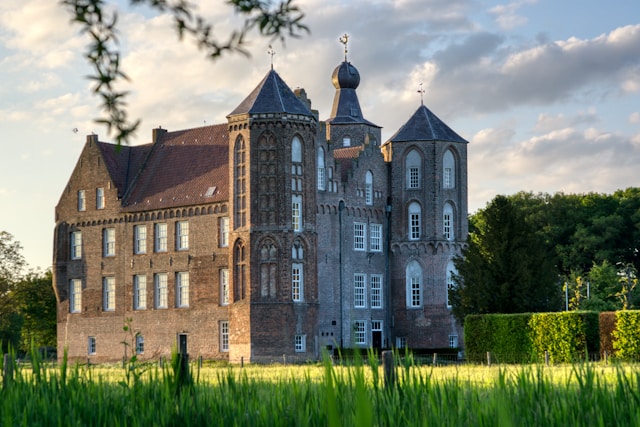
The Netherlands has about 527 protected castle-type properties, which places it tenth in European supply, between Scotland (1,103) and Romania (500). We estimate that the castle turnover rate in Europe is between 0.4% to 0.9% a year, that would mean just two to five Dutch castles are sold in a typical year. The Dutch market is one where you wait patiently for a castle property not where you actively shop. A castle becomes available roughly when a foundation dissolves, restructures or decides to transfer one, not when an estate agent lists it. The rare ones that do reach the open market, you can find on our Netherlands page.
What it means if you want to buy one
A foreign buyer drawn to a Dutch castle should go in with a few things in mind:
- You are often competing with, or buying through, a foundation process, not a straightforward private sale.
- Expect ongoing public-access obligations and grant-linked restrictions attached to the building.
- Expect a slower timeline than France or the UK, where private sales close in months.
- The realistic route in is usually an existing foundation transferring or winding down, so the opportunities are rare and not always publicly advertised.
Why we bothered pulling the records
This is the kind of work the Castle Price Index is built on. The Dutch castle market is invisible from the outside: there is no busy listings feed like France's, and the transactions that do happen are institutional and hidden. The only way to see what's happening is to go to the land registry itself, parcel by parcel, which is exactly what we did. Five confirmed prices does not sound like much, but for a market that produces a handful of sales a year, it is a real window into a structure no listings site would ever show you.
Sources and method
Protected castle identification from the RCE Rijksmonumenten register, geolocated via PDOK; ownership and price records pulled from Kadaster Eigendomsinformatie (accessed April 2026). Compiled in Castle Collector, Castle Price Index (March 2026), Section 1.5.