
Castles in the United States
Castle-style estates in the US trade in the luxury market. The most famous U.S. castle-style buildings include Hearst Castle and Boldt Castle.
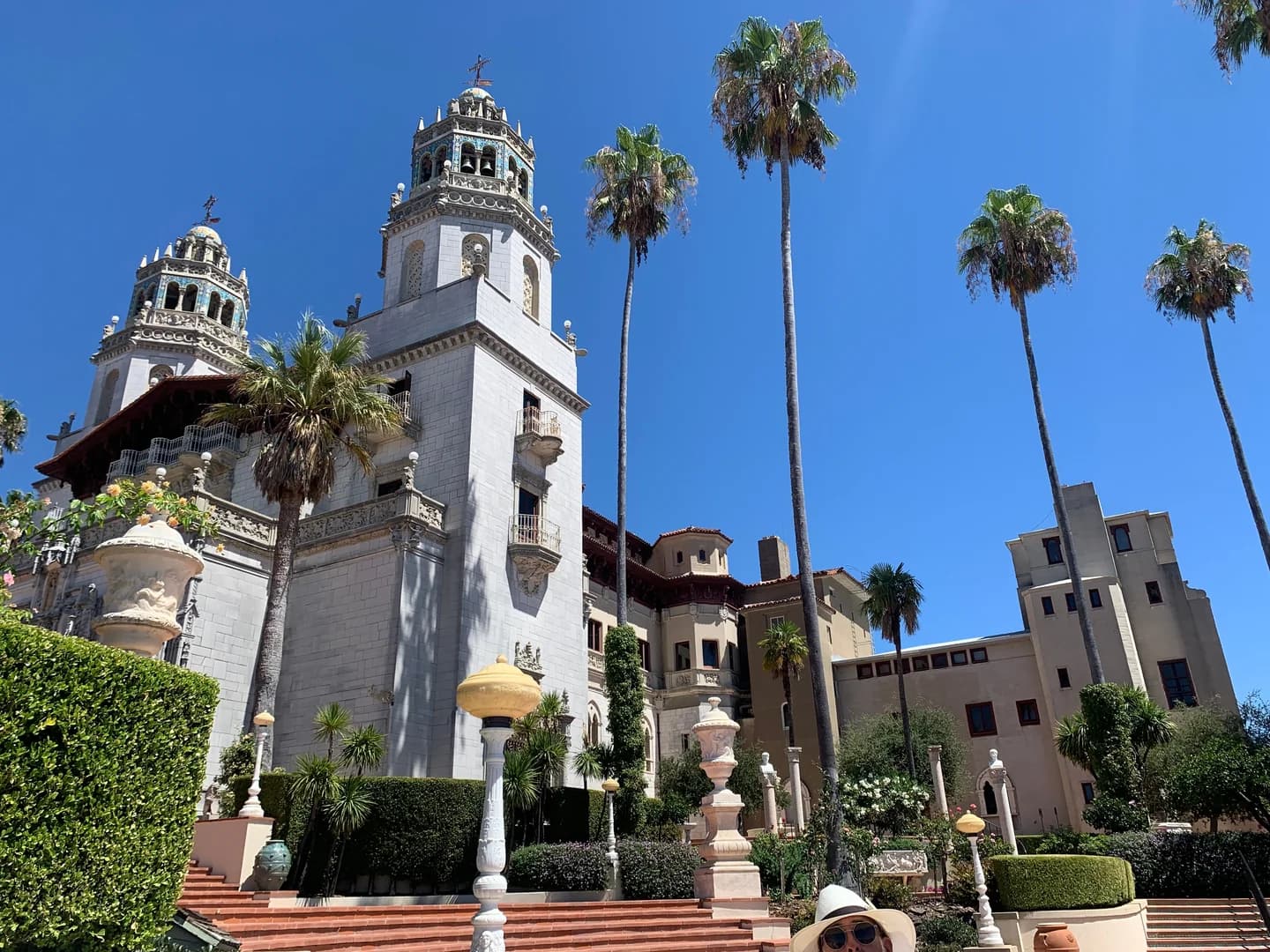
In the United States, castle architecture is influenced by wealth, symbols, and historical references rather than medieval warfare. All over the country, there is a small but notable group of estates that embrace the visual language of European fortification.
These buildings include Gilded Age mansions commissioned by industrial magnates and, in some cases, eccentric inventors who sought to emulate European models of prestige and lineage like those in France or Scotland. Many of these properties emerged during the late 19th and early 20th centuries. These buildings draw selectively from Gothic, Romanesque, and Renaissance traditions. The result is a distinct category of American castle-style architecture, rooted in imitation and interpretation.
This guide answers the key questions about castles in the United States: What qualifies as a castle in an American context, why medieval fortifications never developed here, which sites carry architectural or historical weight, and how these structures compare to Europe’s fortified estates.
Are There Castles in America? Castles in the USA
The United States has castellated properties but no authentic medieval castles because European settlement began long after the Middle Ages concluded. Historians generally date the end of the medieval period to 1453, while permanent European construction in North America did not start until approximately 1620. This chronological gap meant that the feudal systems and defensive requirements of the stone-masonry era never reached American soil. Military technology had already shifted toward gunpowder and cannons, which made traditional high stone walls obsolete.
Builders in the colonies prioritized quick construction using timber and adobe for frontier blockhouses or established star-shaped artillery forts to absorb cannon fire. Indigenous populations, such as the ancestral Puebloans and the Mississippians at Cahokia, created sophisticated stone and earth fortifications, but these structures served specific cultural and tactical purposes rather than the noble residential function of European castles. Consequently, every structure termed a “castle” in the United States belongs to the categories of neo-Gothic revival, architectural folly, or luxury estate. There are castellated properties in Texas that have a seemingly Bavarian look… but were built in 1998!
How Many Castles Are There in the USA?
There are over 700 castles in the USA. This list, compiled exhaustively by the Dupont Castle Inventory, contemplates any kind of castellated property, including castle lookalikes that were used for medieval festivals. Far fewer properties are habitable or even for sale, and our real estate research indicates that there are fewer than 75 castles for sale in the United States, provided that collectors know where to begin looking at.
What’s the Biggest Castle in the United States?
The biggest castle in the United States is the Biltmore Estate in North Carolina. It covers approximately 175,000 square feet (1.63 ha) of floor space and is the largest privately owned home in the United States. It’s also the most-visited castle in the country.
What is the Oldest Castle in the United States?
The oldest castle in the United States is Bacon’s Castle, the oldest brick dwelling in North America, built in 1665 in Virginia, just a three-hour drive south of Washington D.C.
This title, though, is usually assigned to the Castillo de San Marcos (the oldest masonry fort in the USA) in St. Augustine, Florida, but construction began in 1672 by the Spanish and was completed in 1695, which means Bacon’s Castle is older.
Famous U.S. Castle-Style Buildings
These buildings are the most prominent castle-style structures in the United States, each recognized for its scale or historical significance rather than medieval origin.
1. Hearst Castle (San Simeon, California)
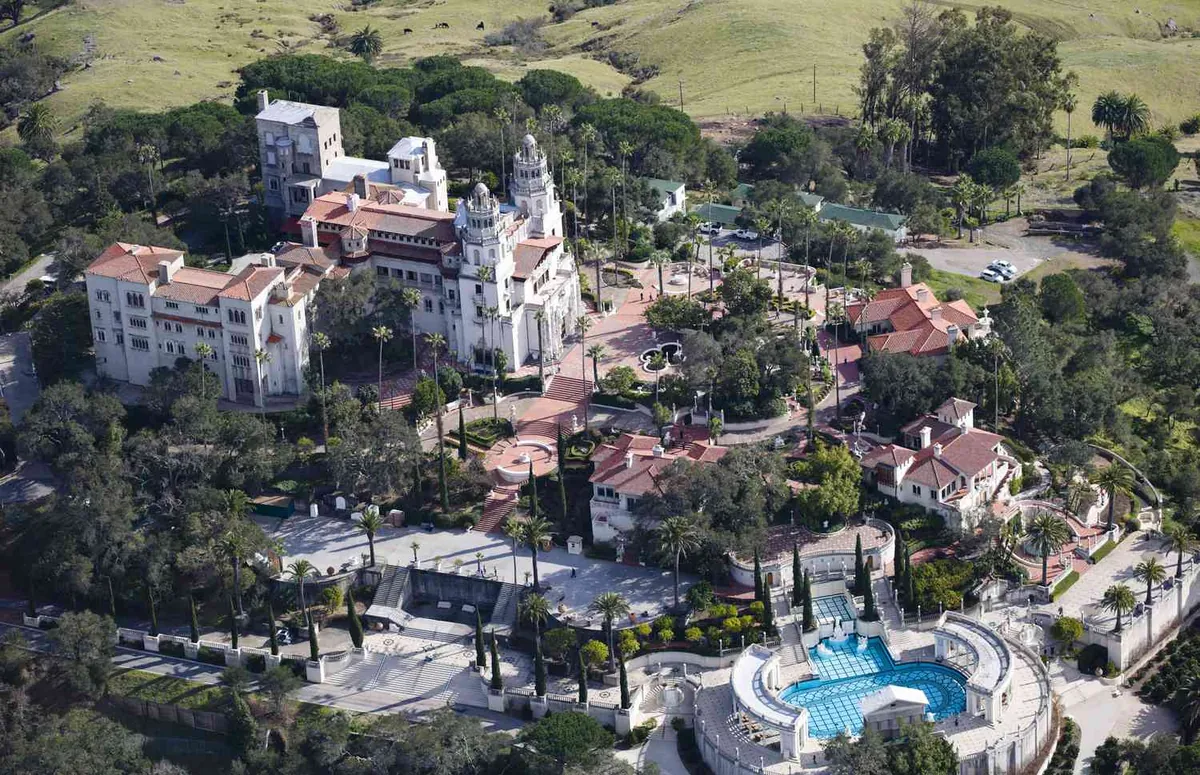
Hearst assembled an extensive art collection on site, including ancient Greek vases and 17th-century European paintings. The main house draws heavily on Spanish ecclesiastical architecture, with design references taken from cathedrals and historic churches. In 1958, the Hearst Corporation transferred the property to the State of California. It now operates as the Hearst San Simeon State Historical Monument and holds designation as a United States National Historic Landmark. The site recorded over 700,000 visitors in 2024. Standard adult admission is priced at $35, which places Hearst Castle among the highest-grossing heritage attractions in California.
This castellated property was the inspiration for Xanadu, the protagonist’s excentric and exuberant property in the classic film Citizen Kane (1941).
2. Biltmore Estate (Asheville, North Carolina)
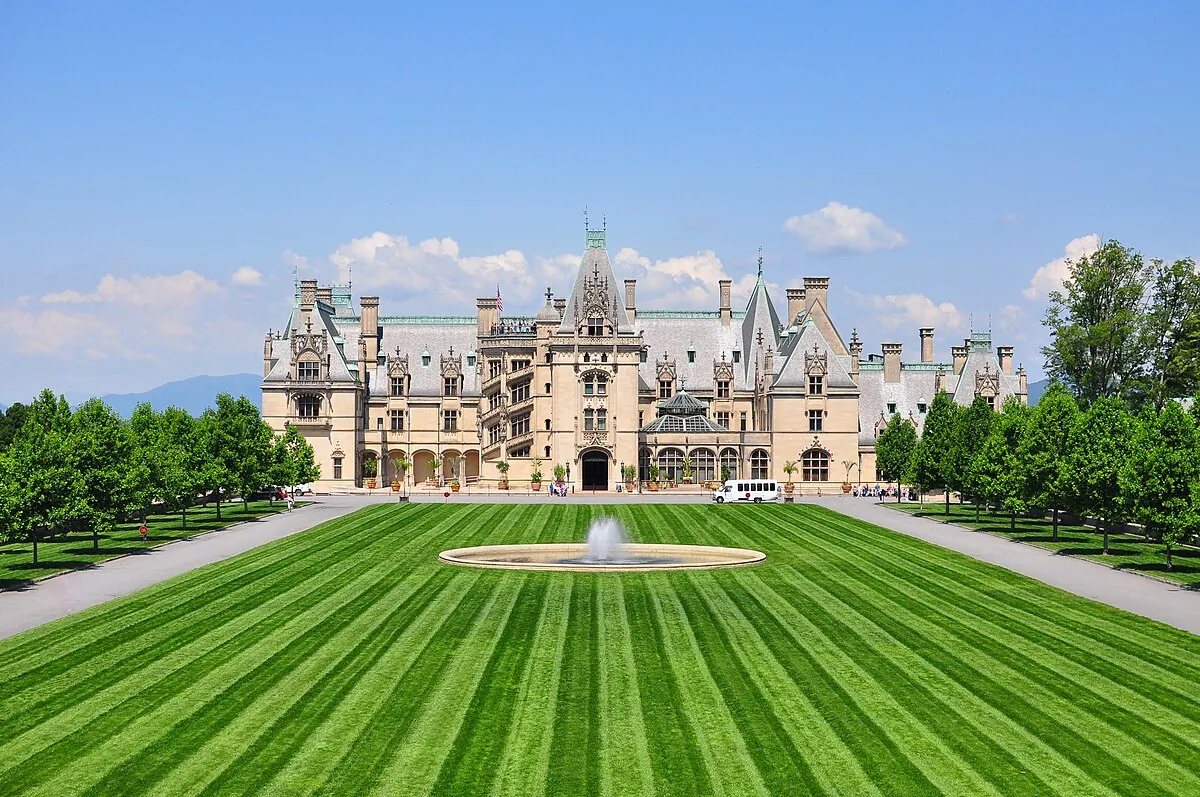
The Biltmore Company expanded the estate’s commercial footprint in 1985 with the opening of the Biltmore Winery in a former dairy building. It has since grown into the most visited winery in the United States and produces approximately 1.8 million bottles of wine annually. The estate attracts over 1.4 million paying visitors each year and acts as a major economic engine for Western North Carolina. Ticket pricing and visit itineraries vary by season, with programmed periods such as Christmas at Biltmore and evening light experiences influencing annual attendance patterns.
3. Boldt Castle (Alexandria Bay, New York)
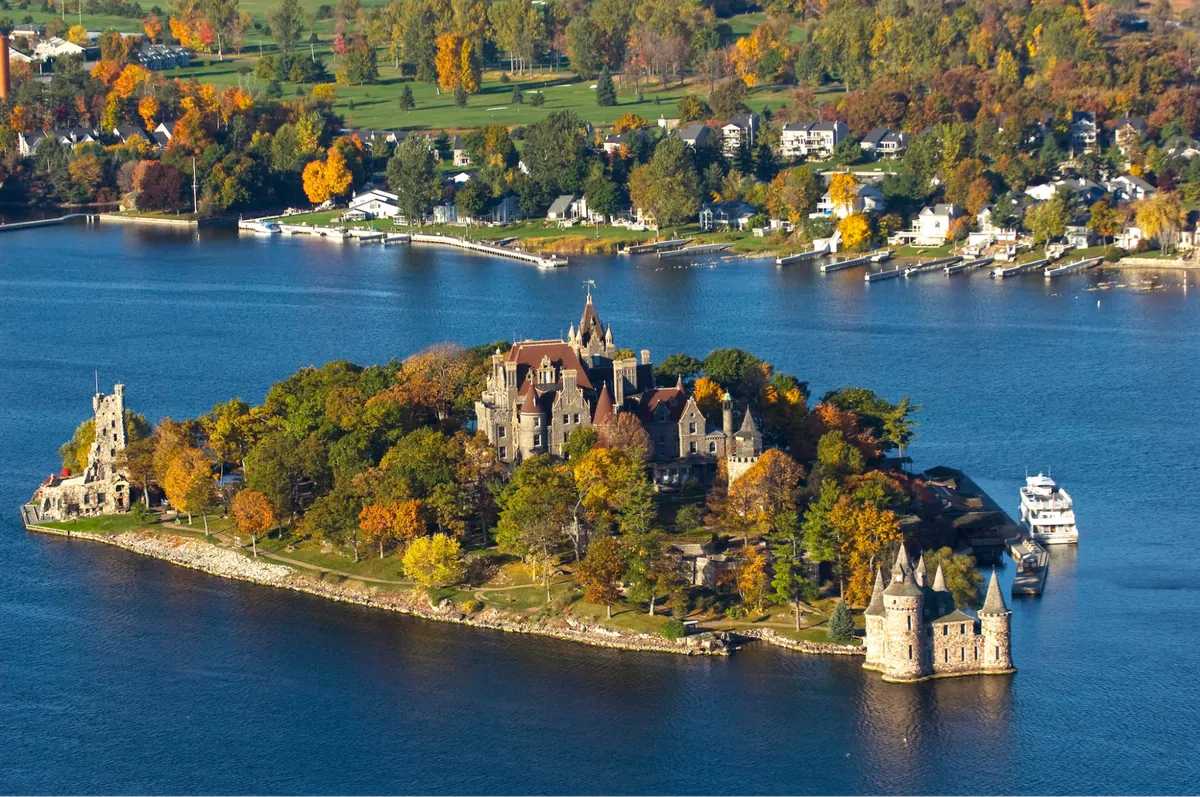
In 1977, the Thousand Islands Bridge Authority acquired Heart Island and its six structures for one dollar. This initiated a long-term restoration programme funded through tourism revenue. Today, the estate comprises the main castle, the power house, the Alster Tower, and the monumental entry arch. The site operates seasonally from mid-May to mid-October and is accessible by ferry or private boat. Boldt Castle receives approximately 200,000 visitors each year, and standard adult admission starts at $13.50.
4. Iolani Palace (Honolulu, Hawaii)
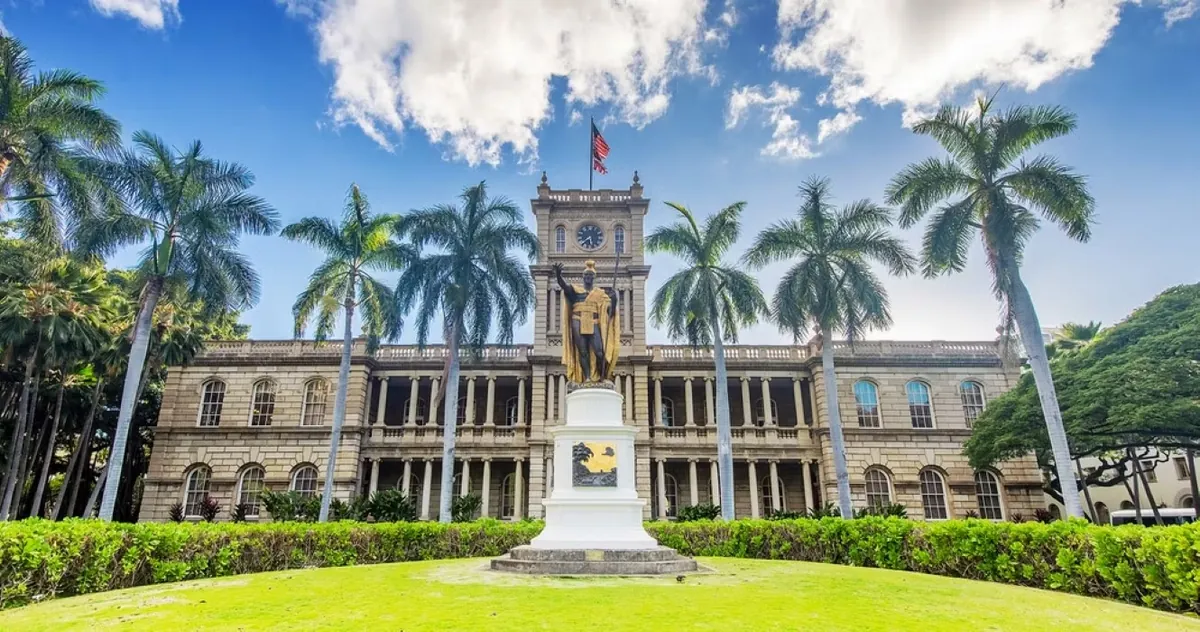
The interior retains key elements of the royal residence, including a grand koa wood staircase and a throne room containing original regalia. The property received designation as a United States National Historic Landmark in 1962. Today, Friends of Iolani Palace manage the site as a museum and cultural institution. The palace attracts approximately 160,000 visitors annually. Tours are offered in English and Japanese, with audio tours starting at $6 and private group tours priced up to $127.
5. Castillo de San Marcos (St. Augustine, Florida)
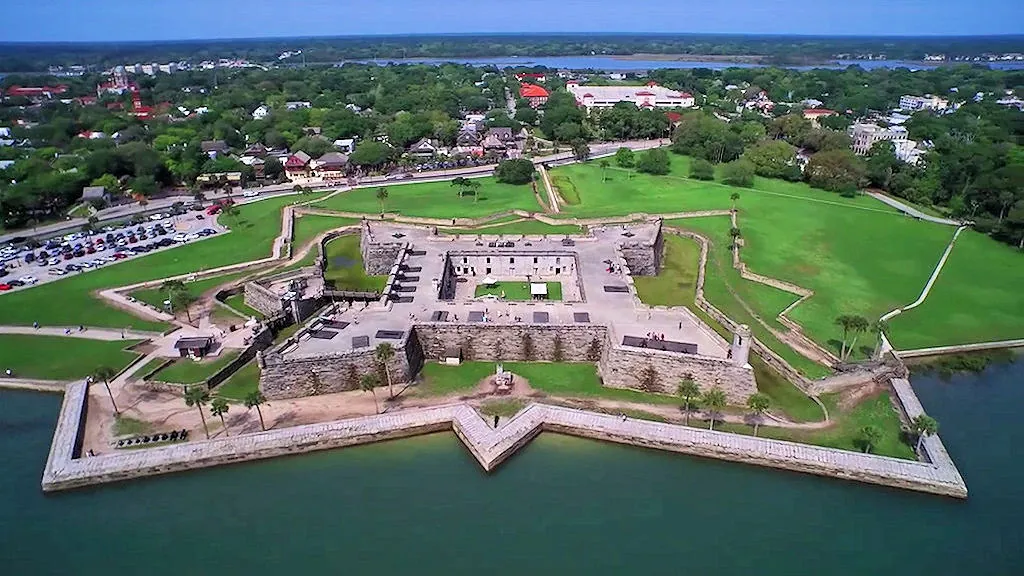
Control of the fort passed between Spanish, British, and American forces through successive treaties. After the United States acquired Florida in 1821, the site operated as a military post under the name Fort Marion. Both Confederate and Union forces occupied the fort during the Civil War. Today, the National Park Service manages the monument as a preserved military site. Visitors can access the central courtyard, attend scheduled cannon demonstrations, and tour the interior chambers. The site records more than 800,000 visits annually. Standard admission is priced at $15, with an annual pass available for $45.
Castles for Sale in the United States
The U.S. market for castle-style properties is small and highly segmented. Most assets available today are large private residences constructed in the late 19th and 20th centuries that reference European forms rather than historic fortifications. Demand comes from a limited collector pool, and transactions typically involve longer holding periods than those seen in the broader luxury residential market. Some castles for sale in the United States pay playful homage to European fortifications and are a far cry from fortified residences that collectors can find in Scotland or Belgium. For example, a castle-like structure that was used to host medieval trade shows recently went up for sale in Indiana. Recently, a Gothic castle built to mirror a real-life medieval fortress hits the market in rural Michigan for over $2 million. The Falkenstein Castle, built as recently as 1998 near Austin, Texas, also recently went up for sale for $14 million.
Operating costs play a central role in valuation. Estates of this scale (Falkenstein holds 110 acres, almost 45 hectares) usually require permanent management and insurance coverage specific to elevated rebuilding values. These structural costs compromise liquidity and can put downward pressure on resale pricing when compared with similarly priced contemporary homes.
Some owners mitigate ongoing expenses through controlled commercial use, such as private events like weddings or limited public access. Others prioritize long-term capital preservation through restrained renovation and adaptive reuse. Where heritage designation applies, alteration rights are tightly regulated and subject to formal approval processes.
Financing options are limited. Conventional mortgages aren't common, and when they are, the focus is more on making sure the deal is legal, following the rules for zoning, and having a history of renovations.
Explore Real Castles in Europe
Wales and Scotland present some of the highest concentrations of medieval and early modern castles, while France and Belgium maintain extensive château and estate portfolios governed by long-established conservation frameworks.
Interested in owning a castle? Join our mailing list to receive updates when new properties enter the market.